


Search results
Search for "cells" in Full Text gives 896 result(s) in Beilstein Journal of Organic Chemistry. Showing first 200.
Multicomponent reactions driving the discovery and optimization of agents targeting central nervous system pathologies
Beilstein J. Org. Chem. 2024, 20, 3151–3173, doi:10.3762/bjoc.20.261

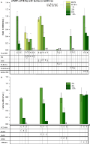
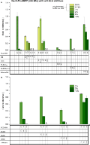
- cells containing the Nrf2/antioxidant response element (ARE). The melatonin–lipoic acid (LA) hybrids 3a and 3b emerged as potent antioxidants, successfully inducing the Nrf2 transcriptional pathway at concentrations of 10, 30, and 100 μM (Figure 5). Notably, these hybrids exhibited lower CD values (28.1
- donepezil, employing a widely accepted tauopathy model in SH-SY5Y cells. Notably, compound 7a was identified as the most promising multitarget-directed ligand in the study, exhibiting superior neuroprotection compared to both MK-886 and the commercial drug donepezil in a cell viability MTT assay. These
- , inspired by natural alkaloids such as deoxyvasicinone and evodiamine with promising inhibition of ChEs and antioxidant and neuroprotective effects against glutamate-induced OS in HT-22 cells [41]. In 2016, Dgachi et al. [42] applied a Knoevenagel-based multicomponent approach to further explore the


Advances in the use of metal-free tetrapyrrolic macrocycles as catalysts
Beilstein J. Org. Chem. 2024, 20, 3085–3112, doi:10.3762/bjoc.20.257
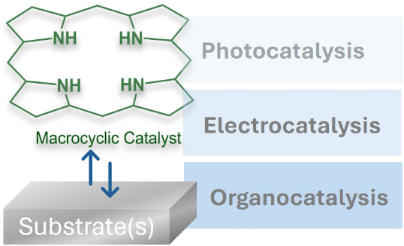
- applied in various fields, including organometallic catalysis, dye-sensitized solar cells, sensing, artificial olfactory systems, photodynamic therapy (PDT), anticancer drugs, biochemical probes, and electrochemical devices. Relevant examples of these two pyrrolic macrocycles as metal-free organocatalysts
- , cyclam (tetraazacyclotetradecane), phthalocyanines, corroles and their supramolecular frameworks have been widely used as both homogeneous and heterogeneous electrocatalysts for various energy conversion and storage techniques, such as fuel cells, water splitting devices, and rechargeable metal–air


Synthesis of the 1,5-disubstituted tetrazole-methanesulfonylindole hybrid system via high-order multicomponent reaction
Beilstein J. Org. Chem. 2024, 20, 3077–3084, doi:10.3762/bjoc.20.256
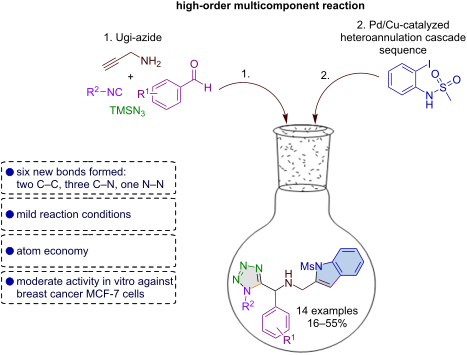
- efficiency and creating six new bonds (two C–C, three C–N, and one N–N). Additionally, the products were evaluated against breast cancer MCF-7 cells, finding moderate activity in the compounds substituted with fluorine and chlorine. Keywords: 1,5-disubstituted tetrazoles; high-order multicomponent reaction
- cytotoxic compounds. For example, a cytotoxic effect was found in CAL 27 cells, presumably through a mechanism of TNF-α inhibition in vitro, which could be related to the anti-inflammatory effect identified in several studies of NSAIDs that inhibit cancer cell viability in vitro [37][38]. In another study
- aimed at inhibiting tubulin assembly, N-mesyl-2-(1-phenylvinyl)indoles were active against HCT-116 cells on the order of a GI50 of 10 mM, although the mechanism originally sought was not demonstrated [39]. Therefore, in this work, the cytotoxic activity of methanesulfonylindoles 18a–j was explored



Tunable full-color dual-state (solution and solid) emission of push–pull molecules containing the 1-pyrindane moiety
Beilstein J. Org. Chem. 2024, 20, 3016–3025, doi:10.3762/bjoc.20.251

- materials [14][20][21][22][23][24][25][26][27][28][29][30][31][32][33]. For example, organic π-systems whose main structural unit is stilbazole are used as active compounds in organic light-emitting diodes (OLEDs) [20], dye-sensitized solar cells (DSSCs) [21], nonlinear optics (NLO) materials [22][23
- ], positron emission tomography (PET) imaging [24], fluorescent probes and labels [25][26][27] detecting H2S in foodstuff, water, and living cells [28], Fe3+ ions [29], Hg2+ ions [30], and cyanide anions [31], for acid–base vapor sensing [32], and as candidate material for photonics devices, optical switches


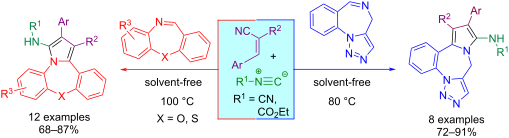
Synthesis of pyrrole-fused dibenzoxazepine/dibenzothiazepine/triazolobenzodiazepine derivatives via isocyanide-based multicomponent reactions
Beilstein J. Org. Chem. 2024, 20, 2870–2882, doi:10.3762/bjoc.20.241
- numerous reports, quantum yield is one of the most important photophysical parameters for describing luminescent molecules and materials since high quantum efficiency is important for a wide range of applications, including displays, lasers, bio-imaging, solar cells, and accurate measurement of the quantum


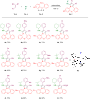


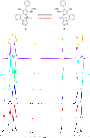


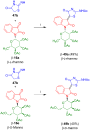
N-Glycosides of indigo, indirubin, and isoindigo: blue, red, and yellow sugars and their cancerostatic activity
Beilstein J. Org. Chem. 2024, 20, 2840–2869, doi:10.3762/bjoc.20.240
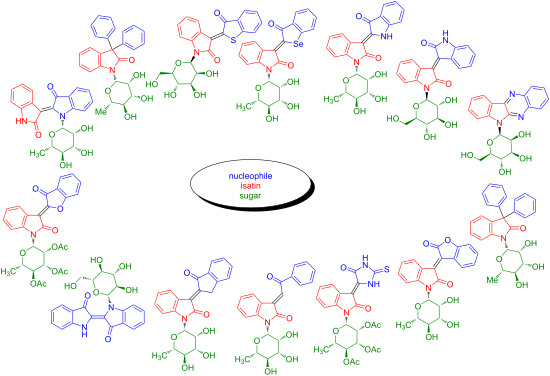
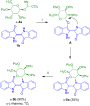
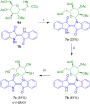
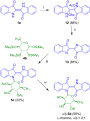
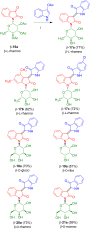
- cytotoxic activity against melanoma and squamous cell carcinoma cells, lung cancer and glioblastoma cells [30]. It was shown in a WST-1 assay that these compounds exhibit a concentration-dependent inhibition of the metabolic activity of A375 and A431 cells, while the non-glycosylated derivative 34 proved to
- be inactive. The activities of β-33b and 34 on the cell viability was independently studied by using crystal violet as a dye for viable cells following a 48 h incubation of A375 melanoma cells and A431 squamous carcinoma cells. Interestingly, a concentration-dependent cytotoxicity was again observed
- for β-33b, but not for 35 in both cell lines. The IC50 values of β-33b were similar to those obtained by the WST-1 assay. A related proapoptotic effect was not observed for 35 in A375 cells. However, in case of A431 cells, a significant increase in caspase activity was observed for 35, but at a much










Interaction of a pyrene derivative with cationic [60]fullerene in phospholipid membranes and its effects on photodynamic actions
Beilstein J. Org. Chem. 2024, 20, 2732–2738, doi:10.3762/bjoc.20.231

- membrane potential (Vm) in living cells. These previous studies indicated that the localization of the triad molecules in a specific intra-membrane orientation and the suppression of the photodynamic actions of the [60]fullerene (C60) moiety are likely important to achieve fast and safe control of Vm
- , respectively. In this study, by mimicking our previous system of triad molecules and living cells, we report a simplified model system with a cationic C60 derivative (catC60) and a liposome with embedded 1-pyrenebutyric acid (PyBA) to demonstrate that the addition of PyBA was important to achieve fast and
- an acceptor in photoinduced charge-separation systems, we have previously employed ferrocene-porphyrin-C60 triad molecules (Figure 1a) in a biological system to control the plasma membrane potential (Vm) of living mammalian neuronal cells under photoirradiation [4][5][6]. Generally, Vm originates


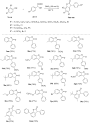
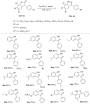
Transition-metal-free decarbonylation–oxidation of 3-arylbenzofuran-2(3H)-ones: access to 2-hydroxybenzophenones
Beilstein J. Org. Chem. 2024, 20, 2655–2667, doi:10.3762/bjoc.20.223
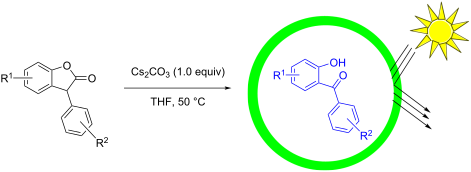
- , and 4ma. Whereas compound 4ja and 4ma showed an ideal single crystal behavior, compound 4fb showed a dynamic disordered structure due to intramolecular vibrations in the unit cells, particularly because of the presence of the tert-butyl group, which can assume any rotation angle [24]. Nevertheless




Applications of microscopy and small angle scattering techniques for the characterisation of supramolecular gels
Beilstein J. Org. Chem. 2024, 20, 2608–2634, doi:10.3762/bjoc.20.220

- minimal change to the materials environment. This allows for structures that are more representative of their typical environment. To achieve this, many specialised cells have been developed to control various environmental parameters including temperature, pressure, irradiation, electromagnetic fields
- , cells that allow for the coupling of SAS with non-X-ray techniques continue to be developed; these include spectroscopy, rheology, and electrochemistry [62][63][64]. Ascribing changes in properties of interest directly to changes in the structure further elucidates the interesting properties of self


Synthesis and cytotoxicity studies of novel N-arylbenzo[h]quinazolin-2-amines
Beilstein J. Org. Chem. 2024, 20, 2592–2598, doi:10.3762/bjoc.20.218
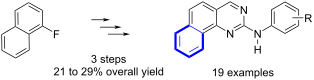
- and breast carcinoma MCF7. In parallel, human skin fibroblasts were used as reference for non-tumor cells and roscovitine (ROSCO), doxorubicin (DOXO) and Taxol as positive controls. For details see: ref. [2] and Supporting Information File 1, Table S1. Compounds 4a–f, 4h, 4i, 4k, 4l, 4o and 4q that
- particular for 4a which has demonstrated low micromolar toxicities (IC50 from 1.7 to 6 μM) against HuH-7, Caco-2, MDA-MB-468 and HCT-116 cells, with low to no action, on the other cells. Similarly, the meta-fluoro analogue 4i is active only on Caco-2, MDA-MB-468, HCT-116 and MCF7 (IC50 from 2 to 6 μM) while
- , 272.1181 (0 ppm); mp: 195–197 °C. Protocole ImPACell for cytotoxicity studies Cell culture. Skin normal fibroblastic cells are purchased from Lonza (Basel, Switzerland), HuH-7, Caco-2, MDA-MB-231, HCT-116, PC3, MCF7 and NCI-H727 cancer cell lines were obtained from ATCC (American Type Culture Collection


Synthesis, electrochemical properties, and antioxidant activity of sterically hindered catechols with 1,3,4-oxadiazole, 1,2,4-triazole, thiazole or pyridine fragments
Beilstein J. Org. Chem. 2024, 20, 2378–2391, doi:10.3762/bjoc.20.202
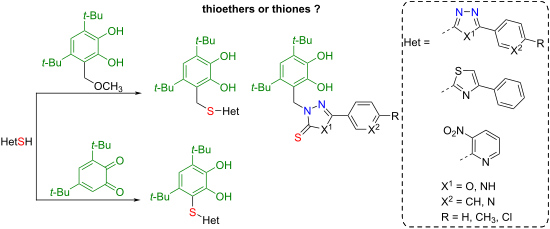
- ), HRMS, and elemental analysis. The molecular structures of compounds 5, 6 and 8 in crystal state were determined by single-crystal X-ray analysis. X-ray data The X-ray suitable crystals 5, 6·0.5CH3CN, and 8 were grown by slow recrystallization of the compounds from acetonitrile solutions. The unit cells




Improved deconvolution of natural products’ protein targets using diagnostic ions from chemical proteomics linkers
Beilstein J. Org. Chem. 2024, 20, 2323–2341, doi:10.3762/bjoc.20.199
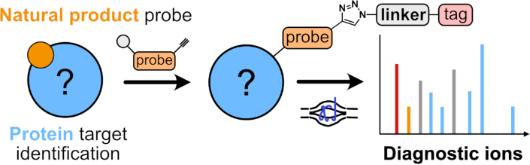
- probe–protein interaction in native conditions in living cells. Taken together, the linkers used in chemical proteomics workflows are applied broadly in many research areas including screening of fragment libraries, covalent modifiers, protein PTMs, protein–protein interactions, protein–nucleic acid
- CuAAC due to its rapid reaction kinetics, robustness, and relatively small steric hindrance of the terminal alkyne, which is usually attached to the probe core scaffold to form an alkyne probe [5][63]. Once the covalent bond between the probe and protein is formed, the cells are lysed, and the probe
- of the probe is necessary to identify any unspecific bands stemming from side reactivity of the azide–protein conjugate. In case a photo-crosslinker is used, another control experiment needs to be included, in which the cells/lysate are treated with the probe but not UV-irradiated. The non-covalent




Cell-free protein synthesis with technical additives – expanding the parameter space of in vitro gene expression
Beilstein J. Org. Chem. 2024, 20, 2242–2253, doi:10.3762/bjoc.20.192
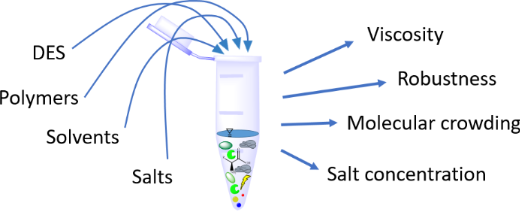
- , batch-to-batch reproducibility, and reliable kinetic modelling of the system [10][11]. Furthermore, the transferability of CFPS screening results to the cells is limited but important, as in vivo production is often required for preparative scale applications [11][12]. To date, the description of CFPS
- concentration in the CFPS system is lower than that in the cells. It was therefore increased by the addition of DES, which have already been used for biological applications [52] and are considered as promising environmentally friendly alternative solvents [53]. The addition of choline chloride appears to have
- Equation 1 [64], as only minor influences are assumed at the concentrations used in this work: The concentration of macromolecules was calculated based on the cytosolic composition and the average OD600 at the harvest of the culture for the cell-free extract. With the derived number of cells, the cellular

Metal-free double azide addition to strained alkynes of an octadehydrodibenzo[12]annulene derivative with electron-withdrawing substituents
Beilstein J. Org. Chem. 2024, 20, 2234–2241, doi:10.3762/bjoc.20.191
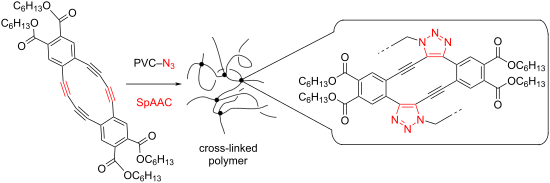
- high efficiency under physiologically active conditions and the absence of any toxic metal ions. SpAAC is biorthogonal, which allows for the specific labeling and imaging of biomolecules even in living cells and organisms. Recently, a more rapid click reaction was desired and the strain-promoted




Natural resorcylic lactones derived from alternariol
Beilstein J. Org. Chem. 2024, 20, 2171–2207, doi:10.3762/bjoc.20.187
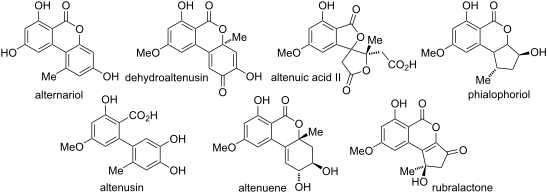
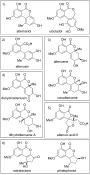
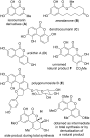
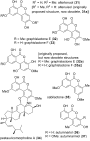
- solubility in the standard tests, performed in aqueous media) nor phytotoxic activity [73]. A general but not an acute toxicity of AOH has already been mentioned in late 1970ies, e.g., an activity against Bacillus mycoides at 60 μg/disc and a toxicity to HeLa cells with an ID50 value of 6 μg/mL [74]. It
- turned out that induced cytotoxicity [75] is mediated by activation of the mitochondrial pathway of apoptosis in human colon carcinoma cells [76][77] and that cytotoxicity on HCT116 cells is increased, when AOH is combined with 9-O-methylalternariol (2, AME) [78]. AOH further showed to have a detrimental
- V79 cells and in mouse lymphoma cells even at non-toxic or moderately cytotoxic concentrations [84]. AOH was further shown to cause strand-breaking in mammalian cell lines V79, HepG2, and HT-29 [85][86][87]. It was a significant finding by Marko et al. that AOH acts as a topoisomerase poison




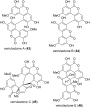


Novel truxene-based dipyrromethanes (DPMs): synthesis, spectroscopic characterization and photophysical properties
Beilstein J. Org. Chem. 2024, 20, 2163–2170, doi:10.3762/bjoc.20.186
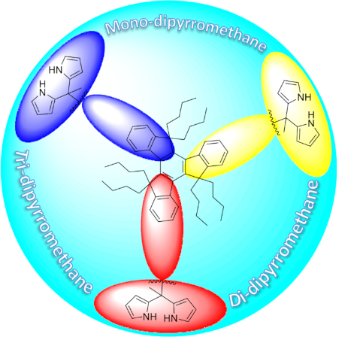
- ][12][13]. The most promising applications of truxene-based systems have been found in organic photovoltaics (OPVs), dye‐sensitized solar cells (DSSCs), fluorescent probes, organic thin‐film transistors (OTFTs), lasers, organic light emitting diodes (OLEDs), liquid crystals, non-linear optical (NLO


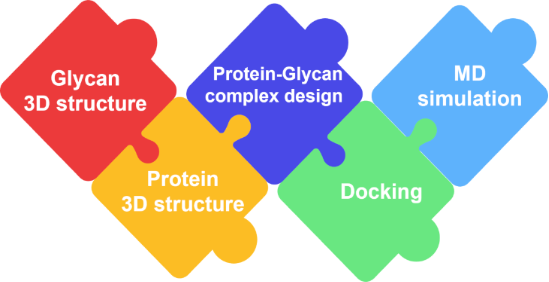
Computational toolbox for the analysis of protein–glycan interactions
Beilstein J. Org. Chem. 2024, 20, 2084–2107, doi:10.3762/bjoc.20.180


Cage-like microstructures via sequential Ugi reactions in aqueous emulsions
Beilstein J. Org. Chem. 2024, 20, 2078–2083, doi:10.3762/bjoc.20.179
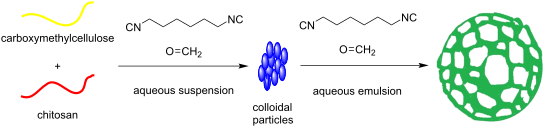
- substances [7]. A particularly interesting area is the use of colloidosomes to model processes in living cells and produce artificial protocells [8][9]. The enlargement of pores on the surface of colloidosomes leads to structures that resemble microscopic cages [10]. Obtaining such cage-like structures is


Allostreptopyrroles A–E, β-alkylpyrrole derivatives from an actinomycete Allostreptomyces sp. RD068384
Beilstein J. Org. Chem. 2024, 20, 1981–1987, doi:10.3762/bjoc.20.174
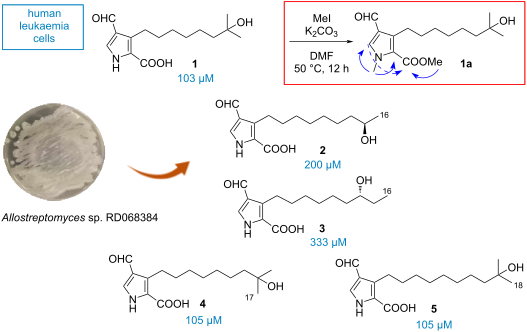
- by formyl and carboxyl functionalities. Compounds 1, 4, and 5 showed cytotoxicity against Kasumi-1 human acute myeloblastic leukemia cells with IC50 values of 103, 105, and 105 μM, respectively, which are less active than the anticancer agent cisplatin, with an IC50 value of 70 μM. Keywords
- cytotoxicity against Kasumi-1 human acute myeloblastic leukemia cells with IC50 values of 103, 105, and 105 while 2 and 3 were less active with IC50 values of 200 and 333 μM, respectively. Under the same experimental conditions, cisplatin, a positive control, inhibited the cell growth with an IC50 value of 70


A new platform for the synthesis of diketopyrrolopyrrole derivatives via nucleophilic aromatic substitution reactions
Beilstein J. Org. Chem. 2024, 20, 1933–1939, doi:10.3762/bjoc.20.169
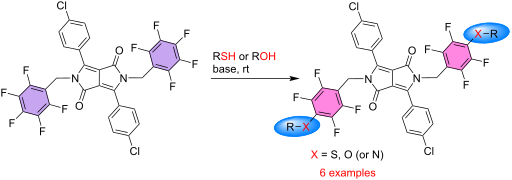
- used in a wide range of applications, namely as organic semiconductors [8], acceptors for organic solar cells [9][10], as fluorescent probes [11][12][13], or as photosensitizers for photodynamic therapy and antimicrobial photodynamic therapy [14][15][16][17]. DPP derivatives with improved performance


Solvent-dependent chemoselective synthesis of different isoquinolinones mediated by the hypervalent iodine(III) reagent PISA
Beilstein J. Org. Chem. 2024, 20, 1914–1921, doi:10.3762/bjoc.20.167
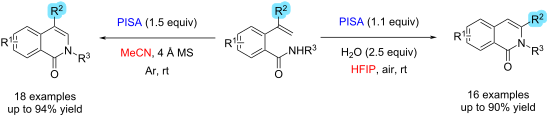
- activity and thus block cancer formation [2]. Alangiumkaloids A, an isoquinolinone alkaloid isolated from Alangium salviiforlium, was reported to exhibit cytotoxic activity against cancer cells [3]. In 2018, duvelisib, a dual inhibitor of phosphoinositide-3 kinases, was firstly approved by the FDA for the


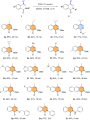


2-Heteroarylethylamines in medicinal chemistry: a review of 2-phenethylamine satellite chemical space
Beilstein J. Org. Chem. 2024, 20, 1880–1893, doi:10.3762/bjoc.20.163
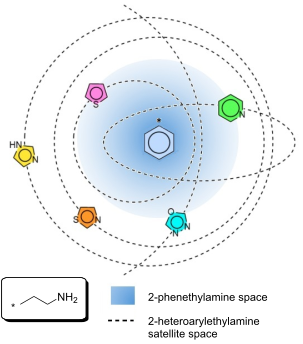
- , commercial compound 1 (Scheme 2) represents a rescaffolding exercise to pyridine retaining low inhibitory activity although it was found toxic in in vitro assays on a human T-cell line and PBMCs (periferal blood mononuclear cells). The derivatives (R)-2 and (S)-2 were elaborated by Berger et al. [7] in the
- acid (46). The major source of histamine are mast cells, although it is additionally biosynthesized in basophils, other immune cells, and tissues like intestinal mucosa, skin, or the heart [45][48]. Histamine plays many pivotal roles in the onset of allergies via Th2 cytokine secretion and inhibition
- of Th1 cytokine, leukotriene and chemokines release, or IL-6 induction. Histamine targets histamine receptors H1–4, triggering pro-inflammatory or anti-inflammatory events depending on the receptor type and cells involved [45][49]. Histamine also plays a critical role in both vertebrates and




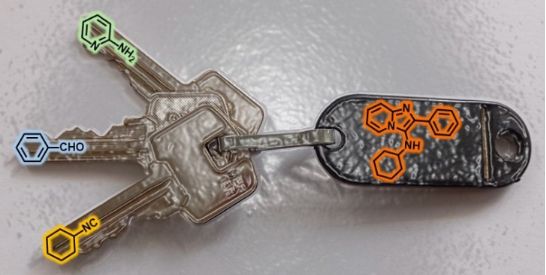
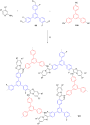
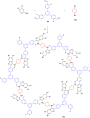
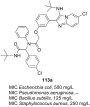
The Groebke–Blackburn–Bienaymé reaction in its maturity: innovation and improvements since its 21st birthday (2019–2023)
Beilstein J. Org. Chem. 2024, 20, 1839–1879, doi:10.3762/bjoc.20.162






Discovery of antimicrobial peptides clostrisin and cellulosin from Clostridium: insights into their structures, co-localized biosynthetic gene clusters, and antibiotic activity
Beilstein J. Org. Chem. 2024, 20, 1800–1816, doi:10.3762/bjoc.20.159

- CloM1 and CloM2 with the CylM enzyme (PDB code: 5DZT). For the structural alignment of CloPt1 and CloPt2, the characterized protein PCAT1 (PDB code: 3QF4) was analyzed. Gene expression in E. coli and purification of CloA1 and CloA2 precursor peptides and C39 peptidase domain E. coli NiCO21 (DE3) cells
- 0.8. Cultures were incubated for 14 h, at 200 rpm, at 18 °C. Subsequently, cells were centrifuged at 10,000 rpm for 30 min at 4 °C. The resulting cell pellets were resuspended in 20 mL of LanA starting buffer (20 mM Tris pH 7.5, 500 mM KCl, 10% glycerol) and lysed by sonication (4.0 seconds on, 10




Syntheses and medicinal chemistry of spiro heterocyclic steroids
Beilstein J. Org. Chem. 2024, 20, 1713–1745, doi:10.3762/bjoc.20.152
- 30 were obtained in moderate yields (ranging from 29% to 50%, Scheme 9) and were tested as anti-inflammatory drugs in RAW 264.7 cells and as inhibitors of rat ear edema. Unfortunately, the tested compounds exhibited weak activity in all assays. Khripach et al. reported a three-step sequence for the
- . Chromatographic purification was not required post-reaction. Some spiro products exhibited high binding affinity towards DNA, while others showed good cytotoxicity against different cancer cells (A545, MCF-7, HeLa, HL-60, SW480, HepG2, HT-29, and A549) with IC50 values within the micromolar range (2.18–18.54 µM
- synthesized compounds were evaluated for their DNA binding properties and screened for cytotoxicity against leukemia cancer cells (Jurkat), demonstrating IC50 values in the micromolar range (14.2 to 36.5 µM). Importantly, these derivatives exhibited minimal toxicity toward normal cells (PBMCs). Furthermore





