Search results
Search for "catalysts" in Full Text gives 1321 result(s) in Beilstein Journal of Organic Chemistry. Showing first 200.
Facile one-pot reduction of β-nitrostyrenes to phenethylamines using sodium borohydride and copper(II) chloride
Beilstein J. Org. Chem. 2025, 21, 39–46, doi:10.3762/bjoc.21.4
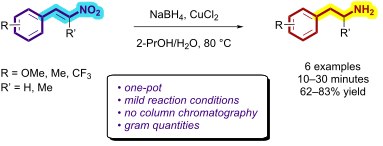
- aluminum hydride, sodium borohydride is a non-pyrophoric and easy-to-handle reducing agent. Since the first attempts in 1967, NaBH4 has been employed to reduce β-nitrostyrene scaffolds to the corresponding nitroalkanes [19][20][21]. Several catalysts have been combined with NaBH4 to facilitate full


Emerging trends in the optimization of organic synthesis through high-throughput tools and machine learning
Beilstein J. Org. Chem. 2025, 21, 10–38, doi:10.3762/bjoc.21.3
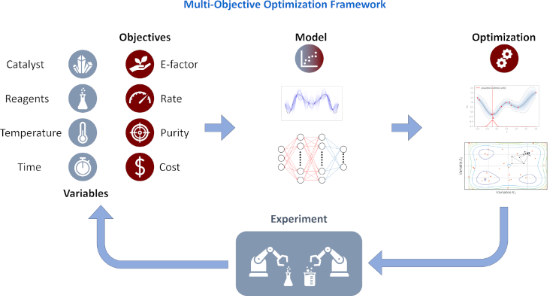
- chemistry. Packed bed reactors are used when solid heterogeneous catalysts and reagents (e.g., inorganic bases) are handled. Specialized reactors for electro- [36][37] and photochemical [38][39][40] experiments have also been developed. Depending on the flow of the reaction mixture, flow reactions can be
- were explored, using a total volume of 4.5 mL reaction mixture, and the screening results can be readily translated to continuous flow synthesis. The application of segmented flow or microslug reactors was demonstrated in the decarboxylative arylation cross-coupling reaction promoted by catalysts and
- reaction steps. Nandiwale et al. [61] reported the autonomous optimization of three multiphase catalytic reactions involving the handling of solid substrates, operating the photoreactor, and feeding of the slurries, catalysts, and inorganic bases in an automated flow platform comprising a continuous


Efficient synthesis of fluorinated triphenylenes with enhanced arene–perfluoroarene interactions in columnar mesophases
Beilstein J. Org. Chem. 2024, 20, 3263–3273, doi:10.3762/bjoc.20.270
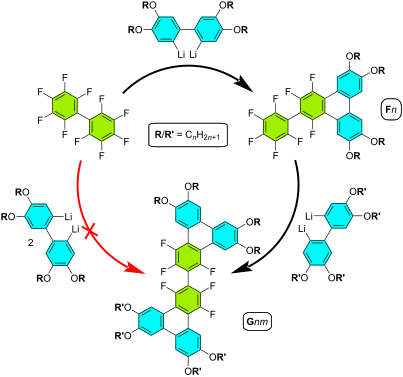
- commercial perfluoroarene chemical blocks and reagents, involving catalyzed C–F-bond activation and cross-coupling reactions, usually requiring precious transition-metal catalysts and tedious synthetic routes [28][29][30][31][32][33][34]. Therefore, low-cost and facile synthetic strategies are desired to




Non-covalent organocatalyzed enantioselective cyclization reactions of α,β-unsaturated imines
Beilstein J. Org. Chem. 2024, 20, 3221–3255, doi:10.3762/bjoc.20.268
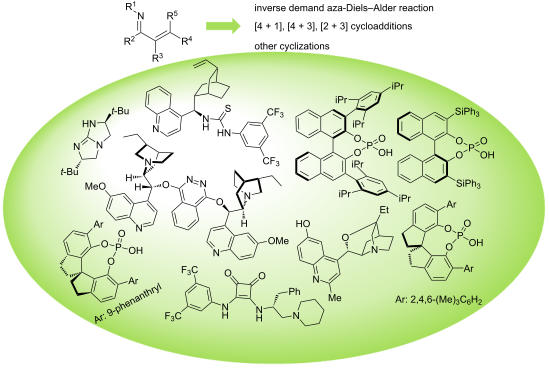
- -heterocycles using various catalytic systems such as chiral metal catalysts, chiral Lewis acids or chiral organocatalysts. This review presents an overview of the recent advances in enantioselective cyclization reactions of 1-azadienes catalyzed by non-covalent organocatalysts. Keywords: α,β-unsaturated
- reviews [17][18]. Review Hydrogen bond donors: bifunctional thioureas and squaramides The use of bifunctional catalysts is commonplace in organocatalyzed transformations [19][20][21][22][23]. These catalysts are able to activate an electrophile and a nucleophile simultaneously and in IEDADA reactions they
- catalysts are synthesized by joining together two fragments of cinchona alkaloids. In this manner, it is possible to obtain a symmetric catalyst, which can engage in hydrogen bonding interactions and deprotonation processes. Although they were originally used for Sharpless dihydroxylation, they have been









Germanyl triazoles as a platform for CuAAC diversification and chemoselective orthogonal cross-coupling
Beilstein J. Org. Chem. 2024, 20, 3198–3204, doi:10.3762/bjoc.20.265
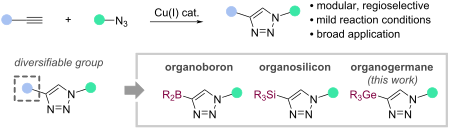
- extensive scope across a range of benign solvent conditions [7][8][9][10]. In addition, the CuAAC reaction uses inexpensive Cu catalysts [11], is insensitive towards oxygen and water [12][13], and consistently delivers high yields and (where relevant) enantioselectivities [8][9][10][14][15][16][17][18][19



Synthesis of extended fluorinated tripeptides based on the tetrahydropyridazine scaffold
Beilstein J. Org. Chem. 2024, 20, 3174–3181, doi:10.3762/bjoc.20.262
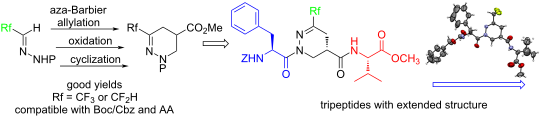
- strategy, the control of the stereoselectivity of the intramolecular aza-Michael addition could be envisaged with various chiral catalysts in further studies. These heterocyclic hydrazino acids, when incorporated into the peptidic structure, appear to confer an extended conformation. These interesting


Hypervalent iodine-mediated intramolecular alkene halocyclisation
Beilstein J. Org. Chem. 2024, 20, 3113–3133, doi:10.3762/bjoc.20.258
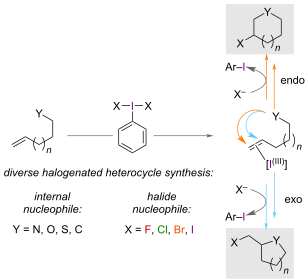
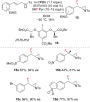
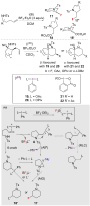
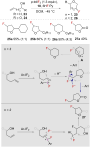
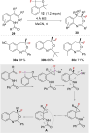
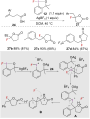
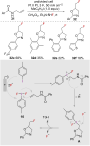
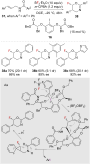
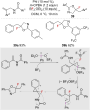
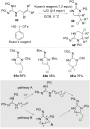
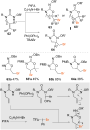
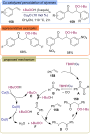
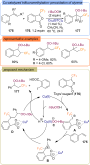
- the fluoride source did not yield the desired fluorooxazines, highlighting the role of BF3·Et2O as both a fluoride reagent and an activating reagent of iodosylbenzene. Different chiral iodide catalysts were studied, revealing that the substituents of the catalysts significantly influenced the
- stereochemistry of the reaction. Linear chiral catalysts were found to offer higher stereoselectivity compared to spiro-catalysts. Under optimized conditions, the asymmetric aminofluorination of N-cinnamylbenzamides 37 using BF3·Et2O as the fluorine reagent demonstrated good yields and high stereoselectivity
- is then attacked by a nucleophile. The use of chiral iodine catalysts is essential for controlling the stereochemistry of the reaction. The specific arrangement of the catalyst influences the orientation of this nucleophilic attack as supported by density functional theory (DFT) calculations. In 2022



















Advances in the use of metal-free tetrapyrrolic macrocycles as catalysts
Beilstein J. Org. Chem. 2024, 20, 3085–3112, doi:10.3762/bjoc.20.257
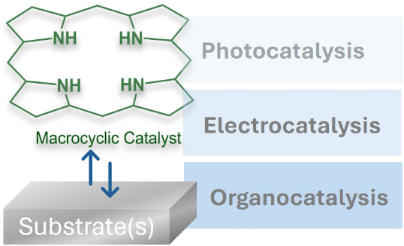
- two macrocycles as metal-free catalysts. Keywords: calix[4]pyrroles; electrocatalysis; free-base porphyrins; organocatalysis; photocatalysis; tetrapyrrolic macrocycles; Introduction Tetrapyrrolic macrocycles are a class of cyclic compounds that contain four pyrrolic units in their ring. Examples of
- recognition, and supramolecular assemblies [9][10][11][12][13]. There are numerous examples of using metalloporphyrins as artificial photosynthesis models, enzyme mimics, and catalysts for various organic transformations, where a metal center acts as an active site [14][15][16][17]. However, metal-free (or
- free-base) macrocycles have not been explored as much in terms of catalysis, even though they are starting compounds for the preparation of their metallated analogues that are commonly used as catalysts. In contrast with a calix[4]pyrrole macrocycle with four NHs (from four pyrrole units), a metal-free


Enantioselective regiospecific addition of propargyltrichlorosilane to aldehydes catalyzed by biisoquinoline N,N’-dioxide
Beilstein J. Org. Chem. 2024, 20, 3069–3076, doi:10.3762/bjoc.20.255
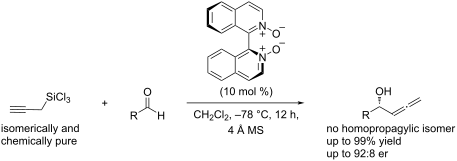
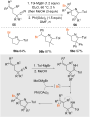
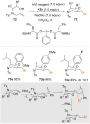
- catalyst is (i.e., less degree of conformational freedom for a bound substrate), the better is the enantioselectivity for analogous chlorosilane-mediated reactionss [47][48][49][51][54]. Therefore, we gradually narrowed the chiral pocket of catalysts from 3 to 4, 5 [53], and 6 [56][57]. To our surprise
- pure propargyltrichlorosilane, it clearly demonstrated that this class of chiral Lewis bases regiospecifically catalyzed the addition of propargyltrichlorosilane to aldehydes, and that these catalysts did not induce the propargyl–allenyl metallotropic rearrangement albeit activating the C–Si bond. Thus
- the two transformations. Studies directed toward a better understanding of possible transition-state structures and the design of new catalysts to improve the results are currently underway in our laboratories. A potential energy surface (PES) for the proposed mechanism for (a) isomerization of


Advances in radical peroxidation with hydroperoxides
Beilstein J. Org. Chem. 2024, 20, 2959–3006, doi:10.3762/bjoc.20.249
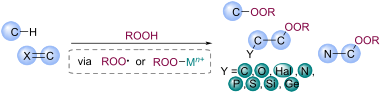
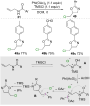
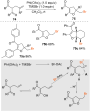
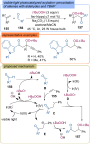
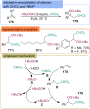
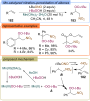
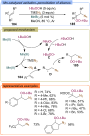
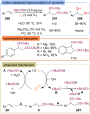
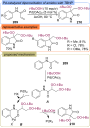
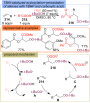
- carried out as part of the investigation of the enzymatic function of cytochrome P-450 with low valent ruthenium complex catalysts. Various phenols 86 bearing para-substituents were transformed into the corresponding tert-butyldioxy dienones 87 smoothly using RuCl2(PPh3)3 as the catalyst (Scheme 31) [83































Synthesis of fluorinated acid-functionalized, electron-rich nickel porphyrins
Beilstein J. Org. Chem. 2024, 20, 2954–2958, doi:10.3762/bjoc.20.248
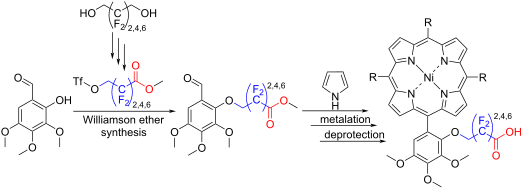
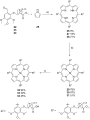
- ]. Beyond their essential biological roles, porphyrins and their derivatives are employed in a number of applications, acting as catalysts in numerous reactions, including oxidation, reduction, and cycloaddition [6][7][8][9][10]. Particularly when electron-rich porphyrins act as reducing agents, e.g. in


gem-Difluorovinyl and trifluorovinyl Michael acceptors in the synthesis of α,β-unsaturated fluorinated and nonfluorinated amides
Beilstein J. Org. Chem. 2024, 20, 2946–2953, doi:10.3762/bjoc.20.247
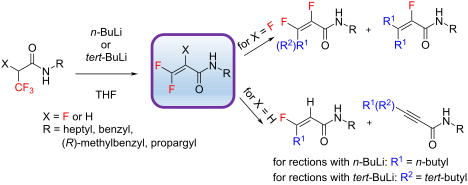
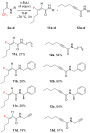
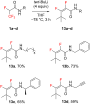
- , serve as effective motifs for designing stable gem-difluorovinyl and trifluorovinyl Michael acceptors. To our knowledge, this represents the inaugural instance of employing potent bases such as n-BuLi and tert-BuLi to fulfill dual roles as both base catalysts and Michael donors. The reactions exhibited




Recent advances in transition-metal-free arylation reactions involving hypervalent iodine salts
Beilstein J. Org. Chem. 2024, 20, 2891–2920, doi:10.3762/bjoc.20.243

- or without the use of transition metals [44]. Thus, they address both the financial and environmental challenges associated with organic synthesis by acting as environmentally benign substitutes for costly organometallic catalysts and heavy-metal-based oxidants. Diaryl iodide salts consist of two
- salt, subsequently leading to decarboxylative C–C coupling. Notably, this method achieves the incorporation of two fluorine atoms in the benzyl position without resorting to hazardous fluorination reagents, transition-metal catalysts, or organometallic compounds. The utility of this reaction is
- reactions occurred under mild conditions and without any need of transition-metal catalysts. In 2023, Wu and colleagues successfully synthesized a range of meta-substituted biaryl ethers. The reaction involves phenols 61 and cyclic diaryliodonium salts 73, dissolved in tert-butyl alcohol, in the presence of




C–C Coupling in sterically demanding porphyrin environments
Beilstein J. Org. Chem. 2024, 20, 2784–2798, doi:10.3762/bjoc.20.234
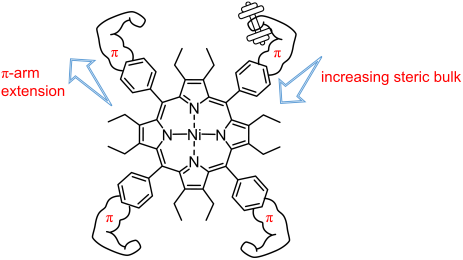
- literature. In light of the promise of appropriately designed nonplanar porphyrins as receptors and catalysts we report here on our efforts to use the Suzuki–Miyaura reaction for the modification of the o,m,p-phenyl positions in 5,10,15,20-tetraryl-2,3,7,8,12,13,17,18-octaethylporphyrins. Results and
- -workers for the synthesis of meso-substituted aryl bis-pocket porphyrins [34]. Therein catalysts Pd(dppf)Cl2 and Pd(PPh3)3 were identified to be the most effective for accomplishing the Suzuki–Miyaura coupling at the ortho-position of the meso-phenyl position in sterically hindered planar porphyrins


Copper-catalyzed yne-allylic substitutions: concept and recent developments
Beilstein J. Org. Chem. 2024, 20, 2739–2775, doi:10.3762/bjoc.20.232
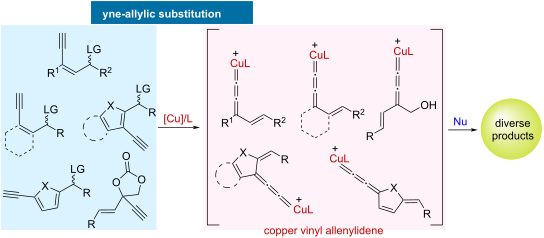
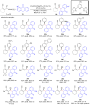
- substitutions of 5-ethynylthiophene esters. A series of C-, N-, O-, and S-nucleophiles could react smoothly to obtain various thiophene derivatives with different functional groups (Scheme 29, 28a–t). Control experiments showed that terminal alkyne and copper catalysts are crucial for the smooth progress of the
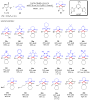
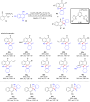
- ethynylethylene carbonates and copper catalysts (Scheme 37). He et al. [77] completed formal [4 + 1] and [4 + 2] annulations and obtained two types of seldomly studied heterocycles of thieno[2,3-c]pyrrole (Scheme 38, 36a–j) and thieno[2,3-d]pyridazine (Scheme 39, 38a–h) in high yields. It is worth noting that the








Synthesis of spiroindolenines through a one-pot multistep process mediated by visible light
Beilstein J. Org. Chem. 2024, 20, 2722–2731, doi:10.3762/bjoc.20.230
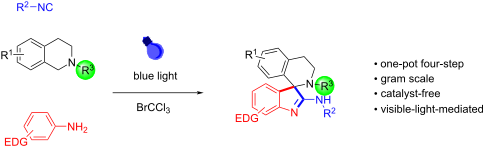
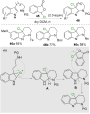
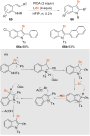
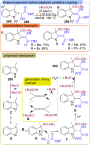
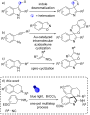
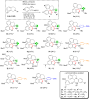
- the preparation of complex structures without using catalysts, and purification of intermediates. Remarkably, the reaction can be performed even on gram scale without loss of efficiency. Studies directed toward evaluating the biological activities of the spiroindolenines are currently underway in our





Synthesis of benzo[f]quinazoline-1,3(2H,4H)-diones
Beilstein J. Org. Chem. 2024, 20, 2708–2719, doi:10.3762/bjoc.20.228
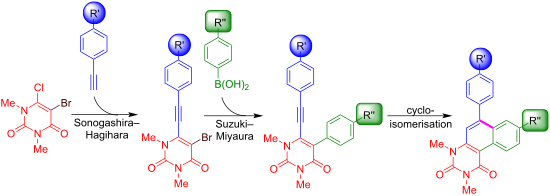
- -Flight (TOF) LC–MS. The solvent, toluene, was purchased as dry solvent and applied without further purification. Other reagents, catalysts, ligands, acids, and bases were used as purchased from commercial suppliers. Column chromatography was performed on Merck Silica gel 60 (particle size 63–200 μm




Synthesis of fluoroalkenes and fluoroenynes via cross-coupling reactions using novel multihalogenated vinyl ethers
Beilstein J. Org. Chem. 2024, 20, 2691–2703, doi:10.3762/bjoc.20.226

- reagents have been developed. These reagents are easily being converted into multisubstituted fluoroalkenes through cross-coupling using palladium, nickel, copper, ruthenium, and manganese catalysts [26][27][28][29][30][31][32][33][34][35][36][37][38][39][40][41]. Hosoya and Niwa et al. published the
- previous study by Thorand [44], we performed the reaction between fluorine-containing vinyl ether 1a and 1.05 equiv of trimethylsilylacetylene (5a) to afford the corresponding enyne 3a in 55% yield (Table 2, entry 1). Cross-coupling utilizing a palladium(II) catalysts containing phosphine ligands produced


Computational design for enantioselective CO2 capture: asymmetric frustrated Lewis pairs in epoxide transformations
Beilstein J. Org. Chem. 2024, 20, 2668–2681, doi:10.3762/bjoc.20.224
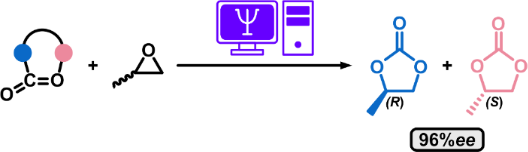
- an in silico approach to design asymmetric frustrated Lewis pairs (FLPs) aimed at controlling reaction stereochemistry. Four FLP scaffolds, incorporating diverse Lewis acids (LA), Lewis bases (LB), and substituents, were assessed via volcano plot analysis to identify the most promising catalysts. By
- strategically modifying LB substituents to induce asymmetry, a stereoselective catalytic scaffold was developed, favouring one enantiomer from both epoxide enantiomers. This work advances the in silico design of FLPs, highlighting their potential as asymmetric CCU catalysts with implications for optimising
- . These limitations suggest that a more viable approach to employing FLPs as catalysts for CO2-related reactions could involve their use in CO2 activation [7][18][19]. In particular, the capture of CO2 by FLPs enhances the electrophilicity of the CO2 carbon atom and the nucleophilicity of one of the CO2


Transition-metal-free decarbonylation–oxidation of 3-arylbenzofuran-2(3H)-ones: access to 2-hydroxybenzophenones
Beilstein J. Org. Chem. 2024, 20, 2655–2667, doi:10.3762/bjoc.20.223
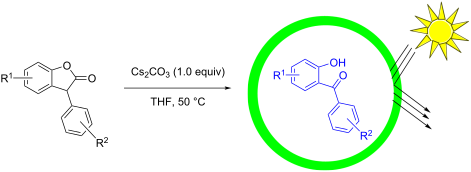
- versatile method using decarbonylation of benzofuranone followed by oxidation, that produces only CO2 as a non-toxic side product, is considered less hazardous. Although decarboxylation of aldehydes, carboxylic acids, and ketones are well known, albeit using metal catalysts, decarboxylation methods for




Efficient modification of peroxydisulfate oxidation reactions of nitrogen-containing heterocycles 6-methyluracil and pyridine
Beilstein J. Org. Chem. 2024, 20, 2599–2607, doi:10.3762/bjoc.20.219
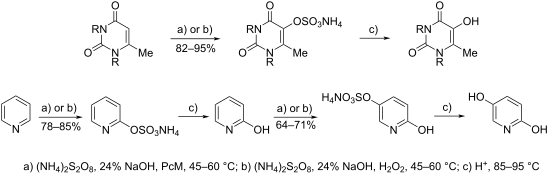
- : oxidation; 6-methyluracil; peroxydisulfate; phthalocyanine catalysts; pyridine; Introduction The Elbs and Boyland–Sims peroxydisulfate oxidation reactions offer a convenient means of introducing the hydroxy function into phenols and aromatic amines [1]. The oxidation of phenol using peroxydisulfate was
- in two different ways: with metallophthalocyanine catalysts present and by including hydrogen peroxide as a co-oxidant (Scheme 1). Metal–phthalocyanine complexes (PcM) are recognized as catalysts for gentle, particular oxidation reactions under aerobic [14] and H2O2-based conditions [15][16][17][18
- . Additionally, the π-conjugation system facilitates the redistribution of electron density within the reaction complex, thereby lowering the activation barrier of the reaction [21]. The study employed the following oxidation catalysts for phthalocyanines – PcCo, PcFe(II), PcFe(III), PcMn, PcNi, and PcZn. The


Transition-metal-free synthesis of arylboronates via thermal generation of aryl radicals from triarylbismuthines in air
Beilstein J. Org. Chem. 2024, 20, 2577–2584, doi:10.3762/bjoc.20.216
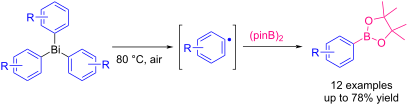
- residues from the final products is generally difficult, there is concern about side effects or adverse effects on functional expression when used in pharmaceutical and material synthesis. In addition, many transition metal catalysts are very expensive, unstable, and difficult to handle. For these reasons
- of photocatalysts or UV light irradiation without metal catalysts [45][46][47][48]. Similar homolysis by electrolysis has also been reported [49]. These two activation methods required special equipment (i.e., light sources or electronic devices). To achieve thermal homolysis of the Ar–Bi bonds, the

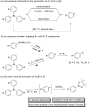


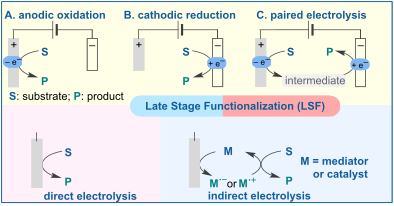
A review of recent advances in electrochemical and photoelectrochemical late-stage functionalization classified by anodic oxidation, cathodic reduction, and paired electrolysis
Beilstein J. Org. Chem. 2024, 20, 2500–2566, doi:10.3762/bjoc.20.214
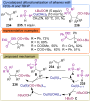
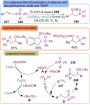
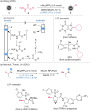
- benzylic position (Scheme 31). 1.3.2 Co-assisted anodic oxidation. In 2021, Xu and colleagues developed an electrocatalytic approach for the intramolecular oxidative allylic amination and C–H alkylation using cobalt–salen complexes as catalysts [43]. In this reaction, the cobalt catalyst [Co(II)] is first
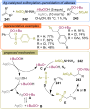
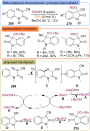
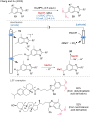
- group. Based on extensive mechanistic studies, they proposed the formation of a formal Ni(IV) complex during the process. Remarkably, nickel proved to be uniquely effective for this protocol, as other transition-metal catalysts based on Cu, Co, Pd, Ir, Ru, and Rh did not catalyze the reaction (Scheme 36
























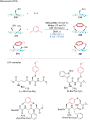


Machine learning-guided strategies for reaction conditions design and optimization
Beilstein J. Org. Chem. 2024, 20, 2476–2492, doi:10.3762/bjoc.20.212

- factors, such as catalysts, solvents, substrate concentrations, and temperature. In academia, especially, the "one factor at a time" (OFAT) approach, which involves changing one factor while keeping the others constant, is frequently used to examine the effect of individual reaction parameters [13
- – allowing for the generation of extensive data through large-scale simulations – chemical reactions pose a much greater difficulty for accurate simulation. The development of systematic theoretical calculations to model correlations between reaction yields and various substrates and catalysts requires
- compute reaction enthalpy for particular types of reactions [30], this approach often demands significant computational resources to determine accurate TSs and activation energies. The complexity increases further when considering the impacts of solvents and catalysts, which means that large-scale


Photoredox-catalyzed intramolecular nucleophilic amidation of alkenes with β-lactams
Beilstein J. Org. Chem. 2024, 20, 2461–2468, doi:10.3762/bjoc.20.210
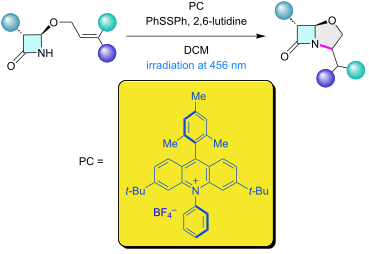
- ]. Through tailored molecular design, it is possible to enhance the oxidation capability of these catalysts, enabling the utilization of less reactive alkenes and even aromatic molecules such as toluene [32]. Until now, heterocyclic amides such as β-lactam compounds have not been employed in alkene
- in Scheme 2. Unfortunately, the substrates 8a,b displayed low reactivity due to their significantly higher oxidation potential compared to the excited photoredox catalysts (>2.5 V vs SCE) [49]. However, other derivatives exhibited a satisfactory product yield ranging from moderate to good. Substrate