


Search results
Search for "chromatography" in Full Text gives 1991 result(s) in Beilstein Journal of Organic Chemistry. Showing first 200.
Substituent effects in N-acetylated phenylazopyrazole photoswitches
Beilstein J. Org. Chem. 2025, 21, 830–838, doi:10.3762/bjoc.21.66

- hydrazine or methylhydrazine to yield NH-PAPs or NMe-PAPs, respectively, in high to quantitative yields. The NAc-PAPs were synthesized via an acetylation reaction of NH-PAPs with acyl chloride, forming the novel NAc-PAPs. While the molecules could be extracted and purified by column chromatography without


4-(1-Methylamino)ethylidene-1,5-disubstituted pyrrolidine-2,3-diones: synthesis, anti-inflammatory effect and in silico approaches
Beilstein J. Org. Chem. 2025, 21, 817–829, doi:10.3762/bjoc.21.65

- further purification. For column chromatography, 70–230 mesh silica 60 (E. M. Merck) was used as the stationary phase. Electrospray ionization–high-resolution mass spectra (ESI–HRMS) were acquired on a SCIEX X500 QTOF instrument in the positive ion mode. A Büchi melting point B-545 apparatus was used to


Recent advances in the electrochemical synthesis of organophosphorus compounds
Beilstein J. Org. Chem. 2025, 21, 770–797, doi:10.3762/bjoc.21.61
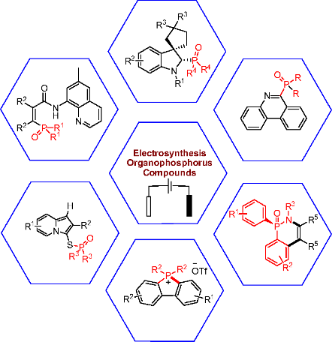
- was proposed by conducting the reaction in the presence of TEMPO (Scheme 7). The electron-deficient and sterically encumbered diaminophosphine oxide could also produce the corresponding products in this method. Gas chromatography analysis confirmed that molecular hydrogen was the only byproduct of


Orthogonal photoswitching of heterobivalent azobenzene glycoclusters: the effect of glycoligand orientation in bacterial adhesion
Beilstein J. Org. Chem. 2025, 21, 736–748, doi:10.3762/bjoc.21.57
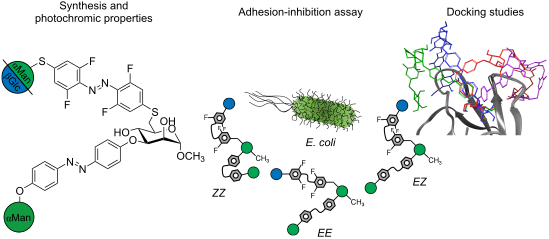
- pure 6βGlc 3 in 77% yield after reversed-phase chromatography (Scheme 2A). To furnish the glycoazobenzene antenna 4, complementary to 3, the azobenzene thiomannopyranoside 10 (cf. Scheme 1), representing the mannose analog of 15, was used and cross-coupled with 14 to give the acetylated glycoazobenzene


Synthesis of HBC fluorophores with an electrophilic handle for covalent attachment to Pepper RNA
Beilstein J. Org. Chem. 2025, 21, 727–735, doi:10.3762/bjoc.21.56
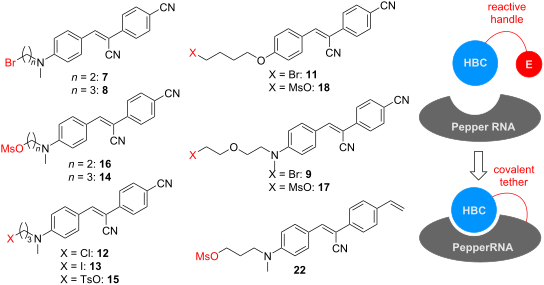
- . Chemical reagents and solvents were purchased in the highest available quality from commercial suppliers (Merck/Sigma-Aldrich, ABCR) and used without further purification. Analytical thin-layer chromatography (TLC) was performed on Macherey-Nagel Polygram® SIL G/UV254 plates. 0.2 mm silica gel 60 for
- column chromatography was purchased from Macherey-Nagel. 1H and 13C NMR spectra were recorded on a Bruker UltrashieldTM 400 MHz Plus or a 700 MHz Avance Neo spectrometer. Chemical shifts (δ) are reported relative to tetramethylsilane (TMS), referenced to the residual solvent signal (DMSO-d6: 2.50 ppm for
- Na2SO4 and concentrated to dryness. Finally, the crude compound was purified via silica gel chromatography using 50–70% ethyl acetate in cyclohexane as gradient. General procedure B. The product obtained in general procedure A was dissolved in ethanol mixed with 4-cyanophenylacetonitrile and 8 drops of



Asymmetric synthesis of fluorinated derivatives of aromatic and γ-branched amino acids via a chiral Ni(II) complex
Beilstein J. Org. Chem. 2025, 21, 659–669, doi:10.3762/bjoc.21.52
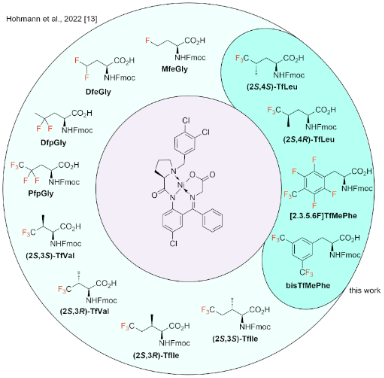
- alkylation yield of 68%. Since two desired diastereomers are formed in this case, they had to be subsequently separated from one another. This was accomplished using flash column chromatography. The respective Ni(II) complexes of TfLeu (11a, 11b) could be isolated with excellent diastereomeric purities of 95
- (HREIMS) were measured on a MAT 711 (Varian MAT, Bremen, Germany). Electron energy for EI was set to 70 eV. Infrared spectra (IR) were measured on an ALPHA II (Bruker, Billerica, USA) spectrometer. Characteristic absorption bands are given in wave numbers (cm−1). Qualitative thin-layer chromatography (TLC
- ) was carried out on aluminum plates coated with silica gel 60 F254 (Merck, Darmstadt, Germany). The TLC plates were analyzed using UV light at 254 nm. Flash chromatography was performed on silica gel 60 M from Macherey-Nagel (grain size of 40−63 μm). The conditions are given in the form “(A/B = a:b


Entry to 2-aminoprolines via electrochemical decarboxylative amidation of N‑acetylamino malonic acid monoesters
Beilstein J. Org. Chem. 2025, 21, 630–638, doi:10.3762/bjoc.21.50
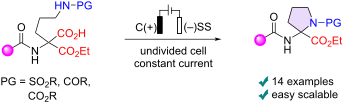
- column chromatography. Cyclic voltammetry studies CV experiments were carried out in an SVC-2 (ALS, Japan) three-electrode cell using a PalmSens4 (PalmSens). A glassy carbon disk (diameter: 1.6 mm) served as the working electrode and a platinum wire as the counter electrode. The glassy carbon disk was



Sequential two-step, one-pot microwave-assisted Urech synthesis of 5-monosubstituted hydantoins from L-amino acids in water
Beilstein J. Org. Chem. 2025, 21, 596–600, doi:10.3762/bjoc.21.46
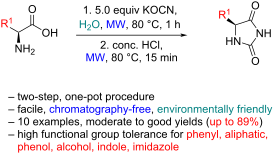
- this study, we present an innovative, sustainable approach to synthesizing hydantoins (H2a–j) directly from amino acids. This method employs a column chromatography-free, two-step, one-pot microwave-assisted synthesis that delivers hydantoins in yields ranging from 34% to 89%. The protocol demonstrates
- of this process is promising, driven by its simplicity, moderate to high yields, and the use of environmentally friendly reagents. Notably, microwave-assisted one-pot reactions eliminate the need for column chromatography, a common step in traditional purification methods but limits scalability
- further demonstrate its potential for large-scale, environmentally responsible production. Conclusion In conclusion, we report a facile, environmentally friendly, chromatography-free hydantoin synthesis method using a sequential two-step, one-pot microwave-assisted method. This strategy utilizes amino


Vinylogous functionalization of 4-alkylidene-5-aminopyrazoles with methyl trifluoropyruvates
Beilstein J. Org. Chem. 2025, 21, 533–540, doi:10.3762/bjoc.21.41
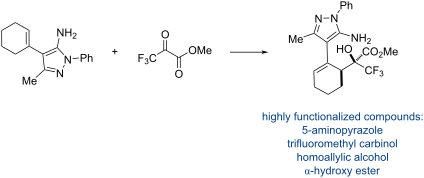
- chromatography. Diastereoisomeric ratio (dr) determined by 1H NMR of the crude reaction mixture. Plausible mechanism and X-ray structure of compound 5aca. Optimization of the reaction conditions.a Supporting Information Supporting Information File 14: Detailed experimental procedures, characterization data, and



Unprecedented visible light-initiated topochemical [2 + 2] cycloaddition in a functionalized bimane dye
Beilstein J. Org. Chem. 2025, 21, 500–509, doi:10.3762/bjoc.21.37
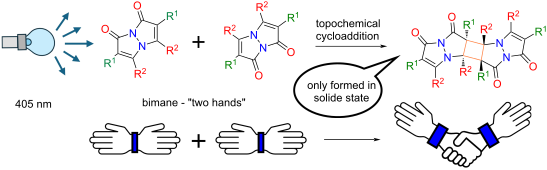
- chlorine gas, with the reaction conducted by stirring the pyrazolinone with TCICA in DCM for 18 hours. Bimanes can be purified easily using column chromatography with silica gel as the stationary phase, with the compounds Cl2B, Me2B, and Me4B only requiring neat DCM as the eluent. After chromatographic


Synthesis of electrophile-tethered preQ1 analogs for covalent attachment to preQ1 RNA
Beilstein J. Org. Chem. 2025, 21, 483–489, doi:10.3762/bjoc.21.35
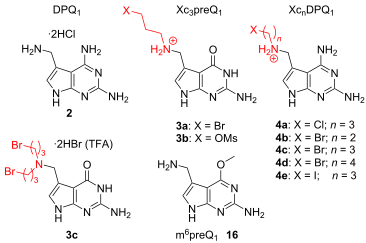
- novel 2,6-diamino preQ1 analog 2 (DPQ1) by hydrogenation of 8 (DPQ0 [32]) (Scheme 2). In this case, however, a final purification step (by reversed-phase chromatography) was required. Notably, using the hydrogenation conditions described here, we were also able to streamline our previously reported 7
- mild reduction with methanolic sodium borohydride. Upon purification by reversed-phase chromatography using aqueous hydrobromic acid as eluent (0.5% in H2O), a considerable fraction of the alcohols was already converted to the desired bromides 4c,d. Only in the case of 4b, no deoxygenative bromination


Organocatalytic kinetic resolution of 1,5-dicarbonyl compounds through a retro-Michael reaction
Beilstein J. Org. Chem. 2025, 21, 473–482, doi:10.3762/bjoc.21.34
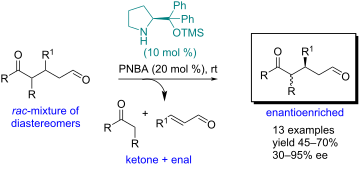
- chromatography [1]. Sometime later, kinetic resolution (KR) emerged. This method is based on the different reaction rates of each enantiomer in a racemic mixture when they are reacted with a reagent, a chiral catalyst, or an enzyme. This process results in obtaining the less reactive enantioenriched enantiomer
- ] using 20 mol % of catalyst A and 20 mol % of p-nitrobenzoic acid (PNBA) as co-catalyst in different solvents at room temperature. The results obtained are summarized in Scheme 3 and Table 1. The progress of the reaction was monitored using thin-layer chromatography (TLC) and 1H NMR analysis of the
- a one dm path length, and concentration was given in grams per 100 mL. TLC analysis was performed on glass-backed plates coated with silica gel 60 and an F254 indicator and visualized by either UV irradiation or staining with phosphomolybdic acid solution. Flash chromatography uses silica gel (230


Electrochemical synthesis of cyclic biaryl λ3-bromanes from 2,2’-dibromobiphenyls
Beilstein J. Org. Chem. 2025, 21, 451–457, doi:10.3762/bjoc.21.32
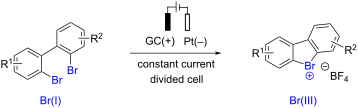
- extractive workup followed by reversed-phase chromatography and its structure was unambiguously confirmed by X-ray crystallography (Table 1, graphic). Gratifyingly, a two-fold increase in the yield was achieved by a slight reduction of the current density to j = 8 mA·cm−2 (entry 2 vs entry 1 in Table 1). A


Beyond symmetric self-assembly and effective molarity: unlocking functional enzyme mimics with robust organic cages
Beilstein J. Org. Chem. 2025, 21, 421–443, doi:10.3762/bjoc.21.30
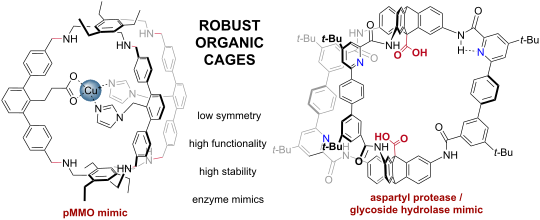
- able to adapt this chemistry to work in situ, allowing soluble metastable imine frameworks to be trapped as amides [38]. The adapted cages were soluble, and were now stable enough to be purified by gel-permeation (size-exclusion) chromatography (useful when precipitation is not possible), which is




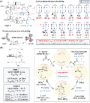
Identification and removal of a cryptic impurity in pomalidomide-PEG based PROTAC
Beilstein J. Org. Chem. 2025, 21, 407–411, doi:10.3762/bjoc.21.28
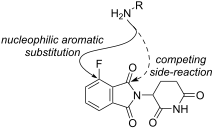
- to generate an inseparable byproduct. By contrast, the byproduct derived from Boc-protected amines has a significantly different retention time on HPLC and could be removed by regular silica gel chromatography. Because the formation of 5‒7 posts a significant purification challenge, we sought to
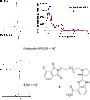
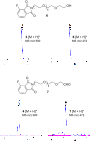
- silica gel column chromatography. The LUMO and electrostatic charges of thalidomide and its derivatives by DFT calculation at the ωB97X-D/6-311+G** level. The synthetic route for iVeliparib-AP6. The conversion of byproduct 6 to 10 to facilitate its removal. Effects of the length and functionalization of




Synthesis, structure, ionochromic and cytotoxic properties of new 2-(indolin-2-yl)-1,3-tropolones
Beilstein J. Org. Chem. 2025, 21, 358–368, doi:10.3762/bjoc.21.26
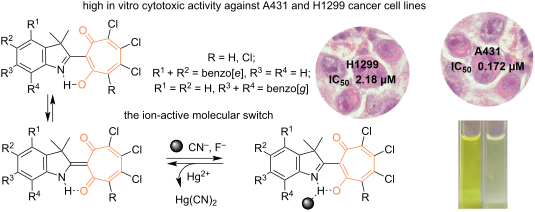
- temperature (23 °C). Chromatography was carried out on columns filled with Al2O3 of II–III degree of activity according to Brockmann. Melting points were determined on a Fisher-Johns melting point apparatus. 1,1,2-Trimethyl-1H-benzo[e]indolenine (2a, 98%, Alfa Aesar), 2,3,3-trimethyl-3H-benzo[g]indolenine (2b




Synthesis of new condensed naphthoquinone, pyran and pyrimidine furancarboxylates
Beilstein J. Org. Chem. 2025, 21, 340–347, doi:10.3762/bjoc.21.24
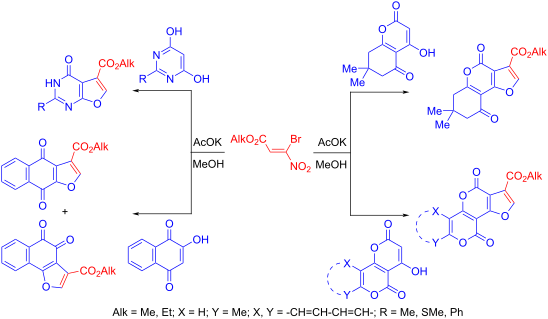
- -dihydronaphtho[1,2-b]furan-3-carboxylate 4a,b with a total yield of up to 73% (ratio 3a/4a = 2:1; 3b/4b = 2:1, according to 1H NMR spectroscopy) (Scheme 4). Using preparative chromatography, the mixture was separated into individual substances. In turn, alkyl 7,7-dimethyl-4,9-dioxo-6,7,8,9-tetrahydro-4H-furo[3,2


Antibiofilm and cytotoxic metabolites from the entomopathogenic fungus Samsoniella aurantia
Beilstein J. Org. Chem. 2025, 21, 327–339, doi:10.3762/bjoc.21.23
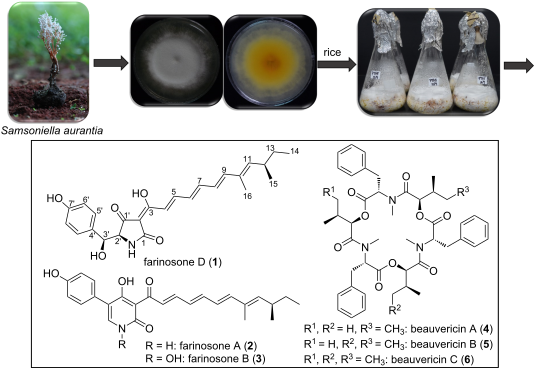
- (15 g) was analyzed by LC–MS. Thereafter, it was fractionated by vacuum liquid chromatography (VLC) using silica gel as a stationary phase. The elution procedure was performed using a chromatographic scheme of two different gradients as follows: 1) n-heptane/EtOAc (1:0, 7:3, 3:7, 0:1) followed by


Three-component reactions of conjugated dienes, CH acids and formaldehyde under diffusion mixing conditions
Beilstein J. Org. Chem. 2025, 21, 262–269, doi:10.3762/bjoc.21.18
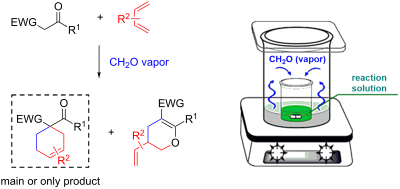
- days (TLC or NMR control). After completion of the reaction, the solvent was removed under reduced pressure, and the residue was purified by column chromatography on silica gel using chloroform as eluent. ((1S,4S)-Bicyclo[2.2.1]hept-5-ene-2,2-diyl)bis(phenylmethanone) (8) and phenyl((4aR,7aS)-2-phenyl


Effect of substitution position of aryl groups on the thermal back reactivity of aza-diarylethene photoswitches and prediction by density functional theory
Beilstein J. Org. Chem. 2025, 21, 242–252, doi:10.3762/bjoc.21.16
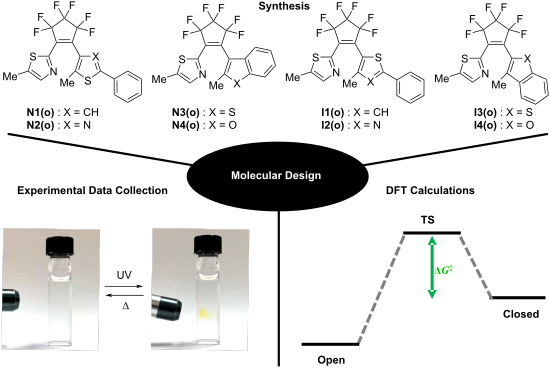
- solution, extracted with ether, washed with brine, dried over MgSO4, filtered, and concentrated in vacuo. The crude product was purified by column chromatography on silica gel using n-hexane and ethyl acetate 95:5 to give 1.4 g of I2(a) in 50% yield. 1H NMR (300 MHz, CDCl3, TMS) δ = 2.55 (d, JHF = 3.2 Hz
- brine, dried over MgSO4, filtered, and concentrated in vacuo. The crude product was purified by column chromatography on silica gel using n-hexane to give 2.8 g of I4(a) in 56% yield. 1H NMR (300 MHz, CDCl3, TMS) δ = 2.42 (s, 3H, CH3), 7.29–7.34 (m, 1H, aromatic H), 7.40–7.46 (m, 1H, aromatic H), 7.49
- reaction mixture was neutralized by HCl aqueous solution, extracted with ether, washed with brine, dried over MgSO4, filtered, and concentrated in vacuo. The crude product was purified by column chromatography on silica gel using n-hexane and ethyl acetate 8:2 and recycling HPLC using chloroform as the


Heteroannulations of cyanoacetamide-based MCR scaffolds utilizing formamide
Beilstein J. Org. Chem. 2025, 21, 217–225, doi:10.3762/bjoc.21.13
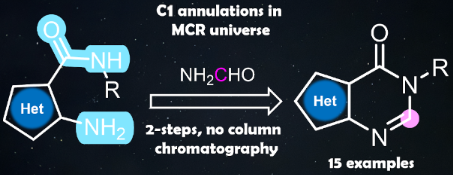
- specific MCR-based scaffolds as precursors and employing the abundant and inexpensive formamide as a C1 feedstock under neat conditions, we were able to efficiently access substituted thieno-, quinolino- and indolopyrimidones without the need of column chromatography. Further, a single-crystal X-ray
- obtained 15 diversely substituted heteroannulated pyrimidones, employing privileged thiophene, quinoline and indole scaffolds in a rapid fashion, without the need of column chromatography, in a parallel setup. Heteroannulated pyrimidones in drug discovery: blockbuster drugs that are based on the privileged




Nickel-catalyzed cross-coupling of 2-fluorobenzofurans with arylboronic acids via aromatic C–F bond activation
Beilstein J. Org. Chem. 2025, 21, 146–154, doi:10.3762/bjoc.21.8
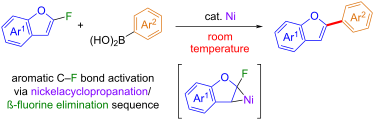
- JMS-T100GCV or a JEOL JMS-T200GC spectrometer. All the reactions were conducted under argon or nitrogen. Materials: Column chromatography was conducted on silica gel (Silica Gel 60 N, Kanto Chemical Co., Inc.). Toluene and N,N-dimethylformamide (DMF) were purified by a solvent-purification system
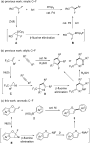
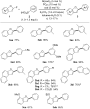
- . After removal of the solvent under reduced pressure, the residue was purified by silica gel column chromatography (hexane/EtOAc = 10:1) to give 3bb (76 mg, 98%) as a white solid. 1H NMR (500 MHz, CDCl3) δ 8.15 (d, J = 8.2 Hz, 1H), 7.93 (d, J = 8.2 Hz, 1H), 7.75–7.67 (m, 4H), 7.58 (ddd, J = 8.2, 6.9, 1.2



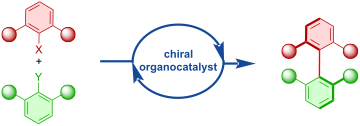
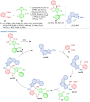
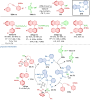
Recent advances in organocatalytic atroposelective reactions
Beilstein J. Org. Chem. 2025, 21, 55–121, doi:10.3762/bjoc.21.6






Facile one-pot reduction of β-nitrostyrenes to phenethylamines using sodium borohydride and copper(II) chloride
Beilstein J. Org. Chem. 2025, 21, 39–46, doi:10.3762/bjoc.21.4
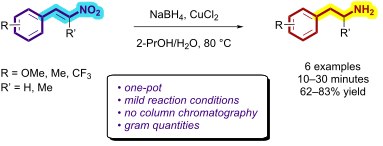
- atmosphere, special precautions, and with isolated yields up to 60% [14][15]. Due to the formation of side products, final purification of the amino derivatives requires the use of either multiple separation techniques, chromatography, or distillation [15][16][17][18] (Scheme 1). Differently from lithium


Emerging trends in the optimization of organic synthesis through high-throughput tools and machine learning
Beilstein J. Org. Chem. 2025, 21, 10–38, doi:10.3762/bjoc.21.3
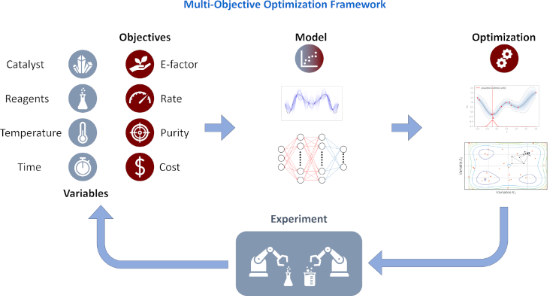
- consists of a fluid delivery system, mixing tools, reactors, quenching units, pressure regulation units, and collection vessels. The fluid delivery is normally executed using either high-pressure liquid chromatography (HPLC), a syringe, or peristaltic pumps. A passive mixing stage where the reagents are
- products once experiments are performed. Despite this bottleneck, the landscape is evolving, with various practical tools emerging to streamline purification processes. From prepacked silica gel tubes to the precision semipreparative liquid chromatography and the versatile capabilities of various scavenger
- . [70] assembled four complementary PATs, including in-line NMR, UV–vis, IR, and online ultra-high-performance liquid chromatography (UHPLC) to meticulously monitor the intricate three-step linear synthesis of the drug mesalazine (18, Figure 7) with a 1.6 g⋅h−1 throughput. In the first step, the





