


Search results
Search for "energy" in Full Text gives 1405 result(s) in Beilstein Journal of Organic Chemistry. Showing first 200.
Synthesis, structure, ionochromic and cytotoxic properties of new 2-(indolin-2-yl)-1,3-tropolones
Beilstein J. Org. Chem. 2025, 21, 358–368, doi:10.3762/bjoc.21.26
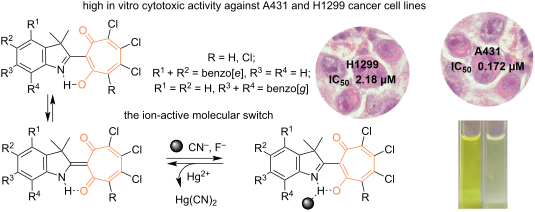
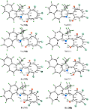
- (Scheme 2). The structures of tautomeric forms of 7a, 7b, 8a, 8b and their energy characteristics were calculated by PBE0/6-311+G(d,p) method in the gas phase and polar solvent (DMSO) (Table 1, Figure 1 and Supporting Information File 3). According to the obtained data, the (NH) isomers of 7 and 8 are
- studied compounds. The difference in the energy characteristics of the (NH) and (OH) tautomeric forms of compounds 7a, 7b, 8a, and 8b in the polar solvent and the gas phase is small (2.0–3.8 kcal/mol), and probably the nature of the solvent can influence the shift of the equilibrium towards one of the
- energies with zero-point energy correction (Etot + ZPE, a.u.) and relative energies (ΔE, kcal/mol) of (NH) and (OH) isomers of compounds 7 and 8 calculated by the PBE0/6-311+G(d,p) method in the gas phase (gas) and DMSO solution (sol). Absorption and fluorescence spectral data of compounds 7a,b and 8a,b in




Synthesis of new condensed naphthoquinone, pyran and pyrimidine furancarboxylates
Beilstein J. Org. Chem. 2025, 21, 340–347, doi:10.3762/bjoc.21.24
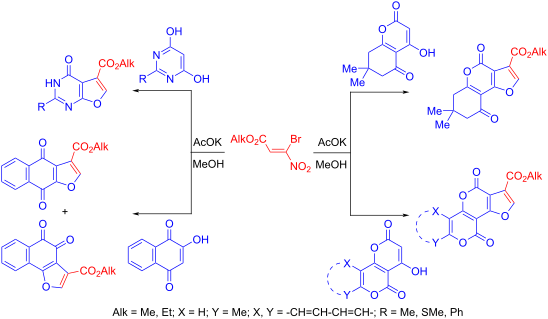
- furan-3-carboxylates 6c,d. It was shown that the increased number of conjugated bonds in their molecules leads to a decrease in the energy of the singlet–singlet π→π* transition and the possibility of exhibiting luminescence of the molecules under study. According to the luminescence excitation spectral


Antibiofilm and cytotoxic metabolites from the entomopathogenic fungus Samsoniella aurantia
Beilstein J. Org. Chem. 2025, 21, 327–339, doi:10.3762/bjoc.21.23
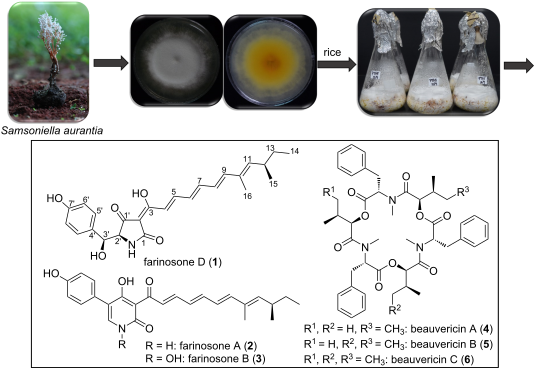
- on forces and step size. The IEFPCM solvent model [33] was used to simulate the solvent effects of methanol and frequency calculations were used to determine the conformers as minima. Conformers 4.5 kcal/mol above the lowest energy conformer and double conformers were discarded. Time-dependent DFT


Red light excitation: illuminating photocatalysis in a new spectrum
Beilstein J. Org. Chem. 2025, 21, 296–326, doi:10.3762/bjoc.21.22

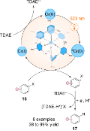
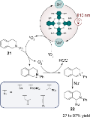
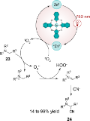
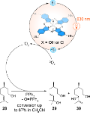
- become a powerful approach for achieving sustainable chemical transformations, combining high efficiency with energy-saving, mild conditions. By harnessing the deeper penetration and selectivity of red and near-infrared light, this method minimizes the side reactions typical of higher-energy sources
- driving chemical transformations under mild and efficient conditions. The use of red and near-infrared light enables deeper penetration into reaction media, reducing the high-energy side reactions commonly triggered by UV or blue light. These features make red-light photocatalysis particularly
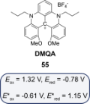
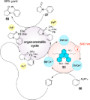
- diverse catalyst types and applications. The first section is dedicated to metal-based photocatalysts. Complexes involving metals such as osmium and ruthenium, have dominated red-light photoredox catalysis because of their ability to absorb low-energy photons and sustain redox cycles via stable excited















Oxidation of [3]naphthylenes to cations and dications converts local paratropicity into global diatropicity
Beilstein J. Org. Chem. 2025, 21, 277–285, doi:10.3762/bjoc.21.20

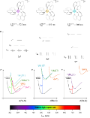
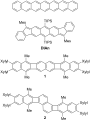
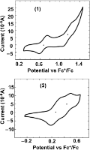
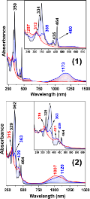
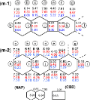
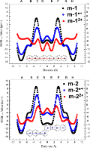
- attracted a growing interest in recent times, both from fundamental and technological reasons [9][10][11]. Antiaromaticity destabilizes the ground state of organic molecules by raising their highest energy occupied molecular orbitals, thus allowing for easy oxidation, doping, and electron-transfer reactions
- peaks, at 0.67 and 1.16 V, were clearly resolved for the linear oligomer 1. For the angular molecule 2, two partially overlapped one-electron peaks appeared at noticeably lower voltages, 0.28 and 0.44 V. This result reflects the higher energy lying HOMO (and easy of oxidation) and stronger overall
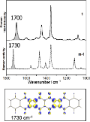
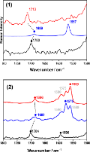
- is using energetic parameters unequivocally associated to individual bonds. This is the case of the vibrational force constants [22]. They are defined as the second derivative of the molecular energy, in the minimum energy molecular structure, with respect to the nuclear displacement coordinates


Synthesis and characterizations of highly luminescent 5-isopropoxybenzo[rst]pentaphene
Beilstein J. Org. Chem. 2025, 21, 270–276, doi:10.3762/bjoc.21.19
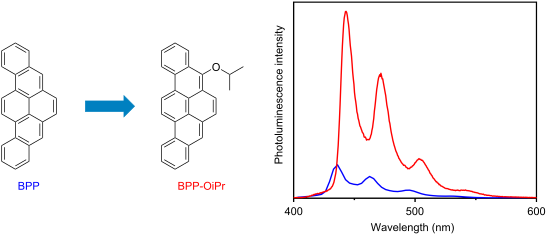
- -substituted derivatives [21][22]. In comparison to the absorption spectrum of BPP 2, this lowest-energy absorption band of BPP-OiPr 3 was red-shifted by ≈26 nm, which marked the inductive and resonance effects of the electron-donating isopropyloxy group with lone pairs of electrons, raising the HOMO level
- transitions as previously discussed for other BPP derivatives [21][22], the strikingly enhanced molar extinction coefficient observed for the lowest-energy band of BPP-dione 4 (ε = 17000 M−1 cm−1) indicates that the optical transition to the S1 state becomes allowed by this oxidation. BPP 2 and BPP-OiPr 3




Effect of substitution position of aryl groups on the thermal back reactivity of aza-diarylethene photoswitches and prediction by density functional theory
Beilstein J. Org. Chem. 2025, 21, 242–252, doi:10.3762/bjoc.21.16
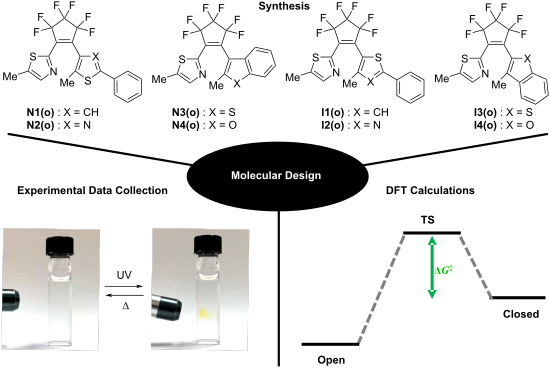
- , various application examples of molecular photoswitches have been reported so far including volumetric 3D printing [12][13], photoresponsive semiconductors [14][15][16][17], photopharmacology [18][19], energy storage materials [20][21][22][23], data storage materials [24], super-resolution microscopy [25
- theory in combination with the 6-31G(d) basis set well reproduces the experimental value of the activation energy for the thermal back reaction of various diarylbenzenes, resulting in the accurate prediction of the half-lifte time [58][63]. Thus, the combination of experiments and theoretical
- compounds N3, N4, and I1–I4. The activation enthalpy (ΔH‡) and activation entropy (ΔS‡) in the thermal reaction were determined from the intercept and slope. Using these values, the experimental activation free energy (ΔG‡(exp)), the k value, and the half-life (t1/2) at 298 K were calculated and the results


Heteroannulations of cyanoacetamide-based MCR scaffolds utilizing formamide
Beilstein J. Org. Chem. 2025, 21, 217–225, doi:10.3762/bjoc.21.13
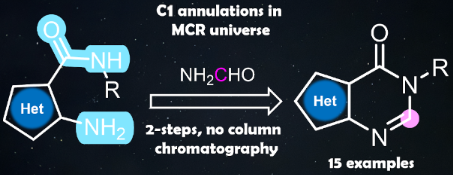
- Goals (SDGs), wherein the 7th goal focuses on ensuring access to affordable, renewable and clean energy [1]. Moreover, the European Union has committed to ambitious environmental targets as part of the European Green Deal [2]. Advancements in C1 chemistry are pivotal to achieving this equilibrium. As




Quantifying the ability of the CF2H group as a hydrogen bond donor
Beilstein J. Org. Chem. 2025, 21, 189–199, doi:10.3762/bjoc.21.11
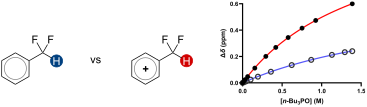
- . We expect this information to be useful for the rational application of the CF2H group in drug development and molecular design. Previous quantum mechanical calculations revealed that the CF2H···O binding energy (ΔE) ranges from 1.0 kcal/mol to 5.5 kcal/mol [14][15][18][21]. In addition, as measured
- constructs. Although many of the CF2H HB donors studied here can promote relatively strong hydrogen bonding interactions with n-Bu3PO, even the strongest CF2H HB donor (3b) is still 30 times weaker than phenol (10), corresponding to about a 2 kcal/mol reduction in binding energy at 25 °C. These results
- , with other easily accessible parameters. We first calculated the Gibbs free energy of formation (ΔGcalc) of the HB complexes of HB donors with trimethylphosphine oxide (Me3PO), which models n-Bu3PO as a hydrogen bond acceptor, and compared these values with experimental data. We realized that such an




Recent advances in electrochemical copper catalysis for modern organic synthesis
Beilstein J. Org. Chem. 2025, 21, 155–178, doi:10.3762/bjoc.21.9

- remains a significant challenge owing to the high energy barrier required for oxidative addition and facile β-hydride elimination [12]. The development of radical approaches facilitated by transition-metal catalysis has provided a promising solution to overcome the limitations of conventional coupling








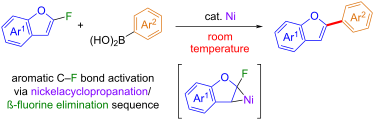
Nickel-catalyzed cross-coupling of 2-fluorobenzofurans with arylboronic acids via aromatic C–F bond activation
Beilstein J. Org. Chem. 2025, 21, 146–154, doi:10.3762/bjoc.21.8
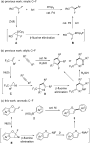
- organic chemistry owing to their high bond dissociation energy compared to other aromatic C–X (X = Cl, Br, I) bonds [1][2][3][4][5][6][7]. This activation is essential for the late-stage functionalization of stable C–F bonds in complex molecules with reactive functional groups, providing an orthogonal



Recent advances in organocatalytic atroposelective reactions
Beilstein J. Org. Chem. 2025, 21, 55–121, doi:10.3762/bjoc.21.6
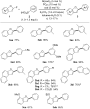
- -catalyzed reaction of indoles 210 with 2-nitrosonaphthalenes 211 was conducted in 2020 (Scheme 63) [93]. In combination with catalyst hydrogen bonding, the nitroso group was identified as a suitable partner for the nucleophilic substitution by possessing a sufficiently low LUMO energy value. Based on the






Emerging trends in the optimization of organic synthesis through high-throughput tools and machine learning
Beilstein J. Org. Chem. 2025, 21, 10–38, doi:10.3762/bjoc.21.3
- Technological University, Singapore 639798, Republic of Singapore Institute for Functional Intelligent Materials, National University of Singapore, 4 Science Drive 2, Singapore 117544, Republic of Singapore Institute of Sustainability for Chemicals, Energy and Environment (ISCE2), Agency for Science Technology
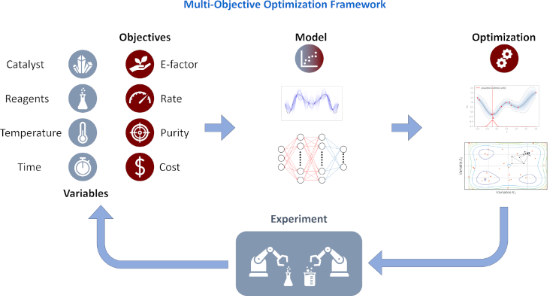
- energy consumption and reduced use of hazardous materials, contributing to more sustainable chemical processes. Integrating ML algorithms to simultaneously optimize multiple parameters such as yield, purity, and cost within a closed-loop represents a significant advancement in process design. Furthermore


Synthesis, structure and π-expansion of tris(4,5-dehydro-2,3:6,7-dibenzotropone)
Beilstein J. Org. Chem. 2025, 21, 1–7, doi:10.3762/bjoc.21.1
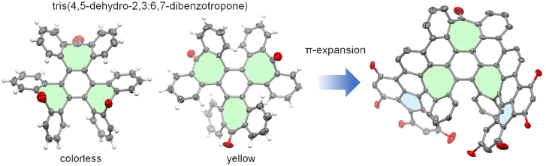
- dibenzotropone moieties capable of flapping with small energy barriers. This is supported by the 1H NMR spectrum of compound 1 (Supporting Information File 1, Figure S11), which presents only four different signals due to rapid conformational shifts in solution. Additional evidence of the small energy barrier
- in 3, which consume the energy of the excited state. Figure 4 shows the UV–vis absorption spectrum of 3 in cyclohexane with the absorption edge at 561 nm and its emission spectrum with a peak at 580 nm. In the test windows of cyclic voltammetry (Supporting Information File 1, Figure S1), 3 exhibits
- one reversible oxidation wave and one quasi-reversible oxidation wave with half-wave potentials of 0.40 V and 0.88 V, respectively, versus ferrocenium/ferrocene (Fc+/Fc). The HOMO energy level is estimated from the first oxidation peak to be −5.5 eV [28], which is consistent with the DFT-calculated


Synthesis, characterization, and photophysical properties of novel 9‑phenyl-9-phosphafluorene oxide derivatives
Beilstein J. Org. Chem. 2024, 20, 3299–3305, doi:10.3762/bjoc.20.274
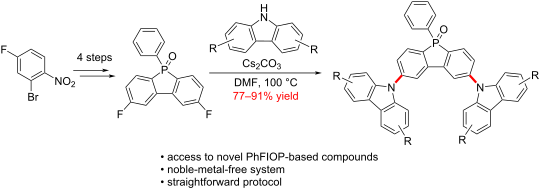
- * transitions associated with the conjugated system, while the band at around 340 nm is attributed to intramolecular charge transfer processes. The low-energy absorption bands of 7-t-Bu (λmax = 345 nm, Table 2) and 7-Cz-2 (λmax = 342 nm) are slightly redshifted compared to 7-H (λmax = 338 nm), and larger
- redshifts are observed for 7-Ph-1 (λmax = 354 nm) and 7-Ph-2 (λmax = 366 nm). In contrast to 7-H, 7-Br (λmax = 327 nm) and 7-Cz-1 (λmax = 316 nm) show a blueshift. With a stronger electron-donating ability than 7-Cz-1, 7-Cz-2 shows a lower energy level for the absorption band stemming from intramolecular




Efficient synthesis of fluorinated triphenylenes with enhanced arene–perfluoroarene interactions in columnar mesophases
Beilstein J. Org. Chem. 2024, 20, 3263–3273, doi:10.3762/bjoc.20.270
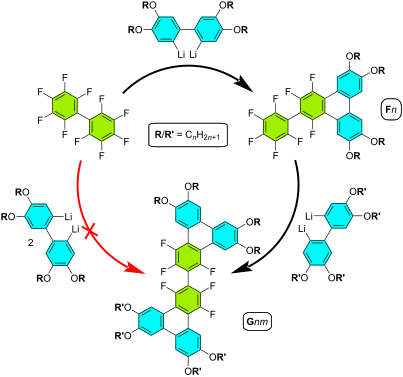
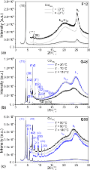
- spectra. Their LUMO electron density maps distribute across to the side arm for F1 (−1.88 eV; −1.78 eV for PH1) and to the other triphenylene core for the dimer G11 (−1.78 eV). The π-conjugation of excited states results in a difference of their HOMO and LUMO energy levels: the fluorine dimer G11
- possesses higher HOMO and LUMO energy levels than that of the monomer F1, with a smaller HOMO–LUMO energy gap (3.92 eV for F1 versus 4.11 eV for PH1). The DFT results thus agree pretty well with the fluorescence spectra in solution: G66 shows a fluorescence peak at 470–500 nm, while F6 has peaks located




Non-covalent organocatalyzed enantioselective cyclization reactions of α,β-unsaturated imines
Beilstein J. Org. Chem. 2024, 20, 3221–3255, doi:10.3762/bjoc.20.268
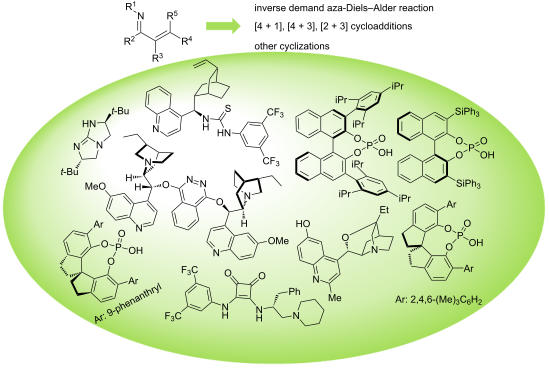
- nitrogen atom which is prone to interacting with hydrogen-bond donors or Brønsted acids decreasing the LUMO energy of the diene. This review article aims to give an overview of the non-covalent organocatalyzed cyclization reactions involving α,β-unsaturated imines. Although most of the cyclization
- organocatalyst acts as a Lewis base forming an enamine which raises the HOMO energy of the dienophile, while the thiourea moiety acts as a Lewis acid, lowering the LUMO level of the diene (Scheme 1). A confined transition state is formed providing a high enantiocontrol of the reaction. In 2016, Shi and co









Direct trifluoroethylation of carbonyl sulfoxonium ylides using hypervalent iodine compounds
Beilstein J. Org. Chem. 2024, 20, 3182–3190, doi:10.3762/bjoc.20.263
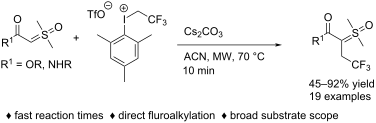
- encouraged to further explore these computationally. For both pathways, a potential energy surface (PES) was used to generate an ‘initial guess’ for stationary and saddle point geometries (see also section 4.1 in Supporting Information File 1). The PES scan strongly indicated that the SN2 mechanistic
- proposal was operative, owing to its lower-energy barrier; however, the saddle point geometries identified at this low level of theory were not close enough to the true transition state geometries to meet convergence criteria. Thus, using the guidance of the PES scans, A, XB-2, and B were subjected to the
- was found at a relative energy of 10.1 kcal/mol, where the C–I–C bond angle is 178° with C–I bond lengths of 2.2 Å (I–CH2CF3) and 2.9 Å. The reaction coordinate diagram for path 1 showed a near barrierless equilibrium between halogen bond adducts XB-1 and XB-2, where XB-2 has a C–I–C bond angle of 86


Multicomponent reactions driving the discovery and optimization of agents targeting central nervous system pathologies
Beilstein J. Org. Chem. 2024, 20, 3151–3173, doi:10.3762/bjoc.20.261

- conducted at a concentration of 10 μM, with donepezil serving as a positive control. To measure their impact on cellular tau oligomerization, the fluorescence resonance energy transfer (FRET) signal intensity was quantified in a cellular tau FRET assay at the same 10 μM concentration, using MK-886, a known


Surprising acidity for the methylene of 1,3-indenocorannulenes?
Beilstein J. Org. Chem. 2024, 20, 3144–3150, doi:10.3762/bjoc.20.260
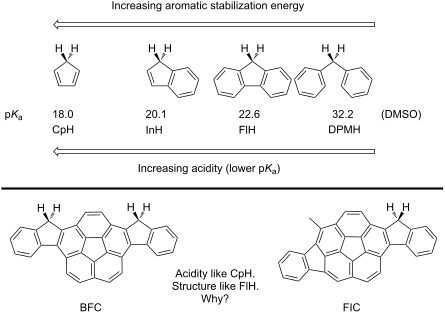
- ; Loschmidt group element; molecular graph; Introduction A classic textbook tetrad linking hydrocarbon acidity to aromatic stabilization energy comprises cyclopentadiene (CpH), indene (InH), fluorene (FlH), and diphenylmethane (DPMH) [1][2], with pKa values in DMSO equal to 18 [3], 20.1 [3], 22.6 [3], and
- 32.2 [4], respectively (Scheme 1) [5][6]. The reaction enthalpy for deprotonation of CpH is ca 20 kcal/mol less endothermic than DPMH and ca. 24–27 kcal/mol less endothermic than 1,4-pentadiene (PDH; pKa ≈ 35 in DMSO) [3], values strikingly similar to the resonance stabilization energy estimated for
- benzene [7][8]. Furthermore, the trend of pKa values for CpH, InH, and FlH correlates with the reduction of the aromatic stabilization energy for the anion across the series [1][2]. At first glance, this model supports the notion that the relative pKa values of cyclopentadienes embedded in polynuclear


Controlled oligomerization of [1.1.1]propellane through radical polarity matching: selective synthesis of SF5- and CF3SF4-containing [2]staffanes
Beilstein J. Org. Chem. 2024, 20, 3134–3143, doi:10.3762/bjoc.20.259
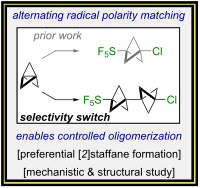
- nanotechnology [5], liquid crystal design [6][7][8][9][10], and the study of energy-transfer [11][12] or electron-transfer [13][14][15][16][17] processes. We also posit that lower-order [n]staffanes (i.e., n = 2 or 3) are potentially valuable C(sp3)-rich bioisosteres [18][19] that have been seemingly overlooked
- energy profile of the radical chain propagation sequence was computed at the PWPB95-D4/def2-QZVPP//PCM(Et2O)-ωB97X-D/def2-TZVP level of theory [51][52][53][54][55][56][57][58] (Figure 2). Following addition of an SF5 radical to 1 to form INT1, a Cl atom could be abstracted from SF5Cl via TS1 to form 4 or
- , alternatively, INT1 could be added to another equiv of 1 via TS2 to form INT2. Although formation of 4 is notably more thermodynamically favorable than INT2 (ΔΔG = −9.2 kcal/mol), a small difference in activation free energy is predicted (ΔΔG‡ = −1.4 kcal/mol). This, at least in part, provides an explanation as


Advances in the use of metal-free tetrapyrrolic macrocycles as catalysts
Beilstein J. Org. Chem. 2024, 20, 3085–3112, doi:10.3762/bjoc.20.257
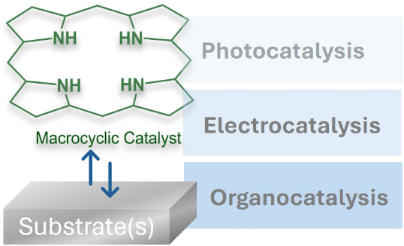
- with porphyrins, the direct linkage between their pyrrole units leads to a more contracted cavity compared to that of porphyrins. Similar to calix[4]pyrroles, synthetic metallo- and free-base (metal-free) porphyrins find various applications in the fields of medicine, energy, catalysis, molecular
- second-sphere interactions with a multipoint hydrogen-bonding pattern enhance CO2 reduction in organic solvents, improving stability, facilitating proton transfer, reducing energy barriers, and increasing selectivity [20]. Apart from advances in synthetic methodologies [2][21][22][23], the exploration of
- to absorb significant amounts of visible light photons, which allows them to reach an excited state. The excited porphyrin molecule is likely to undergo energy transfer (ET; photosensitization) or single-electron transfer (SET; photoredox catalysis) to substrate molecules (Figure 13). In


Enantioselective regiospecific addition of propargyltrichlorosilane to aldehydes catalyzed by biisoquinoline N,N’-dioxide
Beilstein J. Org. Chem. 2024, 20, 3069–3076, doi:10.3762/bjoc.20.255
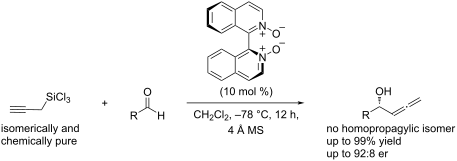
- ) which is 1.2 kcal/mol lower in energy than IN1. The IN1→IN2 transformation is driven by the redistribution of the negative charge on C1 in IN1. In particular, the Mulliken charge on C1 reduces from −0.77e to −0.66e and the charge on C3 increases from −0.43e to −0.55e and facilitate Coulombic interaction
- the two transformations. Studies directed toward a better understanding of possible transition-state structures and the design of new catalysts to improve the results are currently underway in our laboratories. A potential energy surface (PES) for the proposed mechanism for (a) isomerization of


Extension of the π-system of monoaryl-substituted norbornadienes with acetylene bridges: influence on the photochemical conversion and storage of light energy
Beilstein J. Org. Chem. 2024, 20, 3061–3068, doi:10.3762/bjoc.20.254
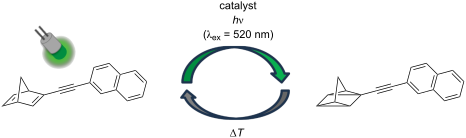
- Gutenberg University Mainz, Duesbergweg 10–14, 55128 Mainz, Germany 10.3762/bjoc.20.254 Abstract The photochromic norbornadiene/quadricyclane pair is a promising system for molecular solar thermal (MOST) energy storage, with which solar energy may be converted, stored, and released as heat in one integral
- up to 8 h at room temperature. Furthermore, the norbornadienes were transformed quantitatively into their quadricyclane photoproducts by irradiation with green light (520 nm) in the presence of a photosensitizer. Keywords: light energy conversion; photochemistry; photochromism; quadricyclanes
- ; Sonogashira–Hagihara coupling; Introduction The application of sustainable energy storage and supply has become a very important issue both from an economic and ecological point of view. In particular, the global energy demand is continuously expanding because of the increasing population, the development of


Tunable full-color dual-state (solution and solid) emission of push–pull molecules containing the 1-pyrindane moiety
Beilstein J. Org. Chem. 2024, 20, 3016–3025, doi:10.3762/bjoc.20.251

- , which is a rare approach for such fluorophores. Another rare phenomenon for push–pull molecules is dual-state emission (DSE) [45][46][47]. At the same time, the scope of applications of fluorophores exhibiting DSE is much wider. This is due to the fact that DSE molecules, after absorbing energy, are
- highest fluorescence efficiency of 53.4% was observed for the para-methyl derivative 1b. Solutions of stilbazoles 1 in DMSO were also characterized by large Stokes shift values, reaching 207 nm (5846 cm−1) and showing nonradiative loss of excitation energy. It should be noted that stilbazoles 1, in





