Search results
Search for "LED" in Full Text gives 2073 result(s) in Beilstein Journal of Organic Chemistry. Showing first 200.
Recent advances in allylation of chiral secondary alkylcopper species
Beilstein J. Org. Chem. 2025, 21, 639–658, doi:10.3762/bjoc.21.51
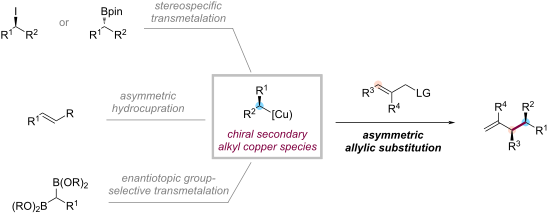
- eponymous Tsuji–Trost reaction, they faced a significant limitation: poor regioselectivity with non-symmetrical allylic substrates 2. This constraint led to the predominant development of Pd-catalyzed methods using symmetric 1,3-disubstituted allylic substrates 1 that contain a leaving group in the allylic
- temperature led to a significant decrease in dr values, suggesting partial racemization. This observation highlights the importance of careful experimental handling of [RCu·ZnX2·L] species {X = Br, Cl; L = P(OEt)3}, where both temperature control and reaction time must be precisely managed to maintain




Entry to 2-aminoprolines via electrochemical decarboxylative amidation of N‑acetylamino malonic acid monoesters
Beilstein J. Org. Chem. 2025, 21, 630–638, doi:10.3762/bjoc.21.50
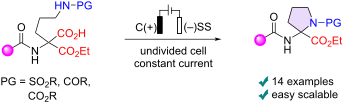
- observed (see Supporting Information File 1, page S3). Decrease in supporting electrolyte concentration led to a drop in yields (Table 1, entry 9 vs entry 8), whereas current density deviations from 12 mA/cm2 did not affect the outcome of 6a (see Supporting Information File 1, page S4). Interestingly
- F led to a drop in the pyrrolidine 6a yield due to the formation of a new side-product. We hypothesized that the side-product formation at increased amounts (>2.5 F) of passed charge results from undesired Shono oxidation of pyrrolidine 6a [10][11]. Indeed, CV studies of 6a revealed an irreversible



Semisynthetic derivatives of massarilactone D with cytotoxic and nematicidal activities
Beilstein J. Org. Chem. 2025, 21, 607–615, doi:10.3762/bjoc.21.48
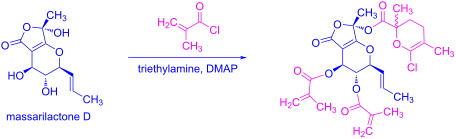
- exhibit significant antimicrobial or cytotoxic activities upon testing [16]. This led us to hypothesize that possible chemical modification might enhance its biological activity. Therefore, the present research work aimed to investigate whether structural modifications could improve the biological
- , 4.4 Hz) and H-4 (δH 4.38, dd, J = 4.3, 0.9 Hz, H-4), the trans-2-methyl-2-butenoyl moiety was placed at C-7. The above spectroscopic data combined to the analysis of 2D experiments led to the elucidation of the structure of compound 6 as massarilactone D 7-O-trans-2-methyl-2-butenoyl. The reaction of
- , as indicated by structure–activity relationship analysis. Conclusion In the present study, the use of various acylating reagents to modify massarilactone D introduces distinct functional groups, each with unique chemical properties. This approach led to the synthesis of seven previously undescribed


Study of the interaction of 2H-furo[3,2-b]pyran-2-ones with nitrogen-containing nucleophiles
Beilstein J. Org. Chem. 2025, 21, 556–563, doi:10.3762/bjoc.21.44
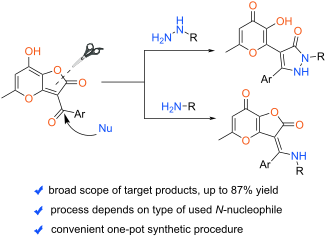
- that, the use of 3-fold excess of amine 2a led to the same results. Apparently, the stability of salt 3a is connected with high acidity of the starting furanone 1a and its recovery is only possible under the action of strong acids (HCl, H2SO4). Further, we investigated the chemical behavior of
- isolation of intermediate salt 3a. Indeed, the reflux of starting compound 1a with amine 2a in AcOH for 24 h led to formation of product 4a with 62% yield. Using various furanones 1 and amines we attempted to synthesize analogues of compound 4a based on the above procedure. It was found that the presence of
- . So, reflux of the mixture of starting materials in AcOH for 24 h led to pyrazolone 8a in 37% yield (Table 1, entry 1). Note that increasing the process time didn’t affect on the observed result (Table 1, entry 2). Next, we tested the studied reaction applying various solvents and in all cases the


Deep-blue emitting 9,10-bis(perfluorobenzyl)anthracene
Beilstein J. Org. Chem. 2025, 21, 515–525, doi:10.3762/bjoc.21.39
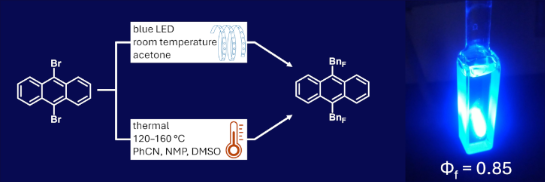
- organic base such as tetramethylethylenediamine (TMEDA) or 1,8-diazabicyclo(5.4.0)undec-7-ene (DBU) [28]. Our initial attempt to apply this method was as follows: A reaction mixture of 9,10-ANTH(Br)2, 10 equiv BnFI, and 10 equiv DBU dissolved in acetone was illuminated with a blue LED for 20 h (see
- ) were used as received. Instrumentation 19F (376 MHz) and 1H (400 MHz) NMR spectra were recorded using a Varian INOVA 400 instrument with a trace amount of C8H4F6 (δ(19F) = −66.35 ppm) added as the internal standard. UV–vis spectra were recorded using a Cary 500 UV–VIS–NIR. Emission spectra of the LED
- Schlenk flask was then placed in a metal container equipped with a blue LED strip (1.2 W, Tenmiro) at room temperature for 20 h. Afterwards, the reaction mixture was washed with a 10% solution of Na2S2O3 (2 × 10 mL), H2O (3 × 10 mL), and brine (1 × 10 mL) before being dried over MgSO4. All solvents were





Unprecedented visible light-initiated topochemical [2 + 2] cycloaddition in a functionalized bimane dye
Beilstein J. Org. Chem. 2025, 21, 500–509, doi:10.3762/bjoc.21.37
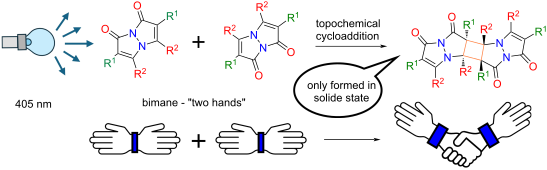
- shielding from light, and unavoidable light exposure during crystal selection, and the X-ray measurement itself. As an additional test, the compounds were prepared as NMR samples in DMSO-d6 and irradiated with 405 nm LED. Irradiation in the solution phase did not result in any dimerization; the respective
- crystals were then irradiated for variable periods of time using 405 nm LED (75 mW cm−2) in an Elegoo Mercury Plus Wash and Cure (turntable chamber). Samples were placed approximately 8 cm far from the light source. The average light power measured at this distance was 5 mW cm−2. During the irradiation


Organocatalytic kinetic resolution of 1,5-dicarbonyl compounds through a retro-Michael reaction
Beilstein J. Org. Chem. 2025, 21, 473–482, doi:10.3762/bjoc.21.34
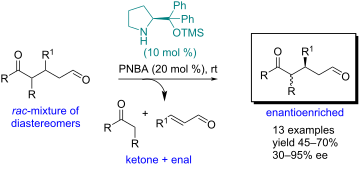
- racemization when treated with inorganic bases [25], which had led us to check the equilibrium between Michael and the retro-Michael reaction (Scheme 1). These observations have prompted us to conduct further research into this reaction for potential applications in the kinetic resolution of these adducts. In
- additive (entries 10–13, Table 2), but none of the tests performed led to an improvement in enantioselectivity. We also studied the influence of the reaction temperature by performing two tests at 0 °C (entries 15 and 16, Table 2). We observed that the reaction occurs more slowly, and the enantiomeric
- excess reached is lower than at room temperature. Additionally, when the reaction mixture was stirred at −18 °C, no change was observed after 100 hours (entry 14, Table 2). These results led us to raise the reaction temperature to 31 °C (entries 17–20, Table 2). We observed that the retro-Michael


Photomechanochemistry: harnessing mechanical forces to enhance photochemical reactions
Beilstein J. Org. Chem. 2025, 21, 458–472, doi:10.3762/bjoc.21.33
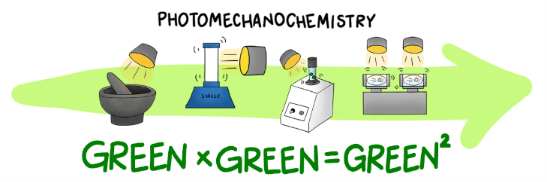
- for its high-energy input, automated operation, and reproducibility, making it ideal for larger-scale and more force-intensive reactions. Both LED strips and LED lamps are used as light sources in combination with transparent jars in PMMA, glass, or epoxy resins. It can achieve consistent results but
- automated and continuous mixing during irradiation, thus increasing the reproducibility and convenience of the process [67]. In particular, the authors found that the simultaneous irradiation using a low-pressure Hg lamp and grinding led to 97% 1H NMR yield of 2.3 in 24 h starting from 2.1 and 2.2, which
- oxidation of 1,2-diphenylethyne to benzil [71]. Thus, when a 1:2 mixture of 7.1 and 4-chlorothiophenol (7.2) was ground in the presence of eosin Y as the photocatalyst and anhydrous Na2SO4 as a bulking agent, benzil (7.3) was obtained in 43% GC yield under blue light irradiation (LED, 14.5 W). Isolation led




Electrochemical synthesis of cyclic biaryl λ3-bromanes from 2,2’-dibromobiphenyls
Beilstein J. Org. Chem. 2025, 21, 451–457, doi:10.3762/bjoc.21.32
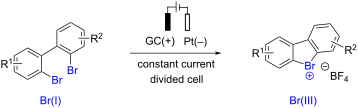
- −2 led to 60% λ3-bromane 1a degradation, suggesting that cationic 1a, formed on the anode, decomposes on the cathode. To avoid the undesired cathodic decomposition of 1a, the cathode and anode chambers were separated, and further experiments were performed in a divided cell. Gratifyingly, the change


New tandem Ugi/intramolecular Diels–Alder reaction based on vinylfuran and 1,3-butadienylfuran derivatives
Beilstein J. Org. Chem. 2025, 21, 444–450, doi:10.3762/bjoc.21.31
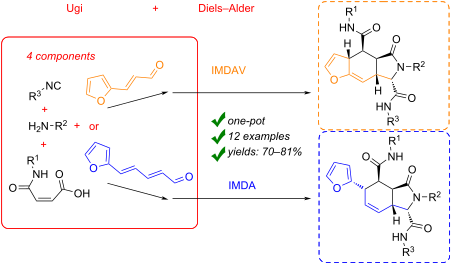
- [11][12][13]. Advancements in one-pot syntheses, like combining the Ugi reaction with other methods [14][15][16][17][18], for example, the Huisgen cycloaddition, have led to the creation of unique [1,2,3]triazolo[1,5-a]pyrazine derivatives [19]. Tandem reactions are particularly valued for their atom




Beyond symmetric self-assembly and effective molarity: unlocking functional enzyme mimics with robust organic cages
Beilstein J. Org. Chem. 2025, 21, 421–443, doi:10.3762/bjoc.21.30
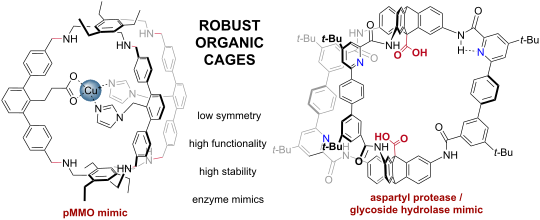
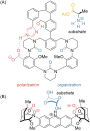
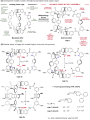
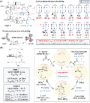
- popularization of dynamic covalent chemistry in the 1990s [251][252][253][254][255], macrocycle and cage synthesis using reversible reactions [256][257][258][259] like imine formation (Figure 7A) have led to advances in the synthesis of COFs [223][224] and discrete organic cages [260][261][262][263][264][265




Unraveling aromaticity: the dual worlds of pyrazole, pyrazoline, and 3D carborane
Beilstein J. Org. Chem. 2025, 21, 412–420, doi:10.3762/bjoc.21.29
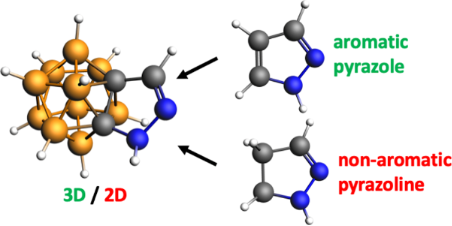
- materials [28][29][30]. As a result, developing efficient methods for selectively introducing functional groups into carboranes has become a key area of research [29][31]. Moreover, replacing planar aryl rings in biologically active molecules with spherical carborane units has led to novel alternatives [32


Identification and removal of a cryptic impurity in pomalidomide-PEG based PROTAC
Beilstein J. Org. Chem. 2025, 21, 407–411, doi:10.3762/bjoc.21.28
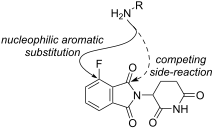
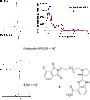
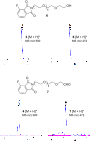
- develop a method to facilitate the elimination of this impurity. We first attempted scavenging 6 by solid-phase supported amines. Incubating a mixture of 3 and 6 with TentaGel S-NH2 in DMF led to a gradual decrease of 6 over four days. Whereas this method is applicable to removing 9 of different PEG-OH




The effect of neighbouring group participation and possible long range remote group participation in O-glycosylation
Beilstein J. Org. Chem. 2025, 21, 369–406, doi:10.3762/bjoc.21.27
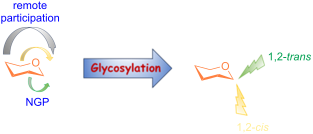
- in the subsequent nucleophilic attack by the acceptor [137]. This α-glycosyl triflate was readily converted to its skew-boat conformation 62 which led to the attack of the glycosyl acceptor 64 from the β-face of the sugar pyranoside ring exclusively to form the 1,2-trans glycoside 65. Thus, the N
- glycoside in moderate 43% yield. However, a five-membered cyclic acetal 88 as the side product was obtained which led to the determination of the plausible mechanism involving participation of the alkoxymethyl group of the C-2 position (Scheme 15). Path A in Scheme 15 designates the expected participating
- -(phenylsulfanyl)ethyl moiety in the C-2 position led to the stereoselective formation of 1,2-cis glucoside and 1,2-cis galactoside in high yield by the formation of a quasi-stable anomeric sulphonium ion intermediate [150]. In continuation with the use of auxiliary protecting groups as the O-2 protection for




Antibiofilm and cytotoxic metabolites from the entomopathogenic fungus Samsoniella aurantia
Beilstein J. Org. Chem. 2025, 21, 327–339, doi:10.3762/bjoc.21.23
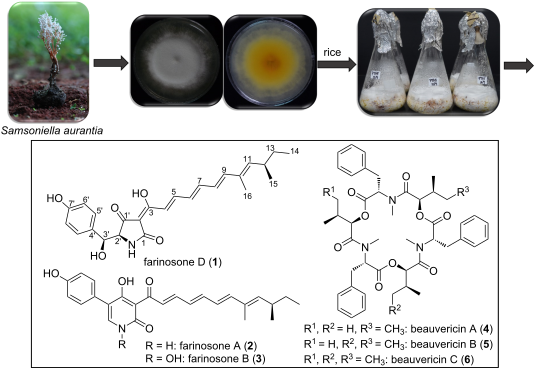
- solvent B from 30% to 100% over 85 minutes. Subsequently, it was maintained at 100% for 15 minutes. This purification protocol led to the isolation of 1 (9.1 mg, tR = 67 min), 3 (19.5 mg, tR = 81 min), and 5 (2.8 mg, tR = 89 min). For fraction 6 (489 mg), a gradient elution was applied starting from 50% B


Red light excitation: illuminating photocatalysis in a new spectrum
Beilstein J. Org. Chem. 2025, 21, 296–326, doi:10.3762/bjoc.21.22

- sacrificial reducing agents (Scheme 6), contrasting with traditional blue-light photocatalysis which led to substrate decomposition [33][34]. The axial ligands on the ruthenium phthalocyanin complex, particularly electron-deficient pyridyl groups, were found to influence the catalytic activity by stabilizing
- source at 660 nm led to a reduction in the isolated yield from 70% to 56%. Despite the full conversion of the starting material, the overall efficiency was hindered by the formation of side-products. Furthermore, various nucleophiles were found to be compatible with this transformation. In parallel the















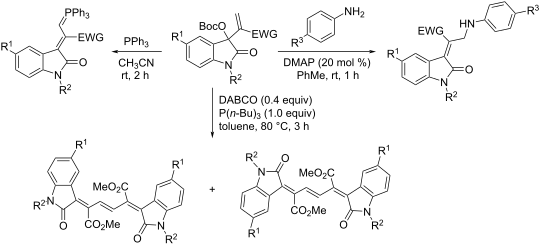
Molecular diversity of the reactions of MBH carbonates of isatins and various nucleophiles
Beilstein J. Org. Chem. 2025, 21, 286–295, doi:10.3762/bjoc.21.21
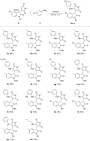
- also led to the development of a synthetic protocol for the convenient synthesis of 30 diversely substituted oxindole derivatives. Single crystal structure of compound 5a. Single crystal structure of compound 5j. Single crystal structure of compound 6e. Single crystal structure of compound 7a. Single




Three-component reactions of conjugated dienes, CH acids and formaldehyde under diffusion mixing conditions
Beilstein J. Org. Chem. 2025, 21, 262–269, doi:10.3762/bjoc.21.18
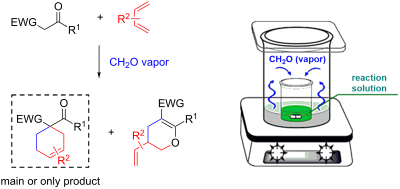
- (Table 1, entries 11 and 13). Apparently, an increase in the surface area of the reaction solution promoted more efficient absorption of CH2O molecules, which accelerated the condensation reaction. The reaction of formaldehyde and diketone 1 in chloroform and acetonitrile predominantly led to diketo
- 9 in toluene for 7 h led to the formation of an equilibrium mixture of these compounds in a ratio of ≈2:1 (Scheme 5). We propose that the reversible transformation of 8 to 9 proceeded via the intermediate formation of zwitterion 21, in which the charges were stabilized by mesomeric effects under
- participation of the C=C bond. Apparently, the ratio of the adducts of the Diels–Alder (i.e., I) and the hetero-Diels–Alder reaction (i.e., II) was strongly influenced by steric factors; a decreased steric hindrance in the initial CH acid derivatives led to a more selective formation of the structures I. This


Synthesis of disulfides and 3-sulfenylchromones from sodium sulfinates catalyzed by TBAI
Beilstein J. Org. Chem. 2025, 21, 253–261, doi:10.3762/bjoc.21.17
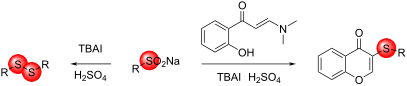
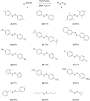
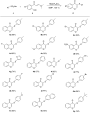
- . For example, electron-donating groups (Me, tert-butyl, MeO, naphthyl) and electron-withdrawing groups (F, Cl, Br) attached to the benzene ring led to products 2a–i with yields ranging from 60% to 89%. Interestingly, products with strong electron-withdrawing substituents were obtained in moderate
- intermediate in the reaction. When the asymmetric thiosulfonate was used as the substrate, unexpectedly a mixture of three disulfide ethers rather than a single disulfide was obtained under the standard reaction conditions (Scheme 5, reaction 1), which led us to conclude that the reaction might be a process in




Effect of substitution position of aryl groups on the thermal back reactivity of aza-diarylethene photoswitches and prediction by density functional theory
Beilstein J. Org. Chem. 2025, 21, 242–252, doi:10.3762/bjoc.21.16
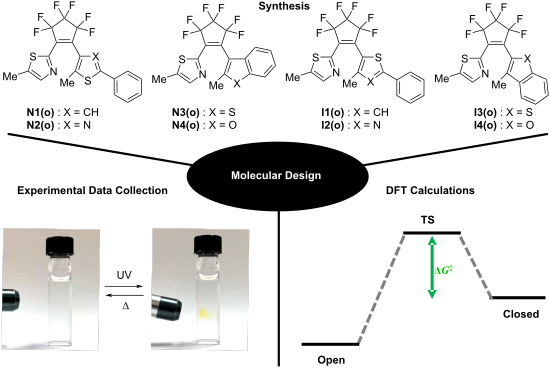
- recorded using a JASCO V-560 absorption spectrometer or an Ocean Optics FLAME-S multichannel analyzer. Photoirradiation (365 nm) to solution samples was carried out using a 200 W mercury–xenon lamp (MORITEX MSU-6) with a band-pass filter or a 365 nm UV-LED lamp (Keyence UV-400) as a light source. The


Visible-light-promoted radical cyclisation of unactivated alkenes in benzimidazoles: synthesis of difluoromethyl- and aryldifluoromethyl-substituted polycyclic imidazoles
Beilstein J. Org. Chem. 2025, 21, 234–241, doi:10.3762/bjoc.21.15
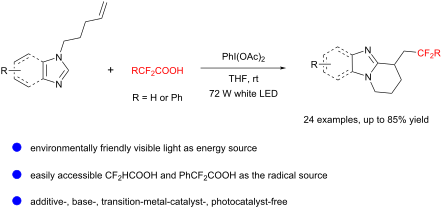
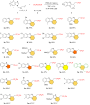
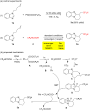
- reaction (Table 1). Employing PIDA as the promoter, THF as the solvent, and 72 W white LED as the light source, the desired product 3a formed in 85% isolated yield at room temperature (Table 1, entry 1). We found that the hypervalent iodine reagent was of significant importance for the present
- transformation (Table 1, entries 2 and 3), and PIDA was the most efficient promoter. Changing THF to other solvents, such as DCM, EtOH, DMF, CH3CN, EtOAc, or DMSO, resulted in a lower yield (Table 1, entries 4–9). Furthermore, variations in the amounts of PIDA or CF2HCOOH led to diminished yields (Table 1


Streamlined modular synthesis of saframycin substructure via copper-catalyzed three-component assembly and gold-promoted 6-endo cyclization
Beilstein J. Org. Chem. 2025, 21, 226–233, doi:10.3762/bjoc.21.14
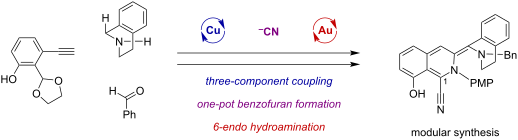
- led by Corey [23], Myers [24][25], Liu [26][27], and Saito [28] also efficiently exploited PS-type reactions to accomplish the total synthesis of saframycin A (1) (Scheme 1b) [3][4][5][29][30][31][32][33][34][35][36][37][38][39][40][41]. However, PS-type reactions impose constraints due to the
- , was obtained in one-pot, presumably via generation of the aminonitrile 17 and subsequent nucleophilic attack of the phenolic hydroxy group to form the five-membered ring. Our efforts to optimize this one-pot sequence led to the best results, affording 11 in 73% isolated yield, when acetone cyanohydrin


Dioxazolones as electrophilic amide sources in copper-catalyzed and -mediated transformations
Beilstein J. Org. Chem. 2025, 21, 200–216, doi:10.3762/bjoc.21.12
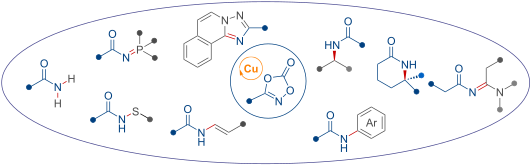
- terminal alkynes did not result in the desired N-acyl amidine 10l. Based on the substrate scope of acetylenes, the authors noted that the lower acidity of terminal acetylenes led to a diminished formation of the copper acetylide intermediate. Based on several mechanistic experiments and density functional
- substrate scope of boronic acids was limited in this transformation. To elucidate the reaction process, kinetic and control experiments were conducted, which led to the proposed reaction pathway for the copper-mediated synthesis of N-arylamides from dioxazolones as shown in Figure 4. Initially, copper(I


Recent advances in electrochemical copper catalysis for modern organic synthesis
Beilstein J. Org. Chem. 2025, 21, 155–178, doi:10.3762/bjoc.21.9

- sustainable chemistry, the combination of copper catalysis and electrochemistry is particularly attractive for overcoming challenges associated with conventional methods, and it has led to extensive research in recent years. In this review, we highlight the unique contributions of electrochemical copper
- catalytic systems (merging electrochemistry with transition-metal catalysis) has led to the development of new, efficient, and chemo- and stereoselective synthetic transformations. This review highlighted the recent developments in dual catalytic reactions involving copper and electrocatalysis, including C








Recent advances in organocatalytic atroposelective reactions
Beilstein J. Org. Chem. 2025, 21, 55–121, doi:10.3762/bjoc.21.6
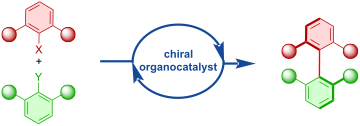
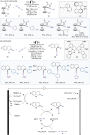
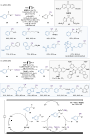
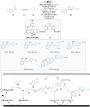
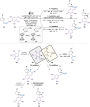
- -axial chirality conversion and formation of axially chiral products 21a–e (Scheme 7). This critical aromatization was later studied in more detail, and the team was able to achieve enantiodivergent aromatization, which led to different atropoisomers based on the oxidation reagent used [26]. The use of
- NBS and AgOTf led to the formation of the (Sa)-atropoisomers, whereas NIS afforded the (Ra)-atropoisomers. Non-biaryl atropoisomers are characterized by at least one non-aryl substituent on the stereogenic axis. Among them, compounds featuring a conformationally stable C(sp2)–C(sp3) stereogenic axis
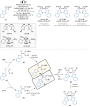
- [27]. This transformation led to a series of axially chiral cycl[3.2.2]azines 24 in good yields and high enantiomeric purities (Scheme 8). The proposed mechanism comprises enamine activation, condensation with nitroolefin 23, ring closure, and catalyst elimination to provide the axially chiral product