Search results
Search for "reactions" in Full Text gives 3232 result(s) in Beilstein Journal of Organic Chemistry. Showing first 200.
Azide–alkyne cycloaddition (click) reaction in biomass-derived solvent CyreneTM under one-pot conditions
Beilstein J. Org. Chem. 2025, 21, 1544–1551, doi:10.3762/bjoc.21.117
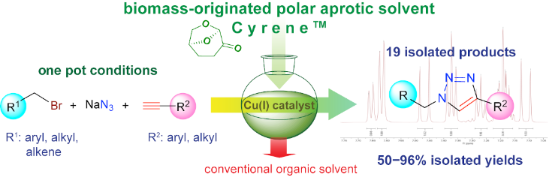
- CyreneTM, as a biomass-originated polar aprotic solvent, could be utilized as an alternative reaction medium for one-pot copper(I)-catalyzed azide–alkyne cycloaddition (click or CuAAC) reactions, for the synthesis of various 1,2,3-triazoles under mild conditions. Nineteen products involving N-substituted-4
- important transformation exhibiting higher chemical and environmental safety. Keywords: alternative solvent; click chemistry; cycloaddition; CyreneTM; 1,2,3-triazoles; Introduction In the past few decades, transition-metal-catalyzed coupling and addition reactions have represented one of the most powerful
- pharmaceutical ingredients (APIs) [8][9][10][11] and pesticides [12], or metabolic labeling molecules in plant science [13], to name a few important applications. The CuAAC reactions can be easily carried out under mild reaction conditions and exhibit excellent functional group tolerance [7]. While water has


Calcium waste as a catalyst in the transesterification for demanding esters: scalability perspective
Beilstein J. Org. Chem. 2025, 21, 1520–1527, doi:10.3762/bjoc.21.114
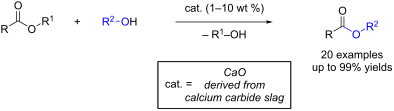
- acetylene production, was investigated. The catalyst was obtained by calcination of calcium carbide slag at 600 °C (CS600) and characterized by XRD and FTIR analysis. The transesterification reactions were carried out with primary alcohols, producing fatty acid alkyl esters in 51–99% yields, depending on
- CaO from a CaCO3 source (Equation 2). Thus, the proposed approach to obtaining a catalyst for transesterification reactions from carbide slag allows for waste utilization and is a greener alternative. Carbide slag is a ready-to-use source of CaO catalyst and does not require mining or additional
- processing. Next, the CS600 catalyst was investigated in the transesterification of soybean oil with various alcohols. The overall results of the transesterification are presented in Scheme 1. All the reactions were carried out at the boiling point of the corresponding alcohol, using different CS600 loadings


Ambident reactivity of enolizable 5-mercapto-1H-tetrazoles in trapping reactions with in situ-generated thiocarbonyl S-methanides derived from sterically crowded cycloaliphatic thioketones
Beilstein J. Org. Chem. 2025, 21, 1508–1519, doi:10.3762/bjoc.21.113
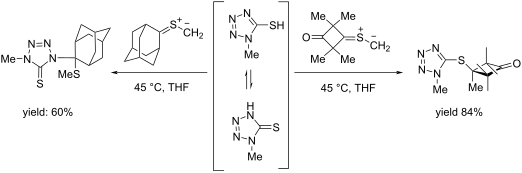
- derived from 5-mercapto-1H-tetrazoles was also examined. Keywords: 2,5-dihydro-1,3,4-thiadiazoles; enolizable 5-mercapto-1H-tetrazoles; insertion reactions; thiiranes; thiocarbonyl ylides; X-ray analysis; Introduction Cycloaddition reactions, including 1,3-dipolar cycloadditions, are considered as one
- of the most important types of organic reactions with key importance for the development of methods of modern organic synthesis [1][2][3]. Therefore, conversions of 1,3-dipoles which cover not only cycloadditions but also annulation and insertion reaction attract great attention worldwide [2][3][4
- ]. Thiocarbonyl S-methanides (thiocarbonyl ylides) 1, which were first reported in the 1980s by R. Huisgen and co-workers contributed to a substantial extension of mechanistic interpretations of cycloaddition reactions and to rapid development of methods applied not only for the synthesis of sulfur heterocycles


Photoredox-catalyzed arylation of isonitriles by diaryliodonium salts towards benzamides
Beilstein J. Org. Chem. 2025, 21, 1480–1488, doi:10.3762/bjoc.21.110
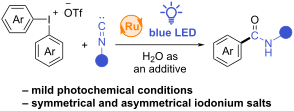
- benzamides from isonitriles as well as in multicomponent reactions with isonitriles in general. Only a few examples of photochemical cascade arylation–cyclizations of isonitriles with diaryliodonium salts have been published [31][32][33]. To bridge this gap, we propose a photoredox-mediated strategy for the
- photochemical reactions such as the reagents concentrations and ratio. Surprisingly, both dilution of the reaction mixture to 0.05 M and concentration to 0.2 M led to reduced yields (Table 1, entries 12 and 13) compared to the optimal concentration of 0.1 M. Furthermore, the yield of 2aa exhibited minimal
- Experiments, supplementary note 1). It is known that the counteranion of an iodonium salt could be a crucial factor for the reactivity pattern. Thus, we tested iodonium salts with different anions. Reactions with diphenyliodonium tetrafluoroborate 1a-BF4 (Table 1, entry 22) and tosylate 1a-TsO (Table 1, entry


Copper catalysis: a constantly evolving field
Beilstein J. Org. Chem. 2025, 21, 1477–1479, doi:10.3762/bjoc.21.109
- substitution reactions [1]. In particular, the authors elaborate the concept and recent developments in this field, which allows access to enantioenriched chiral enynes. Interestingly, the article also illustrates the effects of the copper salt and the ligand employed, as well as the influence of the substrate
- substitution pattern on the regioselectivity and stereoselectivity of the reactions. A Review article by Papis and co-workers discusses various copper(II) triflate-catalyzed multicomponent reaction types [2]. Therein, the synthesis of cyclic and acyclic compounds, as well as three-component and four-component
- reactions, are separately debated. In addition, mechanistic insights into the reaction of heteropolycyclic systems, cycloadditions, and aza-Diels–Alder reactions are provided. This is important because multicomponent, one-pot reactions have gained interest as potentially more economic, efficient, and
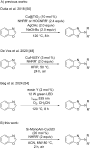
Microwave-enhanced additive-free C–H amination of benzoxazoles catalysed by supported copper
Beilstein J. Org. Chem. 2025, 21, 1462–1476, doi:10.3762/bjoc.21.108
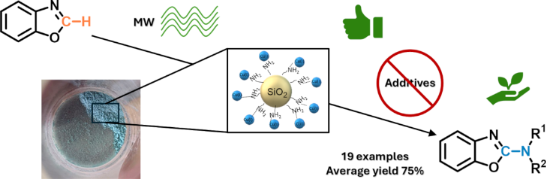
- anti-inflammatory activity [8]. Moreover, they can be applied in disorders of the central nervous system, such as insomnia and Alzheimer’s disease [9][10]. The preparation of 2-aminobenzoxazoles classically proceeds via cyclocondensation reactions from pre-functionalised precursors, or via the C2
- -amination of benzoxazoles by transition-metal-catalysed reactions that traditionally involve aryl halide scaffolds [11][12][13][14]. However, these procedures entail disadvantages that need to be overcome if green chemistry criteria are to be met; high temperatures, long reaction times, the need for ligands
- catalysts for direct C–H amination processes could be a significant breakthrough in optimising these reactions. Despite recent progress in site-selective C–H functionalisation [49], most reactions have remained reliant on homogeneous catalysis due to its molecularly defined nature. By contrast, the



Wittig reaction of cyclobisbiphenylenecarbonyl
Beilstein J. Org. Chem. 2025, 21, 1454–1461, doi:10.3762/bjoc.21.107
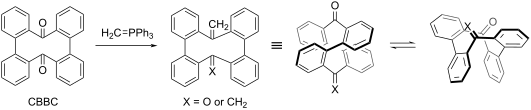
- . Consequently, figure-eight molecules often exhibit fascinating properties, such as unusual rearrangement reactions [9] and efficient circularly polarized luminescence (CPL) [10][11][12]. Cyclobisbiphenylenecarbonyl (CBBC) 1 is a figure-eight macrocycle, which is readily synthesized from commercially available
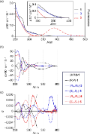
- coefficient; solvent = CH2Cl2. Wittig reactions of CBBC 1. Conversion of mono-olefin 3 to internally functionalized DBC derivative 6. Supporting Information Supporting Information File 22: Experimental details and spectral data for all new compounds. Funding This work was supported by JSPS KAKENHI grants



Advances in nitrogen-containing helicenes: synthesis, chiroptical properties, and optoelectronic applications
Beilstein J. Org. Chem. 2025, 21, 1422–1453, doi:10.3762/bjoc.21.106
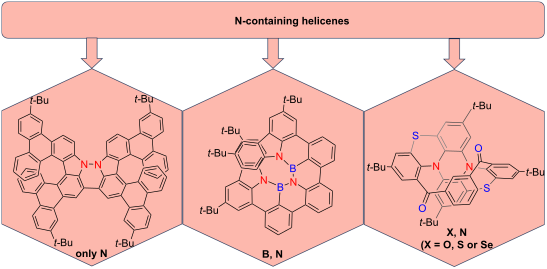
- intramolecular Scholl reactions [24] (Table 3). All compounds exhibited strong absorption in the UV–vis region (250–450 nm) and fluorescence emission between 400–550 nm. Among these, compound 11c, a saddle-shaped dibenzodiaza[8]circulene, was particularly noteworthy as the first example of its kind synthesized
- developed a two-pot synthesis of unsymmetrical hetero[7]helicenes 72a–g in 2023 [86], employing p-benzoquinone and N-aryl-2-naphthylamines through acid-promoted cyclization followed by electrochemical domino reactions. This method produced six compounds with yields ranging from 33–45%, all featuring

Reactions of acryl thioamides with iminoiodinanes as a one-step synthesis of N-sulfonyl-2,3-dihydro-1,2-thiazoles
Beilstein J. Org. Chem. 2025, 21, 1397–1403, doi:10.3762/bjoc.21.104
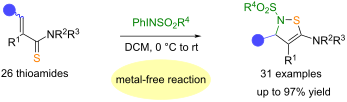
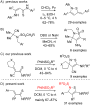
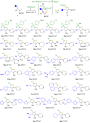
- reaction did not occur. In the presence of metal catalyst PhINTs form a nitrenoid specie, containing electrophilic nitrogen. In metal-free conditions PhINTs participates in reactions as ylide with a nucleophilic nitrogen. We expected different reactivity of the two different forms of PhINTs. However, our



High-pressure activation for the solvent- and catalyst-free syntheses of heterocycles, pharmaceuticals and esters
Beilstein J. Org. Chem. 2025, 21, 1374–1387, doi:10.3762/bjoc.21.102
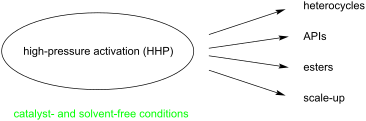
- hydrostatic pressure (HHP) was found to be an efficient activation method in several catalyst- and solvent-free reactions and has found application for the syntheses of heterocycles and the preparation of active pharmaceutical ingredients (APIs) via acylation and acid- and solvent-free esterification. The
- reactions were carried out at ambient pressure (control) and under HHP (up to 3.8 kbar) conditions. These representative reactions provided higher yields for the products and HHP enabled truly green processes that are catalyst- and solvent-free, to occur with high yields and producing only non-toxic by
- -products. A computational study accompanies the experimental data to interpret the outcome of the reactions. Keywords: acetaminophen; acetylsalicylic acid; benzimidazoles; catalyst-free synthesis; cyclization; esters; high hydrostatic pressure; pyrazoles; Introduction Non-traditional activation methods


Oxetanes: formation, reactivity and total syntheses of natural products
Beilstein J. Org. Chem. 2025, 21, 1324–1373, doi:10.3762/bjoc.21.101
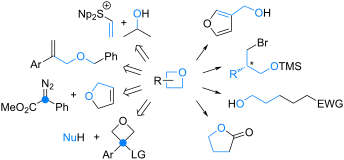
- of ring-opening and ring-expansion reactions, and finally total syntheses of selected oxetane-containing natural products. The literature review primarily covers reports made after the year 2015, but a few older contributions that were considered relevant are also discussed. Keywords: medicinal
- ]. 1.1.1.2 Opening of a 3-membered ring: Due to the smaller ring strain present in 4-membered rings compared to 3-membered ones, these reactions possess sufficient thermodynamic driving force and hence constitute a viable strategy for oxetane synthesis. The 3-membered rings that are typically opened include
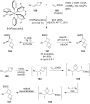
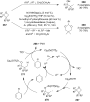
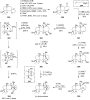
- under mildly basic conditions to prevent possible side-reactions, specifically iododesilylation and oxetane opening by the relatively nucleophilic succinimide. Attempts to prepare the bulkier 2,3,3,4,4-pentasubstitued oxetanes were unsuccessful due to very poor conversions (<5%) and heating those








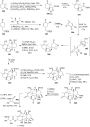
Recent advances in amidyl radical-mediated photocatalytic direct intermolecular hydrogen atom transfer
Beilstein J. Org. Chem. 2025, 21, 1306–1323, doi:10.3762/bjoc.21.100
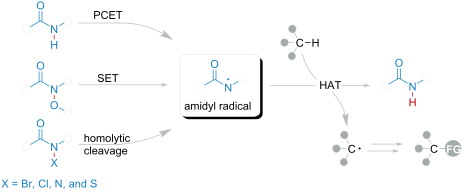
- transfer (HAT) in photocatalytic reactions. These radicals display exceptional selectivity and efficiency in abstracting hydrogen atoms from C–H, Si–H, B–H, and Ge–H, positioning them as invaluable tools in synthetic chemistry. This review summarizes the latest advancements in the photocatalyzed generation
- abstract hydrogen atoms from these C–H bonds and directly functionalize these bonds via radical reactions (Figure 1c) [11][12][13][14][15][16][17][18]. This approach involves HAT reagents abstracting hydrogen atoms from C–H bonds to generate highly reactive C-centered radicals, which can subsequently form
- modified. In recent years, photocatalysis has been widely adopted due to its green and efficient nature [45][46][47][48][49][50][51]. The generation of amidyl radical is implemented by HRP. Six different methods (Figure 2c), which have been developed for visible-light mediated reactions, could generate






Recent advances and future challenges in the bottom-up synthesis of azulene-embedded nanographenes
Beilstein J. Org. Chem. 2025, 21, 1272–1305, doi:10.3762/bjoc.21.99
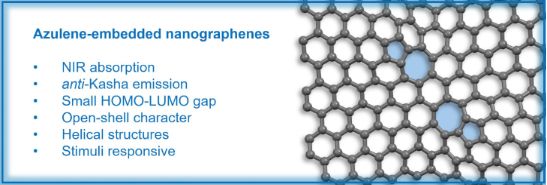
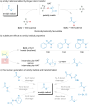
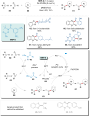
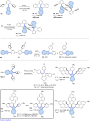
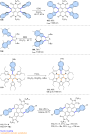
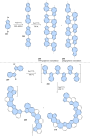
- structures are discussed. However, in cases where it provides valuable context, key reactions leading to direct precursors are also described. Review Early approaches to azulene-embedded nanographenes The following section provides a short historical overview of synthetic approaches leading to smaller purely
- cross-coupling reactions, such as the Suzuki sp2–sp2 coupling or Sonogashira sp2–sp coupling. These reactions enable the modular construction of complex precursors, which can then be transformed into azulene-embedded PAHs in the final step. Two main synthetic strategies are commonly employed: 1) The
- , the synthesis of more complex molecules may require elements of both strategies. Construction of the azulene moiety in the final step Oxidation of partially saturated precursors: With modern cross-coupling reactions providing access to larger precursors, a synthetic strategy involving the




Recent advances in oxidative radical difunctionalization of N-arylacrylamides enabled by carbon radical reagents
Beilstein J. Org. Chem. 2025, 21, 1207–1271, doi:10.3762/bjoc.21.98
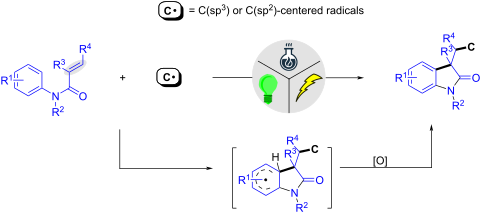
- years, particularly in the domain of oxidative radical difunctionalization reactions employing carbon radical reagents. This approach provides a powerful and versatile strategy for the concurrent introduction of two distinct functional groups across the double bond of N-arylacrylamides, facilitating the
- been extensively investigated by researchers. Keywords: carbon radical reagents; intramolecular transformations; N-arylacrylamides; oxidative difunctionalization; radical reactions; Introduction Alkenes, as abundant and versatile feedstocks, have been widely employed in organic synthesis
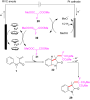
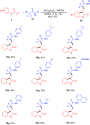
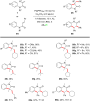
- a specific focus on strategies involving carbon-centered radicals. The reactions are systematically categorized according to their initiation modes and radical sources, including (1) transition-metal-catalyzed radical reactions, (2) peroxide-mediated thermal processes, (3) photoredox-catalyzed












Synthesis of β-ketophosphonates through aerobic copper(II)-mediated phosphorylation of enol acetates
Beilstein J. Org. Chem. 2025, 21, 1192–1200, doi:10.3762/bjoc.21.96
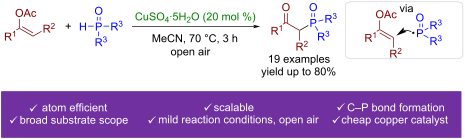
- ][35][36][37][38][39]. The primary benefit of these reactions is introducing phosphorus fragments under mild reaction conditions into a diverse array of compounds that are inaccessible for functionalization employing other traditional approaches. After the pioneering work of Ji and Wei on aerobic
- ], etc.) and strong oxidants (K2S2O8 [46][54], Mn(OAc)3 [56][57], organic peroxides [51][58][59], etc.) are employed in these approaches. Modern photocatalytic [47][50][60][61] and electrochemical [48][62] methods were also recently reported. Although several successful oxyphosphorylation reactions
- reactions leading to the corresponding unfunctionalized carbonyl compounds. To date, only the Xu group reported oxidative phosphorylation of enol acetates with dialkyl H-phosphonates and Mn(acac)3 as an oxidant (Scheme 1b) [71]. However, the reported approach is limited by an excess of manganese salt, long


Selective monoformylation of naphthalene-fused propellanes for methylene-alternating copolymers
Beilstein J. Org. Chem. 2025, 21, 1183–1191, doi:10.3762/bjoc.21.95
- cages and frameworks [12][13][14][15][16][17][18][19], polymers of intrinsic microporosity [20][21][22][23][24], and so forth. Characteristically, they possess molecular-size cavities, which contribute to intricate molecular recognition [25], confined spaces for reactions [26], and small-molecule
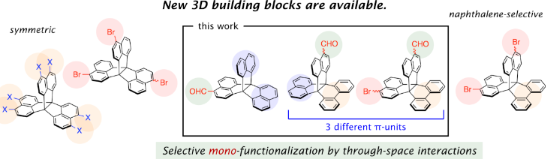
- a single functional group to a whole skeleton of [4.3.3] and [3.3.3], using formylation [55][56]. The reaction is electrophilic, and the substrates are effectively deactivated toward further reactions upon introduction of an electron-withdrawing formyl group because of through-space electronic
- Supporting Information File 1). Despite several trials, the reactions led to complicated mixtures owing to decomposition and debromination or predominant recovery of the starting material, respectively. Then, we turned our attention to electrophilic formylation. Vilsmeier–Haack [61] and Duff [62] reactions


Enhancing chemical synthesis planning: automated quantum mechanics-based regioselectivity prediction for C–H activation with directing groups
Beilstein J. Org. Chem. 2025, 21, 1171–1182, doi:10.3762/bjoc.21.94
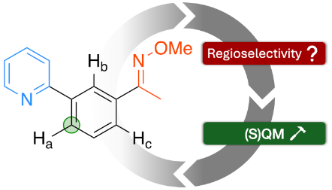
- , thereby dictating the site of C–H activation. Common DGs include unsaturated heteroatoms and alkenyl groups, which have proven effective in guiding the regioselectivity of these reactions [4]. Mechanistic studies with palladium(II) acetate (Pd(OAc)2) as catalyst support the following mechanism of C–H
- and carboxylic acid. The palladacycle intermediate can undergo further (coupling) reactions and form a variety of products via reductive elimination. In previous studies, the rate- and regioselectivity-controlling step was identified as the formation of the palladacycle [5][6][7]. The regioselectivity
- atom transfer and cycloaddition reactions have reported correlation coefficients (R2) of around 0.7 at best, indicating significant deviations from ideal behaviour [12][13]. This means that even when intermediate energies are accurately computed, the predicted regioselectivity may still carry a degree


A multicomponent reaction-initiated synthesis of imidazopyridine-fused isoquinolinones
Beilstein J. Org. Chem. 2025, 21, 1161–1169, doi:10.3762/bjoc.21.92
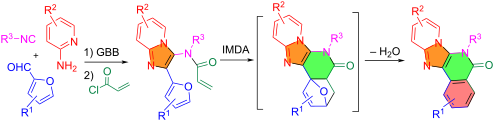
- (IMDA), and dehydrative re-aromatization reactions for the synthesis of imidazopyridine-fused isoquinolinones is developed. Gaussian computation analysis on the effect of the substitution groups for the IMDA reaction is performed to understand the reaction mechanism. Keywords: Groebke–Blackburn
- –Bienaymé (GBB); imidazopyridine; intramolecular Diels–Alder (IMDA); isoquinolinone; multicomponent reaction (MCR); re-aromatization; Introduction Multicomponent reactions (MCRs) have intrinsic green chemistry advantages of synthetic efficiency and operational simplicity. Performing post-condensational
- modifications of MCRs could generate novel and complex molecular scaffolds [1][2][3][4][5][6][7][8]. Some MCR adducts generated from Ugi, Passerini, Gewald, Biginelli, and Groebke–Blackburn–Bienaymé (GBB) reactions have been modified to form chemically diverse heterocyclic scaffolds with potential biological




Synthetic approach to borrelidin fragments: focus on key intermediates
Beilstein J. Org. Chem. 2025, 21, 1135–1160, doi:10.3762/bjoc.21.91
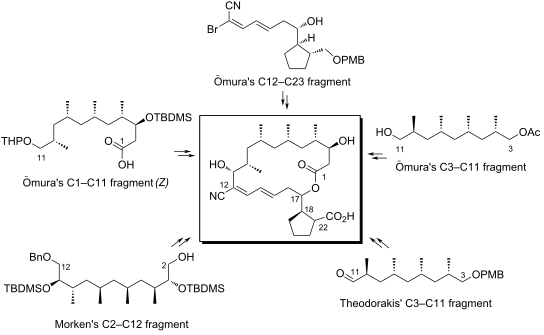
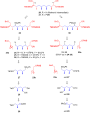
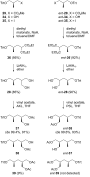
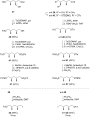
- reactions (key step), reduction of the thioester moiety to an aldehyde, and olefination to produce another unsaturated ester (Scheme 14). In contrast, the synthesis of the lower part, the C12–C23 fragment, was designed to proceed from ester 93 via asymmetric hydrogenation (key step), sequential protection
- the Z-product during the cross-metathesis reactions. Therefore, the synthetic study was initiated by performing cross-metathesis reactions between both (E,E)- and (Z,E)-134 with various alkenes to investigate the Z- or E-selectivity of the reaction. Fortunately, Iqbal observed that all cross
- -metathesis reactions in the study exhibited high E-selectivity. As a result, the reaction of (Z,E)-134 with olefin 135 provided the desired product 136 in 56% yield, with a (Z,E)/(Z,Z) ratio of 4:1 (Scheme 21). Compound 136 was subsequently protected as a TBS ether, 137 [35]. The aldehyde counterpart 147 for








Investigations of amination reactions on an antimalarial 1,2,4-triazolo[4,3-a]pyrazine scaffold
Beilstein J. Org. Chem. 2025, 21, 1126–1134, doi:10.3762/bjoc.21.90
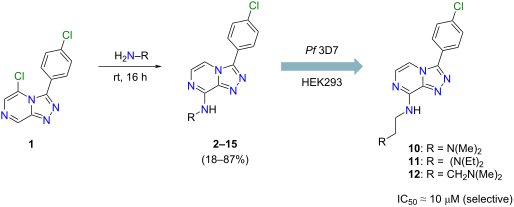
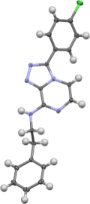
- ). Reactions were set up in tandem and samples from both reaction vessels were taken, at 2, 4 and 6 h time points and used for TLC analysis to monitor reaction progress. The reactions proceeded in parallel, and both reactions had reached completion at 6 h. After isolation in high purity (≥95%) by silica flash
- column chromatography (and additionally by HPLC for the toluene reaction), the reactions also gave comparable yields of compound 2 (70% for toluene/silica and 82% for only phenethylamine at room temperature). Only the tele-substituted product was observed in either reaction mixture, consistent with
- previously discussed), and later with propylamine, indicated that the reaction had reached completion at 6 h. However, to account for the possibility of slower rates of conversion for other primary amine reagents, the reactions for 3–15 were allowed to proceed at room temperature for 16 h. Crude reaction




A versatile route towards 6-arylpipecolic acids
Beilstein J. Org. Chem. 2025, 21, 1104–1115, doi:10.3762/bjoc.21.88
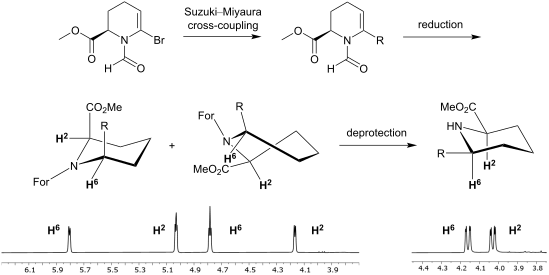
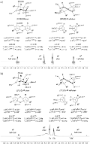
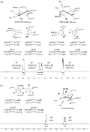
- aryl modifications in C6 position by utilising the chiral pool of a non-proteinogenic amino acid in combination with transition metal-catalysed cross-coupling reactions. Moreover, we present an in-depth NMR analysis of the key intermediate steps, which illustrates the conformational constraints in
- structure of pipecolic acid is rather challenging and often necessitates early-stage derivatization followed by the formation of the six-membered ring [29][30][31][32]. An alternative is to utilise derivatization reactions such as Suzuki–Miyaura [33] or Sonogashira–Hagihara [34] cross-coupling reactions on
- a key intermediate product. This late-stage approach was previously described by us while utilising Suzuki–Miyaura or Sonogashira–Hagihara cross-coupling reactions to generate pipecolic acid derivatives with alkynyl substituents in the C6 position [35]. Here, we present a robust synthetic route to





Salen–scandium(III) complex-catalyzed asymmetric (3 + 2) annulation of aziridines and aldehydes
Beilstein J. Org. Chem. 2025, 21, 1087–1094, doi:10.3762/bjoc.21.86
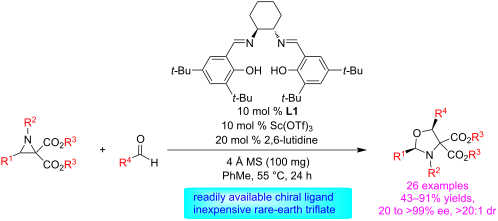
- product 3aj in moderate yield (65%) and low enantioselectivity (41% ee). The reactions of different aldehydes 2 and diethyl 1-methanesulfonyl-3-phenylaziridine-2,2-dicarboxylate (1b) were performed, generating the corresponding oxazolidines 3ba–bo in 52–91% yields and 35–99% ee. Similar influence
- tendencies of electronic effect on the yield and stereoselectivity were observed as those in the reactions involving 1a, but the enantioselectivities were generally higher than those in reactions involving 1a. Electron-rich benzaldehydes 2c and 2d and sterically bulky benzaldehydes 2i and 2k generated the
- . Petroleum ether (PE, 60–90 °C fraction) and ethyl acetate (EA) were used as eluent. Reactions were monitored by thin-layer chromatography (TLC) on GF254 silica gel plates (0.2 mm) from Anhui Liangchen Silicon Material Co., Ltd. The plates were visualized by UV light. 1H NMR (400 MHz) and 13C NMR (101 MHz


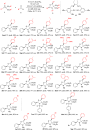
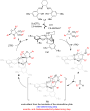

Recent advances in synthetic approaches for bioactive cinnamic acid derivatives
Beilstein J. Org. Chem. 2025, 21, 1031–1086, doi:10.3762/bjoc.21.85
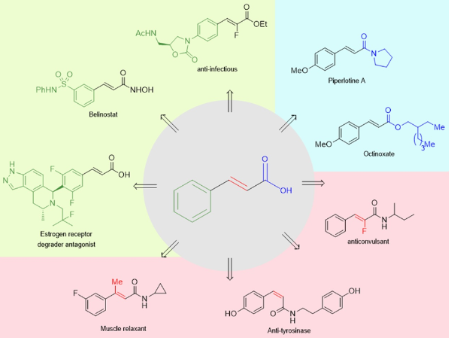
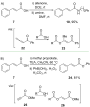
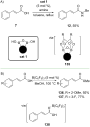
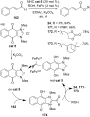
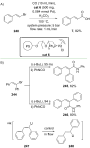
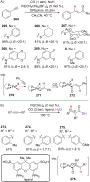
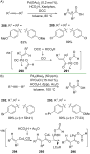
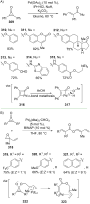
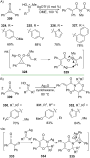
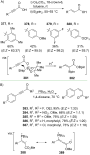
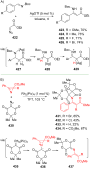
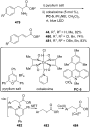
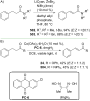
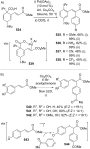
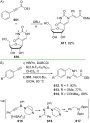
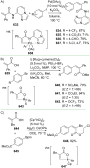
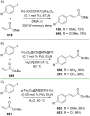
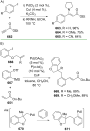
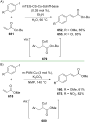
- methodologies based on the functional groups of cinnamic acid reported in the last five years: modifying the carboxyl group can involve several pathways, such as O/N-acylation, oxidative acylation, alkenyl/alkynyl carboxylation, and other reactions. Altering the double bond can be approached through double-bond
- construction, alkyne hydrogenation, ylide and carbene reaction, metathesis, E/Z isomerization, and other methods, including Cα and Cβ functionalizations. Preparing various functional group-tethered aromatic groups can be achieved by directly installing an aromatic group via cross-coupling reactions and other
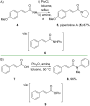
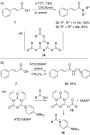
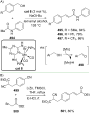
- applications in organic reactions. Similarly, Kunishima and co-workers (2021) utilized (N,N’-dialkyl)triazinedione-4-(dimethylamino)pyridine (ATD-DMAP) for the amidation of cinnamic acid (7) to generate the corresponding amide 10 in excellent yield (Scheme 5B) [37]. Mechanistically, the carboxyl group attacks








































Biobased carbon dots as photoreductants – an investigation by using triarylsulfonium salts
Beilstein J. Org. Chem. 2025, 21, 1024–1030, doi:10.3762/bjoc.21.84
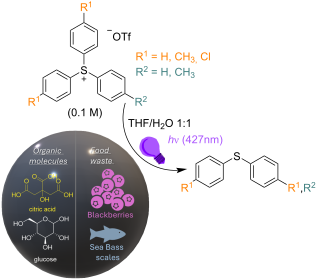
- types of CDs and aims to promote the use of these sustainable materials, it opens the way for further exploitation of such compounds in visible-light-catalyzed reactions. UV–vis spectra of the CDs. All the measurements have been performed in water, except for CD-a-GLU, where a H2O/acetonitrile 1:1


Pd-Catalyzed asymmetric allylic amination with isatin using a P,olefin-type chiral ligand with C–N bond axial chirality
Beilstein J. Org. Chem. 2025, 21, 1018–1023, doi:10.3762/bjoc.21.83
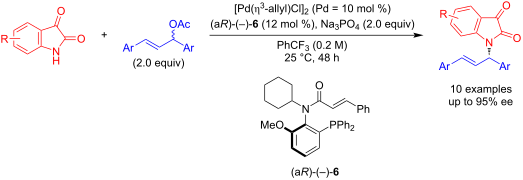
- Isatin is a well-known natural indole derivative. Due to the broad biological activities of its derivatives, extensive research has been conducted on their synthesis. Furthermore, the isatin framework is a versatile starting material for various transformations, including multicomponent reactions and the
- synthesis of spirocyclic compounds [1][2][3]. The nucleophilicity of isatin at the nitrogen atom allows it to participate in reactions such as alkylation [4], arylation [5], and aza-Michael addition [6][7][8]. However, the products obtained from these reactions are primarily achiral or racemic, and only a
- few studies have reported the use of isatin as a nucleophile in asymmetric reactions [9][10][11]. On the other hand, it has been revealed that compounds in which the carbon bonded to the nitrogen atom of newly constructed N-substituted isatin becomes a chiral center exhibit pharmacological properties