


Search results
Search for "double alkylation" in Full Text gives 10 result(s) in Beilstein Journal of Organic Chemistry.
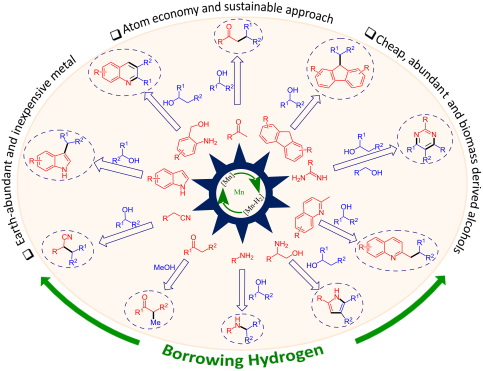
Manganese-catalyzed C–C and C–N bond formation with alcohols via borrowing hydrogen or hydrogen auto-transfer
- Mohd Farhan Ansari,
- Atul Kumar Maurya,
- Abhishek Kumar and
- Saravanakumar Elangovan
Beilstein J. Org. Chem. 2024, 20, 1111–1166, doi:10.3762/bjoc.20.98
- ) as a base in toluene at 140 °C for 36 h that gave up to 84% yield (Scheme 29A). More interestingly, double alkylation also occurred in one pot using acetophenone and 4-methoxyacetophenone with different benzyl alcohols under the optimized conditions. In the first step, monoalkylation of the methyl

Graphical Abstract

Scheme 1: General scheme of the borrowing hydrogen (BH) or hydrogen auto-transfer (HA) methodology.

Scheme 2: General scheme for C–N bond formation. A) Traditional cross-couplings with alkyl or aryl halides. B...

Figure 1: Manganese pre-catalysts used for the N-alkylation of amines with alcohols.

Scheme 3: Manganese(I)-pincer complex Mn1 used for the N-alkylation of amines with alcohols and methanol.

Scheme 4: N-Methylation of amines with methanol using Mn2.

Scheme 5: C–N-Bond formation with amines and methanol using PN3P-Mn complex Mn3 reported by Sortais et al. [36]. a...

Scheme 6: Base-assisted synthesis of amines and imines with Mn4. Reaction assisted by A) t-BuOK and B) t-BuON...

Scheme 7: Coupling of alcohols and hydrazine via the HB approach reported by Milstein et al. [38]. aReaction time...

Scheme 8: Proposed mechanism for the coupling of alcohols and hydrazine catalyzed by Mn5.

Scheme 9: Phosphine-free manganese catalyst for N-alkylation of amines with alcohols reported by Balaraman an...

Scheme 10: N-Alkylation of sulfonamides with alcohols.

Scheme 11: Mn–NHC catalyst Mn6 applied for the N-alkylation of amines with alcohols. a3 mol % of Mn6 were used....

Scheme 12: N-Alkylation of amines with primary and secondary alcohols. a80 °C, b100 °C.

Scheme 13: Manganese(III)-porphyrin catalyst for synthesis of tertiary amines.

Scheme 14: Proposed mechanism for the alcohol dehydrogenation with Mn(III)-porphyrin complex Mn7.

Scheme 15: N-Methylation of nitroarenes with methanol using catalyst Mn3.
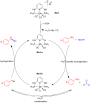
Scheme 16: Mechanism of manganese-catalyzed methylation of nitroarenes using Mn3 as the catalyst.

Scheme 17: Bidentate manganese complex Mn8 applied for the N-alkylation of primary anilines with alcohols. aOn...

Scheme 18: N-Alkylation of amines with alcohols in the presence of manganese salts and triphenylphosphine as t...

Scheme 19: N-Alkylation of diazo compounds with alcohols using catalyst Mn9.

Scheme 20: Proposed mechanism for the amination of alcohols with diazo compounds catalyzed by catalyst Mn9.

Scheme 21: Mn1 complex-catalyzed synthesis of polyethyleneimine from ethylene glycol and ethylenediamine.

Scheme 22: Bis-triazolylidene-manganese complex Mn10 for the N-alkylation of amines with alcohols.

Figure 2: Manganese complexes applied for C-alkylation reactions of ketones with alcohols.

Scheme 23: General scheme for the C–C bond formation with alcohols and ketones.

Scheme 24: Mn1 complex-catalyzed α-alkylation of ketones with primary alcohols.
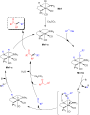
Scheme 25: Mechanism for the Mn1-catalyzed alkylation of ketones with alcohols.

Scheme 26: Phosphine-free in situ-generated manganese catalyst for the α-alkylation of ketones with primary al...
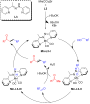
Scheme 27: Plausible mechanism for the Mn-catalyzed α-alkylation of ketones with alcohols.

Scheme 28: α-Alkylation of esters, ketones, and amides using alcohols catalyzed by Mn11.

Scheme 29: Mono- and dialkylation of methylene ketones with primary alcohols using the Mn(acac)2/1,10-phenanth...

Scheme 30: Methylation of ketones with methanol and deuterated methanol.

Scheme 31: Methylation of ketones and esters with methanol. a50 mol % of t-BuOK were used, bCD3OD was used ins...
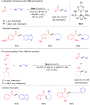
Scheme 32: Alkylation of ketones and secondary alcohols with primary alcohols using Mn4.

Scheme 33: Bidentate manganese-NHC complex Mn6 applied for the synthesis of alkylated ketones using alcohols.

Scheme 34: Mn1-catalyzed synthesis of substituted cycloalkanes by coupling diols and secondary alcohols or ket...
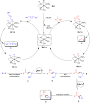
Scheme 35: Proposed mechanism for the synthesis of cycloalkanes via BH method.

Scheme 36: Synthesis of various cycloalkanes from methyl ketones and diols catalyze by Mn13. aReaction time wa...

Scheme 37: N,N-Amine–manganese complex (Mn13)-catalyzed alkylation of ketones with alcohols.

Scheme 38: Naphthyridine‑N‑oxide manganese complex Mn14 applied for the alkylation of ketones with alcohols. a...
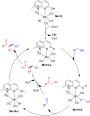
Scheme 39: Proposed mechanism of the naphthyridine‑N‑oxide manganese complex (Mn14)-catalyzed alkylation of ke...

Scheme 40: α-Methylation of ketones and indoles with methanol using Mn15.

Scheme 41: α-Alkylation of ketones with primary alcohols using Mn16. aNMR yield.

Figure 3: Manganese complexes used for coupling of secondary and primary alcohols.
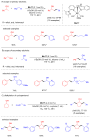
Scheme 42: Alkylation of secondary alcohols with primary alcohols catalyzed by phosphine-free catalyst Mn17. a...

Scheme 43: PNN-Manganese complex Mn18 for the alkylation of secondary alcohols with primary alcohols.
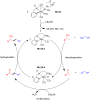
Scheme 44: Mechanism for the Mn-pincer catalyzed C-alkylation of secondary alcohols with primary alcohols.

Scheme 45: Upgrading of ethanol with methanol for isobutanol production.

Scheme 46: Mn-Pincer catalyst Mn19 applied for the β-methylation of alcohols with methanol. a2.0 mol % of Mn19...

Scheme 47: Functionalized ketones from primary and secondary alcohols catalyzed by Mn20. aMn20 (5 mol %), NaOH...
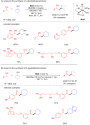
Scheme 48: Synthesis of γ-disubstituted alcohols and β-disubstituted ketones through Mn9-catalyzed coupling of...
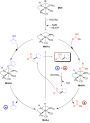
Scheme 49: Proposed mechanism for the Mn9-catalyzed synthesis of γ-disubstituted alcohols and β-disubstituted ...

Scheme 50: Dehydrogenative coupling of ethylene glycol and primary alcohols catalyzed by Mn4.

Scheme 51: Mn18-cataylzed C-alkylation of unactivated esters and amides with alcohols.

Scheme 52: Alkylation of amides and esters using Mn21.

Scheme 53: α-Alkylation of nitriles with primary alcohols using in situ-generated manganese catalyst.

Scheme 54: Proposed mechanism for the α-alkylation of nitriles with primary alcohols.

Scheme 55: Mn9-catalyzed α-alkylation of nitriles with primary alcohols. a1,4-Dioxane was used as solvent, 24 ...

Figure 4: Manganese complexes used for alkylation of heterocyclic compounds.

Scheme 56: Aminomethylation of aromatic compounds with secondary amines and methanol catalyzed by Mn22.
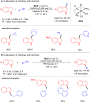
Scheme 57: Regioselective alkylation of indolines with alcohols catalyzed by Mn9. aMn9 (4 mol %), 48 h.

Scheme 58: Proposed mechanism for the C- and N-alkylation of indolines with alcohols.

Scheme 59: C-Alkylation of methyl N-heteroarenes with primary alcohols catalyzed by Mn1. aTime was 60 h.

Scheme 60: C-Alkylation of oxindoles with secondary alcohols.
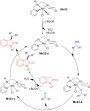
Scheme 61: Plausible mechanism for the Mn23-catalyzed C-alkylation of oxindoles with secondary alcohols.

Scheme 62: Synthesis of C-3-alkylated products by coupling alcohols with indoles and aminoalcohols.

Scheme 63: C3-Alkylation of indoles using Mn1.

Scheme 64: C-Methylation of indoles with Mn15 and methanol.

Scheme 65: α-Alkylation of 2-oxindoles with primary and secondary alcohols catalyzed by Mn25. aReaction carrie...

Scheme 66: Dehydrogenative alkylation of indolines with Mn1. aMn1 (5.0 mol %) was used.

Scheme 67: Synthesis of bis(indolyl)methane derivatives from indoles and alcohols catalyzed by Mn26. aMn26 (5....

Scheme 68: One-pot synthesis of pyrimidines via BH.

Scheme 69: Synthesis of pyrroles from alcohols and aminoalcohols using Mn4.

Scheme 70: Synthesis of pyrroles via multicomponent reaction catalyzed by Mn12.

Scheme 71: Friedländer quinoline synthesis using an in situ-generated phosphine-free manganese catalyst.

Scheme 72: Quinoline synthesis using bis-N-heterocyclic carbene-manganese catalyst Mn6.

Scheme 73: Quinoline synthesis using manganese(III)-porphyrin catalyst Mn7.

Scheme 74: Manganese-catalyzed tetrahydroquinoline synthesis via borrowing BH.

Scheme 75: Proposed mechanism for the manganese-catalyzed tetrahydroquinoline synthesis.

Scheme 76: Synthesis of C3-alkylated indoles using Mn24.

Scheme 77: Synthesis of C-3-alkylated indoles using Mn1.

Scheme 78: C–C Bond formation by coupling of alcohols and ylides.

Scheme 79: C-Alkylation of fluorene with alcohols catalyzed by Mn24.
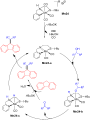
Scheme 80: Proposed mechanism for the C-alkylation of fluorene with alcohols catalyzed by Mn24.

Scheme 81: α-Alkylation of sulfones using Mn-PNN catalyst Mn28.
Fluorinated phenylalanines: synthesis and pharmaceutical applications
- Laila F. Awad and
- Mohammed Salah Ayoup
Beilstein J. Org. Chem. 2020, 16, 1022–1050, doi:10.3762/bjoc.16.91
- useful Boc-(R)-amino acids 38a,b [44] (Scheme 8). A one-pot double alkylation of the chiral auxiliary 39 with benzyl iodides 40a,b gave cis-dialkyl derivatives 41a,b in 70–72% yield. The subsequent removal of the auxiliary followed by treatment with Fmoc-OSu gave the N-protected 2-fluoro- and 2,6

Graphical Abstract

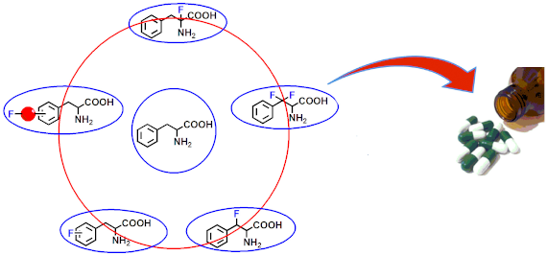
Figure 1: Categories I–V of fluorinated phenylalanines.

Scheme 1: Synthesis of fluorinated phenylalanines via Jackson’s method.

Scheme 2: Synthesis of all-cis-tetrafluorocyclohexylphenylalanines.

Scheme 3: Synthesis of ʟ-4-[sulfono(difluoromethyl)]phenylalanine (nPt: neopentyl, TCE: trichloroethyl).

Scheme 4: Synthesis of ʟ-4-[sulfono(difluoromethyl)]phenylalanine derivatives 17.

Scheme 5: Synthesis of fluorinated Phe analogues from Cbz-protected aminomalonates.

Scheme 6: Synthesis of tetrafluorophenylalanine analogues via the 3-methyl-4-imidazolidinone auxiliary 25.

Scheme 7: Synthesis of tetrafluoro-Phe derivatives via chiral auxiliary 31.

Scheme 8: Synthesis of 2,5-difluoro-Phe and 2,4,5-trifluoro-Phe via Schöllkopf reagent 34.

Scheme 9: Synthesis of 2-fluoro- and 2,6-difluoro Fmoc-Phe derivatives starting from chiral auxiliary 39.

Scheme 10: Synthesis of 2-[18F]FPhe via chiral auxiliary 43.

Scheme 11: Synthesis of FPhe 49a via photooxidative cyanation.

Scheme 12: Synthesis of FPhe derivatives via Erlenmeyer azalactone synthesis.

Scheme 13: Synthesis of (R)- and (S)-2,5-difluoro Phe via the azalactone method.

Scheme 14: Synthesis of 3-bromo-4-fluoro-(S)-Phe (65).

Scheme 15: Synthesis of [18F]FPhe via radiofluorination of phenylalanine with [18F]F2 or [18F]AcOF.

Scheme 16: Synthesis of 4-borono-2-[18F]FPhe.

Scheme 17: Synthesis of protected 4-[18F]FPhe via arylstannane derivatives.

Scheme 18: Synthesis of FPhe derivatives via intermediate imine formation.

Scheme 19: Synthesis of FPhe derivatives via Knoevenagel condensation.

Scheme 20: Synthesis of FPhe derivatives 88a,b from aspartic acid derivatives.

Scheme 21: Synthesis of 2-(2-fluoroethyl)phenylalanine derivatives 93 and 95.

Scheme 22: Synthesis of FPhe derivatives via Zn2+ complexes.

Scheme 23: Synthesis of FPhe derivatives via Ni2+ complexes.

Scheme 24: Synthesis of 3,4,5-trifluorophenylalanine hydrochloride (109).

Scheme 25: Synthesis of FPhe derivatives via phenylalanine aminomutase (PAM).

Scheme 26: Synthesis of (R)-2,5-difluorophenylalanine 115.

Scheme 27: Synthesis of β-fluorophenylalanine via 2-amino-1,3-diol derivatives.

Scheme 28: Synthesis of β-fluorophenylalanine derivatives via the oxazolidinone chiral auxiliary 122.

Scheme 29: Synthesis of β-fluorophenylalanine from pyruvate hemiketal 130.

Scheme 30: Synthesis of β-fluorophenylalanine (136) via fluorination of β-hydroxyphenylalanine (137).

Scheme 31: Synthesis of β-fluorophenylalanine from aziridine derivatives.

Scheme 32: Synthesis of β-fluorophenylalanine 136 via direct fluorination of pyruvate esters.

Scheme 33: Synthesis of β-fluorophenylalanine via fluorination of ethyl 3-phenylpyruvate enol using DAST.

Scheme 34: Synthesis of β-fluorophenylalanine derivatives using photosensitizer TCB.

Scheme 35: Synthesis of β-fluorophenylalanine derivatives using Selectflour and dibenzosuberenone.

Scheme 36: Synthesis of protected β-fluorophenylalanine via aziridinium intermediate 150.

Scheme 37: Synthesis of β-fluorophenylalanine derivatives via fluorination of α-hydroxy-β-aminophenylalanine d...

Scheme 38: Synthesis of β-fluorophenylalanine derivatives from α- or β-hydroxy esters 152a and 155.

Scheme 39: Synthesis of a series of β-fluoro-Phe derivatives via Pd-catalyzed direct fluorination of β-methyle...

Scheme 40: Synthesis of series of β-fluorinated Phe derivatives using quinoline-based ligand 162 in the Pd-cat...

Scheme 41: Synthesis of β,β-difluorophenylalanine derivatives from 2,2-difluoroacetaldehyde derivatives 164a,b....

Scheme 42: Synthesis of β,β-difluorophenylalanine derivatives via an imine chiral auxiliary.

Scheme 43: Synthesis of α-fluorophenylalanine derivatives via direct fluorination of protected Phe 174.

Figure 2: Structures of PET radiotracers of 18FPhe derivatives.

Figure 3: Structures of melfufen (179) and melphalan (180) anticancer drugs.

Figure 4: Structure of gastrazole (JB95008, 181), a CCK2 receptor antagonist.

Figure 5: Dual CCK1/CCK2 antagonist 182.

Figure 6: Structure of sitagliptin (183), an antidiabetic drug.

Figure 7: Structure of retaglpitin (184) and antidiabetic drug.

Figure 8: Structure of evogliptin (185), an antidiabetic drug.

Figure 9: Structure of LY2497282 (186) a DPP-4 inhibitor for the treatment of type II diabetes.

Figure 10: Structure of ulimorelin (187).

Figure 11: Structure of GLP1R (188).
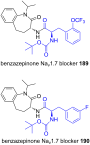
Figure 12: Structures of Nav1.7 blockers 189 and 190.
Photoreversible stretching of a BAPTA chelator marshalling Ca2+-binding in aqueous media
- Aurélien Ducrot,
- Arnaud Tron,
- Robin Bofinger,
- Ingrid Sanz Beguer,
- Jean-Luc Pozzo and
- Nathan D. McClenaghan
Beilstein J. Org. Chem. 2019, 15, 2801–2811, doi:10.3762/bjoc.15.273
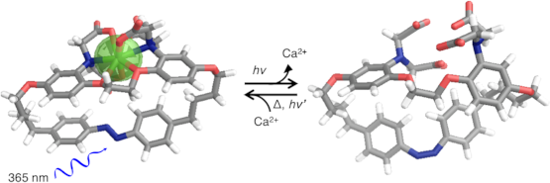
- acetonitrile, forming the BAPTA precursor 1b. The palladium-catalyzed benzyl cleavage was followed by a double alkylation with 2, reactant 2 being synthesized from 4-(4-nitrophenyl)butanoic acid. The 4-nitrobenzene groups of the pendant arms were subsequently reduced yielding the corresponding anilines (1e). A

Graphical Abstract
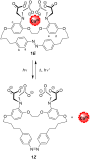
Figure 1: Azobenzene-BAPTA 1E and 1Z (a, b, c, d and e denote specific protons), showing idealized Ca2+ uptak...

Scheme 1: Synthesis of azobenzene-tethered BAPTA 1.
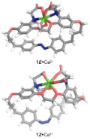
Figure 2: Energy-minimized molecular modelling structures of 1E•Ca2+ and 1Z•Ca2+ (PM6).

Figure 3: Electronic absorption spectra showing changes associated with photoisomerization of 1E (40 μM) to 1Z...

Figure 4: 1H NMR spectra (300 MHz) recorded at room temperature (298 K) in D2O of a) the thermodynamically st...

Figure 5: a) Multiple trans–cis cycles of 1E (40 μM) indicated by absorption changes at 362 nm in aqueous 0.0...

Figure 6: Electronic absorption spectra changes of 1E (42 μM) (a) and 1Z (43 μM) (b) in aqueous 0.03 M MOPS b...

Figure 7: a) Reversible Ca2+ exchange between photoregulated host 1 and turn-“on” fluorescent probe 3. b) Blu...
Accessing simply-substituted 4-hydroxytetrahydroisoquinolines via Pomeranz–Fritsch–Bobbitt reaction with non-activated and moderately-activated systems
- Marco Mottinelli,
- Mathew P. Leese and
- Barry V. L. Potter
Beilstein J. Org. Chem. 2017, 13, 1871–1878, doi:10.3762/bjoc.13.182
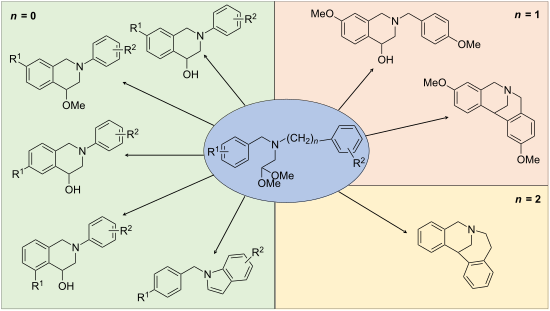
- ) NaBH(OAc)3, CHCl3, rt; (b) 6 M HCl or 70% HClO4 (see Table 1), rt. Side reaction during the double alkylation of 7 and possible reaction mechanism for the formation of 11. Conditions: (a) NaBH(OAc)3, CHCl3, rt; (b) 2,2-dimethoxyacetaldehyde, NaBH(OAc)3, rt. Competition between the formation of 5- and 7

Graphical Abstract

Figure 1: Non-steroidal templates from estradiol.

Scheme 1: Pomeranz–Fritsch and Pomeranz–Fritsch–Bobbitt reactions. Conditions: (a) conc. H2SO4; (b) benzene, ...

Scheme 2: Designed synthesis of THIQ. Conditions: (a) NaBH(OAc)3, CHCl3, rt; (b) 6 M HCl or 70% HClO4 (see Table 1),...

Scheme 3: Side reaction during the double alkylation of 7 and possible reaction mechanism for the formation o...

Scheme 4: Competition between the formation of 5- and 7-substituted THIQs. Conditions: (a) 6 M HCl, rt.

Scheme 5: Formation of the 4-hydroxy and 4-methoxy-THIQs. Conditions: (a) 6 M HCl or 70% HClO4, rt (see Table 3).

Scheme 6: Competition between the formation of THIQs 10a,o,p and indoles 16a,o,p. Conditions: (a) 70% HClO4, ...

Scheme 7: Competition between 6- and 7-membered ring formation. Conditions: (a) NaBH(OAc)3, CHCl3, rt; (b) 2,...

Scheme 8: Competition between ring formation para- or meta- to an activating group. Conditions: (a) NaBH(OAc)3...
From N-vinylpyrrolidone anions to modified paraffin-like oligomers via double alkylation with 1,8-dibromooctane: access to covalent networks and oligomeric amines for dye attachment
- Daniela Obels,
- Melanie Lievenbrück and
- Helmut Ritter
Beilstein J. Org. Chem. 2016, 12, 1395–1400, doi:10.3762/bjoc.12.133
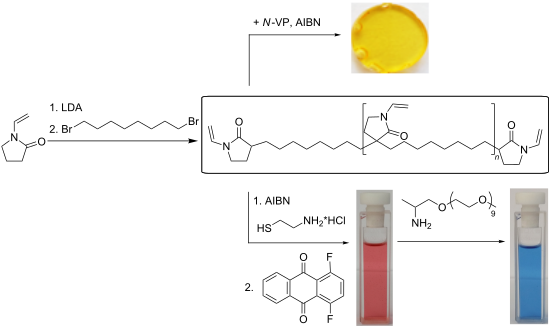
- Daniela Obels Melanie Lievenbruck Helmut Ritter Heinrich-Heine University, Institute of Organic Chemistry and Macromolecular Chemistry, Universitaetsstraße 1, 40225 Duesseldorf, Germany 10.3762/bjoc.12.133 Abstract The double alkylation of N-vinylpyrrolidone (N-VP) with 1,8-dibromooctane yields
- poly(ethylene glycol) side chains. Keywords: double alkylation; modified N-vinylpyrrolidone; oligomeric anthraquinone dye; paraffin-like oligomer; radical thiol-ene click reaction; Introduction Poly(N-vinylpyrrolidone) (PVP) is established in daily life due to its high water solubility and
- intramolecular reaction. Until now, dibromo compounds were mainly used to synthesize symmetric cross linker [22][26][27]. To the best of our knowledge, the synthesis of modified paraffin-like oligomers via double alkylation of N-VP with aliphatic dibromides was not yet described in literature. In general, the

Graphical Abstract

Scheme 1: Alkylation of N-VP with 1,8-dibromooctane yielding paraffin-like oligomers 2a–c.

Figure 1: Chemical structure of water swellable network 3a and 3b. Photographs of water-swollen polymer disks...
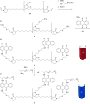
Scheme 2: Synthesis of the branched oligomeric dye 6: a) radical thiol–ene click reaction of 2a with 2-aminoe...

Figure 2: UV–vis spectra of oligomers 5 (c = 0.16 g/mL, red), 6 (c = 0.63 g/mL, blue) and DFA (c = 0.016 g/mL...
Efficient synthetic protocols for the preparation of common N-heterocyclic carbene precursors
- Morgan Hans,
- Jan Lorkowski,
- Albert Demonceau and
- Lionel Delaude
Beilstein J. Org. Chem. 2015, 11, 2318–2325, doi:10.3762/bjoc.11.252
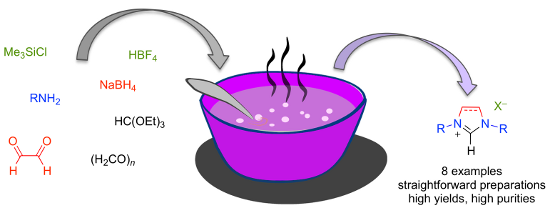
- chloride or benzyl bromide seem to be ideal candidates to prepare 1,3-dibenzylimidazolium salts via a double alkylation of imidazole. Indeed, these primary alkyl halides are highly reactive toward nucleophiles and do not undergo elimination reactions. Accordingly, numerous procedures were reported for the

Graphical Abstract

Scheme 1: Various synthetic paths leading to the formation of NHCs.

Scheme 2: Retrosynthetic path for the preparation of symmetrical imidazolium and imidazolinium salts from sim...

Figure 1: Structures of the imidazolium and imidazolinium salts discussed in this study and their acronyms.

Scheme 3: Synthesis of 1,3-dicyclohexylimidazolium tetrafluoroborate (ICy·HBF4).

Scheme 4: Synthesis of 1,3-dibenzylimidazolium tetrafluoroborate (IBn·HBF4).

Scheme 5: Synthesis of 1,3-dimesitylimidazolium salts (IMes·HCl and IMes·HBF4).

Scheme 6: Synthesis of 1,3-dimesitylimidazolinium chloride (SIMes·HCl).

Scheme 7: Synthesis of 1,3-bis(2,6-diisopropylphenyl)imidazolium chloride (IDip·HCl).

Scheme 8: Synthesis of 1,3-bis(2,6-diisopropylphenyl)imidazolinium chloride (SIDip·HCl).

Scheme 9: Synthesis of 1,3-bis(2,6-bis(diphenylmethyl)-4-methylphenyl)imidazolium chloride (IDip*·HCl).
Grubbs–Hoveyda type catalysts bearing a dicationic N-heterocyclic carbene for biphasic olefin metathesis reactions in ionic liquids
- Maximilian Koy,
- Hagen J. Altmann,
- Benjamin Autenrieth,
- Wolfgang Frey and
- Michael R. Buchmeiser
Beilstein J. Org. Chem. 2015, 11, 1632–1638, doi:10.3762/bjoc.11.178
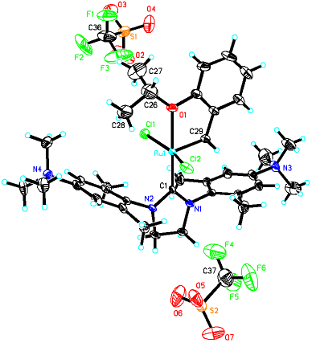
- We were attracted by NHC ligands containing a diamino function at the aromatic ring as realized in 1 [20][21][22] since such ligands can be permanently quaternized to the corresponding dicationic species via double alkylation. Additionally, they remain structurally closely related to mesitylene-based

Graphical Abstract
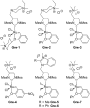
Figure 1: Catalysts synthesized by post-assembly tagging (Mes = mesitylene).

Scheme 1: Improved synthesis of Ru-1 and quarternization with methyl trifluoromethanesulfonate to Ru-2.

Figure 2: Single crystal X-ray structure of Ru-2. Co-solvent and disordered triflates have been omitted for c...

Figure 3: Monomers used for biphasic ROMP reactions.

Scheme 2: Recycling of Ru-2 for continuous ROMP reactions.
Formal total syntheses of classic natural product target molecules via palladium-catalyzed enantioselective alkylation
- Yiyang Liu,
- Marc Liniger,
- Ryan M. McFadden,
- Jenny L. Roizen,
- Jacquie Malette,
- Corey M. Reeves,
- Douglas C. Behenna,
- Masaki Seto,
- Jimin Kim,
- Justin T. Mohr,
- Scott C. Virgil and
- Brian M. Stoltz
Beilstein J. Org. Chem. 2014, 10, 2501–2512, doi:10.3762/bjoc.10.261
- enantioselective total synthesis of quebrachamine (Scheme 12) [92]. In their planning, disconnection at the macrocycle led to amide 52, which was prepared from 3,3-disubstituted piperidine 53. The all-carbon quaternary stereocenter in 53 was installed by double alkylation of lactam 55, using an auxiliary to

Graphical Abstract

Scheme 1: Three classes of Pd-catalyzed enantioselective allylic alkylations.

Figure 1: Selected natural products from Thujopsis dolabrata.

Scheme 2: Srikrishna and Anebouselvy’s approach to (+)-thujopsene.

Scheme 3: Formal total synthesis of (−)-thujopsene.

Scheme 4: Renaud’s formal total synthesis of (−)-quinic acid.

Scheme 5: Formal total synthesis of (−)-quinic acid.

Scheme 6: Danishefsky’s approach to (±)-dysidiolide.

Scheme 7: Formal total synthesis of (−)-dysidiolide.

Scheme 8: Meyers’ approach to unnatural (+)-aspidospermine.

Scheme 9: Formal total synthesis of (−)-aspidospermine.

Scheme 10: Magnus’ approach to (±)-rhazinilam.

Scheme 11: Formal total synthesis of (+)-rhazinilam.

Scheme 12: Amat’s approach to (−)-quebrachamine.

Scheme 13: Formal total synthesis of (+)-quebrachamine.

Scheme 14: Pandey’s approach to (+)-vincadifformine.
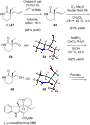
Scheme 15: Formal total synthesis of (−)-vincadifformine.

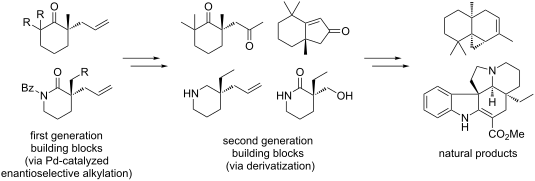
Scheme 16: Two generations of building blocks.
Sordarin, an antifungal agent with a unique mode of action
- Huan Liang
Beilstein J. Org. Chem. 2008, 4, No. 31, doi:10.3762/bjoc.4.31
- synthesis of compound 22 began with double alkylation of (+)-21 through a cuprate conjugate addition followed by treatment of the resulting enolate with methyl iodide (Scheme 5). Retro-Diels-Alder reaction of 22 in refluxing 1,2-dichlorobenzene gave α,β-unsaturated ketone 23. Trisubstituted cyclopentanone

Graphical Abstract

Figure 1: Therapeutic antifungal agents.

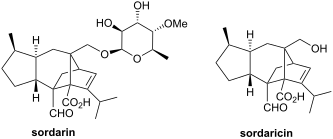
Figure 2: Structure of sordarin (1) and sordaricin (2).

Scheme 1: Kato’s retrosynthetic plan.

Scheme 2: Synthesis of cyclopentadiene 13.

Scheme 3: Synthesis of sordaricin methyl ester.

Scheme 4: Mander’s retrosynthetic plan.

Scheme 5: Synthesis of iodo compound 27.

Scheme 6: Synthesis of sordaricin (2).

Scheme 7: Retrosynthesis of sordarin and sordaricin.

Scheme 8: Synthesis of ketone 43.

Scheme 9: Synthesis of β-keto ethyl ester 45.

Scheme 10: Synthesis of tetracyclic framework 52.

Scheme 11: Synthesis of sordaricin and sordarin.

Figure 3: Modifications of glycosyl part.

Scheme 12: Simplified model of sordarin.

Scheme 13: Synthesis of cyclopentane analog precursors.

Scheme 14: Synthesis of six cyclopentane analogs.

Scheme 15: Retrosynthetic plan of sordarin analog.

Scheme 16: Synthesis of sordarin analog 98.

Scheme 17: Synthesis of sordarin analog 103.
Expedient syntheses of the N-heterocyclic carbene precursor imidazolium salts IPr·HCl, IMes·HCl and IXy·HCl
- Lukas Hintermann
Beilstein J. Org. Chem. 2007, 3, No. 22, doi:10.1186/1860-5397-3-22
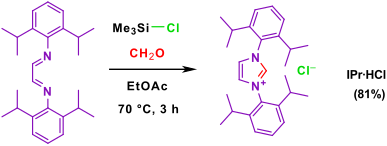
- mechanisms require a double alkylation at nitrogen, which leads to an energetically unfavorable dication. While this might be prevented through charge-quenching reversible 1,2-additions of chloride (e.g., to the iminium function in B), the resulting mechanistic schemes require additional steps and

Graphical Abstract

Figure 1: The carbenes IPr, IMes, IXy and their imidazolium salt precursors

Scheme 1: Synthetic routes to and diazadiene precursors for imidazolium salts.

Scheme 2: The imidazolium salt synthesis as a 1, 5-dipolar electrocyclization.

Scheme 3: Potential side-reactions in the imidazolium salt synthesis.



