


Search results
Search for "light activation" in Full Text gives 13 result(s) in Beilstein Journal of Organic Chemistry.
Effect of a photoswitchable rotaxane on membrane permeabilization across lipid compositions
- Udyogi N. K. Conthagamage,
- Lilia Lopez,
- Zuliah A. Abdulsalam and
- Víctor García-López
Beilstein J. Org. Chem. 2025, 21, 2498–2512, doi:10.3762/bjoc.21.192
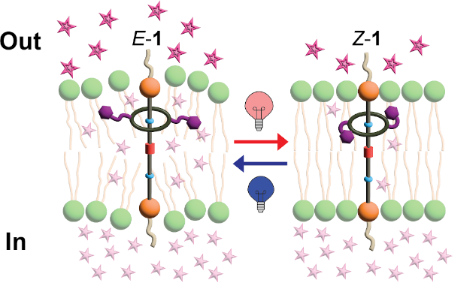
- light activation of axle 3. Lastly, in LUVs composed of DPPC, irradiation of rotaxane 1 resulted in a total sulforhodamine B release of 14%, representing an increase compared to the minimal release observed under non-irradiated conditions (3–7%) (Table 1 and Figure 6). In contrast, irradiation of
- light activation of axle 3 does not occur in DPPC (Figure 4 and Supporting Information File 1, Figure S19). Although both EYPC/Chol 6:4 and DPPC form relatively rigid membranes, differences in their chemical composition, including headgroup (such as the presence of the cholesterol OH group), acyl chain

Graphical Abstract

Figure 1: a) Structural components of the rotaxanes (PEG, polyethylene glycol chain; BAA (benzylalkylammonium...
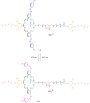
Figure 2: Photoisomerization of rotaxane 1.
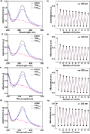
Figure 3: Reversible photoswitching of rotaxane 1 in LUVs with varying lipid compositions. Left column: UV–vi...

Figure 4: Summary of sulforhodamine B release from LUVs of varying lipid compositions. a) Dye release after 7...

Figure 5: Percentage of sulforhodamine B released from EYPC/Chol 8:2 LUVs upon five irradiation cycles after ...

Figure 6: Percentage of sulforhodamine B released from LUVs containing rotaxane 1 upon five alternating light...

Figure 7: Evaluation of effect of axle 3 upon light exposure. a) Percentage of sulforhodamine B released from...

Figure 8: a) Illustration of rotaxane 4 in its preferred orientation within a lipid bilayer; percentage of su...
Rotaxanes with integrated photoswitches: design principles, functional behavior, and emerging applications
- Jullyane Emi Matsushima,
- Khushbu,
- Zuliah Abdulsalam,
- Udyogi Navodya Kulathilaka Conthagamage and
- Víctor García-López
Beilstein J. Org. Chem. 2025, 21, 2345–2366, doi:10.3762/bjoc.21.179

- the macrocycle interaction with the axle. In a different approach, the authors demonstrated that the macrocycle can shuttle along an axle by incorporating two acridane photoswitches at both ends. However, upon light activation, the macrocycle stops shuttling and remains in the middle of the axle
- authors successfully prepared the corresponding pseudorotaxane (lacking stopper groups), which underwent dethreading upon light activation, demonstrating the potential of acridane-based macrocycles for light-controlled mechanical motion in rotaxanes. Anthracene Hirose and co-workers developed [2]rotaxanes
- surrounding environment. Controlling macrocycle shuttling via light activation has proven valuable for enabling secondary functions. For example, when integrated into polymers or gels, the mechanical motion of rotaxanes can be harnessed to control the macroscopic properties of materials or even generate

Graphical Abstract

Figure 1: Schematic of common rotaxanes (left) and depiction of the macrocycle shuttling (right).

Figure 2: Structure of some common photoswitches integrated into rotaxanes.

Figure 3: Rotaxane with an acridane photoswitch on the axle modulates the translation of a CBQT4+ macrocycle ...

Figure 4: Hydrogel composed of [2]rotaxanes featuring a central azobenzene in the axle and a cyclodextrin mac...

Figure 5: Dendrimer composed of [2]rotaxane with an azobenzene photoswitch functioning as a macroscopic actua...

Figure 6: (a) Structure of the [2]rotaxane and (b) mechanism for K+ cations transport across lipid bilayers. Figure 6...

Figure 7: Dithienylethene-based [2]rotaxane used in writing patterning applications: (a) rotaxane with open d...

Figure 8: Dithienylethene-based [1]rotaxane shuttling motion triggered by pH changes (top). Dithienylethene p...

Figure 9: Depiction of a fumaramide-based [2]rotaxane photoswitching cycle and deposition on glass and mica s...

Figure 10: Hydrazone-based rotaxane controls helical pitch in a liquid crystal. Figure 10 was adapted from [73] (© 2024 S. ...

Figure 11: (a) Light- and pH-responsive Förster resonance energy transfer observed on a spiropyran-based [2]ro...

Figure 12: Photoresponsive bending of artificial muscle with [c2]daisy chain reported by Harada and collaborat...

Figure 13: Light-responsive shuttling motion of [2]rotaxane based on a stiff-stilbene photoswitch. Figure 13 was reprod...

Figure 14: Azobenzene-based rotaxane modulating lipid bilayers upon photoisomerization. Figure 14 was adapted from [23] (© ...

Figure 15: Depiction of fluorescence quenching processes upon external stimuli of a dithienylethene-based [2]r...

Figure 16: Diagrammatic illustration of rotaxane 1-H-SP depicting interconversions between the four isomeric s...

Figure 17: Representation of [2]rotaxane chloride binding modulated by photoisomerization of a stiff-stilbene. ...
Photoswitches beyond azobenzene: a beginner’s guide
- Michela Marcon,
- Christoph Haag and
- Burkhard König
Beilstein J. Org. Chem. 2025, 21, 1808–1853, doi:10.3762/bjoc.21.143
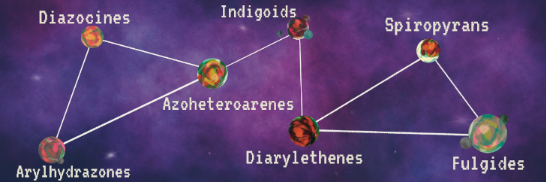
- already known as dye [89] have only been studied very recently. Exchanging the C=C bond for a C=N bond gives a new subclass of extremely short-lived T-type photoswitches with visible light activation, thermal half-lives in the µs range, and very large spectral separation. The study of iminothioindoxyl

Graphical Abstract

Figure 1: Energy diagram of a two-state photoswitch. Figure 1 was redrawn from [2].

Figure 2: Example of the absorption spectra of the isomers of a photoswitch with most efficient irradiation w...

Scheme 1: Photoswitch classes described in this review.

Figure 3: Azoheteroarenes.

Scheme 2: E–Z Isomerisation (top) and mechanisms of thermal Z–E isomerisation (bottom).

Scheme 3: Rotation mechanism favoured by the electron displacement in push–pull systems. Selected examples of...

Figure 4: A) T-shaped and twisted Z-isomers determine the thermal stability and the Z–E-PSS (selected example...

Figure 5: Effect of di-ortho-substitution on thermal half-life and PSS.

Figure 6: Selected thermal lifetimes of azoindoles in different solvents and concentrations. aConcentration o...

Figure 7: Aryliminopyrazoles: N-pyrazoles (top) and N-phenyl (bottom).

Scheme 4: Synthesis of symmetrical heteroarenes through oxidation (A), reduction (B), and the Bayer–Mills rea...

Scheme 5: Synthesis of diazonium salt (A); different strategies of azo-coupling: with a nucleophilic ring (B)...

Scheme 6: Synthesis of arylazothiazoles 25 (A) and heteroaryltriazoles 28 (B).

Scheme 7: Synthesis of heteroarylimines 31a,b [36-38].

Figure 8: Push–pull non-ionic azo dye developed by Velasco and co-workers [45].

Scheme 8: Azopyridine reported by Herges and co-workers [46].

Scheme 9: Photoinduced phase transitioning azobispyrazoles [47].

Figure 9: Diazocines.

Scheme 10: Isomers, conformers and enantiomers of diazocine.

Scheme 11: Partial overlap of the ππ* band with electron-donating substituents and effect on the PSS. Scheme 11 was ada...

Figure 10: Main properties of diazocines with different bridges. aMeasured in n-hexane [56]. bMeasured in THF. cMe...

Scheme 12: Synthesis of symmetric diazocines.

Scheme 13: Synthesis of asymmetric diazocines.

Scheme 14: Synthesis of O- and S-heterodiazocines.

Scheme 15: Synthesis of N-heterodiazocines.

Scheme 16: Puromycin diazocine photoswitch [60].

Figure 11: Indigoids.

Figure 12: The main representatives of the indigoid photoswitch class.

Scheme 17: Deactivation process that prevents Z-isomerisation of indigo.

Figure 13: Stable Z-indigo derivative synthesised by Wyman and Zenhäusern [67].

Figure 14: Selected examples of indigos with aliphatic and aromatic substituents [68]. Dashed box: proposed π–π in...

Scheme 18: Resonance structures of indigo and thioindigo involving the phenyl ring.

Scheme 19: Possible deactivation mechanism for 4,4'-dihydroxythioindigo [76].

Scheme 20: Effect of different heteroaryl rings on the stability and the photophysical properties of hemiindig...

Figure 15: Thermal half-lives of red-shifted hemithioindigos in toluene [79]. aMeasured in toluene-d8.

Scheme 21: Structures of pyrrole [81] and imidazole hemithioindigo [64].

Figure 16: Examples of fully substituted double bond hemithioindigo (left), oxidised hemithioindigos (centre),...

Scheme 22: Structure of iminothioindoxyl 72 (top) and acylated phenyliminoindolinone photoswitch 73 (bottom). ...

Scheme 23: (top) Transition states of iminothioindoxyl 72. The planar transition state is associated with a lo...

Scheme 24: Baeyer–Drewsen synthesis of indigo (top) and N-functionalisation strategies (bottom).

Scheme 25: Synthesis of hemiindigo.

Scheme 26: Synthesis of hemithioindigo and iminothioindoxyl.

Scheme 27: Synthesis of double-bond-substituted hemithioindigos.

Scheme 28: Synthesis of phenyliminoindolinone.

Scheme 29: Hemithioindigo molecular motor [85].

Figure 17: Arylhydrazones.

Scheme 30: Switching of arylhydrazones. Note: The definitions of stator and rotor are arbitrary.

Scheme 31: Photo- and acidochromism of pyridine-based phenylhydrazones.

Scheme 32: A) E–Z thermal inversion of a thermally stable push–pull hydrazone [109]. B) Rotation mechanism favoured...

Scheme 33: Effect of planarisation on the half-life.

Scheme 34: The longest thermally stable hydrazone switches reported so far (left). Modulation of thermal half-...

Figure 18: Dependency of t1/2 on concentration and hypothesised aggregation-induced isomerisation.

Figure 19: Structure–property relationship of acylhydrazones.

Scheme 35: Synthesis of arylhydrazones.

Scheme 36: Synthesis of acylhydrazones.

Scheme 37: Photoswitchable fluorophore by Aprahamian et al. [115].

Scheme 38: The four-state photoswitch synthesised by the Cigáň group [116].

Figure 20: Diarylethenes.

Scheme 39: Isomerisation and oxidation pathway of E-stilbene to phenanthrene.

Scheme 40: Strategies adapted to avoid E–Z isomerisation and oxidation.
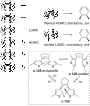
Scheme 41: Molecular orbitals and mechanism of electrocyclisation for a 6π system.

Figure 21: Aromatic stabilisation energy correlated with the thermal stability of the diarylethenes [127,129].

Figure 22: Half-lives of diarylethenes with increasing electron-withdrawing groups [128,129].

Scheme 42: Photochemical degradation pathway promoted by electron-donating groups [130].

Figure 23: The diarylethenes studied by Hanazawa et al. [134]. Increased rigidity leads to bathochromic shift.

Scheme 43: The dithienylethene synthesised by Nakatani's group [135].

Scheme 44: Synthesis of perfluoroalkylated diarylethenes.

Scheme 45: Synthesis of 139 and 142 via McMurry coupling.

Scheme 46: Synthesis of symmetrical derivatives 145 via Suzuki–Miyaura coupling.

Scheme 47: Synthesis of acyclic 148, malonic anhydride 149, and maleimide derivatives 154.

Figure 24: Gramicidin S (top left) and two of the modified diarylethene derivatives: first generation (bottom ...

Scheme 48: Pyridoxal 5'-phosphate and its reaction with an amino acid (top). The analogous dithienylethene der...

Figure 25: Fulgides.

Scheme 49: The three isomers of fulgides.

Scheme 50: Thermal and photochemical side products of unsubstituted fulgide [150].

Figure 26: Maximum absorption λc of the closed isomer compared with the nature of the aromatic ring and the su...

Scheme 51: Possible rearrangement of the excited state of 5-dimethylaminoindolylfulgide [153].

Figure 27: Quantum yields of ring closure (ΦE→C) and E–Z isomerisation (ΦE→Z) correlated with the increasing s...

Scheme 52: Active (Eα) and inactive (Eβ) conformers (left) and the bicyclic sterically blocked fulgide 169 (ri...

Scheme 53: Quantum yield of ring-opening (ΦC→E) and E–Z isomerisation (ΦE→Z) for different substitution patter...

Scheme 54: Stobbe condensation pathway for the synthesis of fulgides 179, fulgimides 181 and fulgenates 178.

Scheme 55: Alternative synthesis of fulgides through Pd-catalysed carbonylation.

Scheme 56: Optimised synthesis of fulgimides [166].

Scheme 57: Photoswitchable FRET with a fulgimide photoswitch [167].

Scheme 58: Three-state fulgimide strategy by Slanina's group.

Figure 28: Spiropyrans.

Scheme 59: Photochemical (left) and thermal (right) ring-opening mechanisms for an exemplary spiropyran with a...

Figure 29: Eight possible isomers of the open merocyanine according to the E/Z configurations of the bonds hig...

Scheme 60: pH-Controlled photoisomerisation between the closed spiropyran 191-SP and the open E-merocyanine 19...

Scheme 61: Behaviour of spiropyran in water buffer according to Andréasson and co-workers [180]. 192-SP in an aqueo...

Scheme 62: (left box) Proposed mechanism of basic hydrolysis of MC [184]. (right box) Introduction of electron-dona...

Scheme 63: Photochemical interconversion of naphthopyran 194 (top) and spirooxazine 195 (bottom) photoswitches...

Scheme 64: Synthesis of spiropyrans and spirooxazines 198 and the dicondensation by-product 199.

Scheme 65: Alternative synthesis of spiropyrans and spirooxazines with indolenylium salt 200.

Scheme 66: Synthesis of 4’-substituted spiropyrans 203 by condensation of an acylated methylene indoline 201 w...

Scheme 67: Synthesis of spironaphthopyrans 210 by acid-catalysed condensation of naphthols and diarylpropargyl...

Scheme 68: Photoswitchable surface wettability [194].

Figure 30: Some guiding principles for the choice of the most suitable photoswitch. Note that this guide is ve...
Recent advances in amidyl radical-mediated photocatalytic direct intermolecular hydrogen atom transfer
- Hao-Sen Wang,
- Lin Li,
- Xin Chen,
- Jian-Li Wu,
- Kai Sun,
- Xiao-Lan Chen,
- Ling-Bo Qu and
- Bing Yu
Beilstein J. Org. Chem. 2025, 21, 1306–1323, doi:10.3762/bjoc.21.100
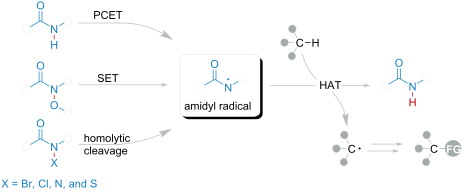
- demonstrated the homolytic cleavage of the N–O bond using N-(tert-butyl)-O-(1-phenylvinyl)-phenylhydroxyamide as a HAT reagent [78][79]. This compound was capable of initiating the formation of amidyl radicals through visible light activation. Although their controlled experiments showed that this method was

Graphical Abstract

Figure 1: (a) BDE of C–H. (b) Direct functionalization of C–H catalyzed by transition-metal. (c) Direct funct...
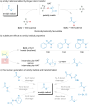
Figure 2: (a) Amidyl radical-enabled hydrogen atom transfer. (b) Substituent effects to amidyl radical proper...

Figure 3: Representative photocatalysts discussed in this review.

Scheme 1: Alkylation of C(sp3)–H catalyzed by amidyl radical under visible light.

Scheme 2: Direct heteroarylation of C(sp3)–H catalyzed by amidyl radical under visible light.

Scheme 3: Alkylation of C(sp3)–H catalyzed by amidyl radical and metal-free photocatalyst under visible light....

Scheme 4: Alkylation of C(sp3)–H, Si–H, and Ge–H catalyzed by amidyl radical under visible light.

Scheme 5: Direct heteroarylation of C(sp3)–H catalyzed by synergistic promotion of amidyl radical and photoca...

Scheme 6: Direct B–H functionalization of icosahedral carboranes catalyzed by amidyl radical under visible li...

Scheme 7: Nucleophilic amination of C(sp3)–H enabled by amidyl radical under visible light.
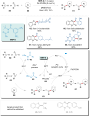
Scheme 8: Direct heteroarylation of C(sp3)–H and C(sp3)–H without the presence of strong bases, acids, or oxi...

Scheme 9: Xanthylation of C(sp3)–H addressed by amidyl radical under visible light.

Scheme 10: Xanthylation of C(sp3)–H in polyolefins addressed by amidyl radical under visible light.

Scheme 11: Site-selective C(sp3)–H bromination implemented by amidyl radical under visible light.

Scheme 12: Site-selective chlorination of C(sp3)–H in natural products implemented by amidyl radical under vis...

Scheme 13: Alkylation of C(sp3)–H catalyzed by amidyl radical photocatalyst under visible light.
Red light excitation: illuminating photocatalysis in a new spectrum
- Lucas Fortier,
- Corentin Lefebvre and
- Norbert Hoffmann
Beilstein J. Org. Chem. 2025, 21, 296–326, doi:10.3762/bjoc.21.22

- , thereupon highlighting potential for broad applications in photoredox catalysis on an industrial scale. In this context, T. Rovis et al. have studied a C–N cross-coupling Buchwald–Hartwig-like reaction using dual nickel and osmium catalysis under red-light activation, addressing common challenges such as

Graphical Abstract
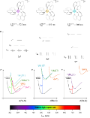
Figure 1: Influence of the metal center M (Fe, Ru, Os) on the position of the MLCT and MC (metal-centered) ab...

Scheme 1: Red-light-mediated ring-closing metathesis through activation of a ruthenium catalyst by an osmium ...

Scheme 2: Photocatalyzed polymerization of dicylopentadiene mediated with red or blue light.

Figure 2: Comparison between [Ru(bpy)3]2+ and [Os(tpy)2]2+ in a photocatalyzed trifluoromethylation reaction:...

Scheme 3: Red-light photocatalyzed C–N cross-coupling reaction by T. Rovis et al. (SET = single-electron tran...

Figure 3: Red-light-mediated aryl oxidative addition with a bismuthinidene complex.

Scheme 4: Red-light-mediated reduction of aryl derivatives by O. S. Wenger et al. (PC = photocatalyst, anh = ...
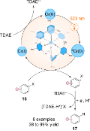
Scheme 5: Red-light-mediated aryl halides reduction with an isoelectronic chromium complex (TDAE = tetrakis(d...

Scheme 6: Red-light-photocatalyzed trifluoromethylation of styrene derivatives with Umemoto’s reagent and a p...
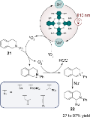
Scheme 7: Red-light-mediated energy transfer for the cross-dehydrogenative coupling of N-phenyltetrahydroisoq...
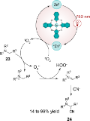
Scheme 8: Red-light-mediated oxidative cyanation of tertiary amines with a phthalocyanin zinc complex.

Scheme 9: Formation of dialins and tetralins via a red-light-photocatalyzed reductive decarboxylation mediate...
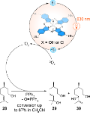
Scheme 10: Oxidation of β-citronellol (28) via energy transfer mediated by a red-light activable silicon phtha...

Scheme 11: Formation of alcohol derivatives 32 from boron compounds 31 using chlorophyll (chl) as a red-light-...

Scheme 12: Red-light-driven reductive dehalogenation of α-halo ketones mediated by a thiaporphyrin photocataly...

Figure 4: Photoinduced electron transfer-reversible addition-fragmentation chain transfer polymerization medi...
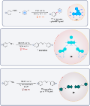
Figure 5: Recent examples of red-light-mediated photocatalytic reactions with traditional organic dyes.

Figure 6: Squaraine photocatalysts used by Goddard et al. and aza-Henry reaction with squaraine-based photoca...

Figure 7: Reactions described by Goddard et al. involving 40 as the photocatalyst.

Figure 8: Various structures of squaraine derivatives used to initiate photopolymerizations.
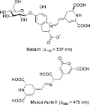
Figure 9: Naturally occurring cyanins.

Figure 10: Influence of the structure on the photophysical properties of a cyanin dye.

Figure 11: NIR-light-mediated aza-Henry reaction photocatalyzed by 46.

Scheme 13: Photocatalyzed arylboronic acids oxidation by 46.
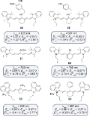
Figure 12: Cyanin structures synthetized and characterized by Goddard et al. (redox potentials given against s...
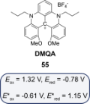
Figure 13: N,N′-Di-n-propyl-1,13-dimethoxyquinacridinium (55) with its redox potentials at its ground state an...
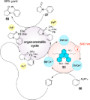
Scheme 14: Dual catalyzed C(sp2)–H arylation of 57 using DMQA 55 as the red-light-absorbing photocatalyst.

Scheme 15: Red-light-mediated aerobic oxidation of arylboronic acids 59 into phenols 60 via the use of DMQA as...

Figure 14: Red-light-photocatalyzed reactions proposed by Gianetti et al. using DMQA as the photocatalyst.

Scheme 16: Simultaneous release of NO and production of superoxide (O2•−) and their combination yielding the p...
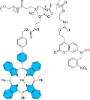
Figure 15: Palladium porphyrin complex as the photoredox catalyst and the NO releasing substrate are linked in...

Scheme 17: Uncaging of compound 69 which is a microtubule depolymerizing agent using near IR irradiation. The ...

Scheme 18: Photochemical uncaging of drugs protected with a phenylboronic acid derivative using near IR irradi...

Scheme 19: Photoredox catalytical generation of aminyl radicals with near IR irradiation for the transfer of b...

Scheme 20: Photoredox catalytical fluoroalkylation of tryptophan moieties.

Figure 16: Simultaneous absorption of two photons of infrared light of low energy enables electronic excitatio...

Scheme 21: Uncaging Ca2+ ions using two-photon excitation with near infrared light.
Synthesis of π-conjugated polycyclic compounds by late-stage extrusion of chalcogen fragments
- Aissam Okba,
- Pablo Simón Marqués,
- Kyohei Matsuo,
- Naoki Aratani,
- Hiroko Yamada,
- Gwénaël Rapenne and
- Claire Kammerer
Beilstein J. Org. Chem. 2024, 20, 287–305, doi:10.3762/bjoc.20.30
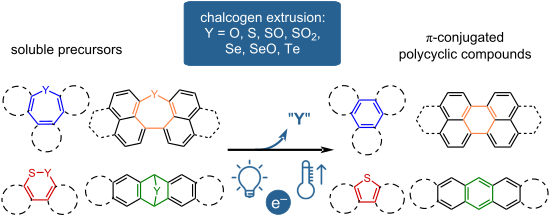
- under light activation thus prompted the investigation of 1,2-dithia-3,5-cyclohexadienes as synthetic photoprecursors of thiophene-based π-CPCs. In this sense, Schroth et al. reported the synthesis of thienothiophene and benzothienothiophene 40 from dithiin key intermediates (Scheme 11, top) [71]. Benzo

Graphical Abstract

Scheme 1: “Precursor approach” for the synthesis of π-conjugated polycyclic compounds, with the thermally- or...

Scheme 2: Valence isomerization of chalcogen heteropines and subsequent cheletropic extrusion in the case of ...

Scheme 3: Early example of phenanthrene synthesis via a chemically-induced S-extrusion (and concomitant decar...

Scheme 4: Top: Conversion of dinaphthothiepine bisimides 3a,b and their sulfoxide analogues 4a,b into PBIs 6a,...

Figure 1: Top view (a) and side view (b) of the X-ray crystal structure of thiepine 3b showing its bent confo...

Scheme 5: Modular synthetic route towards dinaphthothiepines 3a–f and the corresponding S-oxides 4a–d, incorp...

Scheme 6: Top: Conversion of dithienobenzothiepine monomeric units into dithienonaphthalenes, upon S-extrusio...

Scheme 7: Synthesis of S-doped extended triphenylene derivative 22 from 3-bromothiophene (17) with the therma...
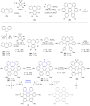
Scheme 8: Top: Synthesis of thermally-stable O-doped HBC 26a. Bottom: Synthesis of S- and Se-based soluble pr...

Scheme 9: Synthesis of dinaphthooxepine bisimide 33 and conversion into PBI 6f by O-extrusion triggered by el...

Figure 2: Cyclic voltammogram of dinaphthooxepine 33, evidencing the irreversibility of the reduction process...

Scheme 10: Top: Early example of 6-membered ring contraction with concomitant S-extrusion leading to dinaphtho...

Scheme 11: Examples of S-extrusion from annelated 1,2-dithiins under photoactivation (top) or thermal activati...

Scheme 12: Synthesis of dibenzo[1,4]dithiapentalene upon photoextrusion of SO2 [78].

Scheme 13: Extrusion of SO in naphthotrithiin-2-oxides for the synthesis of 2,5-dihydrothiophene 1-oxides [79].

Scheme 14: SO-extrusion as a key step in the synthesis of fullerenes (C60 and C70) encapsulating H2 molecules [80,82]....

Scheme 15: Synthesis of diepoxytetracene precursor 56 and its on-surface conversion into tetracene upon O-extr...

Scheme 16: Soluble precursors of hexacene, decacene and dodecacene incorporating 1,4-epoxides in their hydroca...

Scheme 17: Synthesis of tetraepoxide 59 as soluble precursor of decacene [85].

Figure 3: Constant-height STM measurement of decacene on Au(111) using a CO-functionalized tip (sample voltag...
Exploring the role of halogen bonding in iodonium ylides: insights into unexpected reactivity and reaction control
- Carlee A. Montgomery and
- Graham K. Murphy
Beilstein J. Org. Chem. 2023, 19, 1171–1190, doi:10.3762/bjoc.19.86
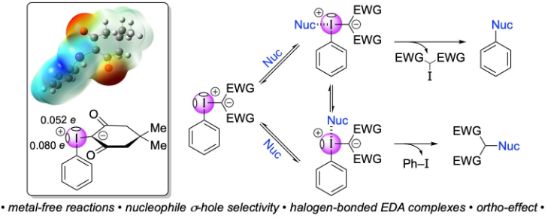
- ). Control experiments showed that the reaction failed in the dark at room temperature, and they concluded that blue light activation of the initially-formed EDA complex (analogous to 36) promoted the onset of SET events. As this latter protocol also required two equivalents of ylide 39, the authors proposed

Graphical Abstract

Figure 1: Generic representation of halogen bonding.

Figure 2: Quantitative evaluation of σ-holes in monovalent iodine-containing compounds; and, qualitative mole...
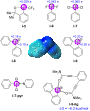
Figure 3: Quantitative evaluation of σ-holes in hypervalent iodine-containing molecules; and, qualitative MEP...

Figure 4: Quantitative evaluation of σ-holes in iodonium ylides; and, qualitative MEP map of I-12 from −0.083...

Scheme 1: Outline of possible reaction pathways between iodonium ylides and Lewis basic nucleophiles (top); a...

Scheme 2: Metal-free cyclopropanations of iodonium ylides, either as intermolecular (a) or intramolecular pro...

Figure 5: Zwitterionic mechanism for intramolecular cyclopropanation of iodonium ylides (left); and, stepwise...

Scheme 3: Metal-free intramolecular cyclopropanation of iodonium ylides.

Figure 6: Concerted cycloaddition pathway for the metal-free, intramolecular cyclopropanation of iodonium yli...

Scheme 4: Reaction of ylide 6 with diphenylketene to form lactone 24 and 25.

Figure 7: Nucleophilic (top) and electrophilic (bottom) addition pathways proposed by Koser and Hadjiarapoglo...

Scheme 5: Indoline synthesis from acyclic iodonium ylide 31 and tertiary amines.

Scheme 6: N-Heterocycle synthesis from acyclic iodonium ylide 31 and secondary amines.

Figure 8: Proposed mechanism for the formation of 33a from iodonium ylides and amines, involving an initial h...

Scheme 7: Indoline synthesis from acyclic iodonium ylides 39 and tertiary amines under blue light photocataly...

Scheme 8: Metal-free cycloproponation of iodonium ylides under blue LED irradiation. aUsing trans-β-methylsty...

Figure 9: Proposed mechanism of the cyclopropanation between iodonium ylides and alkenes under blue LED irrad...

Scheme 9: Formal C–H alkylation of iodonium ylides by nucleophilic heterocycles under blue LED irradiation.

Figure 10: Proposed mechanism of the formal C–H insertion of pyrrole under blue LED irradiation.

Scheme 10: X–H insertions between iodonium ylides and carboxylic acids, phenols and thiophenols.

Figure 11: Mechanistic proposal for the X–H insertion reactions of iodonium ylides.

Scheme 11: Radiofluorination of biphenyl using iodonium ylides 54a–e derived from various β-dicarbonyl auxilia...

Scheme 12: Radiofluorination of arenes using spirocycle-derived iodonium ylides 56.

Scheme 13: Radiofluorination of arenes using SPIAd-derived iodonium ylides 58.

Figure 12: Calculated reaction coordinate for the radiofluorination of iodonium ylide 60.
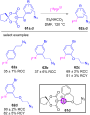
Scheme 14: Radiofluorination of iodonium ylides possessing various ortho- and para-substituents on the iodoare...

Figure 13: Difference in Gibbs activation energy for ortho- or para-anisyl derived iodonium ylides 63a and 63b....

Figure 14: Proposed equilibration of intermediates to transit between 64a (the initial adduct formed between 6...

Scheme 15: Comparison of 31 and ortho-methoxy iodonium ylide 39 in rhodium-catalyzed cyclopropanation and cycl...

Figure 15: X-ray crystal structure of dimeric 39 [6], (CCDC# 893474) [143,144].

Scheme 16: Enaminone synthesis using diazonium and iodonium ylides.
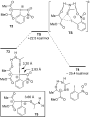
Figure 16: Transition state calculations for enaminone synthesis from iodonium ylides and thioamides.
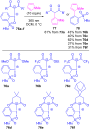
Scheme 17: The reaction between ylides 73a–f and N-methylpyrrole under 365 nm UV irradiation.

Figure 17: Crystal structures of 76c (top) and 76e (bottom) [101], (CCDC# 2104180 & 2104181) [143,144].
Photoredox catalysis harvesting multiple photon or electrochemical energies
- Mattia Lepori,
- Simon Schmid and
- Joshua P. Barham
Beilstein J. Org. Chem. 2023, 19, 1055–1145, doi:10.3762/bjoc.19.81
- 2.1.1 C(sp2)–X activation: In the rise of visible light-mediated PRC, the generation of aryl radicals for C(sp2)–C(sp2/3) couplings under mild conditions (room temperature, visible light activation of a catalyst) was heavily investigated [34][35][36]. However, initially the procedures were generally

Graphical Abstract

Figure 1: Oxidative and reductive activations of organic compounds harvesting photoredox catalysis.

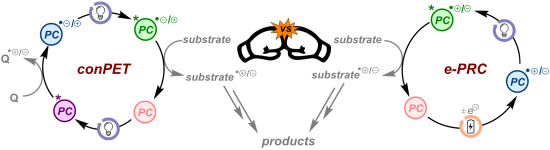
Figure 2: General catalytic cycles of radical ion conPET (left) and radical ion e-PRC (right).
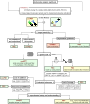
Figure 3: “Beginner’s guide”: comparison between advantages, capacities, and prospectives of conPET and PEC.
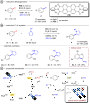
Figure 4: A) conPET reductive dehalogenation of aryl halides with PDI. B) Reductive C–H arylation with pyrrol...
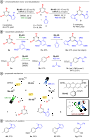
Figure 5: A) Chromoselective mono- and disubstitution or polybrominated pyrimidines with pyrroles. B) Sequent...

Figure 6: A) Synthesis of pyrrolo[1,2-a]quinolines. B) Synthesis of ullazines.

Figure 7: A) Reductive phosphorylation of aryl halides via conPET. B) Selected examples from the substrate sc...
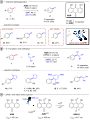
Figure 8: A) Reductive dehalogenation of aryl halides via conPET and selected examples from the substrate sco...
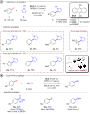
Figure 9: A) Reductive C–H arylation of aryl halides via conPET (top) and selected examples from the substrat...
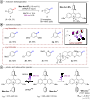
Figure 10: A) Reductive hydrodehalogenation of aryl halides with Mes-Acr-BF4. B) Selected examples from the su...
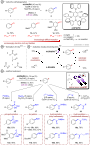
Figure 11: A) Reductive hydrodechlorination of aryl chlorides with 4-DPAIPN. B) Proposed formation of CO2•−. C...
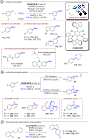
Figure 12: A) Reductive conPET borylation with 3CzEPAIPN (top) and selected examples from the substrate scope ...

Figure 13: Scale-up of conPET phosphorylation with 3CzEPAIPN.
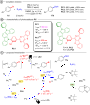
Figure 14: A) Borylation of 1d. B) Characteristics and structure of PC1 with green and red parts showing the l...
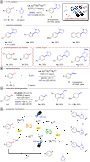
Figure 15: A) Reductive C–H arylation scope with polysulfide conPET (top) and selected examples from the subst...

Figure 16: Scale-up of A) C–H arylation and B) dehaloborylation with polysulfide photocatalysis in continuous-...

Figure 17: A) Formation of [Ir1]0 and [Ir2]0 upon PET between [Ir1]+ and Et3N. B) Mechanism of multi-photon ta...

Figure 18: A) Reductive hydrodehalogenation of aryl halides via multi-photon tandem photocatalysis. B) Selecte...

Figure 19: A) Carbonylative amidation of aryl halides in continuous flow. B) Selected examples from the substr...
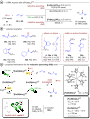
Figure 20: A) General scheme for reductive (RQ) and oxidative quenching (OQ) protocols using [FeIII(btz)3](PF6)...
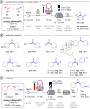
Figure 21: A) Carbonylative amidation of alkyl iodides with [IrIII(ppy)2(dtbbpy)]PF6. B) Selected examples fro...
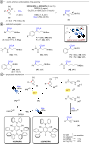
Figure 22: A) Carboxylative C–N bond cleavage in cyclic amines. B) Selected examples from the substrate scope....
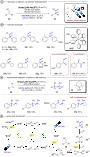
Figure 23: A) Formal reduction of alkenes to alkanes via transfer hydrogenation. B) Selected examples from the...
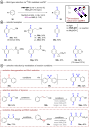
Figure 24: A) Birch-type reduction of benzenes with PMP-BPI. B) Selected examples from the substrate scope (sc...

Figure 25: Proposed mechanism of the OH− mediated conPET Birch-type reduction of benzene via generation of sol...

Figure 26: Reductive detosylation of N-tosylated amides with Mes-Acr-BF4. B) Selected examples from the substr...
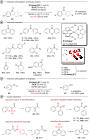
Figure 27: A) Reductive detosylation of N-tosyl amides by dual PRC. B) Selected examples from the substrate sc...

Figure 28: A) Mechanism of the dual PRC based on PET between [Cu(dap)2]+ and DCA. B) Mechanism of the dual PRC...
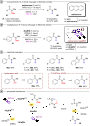
Figure 29: A) N–O bond cleavage in Weinreb amides with anthracene. B) N–O bond cleavage in Weinreb amides rely...
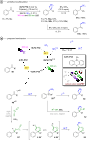
Figure 30: A) Pentafluorosulfanylation and fluoride elimination. B) Mechanism of the pentafluorosulfanylation ...
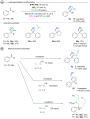
Figure 31: A) α-Alkoxypentafluorosulfanylation (top) and selected examples from the substrate scope (bottom). ...
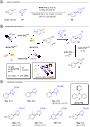
Figure 32: A) Oxidative amination of arenes with azoles catalyzed by N-Ph PTZ. B) Selected examples from the s...

Figure 33: A) C(sp3)–H bond activation by HAT via chloride oxidation by *N-Ph PTZ•+. B) Proposed mechanism for...

Figure 34: A) Recycling e-PRC C–H azolation of electron-rich arenes with pyrazoles using Mes-Acr+ as a photoca...

Figure 35: A) Radical ion e-PRC direct oxidation of unactivated arenes using TAC+ as an electro-activated phot...

Figure 36: A) Radical ion e-PRC direct oxidation of unactivated arenes using TPA as an electro-activated photo...

Figure 37: Proposed mechanism (top) and mode of preassembly (bottom).

Figure 38: A) Possible preassemblies of reactive (left) vs unreactive (right) arenes. B) Calculated spin densi...
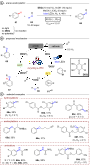
Figure 39: A) Recycling e-PRC C(sp2 )–H acetoxylation of arenes using DDQ as a photocatalyst. B) Proposed cata...

Figure 40: Gram scale hydroxylation of benzene in a recirculated flow setup.
Figure 41: A) Radical ion e-PRC vicinal diamination of alkylarenes using TAC+ as an electro-activated photocat...
Figure 42: A) Sequential oxygenation of multiple adjacent C–H bonds under radical ion e-PRC using TAC+ as an e...

Figure 43: A) Enantioselective recycling e-PRC cyanation of benzylic C–H bonds using ADQS as photocatalyst. B)...

Figure 44: Proposed tandem mechanism by Xu and co-workers.
Figure 45: A) Enantioselective recycling e-PRC decarboxylative cyanation using Cu(acac)2, Ce(OTf)3 and a box l...

Figure 46: A) Enantioselective recycling e-PRC benzylic cyanation using Cu(MeCN)4BF4, box ligand and anthraqui...

Figure 47: A) Radical ion e-PRC acetoxyhydroxylation of aryl olefins using TAC+ as an electro-activated photoc...

Figure 48: Selected examples from the substrate scope.

Figure 49: Photoelectrochemical acetoxyhydroxylation in a recirculated flow setup.
Figure 50: A) Radical ion e-PRC aminooxygenation of aryl olefins using TAC+ as an electro-activated photocatal...
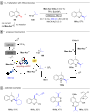
Figure 51: A) Recycling e-PRC C–H alkylation of heteroarenes with organic trifluoroborates using Mes-Acr+ as p...

Figure 52: A) Recycling e-PRC decarboxylative C–H alkylation of heteroarenes using CeCl3·7H2O as catalyst. B) ...

Figure 53: A) Recycling e-PRC decarboxylative C–H alkylation of heteroarenes using Fe(NH4)2(SO4)2·6H2O as cata...
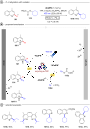
Figure 54: A) Recycling e-PRC C–H alkylation of heteroarenes with alkyl oxalates and 4CzIPN as photocatalyst. ...
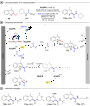
Figure 55: A) Recycling e-PRC decarboxylative C–H carbamoylation of heteroarenes using 4CzIPN as photocatalyst...
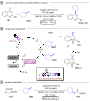
Figure 56: A) Photoelectrochemical HAT-mediated hydrocarbon activation via the chlorine radical. B) Proposed m...

Figure 57: A) Selected examples from the substrate scope. B) Gram and decagram scale semi-continuous flow PEC ...

Figure 58: A) Photoelectrochemical HAT-mediated dehydrogenative coupling of benzothiazoles with aliphatic C–H ...

Figure 59: A) Photoelectrochemical HAT activation of ethers using electro-activated TAC+ as photocatalyst. B) ...

Figure 60: Selected examples from the substrate scope.
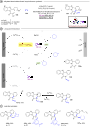
Figure 61: A) Photoelectrochemical HAT-mediated synthesis of alkylated benzimidazo-fused isoquinolinones using...

Figure 62: A) Decoupled photoelectrochemical cerium-catalyzed oxydichlorination of alkynes using CeCl3 as cata...

Figure 63: Proposed decoupled photoelectrochemical mechanism.

Figure 64: A) Decoupled photoelectrochemical ring-opening bromination of tertiary cycloalkanols using MgBr2 as...

Figure 65: A) Recycling e-PRC ring-opening functionalization of cycloalkanols using CeCl3 as catalyst. B) Prop...

Figure 66: Selected examples from the substrate scope of the PEC ring-opening functionalization.

Figure 67: A) Radical ion e-PRC reduction of chloro- and bromoarenes using DCA as catalyst and various accepto...
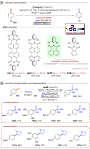
Figure 68: A) Screening of different phthalimide derivatives as catalyst for the e-PRC reduction of aryl halid...

Figure 69: Screening of different organic catalysts for the e-PRC reduction of trialkylanilium salts.

Figure 70: A) e-PRC reduction of phosphonated phenols and anilinium salts. B) Selected examples from the subst...

Figure 71: A) ConPET and e-PRC reduction of 4-bromobenzonitrile using a naphthalene diimide (NDI) precatalyst ...

Figure 72: A) Radical ion e-PRC reduction of phosphinated aliphatic alcohols with n-BuO-NpMI as catalyst. B) C...

Figure 73: Selected examples from the substrate scope.

Figure 74: A) Recycling e-PRC reductive dimerization of benzylic chlorides using a [Cu2] catalyst. B) Proposed...

Figure 75: A) Decoupled photoelectrochemical C–H alkylation of heteroarenes through deamination of Katritzky s...

Figure 76: Proposed mechanism by Chen and co-workers.
When metal-catalyzed C–H functionalization meets visible-light photocatalysis
- Lucas Guillemard and
- Joanna Wencel-Delord
Beilstein J. Org. Chem. 2020, 16, 1754–1804, doi:10.3762/bjoc.16.147


Graphical Abstract

Figure 1: Concept of dual synergistic catalysis.

Figure 2: Classification of catalytic systems involving two catalysts.

Figure 3: General mechanism for the dual nickel/photoredox catalytic system.

Figure 4: General mechanisms for C–H activation catalysis involving different reoxidation strategies.

Figure 5: Indole synthesis via dual C–H activation/photoredox catalysis.

Figure 6: Proposed mechanism for the indole synthesis via dual catalysis.

Figure 7: Oxidative Heck reaction on arenes via the dual catalysis.

Figure 8: Proposed mechanism for the Heck reaction on arenes via dual catalysis.

Figure 9: Oxidative Heck reaction on phenols via the dual catalysis.

Figure 10: Proposed mechanism for the Heck reaction on phenols via dual catalysis.

Figure 11: Carbazole synthesis via dual C–H activation/photoredox catalysis.

Figure 12: Proposed mechanism for the carbazole synthesis via dual catalysis.

Figure 13: Carbonylation of enamides via the dual C–H activation/photoredox catalysis.

Figure 14: Proposed mechanism for carbonylation of enamides via dual catalysis.

Figure 15: Annulation of benzamides via the dual C–H activation/photoredox catalysis.

Figure 16: Proposed mechanism for the annulation of benzamides via dual catalysis.

Figure 17: Synthesis of indoles via the dual C–H activation/photoredox catalysis.

Figure 18: Proposed mechanism for the indole synthesis via dual catalysis.

Figure 19: General concept of dual catalysis merging C–H activation and photoredox catalysis.

Figure 20: The first example of dual catalysis merging C–H activation and photoredox catalysis.

Figure 21: Proposed mechanism for the C–H arylation with diazonium salts via dual catalysis.

Figure 22: Dual catalysis merging C–H activation/photoredox using diaryliodonium salts.

Figure 23: Direct arylation via the dual catalytic system reported by Xu.

Figure 24: Direct arylation via dual catalytic system reported by Balaraman.

Figure 25: Direct arylation via dual catalytic system reported by Guo.

Figure 26: C(sp3)–H bond arylation via the dual Pd/photoredox catalytic system.

Figure 27: Acetanilide derivatives acylation via the dual C–H activation/photoredox catalysis.

Figure 28: Proposed mechanism for the C–H acylation with α-ketoacids via dual catalysis.

Figure 29: Acylation of azobenzenes via the dual catalysis C–H activation/photoredox.

Figure 30: C2-acylation of indoles via the dual C–H activation/photoredox catalysis.

Figure 31: Proposed mechanism for the C2-acylation of indoles with aldehydes via dual catalysis.

Figure 32: C2-acylation of indoles via the dual C–H activation/photoredox catalysis.

Figure 33: Perfluoroalkylation of arenes via the dual C–H activation/photoredox catalysis.

Figure 34: Proposed mechanism for perfluoroalkylation of arenes via dual catalysis.

Figure 35: Sulfonylation of 1-naphthylamides via the dual C–H activation/photoredox catalysis.

Figure 36: Proposed mechanism for sulfonylation of 1-naphthylamides via dual catalysis.

Figure 37: meta-C–H Alkylation of arenes via visible-light metallaphotocatalysis.

Figure 38: Alternative procedure for meta-C–H alkylation of arenes via metallaphotocatalysis.

Figure 39: Proposed mechanism for meta-C–H alkylation of arenes via metallaphotocatalysis.

Figure 40: C–H borylation of arenes via visible-light metallaphotocatalysis.

Figure 41: Proposed mechanism for C–H borylation of arenes via visible-light metallaphotocatalysis.

Figure 42: Undirected C–H aryl–aryl cross coupling via dual gold/photoredox catalysis.

Figure 43: Proposed mechanism for the undirected C–H aryl–aryl cross-coupling via dual catalysis.

Figure 44: Undirected C–H arylation of (hetero)arenes via dual manganese/photoredox catalysis.

Figure 45: Proposed mechanism for the undirected arylation of (hetero)arenes via dual catalysis.

Figure 46: Photoinduced C–H arylation of azoles via copper catalysis.

Figure 47: Photo-induced C–H chalcogenation of azoles via copper catalysis.

Figure 48: Decarboxylative C–H adamantylation of azoles via dual cobalt/photoredox catalysis.

Figure 49: Proposed mechanism for the C–H adamantylation of azoles via dual catalysis.

Figure 50: General mechanisms for the “classical” (left) and Cu-free variant (right) Sonogoshira reaction.

Figure 51: First example of a dual palladium/photoredox catalysis for Sonogashira-type couplings.

Figure 52: Arylation of terminal alkynes with diazonium salts via dual gold/photoredox catalysis.

Figure 53: Proposed mechanism for the arylation of terminal alkynes via dual catalysis.

Figure 54: C–H Alkylation of alcohols promoted by H-atom transfer (HAT).

Figure 55: Proposed mechanism for the C–H alkylation of alcohols promoted by HAT.

Figure 56: C(sp3)–H arylation of latent nucleophiles promoted by H-atom transfer.

Figure 57: Proposed mechanism for the C(sp3)–H arylation of latent nucleophiles promoted by HAT.

Figure 58: Direct α-arylation of alcohols promoted by H-atom transfer.

Figure 59: Proposed mechanism for the direct α-arylation of alcohols promoted by HAT.

Figure 60: C–H arylation of amines via dual Ni/photoredox catalysis.

Figure 61: Proposed mechanism for the C–H arylation of amines via dual Ni/photoredox catalysis.

Figure 62: C–H functionalization of nucleophiles via excited ketone/nickel dual catalysis.

Figure 63: Proposed mechanism for the C–H functionalization enabled by excited ketones.

Figure 64: Selective sp3–sp3 cross-coupling promoted by H-atom transfer.

Figure 65: Proposed mechanism for the selective sp3–sp3 cross-coupling promoted by HAT.

Figure 66: Direct C(sp3)–H acylation of amines via dual Ni/photoredox catalysis.

Figure 67: Proposed mechanism for the C–H acylation of amines via dual Ni/photoredox catalysis.

Figure 68: C–H hydroalkylation of internal alkynes via dual Ni/photoredox catalysis.

Figure 69: Proposed mechanism for the C–H hydroalkylation of internal alkynes.

Figure 70: Alternative procedure for the C–H hydroalkylation of ynones, ynoates, and ynamides.

Figure 71: Allylic C(sp3)–H activation via dual Ni/photoredox catalysis.

Figure 72: Proposed mechanism for the allylic C(sp3)–H activation via dual Ni/photoredox catalysis.

Figure 73: Asymmetric allylation of aldehydes via dual Cr/photoredox catalysis.

Figure 74: Proposed mechanism for the asymmetric allylation of aldehydes via dual catalysis.

Figure 75: Aldehyde C–H functionalization promoted by H-atom transfer.

Figure 76: Proposed mechanism for the C–H functionalization of aldehydes promoted by HAT.

Figure 77: Direct C–H arylation of strong aliphatic bonds promoted by HAT.

Figure 78: Proposed mechanism for the C–H arylation of strong aliphatic bonds promoted by HAT.

Figure 79: Direct C–H trifluoromethylation of strong aliphatic bonds promoted by HAT.

Figure 80: Proposed mechanism for the C–H trifluoromethylation of strong aliphatic bonds.
Targeted photoswitchable imaging of intracellular glutathione by a photochromic glycosheet sensor
- Xianzhi Chai,
- Hai-Hao Han,
- Yi Zang,
- Jia Li,
- Xiao-Peng He,
- Junji Zhang and
- He Tian
Beilstein J. Org. Chem. 2019, 15, 2380–2389, doi:10.3762/bjoc.15.230
- signals has been developed, aiming at reducing interferences and improving sensing precision in complex physiological environments [9][10][11][12][13][14][15][16][17]. This photoresponsive design presents several advantages over conventional probes: 1) The light-activation mode endows the probe with light

Graphical Abstract
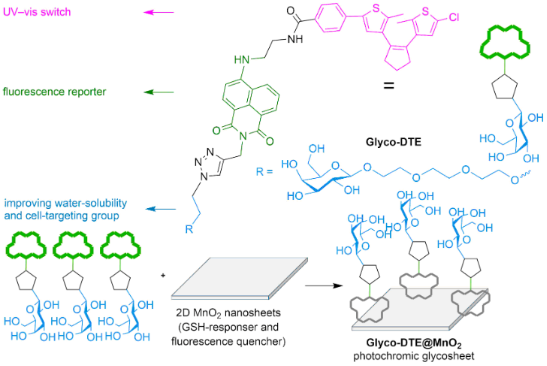
Scheme 1: The structure (A) of reporter Glyco-DTE and working principle (B) of photochromic glycosheet Glyco-...

Scheme 2: Synthetic route to dithienylethene fluorescence reporters Glyco-DTE and 8o. VcNa: sodium ascorbate.

Figure 1: Absorption spectral changes (A), absorption fatigue resistance (B), emission spectral changes (C) a...

Figure 2: (A) The absorbance spectrum and (B) high resolution TEM image of 2D MnO2 nanosheets (1 × 10⁻⁵ g/mL)...

Figure 3: (A) Emission spectral changes of reporter Glyco-DTE (1 × 10⁻⁵ mol/L in PBS buffer, 0.25‰ Triton X-1...

Figure 4: (A) Fluorescence imaging of HepG2 cells and HeLa cells after incubated with reporters Glyco-DTE (20...

Figure 5: (A) Fluorescence imaging of HepG2 cells and HeLa cells after incubated with Glyco-DTE@MnO2 photochr...
Stimuli-responsive oligonucleotides in prodrug-based approaches for gene silencing
- Françoise Debart,
- Christelle Dupouy and
- Jean-Jacques Vasseur
Beilstein J. Org. Chem. 2018, 14, 436–469, doi:10.3762/bjoc.14.32
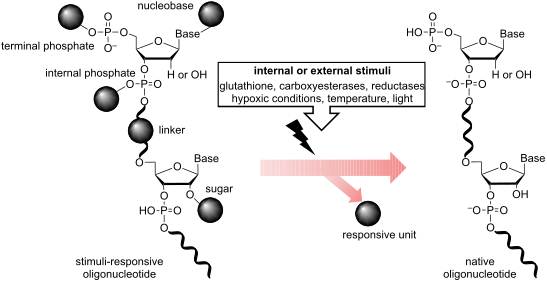
- gene-silencing interactions and of limited use for therapeutic applications. Modifications at the phosphate moieties The control of gene expression with photocaged phosphate-modified ONs has been mostly used for light activation of RNA interference, as commonly used by the Friedman group [72][73][74
- in vitro as in HeLa cells. Modifications at the nucleobase For selected reviews on this topic, see [79][80]. From all possible photoresponsive modifications introduced into ONs, modifications of the nucleobases are the most widely used for the regulation of gene expression under light activation. For
- , light activation of RNAi was confirmed in HeLa cells transfected with a GFP reporter gene but was also demonstrated with the silencing of the endogenous gene of the mitosis motor protein Eg5. In the same article, Deiters reported the study of siRNAs with caged nucleotides at the seed region of siRNA

Graphical Abstract

Scheme 1: Demasking under reducing agents of ON prodrugs modified as phosphotriesters with A) benzyl groups [13] ...

Scheme 2: A) Synthesis via phosphoramidite chemistry and B) demasking under the reducing environment of 2’-O-...

Scheme 3: Synthesis via phosphoramidite chemistry of various 2’-O-alkyldithiomethyl (RSSM)-modified RNAs bear...

Scheme 4: A) siRNA conjugates to cholesterol [19] and B) PNA conjugates to a triphenylphosphonium [20] through a disu...

Scheme 5: Synthesis via phosphoramidite chemistry and deprotection mediated by nitroreductase/NADH of hypoxia...

Scheme 6: Synthesis via phosphoramidite chemistry and conversion mediated by nitroreductase/NADH of hypoxia-a...

Scheme 7: Incorporation of O6-(4-nitrobenzyl)-2’-deoxyguanosine into an ON prone to form a G-quadruplex struc...

Scheme 8: Synthesis and mechanism for the demasking of ON prodrugs from A) S-acylthioethyl phosphotriester [29] a...

Figure 1: Oligothymidylates bearing A) 2,2-bis(ethoxycarbonyl)-3-(pivaloyloxy)propyl- and B) 2-cyano-2(2-phen...

Figure 2: Oligothymidylates containing esterase and thermo-labile (4-acetylthio-2,2-dimethyl-3-oxobutyl) phos...

Scheme 9: Phosphoramidites and the corresponding RNA prodrugs protected as A) t-Bu-SATE, B) OH-SATE and C) A-...

Scheme 10: Mechanism of the hydrolysis of 2’-O-acyloxymethyl ONs mediated by carboxyesterases [46]. The hydrolysis...

Scheme 11: Synthesis of partially 2’-O-PivOM-modified RNAs [49] and 2’-O-PiBuOM-modified RNAs [53] using their corresp...

Figure 3: A) 2’-O-amino and guanidino-containing acetal ester phosphoramidites and B) 2’-O-(amino acid) aceta...

Scheme 12: Prodrugs of tricyclo-ONs functionalized with A) ethyl (tcee-T) and B) hexadecyl (tchd-T) ester func...

Scheme 13: Demasking mechanism of fma thiophosphate triesters in CpG ODN upon heat action [58].

Scheme 14: Thermolytic cleavage of the hydroxy-alkylated thiophosphate and phosphato-/thiophosphato-alkylated ...

Scheme 15: Synthesis via phosphoramidite chemistry and thermolytic cleavage of alkylated (diisopropyl, diethyl...

Scheme 16: Synthesis of thermosensitive prodrugs of ODNs containing fma thiophosphate triesters combined to po...

Scheme 17: Caging of deoxycytidine in methylphosphonate ONs by using the thermolabile phenylsulfonylcarbamoyl ...

Figure 4: Biotinylated 1-(5-(aminomethyl)-2-nitrophenyl)ethyl phosphoramidite used to cage the 5’-end of a si...

Scheme 18: Introduction and cleavage of 1-(4,5-dimethoxy-2-nitrophenyl)ethyl (DMNPE) [74] and cyclododecyl-DMNPE (...

Scheme 19: Post-synthetic introduction of a thioether-enol phosphodiester (TEEP) linkage into a DNAzyme by the...

Scheme 20: A) NPP dT and dG phosphoramidites [91,92] and B) NPOM U and G phosphoramidites [83] used to introduce photocag...

Scheme 21: Introduction of the photocaged 3-NPOM nucleobase into phosphorothioate antisense and morpholino ant...

Scheme 22: Control of the activity of an antisense ODN using a photocaged hairpin [82]. Formation of the hairpin s...

Scheme 23: Control of alternative splicing using phosphorothioate (PS) 2’-OMe-photocaged ONs resulting from th...

Scheme 24: A) Light activation of a photocaged DNAzyme incorporating 3-NPOM thymidine in its catalytic site [87]; ...

Scheme 25: Incorporation of 3-(6-nitropiperonyloxymethyl) (NPOM) thymidine and 4-nitropiperonylethyl (NPE) deo...

Scheme 26: Synthesis of a photocaged DNA decoy from a 3-NPOM thymidine phosphoramidite and release of the NPOM...

Scheme 27: Synthesis of a caged DNA decoy hairpin containing a 7-nitroindole nucleotide and release of the mod...

Figure 5: Caged-2’-adenosines used by MacMillan et al [93,94] (X = O) and Piccirilli et al [95] (X = S) to study RNA mec...

Scheme 28: Synthesis of circular ODNs containing a photolabile linker as described by Tang et al. [101,104].

Scheme 29: Control of RNA digestion with RNase H using light activation of a photocaged hairpin [97].

Scheme 30: Photocontrol of RNA degradation using caged circular antisense ODNs containing a photoresponsive li...

Scheme 31: Control of RNA translation using an “RNA bandage” consisting of two short 2’-OMe ONs linked togethe...

Scheme 32: Control of alternative splicing using photocaged ONs resulting from the incorporation of an o-nitro...

Scheme 33: A) Light deactivation of a photocaged DNAzyme incorporating one photocleavable spacer in its cataly...

Scheme 34: Solid-phase synthesis of a caged vit E-siRNA conjugate and its release upon UV irradiation [106].

Scheme 35: Synthesis of a siRNA conjugated to a nanoparticle (NP) via a cyclooctene heterolinker from a siRNA-...
Light-induced olefin metathesis
- Yuval Vidavsky and
- N. Gabriel Lemcoff
Beilstein J. Org. Chem. 2010, 6, 1106–1119, doi:10.3762/bjoc.6.127

- Yuval Vidavsky N. Gabriel Lemcoff Chemistry Department, Ben-Gurion University of the Negev, Beer-Sheva 84105, Israel 10.3762/bjoc.6.127 Abstract Light activation is a most desirable property for catalysis control. Among the many catalytic processes that may be activated by light, olefin
- present developments in the use of light to expedite olefin ring-closing, ring-opening polymerisation and cross-metathesis reactions. Keywords: catalysis; light activation; olefin metathesis; photoactivation; photoinitiation; photoisomerisation; RCM; ROMP; ruthenium; tungsten; Introduction The metal

Graphical Abstract

Scheme 1: Light activated metathesis of trans-2-pentene.

Scheme 2: Light induced generation of metathesis active species 2.

Figure 1: Well-defined tungsten photoactive catalysts.

Figure 2: The first ruthenium based complexes for PROMP.

Figure 3: Cyclic strained alkenes for PROMP.

Scheme 3: Proposed mechanism for photoactivation of sandwich complexes.

Figure 4: Ruthenium and osmium complexes with p-cymene and phosphane ligands for PROMP.

Figure 5: Commercially available photoactive ruthenium precatalyst.

Figure 6: Some of the rings produced by photo-RCM.

Scheme 4: Photopromoted ene-yne RCM by cationic allenylidene ruthenium complex 14.

Figure 7: Dihydrofurans synthesised by photopromoted ene-yne RCM.

Figure 8: Ruthenium complexes with p-cymene and NHC ligands.

Scheme 5: Ruthenium NHC complexes for PROMP containing p-cymene and trifluroacetate (17, 19) or phenylisonitr...

Figure 9: Photoactivated cationic ROMP precatalysts.

Figure 10: Different monomers for PROMP.

Scheme 6: Proposed mechanism for photoinitiated polymerisation by 22 and 23.

Figure 11: Light-induced cationic catalysts for ROMP.

Figure 12: Sulfur chelated ruthenium benzylidene pre-catalysts for olefin metathesis.

Scheme 7: Proposed mechanism for the photoactivation of sulfur-chelated ruthenium benzylidene.

Figure 13: Photoacid generators for photoinduced metathesis.

Scheme 8: Synthesis of precatalysts 36 and 37.

Scheme 9: Trapping of proposed intermediate 41.

Figure 14: Encapsulated 39, isolated from the monomer.
Synthesis of bis(3-{[2-(allyloxy)ethoxy]methyl}-2,4,6-trimethylbenzoyl)(phenyl)phosphine oxide – a tailor-made photoinitiator for dental adhesives
- Norbert Moszner,
- Iris Lamparth,
- Jörg Angermann,
- Urs Karl Fischer,
- Frank Zeuner,
- Thorsten Bock,
- Robert Liska and
- Volker Rheinberger
Beilstein J. Org. Chem. 2010, 6, No. 26, doi:10.3762/bjoc.6.26
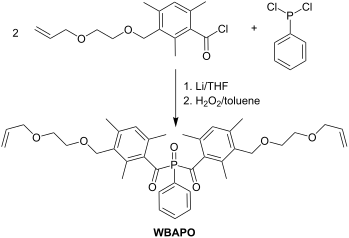
- ground with water-cooled P240-grit SiC followed by P1000-grit SiC abrasive paper to expose the middle dentin of the embedded teeth. After application of the SEA, solvent evaporation, and light activation, a Teflon mould with a cylindrical hole (3.00 mm in diameter and 4 mm in height, Guillotine method

Graphical Abstract

Scheme 1: Bisacylphosphine oxide with improved solubility in polar solvents.

Scheme 2: Etherification of 3-(chloromethyl)-2,4,6-trimethylbenzoic acid and chlorination of 1.

Scheme 3: Rearrangement of 2 under formation of 4.

Scheme 4: Synthesis of WBAPO starting from P,P-dichlorophenylphosphine and 2.

Figure 1: 1H NMR spectra (400 MHz, CDCl3) of BAPO and WBAPO.

Scheme 5: Structure of the main impurity in isolated WBAPO.

Figure 2: UV–vis absorption spectra of WBAPO and CQ dissolved in acetonitrile (10−3 mol/L).

Figure 3: DSC-plot of a mixture of Bis-GMA (42 wt %), UDMA (37 wt %), TEGDMA (21 wt %) and the PI WBAPO or BA...



