


Search results
Search for "Co" in Full Text gives 1218 result(s) in Beilstein Journal of Nanotechnology. Showing first 200.
Nanoglasses: a trail towards uncharted regions of vitreous materials and their properties?
Beilstein J. Nanotechnol. 2026, 17, 1047–1062, doi:10.3762/bjnano.17.72

- construction for heterogeneous equilibria only applies to heterogeneous bulk systems where interface contributions to thermodynamic potentials can safely be neglected [24], as also pointed out already by Gibbs. Below, we discuss how the thermodynamic potentials of nanostructured systems with more than one co
- temperature of single-phase nanocrystals [25][26][27]. In the case of heterogeneous equilibria of nanostructured materials, that is, when two or more phases in a nanostructured system are (meta)stable under given boundary conditions, the excess contributions stemming from the interfaces between those co
- material in shorter times at reduced cost, when compared to deposition from the gas phase, inherent limitations concerning composition selection and purity exist. Often, suitable electrolytes for co-depositing glass-forming alloy compositions are lacking and/or the electrochemical potentials for co


Vibration-induced dynamic structural superlubricity on MoS2/Au(111) under ultrahigh vacuum
Beilstein J. Nanotechnol. 2026, 17, 1039–1046, doi:10.3762/bjnano.17.71

- . acknowledges financial support from the Czech Science Foundation (project 24-12643L) and co-funding by the European Union under the project "Robotics and Advanced Industrial Production" (reg. no. CZ.02.01.01/00/22_008/0004590).


Influence of an external electric field on the catalytic CO oxidation of nanoscaled CeO2 and its La3+ and Gd3+ congeners
Beilstein J. Nanotechnol. 2026, 17, 1028–1038, doi:10.3762/bjnano.17.70
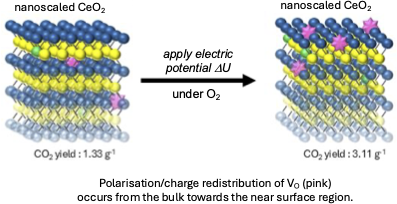
- external electrical field modulates the catalytic activity of nanoscale ceria (nCeO2) towards CO oxidation. Gd3+ and La3+ were doped into the nCeO2 lattice. Such doping influences the concentration and mobility of oxygen vacancies, which are promoting CO oxidation to CO2. When applying an electric
- activity of undoped nCeO2 and 5% Gd3+-doped nCeO2; however, it causes no significant change in CO oxidation capability in 2.5% Gd3+-doped and La3+-doped samples. These findings can be understood considering the applied potential and its influence on the polaron mobility and VO arrangement, which are
- controlled by the underlying oxidic defect structure. Keywords: cerium oxide; CO oxidation; defect structure; doped cerium oxide; electric potential; Introduction Catalytic CO oxidation is a straightforward approach to reduce CO levels. A variety of catalysts have been synthesized and applied to improve


Synthesis and characterization of RF-sputtered ZnTe/Cu2−xTe thin films for solar cell applications
Beilstein J. Nanotechnol. 2026, 17, 1016–1027, doi:10.3762/bjnano.17.69
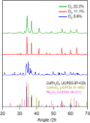
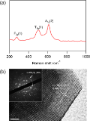
- ) diffractometer with Co Kα radiation (λ = 1.7889 Å). Raman spectra were obtained in a micro-Raman system (Labram, Dilor) with a 20 mW He–Ne laser (λ = 632.8 nm) focused through a 50× objective, resulting in a spot size of approximately 2 µm. Neutral density filters were employed to minimize local heating effects

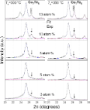


Ultrasonic irradiation in the synthesis of nanohydroxyapatite: a chemically friendly technique for improving hemocompatibility and antibiofilm applications
Beilstein J. Nanotechnol. 2026, 17, 991–1015, doi:10.3762/bjnano.17.68
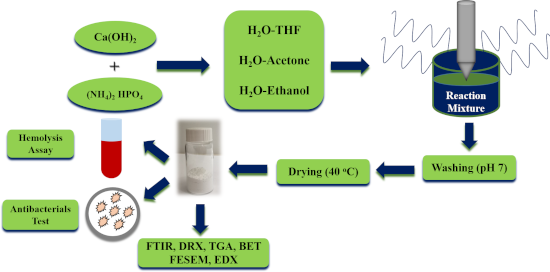
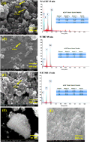
- necessary activation energy to overcome the kinetic barriers for both phases, enabling the co-precipitation of calcite alongside the more thermodynamically stable hydroxyapatite. The proportion of calcite formed increased as the ultrasonic irradiation time progressed from 15 to 60 min. This is evident from
- tetrahydrofuran [67]. Regarding the reaction mechanism, while the fundamental stoichiometric chemical pathway leading to hydroxyapatite precipitation remains identical across all systems, a detailed step-by-step molecular mechanism for each medium is not proposed since the organic co-solvents do not alter the
- dimensions. The introduction of these organic co-solvents significantly alters the dielectric constant of the medium, modifying the solubility and supersaturation kinetics of calcium and phosphate ions. Furthermore, the higher vapor pressures of volatile solvents like THF and acetone compared to ethanol can




Materials challenges in solid-state sensors for continuous monitoring of ions in water
Beilstein J. Nanotechnol. 2026, 17, 935–973, doi:10.3762/bjnano.17.66
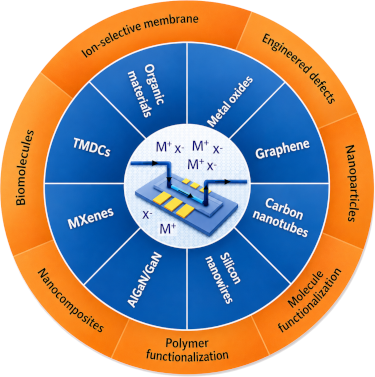
- matrices containing abundant co-ions and natural organic matter; this requires an understanding of unwanted interferences for the system [8][9][10] and smart design, modification, and protection of the active surface according to the system. (ii) Sensitivity, limit of detection (LOD), and dynamic range



Nanocarrier strategies to overcome P-glycoprotein-mediated drug resistance in cancer therapy
Beilstein J. Nanotechnol. 2026, 17, 882–921, doi:10.3762/bjnano.17.64
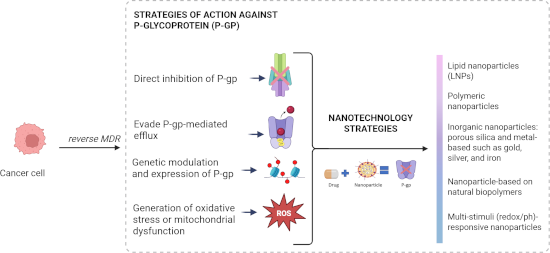
- ) suppression of transporter expression via co-delivery of siRNA, shRNA, or anti-miRNA payloads targeting ABCB1 regulatory pathways. We further discuss advances in nanoplatform engineering, including lipid-based nanoparticles, polymeric micelles, lipid–polymer hybrid systems, and biomimetic carriers designed to
- -resistant prostate cancer (CRPC), P-gp upregulation, operating alongside androgen receptor-mediated survival signaling, which can indirectly modulate ABCB1 expression via transcriptional co-regulatory pathways, contributes to chemoresistance, thereby motivating the development of strategies aimed at
- efficiency. Defects in apoptotic signaling, while downstream of drug–target interaction, can be partially circumvented by nanocarriers co-delivering pro-apoptotic agents alongside cytotoxic agents. These intersections are noted where relevant throughout the review, but mechanistic detail on non-ABCB1


Supramolecular one-dimensional conducting nanofibers from a C3-symmetric tetrathiafulvalene derivative
Beilstein J. Nanotechnol. 2026, 17, 872–881, doi:10.3762/bjnano.17.63
- bromide (anhydrous), lithium hydroxide monohydrate, oxalyl chloride, and pyridine were purchased from Kanto Chemical Co., Inc. 2,6-Diaminopyridine and 1,3,5-benzenetricarbonyl trichloride were purchased from Tokyo Chemical Industry Co., Ltd. (TCI). All reagents were used as received without further
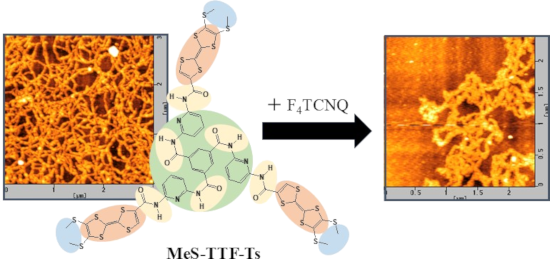
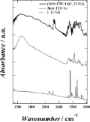
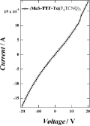
- . Results and Discussion Synthesis The synthetic strategy employed for the preparation of MeS-TTF-Ts in this study is similar to that reported by John D. Wallis and co-workers [50][51]. In the final step, an acylation reaction between compound 7 and compound 8 was carried out (Scheme 1). Formation of


He+ FIBID-fabricated 3D AFM tip architectures: an exploratory study of hollow pillars, helices, and spirals
Beilstein J. Nanotechnol. 2026, 17, 863–871, doi:10.3762/bjnano.17.62
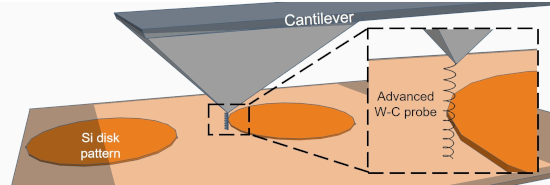
- II), which enabled precise delivery of precursor gases into the processing chamber. To ensure reproducibility and structural fidelity, the He+ FIBID process was governed by the following fabrication parameters: tungsten hexacarbonyl as precursor material, W(CO)6; Tprecursor = 55 °C; GISneedle


Light-driven ammonia electrooxidation via carbon nitride–ruthenium molecular interfaces
Beilstein J. Nanotechnol. 2026, 17, 854–862, doi:10.3762/bjnano.17.61
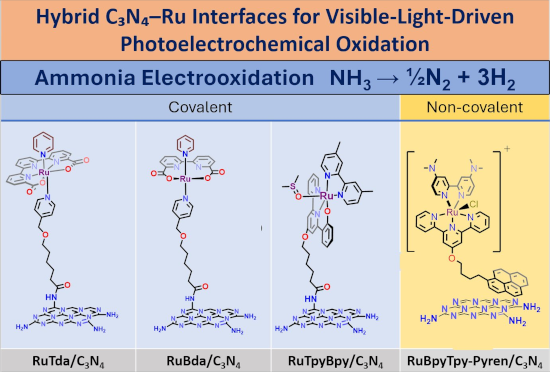
- nitrogen-rich aromatic heptazines contain accessible functional groups, such as primary amines (–NH2) and secondary amines (=NH), thus providing handles for both covalent (e.g. –CO–NH– [15]) and non-covalent (e.g. π–π [16]) attachment of functional molecular guests/appendages [8][12][17]. The C3N4 family
- terpyridine backbone, has been covalently anchored onto triazine-based covalent organic frameworks (COFs) by Llobet and co-workers, achieving photocatalytic water oxidation with a turnover number of 220 and demonstrating that molecular Ru catalysts retain their activity upon surface immobilisation in


Nanoparticle delivery systems for HIV pre-exposure prophylaxis (PrEP): advances and challenges
Beilstein J. Nanotechnol. 2026, 17, 839–853, doi:10.3762/bjnano.17.60
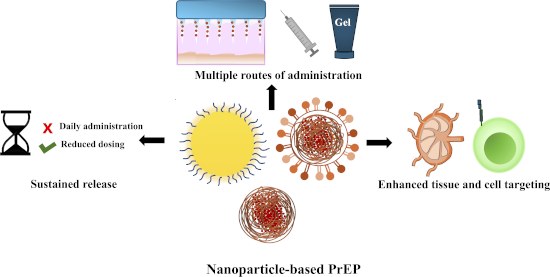
- nanoparticle-based HIV prophylaxis delivery strategies, we have broadly categorized existing platforms into four main categories based on their core material (Figure 1). (1) Polymeric nanoparticles: These nanoparticles are designed from biodegradable polymers such as poly(lactic-co-glycolic acid) (PLGA
- with the CCR5 binding peptide D-Ala-Ser-Thr-Thr-Thr-Asn-Tyr-Thr-NH2 (LBNP-RPV-CCR5) [61]. CCR5 is a co-receptor for HIV entry into host cells that is expressed on the surface of various immune cells, including CD4+ T cells and macrophages. When nanoparticle uptake was tested in monocyte derived
- for HIV treatment and prevention where a combination of ARVs is co-encapsulated in nanoformulations to achieve sustained intracellular and plasma levels, with preferential delivery to HIV target tissues and cells. In the so-called “TLC-ART 101”, TFV, lopinavir (LPV), and ritonavir (RTV) were co


Glycerol photoelectrochemical oxidation reaction at carbon nitrides/BiVO4 materials
Beilstein J. Nanotechnol. 2026, 17, 806–817, doi:10.3762/bjnano.17.57
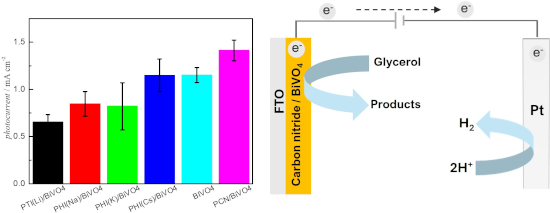
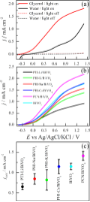
- Charles Garcia da Cunha Isabelle M. D. Gonzaga Cristian Hessel Izadora F. Reis Ivo F. Teixeira Lucia H. Mascaro Elton Sitta Federal University of São Carlos, São Carlos, SP, Brazil 10.3762/bjnano.17.57 Abstract The H2 evolution from water electrolysis can be coupled with co-generation of other





Tuning the electronic properties of defect-rich MoS2
Beilstein J. Nanotechnol. 2026, 17, 796–805, doi:10.3762/bjnano.17.56
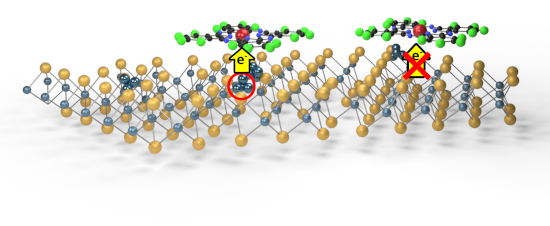
- strong local interactions accompanied by (integer) charge transfer [9]. A convenient side effect of this heterostructure is the strong interaction of the central Co atom of CoPcF16 with many metals such as Au, Ag, Cu, or Ni [11][12][13][14][15][16] such that it can be used as a probe for PES studies of
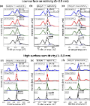
- investigated by XAS and (angle-resolved) PES using an angle-resolved time-of-flight detector (ARTOF). For XAS, the total electron yield of the sample current was measured. The energy resolution for the Co L edges was 263 meV at a photon energy of 790 eV. For photoemission at excitation energies of 900, 500
- sections. Interaction mechanism at the interface between the sputtered MoS2 substrate and CoPcF16 In the case of TMPCs, two distinct interaction channels are possible involving the macrocycle and/or the central metal atom [11]. First, the interaction via the Co atom of CoPcF16 will be examined utilizing


Restorative potential of laser-synthesized silver nanoparticles with Salvia officinalis for periodontal disease treatment: an in vitro study
Beilstein J. Nanotechnol. 2026, 17, 781–795, doi:10.3762/bjnano.17.55
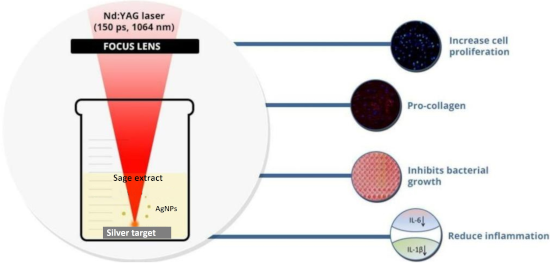
- aqueous sage extract as a stabilizer has not been reported. In the work conducted by Déné and co-workers [8], antifungal properties of sage-synthesized AgNPs were reported; but neither antibacterial effects nor effects on the eukaryotic cells were evaluated, and the synthesis relied on a chemical approach



Interface-engineered Caco-2 cell culture on a collagen-coated liquid–liquid interface in a microfluidic device
Beilstein J. Nanotechnol. 2026, 17, 760–768, doi:10.3762/bjnano.17.53
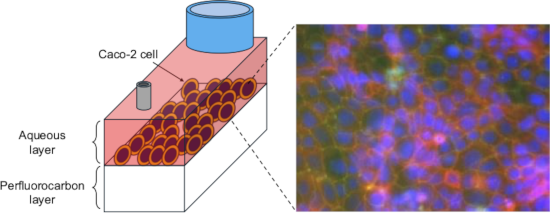
- , offering a novel platform with potential for advanced drug transport studies and co-culture experiments with other cell types. This approach is expected to open new avenues for functional assays, such as transepithelial electrical resistance or drug permeability studies and co-culture experiments with
- Scientific Inc., Waltham, MA, USA), phalloidin (Phalloidin, Red Fluorescent Dye Conjugate, Acti-stain 555, Cytoskeleton, Inc., CO, USA), Hoechst33342 (Hoecst 33342 solution, Dojindo Laboratories, Kumamoto, Japan), PBS (D-PBS(−) (10×), Nacalai Tesque, Inc., Kyoto, Japan), DMEM (DMEM(1×)+GlutaMAXTM-I, Gibco
- existing liquid layer (Figure S8iv). The human large intestinal cancer cell line Caco-2 cells (CACO-2, KAC Co., Ltd., Kyoto, Japan) were harvested and resuspended in culture medium (DMEM/FBS = 9:1) (Figure S8v). A portion of the cell suspension was aspirated using a pipette, and the pipette tip was mounted


Oxidative atmosphere-driven formation of single-phase spinel CuRh2O4 nanofibers for alkaline water oxidation
Beilstein J. Nanotechnol. 2026, 17, 737–743, doi:10.3762/bjnano.17.50
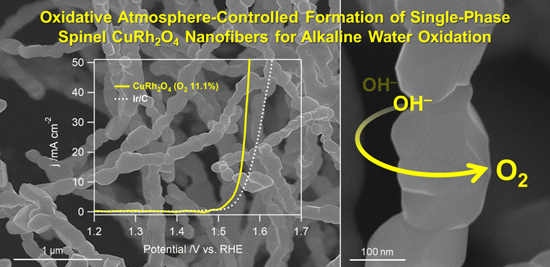
- obtained from Daejung Chemicals (Korea). Commercial Ir/C catalyst (20 wt % metal loading on Vulcan XC-72) was purchased from Premetek Co. (USA). All aqueous solutions were prepared using deionized water (resistivity ≥ 18 MΩ·cm). Synthesis The electrospinning solution was prepared by dissolving Rh and Cu




Environmental applications of silver nanoparticles: state-of-the-art review and emerging trends
Beilstein J. Nanotechnol. 2026, 17, 697–736, doi:10.3762/bjnano.17.49
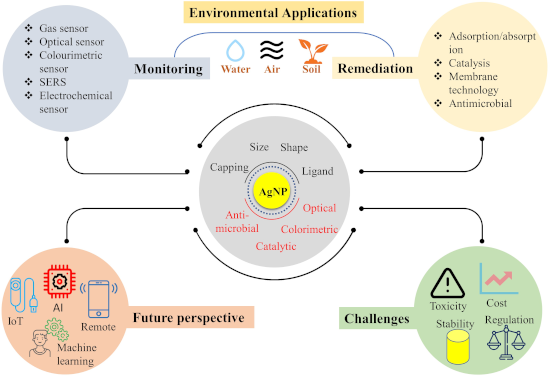
- poses a significant threat to human health and the environment, necessitating the development of efficient and sustainable air purification technologies. The primary air pollutants include particulate matter (PM), gases (CO, NO2, SO2), metals (Pb), PAHs, volatile organic compounds (VOCs), and dioxins
- , or zinc oxide, to enhance their photocatalytic activity and improve the degradation of air pollutants [165][166]. A review article highlighted the role of Ag–CeO2 in catalytic removal of CO, soot, and VOCs via multiple mechanisms [167]. A recent study demonstrated the oxidation of acetone and ozone


Two-step laser synthesis of Ag@TiO2 nanomaterials for the photocatalytic degradation of rhodamine B
Beilstein J. Nanotechnol. 2026, 17, 622–634, doi:10.3762/bjnano.17.43
- for Advanced Laser Techniques (CALT), co-funded by the European Union through the European Regional Development Fund under the Competitiveness and Cohesion Operational Programme (Grant No. KK.01.1.1.05.0001).


Probing tribological evolution in atomically thin MoS2 at different scales
Beilstein J. Nanotechnol. 2026, 17, 586–597, doi:10.3762/bjnano.17.40
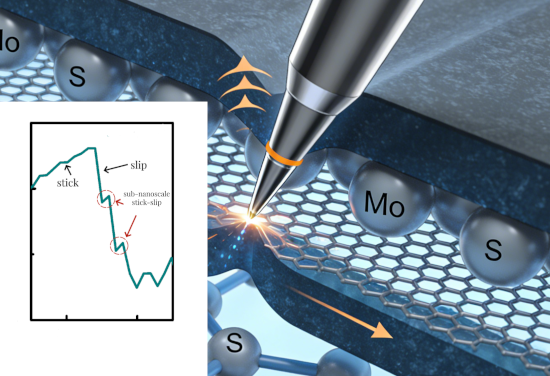
- Xingzhong Zeng Miao Zhang School of Intelligent Manufacturing, Hunan First Normal University, Changsha 410205, China Changsha Denghua Off-Campus Custodial Service Co., Ltd., Changsha, China 10.3762/bjnano.17.40 Abstract Atomic-scale stick–slip motion and the nanoscale strengthening effect are


Synthesis of Cu–Mo/TiO2 and Co–Mo/TiO2 photocatalysts for the efficient degradation of organic pollutants in water
Beilstein J. Nanotechnol. 2026, 17, 559–570, doi:10.3762/bjnano.17.37
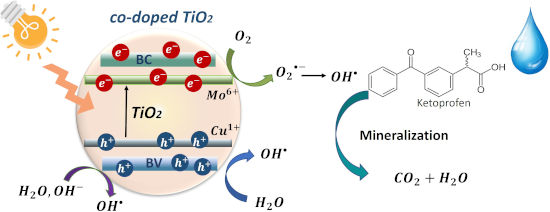
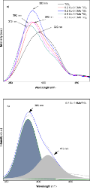
- , Universidad Autónoma de Nuevo León, Ciudad Universitaria, San Nicolás de los Garza, N.L., 66455, Mexico 10.3762/bjnano.17.37 Abstract Co-doped titanium dioxide materials were successfully synthesized by the sol–gel method. Molybdenum was incorporated into all materials at 0.5 wt %, while the co-dopants
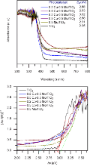
- , copper and cobalt, were added at 0.2–0.5 wt %. The co-doped TiO2 photocatalysts were characterized by XRD, SEM, N2 physisorption, UV–vis diffuse reflectance spectroscopy, and photoluminescence spectroscopy. The structural characterization showed stabilization of the anatase phase, and lattice distortion
- was evidenced after dopant incorporation into the TiO2 structure. Morphological characterization showed poorly defined spherical particles that decreased in size with increasing Cu and Co concentrations. PL spectra showed an additional signal attributed to the ability of the metal dopants to capture



Advances in nanotechnology applied to natural products
Beilstein J. Nanotechnol. 2026, 17, 555–558, doi:10.3762/bjnano.17.36
- stable, isotropic systems composed of oil, water, surfactants, often with a co-surfactant, and typically requiring higher surfactant–co-surfactant concentrations than nanoemulsions [12]. As carriers for essential oils, fixed oils, and other lipophilic natural metabolites, microemulsions can improve
- applications, including cancer therapy, where they may be designed as conventional liposomes or as immunoliposomes functionalized with antibodies or ligands to promote targeted delivery to tumor cells or components of the immune microenvironment [18]. Combining liposomes with natural products and co-loaded
Defects and defect-mediated engineering of two-dimensional materials: challenges and open questions
Beilstein J. Nanotechnol. 2026, 17, 454–488, doi:10.3762/bjnano.17.31
- experiments were able to create extended lattices of CO molecules on Cu(111), whereby, for instance, the surface-state free electron gas could be transformed into an electronic structure mimicking the one of graphene [154]. Also, precise manipulation at large scale (thousands of defects) for vacancies in a





Nanocarrier-integrated multilayer films produced by 3D printing for improved skin adhesion and curcumin photostability
Beilstein J. Nanotechnol. 2026, 17, 440–453, doi:10.3762/bjnano.17.30
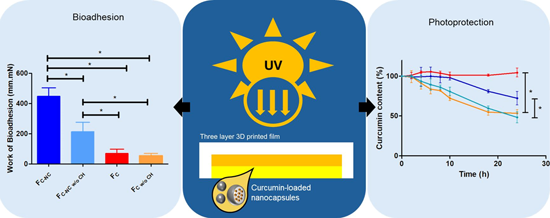
- solubilisation of curcumin in these formulations. Ethanol acts as a co-solvent and can significantly influence hydrogel rheology. Specifically, the reduction in the dielectric constant of the medium promotes intermolecular interactions between polymer chains, leading to a more compact and cohesive polymer


Nanoinformatics: spanning scales, systems and solutions
Beilstein J. Nanotechnol. 2026, 17, 423–427, doi:10.3762/bjnano.17.28
- carrier for other heavy metals such as Cd, Zn, Pb, Co or Ni into the cells – a so-called Trojan Horse mechanism. Using an ensemble learning approach that implements gradient boosting and bagging algorithms, four models were developed (i.e., a random forest, AdaBoost, Gradient Boost, and Extreme Gradient
- in previous studies, demonstrating the power of ML in conjunction with periodic table descriptors to predict co-exposure effects [7]. Further extending the concept of experiment-independent periodic table descriptors, Kar and Yang introduced 3rd-generation periodic table descriptors (i.e., atomic

Biomimetic nanoparticles in cancer photodynamic therapy: a review of targeted delivery systems and therapeutic outcomes
Beilstein J. Nanotechnol. 2026, 17, 396–422, doi:10.3762/bjnano.17.27
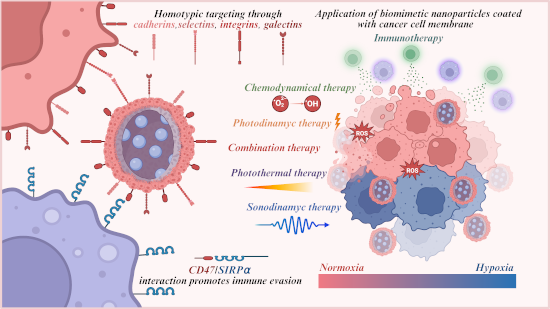
- ). Furthermore, biomimetic platforms can synergize PDT with immunomodulation by promoting immunogenic cell death (ICD) and checkpoint inhibitor co-delivery [14][15][16]. By leveraging biomimicry, these systems seek to overcome biological barriers, increase treatment efficacy, and reduce side effects. This review
- body’s immune response [48]. BNPs utilizing a cell membrane to coat a synthetic core were reported in 2011. These nanoparticles consisted of a poly(lactic-co-glycolic) acid (PLGA) core coated with an outer layer derived from red blood cell (RBC) membranes [49]. It was demonstrated that the presence of
- interaction with target cells [58]. Common techniques include (i) physical co-extrusion, where nanoparticles and membranes are forced through porous membranes to form uniform coatings; (ii) sonication, which uses ultrasonic energy to induce membrane fusion and often favors correct protein orientation; and





