Search results
Search for "UV–vis spectroscopy" in Full Text gives 165 result(s) in Beilstein Journal of Nanotechnology.
Glycerol photoelectrochemical oxidation reaction at carbon nitrides/BiVO4 materials
Beilstein J. Nanotechnol. 2026, 17, 806–817, doi:10.3762/bjnano.17.57
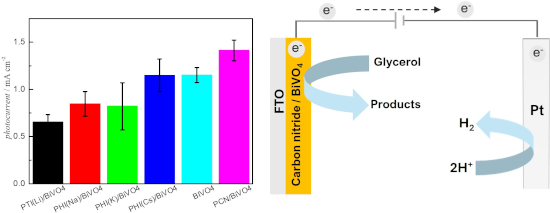
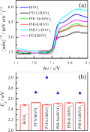
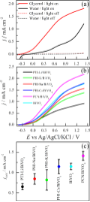
- textile wastewater detoxification. Thus, coupling BiVO4 with PCN appears to be an effective strategy to boost the photocurrent in BiVO4-based systems for the oxidation of organic molecules. Conclusion CN/BiVO4 heterojunctions were successfully synthesized and characterized using UV–vis spectroscopy, SEM




Tailoring Ag–Pt nanoalloys through solid-state dewetting: structural and optical insights
Beilstein J. Nanotechnol. 2026, 17, 748–759, doi:10.3762/bjnano.17.52

- ]. The formation of nanoalloys was verified using UV–vis spectroscopy. This technique is rapid and straightforward, yet sufficiently sensitive to confirm whether alloying at the nanoscale has occurred. In nanomaterials, distinguishing between a nanoalloy and a nanocomposite is often not trivial, as the
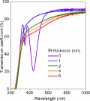
- observations were supported by linear EDS scans on the cross-sections, which confirmed the complete homogeneity of the formed nanostructures. Verification of Ag–Pt nanoalloy formation was also confirmed using the UV–vis spectroscopy method by observing the extinction of the Ag plasmon resonance by the addition
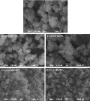
- were studied using UV–vis spectroscopy with a Thermo Fisher Scientific Evolution 220 double-beam spectrophotometer in transmittance mode over the range of 200–1000 nm. AFM image and profile of the as-deposited 4 nm Ag and 4 nm Pt bilayer. a) SEM image of nanostructures obtained by annealing at 650 °C




Decontamination from water pollutants and pathogens by electrospun nanofibers doped with heavy-atom-free borafluorene-BODIPY photosensitizers
Beilstein J. Nanotechnol. 2026, 17, 668–682, doi:10.3762/bjnano.17.46
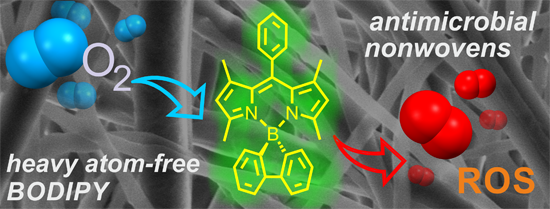
- , and the combined water phase was extracted with CHCl3 followed by UV–vis spectroscopy measurements. Each experiment was repeated four times. Our results show that the average daily BODIPY leaching is below 0.1%, confirming the good compatibility of 1 and PCL. Photoinactivation of microbes Finally, we



Two-step laser synthesis of Ag@TiO2 nanomaterials for the photocatalytic degradation of rhodamine B
Beilstein J. Nanotechnol. 2026, 17, 622–634, doi:10.3762/bjnano.17.43
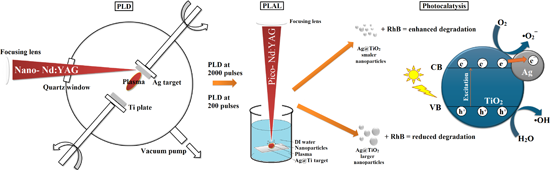
- UV–vis spectroscopy confirmed the formation of nanoparticles with a predominantly anatase TiO2 phase. The synthesized particles exhibited spherical morphology, with average diameters ranging from 97–331 nm for the 200p sample and 86–144 nm for the 2000p sample. The photocatalytic efficiency was
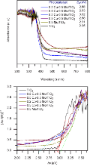
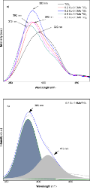
- a state of initial instability. Influence of Ag on the bandgap energy of TiO2 UV–vis spectroscopy was employed to investigate the effect of Ag doping on TiO2 and to determine the bandgaps of both TiO2 and Ag@TiO2 samples. Figure 7a displays the absorption spectra of TiO2 and Ag-modified TiO2 samples
- the RhB concentrations at times t = 0 and t, respectively. UV–vis spectroscopy was employed to observe the photocatalytic degradation of RhB, scanned within the range of 300–700 nm. Figure 8a,b presents the UV–visible absorption spectra of RhB in the presence of the synthesized samples as functions of


Synthesis of Cu–Mo/TiO2 and Co–Mo/TiO2 photocatalysts for the efficient degradation of organic pollutants in water
Beilstein J. Nanotechnol. 2026, 17, 559–570, doi:10.3762/bjnano.17.37
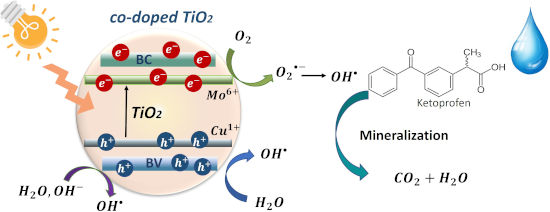
- +) and electrons (ecb−) on the photocatalyst surface. The photocatalytic activity of the prepared materials was determined by the degradation of the ketoprofen aqueous solution with an initial concentration of 10 ppm. Samples were taken at different reaction times and analyzed by UV–vis spectroscopy
- , HPLC, and TOC measurements. Before analysis, all reaction samples were filtered through a 0.22 μm GV cellulose acetate membrane (Millipore Corp. Bedford, MA, USA). Chemical analysis of the reaction samples was carried out by UV–vis spectroscopy in a Shimadzu UV-2600 spectrophotometer. HPLC analysis of
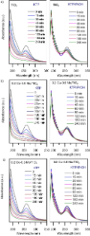
- KTP/iPrOH = with added isopropanol. (KTP initial concentration = 10 ppm, isopropanol = 0.1 M, catalyst weight = 2 g·L−1, V = 200 mL, four UV lamps λmax = 365 nm, O2 flow = 100 mL·min−1, analysis of reaction samples by UV–vis spectroscopy). Cell parameters and crystallite sizes calculated for the co



Upcycling agroindustrial waste into graphene oxide supports for gold nanoparticles: toward sustainable nanomaterials
Beilstein J. Nanotechnol. 2026, 17, 489–504, doi:10.3762/bjnano.17.32
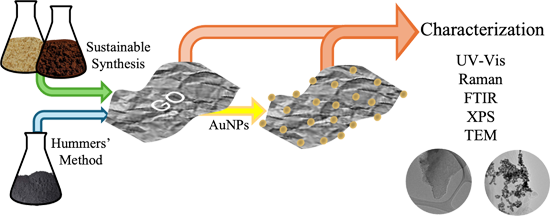
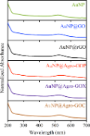
- , ozone-free emission in the 310–450 nm range, λmax = 360 nm) for 60 min under continuous stirring. A purple dispersion was obtained, confirming the formation of AuNPs. Characterization techniques The optical properties of the samples were analyzed by ultraviolet–visible (UV–vis) spectroscopy with a Cary
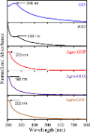
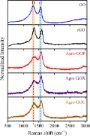
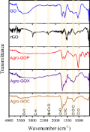
- 0.74 (Agro-GOP), 0.78 (Agro-GOX), and 0.91 (Agro-GOC), which at first glance might suggest fewer defects. However, when interpreted alongside the pronounced blueshift of the π→π* transitions in UV–vis spectroscopy, these lower ratios instead indicate that the sp2 domains are small and highly fragmented
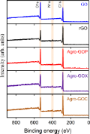
- domains [43][44]. Taken together, the Raman results corroborate the UV–vis spectroscopy analysis by confirming that Agro-GOs possess much smaller and more disrupted sp2 domains than GO. To further elucidate the chemical composition and bonding environments of the samples, XPS was performed. XPS survey


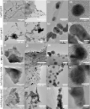

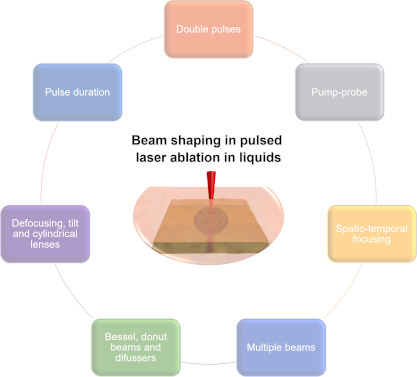
Beam shaping techniques for pulsed laser ablation in liquids: Unlocking tunable control of nanoparticle synthesis in liquids
Beilstein J. Nanotechnol. 2026, 17, 309–342, doi:10.3762/bjnano.17.22
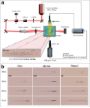
- inductively coupled plasma-based (ICP) techniques (ICP mass spectrometry or ICP optical emission spectroscopy) and atomic absorption spectroscopy, particularly for metallic targets, as they determine the concentration in a representative colloidal aliquot. Complementary methods include UV–vis spectroscopy



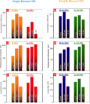




Gold nanoparticle-decorated reduced graphene oxide as a highly effective catalyst for the selective α,β-dehydrogenation of N-alkyl-4-piperidones
Beilstein J. Nanotechnol. 2026, 17, 218–238, doi:10.3762/bjnano.17.15
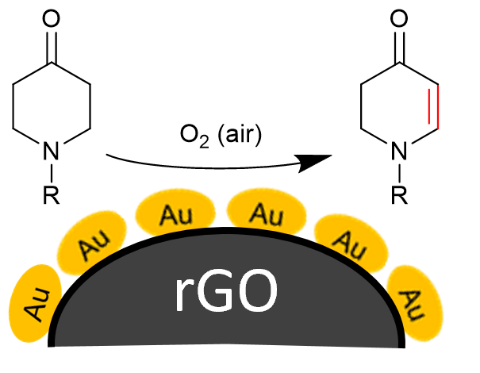
- diffraction (PXRD) (see Supporting Information File 1). An ice-cold solution of sodium borohydride (NaBH4) was added dropwise to an aqueous solution containing KAuCl4 and the sodium salt of SiW9, resulting in the formation of an orange-brown dispersion (Figure 1b). UV–vis spectroscopy revealed the


Functional surface engineering for cultural heritage protection: the role of superhydrophobic and superoleophobic coatings – a comprehensive review
Beilstein J. Nanotechnol. 2026, 17, 63–96, doi:10.3762/bjnano.17.6





Stereodiscrimination of guests in chiral organosilica aerogels studied by ESR spectroscopy
Beilstein J. Nanotechnol. 2025, 16, 2034–2054, doi:10.3762/bjnano.16.140
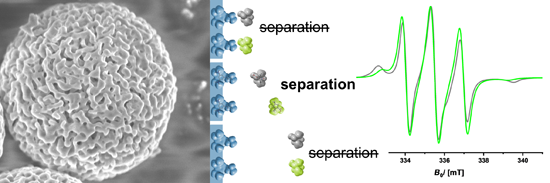
- performed on a Hitachi Regulus SU8200. UV–vis spectroscopy was performed on an Agilent UV–Vis Cary 4000. Supercritical drying was carried out using a SPI-DRY critical point dryer Jumbo. HPLC measurements were performed on a Hewlett Packard 1100 Series. ESR spectroscopy: ESR spectroscopy was performed on a


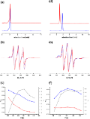


On the road to sustainability – application of metallic nanoparticles obtained by green synthesis in dentistry: a scoping review
Beilstein J. Nanotechnol. 2025, 16, 1851–1862, doi:10.3762/bjnano.16.128
- structural, optical, and chemical properties. FTIR enables the identification of functional groups involved in the reduction and stabilization of nanoparticles, typically derived from phytochemicals in plant extracts used as reducing agents [52][56]. UV–vis spectroscopy is widely employed to monitor


Prospects of nanotechnology and natural products for cancer and immunotherapy
Beilstein J. Nanotechnol. 2025, 16, 1644–1667, doi:10.3762/bjnano.16.116
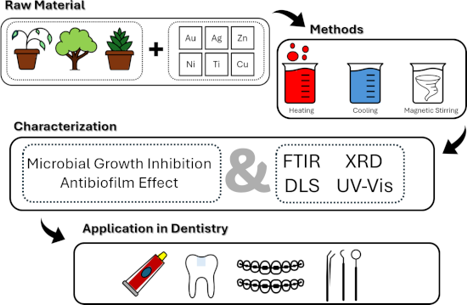
- scattering (DLS), and UV–visible (UV–vis) spectroscopy were used for characterization. The nanoparticles showed increased cellular uptake compared to free PD-L1, suppression of the NF-κB pathway as indicated by reduced PHO-P65 protein expression, and enhanced tumor inhibition due to immune activation and
- cell cycle arrest, regulate oxidative stress, enhance metabolic reprogramming, inhibit invasion and metastasis, and modulate immunity and inflammation [129]. The developed nanoparticles underwent physicochemical characterization by SEM, UV–vis spectroscopy, and encapsulation testing, in which the
- ]. The formulation includes temperature-responsive and non-temperature-responsive amphiphilic molecules (weight ratio of 7:3). UV–vis spectroscopy, TEM, and DLS experiments demonstrated that administration of 14.37 mg·kg−1 of the nanoparticles inhibited lung adenocarcinoma proliferation and migration


Influence of laser beam profile on morphology and optical properties of silicon nanoparticles formed by laser ablation in liquid
Beilstein J. Nanotechnol. 2025, 16, 1533–1544, doi:10.3762/bjnano.16.108
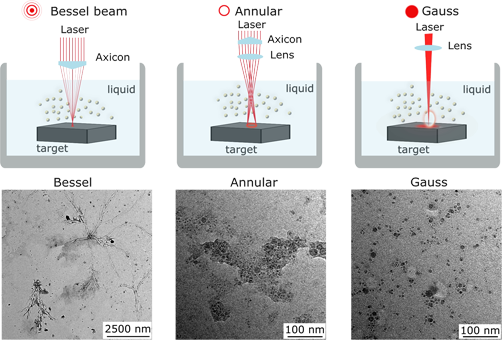
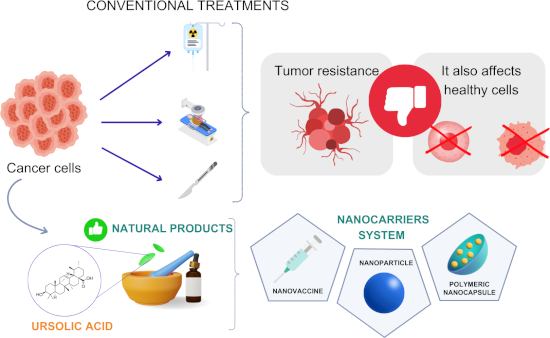
- structure of the formed NPs were analyzed by means of ultraviolet–visible (UV–vis) spectroscopy, high-resolution transmission electron microscopy (HRTEM), selected area electron diffraction (SAED), X-ray diffraction (XRD), and Raman and photoluminescence (PL) spectroscopies. Particle size and morphology
- . Optical characterization The optical properties of Si NPs dispersed in ethanol were investigated using Raman and UV–vis spectroscopy. Initially, Si NPs obtained using Bessel, annular, and Gaussian laser beams were characterized by Raman spectroscopy, and their Raman spectra (vibrational modes) were


Dendrimer-modified carbon nanotubes for the removal and recovery of heavy metal ions from water
Beilstein J. Nanotechnol. 2025, 16, 1522–1532, doi:10.3762/bjnano.16.107

- patterns were recorded on a Shimadzu 6100 X-ray diffractometer in a 2θ range of 10–80°, providing insights into the crystalline structure and phase composition of the CNTs before and after modification. UV–vis spectroscopy was used to monitor adsorption of metal ions by the interaction of dendrimerized
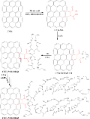


Cross-reactivities in conjugation reactions involving iron oxide nanoparticles
Beilstein J. Nanotechnol. 2025, 16, 1504–1521, doi:10.3762/bjnano.16.106
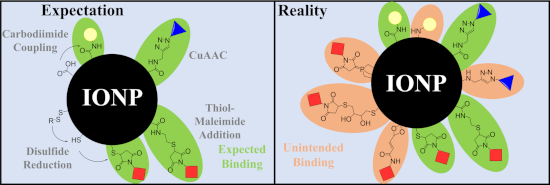
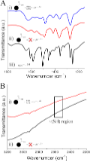
- using UV–vis spectroscopy. Following the CuAAC reaction with Cy5-azide, we immediately see a visible change in the color of the IONPs from brown to deep blue-green (Figure 3B, inset). The UV–vis spectrum of the IONP-PPA CuAAC product (Figure 3B.i) shows two broad peaks at ≈610 and 650 nm, which
- should be detectable directly by UV–vis spectroscopy. Unfortunately, we could not detect binding with any of these dyes (results not shown). All three dyes showed relatively low aqueous solubility, and have their primary amine attached directly to an aromatic ring structure, which may contribute to both
- Information File 1, Figure S3) [64]. To assess any cross-reactivity in the thiol–maleimide Michael addition reaction, we utilized Cy3-maleimide, and relied on UV–vis spectroscopy to detect the binding of Cy3. When reacted with Cy3-maleimide, the IONP-CySH product was noticeably red (Figure 9A, inset







Photochemical synthesis of silver nanoprisms via green LED irradiation and evaluation of SERS activity
Beilstein J. Nanotechnol. 2025, 16, 1417–1427, doi:10.3762/bjnano.16.103
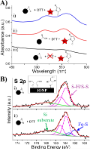
- samples. It can thus be concluded that 72 h is the optimal duration for the transformation of AgNPs into AgNPrs using green LED irradiation, aligning well with the UV–vis spectroscopy results. TEM images of the samples at a magnification of 50,000 after 6, 12, 24, 48, and 72 h of LED irradiation are shown
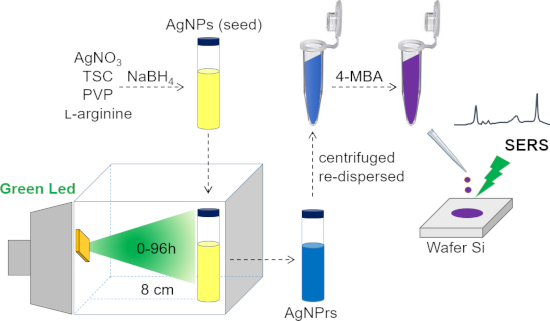
- , 12, 24, 48, and 72 h. During the irradiation process, the color of the solution gradually shifted from pale yellow to green and eventually to blue. Characterization The optical properties of the samples were characterized using UV–vis spectroscopy (Jasco V-670) with a scanning range from 900 to 200


Functional bio-packaging enhanced with nanocellulose from rice straw and cinnamon essential oil Pickering emulsion for fruit preservation
Beilstein J. Nanotechnol. 2025, 16, 1234–1245, doi:10.3762/bjnano.16.91
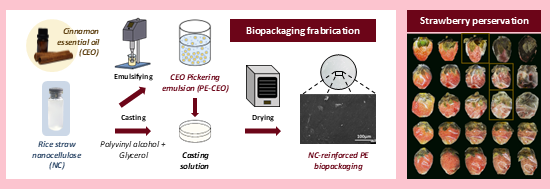
- materials (BP, rBP, and rCBP) was observed using a scanning electron microscope (SEM), model Primas E (US). The samples were coated with Pt for 30 s prior to measurement. Bioactive properties UV absorption. Transparency and UV absorption of the films were determined using UV–vis spectroscopy in the



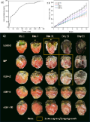
Synthesis of biowaste-derived carbon-dot-mediated silver nanoparticles and the evaluation of electrochemical properties for supercapacitor electrodes
Beilstein J. Nanotechnol. 2025, 16, 933–943, doi:10.3762/bjnano.16.71
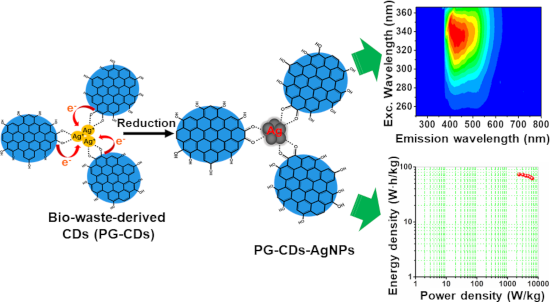
- using UV–vis spectroscopy. Supporting Information File 1, section S1 contains the details of the material characterization techniques. Results and Discussion Plant extract-mediated production of nanoparticles from noble metal precursors are well reported. In the present work, waste P. pinnata leaf


Morphology and properties of pyrite nanoparticles obtained by pulsed laser ablation in liquid and thin films for photodetection
Beilstein J. Nanotechnol. 2025, 16, 785–805, doi:10.3762/bjnano.16.60
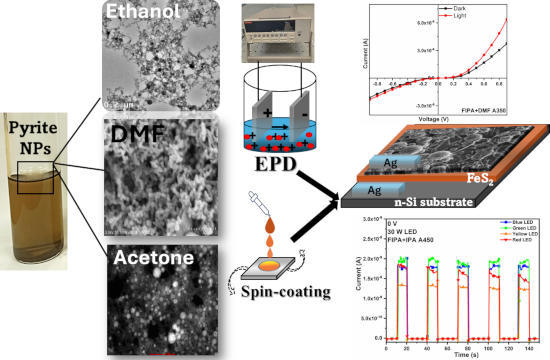
- nanocolloid in this work. The optical properties of nanocolloids and their thin films were evaluated using UV–visible (UV–vis) spectroscopy. The nanoparticle characterization and surface morphology were studied using transmission electron microscopy (TEM), scanning electron microscopy (SEM), and the


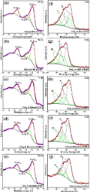




Colloidal few layered graphene–tannic acid preserves the biocompatibility of periodontal ligament cells
Beilstein J. Nanotechnol. 2025, 16, 664–677, doi:10.3762/bjnano.16.51
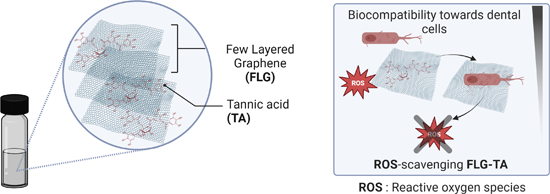
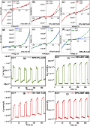
- of graphene confers antioxidant properties The arrangement of TA molecules on graphene layers and their antioxidant effects were analyzed through three experimental methods. The concentration of TA in the FLG suspension was measured using UV–vis spectroscopy, surface composition changes from graphite





Performance optimization of a microwave-coupled plasma-based ultralow-energy ECR ion source for silicon nanostructuring
Beilstein J. Nanotechnol. 2025, 16, 484–494, doi:10.3762/bjnano.16.37

- the transformative impact of nanopatterning through low-energy inert ions. Keywords: optimization of ion current; surface topography; TEM; ultralow-energy ECR-based ion source; UV–vis spectroscopy; Introduction Ion sources serve as fundamental components in numerous scientific and industrial


Graphene oxide–chloroquine conjugate induces DNA damage in A549 lung cancer cells through autophagy modulation
Beilstein J. Nanotechnol. 2025, 16, 316–332, doi:10.3762/bjnano.16.24
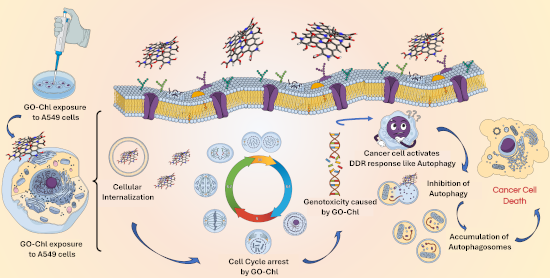
- formation of GO–Chl nanoconjugates was confirmed by investigating the optical, functional, structural, and morphological properties employing standard analytical characterization techniques. The optical properties of GO and GO–Chl were assessed using UV–vis spectroscopy (Supporting Information File 1
- two ways viz. entrapment efficacy (EE, % Chl that has been successfully absorbed onto GO) and % drug content or drug loading efficiency (DLE, amount of Chl loaded per unit weight of GO) using UV–vis spectroscopy. Firstly, a standard calibration curve of Chl was plotted by monitoring the optical
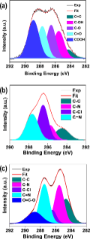
- ), and deconvoluted fitting components (multicolored regions) are also shown here. Quantitative estimation of Chl binding onto GO nanosheets using UV–vis spectroscopy: (a) Optical density measurement of various concentrations (2.5–25 µg/mL) of Chl for the preparation of a standard calibration curve. (b



Fabrication and evaluation of BerNPs regarding the growth and development of Streptococcus mutans
Beilstein J. Nanotechnol. 2025, 16, 308–315, doi:10.3762/bjnano.16.23
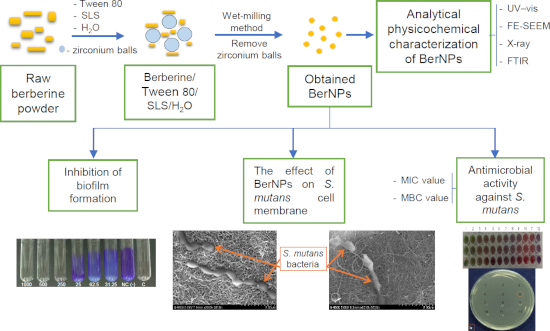
- prepared using a wet-milling method with zirconium balls to enhance bioavailability and expand potential applications. The particle size and physicochemical properties of the BerNPs were analyzed using field-emission scanning electron microscopy (FE-SEM), UV–vis spectroscopy, X-ray diffraction, and Fourier




Preferential enrichment and extraction of laser-synthesized nanoparticles in organic phases
Beilstein J. Nanotechnol. 2025, 16, 254–263, doi:10.3762/bjnano.16.20
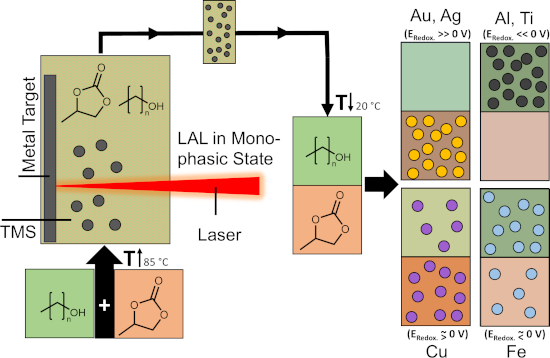
- and the vessel was held in place for two hours. Colloids were characterized by UV–vis-spectroscopy using a Cary 50 spectrometer (Varian Inc.) and further processed by OriginPro. The raw UV–vis extinction spectra were baseline-corrected by subtraction of UV–vis extinction spectra gained from
- nanoparticle-free TMS (Supporting Information File 1, Figure S4c) from the UV–vis extinction spectra of the gained colloids in the respective TMS (Supporting Information File 1, Figure S4a,b). Fractions of the colloids in the respective phases were calculated by dividing the extinctions obtained from UV–vis
- -spectroscopy (Supporting Information File 1, Figure S1 and Figure S5) at the wavelength of the plasmon resonance peak (for Au and Ag) or at the wavelength of 550 nm (for Cu, Fe, Al, and Ti). The extinction at a wavelength of 550 nm for copper was used because the plasmon resonance peaks were not always




Radiosensitizing properties of dual-functionalized carbon nanostructures loaded with temozolomide
Beilstein J. Nanotechnol. 2025, 16, 229–251, doi:10.3762/bjnano.16.18
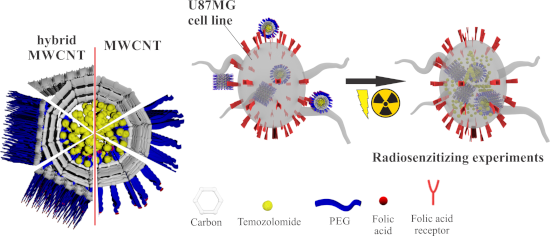
- after exposure to irradiation, X-ray powder diffraction (XRPD) was used. The stability of TMZ under these conditions was determined unsing attenuated total reflectance Fourier-transform infrared (ATR-FTIR) and UV–vis spectroscopy. Most of the procedures and techniques were used in our previous study [43