Search results
Search for "X-ray diffraction" in Full Text gives 588 result(s) in Beilstein Journal of Nanotechnology. Showing first 200.
Synthesis and characterization of RF-sputtered ZnTe/Cu2−xTe thin films for solar cell applications
Beilstein J. Nanotechnol. 2026, 17, 1016–1027, doi:10.3762/bjnano.17.69
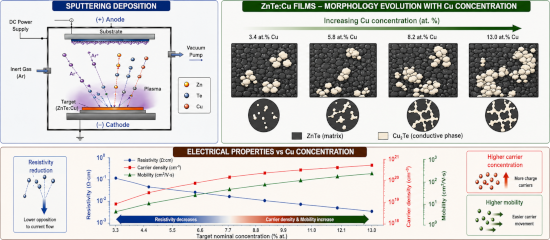
- temperatures of 300 and 350 °C. Energy-dispersive X-ray spectroscopy confirmed controlled compositional transfer from the target to the films. X-ray diffraction analysis revealed that all films are polycrystalline, exhibiting a coexistence of zinc blende and wurtzite ZnTe phases. Low dopant concentrations
- produced only minor lattice modifications, while higher Cu and O contents promoted the formation of Cu2−xTe secondary phases, as confirmed by Raman spectroscopy, grazing-incidence X-ray diffraction and scanning electron microscopy. Optical measurements showed a significant reduction in infrared
- an electronic microanalysis probe (EPMA) JXA-8530F. Multiple measurements were performed on different regions of each sample, and the reported values correspond to averaged compositions obtained using the ZAF correction method. X-ray diffraction (XRD) patterns were acquired using a D/Max-2100 (Rigaku



Ultrasonic irradiation in the synthesis of nanohydroxyapatite: a chemically friendly technique for improving hemocompatibility and antibiofilm applications
Beilstein J. Nanotechnol. 2026, 17, 991–1015, doi:10.3762/bjnano.17.68
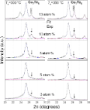
- 60 min of ultrasonic irradiation, respectively, indicating an additional contribution of carbonate groups in both spectra. X-ray diffraction Figure 4 shows the X-ray diffractograms of the nHA obtained from the W/ACET, W/THF, and W/ETOH mixtures at various UI times. Almost all of the diffraction peaks
- ultrasonic irradiation were calcined at 1100 °C in air, and the resulting products were studied using infrared spectroscopy and X-ray diffraction. Complementary to this, a semi-quantitative phase analysis was performed on the XRD patterns to determine the relative calcite content. This estimation was based




Enhanced erosion resistance and radiation stability of WC–WO3 nanocomposite films under 100 keV Kr+ ion irradiation
Beilstein J. Nanotechnol. 2026, 17, 922–934, doi:10.3762/bjnano.17.65
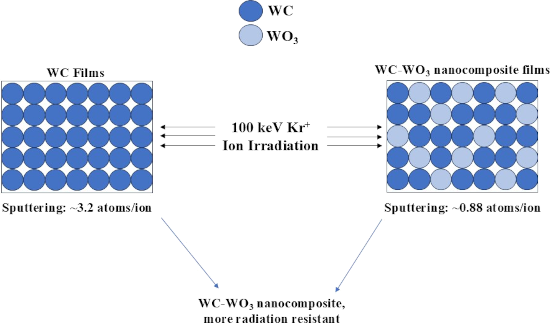
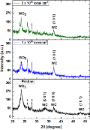
- experimental sputtering trends. Furthermore, preferential sputtering of lower-Z elements (C and O) was observed in both material systems. Glancing incidence X-ray diffraction analysis revealed post-irradiation grain growth in WC–WO3 films, while scanning electron microscopy results show morphological changes
- scattering angle of 165°, with a beam spot size of around 2 mm in diameter. The RBS spectra were analysed using SIMNRA 6.06 software [74]. Further, to find the crystalline state of the nanocomposite films (S1) both before and after irradiation, glancing incidence X-ray diffraction (GIXRD) measurements were



Glycerol photoelectrochemical oxidation reaction at carbon nitrides/BiVO4 materials
Beilstein J. Nanotechnol. 2026, 17, 806–817, doi:10.3762/bjnano.17.57
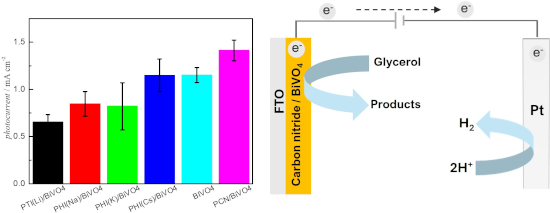
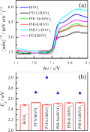
- acetylacetonate at 500 °C for 2 h. The CN/BiVO4 heterojunctions presented bandgap energy values, Eg, similar to pure BiVO4. X-ray diffraction analysis also revealed that the BiVO4 phase was not altered by the presence of the CN. However, scanning electron microscopy analysis coupled to energy-dispersive X-ray
- substrates, the different types of CN were structurally and morphologically characterized. Thermogravimetric (TGA) analysis (Netzsch, 209 F3) was performed from 25 to 800 °C at a heating rate of 10 °C·min−1 under a synthetic air atmosphere. X-ray diffraction (XRD) patterns (XRD, Rigaku Ultima IV 6000) were




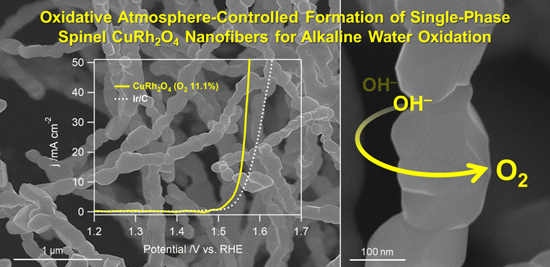
Oxidative atmosphere-driven formation of single-phase spinel CuRh2O4 nanofibers for alkaline water oxidation
Beilstein J. Nanotechnol. 2026, 17, 737–743, doi:10.3762/bjnano.17.50
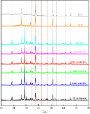
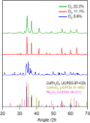
- subsequent annealing process under continuous O2/He flow, as illustrated in Figure 1 (see Experimental section for details). As shown in Figure 2, X-ray diffraction (XRD) analysis was employed to investigate the phase evolution of Cu–Rh oxide nanofibers annealed under different oxidative environments (i.e
- analyzed by X-ray diffraction (MP-XRD; Malvern Panalytical X-ray diffractometer using Cu Kα radiation), Raman spectroscopy (HORIBA, LabRAM HR Evo 800), and angle-resolved X-ray photoelectron spectroscopy (AR-XPS; Thermo Fisher Scientific K-ALPHA XPS, Al Kα radiation at 12 kV). Electrochemical measurements




Environmental applications of silver nanoparticles: state-of-the-art review and emerging trends
Beilstein J. Nanotechnol. 2026, 17, 697–736, doi:10.3762/bjnano.17.49
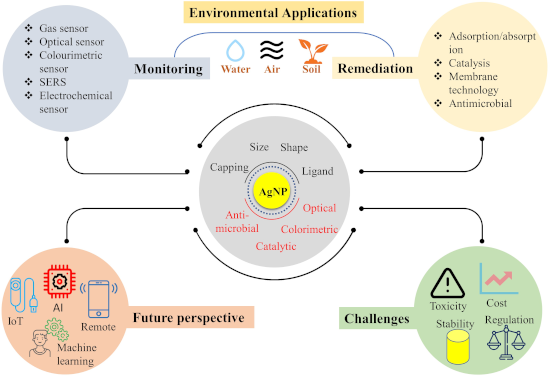
- needed before engineering AgNPs for particular applications. AgNPs are characterised using optical spectroscopy, electron microscopy, X-ray diffraction, and dynamic light scattering (DLS) to measure plasmonic absorbance, size, shape, structure, and stability [49]. Optical spectroscopy is a rapid and
- nanoparticles using carbon or silicon wafers as the primary substrate [49]. The X-ray diffraction pattern reveal that AgNP crystal growth occurs at different facets depending on the NPs [49]. The most common facets include 111, 200, 220, and 311, corresponding to 2θ angles of 38.2°, 44.4°, 64.6°, and 77.5


Electrochemical determination of ciprofloxacin using a MIL-101/reduced graphene oxide-modified electrode
Beilstein J. Nanotechnol. 2026, 17, 541–554, doi:10.3762/bjnano.17.35
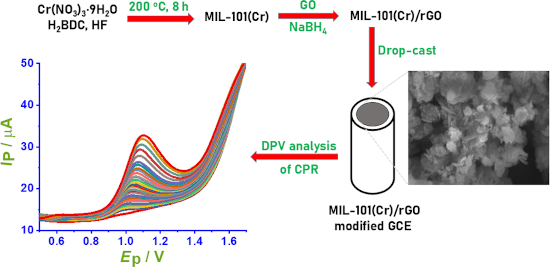
- -101 to GO. For comparison, reduced graphene oxide (rGO) was also prepared using the same reduction process without MIL-101. Equipment The X-ray diffraction analyses were conducted using a D8 Advance Bruker (Germany). Morphology and elemental mapping were measured with a Hitachi S-4800 FESEM (Japan
- reliable and efficient electrochemical sensing platform for CPR detection and shows potential for routine pharmaceutical analysis and related electrochemical sensing research. (a) X-ray diffraction (XRD) patterns of graphene oxide (GO), reduced graphene oxide (rGO), and MIL-101, (b) X-ray patterns of MIL


Upcycling agroindustrial waste into graphene oxide supports for gold nanoparticles: toward sustainable nanomaterials
Beilstein J. Nanotechnol. 2026, 17, 489–504, doi:10.3762/bjnano.17.32
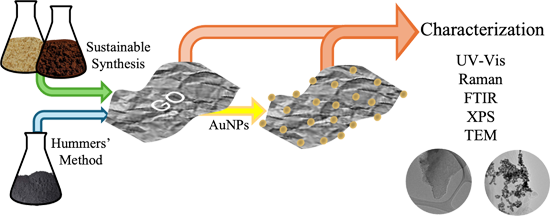
- , and measurements were carried out under a nitrogen atmosphere with a flow rate of 50 mL·min−1. 3 mg of each sample were used for the analysis. X-ray diffraction (XRD) measurements were carried out using a SmartLab RIGAKU diffractometer operating with a Cu anode X-ray source (Cu Kα radiation, λ
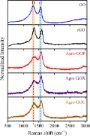
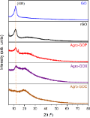
- presence of vacancy-type defects and highly disordered carbon domains. X-ray diffraction patterns of the samples are shown in Figure 7. GO exhibits an intense peak at 2θ ≈ 11.7°, assigned to the (001) reflection of GO and associated with an expanded interlayer spacing (d ≈ 0.76 nm) due to the presence of
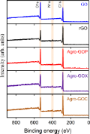
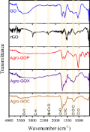
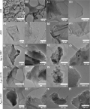
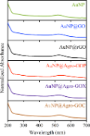
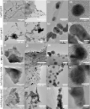
- noted. TEM images of GO-based materials: (a–d) GO, (e–h) rGO, (i–l) Agro-GOP, (m–p) Agro-GOX, and (q–t) Agro-GOC. X-ray diffraction (XRD) patterns of GO, rGO, and agroindustrial waste-derived samples (Agro-GOP, Agro-GOX, and Agro-GOC). Thermogravimetric analysis (TGA) curves of GO, rGO, and



Defects and defect-mediated engineering of two-dimensional materials: challenges and open questions
Beilstein J. Nanotechnol. 2026, 17, 454–488, doi:10.3762/bjnano.17.31





Eco-efficient materials for agricultural crops based on a mineral rich in MOR- and HEU-type zeolites
Beilstein J. Nanotechnol. 2026, 17, 381–395, doi:10.3762/bjnano.17.26
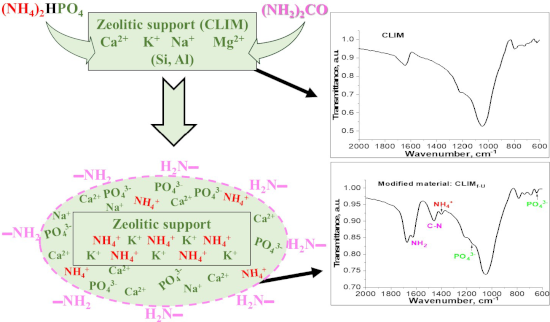
- ) and other elements (Si) important for agricultural crops. Particular attention was paid to the analysis of the interaction of nitrogen and phosphorus species on this complex multiphase zeolitic carrier, applying Fourier-transform infrared spectroscopy (FTIR), X-ray diffraction (XRD), scanning electron
- available space or surface area on this natural zeolite. X-ray diffraction analysis Figure 4 shows X-ray diffraction (XRD) patterns of the materials under study, which evidenced that this natural zeolite (CLIM) is mainly formed by a mixture of HEU (JCPDS Card 25-1349) and MOR (JCPDS Card 11-0155) with
- , the samples were examined by Fourier-transform infrared spectroscopy (FTIR), X-ray diffraction (XRD), scanning electron microscopy (SEM), scanning transmission electron microscopy (STEM), and adsorption measurements based on N2 adsorption isotherms. FTIR spectra were recorded on a Bruker Tensor 27 IR




Fast vortex dynamics and relaxation times in NbRe-based heterostructures
Beilstein J. Nanotechnol. 2026, 17, 292–302, doi:10.3762/bjnano.17.20
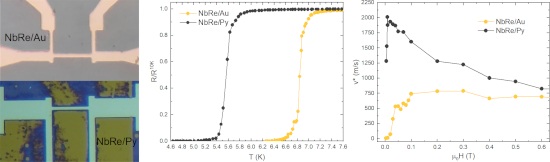
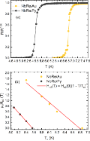
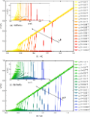
- strongly depend on the microscopic properties of the superconductor and on the degree of electronic disorder [1]. In this context, NbRe has emerged as a promising material that exhibits exceptionally fast vortex dynamics [19]. Extensive structural characterizations performed by X-ray diffraction have shown


Durable antimicrobial activity of fabrics functionalized with zeolite ion-exchanged nanomaterials against Staphylococcus aureus and Escherichia coli
Beilstein J. Nanotechnol. 2026, 17, 262–274, doi:10.3762/bjnano.17.18
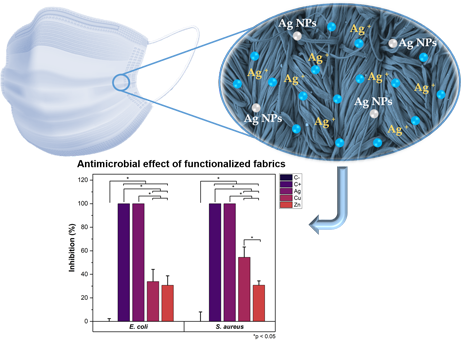
- functionalized textiles. X-ray diffraction XRD patterns of bramante fabrics, composed of 50% cotton and 50% polyester fibers, are shown in Figure 3. The bramante fabrics exhibited a typical cotton cellulose pattern, with three characteristic peaks at 2θ ≈ 14.7°, 16.3°, and 22.4°, corresponding to the
- , transmission electron microscopy (TEM) images were obtained using a JEOL JEM-2200FS (200 kV), and elemental analysis was performed using EDS. The crystalline structure of the modified fabrics was determined by X-ray diffraction (XRD) in a Panalytical AERIS diffractometer using Cu Kα (λ = 1.54184 Å). The
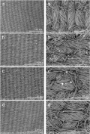
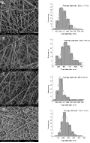
- and (right column) zoomed view. (a) Bramante fabric, (b) Ag/CBV-600-bramante, (c) Cu/CBV-600-bramante, and (d) Zn/CBV-600-bramante. X-ray diffraction patterns of bramante fabric: nonmodified (red line) and modified with nanomaterial (blue line). (A) E. coli growth on LB agar plates on fabrics exposed




Gold nanoparticle-decorated reduced graphene oxide as a highly effective catalyst for the selective α,β-dehydrogenation of N-alkyl-4-piperidones
Beilstein J. Nanotechnol. 2026, 17, 218–238, doi:10.3762/bjnano.17.15
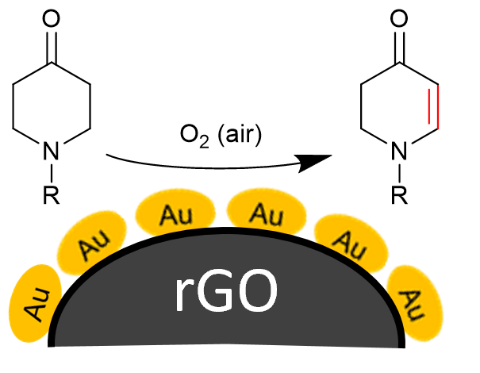
- ) reflection of rGO [39]. The crystallite size of the gold nanoparticles (AuNPs) is determined by X-ray diffraction (XRD) analysis using the Scherrer equation (Equation 1) below. The shape factor k, often referred to as the Scherrer constant, is influenced by several factors, including the crystallites’ shape
- the average size of nanoparticles based on X-ray diffraction data. To verify the gold loading in the Au-SiW9/rGO composite, a carefully weighed aliquot was dissolved in a microwave digestion system using conc. HNO3 (70%) and diluted HCl (5%) for atomic absorption spectroscopy (AAS). The measured gold
- synthesis of Au-Cit, which takes place under hot conditions, the synthesis of Au-SiW9 is performed in the cold at 2 °C to prevent the isomerization of the POM. First, the sodium salt of SiW9 (Na10SiW9O34) was synthesized following a well-established protocol [34] and characterized by powder X-ray


Reduced graphene oxide paper electrode for lithium-ion cells – towards optimized thermal reduction
Beilstein J. Nanotechnol. 2026, 17, 24–37, doi:10.3762/bjnano.17.3
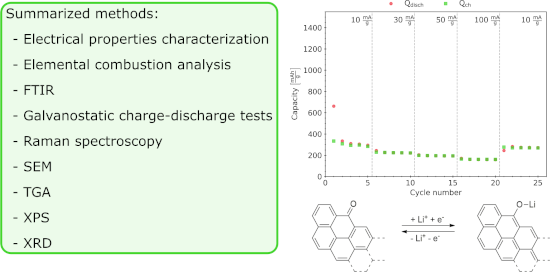
- in the spectra. The data analysis was conducted using PHI MultiPak software (v.9.9.3); the background was removed using the Shirley method. Due to the geometry of the spectrometer, the information depth of this analysis can be estimated at about 5 nm. XRD X-ray diffraction was performed with



Improving magnetic properties of Mn- and Zn-doped core–shell iron oxide nanoparticles by tuning their size
Beilstein J. Nanotechnol. 2025, 16, 2285–2295, doi:10.3762/bjnano.16.157
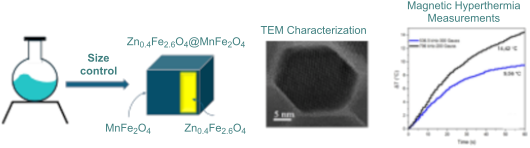
- collected by centrifugation (10,000 rpm, 10 min), washed twice with ethanol, and redispersed in toluene (10 mL) [7]. Characterization methods Structural characterization of the NPs was performed by X-ray diffractometry (XRD) measurements. X-ray diffraction patterns of NPs (Figure S1, Supporting Information
- [dT/dt]t=0 is the derivative function of the temperature at t = 0 (K·s−1). Results and Discussion X-ray diffraction analysis The XRD pattern (Supporting Information File 1, Figure S1) displays sharp and intense peaks characteristic of a well-crystallized material. The most intense peak is located at
- indexed to the (222), (400), (111), and (311) planes of a spinel-type structure, in agreement with the X-ray diffraction (XRD) data (Figure S1, Supporting Information File 1). The presence of the (222) reflection, which is forbidden in XRD for a perfect spinel () due to structure factor constraints, can



Beyond the shell: exploring polymer–lipid interfaces in core–shell nanofibers to carry hyaluronic acid and β-caryophyllene
Beilstein J. Nanotechnol. 2025, 16, 2015–2033, doi:10.3762/bjnano.16.139
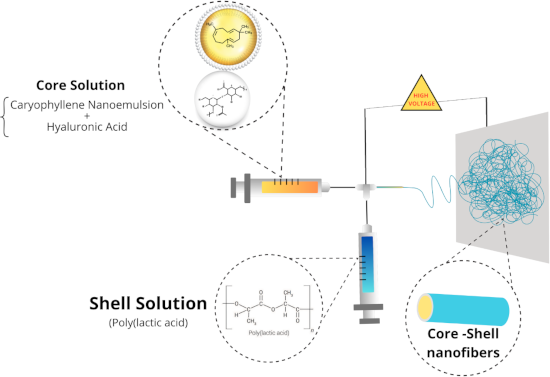
- nanofibers The thermal properties and crystallinity of NF-PLA (monolithic), NF-HA/PLA, and NF-HA+NE2/PLA nanofibers were analyzed using thermogravimetric analysis (TGA), X-ray diffraction (XRD), and differential scanning calorimetry (DSC). Thermal behavior and crystallinity of the nanofibers mats of βCp
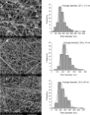
- glass transition temperature (Tg) of PLA and related to enthalpic relaxations in the amorphous regions. X-ray diffraction (XRD) analysis was also performed to compare the crystallinity and characteristic peaks of the produced nanofibers. Figure 9 presents the diffractograms of the NF-PLA, NF-HA/PLA, and
- encapsulation within the PLA shell. An ATR-FTIR spectrometer (Frontier FT-IR/FIR, PerkinElmer, USA) was used to acquire spectra in the range of 4000–600 cm−1 with a resolution of 4 cm−1 and 60 scans. Samples analyzed included monolithic PLA nanofibers, HA/PLA, HA+NE2/PLA, and HA powder. X-ray diffraction XRD




On the road to sustainability – application of metallic nanoparticles obtained by green synthesis in dentistry: a scoping review
Beilstein J. Nanotechnol. 2025, 16, 1851–1862, doi:10.3762/bjnano.16.128
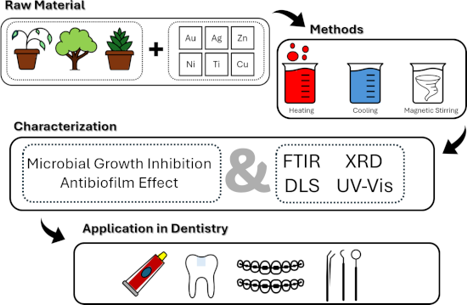
- = 36), ultraviolet–visible spectroscopy (UV–vis, 34.69%; n = 35), and X-ray diffraction (XRD, 25.48%; n = 27). They are among the most commonly used techniques for the characterization of metallic nanoparticles synthesized via green routes due to their complementary abilities to elucidate key


Ambient pressure XPS at MAX IV
Beilstein J. Nanotechnol. 2025, 16, 1677–1694, doi:10.3762/bjnano.16.118
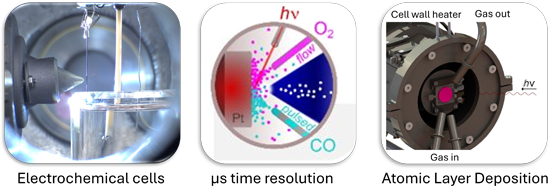
- direction for the future lies in the multimodal integration of APXPS with complementary surface-sensitive and bulk-sensitive techniques. Combining APXPS with vibrational spectroscopies (such as IRRAS and Raman), structural probes (such as X-ray absorption spectroscopy or X-ray diffraction), and mass





Prospects of nanotechnology and natural products for cancer and immunotherapy
Beilstein J. Nanotechnol. 2025, 16, 1644–1667, doi:10.3762/bjnano.16.116

- spectroscopy, TEM, DLS, X-ray diffraction (XRD), and Fourier-transform infrared (FTIR) spectroscopy, revealing a polygonal or oval morphology. To evaluate the antitumor effects, cytotoxicity assays, cellular uptake assays, apoptosis detection, ROS production, qRT-PCR, and Western blotting for gene and protein


Photocatalytic degradation of ofloxacin in water assisted by TiO2 nanowires on carbon cloth: contributions of H2O2 addition and substrate absorbability
Beilstein J. Nanotechnol. 2025, 16, 1567–1579, doi:10.3762/bjnano.16.111
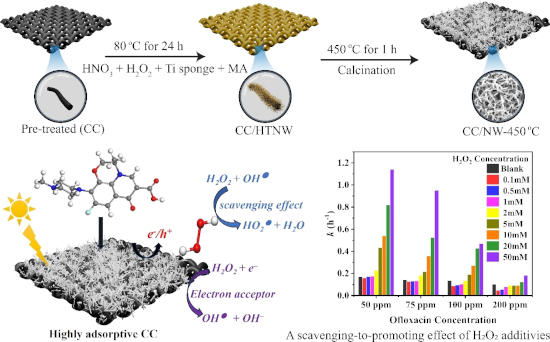
- (HRTEM) conducted with a JEM-2100 microscope (Jeol, Tokyo, Japan). Energy-dispersive X-ray (EDX) elemental mapping was performed using the FESEM system to examine the distribution of Ti and O on the carbon cloth substrate. X-ray diffraction (XRD) measurements were conducted using a SmartLab


Influence of laser beam profile on morphology and optical properties of silicon nanoparticles formed by laser ablation in liquid
Beilstein J. Nanotechnol. 2025, 16, 1533–1544, doi:10.3762/bjnano.16.108
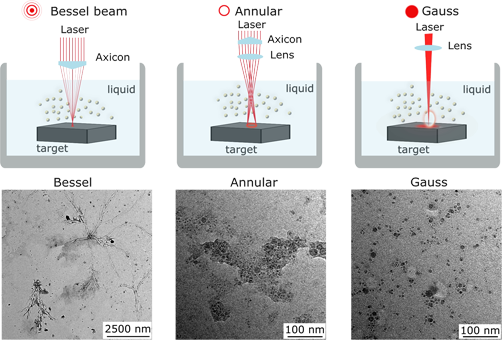
- structure of the formed NPs were analyzed by means of ultraviolet–visible (UV–vis) spectroscopy, high-resolution transmission electron microscopy (HRTEM), selected area electron diffraction (SAED), X-ray diffraction (XRD), and Raman and photoluminescence (PL) spectroscopies. Particle size and morphology


Laser processing in liquids: insights into nanocolloid generation and thin film integration for energy, photonic, and sensing applications
Beilstein J. Nanotechnol. 2025, 16, 1428–1498, doi:10.3762/bjnano.16.104
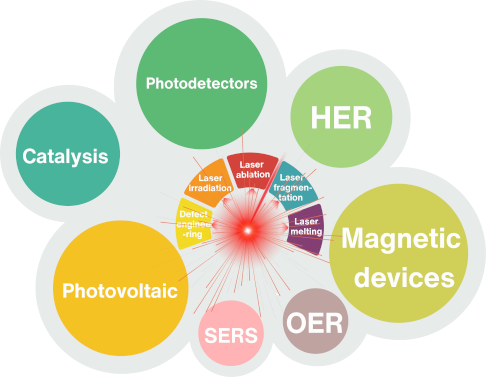
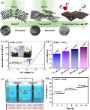
- ]. Figure 10d shows the X-ray diffraction (XRD) measurements of CdS nanoropes. A comparison of spin coating and drop casting for film fabrication on graphene paper was made using Ni/NiO NPs synthesized by LAL. Rutherford backscattering spectrometry measurements revealed that the homogeneity of the NPs was






Photochemical synthesis of silver nanoprisms via green LED irradiation and evaluation of SERS activity
Beilstein J. Nanotechnol. 2025, 16, 1417–1427, doi:10.3762/bjnano.16.103
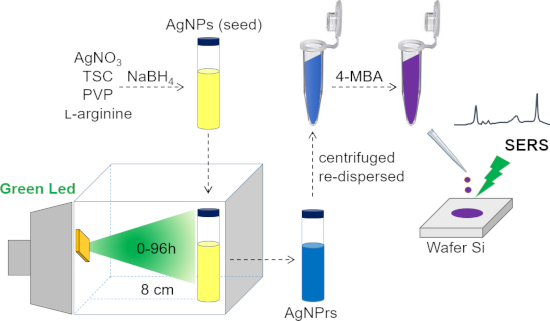
- ± 20 nm) for various periods of time up to 72 h. The growth mechanism was investigated through ultraviolet–visible spectroscopy, field-emission scanning electron microscopy, X-ray diffraction, and transmission electron microscopy analyses, confirming the gradual transformation of spherical seeds into
- performed at an accelerating voltage of 100 kV. The structure of the AgNPrs was analyzed by X-ray diffraction (XRD) using a Bruker D8 Advance instrument equipped with a Cu Kα radiation source (40 kV, 40 mA) at a scanning rate of 4°/min. SERS measurements The SERS properties of the AgNPs and AgNPrs were


Ferroptosis induction by engineered liposomes for enhanced tumor therapy
Beilstein J. Nanotechnol. 2025, 16, 1325–1349, doi:10.3762/bjnano.16.97
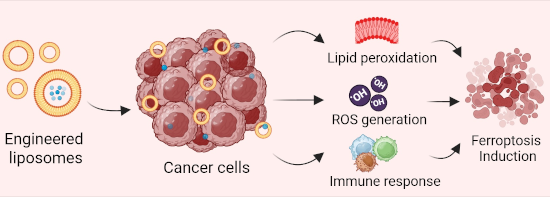
- and 31P NMR are used to evaluate the lamellarity of liposomes, which refers to the number of bilayers of lipids in the vesicles [122]. 31P NMR provides information on membrane fluidity and phase transitions, while cryo-TEM allows for direct observation of the number of lipid bilayers [110]. X-ray
- diffraction, differential scanning calorimetry, and thermogravimetric analysis are used to study the phase behavior of liposomes [122]. These methods play a crucial role in exploring the structural and functional properties of liposomes, which are essential for their successful application in drug delivery


Enhancing the photoelectrochemical performance of BiOI-derived BiVO4 films by controlled-intensity current electrodeposition
Beilstein J. Nanotechnol. 2025, 16, 1289–1301, doi:10.3762/bjnano.16.94
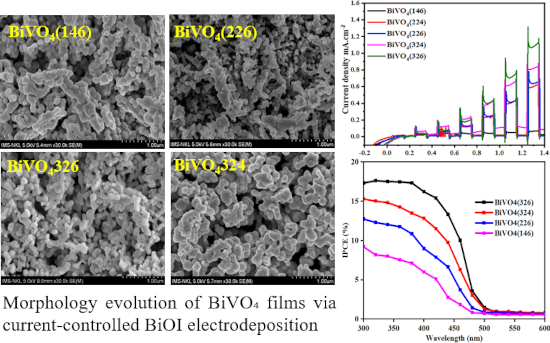
- . Characteristics of materials X-ray diffraction (XRD, Bruker D8 Advance) and Raman spectroscopy (LabRAM Odyssey Semiconductor) were used to analyze the crystal structures of photoanodes. UV–vis absorption spectra were obtained using a Cary 60 spectrophotometer. X-ray photoelectron spectroscopy (XPS, VG ESCALAB250
- analysis (XRD) X-ray diffraction (XRD) measurements were conducted to investigate the crystal structures of the BiVO4 photoanodes under various deposition conditions (BiVO4(146), BiVO4(224), BiVO4(226), BiVO4(324), and BiVO4(326)), as shown Figure 1. The diffraction peaks of all photoanodes matched those