


Search results
Search for "applications" in Full Text gives 1941 result(s) in Beilstein Journal of Nanotechnology. Showing first 200.
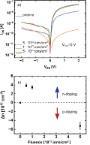
Sustainable fabrication of 2D-based devices through reuse of substrates with microfabricated electrodes
Beilstein J. Nanotechnol. 2026, 17, 818–827, doi:10.3762/bjnano.17.58
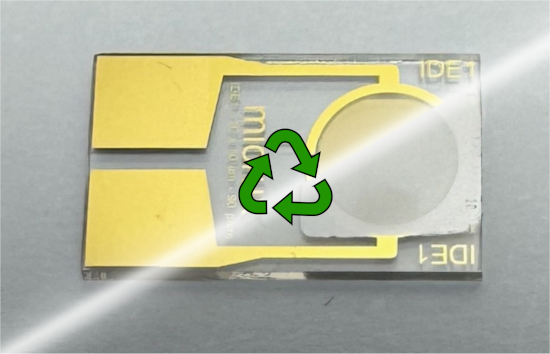
- . Keywords: 2D device fabrication; microfabricated electrode; N-methyl-2-pyrrolidone; substrate reuse; ultrasonic cleaning; Introduction Nanoscience research often needs the fabrication of proof-of-concept devices to demonstrate applications of novel nanomaterials or to study their fundamental properties [1
- and identified optimal techniques that allow for their reuse in electrochemical applications, preserving electrode performance [20]. Furthermore, Fakhr et al. explored cleaning methods for gold electrodes on diverse substrates and found that chemical treatments such as KOH and H2O2 effectively restore
- reducing material waste and enabling repeated use of substrates in epitaxial growth applications [22]. Building on these previous studies, we propose a reliable and reproducible cleaning process for reusing microfabricated substrates with pre-patterned electrodes in 2D materials research. Previous studies


Glycerol photoelectrochemical oxidation reaction at carbon nitrides/BiVO4 materials
Beilstein J. Nanotechnol. 2026, 17, 806–817, doi:10.3762/bjnano.17.57
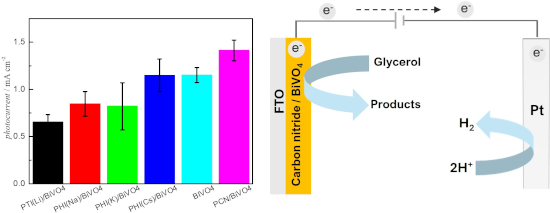
- ; bismuth vanadate; glycerol valorization; heterojunctions; photoelectrochemistry; Introduction Hydrogen production based on sustainable and renewable energy sources (the so-called green-H2) is a promising alternative for energy storage, with potential applications in fuel cells and the chemical industry
- performance in various applications [13][14]. In contrast, crystalline carbon nitrides, namely PHI and PTI, exhibit superior molecular organization, greater stability, and enhanced functional properties. PHI is composed of heptazine units linked through nitrogen bridges, resulting in a pseudohexagonal 2D
- , unlike the neutral PCN, which enhances their interactions with various substrates and expands their potential applications. A key factor in achieving superior crystallinity of PHI and PTI is ionothermal synthesis, where the use of salts facilitates a well-ordered molecular arrangement and minimizes





Tuning the electronic properties of defect-rich MoS2
Beilstein J. Nanotechnol. 2026, 17, 796–805, doi:10.3762/bjnano.17.56
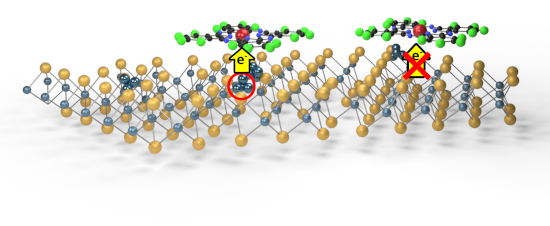
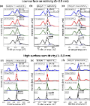
- fabrication of ultrafast photodetectors [4][5]. To tune their electronic structure for such applications, the adsorption of organic molecules is a versatile strategy [6][7], resulting, for example, in dipole-induced doping or (complex) charge transfer [8]. Photoelectron spectroscopy (PES), X-ray absorption


Restorative potential of laser-synthesized silver nanoparticles with Salvia officinalis for periodontal disease treatment: an in vitro study
Beilstein J. Nanotechnol. 2026, 17, 781–795, doi:10.3762/bjnano.17.55
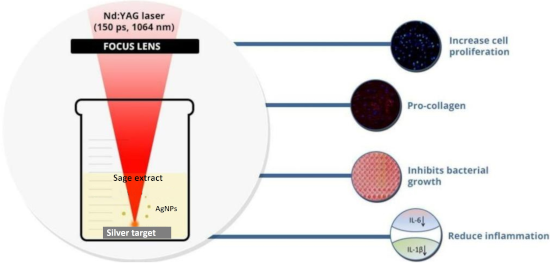
- ; silver nanoparticles (AgNPs); Introduction Synthesis of silver nanoparticles (AgNPs) is a promising nanotechnology with numerous biomedical applications, especially in the field of tissue restoration and regeneration [1]. The most commonly used methods in AgNP synthesis are (i) chemical methods, which
- AgNPs in biomedical applications. PLAL addresses the limitations of both biosynthesis and chemical synthesis by offering a reproducible, contaminant-free method with high reproducibility and size control. Combining laser ablation of a metal target with natural compounds is a unique concept that provides
- aqueous extraction and lyophilization exhibits potent antioxidant, antigenotoxic, and immunomodulatory activities with potential applications in preventing or treating inflammatory conditions [13]. Additionally, we have shown that AgNPs synthesized by PLAL using citrate solution possess antibacterial




Substrate-dependent pore formation in molybdenum disulfide monolayers under ion irradiation
Beilstein J. Nanotechnol. 2026, 17, 769–780, doi:10.3762/bjnano.17.54
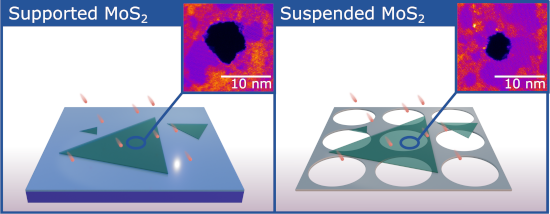
- formation have largely focused on suspended 2D materials [13][25][28][29], practical applications typically require the 2D material to be supported by a substrate. Direct investigation of ion-irradiated supported 2D materials, however, remains experimentally challenging for several reasons. For example


Interface-engineered Caco-2 cell culture on a collagen-coated liquid–liquid interface in a microfluidic device
Beilstein J. Nanotechnol. 2026, 17, 760–768, doi:10.3762/bjnano.17.53
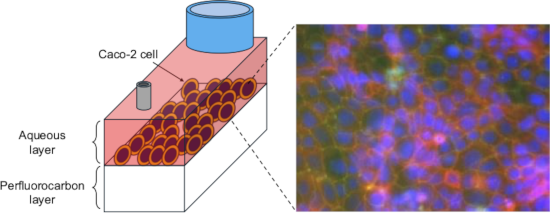
- attractive due to their chemical inertness, immiscibility with aqueous media, and high gas solubility [11], making them well suited for multiphase microfluidic applications. In this study, we propose a novel microfluidic cell culture system by utilizing a collagen-coated liquid–liquid interface that serves


Tailoring Ag–Pt nanoalloys through solid-state dewetting: structural and optical insights
Beilstein J. Nanotechnol. 2026, 17, 748–759, doi:10.3762/bjnano.17.52

- the bulk Ag–Pt system, and provide insight into their structure–property relationships relevant for catalytic and plasmonic applications. Keywords: Ag–Pt alloy; dewetting; nanoalloys; plasmon resonance; thin films; Introduction Nanoalloys in the form of nanostructures exhibit novel and intriguing
- to be thermally activated dewetting of thin metal films deposited on glass or other substrates [9][10][11][12]. This method is noteworthy due to its cost-effectiveness, making it a compelling alternative for various applications. From a thermodynamic perspective, continuous metallic layers with
- to its high gas-absorption capacity, making it highly relevant for catalytic applications. According to phase diagrams, bulk Ag–Pt bimetallic systems exhibit a large miscibility gap at temperatures below approximately 1190 °C, allowing alloy formation only at very high atomic concentrations of either




Superconducting artificial neural networks and quantum circuits
Beilstein J. Nanotechnol. 2026, 17, 744–747, doi:10.3762/bjnano.17.51

- useful for engineering improved qubits for quantum computation [21]. Novel microwave quantum detectors [22], ultra-high-frequency receivers [23], and terahertz-range on-chip oscillators [24] based on superconducting heterostructures demonstrate significant potential for various applications of
- the RM project (G.A. No. O2.02.01) “Nanostructures and advanced materials for applications in spintronics, thermoelectricity and optoelectronics” is gratefully acknowledged. Anatolie S. Sidorenko Chisinau, February 2026
Environmental applications of silver nanoparticles: state-of-the-art review and emerging trends
Beilstein J. Nanotechnol. 2026, 17, 697–736, doi:10.3762/bjnano.17.49
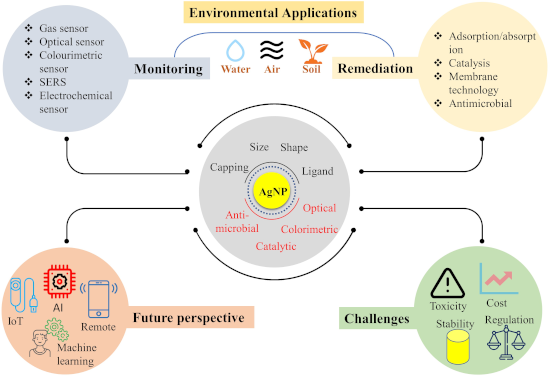
- properties, making them a strong candidate for environmental applications in water, air, and soil. Indeed, various reviews are available, though a significant gap persists in addressing all environmental pollutants. This review comprehensively and critically analyses the advancement in AgNP research spanning
- applications for heavy metal immobilisation, organic pollutant degradation, plant disease management, and growth promotion are assessed alongside their ecotoxicological implications. Besides remediation, environmental monitoring capabilities of AgNP-based sensing platforms are systematically reviewed across
- the responsible, scalable application of AgNP-based technologies to address contemporary environmental challenges. Keywords: AgNPs; air application; environmental pollutants; soil applications; synthesis; water application; Review 1 Introduction Environmental pollution has intensified globally due


Molecular engineering of individual dye-based nanoparticle photostability for ultrabright two-photon fluorescence
Beilstein J. Nanotechnol. 2026, 17, 688–696, doi:10.3762/bjnano.17.48
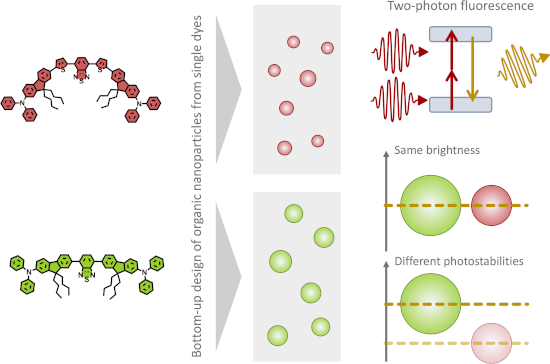
- nonlinear fluorescence microscopy and bioimaging applications. Keywords: bottom-up design; organic nanoparticles; two-photon fluorescence; two-photon microscopy; Introduction Dye-based fluorescent organic nanoparticles (dFONs) are a class of self-stabilized bioimaging probes composed solely of aggregated
- dFONs (including their colloidal stability and surface properties) can be precisely tuned through molecular engineering of specific dye building blocks [1]. dFONs have demonstrated significant potential in bioimaging applications. They have been used as biosensors for various ions [4] and thiols [5], as
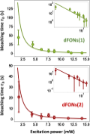
- . Such insights are essential for optimizing fluorophore-based nanoparticles in nonlinear microscopy and other bioimaging applications where brightness and stability must be carefully balanced. Experimental Nanoparticle preparation The synthesis and characterization of the dyes are described in details


Protein-based custom-designed molecular nanotraps for biomedical applications
Beilstein J. Nanotechnol. 2026, 17, 683–687, doi:10.3762/bjnano.17.47
- recognition towards molecular targets of clinical relevance. Envisaged applications span from targeting relevant biomarkers for therapeutics, diagnostics, and in situ sensing to building high-complexity order meta-biomaterials. Keywords: bioMIPs; gelatin methacryloyl (GelMA); meta-biomaterials; molecularly
- imprinted polymers; natural polymers silk fibroin; SilMA; Introduction Molecular recognition is a cornerstone in biomedical nanotechnology; it is pivotal to applications ranging from drug delivery to sequestering and to sensing. Where traditional affinity systems, such as antibodies, fall short for
- biocompatible and non-toxic, de facto meet all the essential requirements for any intended clinical or biomedical applications, while improving sustainability [7][8]. From the concept to the practical aspects, a key question is: How should the choice of the natural biopolymer building blocks for the synthesis

afspm: A framework for manufacturer-agnostic automation in scanning probe microscopy
Beilstein J. Nanotechnol. 2026, 17, 653–667, doi:10.3762/bjnano.17.45
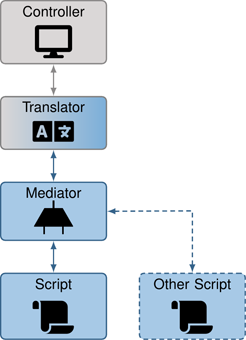
- processes on the computer to communicate with each other; they differ from in-process communication in their generality (being language-agnostic) and their added timing delays (which could be limiting in high-frequency applications). Because this complicates scripts, some manufacturers expose a language





Cellulose as a photocatalyst support material: extraction, structural features, and environmental applications
Beilstein J. Nanotechnol. 2026, 17, 635–652, doi:10.3762/bjnano.17.44
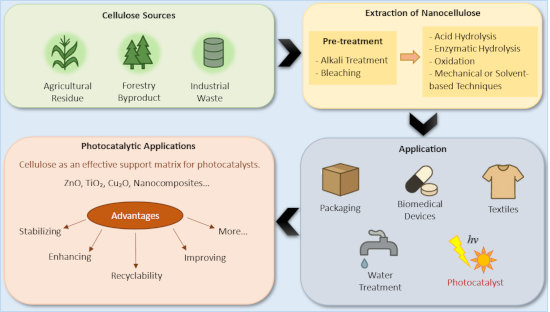
- for cellulose extraction were also explored such as acid hydrolysis, enzymatic hydrolysis, oxidation, and mechanical or solvent-based techniques. Besides that, this review highlights the role of cellulose in photocatalytic applications, where its high surface area, structural porosity, and abundance
- polymers provide distinct advantages such as renewability, biodegradability, and biocompatibility, which make them particularly valuable for biomedical applications. Among polysaccharides, cellulose is the most abundant biodegradable polymer [1]. Many researchers have reported on the extraction of
- exciting possibilities for diverse applications [6]. Extracting cellulose from waste is crucial for its effective use. Several methods exist such as acid hydrolysis [3], enzymatic hydrolysis [8], green solvent-based extraction [9], and ionic liquid treatment [10], where each method has specific advantages


Two-step laser synthesis of Ag@TiO2 nanomaterials for the photocatalytic degradation of rhodamine B
Beilstein J. Nanotechnol. 2026, 17, 622–634, doi:10.3762/bjnano.17.43
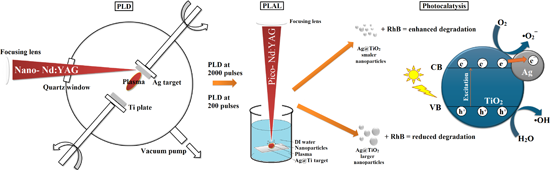
- , extending light absorption toward the visible region [12] and enabling efficient activity under visible light. In sum, laser-synthesized Ag@TiO2 nanoparticles uniquely combine structural purity and optical enhancement, positioning them as superior candidates for solar-assisted photocatalytic applications
- [10][11][12][13][14][15][16][17]. Rhodamine B (RhB, Figure 1) is a synthetic fluorescent dye from the xanthene family, widely utilized across multiple industrial sectors such as textile manufacturing, papermaking, plastic processing, cosmetics, and biomedical applications, due to its vivid color


Recent progress in enhancing built-in electric fields of perovskite solar cells via junction engineering
Beilstein J. Nanotechnol. 2026, 17, 602–621, doi:10.3762/bjnano.17.42




Towards targeted drugs and next generation of nanomedicines
Beilstein J. Nanotechnol. 2026, 17, 598–601, doi:10.3762/bjnano.17.41
- controls available, which were decisive for the development towards clinical use. Last but not least, the field of nanosafety/nanotoxicology has set focus on the importance of counterbalancing the benefits and risks of the use of nanomaterials for potential clinical applications. Hence, while the first
- conventional drugs, one factor which is still limiting nanomedicine efficacy is their targeting capacity, especially in applications requiring extra-hepatic delivery. In fact, upon administration, most nanomaterials are sequestered by the liver, and only a small fraction of the injected nanoparticles reaches
- , enabling targeting to either the liver, the lung, or the spleen [30]. While stimuli-responsive nanomedicines and endogenous targeting are investigated as potential new strategies to achieve targeting, other research topics focus on alternative administration routes for specific applications, such as
Impacts of annealing on structural and photophysical properties of zinc phthalocyanine adsorbed on graphene
Beilstein J. Nanotechnol. 2026, 17, 576–585, doi:10.3762/bjnano.17.39
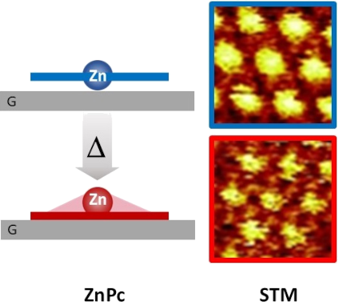
- ), a well-known family of organic semiconductors, have been the subject of intensive research [15]. This family of molecules offers many advantages for industrial applications such as nontoxicity, thermal and chemical stability, and strong optical absorption [16][17]. It has also become a paradigm in


Laser–material interactions in liquids for the synthesis of nanomaterials: current status and perspectives
Beilstein J. Nanotechnol. 2026, 17, 571–575, doi:10.3762/bjnano.17.38
- , functional applications often require incorporation of additives for size control [44], enhanced colloidal stability [45], or specific surface functionalization [46]. For example, the use of scavengers to capture reactive species can influence nanoparticle size [47] and increase productivity [48
- processing parameters has enabled a wide range of applications [53]. These include catalysis [54] (e.g., for oxygen [55] and hydrogen evolution reactions [56] in hydrogen production), sensing (e.g., surface-enhanced Raman spectroscopy [51] for detection of pollutants and optical sensing of glucose [57
- ]), generation of soft magnets for magnetocaloric applications [58], fabrication of photodetectors [59], nanoscale agents for photodynamic [60] and neutron capture therapy [61], incorporation of nanoparticles into solar cells [62], light-harvesting nanofluids [63], and materials with enhanced mechanical [64] or
Synthesis of Cu–Mo/TiO2 and Co–Mo/TiO2 photocatalysts for the efficient degradation of organic pollutants in water
Beilstein J. Nanotechnol. 2026, 17, 559–570, doi:10.3762/bjnano.17.37
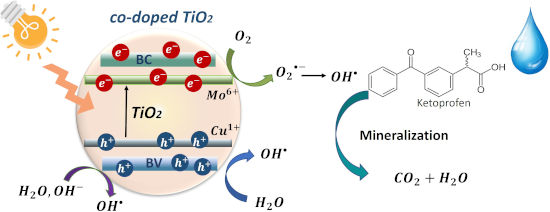
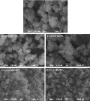
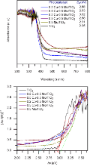
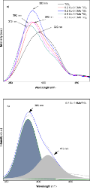
- most organic compounds [2]. Among AOPs, TiO2 photocatalysis is one of the most viable environmental technologies due to its low cost and the stability of TiO2. Limitations of TiO2 in photocatalysis applications come from rapid charge recombination and the wide bandgap [3]. Various strategies have been



Advances in nanotechnology applied to natural products
Beilstein J. Nanotechnol. 2026, 17, 555–558, doi:10.3762/bjnano.17.36
- , hybrid, and inorganic platforms, reflecting the interdisciplinarity of the field, from nanosystem synthesis and physicochemical characterization to biomedical, pharmaceutical, cosmetic, and environmental applications. Among the nanostructures, lipid-based carriers, including nanoemulsions, microemulsions
- formulated as oil-in-water (O/W) or water-in-oil (W/O) systems [3]. These carriers have been widely used to deliver natural products, particularly essential or fixed oils and their isolated constituents, for a wide range of applications. In this thematic issue, contributions examine nanoemulsion-based
- mediators with nanoemulsified oils than with the corresponding unprocessed ones (in natura) [7][8]. In this collection, contributions explore the applications of these formulations in the context of local edema and ocular inflammation. Beyond anti-inflammatory applications, nanoemulsions containing natural
Electrochemical determination of ciprofloxacin using a MIL-101/reduced graphene oxide-modified electrode
Beilstein J. Nanotechnol. 2026, 17, 541–554, doi:10.3762/bjnano.17.35
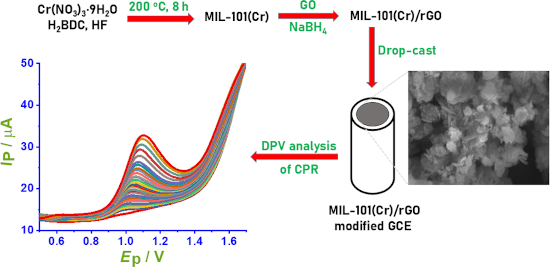
- results from both figures confirm the successful formation of MIL-101/rGO composites. This structural combination is beneficial for electrochemical applications because rGO improves electrical conductivity and promotes charge transfer. The Raman spectra of GO, rGO, MIL-101, and the MIL-101/rGO composites


Fractional shot noise of an SU(N) Kondo system
Beilstein J. Nanotechnol. 2026, 17, 515–540, doi:10.3762/bjnano.17.34
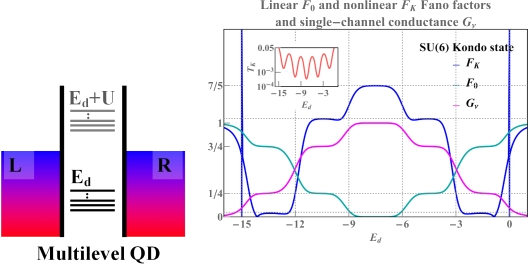
- both fundamental physics and potential quantum information applications, detection, and sensing [1][2][3][4]. To achieve these goals, the increasing ability to manipulate quantum states is crucial. As electrons are confined in fewer dimensions and as the size of the dot decreases, the charging energy
- understanding a large variety of intricate many-body problems. Potential applications are also relevant. Let us just mention a few: The Kondo effect can be used, for example, as conductance control mechanism [5][17], in probing magnetic interactions [18], or, when polarized electrodes are connected, also for
- degeneracy. From the perspective of potential applications, it is important that the Anderson SU(N) model can be realized in a controlled way in various nanoscopic structures [37][38] and in correlated cold atomic gases [39][40]. A proposal of the SU(6) Kondo effect for a QD structure can be found in [39


![[Graphic 127]](/bjnano/content/inline/2190-4286-17-34-i187.svg?max-width=637&scale=1.18182)

Upcycling agroindustrial waste into graphene oxide supports for gold nanoparticles: toward sustainable nanomaterials
Beilstein J. Nanotechnol. 2026, 17, 489–504, doi:10.3762/bjnano.17.32
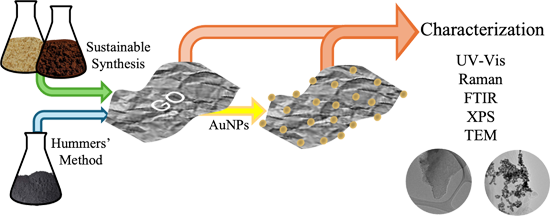
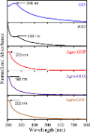
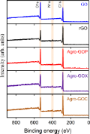
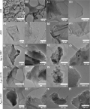
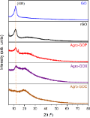
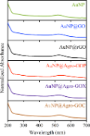
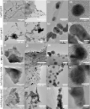
- -related applications. The results reveal that Agro-GO exhibits tunable oxidation levels, diverse surface functionalities, and morphologies comparable to those of conventional GO; these properties strongly depend on the type of agroindustrial waste precursor used. These findings demonstrate the feasibility
- ; hybrid nanocomposites; plasmonic nanomaterials; surface functionalization; Introduction Graphene oxide (GO), due to its unique physicochemical properties, is widely explored regarding a range of applications, including sensors, water purification, and energy storage and conversion [1][2][3][4][5]. GO is
- scaled up for industrial applications. In this context, there is an urgent need to develop sustainable methods for producing GO-based materials. Alternative approaches such as electrochemical exfoliation, green oxidation processes, hydrothermal treatment, and pyrolysis have emerged as more eco-friendly





Defects and defect-mediated engineering of two-dimensional materials: challenges and open questions
Beilstein J. Nanotechnol. 2026, 17, 454–488, doi:10.3762/bjnano.17.31
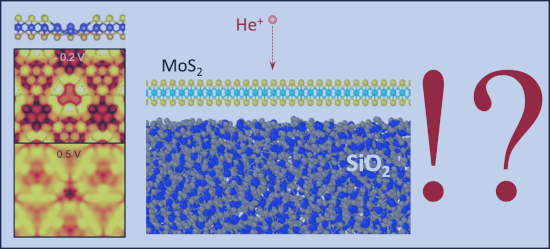
- -mediated engineering of nanomaterials for energy and quantum applications” organized by the Beilstein-Institut. Following the discussions at the symposium, here, we present the challenges and open questions in our understanding of the behavior of defective 2D materials, interaction of energetic particles
- engineering of nanomaterials for energy and quantum applications”, organized in Rüdesheim, Germany, by the Beilstein-Institut [38]. Following the symposium, in this article, we discuss the challenges and open questions, in our understanding, of the behavior of defective 2D materials, interaction of energetic
- them to be deep acceptors. In addition, chalcogen vacancies in TMDs are readily passivated by oxygen in air [51][140]. Can magnetic moments of individual defects be measured? Solid-state spin defects have emerged as essential building blocks for quantum communication and sensing applications [141]. In





Nanocarrier-integrated multilayer films produced by 3D printing for improved skin adhesion and curcumin photostability
Beilstein J. Nanotechnol. 2026, 17, 440–453, doi:10.3762/bjnano.17.30
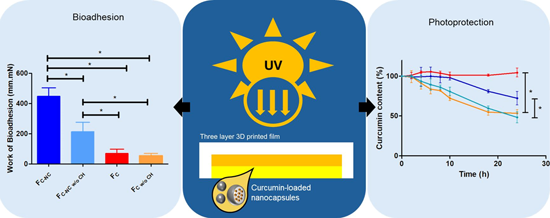
- tailored to the requirements of specific applications, such as the production of films intended to promote skin healing [7][8]. Although topical films can be an effective option for facilitating skin repair and wound healing, they must be carefully manufactured to maintain optimal moisture levels, which
- derived from Curcuma longa (turmeric) with well-documented biological activities [15][16], including properties that may be advantageous for skin-healing applications. For example, curcumin exhibits strong anti-inflammatory activity through inhibition of nuclear factor kappa B (NF-κB) signalling, as well
- for incorporation into topical dosage forms such as emulsions, fibres, films, and hydrogels for wound-healing applications. However, curcumin also exhibits low aqueous solubility, which limits its use in certain formulations [18]. Nanoparticles have the potential to overcome this limitation, as they





