Search results
Search for "aqueous solutions" in Full Text gives 215 result(s) in Beilstein Journal of Nanotechnology. Showing first 200.
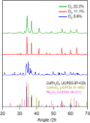
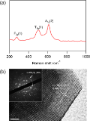
Oxidative atmosphere-driven formation of single-phase spinel CuRh2O4 nanofibers for alkaline water oxidation
Beilstein J. Nanotechnol. 2026, 17, 737–743, doi:10.3762/bjnano.17.50
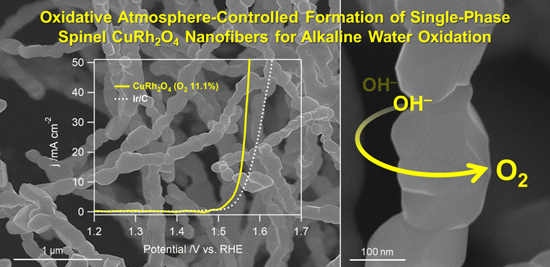
- obtained from Daejung Chemicals (Korea). Commercial Ir/C catalyst (20 wt % metal loading on Vulcan XC-72) was purchased from Premetek Co. (USA). All aqueous solutions were prepared using deionized water (resistivity ≥ 18 MΩ·cm). Synthesis The electrospinning solution was prepared by dissolving Rh and Cu




Decontamination from water pollutants and pathogens by electrospun nanofibers doped with heavy-atom-free borafluorene-BODIPY photosensitizers
Beilstein J. Nanotechnol. 2026, 17, 668–682, doi:10.3762/bjnano.17.46
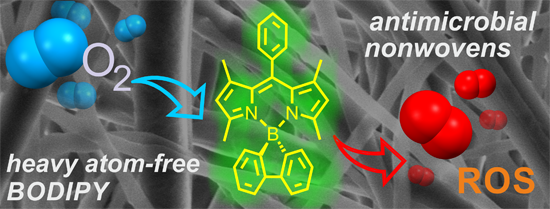
- emission was measured using a thermoelectrically cooled NIR-PMP unit (Hamamatsy, wavelength range 950–1650 nm) integrated in the FS5 spectrofluorometer. Photocatalytic degradation of API Vials containing 1.5 mL of aqueous solutions of APIs (c = 1.05 mg·mL−1), tetrabutylammonium bromide (TBAB, c = 0.64

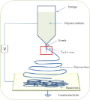
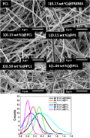


Two-step laser synthesis of Ag@TiO2 nanomaterials for the photocatalytic degradation of rhodamine B
Beilstein J. Nanotechnol. 2026, 17, 622–634, doi:10.3762/bjnano.17.43
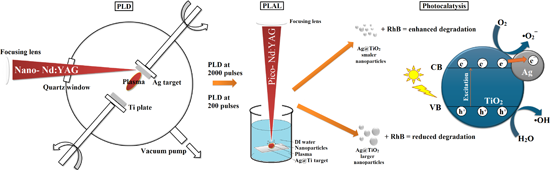
- removal of RhB dye from aqueous solutions using the Ag@TiO2 200p and Ag@TiO2 2000p samples, pseudo-first order and pseudo-second order kinetic models were utilized (Equation 4 and Equation 5, respectively). where k1 is the first order rate constant, k2 is the second order rate constant and c0 and c are


Eco-efficient materials for agricultural crops based on a mineral rich in MOR- and HEU-type zeolites
Beilstein J. Nanotechnol. 2026, 17, 381–395, doi:10.3762/bjnano.17.26
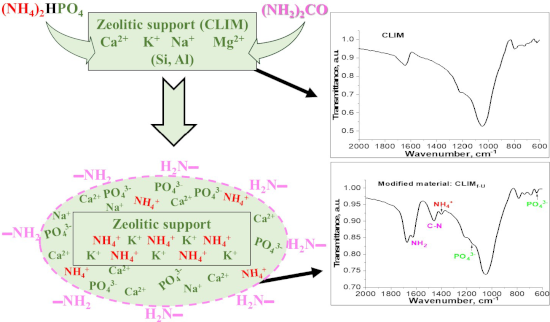
- -heulandite (HEU), modified with aqueous solutions of ammonium hydrogenphosphate (DAP) and urea to develop materials carrying essential nutrients (N, P, K) and other elements (Si) important for agricultural crops. The presence of phosphate ions adsorbed on the zeolitic support, ammonium cations mainly
- %) of ammonium hydrogenphosphate (DAP with 18% N and 46% P) for 24 h, and then with aqueous solutions of urea with different molar concentrations (0.5, 1.0, 2.0, and 5.0 mol/L) and contact time (4, 8, 12, and 24 h) using a solid/liquid ratio of 1 g/10 mL and agitation on a shaker with horizontal




Optical bio/chemical sensors for vitamin B12 analysis in food and pharmaceuticals: state of the art, challenges, and future outlooks
Beilstein J. Nanotechnol. 2025, 16, 2207–2244, doi:10.3762/bjnano.16.153
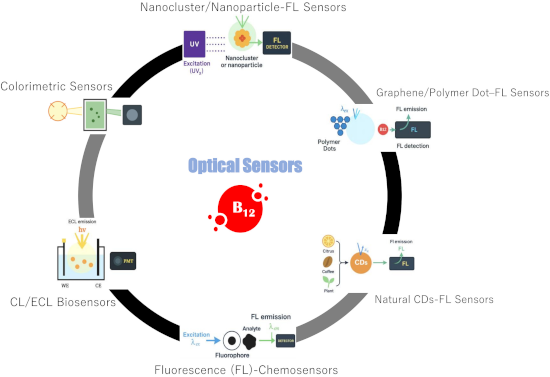
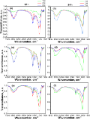
- ions within aqueous solutions of acetonitrile, TSNCS visibly shifted from colorless to dark yellow, enabling instant and accurate determination with low LODs for Ni2+ (0.0114 μM) and Co2+ (0.0168 μM). This study also successfully applied paper strips coated with TSNCS for swift ion detection in water


Ultrathin water layers on mannosylated gold nanoparticles
Beilstein J. Nanotechnol. 2025, 16, 2183–2198, doi:10.3762/bjnano.16.151
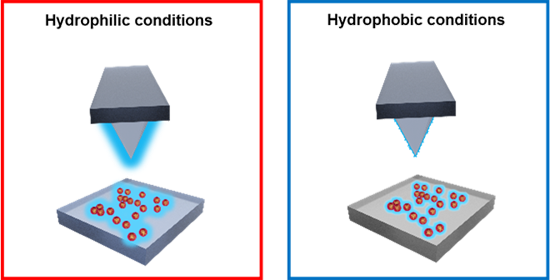
- here limit to the case of complete dehydration) (Table 1). DLS usually gives higher particle sizes due to the hydration layer [39][40], which slows the diffusion of NPs in aqueous solutions, especially our hydrophilic NPs. We suggest two possible explanations. First, the dimannose residues could be
- (99.5%) was obtained from Acros (Belgium) and absolute ethanol (99%) from Panreac (Spain). Aqueous solutions of dimanno-AuNPs and PEG AuNPs were kindly provided by the Bio Nano Plasmonics Lab at CIC Biomagune (San Sebastián, Spain). Water was of ultrapure quality (Milli-Q, 18.2 MΩ·cm, <10 ppb total



Exploring the potential of polymers: advancements in oral nanocarrier technology
Beilstein J. Nanotechnol. 2025, 16, 1751–1793, doi:10.3762/bjnano.16.122
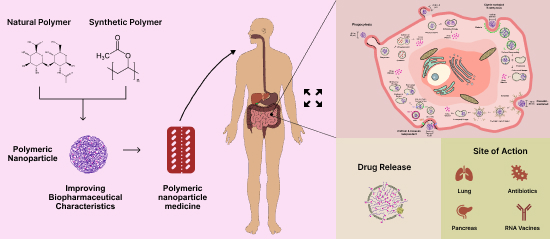
- copolymers and polyethylene glycol, as these materials tend to self-assemble into micelles or stable nanostructures when exposed to concentration gradients in aqueous solutions. Preformed polymer-based methods stand out for their simplicity, reproducibility, and regulatory compliance, reinforcing their


Multifunctional anionic nanoemulsion with linseed oil and lecithin: a preliminary approach for dry eye disease
Beilstein J. Nanotechnol. 2025, 16, 1711–1733, doi:10.3762/bjnano.16.120
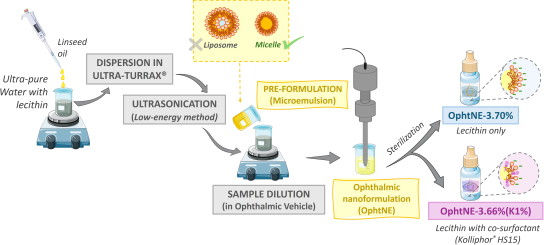
- analytical grade reagents were used as received from the supplier without further purification. Ultrapure water was obtained from a Milli-Q® (Merck Millipore) direct water purification system (18.2 MΩ·cm) and used for all aqueous solutions. L-929 cells (code 0188) were obtained from the Banco de Células do



Photocatalytic degradation of ofloxacin in water assisted by TiO2 nanowires on carbon cloth: contributions of H2O2 addition and substrate absorbability
Beilstein J. Nanotechnol. 2025, 16, 1567–1579, doi:10.3762/bjnano.16.111
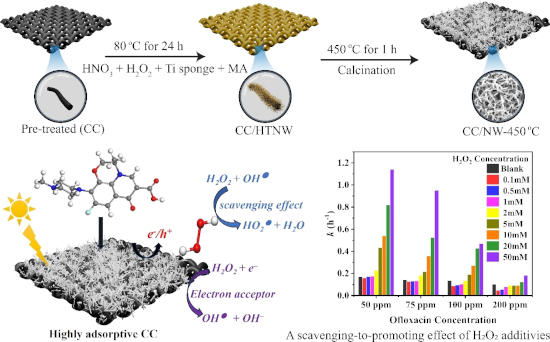
- performed at room temperature. A TOC-L CPH analyzer (SHIMADZU, Japan) was used to detect total organic carbon (TOC). Photocatalytic activity for OFL removal The photocatalytic activity was evaluated through the photodegradation of 50 mL aqueous solutions of OFL at initial concentrations of 50, 75, 100, and
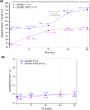
- activity for OFL removal and materials durability The photocatalytic activities of the carbon cloth-supported TiO2 nanowires (CC/NW-450 °C) were assessed by monitoring the degradation of various concentrations of OFL aqueous solutions under UV light radiation, as shown in Figure 5a. The corresponding


Dendrimer-modified carbon nanotubes for the removal and recovery of heavy metal ions from water
Beilstein J. Nanotechnol. 2025, 16, 1522–1532, doi:10.3762/bjnano.16.107

- ions (Pb2+ and Cd2+) from aqueous solutions with enhanced recyclability than less dendrimerized CNTs. Kinetic studies have revealed that the adsorption process followed a pseudo-second order kinetic model, and the rate-limiting step was mainly chemisorption. This study has not only excluded the
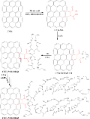
- of trace heavy metals from aqueous solutions explaining the kinetics and thermodynamics of adsorption process. Results and Discussion Dendrimerized CNTs have been fabricated by pre-functionalizing the CNTs with MA via Diels–Alder reaction, excluding harmful chemicals and energy-intensive processes
- CNTs. Additionally, atomic absorption spectroscopy was employed to determine the concentration of heavy metal ions in the aqueous solutions before and after the adsorption process. Preparation of dendrimerized carbon nanotubes 20 g of maleic anhydride was first hydrolyzed into maleic acid at 70 °C


Laser processing in liquids: insights into nanocolloid generation and thin film integration for energy, photonic, and sensing applications
Beilstein J. Nanotechnol. 2025, 16, 1428–1498, doi:10.3762/bjnano.16.104
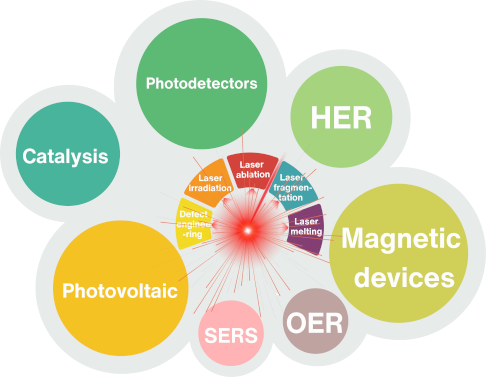
- water successfully alters the surface properties of Si-ncs, making them hydrophilic and improving their dispersion in aqueous solutions, while also leading to the formation of self-organized networks. However, laser fragmentation of BaTaOxNy particles resulted not only in increased surface area but also






Enhancing the therapeutical potential of metalloantibiotics using nano-based delivery systems
Beilstein J. Nanotechnol. 2025, 16, 1350–1366, doi:10.3762/bjnano.16.98
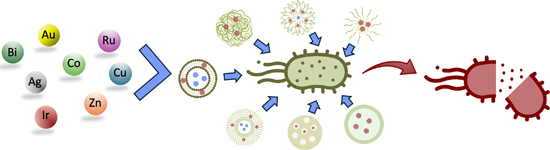
- water solubility, low stability in aqueous solutions under physiological conditions, and unfavorable metabolic or biodistribution profiles. To address these limitations and enhance the delivery of Ru metalloantibiotics to the infection site, several nano-based strategies were developed [126]. For


Investigation of the solubility of protoporphyrin IX in aqueous and hydroalcoholic solvent systems
Beilstein J. Nanotechnol. 2025, 16, 1209–1215, doi:10.3762/bjnano.16.89
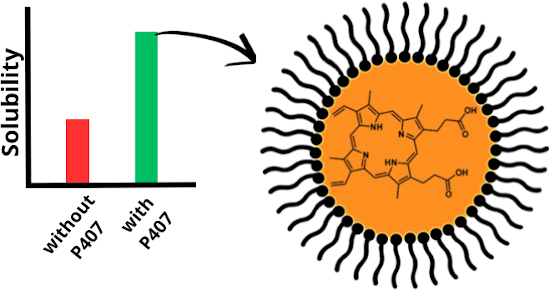
- PSs have their hydrophobicity as drawback, which can lead to the formation of aggregates in aqueous solutions, compromising bioavailability and photodynamic activity [5]. The aggregation of the PS decreases its photoactive properties since, for its action, it must be in the monomeric form, in which


Single-layer graphene oxide film grown on α-Al2O3(0001) for use as an adsorbent
Beilstein J. Nanotechnol. 2025, 16, 1082–1087, doi:10.3762/bjnano.16.79
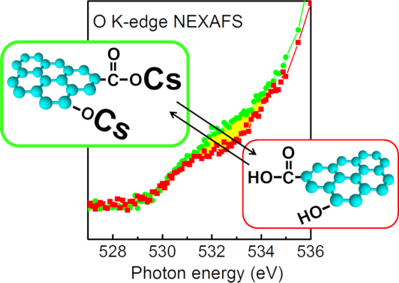
- ions, including radioactive nuclides in aqueous solutions. Large-area and single-layer graphene oxide (SLGO) grown on α-Al2O3(0001) was used as a model structure of GO since the aggregation and re-stacking of the GO sheets prevent the adequate analysis of the adsorption state. The SLGO film was
- groups. It is also estimated that the weight adsorption capacity of SLGO in the 1.0 mol/L-Cs aqueous solution is as much as approximately 70 wt %. It has been demonstrated that GO has great potential to be a promising adsorbent for Cs in aqueous solutions. Keywords: cesium adsorption; chemical vapor
- ions from aqueous solutions. In order to realize its application use, it is necessary to form large-area GO films with well-controlled thickness. However, the conventional methods for the fabrication of such tailored GO films present considerable challenges. Conventionally, GO films are obtained by a


Soft materials nanoarchitectonics: liquid crystals, polymers, gels, biomaterials, and others
Beilstein J. Nanotechnol. 2025, 16, 1025–1067, doi:10.3762/bjnano.16.77
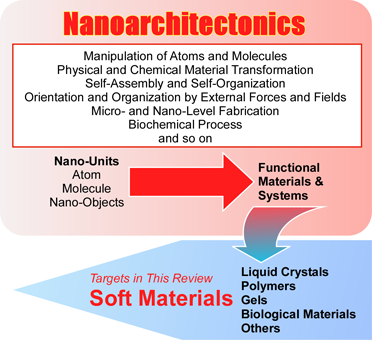
- chemical doping beyond the conventional limits in aqueous solutions at room temperature. The demonstrated proton coupling electron transfer reaction-based route may facilitate the fabrication of advanced and reliable organic semiconductor devices, including sensors and bioelectronics, in a more expedient






Time-resolved probing of laser-induced nanostructuring processes in liquids
Beilstein J. Nanotechnol. 2025, 16, 968–1002, doi:10.3762/bjnano.16.74
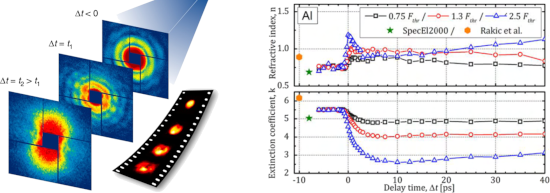
- in aqueous solutions via laser pulse exposures [1][59], demonstrating practical applications and underscoring the need for deeper insights into non-equilibrium light–matter interactions. Experimental approaches to uncover the underlying reaction kinetics of such complex interactions have been diverse


Supramolecular hydration structure of graphene-based hydrogels: density functional theory, green chemistry and interface application
Beilstein J. Nanotechnol. 2025, 16, 806–822, doi:10.3762/bjnano.16.61
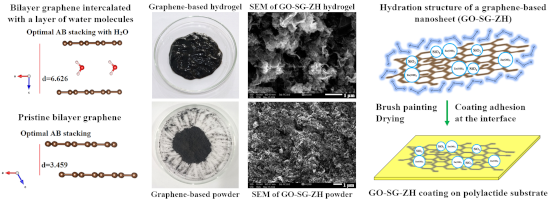
- of SG (Figure 10a) and GO-SG-ZH/PLA (Figure 10b) coatings after 1, 3, 5, 7, 10 and 30 days in aqueous solutions containing water, 3% acetic acid, 10% ethanol, and 50% ethanol. Both coatings were quite stable in pure water as the weight losses were insignificant even after 30 days. However, acidic and
- 30 days. The GO-SG-ZH coating was more stable than the SG coating on PLA films. As demonstrated in our previous paper, the coating of zinc hydroxide nanoparticles was not stable in aqueous solutions [14]. In this study, the stability of GO-SG-ZH coating is attributed to the role of graphene-based
- days in aqueous solutions. (c, d) Initial SG/PLA film (c) and GO-SG-ZH/PLA film (d). (e, f) Pictures of SG/PLA films after 10 days (e) and GO-SG-ZH/PLA films after 30 days (f) in aqueous environments. (a) Graph of tensile strength, elastic modulus, and tensile elongation. (b) Typical stress–strain


Morphology and properties of pyrite nanoparticles obtained by pulsed laser ablation in liquid and thin films for photodetection
Beilstein J. Nanotechnol. 2025, 16, 785–805, doi:10.3762/bjnano.16.60
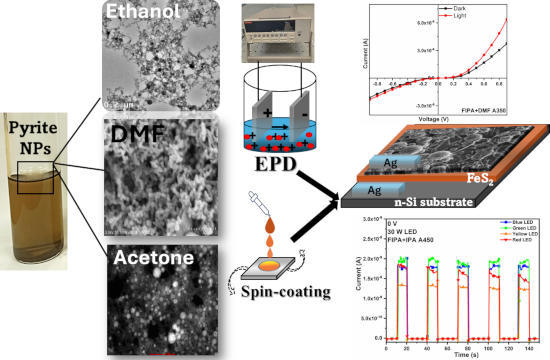
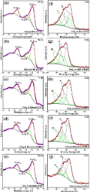
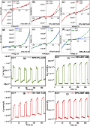
- structures synthesized in aqueous solutions by chemical methods. The diverse range of observed pyrite morphologies highlights the influence of synthesis conditions on the final crystal shape [2]. In another study, pyrite nanoparticles (FeS2) were synthesized in deionized water with and without the assistance






Efficiency of single-pulse laser fragmentation of organic nutraceutical dispersions in a circular jet flow-through reactor
Beilstein J. Nanotechnol. 2025, 16, 711–727, doi:10.3762/bjnano.16.55
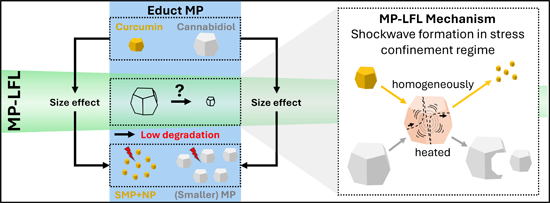
- . All aqueous solutions were prepared with deionized water obtained by using a Milli-Q system from Merck Millipore. Methods Preparation of MP suspensions Different concentrations of curcumin (0.01, 0.05, and 0.1 wt %) and CBD (0.1, 0.5, and 1 wt %) were prepared as aqueous suspensions in deionized water


Colloidal few layered graphene–tannic acid preserves the biocompatibility of periodontal ligament cells
Beilstein J. Nanotechnol. 2025, 16, 664–677, doi:10.3762/bjnano.16.51
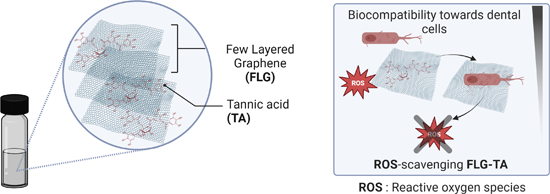
- ]. Recent studies point to a potential synergistic effect between TA and GBMs [15][16][17]. TA not only stabilizes graphene sheets in aqueous solutions, preventing their aggregation by interacting with carbon layers at a molecular level [14], but also could impart additional bioactive properties




Effect of additives on the synthesis efficiency of nanoparticles by laser-induced reduction
Beilstein J. Nanotechnol. 2025, 16, 464–472, doi:10.3762/bjnano.16.35
- atoms by oxidation, we speculated that it would also be possible to synthesize base metal nanoparticles, which had been difficult by LRL in aqueous solutions. We, therefore, tried to synthesize Co nanoparticles (standard electrode potential: E0 = −0.28 V [33]). Figure 7a and Figure 7b show the features
- spectrum after 30 min of laser irradiation in aqueous solutions of tetra chloroauric acid with various concentrations. a) Without glycerin, b) with glycerin. a) A TEM image, b) a high-angle annular dark-field (HAADF) image and STEM-EDS mappings of Au–Pt alloy nanoparticles (atomic ratio Au/Pt = 1:1
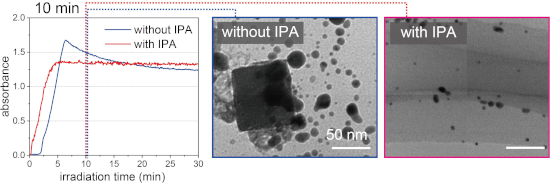
- ) synthesized by LAL with IPA as a scavenger. UV–vis absorption spectrum after 60 min of laser irradiation in aqueous solutions of cobalt nitrate a) without and b) with IPA as a scavenger. The inset images are photographs of the appearance of each solution before and after laser irradiation. c) A TEM image of


Engineered PEG–PCL nanoparticles enable sensitive and selective detection of sodium dodecyl sulfate: a qualitative and quantitative analysis
Beilstein J. Nanotechnol. 2025, 16, 385–396, doi:10.3762/bjnano.16.29
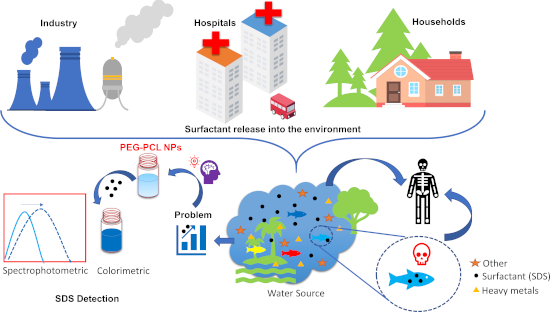
- through various pathways. This has led to significant concerns regarding developing rapid onsite qualitative and quantitative methods for estimating SDS in aqueous solutions. Although a range of high-throughput techniques is currently utilized for SDS quantification, these methods are often expensive


Enhancing mechanical properties of chitosan/PVA electrospun nanofibers: a comprehensive review
Beilstein J. Nanotechnol. 2025, 16, 286–307, doi:10.3762/bjnano.16.22

- number of adsorption sites on the surface, improve mechanical properties, enhance hydrophilicity and wettability, and stabilize nanofibers in aqueous solutions [156]. Numerous techniques have been developed to modify the surface properties of electrospun nanofibers, including surface graft polymerization


Emerging strategies in the sustainable removal of antibiotics using semiconductor-based photocatalysts
Beilstein J. Nanotechnol. 2025, 16, 264–285, doi:10.3762/bjnano.16.21
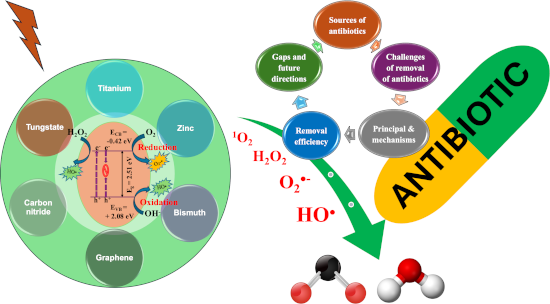
- aqueous solutions, WO3 is mechanically strong and physiochemically stable, and the synthesis of high-purity WO3 is a good option for the degradation of antibiotics under solar light irradiation [114]. WO3 is a catalyst that responds to visible light and has consistent physicochemical properties because of



Electrochemical nanostructured CuBTC/FeBTC MOF composite sensor for enrofloxacin detection
Beilstein J. Nanotechnol. 2024, 15, 1522–1535, doi:10.3762/bjnano.15.120
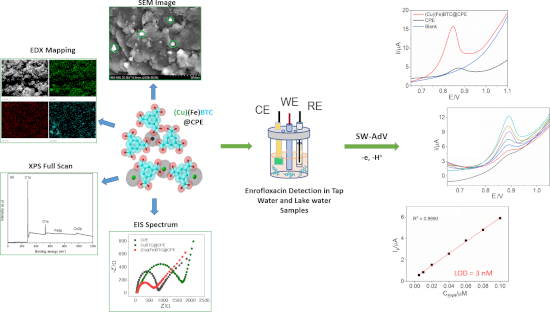
- /bjnano.15.120 Abstract A novel electrochemical sensor for the detection of enrofloxacin (ENR) in aqueous solutions has been developed using a carbon paste electrode modified with a mixture of metal-organic frameworks (MOFs) of CuBTC and FeBTC. These MOFs were successfully synthesized via a solvothermal
- techniques. The synergistic effects of CuBTC and FeBTC are considered promising for enhancing the performance of enrofloxacin sensors in aqueous solutions. Results and Discussion Characterization of (Cu)(Fe)BTC In the XRD pattern in Figure 1a, the FeBTC sample shows peaks at 2θ values of 6.26°, 10.34°, 10.85