


Search results
Search for "biofilms" in Full Text gives 31 result(s) in Beilstein Journal of Nanotechnology.
Ultrasonic irradiation in the synthesis of nanohydroxyapatite: a chemically friendly technique for improving hemocompatibility and antibiofilm applications
Beilstein J. Nanotechnol. 2026, 17, 991–1015, doi:10.3762/bjnano.17.68
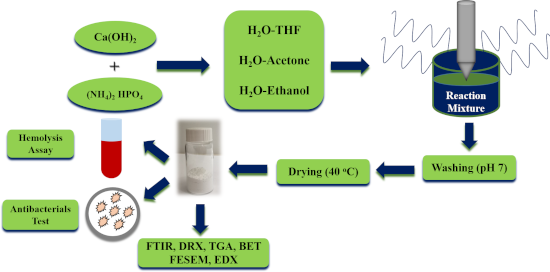
- its ability to form virulent biofilms, which are particularly difficult to eradicate. Biofilms are communities of microbial cells enclosed by exopolysaccharides that adhere to inert or living surfaces. These biofilms enhance bacterial growth and survival by providing access to nutrients and protection
- against toxic compounds, adverse environmental conditions, antimicrobials, and the immune response of the host [32]. Biofilms are critical virulence factors for many bacterial pathogens that can cause chronic infections, accounting for more than 80% of human microbial infections. P. aeruginosa has been
- considered a model for studying nosocomial bacterial biofilms [33][34]; more effective biofilm control strategies should be developed for patients requiring indwelling medical devices. Thanks to its multifunctionality and excellent bioactive and biocompatible properties, the synthesis, characterization, and




From shield to spear: Charge-reversible nanocarriers in overcoming cancer therapy barriers
Beilstein J. Nanotechnol. 2026, 17, 159–175, doi:10.3762/bjnano.17.10
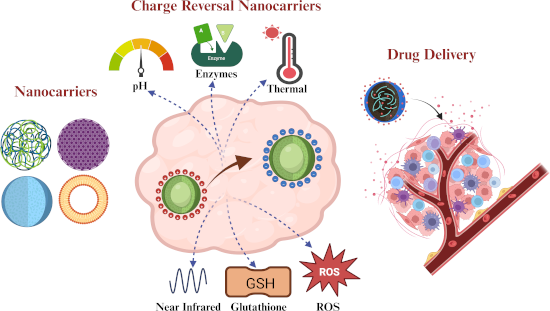
- biofilms within the TME, where the nanoparticles are activated by pH changes and demonstrate their potential for site-specific drug delivery [19]. This strategy also enables controlled drug release, as the pH-sensitive charge reversal triggers site-specific drug unloading in acidic tumour microenvironments
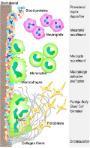
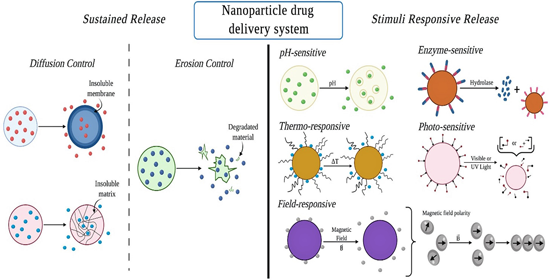
- to CC BY 4.0. Schematic representation of charge-reversible nanocarrier system for tumour therapy. a) In general mechanism of CRNs activated by various stimuli for targeted therapy, b) charge reversal of nanocarriers exhibiting responsiveness to the acidic environment in biofilms. The images of EMPTY


Microplastic pollution in Himalayan lakes: assessment, risks, and sustainable remediation strategies
Beilstein J. Nanotechnol. 2025, 16, 2144–2167, doi:10.3762/bjnano.16.148
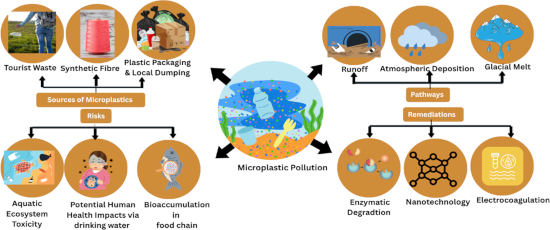
- present scenario and promotes novel, environmentally friendly remedial measures, regulatory policies, cooperative initiatives to combat microplastic pollution, and vulnerabilities in the fragile Himalayan freshwater aquatic ecosystems. Keywords: biofilms; freshwater system; Himalayan lakes; microplastic
- smaller molecules [48]. Biofilms adhering to the plastic surfaces are required for biological degradation since they secrete enzymes that degrade polymers outside cells [49]. As noted by Rai et al., biofilms can speed up the breakdown of MPs, even though such a process is prone to interference from
- studies showing their capacity to break down PET [46]. Biofilms can accelerate the breakdown process under cold conditions by generating enzymatically active microenvironments [71]. According to Dhiman et al., these microbial colonies stick to the surfaces of MPs and release enzymes that break down


On the road to sustainability – application of metallic nanoparticles obtained by green synthesis in dentistry: a scoping review
Beilstein J. Nanotechnol. 2025, 16, 1851–1862, doi:10.3762/bjnano.16.128
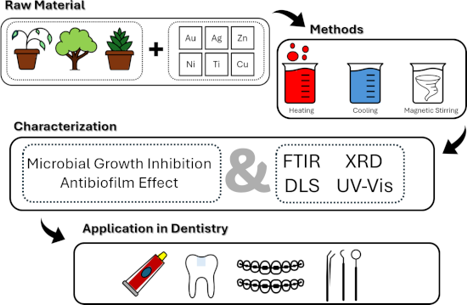
- -mediated AgNPs and ZnO-NPs demonstrated significant antibacterial activity against Streptococcus mutans biofilms [8][9][43], whereas in endodontics, their integration into irrigants and sealers improved disinfection efficiency against Enterococcus faecalis [44]. These findings underscore the translational


Exploring the potential of polymers: advancements in oral nanocarrier technology
Beilstein J. Nanotechnol. 2025, 16, 1751–1793, doi:10.3762/bjnano.16.122
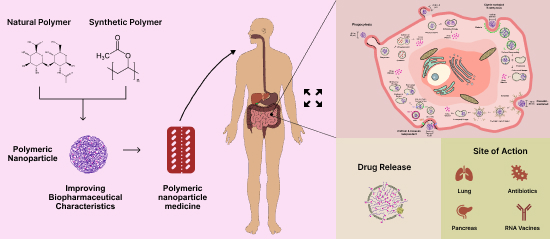
- and other environments, has significant biomedical applications [148]. In this study, NPs were incorporated into biofilms for oral administration, demonstrating controlled release and effective protection of curcumin from external factors. The results discussed in this section highlight the potential


Enhancing the therapeutical potential of metalloantibiotics using nano-based delivery systems
Beilstein J. Nanotechnol. 2025, 16, 1350–1366, doi:10.3762/bjnano.16.98
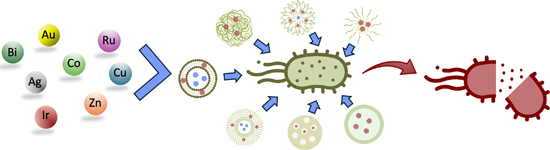
- ]. Dendrimers, with their hyperbranched structures, can be precisely controlled for size, shape, and surface chemistry, allowing for highly targeted delivery of anti-biofilms drugs or nucleic acids [81][82]. Polymeric NPs offer several advantages, including biodegradability, biocompatibility, and stability
- bactericidal effect was also observed in S. pneumoniae and S. pyogenes biofilms, where the same concentration of auranofin NPs reduced bacterial populations by approximately four orders of magnitude more than free auranofin. The antibacterial effects observed in vitro were further confirmed in vivo using a


Supramolecular hydration structure of graphene-based hydrogels: density functional theory, green chemistry and interface application
Beilstein J. Nanotechnol. 2025, 16, 806–822, doi:10.3762/bjnano.16.61
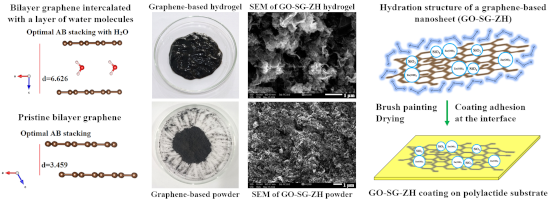
- grow to biofilms (Figure 10a–c). After incubation at 37 °C for 24 h, stripy biofilms of E. coli bacteria were formed on the agar plates (Figure 10d–f). While stripy patterns were observed in the areas of blank PLA film (Figure 10d) and SG/PLA film (Figure 10e), the GO-SG-ZH/PLA film presented an


Fabrication and evaluation of BerNPs regarding the growth and development of Streptococcus mutans
Beilstein J. Nanotechnol. 2025, 16, 308–315, doi:10.3762/bjnano.16.23
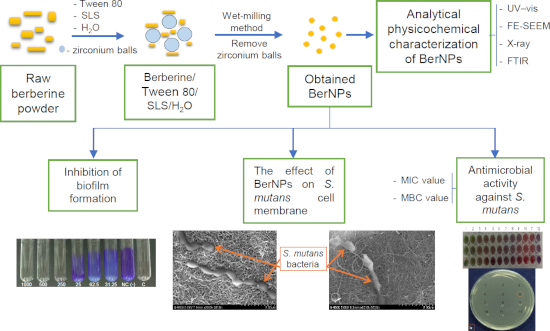
- ]. It contributes to tooth damage through two main mechanisms, namely, dental erosion due to acid production and the formation of biofilms that produce plaque on teeth [35]. Berberine has been reported to inhibit biofilm formation of Candida albicans and Staphylococcus aureus [36][37]. In this study




Natural nanofibers embedded in the seed mucilage envelope: composite hydrogels with specific adhesive and frictional properties
Beilstein J. Nanotechnol. 2024, 15, 1603–1618, doi:10.3762/bjnano.15.126
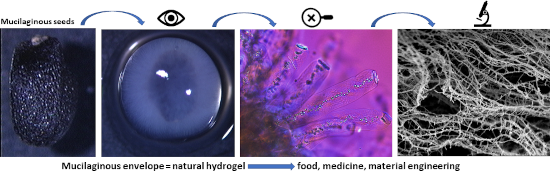
- branches because of their natural origin and biodegradability. They are used, for example, for paper production, as food additives, in biofilms, and in the production of packing materials and aerogels [15][18][20][21][22]. However, little is known about the structural properties of CNFs, and they require
- proper characterisation of their micro- and nanostructures. In the last years, SEM visualisation, combined with the critical point drying (CPD) procedure, has been widely used in nanostructural studies of diverse hydrogel-like samples, containing cellulose fibrils, or biofilms [7][40][41]. The CPD method
- ][106], Salvia hispanica [106][107], and Lallemantia royleana [108]. However, the mucilage extracted from diverse seeds, such as Ocimum basilicum, Cydonia oblonga, Lepidium sativum [109], and the abovementioned flax and chia, are also popular substrates for the production of biofilms or the


Interface properties of nanostructured carbon-coated biological implants: an overview
Beilstein J. Nanotechnol. 2024, 15, 1041–1053, doi:10.3762/bjnano.15.85
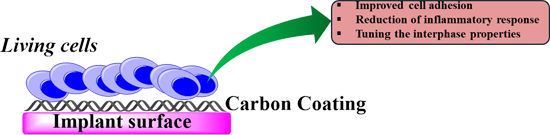
- key role of the CNT coating topology in the compatibility with living tissues. The formation of biofilms and the microbial proliferation on implants surfaces The interface between implants and tissues is a key vulnerable point for infection spreading because of the formation of bacteria biofilms [101



Functional fibrillar interfaces: Biological hair as inspiration across scales
Beilstein J. Nanotechnol. 2024, 15, 664–677, doi:10.3762/bjnano.15.55
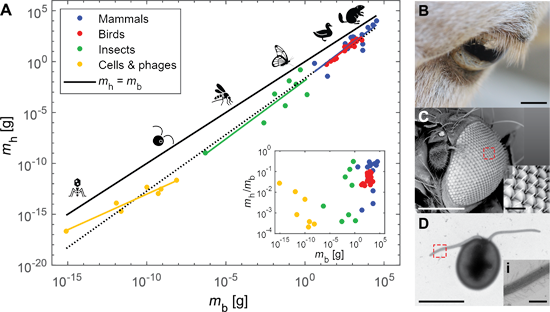
- helps the cell. When pproaching a solid surface, the cells become trapped as they move in circular orbits because of hydrodynamic effects [101][104]. While staying close to the surface may be beneficial as it facilitates surface attachment and, hence, the formation of bacterial biofilms, remaining in


Fluorescent bioinspired albumin/polydopamine nanoparticles and their interactions with Escherichia coli cells
Beilstein J. Nanotechnol. 2023, 14, 1208–1224, doi:10.3762/bjnano.14.100
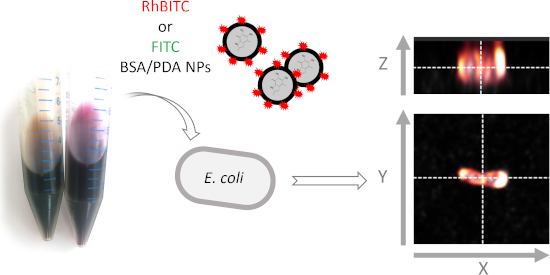
- eukaryotic cells [1][2], or bacteria and biofilms [3][4]. As nanovectors of drugs, they can deliver drugs locally, leading to a more efficient drug activity. Also, the required doses and the drug impact on healthy tissues compared to the free drug are lowered. Regarding the dramatic emergence and spreading



Nanoarchitectonics of photothermal materials to enhance the sensitivity of lateral flow assays
Beilstein J. Nanotechnol. 2023, 14, 988–1003, doi:10.3762/bjnano.14.82
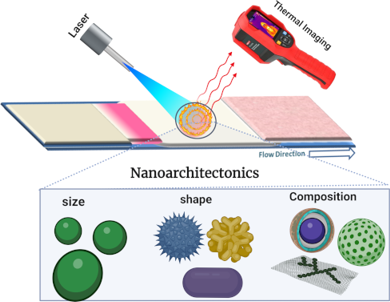
- change [20][21]. Generally, photothermal nanomaterials are being used in cancer therapy, removal of bacterial biofilms, and sensing applications [22][23][24]. Photothermal nanomaterials produce heat in response to the irradiation of photons at a particular wavelength [23]. Similarly, when plasmonic


Design of a biomimetic, small-scale artificial leaf surface for the study of environmental interactions
Beilstein J. Nanotechnol. 2022, 13, 944–957, doi:10.3762/bjnano.13.83
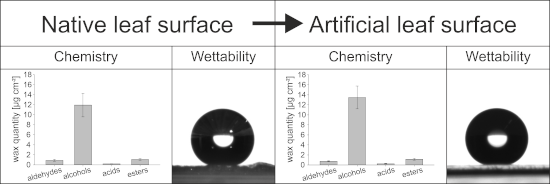
- formation of biofilms [25][26]. A measure of the degree of wetting is the contact angle θ (CA). It describes the angle between the liquid–vapor interface and the liquid–solid interface. According to the CA, surfaces can be classified as superhydrophilic (0° < θ < 10°), hydrophilic (10° ≤ θ < 90
Engineered titania nanomaterials in advanced clinical applications
Beilstein J. Nanotechnol. 2022, 13, 201–218, doi:10.3762/bjnano.13.15
- bacterial accumulation in implants, surface modification is increasingly gaining attention. Dental implants have been modified with drug-releasing TiO2 nanotubes to overcome the infection caused by the presence of persistent oral pathogenic microbial biofilms [57]. Their nanometer-sized roughness and
- biofilm inhibition and treatment [88][89][90]. The size of the nps impacts the diffusion into the extracellular polymeric substance matrix, with diameters up to 130 nm demonstrating deep penetration into biofilms. Moreover, positively charged nps exert greater biofilm penetration over anionic or uncharged
- equivalents. TiO2 nps have been presented as an antifungal biofilm agent against Candida albicans on the surfaces of biomedical implants [91]. In this context, Dworniczek et al. reported that europium-doped and sulfated anatase TiO2 results in the effective photocatalytic inactivation of Enterococcus biofilms


The role of deep eutectic solvents and carrageenan in synthesizing biocompatible anisotropic metal nanoparticles
Beilstein J. Nanotechnol. 2021, 12, 924–938, doi:10.3762/bjnano.12.69
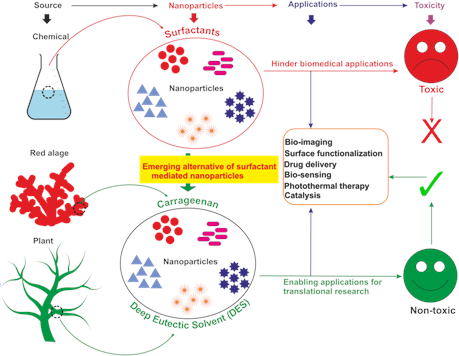
- of CTAB-capped gold nanorods on estuarine model systems (consisting of sediments, plants, microbial films, fish, and snails) for observing ecological and environmental impact [71]. The results showed that the biofilms were the primary route through which gold nanorods enters the food chain. It is


A review on nanostructured silver as a basic ingredient in medicine: physicochemical parameters and characterization
Beilstein J. Nanotechnol. 2021, 12, 440–461, doi:10.3762/bjnano.12.36
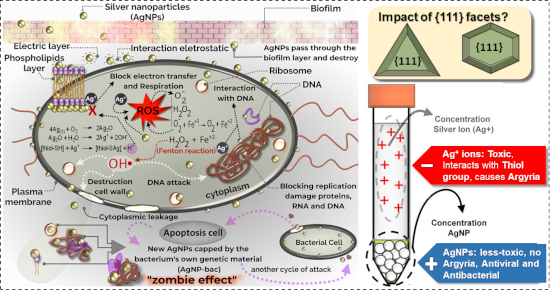
- limit antimicrobial resistance [22]. Antibacterial, antifouling, and antibiofilm effects of AgNPs have been extensively studied and reveal that they are lethal to bacteria and effectively prevent the formation of biofilms [23]. This suggests that AgNPs can be incorporated into matrices or materials used
- in the manufacture of medical devices to prevent adhesion, colonization, and formation of microbial biofilms on the surfaces of these devices. Moreover, the history of AgNPs as a broad spectrum microbicidal agent places it as a viable candidate to be one of the basic ingredients of antibiotics to be


A review on the green and sustainable synthesis of silver nanoparticles and one-dimensional silver nanostructures
Beilstein J. Nanotechnol. 2021, 12, 102–136, doi:10.3762/bjnano.12.9
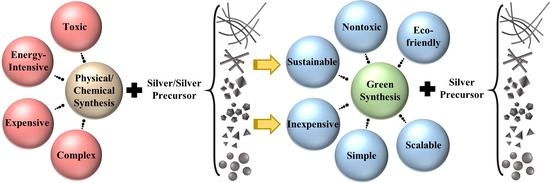
- infections, and also inhibit the growth of bacterial biofilms [14][15][16]. AgNPs were also used in developing strong thermally conductive materials. They were used in polymer composites to increase thermal conductivity (K) [77][78] for cooling applications in electronic equipment. Furthermore, AgNPs have


Bio-imaging with the helium-ion microscope: A review
Beilstein J. Nanotechnol. 2021, 12, 1–23, doi:10.3762/bjnano.12.1
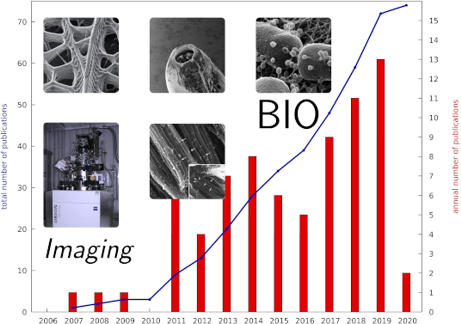
- promising tool to study intracellular deposits of certain chemical elements. An example are phosphate granules in algal biofilms, which were previously investigated using multiple microscopes in a correlative study [46]. Another, certainly more challenging, example would be the identification of iron–sulfur
- resolution using electron and ion microscopy techniques. Depending on the sample under investigation, biological samples prepared for HIM might include structures such as bacterial cells, biofilms, exopolymeric substances (EPS), or minerals. The high vacuum applied in HIM means that any liquid remaining in a
- ]. Glutaraldehyde (2–2.5%) fixation is usually performed at cold temperature (4 °C) to avoid the formation of artifacts and is well suited for samples containing a high density of cells, such as biofilms. The length of the fixation time should be varied depending on the sample. Before fixation, specimens are also


On the frequency dependence of viscoelastic material characterization with intermittent-contact dynamic atomic force microscopy: avoiding mischaracterization across large frequency ranges
Beilstein J. Nanotechnol. 2020, 11, 1409–1418, doi:10.3762/bjnano.11.125
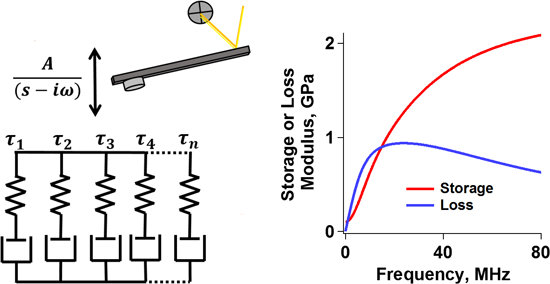
- synthetic polymer samples and biological materials. For example, we have recently applied it to map the mechanical properties of biofilms and single cells, describing their behavior with respect to time and frequency [14][33]. A similar approach to ours, which also profits from the elastic–viscoelastic


Photothermally active nanoparticles as a promising tool for eliminating bacteria and biofilms
Beilstein J. Nanotechnol. 2020, 11, 1134–1146, doi:10.3762/bjnano.11.98
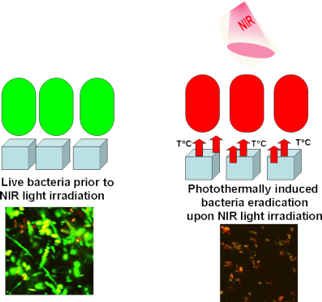
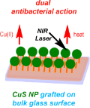
- being drawn to photothermally active nanoparticles that are capable of converting absorbed light into heat. These nanoparticles can efficiently eradicate bacteria and biofilms upon light activation (predominantly near the infrared to near-infrared spectral region) due a rapid and pronounced local
- nanocomposites for the light-triggered eradication of bacteria and biofilms. Keywords: antibacterial activity; bacteria eradication; nanoparticles; NIR light; photothermal effect; Introduction Bacteria are considered the major source of hospital-acquired nosocomial infections and patients are at a risk higher
- than 13.5% of contracting these diseases [1][2]. In addition, the bacterial strains are becoming increasingly resistant to conventional drug treatments [3]. One reason for bacterial resistance is that after attaching to a surface, bacteria can generate biofilms. Biofilms are organized sessile microbial


Silver-decorated gel-shell nanobeads: physicochemical characterization and evaluation of antibacterial properties
Beilstein J. Nanotechnol. 2020, 11, 620–630, doi:10.3762/bjnano.11.49
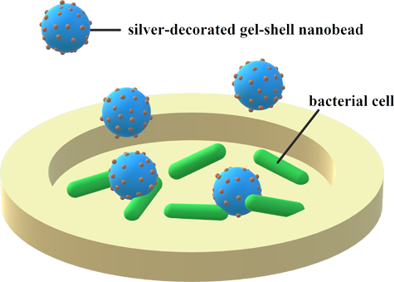
- the gram-positive S. aureus. Biofilm formation is a strategy of microorganisms to avoid unfavorable environmental conditions. Due to high resistance of these microbial populations to commonly used therapeutics, biofilms are a substantial source of antibiotic failure and persistent infections [45]. The
- efficacy of the nanobeads in the inhibition of biofilm formation was estimated. As can be seen in Table 1 the minimum biofilm inhibitory concentration (MBIC) values are in the range from 0.76 to 3.04 µg/mL. These observations confirm a strong activity of PSSAg against biofilms compared to non-incorporated
- reports indicating a profound resistance of bacteria grown in biofilms to antimicrobials. Bacterial biofilms are generally less susceptible to silver nanoparticles than planktonic cells, probably due to the extracellular matrix coating the cells in a biofilm, aggregation of the cells to reduce their


Luminescent gold nanoclusters for bioimaging applications
Beilstein J. Nanotechnol. 2020, 11, 533–546, doi:10.3762/bjnano.11.42
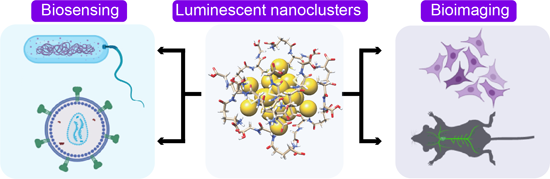
- peptide capable of penetrating bacterial biofilms with abundant arginine residue. The hydrogen bonding between the MTU ligands on the surface of Au-MTU NCs and the arginine residues in protamine form a supramolecular host–guest complex, i.e., Au-MTU/Prot. The supramolecular host–guest interactions


Microfluidics as tool to prepare size-tunable PLGA nanoparticles with high curcumin encapsulation for efficient mucus penetration
Beilstein J. Nanotechnol. 2019, 10, 2280–2293, doi:10.3762/bjnano.10.220
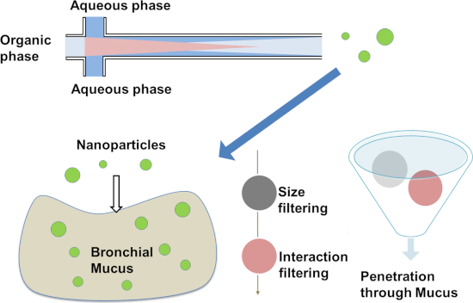
- , 66119 Saarbrücken, Germany KIST Europe, 66123 Saarbrücken, Germany 10.3762/bjnano.10.220 Abstract Great challenges still remain to develop drug carriers able to penetrate biological barriers (such as the dense mucus in cystic fibrosis) and for the treatment of bacteria residing in biofilms, embedded in


Fabrication of photothermally active poly(vinyl alcohol) films with gold nanostars for antibacterial applications
Beilstein J. Nanotechnol. 2018, 9, 2040–2048, doi:10.3762/bjnano.9.193
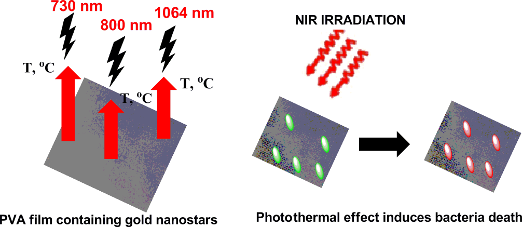
- studies have reported the preparation and the antibacterial efficacy of PVA films containing plant extracts, silver nanoparticles or zinc oxide nanoparticles [17][18][19][20][21][22]. However, when bacteria start to form biofilms they become resistant and conventional antibiotics do not eradicate biofilms
- materials that can coat surfaces and are capable of eradicating biofilms with remote physical activation. Even though gold nanoparticles are not intrinsically antibacterial, the thermal relaxation upon NIR light activation can be a major force of antibacterial action as it was shown for monolayers of GNSs
- on glass slides [8]. In this case, the efficient photothermal response of the monolayers resulted in a local hyperthermia effect that was capable of killing bacteria in Staphylococcus aureus biofilms [8]. Therefore, the motivation of the present work lies on the assumption that the incorporation of





