Search results
Search for "cell viability" in Full Text gives 188 result(s) in Beilstein Journal of Nanotechnology.
Gold bipyramids as a promising alternative to gold nanorods for analytical and biomedical applications
Beilstein J. Nanotechnol. 2026, 17, 1170–1184, doi:10.3762/bjnano.17.80
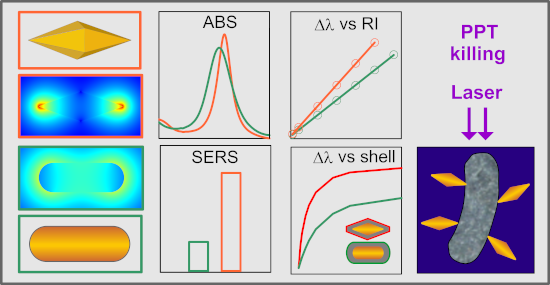
- with a laser intensity of 290 mW·cm−2 for 10 min. All experiments were conducted using a 96-well plate. Cell viability was assessed using the standard Alamar Blue test [57]. For this, 5 µL of resazurin was added to each 200 µL sample, and the mixture was incubated in a thermal chamber at 37 °C for 1 h
- not observed due to the dense cell wall and the presence of an extracellular polymeric component. This is also consistent with our experiments, because in the control with the addition of nanoparticles but without laser heating, no reduction in cell viability was observed. The main effect is cellular
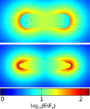
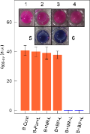
- longitudinal excitation. Calculations by COMSOL for the normalized incident field at theoretical plasmon resonance wavelengths λPR. The angle bracket designate the averaging over the particle surface. Fluorescence intensities of the samples at 600 nm and assessment of cell viability. Supporting Information



A redox-responsive viologen–cavitand nanocarrier for dual-function photodynamic therapy
Beilstein J. Nanotechnol. 2026, 17, 1142–1158, doi:10.3762/bjnano.17.78
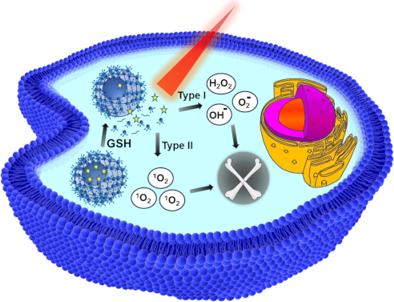
- -BAC) exhibited mild, concentration-dependent dark toxicity (65–85% cell viability; Figure 6A). However, irradiation with 650 nm light for 3 min resulted in severe photodamage, reducing cell viability to 0.22–2.65% (Figure 6B). This significant difference between dark safety and light-induced
- and (D) in the dark, C(DPBF) = 30 μM, C(THPP) = 0.3 μM, PB pH 7.4, 25 °C. (A, B) Cell viability after treatment with p(MVCA-BAC) and THPP@p(MVCA-BAC): (A) in the dark and (B) after 650 nm irradiation (60 mW, 3 min), C(THPP) = 2 μM. (С) Cellular uptake study of THPP@p(MVCA-BAC) by flow cytometry method


Biosynthesis, characterization, and biofunctional assessment of niobium oxide nanostructures obtained using lactic acid bacteria-derived supernatants
Beilstein J. Nanotechnol. 2026, 17, 1128–1141, doi:10.3762/bjnano.17.77
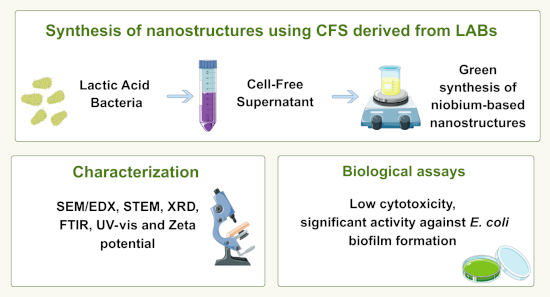
- biosynthesized niobium-based nanostructures, and cell viability was quantified using the neutral red uptake assay. Cells treated with 500 µg·mL−1 of Nb-Lcr-CFS and Nb-Lcp-CFS exhibited viability values of 53.9 ± 3.3% and 53.6 ± 1.1%, respectively. At 250 µg·mL−1, viability increased to 76.3 ± 4.5% for Nb-Lcr-CFS
- and 88.7 ± 1.9% for Nb-Lcp-CFS. These data indicate that, at these concentrations, 24-hour treatment significantly reduced cell viability compared with the untreated control (100%). A similar trend was observed for niobium nanostructures synthesized in the absence of LAB-CFS (Nb-nano), with viability
- biocompatible surface profile to the resulting nanostructures. The 50% cytotoxic concentration (CC50), defined as the concentration required to reduce cell viability by 50%, was determined using the complete dose-response dataset obtained across the tested concentration range (0–500 µg·mL−1) and estimated


Development of Protium heptaphyllum essential oil-loaded nanocapsules: experimental design and biological activity
Beilstein J. Nanotechnol. 2026, 17, 974–990, doi:10.3762/bjnano.17.67
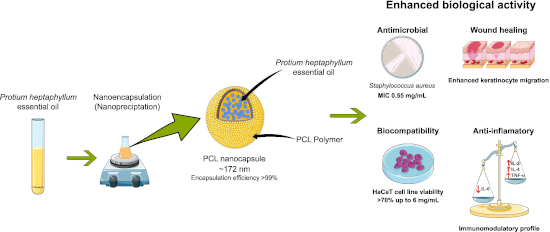
- ± 0.04, a zeta potential of −25.49 ± 1.08 mV and an encapsulation efficiency above 99%, in addition to long-term colloidal stability. Cell viability assays in HaCaT cells showed high biocompatibility, with cell viability above 70% up to 6 mg/mL and only moderate toxicity at 12 mg/mL. In antimicrobial
- potential. The optimized nanosystems were subsequently evaluated in terms of stability, encapsulation efficiency, cell viability, antimicrobial activity against Staphylococcus aureus (S. aureus), wound healing potential (scratch assay), and cytokine modulation. The results of this study contribute to a
- storage [45]. Cell viability The cell viability following treatment with NPNC (Figure 4) showed a clear dose-dependent effect, with higher concentrations of encapsulated oil reducing viability in immortalized human keratinocyte epithelial cells (HaCat). At 12 mg/mL, a marked decrease was observed




Restorative potential of laser-synthesized silver nanoparticles with Salvia officinalis for periodontal disease treatment: an in vitro study
Beilstein J. Nanotechnol. 2026, 17, 781–795, doi:10.3762/bjnano.17.55
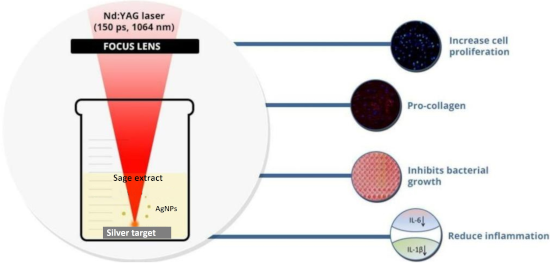
- activity and can modulate cell viability and oxidative stress in a size- and concentration-dependent manner [14]. Based on these findings, we hypothesize that AgNPs produced by PLAL in an aqueous sage extract environment could maintain the bioactive properties of both AgNPs and sage extract, leading to
- %), suggesting a cytotoxic effect at 1 × MIC concentration after both exposure times. In contrast, pure sage extract led to a moderate increase in cell viability after 24 h of treatment, significant at the concentration that corresponds to 1 × MIC of SageAgNPs6mJ (p < 0.01), while 48 h of treatment induced mild
- concentration-dependent decrease in cell viability (Figure 2a). Considering the cytotoxic effects of the 1 × MIC concentration of dwAgNPs6mJ, the potential of SageAgNPs6mJ to accelerate the proliferation of GFCs was examined only for SageAgNPs6mJ by applying Ki-67 immunofluorescent staining. Concentrations of



Biomimetic nanoparticles in cancer photodynamic therapy: a review of targeted delivery systems and therapeutic outcomes
Beilstein J. Nanotechnol. 2026, 17, 396–422, doi:10.3762/bjnano.17.27


Polycatecholamine nanocoatings on stainless steel: the effect on attachment of human fibroblasts and platelets
Beilstein J. Nanotechnol. 2026, 17, 365–380, doi:10.3762/bjnano.17.25
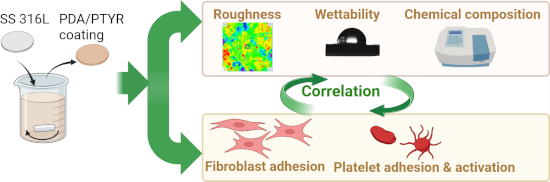
- values obtained with MTT test exceed 70%. Our results (Figure 7) show that in our case, all extracts regardless of extraction time were nontoxic, meaning that none of the tested coating extracts had a negative effect on cell viability. Human dermal fibroblasts adhesion Microscopic images in Figure 8




Development and in vitro evaluation of liposomes and immunoliposomes containing 5-fluorouracil and R-phycoerythrin as a potential phototheranostic system for colorectal cancer
Beilstein J. Nanotechnol. 2026, 17, 97–121, doi:10.3762/bjnano.17.7
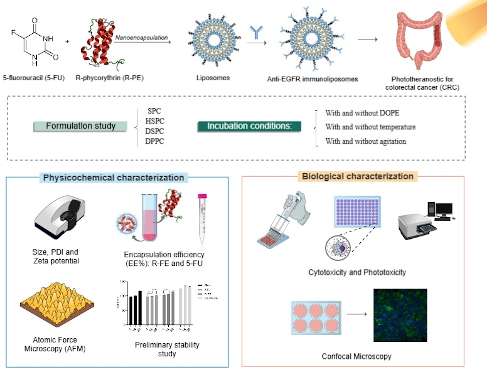
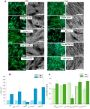
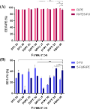
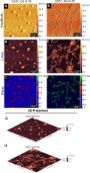
- ± 1.81 nm), negative zeta potential (−14.8 ± 0.81 mV) and antibody conjugation efficiency of 34.4%. Topographical AFM analysis showed that HSPC-IM-R-PE presented significantly higher surface roughness and viscoelastic contrast, indicating successful antibody anchoring. For cell viability in the HCT-116
- recommendations. The photocytotoxicity and cytotoxicity were evaluated by 3-[4,5-dimethyl-thiazol-2-yl]-2,5-diphenyltetrazolium bromide (MTT) assay, which assesses cellular metabolic activity by quantifying mitochondrial dehydrogenase activity in viable cells, serving as an indicator of cell viability and



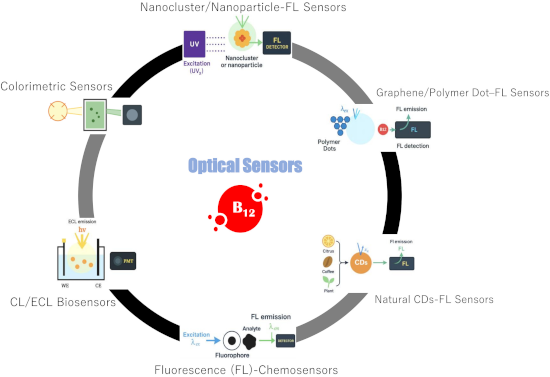
Optical bio/chemical sensors for vitamin B12 analysis in food and pharmaceuticals: state of the art, challenges, and future outlooks
Beilstein J. Nanotechnol. 2025, 16, 2207–2244, doi:10.3762/bjnano.16.153


Quality by design optimization of microemulsions for topical delivery of Passiflora setacea seed oil
Beilstein J. Nanotechnol. 2025, 16, 2116–2131, doi:10.3762/bjnano.16.146
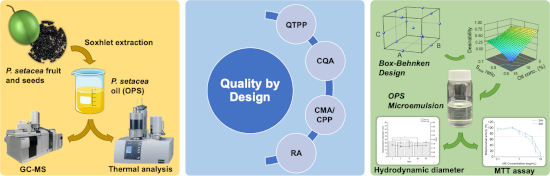
- assays demonstrated high cell viability for ME at concentrations below 2 mg/mL in RAW 264.7 macrophages and 0.5 mg/mL in human umbilical vein endothelial cells. Overall, this work presents a promising nanotechnology-based topical delivery platform for P. setacea seed oil, employing quality by design
- Instrument, Inc®, France). Cell viability was calculated normalizing untreated controls as 100%, according to the equation: Statistical analysis Statistical analyses, excluding those related to DoE, were performed using the Prism® 10 software (GraphPad, California, USA). Two-way ANOVA followed by Tukey’s pos


Rapid synthesis of highly monodisperse AgSbS2 nanocrystals: unveiling multifaceted activities in cancer therapy, antibacterial strategies, and antioxidant defense
Beilstein J. Nanotechnol. 2025, 16, 2105–2115, doi:10.3762/bjnano.16.145
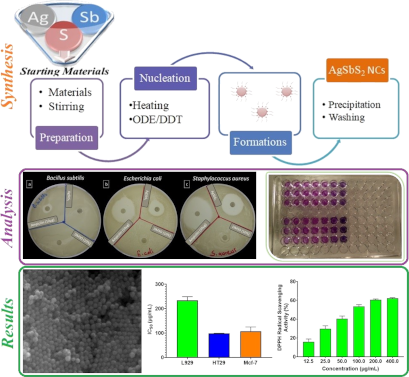
- NCs Alamar Blue assay was used to evaluate the cell viability of the synthesized NCs (12.5–400 μg/mL) on HT-29 colon cancer, MCF-7 breast cancer, and L929 fibroblast cells through cellular activity. The cytotoxicity of the synthesized NCs on these cell lines after 24 h of treatment is revealed in


Toward clinical translation of carbon nanomaterials in anticancer drug delivery: the need for standardisation
Beilstein J. Nanotechnol. 2025, 16, 2092–2104, doi:10.3762/bjnano.16.144

- . Depending on the intended route of delivery and application, this may involve cytotoxicity assays to assess effects on cell viability and metabolism, and hemocompatibility assays to evaluate interactions with blood components such as red blood cells, clotting factors, and platelets. In vitro release studies



PEGylated lipids in lipid nanoparticle delivery dynamics and therapeutic innovation
Beilstein J. Nanotechnol. 2025, 16, 1914–1930, doi:10.3762/bjnano.16.133
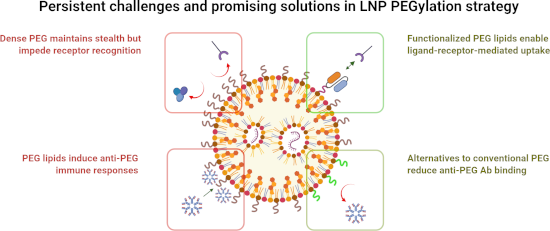
- difference, lPG-LNP yielded over 43% eGFP-expressing HepG2 cells, with fluorescence intensity comparable to PEG-LNPs and cell viability remaining above 90%. Moreover, lPG-LNP showed negligible anti-PEG antibody binding at approximately 0.83 ng/mL, whereas PEG-LNP exhibited significantly higher binding at


Targeting the vector of arboviruses Aedes aegypti with nanoemulsions based on essential oils: a review with focus on larvicidal and repellent properties
Beilstein J. Nanotechnol. 2025, 16, 1894–1913, doi:10.3762/bjnano.16.132
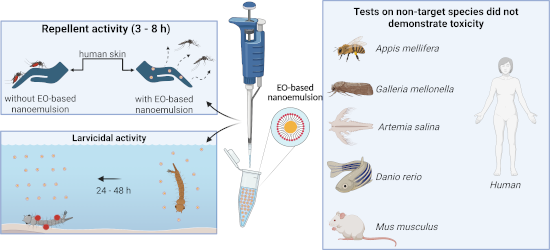
- treatment obtained 85.4% protection, compared to that of the pure essential oil, which had a 57.4% efficacy. In addition, the formulation demonstrated a controlled release of the active compounds, with 51.7% released after 8 hours and 69.6% after 24 hours. Regarding safety, the cell viability of murine
- oils. Furthermore, these nanoemulsions demonstrate low toxicity given the high cell viability in tests with murine fibroblasts and safety in rats and humans, which makes them a promising and safe option


Phytol-loaded soybean oil nanoemulsion as a promising alternative against Leishmania amazonensis
Beilstein J. Nanotechnol. 2025, 16, 1826–1836, doi:10.3762/bjnano.16.126

- presented in Table 1. 3T3 fibroblast-like cell viability Cell viability in mammalian cells was assessed using 3T3 fibroblast-like cells at 24 and 48 hours (Figure 3). Our results showed that none of the treatments induced significant cytotoxicity in this cell type at 24 hours. However, at 48 hours
- , cytotoxicity was observed in cells treated with free PHYT and blank-NE at a concentration of 200 µg/mL, resulting in 67% and 71% cell viability, respectively. Interestingly, PHYT-NE remained safe at all tested concentrations and time points, with cell viability above 80% even at the highest concentration. In
- evaluate the leishmanicidal potential of these nanoemulsions. As PHYT-NE concentrations and exposure times increased, the leishmanicidal activity also improved. Importantly, this formulation did not induce a reduction in cell viability sufficient to indicate cytotoxicity to 3T3 cells, even at the highest


Multifunctional anionic nanoemulsion with linseed oil and lecithin: a preliminary approach for dry eye disease
Beilstein J. Nanotechnol. 2025, 16, 1711–1733, doi:10.3762/bjnano.16.120
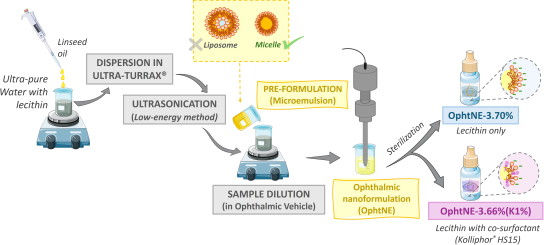
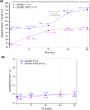
- >75% cell viability in L929 cells and ~10% 2,2-diphenyl-1-picrylhydrazyl (DPPH) antioxidant effect. These findings support the multifunctional potential (cytocompatibility and antioxidant) of sterile OphtNE-3.66%(K1%) for the treatment of DED, emphasizing the need for in vivo studies to ensure its
- , maintained under standard conditions (5% CO2 at 37 °C). Cell viability was determined using the trypan blue exclusion method. The in vitro cytotoxicity of the sterile nanoformulations was evaluated according to the guidelines of the International Organization for Standardization (ISO 10993-5:2009) [59
- ], using the MTT assay to assess cell viability based on metabolic activity. L929 fibroblasts were seeded in 96-well plates at 2 × 10⁴ cells per well. After 24 h, the medium was replaced with 100 µL of fresh medium containing sterile ophthalmic nanoformulations, providing final linseed oil concentrations



Acrocomia aculeata oil-loaded nanoemulsion: development, anti-inflammatory properties, and cytotoxicity evaluation
Beilstein J. Nanotechnol. 2025, 16, 1277–1288, doi:10.3762/bjnano.16.93
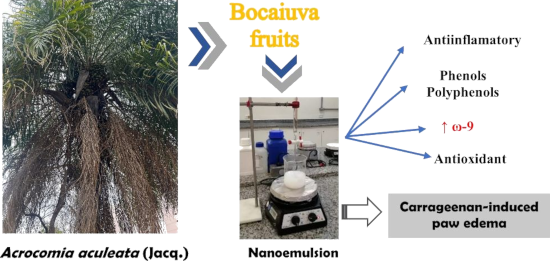
- triplicate, and cell viability was expressed as a percentage according to International Organization for Standardization ISO 10993-5 guidelines [65]. Anti-inflammatory activity of Acrocomia aculeata oil-based nanoemulsion Animals The anti-inflammatory effect was evaluated using carrageenan-induced paw edema
- nanoemulsion loaded with bocaiúva oil. Hemolytic effect (A) and cell viability assay (B) of nanoemulsion loaded with Acrocomia aculeata fruit oil. Anti-inflammatory effect of Acrocomia aculeata fruit oil and oil-loaded nanoemulsion. Different letters indicate statistically significant differences at p ≤ 0.05


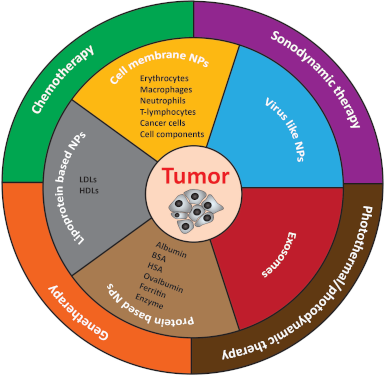
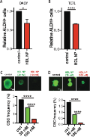
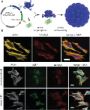
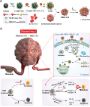
Better together: biomimetic nanomedicines for high performance tumor therapy
Beilstein J. Nanotechnol. 2025, 16, 1246–1276, doi:10.3762/bjnano.16.92






Chitosan nanocomposite containing rotenoids: an alternative bioinsecticidal approach for the management of Aedes aegypti
Beilstein J. Nanotechnol. 2025, 16, 1197–1208, doi:10.3762/bjnano.16.88
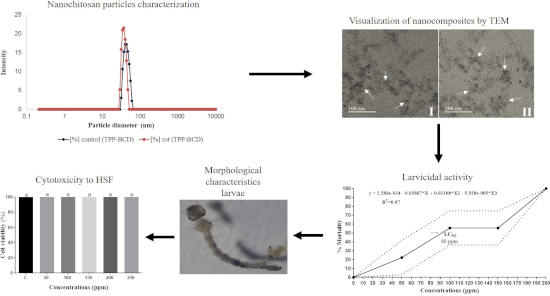
- , even when delivered via nanocomposites. The cytotoxicity analysis of natural rotenoids to HSF cells revealed no statistically significant differences in cell viability between the control group and the treatments with either in natura rotenoids or the CS/TPP-β-CD–rot nanocomposite (Figure 7; p > 0.05
- ). Both treatments maintained cell viability at levels comparable to the control, indicating the absence of cytotoxic effects. These findings demonstrate that the encapsulation of rotenoids into the CS/TPP-β-CD system does not induce cytotoxicity, similarly to the free compound, suggesting that the
- , esfenvalerate, and α-cypermethrin) can affect cell viability by inducing the production of nitric oxide and lipid peroxides in three human cell models (SH-SY5Y, HepG2, and Caco-2), even at concentrations considered safe [38]. Nevertheless, human exposure to multiple pyrethroids routinely occurs due to the



Fabrication of metal complex phthalocyanine and porphyrin nanoparticle aqueous colloids by pulsed laser fragmentation in liquid and their potential application to a photosensitizer for photodynamic therapy
Beilstein J. Nanotechnol. 2025, 16, 1088–1096, doi:10.3762/bjnano.16.80
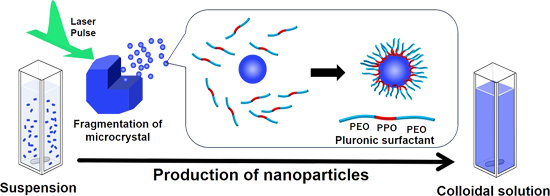
- employing MTT assays with PC12 and HeLa cells. Nanoparticle colloids diluted with PBS to various concentrations were added to the cell culture medium and incubated for 24 h; then, the cell viability was examined with and without light irradiation by using an MTT cell proliferation kit as described earlier
- [30][31]. A halogen lamp light with a wide spectral range of 500–800 nm using optical filters was used as light source for 10 min at an output power of 35 mW·cm−2 (Figure S6 and Figure S7, Supporting Information File 1). For AlClPc and PtOEP nanoparticles, a significant reduction in the cell viability
- with broadband (500–800 nm, Figure S6, Supporting Information File 1) visible-light source at 30 mW·cm−2 for 10 min. The cell viability after light irradiation was determined using a MTT cell proliferation kit (Roche) as described in [31][32]. 10 μL of the 3-(4,5-dimethylthiazol-2-yl)-2,5


Piezoelectricity of hexagonal boron nitrides improves bone tissue generation as tested on osteoblasts
Beilstein J. Nanotechnol. 2025, 16, 1068–1081, doi:10.3762/bjnano.16.78
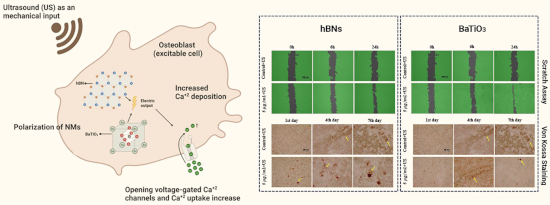
- osteoblast cell activity, the HOb cell line (cell line no. 406-05a, European Collection of Cell Cultures, UK) was chosen due to its sensitivity to mechanical and electric stimuli. Cell viability, reactive oxygen species (ROS) detection, cellular uptake, scratch, and von Kossa staining assays (Abcam, UK) were
- , Pan Biotech) before measurements, and all reagents to be added were prepared in DMEM/F-12 medium. In all in vitro assays, only cells (control, C) and US-exposed cells (C+US) were used as control groups. Cell viability assay The cell viability assay was performed with the Alamar Blue (Biorad, US
- % CO2. Afterward, the absorbance was measured at 570–600 nm to determine cell viability via a Tecan microplate reader. The linear regression method calculated the half-maximal inhibitory concentration (IC50) values. Reactive oxygen species detection assay The ROS detection was carried out using the 2’,7


A calix[4]arene-based supramolecular nanoassembly targeting cancer cells and triggering the release of nitric oxide with green light
Beilstein J. Nanotechnol. 2025, 16, 1003–1013, doi:10.3762/bjnano.16.75
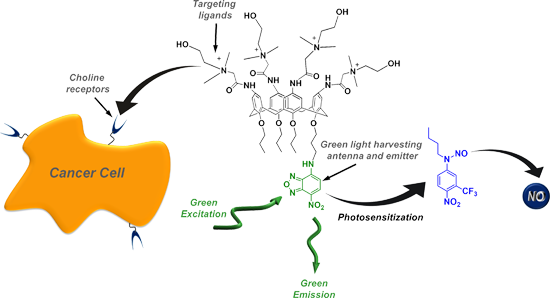
- room temperature for at least 48 h, as evidenced by the unaltered values of the hydrodynamic diameter and the unchanged absorption and emission features over this time window. Cytotoxicity and cell targeting properties of 1 The effects of the nanoassembly of 1 on cell viability were evaluated on
- FBS (Gibco, Life Technologies), 2 mM ʟ-glutamine, 100 U/mL penicillin, and 100 μg/mL streptomycin. Cells were grown as a monolayer at 37 °C under a controlled humidified atmosphere containing 5% CO2. MTS assay Cell viability assays (MTS) were performed using the CellTiter Aqueous OneSolution kit
- (Promega, Madison, WI, USA) according to the manufacturer’s protocol. Cells (10 × 103) were seeded into 96-well plates and incubated at 37 °C and 5% CO2 for 24 h. Then, cells were treated with increased doses of the nanoassembly of 1, and after 24 h MTS assays were performed. Cell viability data are


Serum heat inactivation diminishes ApoE-mediated uptake of D-Lin-MC3-DMA lipid nanoparticles
Beilstein J. Nanotechnol. 2025, 16, 740–748, doi:10.3762/bjnano.16.57
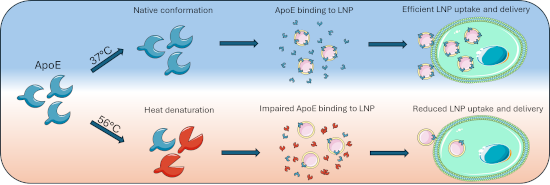
- vitro cellular models aiming to eventually understand biodistribution and cargo delivery efficiency of the LNPs in vivo. For in vitro cell culture, fetal calf serum (FCS) is supplemented to culture media to provide nutrients and promote cell viability and growth. Heat inactivation of FCS is often


Efficiency of single-pulse laser fragmentation of organic nutraceutical dispersions in a circular jet flow-through reactor
Beilstein J. Nanotechnol. 2025, 16, 711–727, doi:10.3762/bjnano.16.55
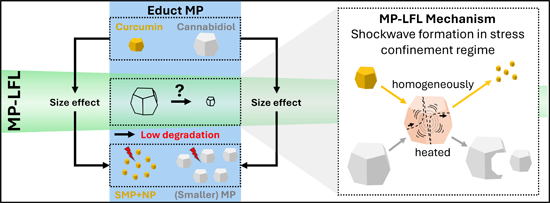
- -irradiated curcumin compared to the unirradiated LP0 control. Non-cytotoxic concentrations for both curcumin samples were determined using the MTT assay first. The cell viability was compromised for the untreated curcumin even at high sample dilution, whereas the laser-fragmented curcumin showed high
- ]. On the other hand, antioxidant features of curcumin are also frequently discussed [78][79], which may overshadow toxic effects and improve cell viability at higher concentrations of active soluble curcumin. The second protective effect seems to be dominant in our study, which may be attributed to the


Colloidal few layered graphene–tannic acid preserves the biocompatibility of periodontal ligament cells
Beilstein J. Nanotechnol. 2025, 16, 664–677, doi:10.3762/bjnano.16.51
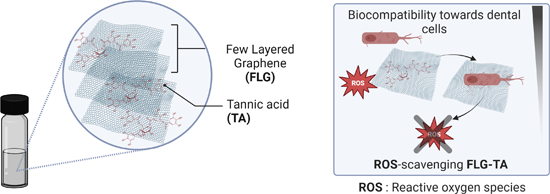
- all (85 %) TA added before the exfoliation was incorporated in or adsorbed on the FLG material. Figure 3A shows that the PDL cell viability drops below 70% within the concentration range of 2.5–20.0 µg·mL−1 for free TA molecules (***p < 0.001), demonstrating a significant cytotoxic effect of the
- graphene, a different scenario occurs as the FLG–TA composite shows no cytotoxicity up to a concentration of 200 µg·mL−1 (Figure 3B). These data altogether demonstrate that the addition of TA to FLG improves the cell viability compared to TA alone. The gradual increase in FLG–TA composite concentration is
- of FLG–TA with respect to the same amount of soluble TA is due to reduced mobility in the immobilized state. As shown in Figure S7, Supporting Information File 1, the LIVE/DEAD cell viability assay demonstrated that FLG–TA-treated cells maintained viability levels comparable to untreated controls