Search results
Search for "defects" in Full Text gives 746 result(s) in Beilstein Journal of Nanotechnology. Showing first 200.
Electrochemical sensing of sildenafil in pharmaceutical formulations using an (S,N)-doped reduced graphene oxide-modified electrode
Beilstein J. Nanotechnol. 2026, 17, 1087–1102, doi:10.3762/bjnano.17.74
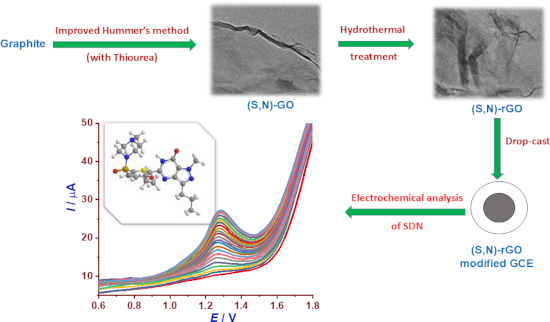
- demonstrated to significantly improve electrochemical performance by introducing defects, redistributing charge density, and facilitating electron transfer processes [20][21]. In our previous study [22], nitrogen- and sulfur-doped reduced graphene oxide ((S,N)-rGO) was explored as a potential electrode
- a hierarchical pore structure with both micropores (16.5 m2·g−1) and mesopores (43.8 m2·g−1). The formation of micropores can be attributed to the removal of oxygen-containing functional groups, which generates vacancy defects and creates nanoscale pores within the graphene sheets. Meanwhile
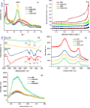
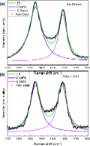
- incorporation of nitrogen- and sulfur-containing groups, confirming successful heteroatom. The Raman spectra (Figure 1d) display the typical D and G bands of graphene-based materials [26]. The ID/IG ratio increases from 0.82 (GO) to 1.21 ((S,N)-rGO), indicating an increase in structural defects and disorder



Nanoglasses: a trail towards uncharted regions of vitreous materials and their properties?
Beilstein J. Nanotechnol. 2026, 17, 1047–1062, doi:10.3762/bjnano.17.72

- at the nanometre-level and even at the atomic scale. Despite these widespread concepts of modification of materials, materials science has traditionally focused on crystalline materials, particularly in the context of microstructure and defect engineering, including the manipulation of defects such
- volume” [1][2]. However, the reliance on thermal processing limits the range of excess volume changes to only 1–2%. One should keep in mind that this range of excess volume variation is still much larger for glasses compared to crystalline materials. When limiting the discussion to point defects, namely
- , variations of the number density of point defects in crystalline materials within the documented range correspond to minor variations in the excess volume. Yet, also for glasses and with the absence of a crystalline lattice and the restrictions concerning excess volume that this poses, this range of 1–2% is


Influence of an external electric field on the catalytic CO oxidation of nanoscaled CeO2 and its La3+ and Gd3+ congeners
Beilstein J. Nanotechnol. 2026, 17, 1028–1038, doi:10.3762/bjnano.17.70
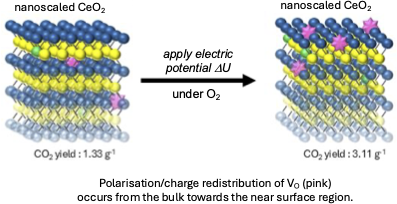
- reduced. Doping ceria with various cations influences this general mechanism and changes the energy of the defects and their accessibility, as well as migration energy and migration pathways of mobile ions within the structure [18][21]. With respect to gas adsorption on the surface of ceria this situation
- (Oh, Supporting Information File 1, Figures S15–S19). The fcc structure is thus confirmed again for all materials. No signals for other phases or impurities are observed [23]. The characteristic peaks related to defects, extrinsic VO, and intrinsic VO, appeared around 250, 540, and 600 cm−1


Ultrasonic irradiation in the synthesis of nanohydroxyapatite: a chemically friendly technique for improving hemocompatibility and antibiofilm applications
Beilstein J. Nanotechnol. 2026, 17, 991–1015, doi:10.3762/bjnano.17.68
- represents a major challenge for science. Prostheses used to repair skeletal system defects and diseases should be customized devices to respond specifically to physiological demands of each different organism [2][3][4]. For this reason, most recent research shows a trend toward biomimicry or the use of




Materials challenges in solid-state sensors for continuous monitoring of ions in water
Beilstein J. Nanotechnol. 2026, 17, 935–973, doi:10.3762/bjnano.17.66
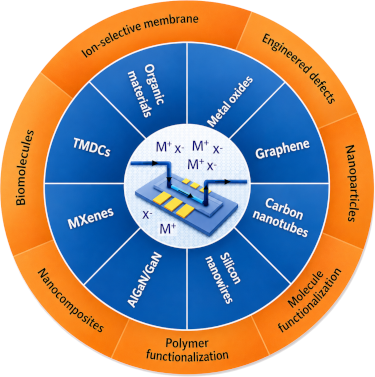
- atoms tend to rearrange, react, or adsorb species to reduce surface free energy, leading to non-ideal, defect-rich surfaces. These defects often cause the film to be n-type doped and form surface states inside the bandgap, affecting charge trapping, catalytic activity, and sensing behavior. Due to their



Enhanced erosion resistance and radiation stability of WC–WO3 nanocomposite films under 100 keV Kr+ ion irradiation
Beilstein J. Nanotechnol. 2026, 17, 922–934, doi:10.3762/bjnano.17.65
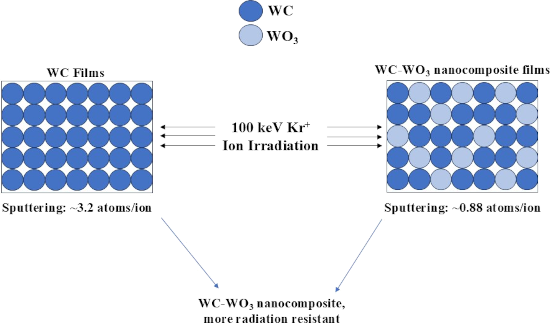
- defects as compared to grain boundaries in the single-component material [33][68]. Some recent studies of ion induced effects in composite materials are tabulated in Table 1. From the extensive literature review discussed in Table 1, it can be seen that none of the studies have explored ion-induced
- irradiation-induced point defects, created through collision cascades, leads to mechanical instability in the crystallites. In nanocrystalline materials, collision cascades and subsequent defect formation occur near the grain boundaries. Since grain boundaries act as defect sinks, these defects tend to
- migrate towards them. In such a setting, the cooperative movement of defects towards the grain boundaries stimulates grain boundary migration. This migration results in overall grain growth through atomic jumps of the defects across the grain boundaries [61][68]. The defect density can be estimated via



Nanocarrier strategies to overcome P-glycoprotein-mediated drug resistance in cancer therapy
Beilstein J. Nanotechnol. 2026, 17, 882–921, doi:10.3762/bjnano.17.64
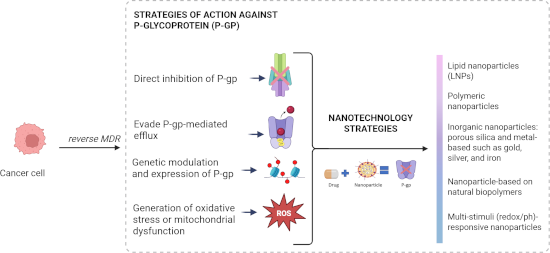
- or inhibitory effect of drug treatment, leading to a reduction in the efficacy of chemotherapy and to cancer progression [11]. Critically, resistance in solid tumors is typically multifactorial. Target alteration, pathway reconfiguration, defects in apoptotic signaling, enhanced DNA repair
- efficiency. Defects in apoptotic signaling, while downstream of drug–target interaction, can be partially circumvented by nanocarriers co-delivering pro-apoptotic agents alongside cytotoxic agents. These intersections are noted where relevant throughout the review, but mechanistic detail on non-ABCB1


He+ FIBID-fabricated 3D AFM tip architectures: an exploratory study of hollow pillars, helices, and spirals
Beilstein J. Nanotechnol. 2026, 17, 863–871, doi:10.3762/bjnano.17.62
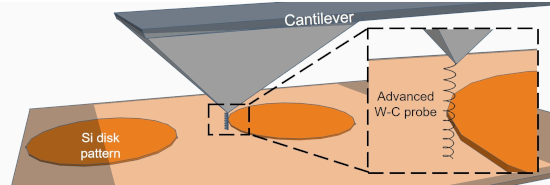
- visible in the AFM images may correspond to contamination particles or pattern defects. Dimensional characterisation of nanohelix tips fabricated onto commercial AFM cantilevers using He+ FIBID, highlighting variations in growth direction, height, and loop count. The nominal nanohelix diameter (dNH) and


Light-driven ammonia electrooxidation via carbon nitride–ruthenium molecular interfaces
Beilstein J. Nanotechnol. 2026, 17, 854–862, doi:10.3762/bjnano.17.61
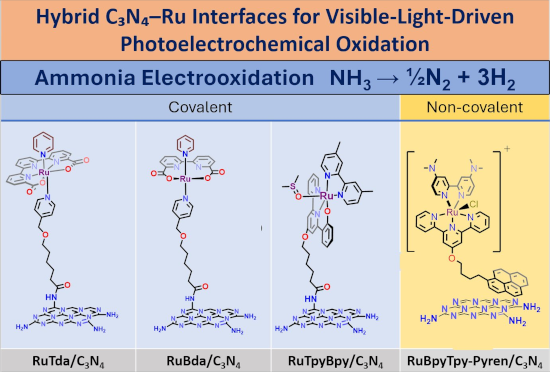
- surface properties of polymeric C3N4 without resynthesis. Thermal oxidation etching, acid treatment, and alkali-assisted exfoliation can shift the valence band edge, narrow the bandgap, and introduce surface defects that serve as additional anchoring sites or charge-trapping centres, further expanding the


Glycerol photoelectrochemical oxidation reaction at carbon nitrides/BiVO4 materials
Beilstein J. Nanotechnol. 2026, 17, 806–817, doi:10.3762/bjnano.17.57
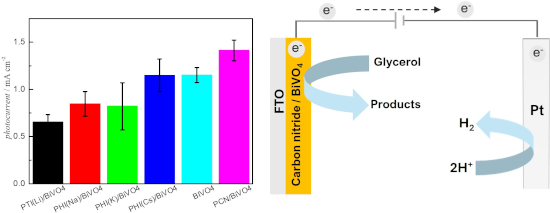
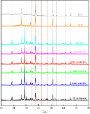
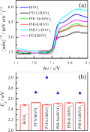
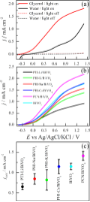
- structural defects [16]. CN materials have been extensively studied as environmentally friendly semiconductors with remarkable photocatalytic properties and facile synthesis [17][18][19][20][21]. Furthermore, it has been demonstrated that incorporating cations during CN synthesis can lead to different




Tuning the electronic properties of defect-rich MoS2
Beilstein J. Nanotechnol. 2026, 17, 796–805, doi:10.3762/bjnano.17.56
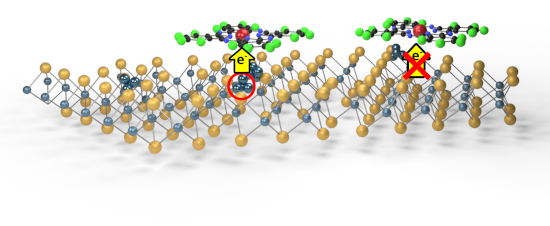
- structural defects significantly affect the electronic properties of the material. The present study utilizes angle-resolved photoelectron spectroscopy (ARPES) and surface-sensitive core-level spectroscopy (SXPS, XAS) with synchrotron radiation to investigate the interfaces between defect-rich MoS2 and
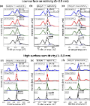
- perfluorinated cobalt phthalocyanine (CoPcF16). Defects were introduced in synthetic MoS2 bulk crystals by gentle argon and neon sputtering. Although the band structure is still visible after sputtering, especially SXPS reveals structural and electronic disturbances of the topmost MoS2 layer. We show how the
- TMDC layers [15]. Since interaction mechanisms depend strongly on the central metal atom and the ionization potential of the phthalocyanine, we focus specifically on CoPcF16 and vary the properties of the substrate. In general, electronic defects play a crucial role in novel optoelectronic devices, as


Substrate-dependent pore formation in molybdenum disulfide monolayers under ion irradiation
Beilstein J. Nanotechnol. 2026, 17, 769–780, doi:10.3762/bjnano.17.54
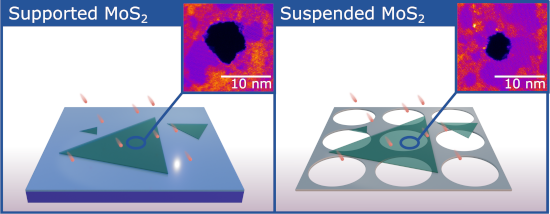
- under both HCI and SHI irradiation conclusively demonstrate the central role of substrate and interface-dependent electronic dissipation pathways regarding damage under these types of ion irradiation. Keywords: defects; MoS2; nanopores; SiO2; scanning transmission electron microscopy (STEM
- ); Introduction Ion beams provide a controllable route to engineer defects in two-dimensional (2D) materials, enabling property tuning from doping to nanopore formation [1][2][3][4]. Because kinetic energy, charge state, and mass can be varied over wide ranges, ion irradiation offers a large parameter space for
- -)electronic and catalytic functionality [14][15][16][17][18]. Ion irradiation has already proven effective for defect engineering across different energy regimes: Low-energy ions enable implantation with near-atomic precision [19][20][21], kiloelectronvolt ions primarily create point defects in monolayers [22


Tailoring Ag–Pt nanoalloys through solid-state dewetting: structural and optical insights
Beilstein J. Nanotechnol. 2026, 17, 748–759, doi:10.3762/bjnano.17.52

- in polycrystalline structures, various defects, mainly linear and plane (e.g., twinning), or finally local inhomogeneities of the thickness of thin films, strongly modify the phase equilibrium system. This, in turn, affects critical properties, including the melting temperature of metallic structures
- (GIS). The final thinning of the samples was conducted by gradually reducing the acceleration voltage to 2 kV, thereby minimizing Ga-induced defects. The formation of the nanoalloys was confirmed by measuring their optical properties, with particular emphasis on plasmonic behavior. These properties




Molecular engineering of individual dye-based nanoparticle photostability for ultrabright two-photon fluorescence
Beilstein J. Nanotechnol. 2026, 17, 688–696, doi:10.3762/bjnano.17.48
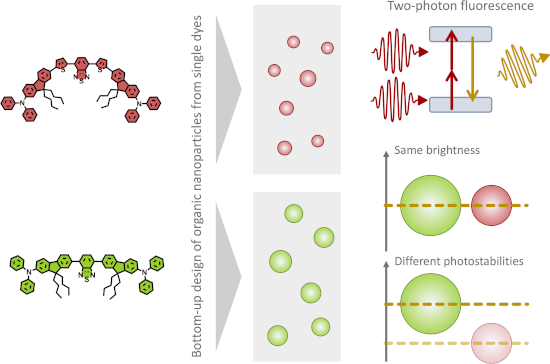
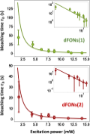
- yield (ΦΔ) of 0.03. For dye 2, we were unable to detect any triplet state formation. This lack of reactive triplet states led us to conclude that the primary deactivation pathway for the S1→S0 transition in both dFONs is internal conversion, likely facilitated by the long alkyl chains and defects in the


afspm: A framework for manufacturer-agnostic automation in scanning probe microscopy
Beilstein J. Nanotechnol. 2026, 17, 653–667, doi:10.3762/bjnano.17.45
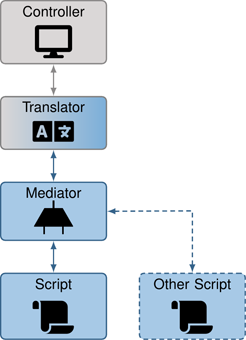
- classified surface structure, detecting atoms [5], molecules [6], or defects of interest [7][8]. Even the design of experiments has been researched, using statistics to drive decisions during the experiment [9][10][11][12]. Active learning, where a machine learning algorithm’s internal model is updated
- analysis script to analyze 2D scans for defects of interest; an experiment could then regularly alternate between performing 2D scans and running local spectroscopies on the detected defects. A user of the framework is not restricted to this subset of controls; generic actions and generic parameters can be




Cellulose as a photocatalyst support material: extraction, structural features, and environmental applications
Beilstein J. Nanotechnol. 2026, 17, 635–652, doi:10.3762/bjnano.17.44
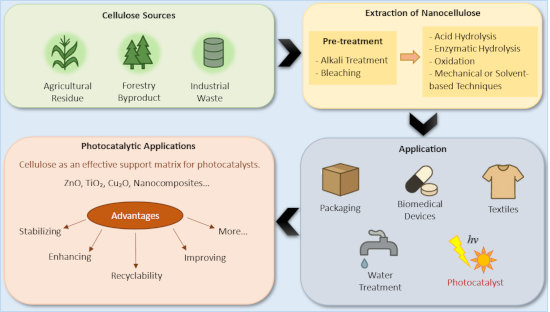
- crystallinity, excellent elasticity, and mechanical strength, with fibers ranging from 200 to 3000 nm long and 10–75 nm wide [23]. Extraction at the nanoscale not only reduces structural defects within cellulose’s hierarchy but also introduces new characteristics such as increased surface area, thereby


Recent progress in enhancing built-in electric fields of perovskite solar cells via junction engineering
Beilstein J. Nanotechnol. 2026, 17, 602–621, doi:10.3762/bjnano.17.42
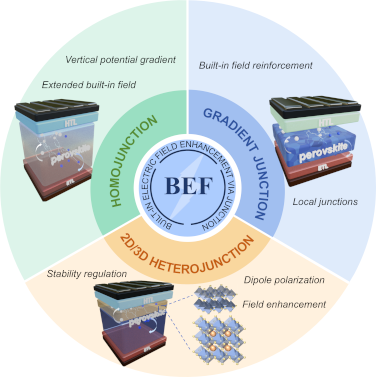
- . Heterojunction systems, especially 2D/3D heterojunctions, enhance the BEF magnitude and extend its effective depth in the near-interface region through the synergistic effects of interfacial dipoles, intrinsic polarization, and penetrating low-dimensional phases, while simultaneously suppressing defects and
- distortions, create defects, and promote ion migration. To address these challenges, recent research has focused on precisely tuning the local potential via surface or near-surface doping and functionalization while preserving lattice continuity. Current efforts are also directed toward extending these
- natural vitamin C into the SnO2 ETL to reduce defects and improve electron transport. They also exploited the antioxidant and passivation effects of vitamin D2 to convert the perovskite surface from n-type to p-type, thereby forming a p-region approximately 80 nm thick at the top and spontaneously



Impacts of annealing on structural and photophysical properties of zinc phthalocyanine adsorbed on graphene
Beilstein J. Nanotechnol. 2026, 17, 576–585, doi:10.3762/bjnano.17.39
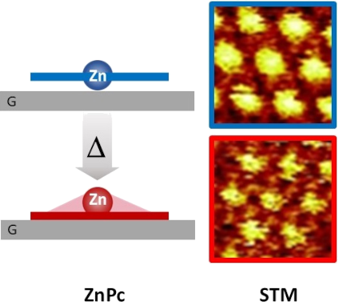
- of molecules in solution being already under shuttlecock form. Scanning tunneling microscopy Although the TSB35-family molecules form the same atomically precise self-assembly patterns on graphene and HOPG, the former is less convenient for STM observations because of defects inherently present in


Synthesis of Cu–Mo/TiO2 and Co–Mo/TiO2 photocatalysts for the efficient degradation of organic pollutants in water
Beilstein J. Nanotechnol. 2026, 17, 559–570, doi:10.3762/bjnano.17.37
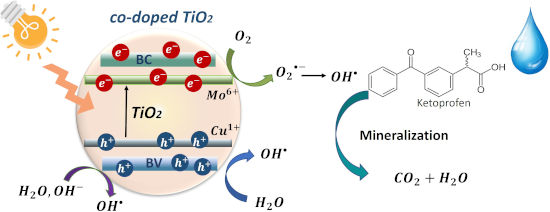
- metal ions with low valence that have shown improvements when used as dopants in photocatalytic processes [17][18][19][20]. Cu2+ introduces shallow trapping sites that prolong charge-carrier lifetime [21]; it also creates defects in the TiO2 lattice, which increase the optical absorbance [22]. Cobalt
- -doped TiO2 can promote light absorption and induce lattice distortion and defects [19]. However, there are some challenges that need to be addressed to fully optimize Cu–TiO2 and Co–TiO2 systems. Although there are reports related to M-doped TiO2 (M = Cu, Co, or Mo), and different co-doped TiO2 systems
- the bandgap of TiO2 [36]. The new energy levels can act as recombination centers for electrons and holes, affecting the emission and absorption of photons [37]. Doping metal ions such as Fe, Ni, Co, and Cu into TiO2 introduces mid-gap or surface states and defects, such as oxygen vacancies [38]. The



Electrochemical determination of ciprofloxacin using a MIL-101/reduced graphene oxide-modified electrode
Beilstein J. Nanotechnol. 2026, 17, 541–554, doi:10.3762/bjnano.17.35
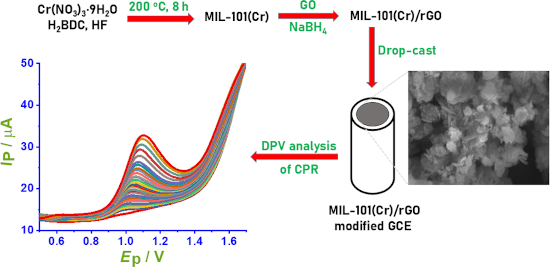
- are presented in Figure 1a,c. As shown in Figure 1c, GO exhibits two characteristic bands at ≈1345 cm−1 (D band) and ≈1599 cm−1 (G band), which are associated with structural defects/disorder and the in-plane vibration of sp2-bonded carbon atoms, respectively [23]. After chemical reduction, rGO shows


Upcycling agroindustrial waste into graphene oxide supports for gold nanoparticles: toward sustainable nanomaterials
Beilstein J. Nanotechnol. 2026, 17, 489–504, doi:10.3762/bjnano.17.32
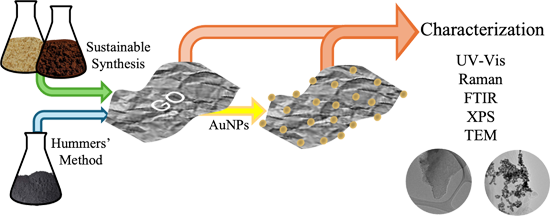
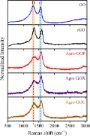
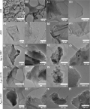
- atoms in aromatic domains and the D band around 1350 cm−1, associated with defects in the crystal lattice such as edges, vacancies, and oxygenated functional groups [38]. The intensity ratio between these peaks (ID/IG) is commonly used as an indicator of structural disorder or defect density in the
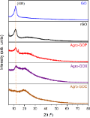
- material [39]. In the GO spectrum, the D and G bands are observed at 1320.4 and 1555.9 cm−1, respectively, with an ID/IG ratio of 1.07. This relatively high ratio indicates a high density of structural defects and a significant degree of oxidation. In contrast, the rGO sample shows a ratio of ID/IG = 1.10
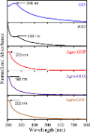
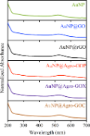
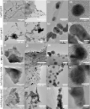
- 0.74 (Agro-GOP), 0.78 (Agro-GOX), and 0.91 (Agro-GOC), which at first glance might suggest fewer defects. However, when interpreted alongside the pronounced blueshift of the π→π* transitions in UV–vis spectroscopy, these lower ratios instead indicate that the sp2 domains are small and highly fragmented



Defects and defect-mediated engineering of two-dimensional materials: challenges and open questions
Beilstein J. Nanotechnol. 2026, 17, 454–488, doi:10.3762/bjnano.17.31
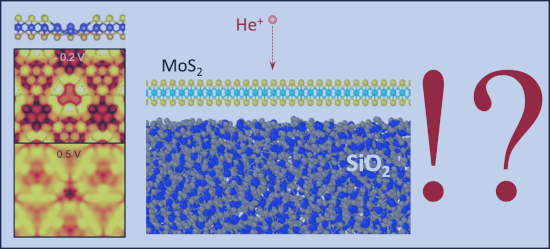
- Abstract Compared to bulk solids, defects in low-dimensional materials and, specifically, 2D systems are expected to have a stronger effect, detrimental or beneficial, on their properties. Owing to their geometry, defects in 2D materials can easily be formed due to the interaction with the environment or
- under impacts of energetic particles, such as ions and electrons. At the same time, many concepts of defect production under irradiation in bulk systems are not applicable for 2D materials or require substantial modifications. Various aspects of the physics and chemistry of defects in 2D materials have
- with low-dimensional targets, and defect-mediated engineering of the properties of 2D systems. We further discuss possible solutions to these problems or suggest “work-arounds”, which should accelerate the progress in the field. Keywords: 2D materials; defects; electron irradiation; ion bombardment





Interconnection morphology effects on the radio frequency response of carbon nanotube sponges
Beilstein J. Nanotechnol. 2026, 17, 343–351, doi:10.3762/bjnano.17.23
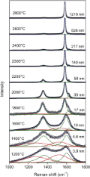
- (Figure 4). The spectral range studied was 1100–1800 cm−1, where we observed the contributions from the D and G bands. The D band is associated with the presence of defects and disorder in the sp2 lattice, while the G band is a fingerprint of the sp2 order [31]. The D band is located at 1345 ± 2 cm−1 and
- of the G band of 34% ± 1%. This trend is confirmed by the IG/ID ratio, which increases from an initial value of 0.88 to 1.00. It must be noticed that the D band is already intense in the as-grown sample; it originates from the presence of defects in the tubes’ outer walls and from the highly
- composed mainly of electrons excited from the sp2 and sp3 hybridization of the honeycomb lattice and from the defects in the structure that also comprises OH groups. In particular, the spectra were fitted by the sum of three main components assigned to carbon–carbon bonds (C=C/C−C/C−H, 284.4 ± 0.1 eV




Beam shaping techniques for pulsed laser ablation in liquids: Unlocking tunable control of nanoparticle synthesis in liquids
Beilstein J. Nanotechnol. 2026, 17, 309–342, doi:10.3762/bjnano.17.22
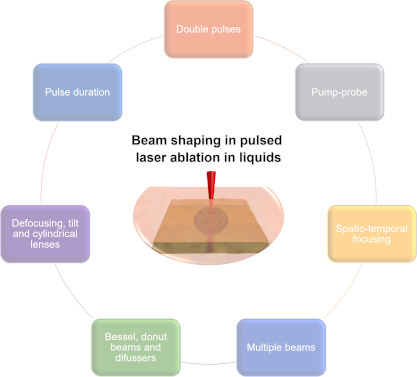
- tuning NP size, crystallinity, defects, and optical properties. Conventional batch PLAL setups often exhibit lower productivity than large-scale chemical or gas-phase syntheses; however, recent advances using megahertz-repetition-rate lasers and continuous-flow configurations have significantly increased







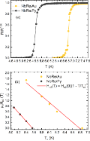
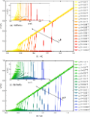
Fast vortex dynamics and relaxation times in NbRe-based heterostructures
Beilstein J. Nanotechnol. 2026, 17, 292–302, doi:10.3762/bjnano.17.20
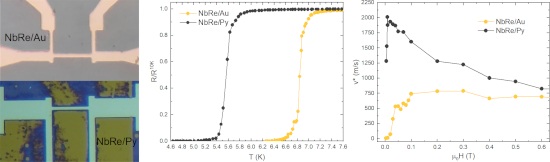
- ; superconductivity; vortex dynamics; Introduction Vortex dynamics plays a central role in the electrical transport under magnetic fields in type-II superconductors and is an essential subject of research in superconductivity [1]. In inhomogeneous type-II superconductors, structural defects create pinning centers
- superconducting coherence. This phenomenon, known as flux-flow instability (FFI), depends on several factors such as structural disorder and defects [3], pinning mechanisms [4][5], thermal effects [6], and sample geometry [7]. FFI is effectively described by the Larkin–Ovchinnikov (LO) model [8], which relates