


Search results
Search for "development" in Full Text gives 1368 result(s) in Beilstein Journal of Nanotechnology. Showing first 200.
Nanoglasses: a trail towards uncharted regions of vitreous materials and their properties?
Beilstein J. Nanotechnol. 2026, 17, 1047–1062, doi:10.3762/bjnano.17.72

- has always been closely tied to the continuous development of new and improved materials. From the earliest stages of material use, humans learned to modify the structure and composition of materials to enhance their performance and expand their applications. While chemical modifications play a key
- and societal development since the Stone Age. One of the most significant distinctions between glasses and crystalline materials is the ability to tune their properties through processes such as aging, relaxation, or rejuvenation. In fact, glasses offer a unique opportunity to modify their properties
- , substantially impeding progress in the field and restraining interest, despite promising improvements in mechanical and functional properties observed for nanoglasses. The emergence of alternative processing routes holds the potential to invigorate the development of this field and facilitate the comprehensive


Synthesis and characterization of RF-sputtered ZnTe/Cu2−xTe thin films for solar cell applications
Beilstein J. Nanotechnol. 2026, 17, 1016–1027, doi:10.3762/bjnano.17.69
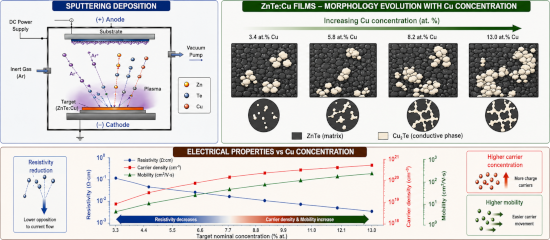
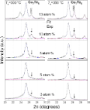
- , establishing a direct relationship between phase evolution and electrical transport. These findings contribute to the understanding and development of ZnTe-derived materials for back-contact applications in CdTe solar cells. Experimental The films were grown by radio-frequency (RF) magnetron sputtering on a
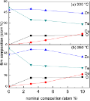
- conductive Cu-rich telluride phases. Although no device-level validation was performed, the observed structure-property relationships provide useful insight for the future development of ZnTe-derived materials intended for back-contact applications in CdTe solar cells. Chemical composition of CuZnTeO films



Ultrasonic irradiation in the synthesis of nanohydroxyapatite: a chemically friendly technique for improving hemocompatibility and antibiofilm applications
Beilstein J. Nanotechnol. 2026, 17, 991–1015, doi:10.3762/bjnano.17.68
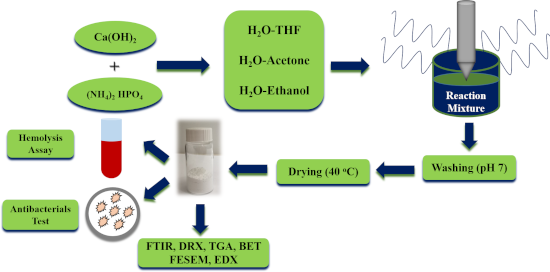
- engineering. Keywords: antibiofilm properties; hemocompatibility; nanohydroxyapatite; ultrasonic irradiation; Introduction Nowadays, there is a high demand for the development of bone substitutes that are biocompatible, bioactive, mechanically strong, and well tolerated by the immune system [1], which
- study of hydroxyapatite continue to provide significant advantages in the development of new biomaterials. Furthermore, obtaining nHA through a green chemistry approach adds to its many existing advantages. Based on these premises, this study investigated the influence of ultrasonic irradiation on
- platelets must be studied since they participate in the first events that lead to the formation of blood clots, which are associated with the development of strokes and heart attacks [90]. Therefore, to evaluate the effect of nHA synthesized in W/THF on platelets, in vitro platelet aggregation tests were




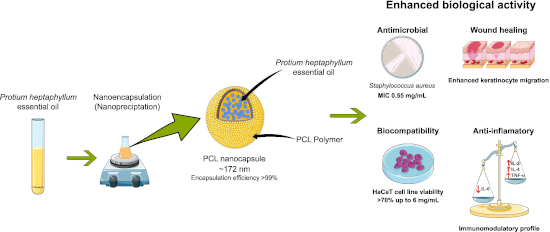
Development of Protium heptaphyllum essential oil-loaded nanocapsules: experimental design and biological activity
Beilstein J. Nanotechnol. 2026, 17, 974–990, doi:10.3762/bjnano.17.67
- Junior Emmanuel Abraham Ho Marcele Fonseca Passos Institute of Biological Sciences, Federal University of Pará, PA, Brazil Technological Development Group on Biomaterials and Bioproducts of the Amazon, PA, Brazil Laboratory for Drug Delivery and Biomaterials, School of Pharmacy, University of Waterloo
- development of novel natural products and promotes the sustainable use of renewable biological resources with high therapeutic potential. Among these, essential oils are particularly important due to their complex chemical composition, rich in terpenoids and phenolic compounds known to exhibit antimicrobial
- , anti-inflammatory, and antioxidant activities [3][4]. These properties underscore the importance of Amazonian resources for both sustainable use and the development of innovative delivery strategies. The essential oil of Protium heptaphyllum (P. heptaphyllum) resin, commonly known as breu branco, is a




Materials challenges in solid-state sensors for continuous monitoring of ions in water
Beilstein J. Nanotechnol. 2026, 17, 935–973, doi:10.3762/bjnano.17.66
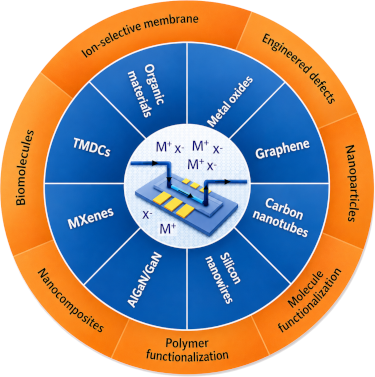
- of active materials have been investigated, including metal oxides, graphene, carbon nanotubes, silicon nanowires, AlGaN/GaN, MXenes, transition metal dichalcogenides, and organic polymers all of which can be tailored for sensor development. Sensor selectivity and functionality can be enhanced



Nanocarrier strategies to overcome P-glycoprotein-mediated drug resistance in cancer therapy
Beilstein J. Nanotechnol. 2026, 17, 882–921, doi:10.3762/bjnano.17.64
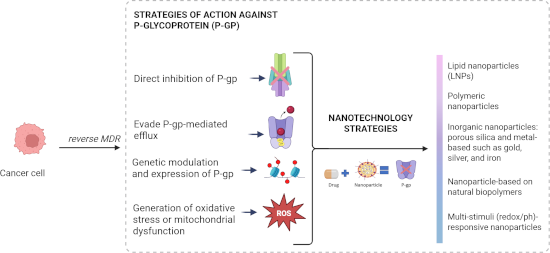
- -resistant prostate cancer (CRPC), P-gp upregulation, operating alongside androgen receptor-mediated survival signaling, which can indirectly modulate ABCB1 expression via transcriptional co-regulatory pathways, contributes to chemoresistance, thereby motivating the development of strategies aimed at
- -coding RNAs of 18–25 nucleotides, which are associated with cancer development, progression, and metastasis. Aiming to resensitize colorectal cancer tumors to 5-fluorouracil (5-FU), Li et al. conducted a combined treatment trial of 5-FU and mesoporous silica nanoparticles (MSNs) loaded with anti-miR-155
- , mitochondrial disruption via MTS-R8H3, and efflux inhibition via TPGS. The convergence of these strategies supports the development of modular nanocarriers that maximize intratumoral drug delivery while minimizing systemic toxicity, paving the way for future combinations with immunotherapies and tumor


Supramolecular one-dimensional conducting nanofibers from a C3-symmetric tetrathiafulvalene derivative
Beilstein J. Nanotechnol. 2026, 17, 872–881, doi:10.3762/bjnano.17.63
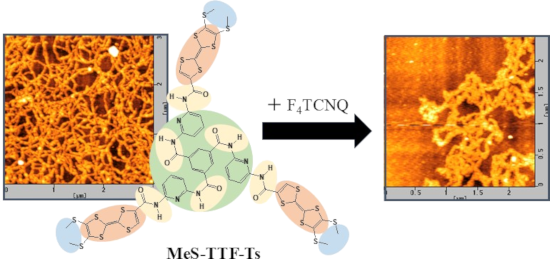
- promising platforms for the development of functional nanomaterials [9][10]. In particular, when electroactive molecules are employed, one-dimensional structures formed through self-assembly are expected to be applicable as nanowire materials in molecular electronic devices. Among them, tetrathiafulvalene
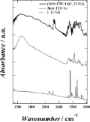
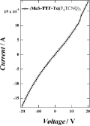
- transport, and offer a useful design strategy for the development of organic conductive nanomaterials based on self-assembly. AFM images of nanorods composed of C3-symmetric MeS-TTF-Ts deposited from DMF on a mica substrate. (a) 10 μm × 10 μm; (b) 5 μm × 5 μm. AFM images of nanofibers composed of C3


He+ FIBID-fabricated 3D AFM tip architectures: an exploratory study of hollow pillars, helices, and spirals
Beilstein J. Nanotechnol. 2026, 17, 863–871, doi:10.3762/bjnano.17.62
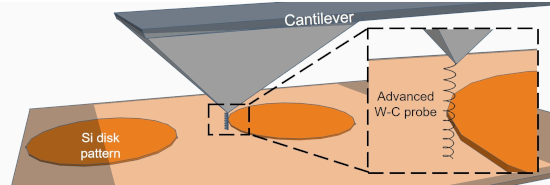
- modes has also driven the development of specialised probes for electrical [3], thermal [4], optical [5], and magnetic [6] measurements, as well as biological characteristics [7]. In all these applications, tip geometry remains a central parameter because it directly affects access to surface features


Nanoparticle delivery systems for HIV pre-exposure prophylaxis (PrEP): advances and challenges
Beilstein J. Nanotechnol. 2026, 17, 839–853, doi:10.3762/bjnano.17.60
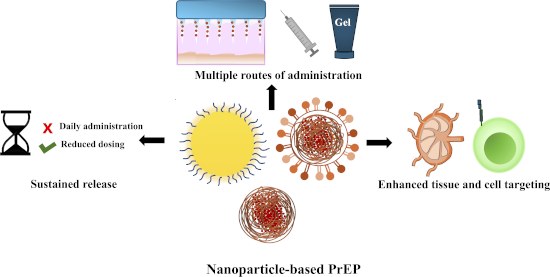
- infection if exposure occurs. Conventional oral PrEP approaches require a daily drug regimen for effective prophylaxis, which can become burdensome, and pill fatigue creates challenges for adherence. There is, consequently, interest in the development of long-acting formulations of antiretrovirals that
- prevention options beyond daily pills, there is continued interest in the development of additional LA technologies based on nanoparticle delivery systems, especially in combination with active or passive targeting strategies. Nanoparticles are promising delivery systems for concentrating ARVs in tissues
- developed for PrEP, it still illustrates the broader potential of ligand-functionalized LBNP platforms for use in CD4-targeting nanomedicine and future HIV prevention strategies. Continuing on the development of receptor-targeting LBNPs, Patel et al. developed rilpivirine (RPV)-loaded LBNPs functionalized


Cross-scale design of chemosensor arrays: from molecular self-assembly in water to paper-based devices for metal ion detection
Beilstein J. Nanotechnol. 2026, 17, 828–838, doi:10.3762/bjnano.17.59
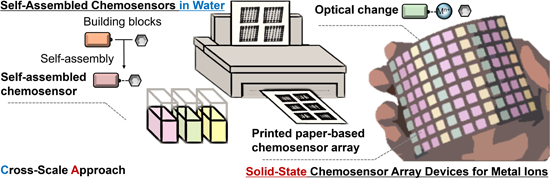
- challenging in on-site analysis [20][21]. Thus, the development of a solid-state chemosensor device is necessary for facile analyte detection. To implement the cross-scale design concept, chemosensor elements should be highly dispersed on solid support materials possessing nanoarchitectures such as fiber


Restorative potential of laser-synthesized silver nanoparticles with Salvia officinalis for periodontal disease treatment: an in vitro study
Beilstein J. Nanotechnol. 2026, 17, 781–795, doi:10.3762/bjnano.17.55
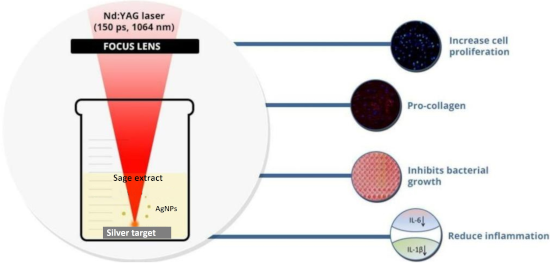
- indicate bactericidal activity rather than bacteriostatic effects. This characteristic is valuable for the treatment of periodontal disease as it ensures complete bacterial elimination rather than growth inhibition, thereby reducing the risk of bacterial resistance development [41]. Remarkably
- , contaminant-free strategy that integrates nanotechnology with plant-derived phytochemicals to achieve positive therapeutic effects relevant for periodontal therapy. Future work should be focused on in vivo validation, mechanistic insights, and the development of clinically translatable formulations for
- Porphyromonas gingivalis.a Funding This work was supported by the Ministry of Science, Technological Development and Innovation of the Republic of Serbia (Grant no. 451-03-33/2026-03/200017), and The Innovation Fund of the Republic of Serbia (program Proof of Concept, Grant no. 5490, program Technology



Interface-engineered Caco-2 cell culture on a collagen-coated liquid–liquid interface in a microfluidic device
Beilstein J. Nanotechnol. 2026, 17, 760–768, doi:10.3762/bjnano.17.53
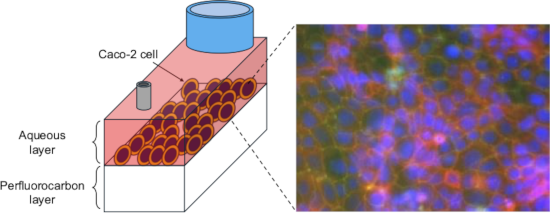
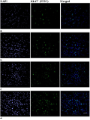
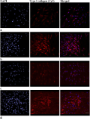
- Caco-2 cells in the device, we show that the liquid interface supports cell attachment and the formation of monolayers. Immunofluorescence observation reveals the development of tight junctions and organized actin cytoskeletons, indicating early-stage epithelial maturation. Our new microfluidic system
- substrates for epithelial cell culture and highlight their potential for the development of flexible, multiphase microfluidic models of epithelial barrier. Results and Discussion Liquid–liquid interface formation in the microfluidic device The liquid–liquid interface was formed by first filling the


Superconducting artificial neural networks and quantum circuits
Beilstein J. Nanotechnol. 2026, 17, 744–747, doi:10.3762/bjnano.17.51
- - and video-based traffic violation detection systems or face recognition in crowds [2]. Hardware neural networks, in contrast, are implemented as specialised physical devices such as chips or processors [3]. The development of such systems represents a complex physical and engineering challenge
- analogues [5]. Tuneable superconducting neurons and network architectures based on these principles have already been demonstrated [6]. Despite broad scientific and engineering interest in the development of artificial neural networks and quantum circuits, many fundamental problems remain unresolved. Among
- broadband signal reception, including superconducting signal processing for wideband spectrum sensing [10], as well as the development of quantum computing architectures and basic qubit technologies [11]; (iii) on-board signal processing in satellite systems, where severe constraints on power consumption
Environmental applications of silver nanoparticles: state-of-the-art review and emerging trends
Beilstein J. Nanotechnol. 2026, 17, 697–736, doi:10.3762/bjnano.17.49
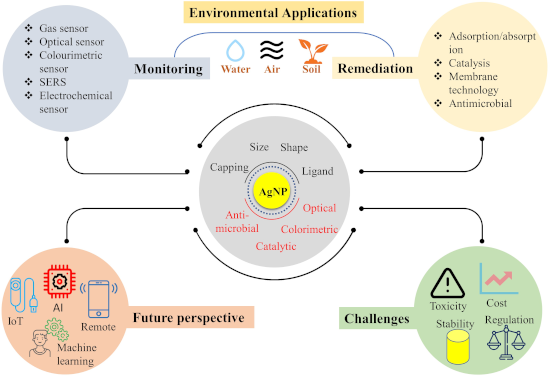
- , as shown in Figure 3. 3.1 Water applications The global demand for clean and safe drinking water continues to increase due to population growth, urbanisation, and industrialisation. Clean water and sanitation are part of Sustainable Development Goal 6 (SDG6), which must be achieved by 2030
- poses a significant threat to human health and the environment, necessitating the development of efficient and sustainable air purification technologies. The primary air pollutants include particulate matter (PM), gases (CO, NO2, SO2), metals (Pb), PAHs, volatile organic compounds (VOCs), and dioxins


Molecular engineering of individual dye-based nanoparticle photostability for ultrabright two-photon fluorescence
Beilstein J. Nanotechnol. 2026, 17, 688–696, doi:10.3762/bjnano.17.48
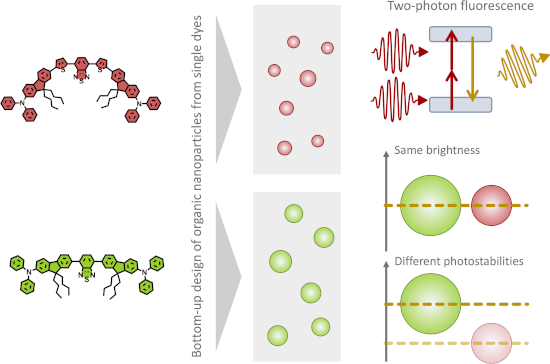
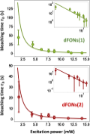
- significantly faster, confirming the trade-off between absorption efficiency and photostability. These results demonstrate that the photophysical behavior of dFONs can be rationally engineered at the molecular level and provide design principles for the development of optimized organic nanoparticles for


Protein-based custom-designed molecular nanotraps for biomedical applications
Beilstein J. Nanotechnol. 2026, 17, 683–687, doi:10.3762/bjnano.17.47
- /bjnano.17.47 Abstract The development of highly selective nanoscaled platforms for molecular recognition has gained significant attention in nanomedicine. Recently, we pioneered a versatile methodology for fabricating custom-designed molecular nanotraps using naturally derived polymers, by relying on

afspm: A framework for manufacturer-agnostic automation in scanning probe microscopy
Beilstein J. Nanotechnol. 2026, 17, 653–667, doi:10.3762/bjnano.17.45
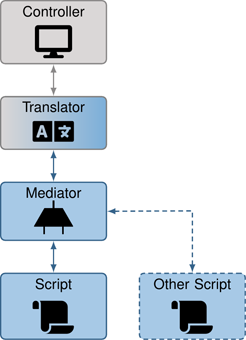
- scripts via our IPC interface (see Figure 9a, matching the design of Figure 4f). Minor changes were made to GXSM’s Python programming interface to simplify cancelling and restarting scripts, pushed to GXSM’s main development branch. Since a pre-existing Python package for reading GXSM scans and
- made minor modifications to this tool in order to support the underlying data analysis software used by Asylum Research, an earlier version of Igor PRO. These changes were pushed to “ZeroMQ-XOP”’s main development branch. For reading Asylum Research scans and spectroscopies, the Python package
- , the Bluesky data model may serve as a useful approach for organizing experimental data and metadata for later search and retrieval. The development of automated tasks within a manufacturer-agnostic framework enables code sharing among the SPM community. This framework is a reasonable first step toward




Cellulose as a photocatalyst support material: extraction, structural features, and environmental applications
Beilstein J. Nanotechnol. 2026, 17, 635–652, doi:10.3762/bjnano.17.44
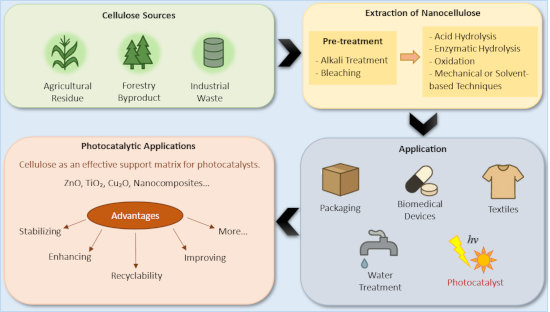
- promising candidate for sustainable material development across various industries. This review focuses on the extraction and isolation of cellulose from different types of biomass waste, including agricultural residues, forestry byproducts, and industrial waste. Several conventional and advanced methods
- development of magnetic paper designed for anti-counterfeiting purposes [66]. Cellulose has a long history of use in the biomedical field. Today, several forms of medical-grade cellulose are widely available, including propellant cellulose, MCC, and its common derivatives such as carboxymethyl cellulose and
- solubility, improved compatibility with biological systems, and the ability to be tuned or functionalized for the development of advanced composite materials [68][69]. These forms of cellulose are particularly valuable in producing highly purified wound dressings that promote tissue regeneration, especially


Two-step laser synthesis of Ag@TiO2 nanomaterials for the photocatalytic degradation of rhodamine B
Beilstein J. Nanotechnol. 2026, 17, 622–634, doi:10.3762/bjnano.17.43
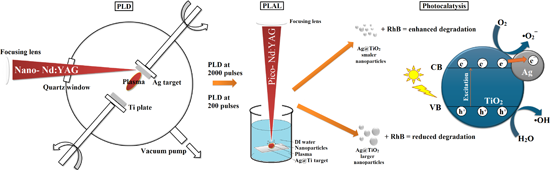
- photocatalytic degradation of RhB. Comparison of the results obtained with literature data. Funding This research was funded by the Ministry of Science, Technological Development and Innovation of the Republic of Serbia (Contract number: 451-03-33/2026-03/ 200017). This work was supported by the project Centre
- for Advanced Laser Techniques (CALT), co-funded by the European Union through the European Regional Development Fund under the Competitiveness and Cohesion Operational Programme (Grant No. KK.01.1.1.05.0001).


Recent progress in enhancing built-in electric fields of perovskite solar cells via junction engineering
Beilstein J. Nanotechnol. 2026, 17, 602–621, doi:10.3762/bjnano.17.42
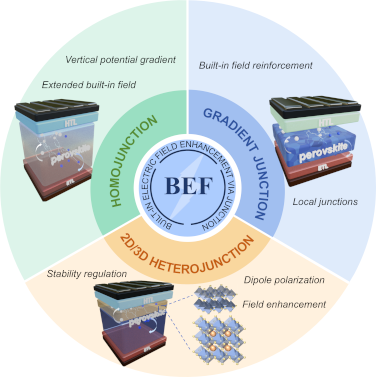
- unified framework of BEF descriptors, magnitude, penetration depth, directionality, and spatial continuity. Special emphasis is placed on the potential for synergistic integration of multiple junction architectures and on the development of mild, process-compatible fabrication routes. Ultimately
- the top of the absorber extends homojunction control from the interface into the bulk, revealing a trend toward the development of continuous gradient junctions across the film thickness (see Table 1 for representative strategies and photovoltaic performance). This study quantified the impact of the n



Towards targeted drugs and next generation of nanomedicines
Beilstein J. Nanotechnol. 2026, 17, 598–601, doi:10.3762/bjnano.17.41
- -CoV-2 infection during the COVID-19 pandemic [5][6][7]. While the successes of these technologies are clear, extensive research is still focused on further improving nanomedicine efficacy toward the development of the next generation of nanomedicines. From a semantic point of view, one might argue
- controls available, which were decisive for the development towards clinical use. Last but not least, the field of nanosafety/nanotoxicology has set focus on the importance of counterbalancing the benefits and risks of the use of nanomaterials for potential clinical applications. Hence, while the first
- future development. Bioavailability is an important factor for pharmaceutical agents. Here nanoparticles have the great advantage that their physicochemical properties can be largely tailored. A hydrophobic drug can be made more water soluble by linking it to a hydrophilic nanoparticle. However, as with
Probing tribological evolution in atomically thin MoS2 at different scales
Beilstein J. Nanotechnol. 2026, 17, 586–597, doi:10.3762/bjnano.17.40
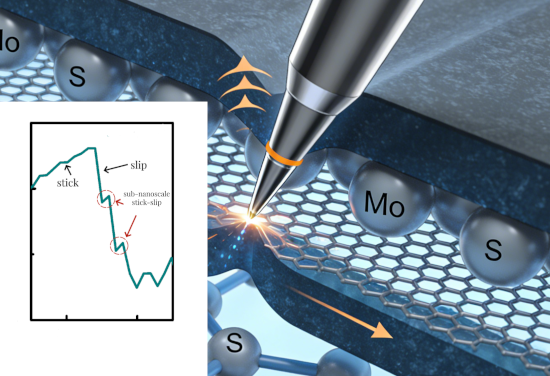
- advance the understanding of 2D material tribology from the nanoscale to the sub-nanoscale, providing a framework for predicting and controlling friction in atomically thin materials. The load-layer thickness phase diagram for MoS2 friction behaviors offers critical guidance for the development of low


Laser–material interactions in liquids for the synthesis of nanomaterials: current status and perspectives
Beilstein J. Nanotechnol. 2026, 17, 571–575, doi:10.3762/bjnano.17.38
- development of cost-effective, high-throughput technologies. Laser processing in liquids is not merely a synthesis technique – it is an enabling platform for innovation in the development of next-generation nanomaterials, and its full potential is only beginning to be realized. Carlos Doñate Buendia, Bilal
Advances in nanotechnology applied to natural products
Beilstein J. Nanotechnol. 2026, 17, 555–558, doi:10.3762/bjnano.17.36
- this thematic issue, we bring together advances from original full research, letter, and review articles examining how nanostructured systems can enable the development of safer, more stable, and more effective formulations containing natural products. The collection spans lipid-based, polymeric
- experimental models [13]. In topical applications, they can promote skin permeation, and controlled release and support formulation robustness, including those intended for transdermal and ocular administration, thereby consolidating microemulsions as versatile and practical platforms for the development of
- therapeutic agents has enabled the development of multifunctional platforms, which can improve cellular uptake, enhance tumor penetration, reduce systemic side effects, and integrate therapeutic and diagnostic functions [19]. Beyond lipid-based systems, polymeric nanosystems have emerged as versatile
Electrochemical determination of ciprofloxacin using a MIL-101/reduced graphene oxide-modified electrode
Beilstein J. Nanotechnol. 2026, 17, 541–554, doi:10.3762/bjnano.17.35
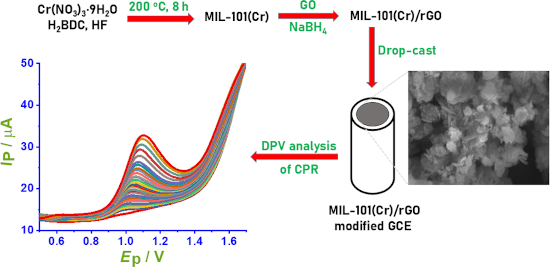
- fluids, and aquatic environments [2][3]. The uncontrolled presence of ciprofloxacin not only poses risks to human health but also promotes the development of antibiotic-resistant bacteria, raising significant environmental and public health concerns [4]. Therefore, developing sensitive, selective, and





