Search results
Search for "diffusion" in Full Text gives 773 result(s) in Beilstein Journal of Nanotechnology. Showing first 200.
Nanoglasses: a trail towards uncharted regions of vitreous materials and their properties?
Beilstein J. Nanotechnol. 2026, 17, 1047–1062, doi:10.3762/bjnano.17.72

- of interface density and chemistry may enable tailoring of mechanical, diffusion, and functional properties, including enhanced plasticity, altered transport behaviour, and tuneable optical or electronic responses. Finally, open questions regarding interfacial structure, thermodynamic driving forces
- attributable to open porosity, as confirmed by TEM analyses and radiotracer diffusion measurements. In contrast, nanoglasses fabricated through inert gas condensation frequently exhibit substantial porosity, which can compromise their structural integrity. This suggests that sputtered films may offer a more
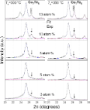
- versatile and more reliable approach for nanoglass fabrication, potentially overcoming the porosity- and impurity-related limitations of nanoglasses prepared by inert gas condensation. Tracer diffusion measurements were conducted using ion beam sputtering and time-of-flight secondary ion mass spectrometry


Synthesis and characterization of RF-sputtered ZnTe/Cu2−xTe thin films for solar cell applications
Beilstein J. Nanotechnol. 2026, 17, 1016–1027, doi:10.3762/bjnano.17.69
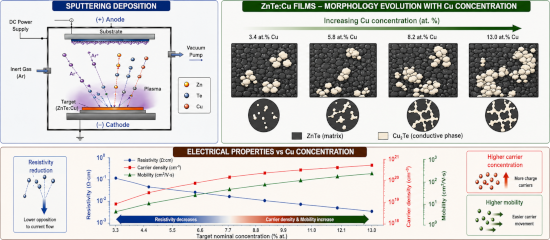
- region at the CdTe surface, reducing the barrier height. However, uncontrolled Cu diffusion through grain boundaries and toward the CdS/CdTe junction has been associated with long-term instability and performance degradation. Therefore, controlling Cu incorporation while minimizing its diffusion remains
- still promote Cu diffusion into the CdTe absorber. Furthermore, the complex polymorphic nature of the CuxTe system and the difficulty in phase control may result in inconsistent electrical behavior and reduced reproducibility. Similarly, ZnTe:Cu thin films deposited by RF sputtering have been
- investigated as alternative back contact materials. Although ZnTe exhibits intrinsic p-type conductivity and a wide bandgap (2.24 eV), its relatively low conductivity and the diffusion of Cu during growth remain limiting factors for device performance [6][7][8]. ZnTe has attracted considerable attention not



Development of Protium heptaphyllum essential oil-loaded nanocapsules: experimental design and biological activity
Beilstein J. Nanotechnol. 2026, 17, 974–990, doi:10.3762/bjnano.17.67
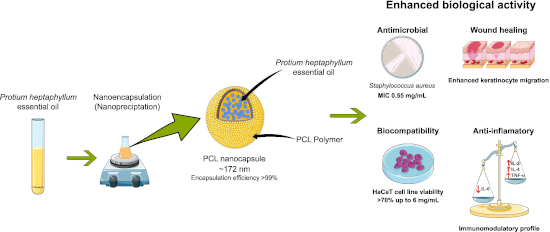
- polymer concentration may have elevated the viscosity of the organic phase, potentially reducing solvent diffusion during nanoprecipitation and delaying nucleation processes. Such diffusion-limited conditions are commonly associated with enhanced droplet coalescence prior to stabilization, which can
- contribute to larger particle formation [33][34]. The presence of a significant quadratic term suggests a non-linear dependence, indicating a possible balance between nucleation and growth at higher PCL levels. According to the Stokes–Einstein relationship, increased viscosity reduces the molecular diffusion
- , potentially favoring droplet growth and particle enlargement. Analysis of the response surface plots (Figure 1) further suggests that the combined increase in PCL and EO may reduce the efficiency of mass transport during nanoprecipitation, consistent with diffusion-controlled mechanisms described by the




Materials challenges in solid-state sensors for continuous monitoring of ions in water
Beilstein J. Nanotechnol. 2026, 17, 935–973, doi:10.3762/bjnano.17.66
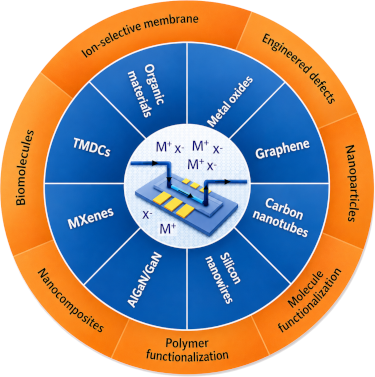
- reveals that the redox current varies linearly with the square root of the scan rate, confirming a diffusion-controlled electrochemical process. Additionally, the graphene–ZnO nanocomposite lowers the reduction potential of Pb2+ compared to a bare glassy carbon electrode, facilitating electron transfer



Nanocarrier strategies to overcome P-glycoprotein-mediated drug resistance in cancer therapy
Beilstein J. Nanotechnol. 2026, 17, 882–921, doi:10.3762/bjnano.17.64
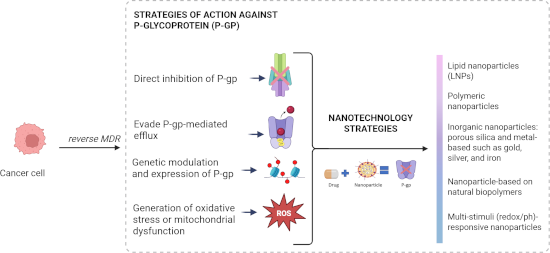
- active chemical within a reservoir, enclosed by a polymeric membrane. This form facilitates the encapsulation of both hydrophilic and lipophilic molecules, contingent upon the characteristics of the core and shell materials. Drug release from nanocapsules may transpire through diffusion over the polymer
- typically occurs via diffusion through the matrix, polymer erosion, or both. This configuration is particularly well suited for extended drug release, enhancing treatment adherence, and has applications in diagnostics, medicine, and agriculture [102]. The choice between nanocapsules and nanospheres is


Sustainable fabrication of 2D-based devices through reuse of substrates with microfabricated electrodes
Beilstein J. Nanotechnol. 2026, 17, 818–827, doi:10.3762/bjnano.17.58
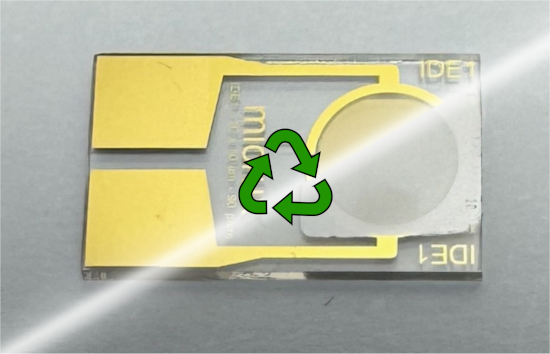
- its ability to penetrate microscopic gaps [24]. Heating to 50 °C can help weaken the van der Waals interactions between the 2D flakes and the substrate. Simultaneously, ultrasound agitation enhances molecular diffusion and promotes cavitation, generating localized pressure fluctuations that further


Interface-engineered Caco-2 cell culture on a collagen-coated liquid–liquid interface in a microfluidic device
Beilstein J. Nanotechnol. 2026, 17, 760–768, doi:10.3762/bjnano.17.53
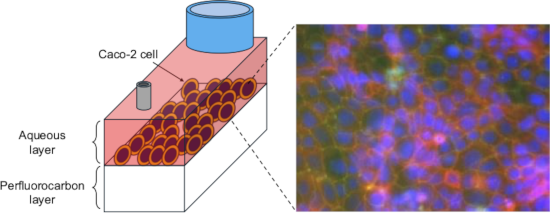
- intestinal epithelial cells are cultured to establish a polarized epithelial barrier. Although porous membranes enable compartmentalization, they may also impose non-physiological diffusion barriers and mechanical constraints. Liquid–liquid interfaces provide a mechanically soft and dynamically


Tailoring Ag–Pt nanoalloys through solid-state dewetting: structural and optical insights
Beilstein J. Nanotechnol. 2026, 17, 748–759, doi:10.3762/bjnano.17.52

- film. The disintegration mechanism is driven by atomic diffusion, and the tendency of the system is to reduce the surface energy through the formation of isolated islands [17][18][19][20]. This process is governed by the pursuit of balance between the energy needed to create a new surface (surface
- in Ag–Pt nanoalloys, as discussed in [69][70]. The linear EDS analysis also confirmed the formation of a thin intermediate layer, resulting from the diffusion of silicon from substrate into the structures. A similar effect was previously observed in Ag–Au nanostructures, where we noticed diffusion




Decontamination from water pollutants and pathogens by electrospun nanofibers doped with heavy-atom-free borafluorene-BODIPY photosensitizers
Beilstein J. Nanotechnol. 2026, 17, 668–682, doi:10.3762/bjnano.17.46
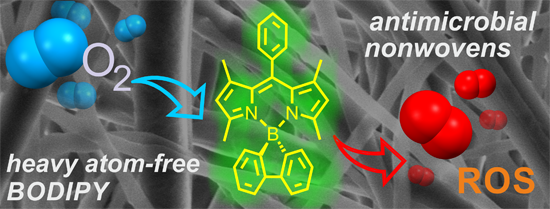
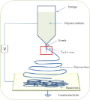
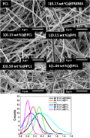
- platform and processing method giving materials with large surface areas, good mechanical properties, and high porosity, enabling oxygen diffusion, light penetration, and efficient ROS production. Accordingly, we used electrospinning, a relatively simple and cheap technique with the perspective for large
- the concentration of 1, but rather by the diffusion rate of oxygen. It should be also noted that 1(0.50 wt %)@PCL exhibits higher fluorescence quantum yield (QYF = 26%) than 1(1.00 wt %)@PCL (QYF = 21%), despite similar photocatalytic performance. This indicates that, at higher concentrations, the non



Cellulose as a photocatalyst support material: extraction, structural features, and environmental applications
Beilstein J. Nanotechnol. 2026, 17, 635–652, doi:10.3762/bjnano.17.44
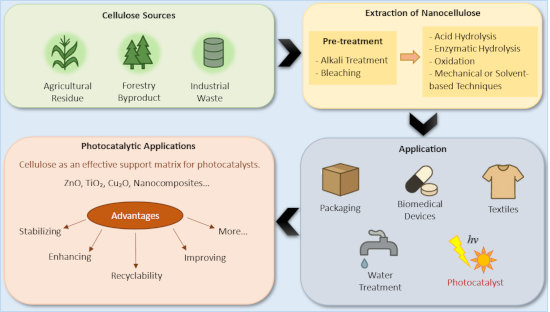
- porous networks with reactive surfaces that not only store inorganic nanoparticles (INPs) but also facilitate their easy diffusion throughout the structure. This unique design enables the creation of CNC–INP networks with exceptionally large surface areas, making them highly effective for catalytic


Recent progress in enhancing built-in electric fields of perovskite solar cells via junction engineering
Beilstein J. Nanotechnol. 2026, 17, 602–621, doi:10.3762/bjnano.17.42
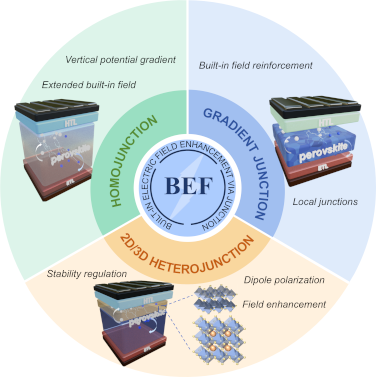
- -diffusion transport, and extraction pathways, thereby shaping critical device parameters such as open-circuit voltage and fill factor. This review highlights recent progress in junction engineering strategies for BEF enhancement. Homojunctions extend interfacial potential fields into the bulk through
- ; junction; perovskite solar cells; Introduction Driven by the global push for carbon neutrality, next-generation high-efficiency and low-cost photovoltaic technologies have gained increasing attention. Due to their high absorption coefficients, long carrier diffusion lengths, tunable bandgaps, and solution
- , carriers migrate at the interface through diffusion and drift, gradually establishing a built-in electric field (BEF) that aligns the Fermi levels on both sides. This field is not only the primary driving force that sustains carrier separation but also a direct determinant of device photovoltaic conversion




Electrochemical determination of ciprofloxacin using a MIL-101/reduced graphene oxide-modified electrode
Beilstein J. Nanotechnol. 2026, 17, 541–554, doi:10.3762/bjnano.17.35
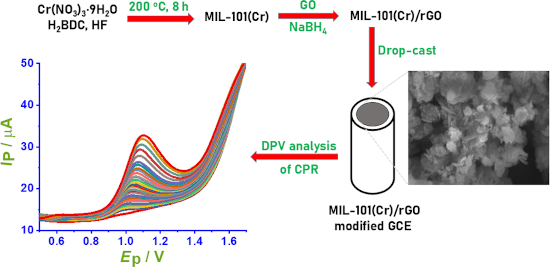
- 7). The oxidation peak current increases linearly with the square root of the scan rate (Figure 7a), indicating that CPR oxidation is mainly controlled by diffusion [28]. Furthermore, based on Laviron’s theory [29], the linear dependence of peak potential on the natural logarithm of scan rate


Defects and defect-mediated engineering of two-dimensional materials: challenges and open questions
Beilstein J. Nanotechnol. 2026, 17, 454–488, doi:10.3762/bjnano.17.31
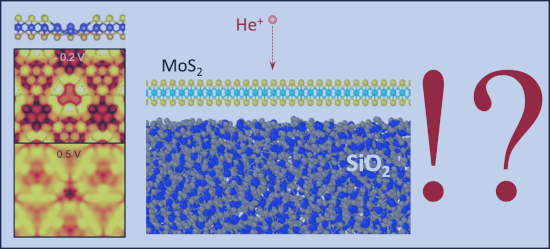
- being highly exothermic and proceeding with small or negligible reaction barriers [54][62]. Such low barriers imply that, once formed, larger vacancy clusters can promote a near-instantaneous reaction with O2. However, the formation of these clusters cannot be explained by vacancy diffusion, as the
- multilayer films into the bulk are poorly understood. In relatively unstable TMDs, such as MoTe2 and WTe2, an ultrathin amorphous layer of MoO3 or TeO2 is immediately formed when CVD or MBE-grown MoTe2 is exposed to ambient environments [53][68]. However, the barrier for S vacancy diffusion between TMD
- layers was predicted to be very high [62], hampering the vacancy diffusion mechanism. Nevertheless, a relatively thick native oxide layer can still form on otherwise stable HfS2 after plasma oxidation. In this process, O ions are believed to permeate through grain boundaries between small crystals and





Nanocarrier-integrated multilayer films produced by 3D printing for improved skin adhesion and curcumin photostability
Beilstein J. Nanotechnol. 2026, 17, 440–453, doi:10.3762/bjnano.17.30
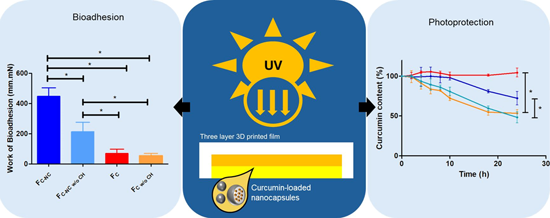
- to test our central hypothesis that multilayer printing can provide enhanced bioadhesion and light protection. However, they will be crucial for future optimisation and translation, including in vitro release testing using Franz diffusion cells as well as skin permeation studies. Conclusion In this


Biomimetic nanoparticles in cancer photodynamic therapy: a review of targeted delivery systems and therapeutic outcomes
Beilstein J. Nanotechnol. 2026, 17, 396–422, doi:10.3762/bjnano.17.27


Eco-efficient materials for agricultural crops based on a mineral rich in MOR- and HEU-type zeolites
Beilstein J. Nanotechnol. 2026, 17, 381–395, doi:10.3762/bjnano.17.26
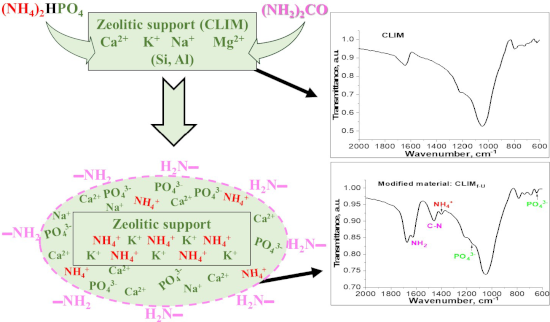
- should be expected that the intracrystalline diffusion of ammonium ions is favoured in MOR since it has channels with a larger diameter. It has been reported that, in MOR zeolites, Ca2+ and K+ cations are located in smaller channels (secondary and lateral) [37]. In the case of HEU, it has been reported
- textural parameter values (Table 2). Like all zeolitic minerals, this natural zeolite possesses both porosity and mesoporosity. In this regard, note in the SEM images the spacing between the crystals of the zeolitic phases. It leads to diffusion of DAP and urea through them (porous and mesoporous) to the
- essential mainly during the early stages of crop development. This scenario could lead to impeded diffusion and consequent slow release of nutrients from the zeolitic material into the soil solution. This late delivery of nutrients is consistent with the concept of slow or controlled release and increases




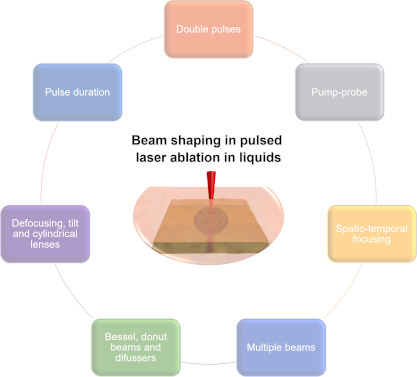
Beam shaping techniques for pulsed laser ablation in liquids: Unlocking tunable control of nanoparticle synthesis in liquids
Beilstein J. Nanotechnol. 2026, 17, 309–342, doi:10.3762/bjnano.17.22
- target and affect the beam spatial and temporal profile. Picosecond lasers provide a balance between nonlinear optical absorption and thermal diffusion effects [171]. Self-focusing is less intense than with femtosecond pulses, achieving effective focus without significant filamentation when operating at
- limit the productivity. Nanosecond lasers exhibit thermal processes that can reduce efficiency. Picosecond lasers represent an intermediate regime where a balance between nonlinear optical absorption and thermal diffusion is achieved. This balance minimises adverse effects such as self-focusing and
- enough to limit significant thermal effects, yet there is still thermal diffusion [176]. For pulses longer than 1 ps, the ablation regime determined by the optical penetration depth is not observed [178]. In the nanosecond regime, the energy is deposited over an extended period, and heat has time to







Fast vortex dynamics and relaxation times in NbRe-based heterostructures
Beilstein J. Nanotechnol. 2026, 17, 292–302, doi:10.3762/bjnano.17.20
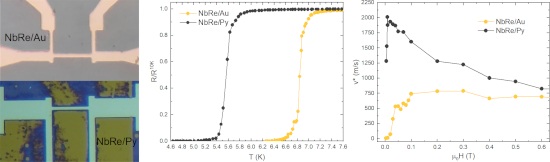
- the critical value v*, the Lorentz force dominates the viscous drag force, leading to instabilities in vortex motion. The dependence of v* on T is given by: where Tc is the superconducting critical temperature, D is the quasiparticles diffusion coefficient, and ζ(x) is the Riemann zeta function. The
- vortex velocity than a single superconducting strip [27]. This result may be attributed to proximity-induced superconductivity in the normal layer. At the interface, superconductivity is induced into the normal metal over the coherence length where DN = vFl/3 [36] is the electron diffusion coefficient in
- electron diffusion coefficient and the ferromagnet exchange energy, respectively. Since, at low temperatures, Eex (≈0.01–1 eV) largely exceeds the thermal energy, kBT, ξF is typically of the order of 1–5 nm [33]. As a result, in contrast to the much longer decay observed in S/N systems, superconducting


Advancing nanolithography: a comprehensive review of materials for local anodic oxidation with AFM
Beilstein J. Nanotechnol. 2026, 17, 275–291, doi:10.3762/bjnano.17.19
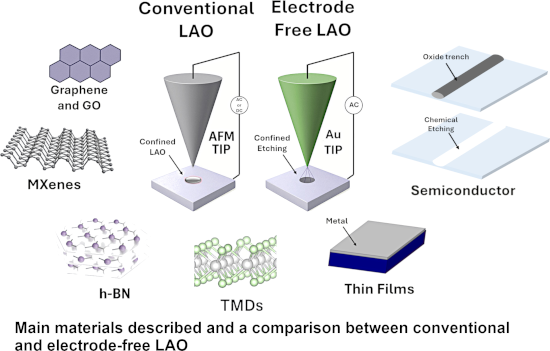
- , and carrier mobility. As a result, precise control over oxidation depth and lateral diffusion during processing may require the use of lower voltages and carefully optimized humidity conditions. Hybrid approaches, which combine LAO with complementary techniques such as chemical vapor deposition or


Gold nanoparticle-decorated reduced graphene oxide as a highly effective catalyst for the selective α,β-dehydrogenation of N-alkyl-4-piperidones
Beilstein J. Nanotechnol. 2026, 17, 218–238, doi:10.3762/bjnano.17.15
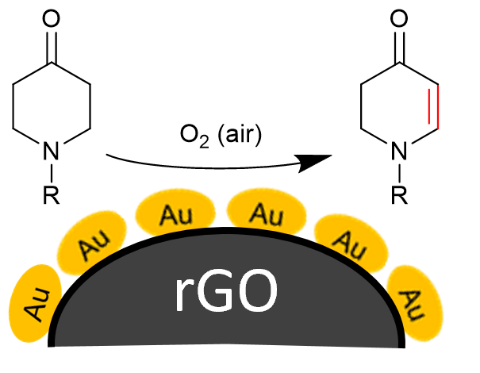
- diffusion of reactants and products to and from the active sites. Carbon black shows the lowest BET surface area (167 m2·g−1) and total pore volume (0.57 cm3·g−1). Most of the pores are again in the microporous region (<2 nm) (Figure S1c, Supporting Information File 1), concomitant with a less accessible
- volume. These features provide a more favorable environment for mass transport, reactant diffusion, and nanoparticle dispersion, making rGO a more effective catalyst support, so we expect a better catalytic activity with rGO. In addition to the morphological and textural properties of carbon supports
- efficient mass transport and diffusion of reactants. For Au@SiW9-AC, only 85% conversion was reached after 8 h, whereas the rGO equivalent achieved 100%. Conversely, the textural and morphological properties of rGO (Figure 2), characterized by increased mesoporosity (Figure 3), create a more favorable


Time of flight secondary ion mass spectrometry imaging of contaminant species in chemical vapour deposited graphene on copper
Beilstein J. Nanotechnol. 2026, 17, 200–213, doi:10.3762/bjnano.17.13
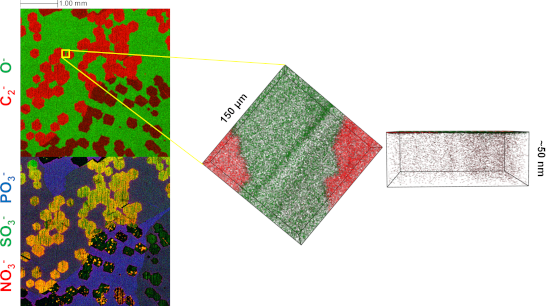
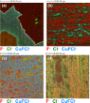
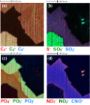
- diffusion of material present in the copper foil before growth [36][37], which could lead to variations in the properties of graphene once transferred from the Cu foil to an alternative substrate. We also explore the gas permeation properties of the CVD graphene on Cu [38] by examining the oxygen detected
- present within the graphene films, which facilitate oxygen diffusion, depending on the growth process. The variation in the colour distribution also reflects potential variations in the composition of the oxide layer that forms on the surface. To further explore the extent of the substrate oxidation in
- region in the centre of the sputtered crater, at regular intervals of time during the sputter process up to a depth of ≈180 nm. To compare the extent of oxygen diffusion through the graphene layers, regions of interest were selected in the images corresponding to the graphene signal (i.e., regions where





Structure-dependent thermochromism of PAZO thin films: theory and experiment
Beilstein J. Nanotechnol. 2026, 17, 186–199, doi:10.3762/bjnano.17.12
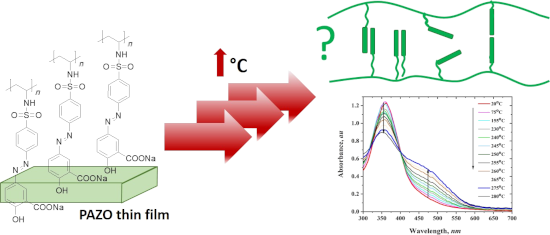
- polymers in thin films are known to markedly differ from those observed in the bulk, with significant differences in glass transition behavior, diffusion, and viscoelastic properties [4]. The assembly of polymer molecules from solution to solid state play a critical role in determining thin film morphology


Influence of surface characteristics on the in vitro stability and cell uptake of nanoliposomes for brain delivery
Beilstein J. Nanotechnol. 2026, 17, 139–158, doi:10.3762/bjnano.17.9
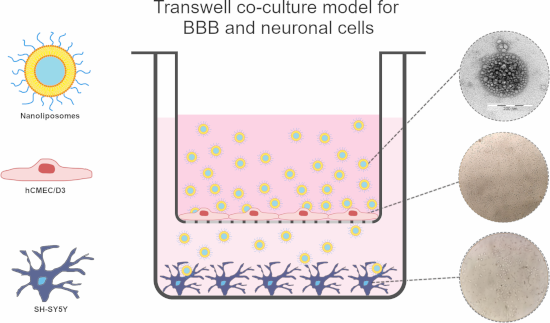
- incomplete uptake, are suitable adjustments in the incubation time, temperature, and NL concentration, as well as pH and ion concentrations. Optimization of these factors is essential for accurate identification of transport mechanisms, like diffusion or receptor-mediated endocytosis, also reflecting the
- internalization of nanoliposomes can take place through several energy-dependent endocytic pathways (i.e., phagocytosis, clathrin-mediated endocytosis, caveolin-mediated endocytosis, clathrin/caveolae-independent endocytosis, and micropinocytosis), as well as through passive transport or diffusion which is an
- uncompetitive movement of the nanosystems, either directly through membrane phospholipids (simple diffusion) or in combination with membrane proteins (facilitated diffusion) [8][34]. Therefore, endocytosis is a process that occurs through membrane–particle adhesion followed by elastic deformation of the cell





Development and in vitro evaluation of liposomes and immunoliposomes containing 5-fluorouracil and R-phycoerythrin as a potential phototheranostic system for colorectal cancer
Beilstein J. Nanotechnol. 2026, 17, 97–121, doi:10.3762/bjnano.17.7
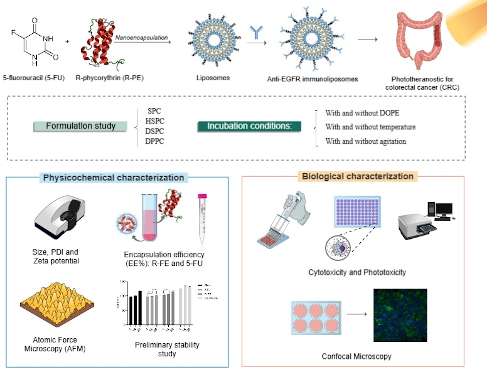
- and demonstrate that both R-PE and 5-FU were effectively incorporated into the nanocarriers. Moreover, the observed spectral modifications suggest that the lipid bilayer not only acted as a physical barrier to immediate diffusion but also provided a stabilizing microenvironment that preserved the



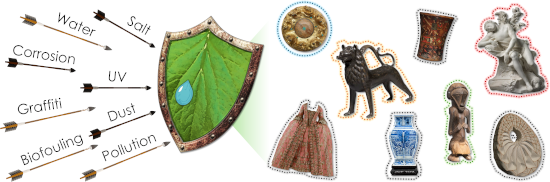
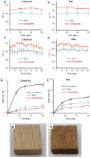
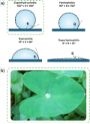
Functional surface engineering for cultural heritage protection: the role of superhydrophobic and superoleophobic coatings – a comprehensive review
Beilstein J. Nanotechnol. 2026, 17, 63–96, doi:10.3762/bjnano.17.6