


Search results
Search for "dispersions" in Full Text gives 180 result(s) in Beilstein Journal of Nanotechnology.
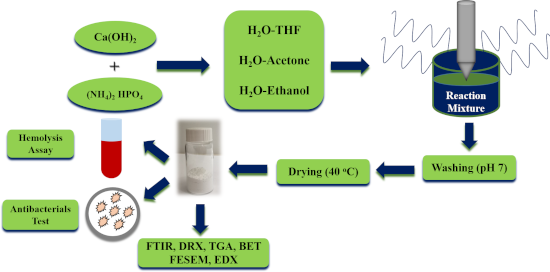
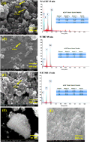
Ultrasonic irradiation in the synthesis of nanohydroxyapatite: a chemically friendly technique for improving hemocompatibility and antibiofilm applications
Beilstein J. Nanotechnol. 2026, 17, 991–1015, doi:10.3762/bjnano.17.68




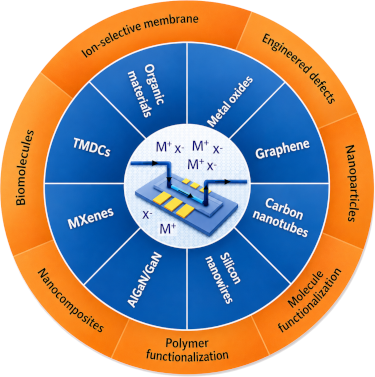
Materials challenges in solid-state sensors for continuous monitoring of ions in water
Beilstein J. Nanotechnol. 2026, 17, 935–973, doi:10.3762/bjnano.17.66


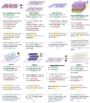
Cellulose as a photocatalyst support material: extraction, structural features, and environmental applications
Beilstein J. Nanotechnol. 2026, 17, 635–652, doi:10.3762/bjnano.17.44
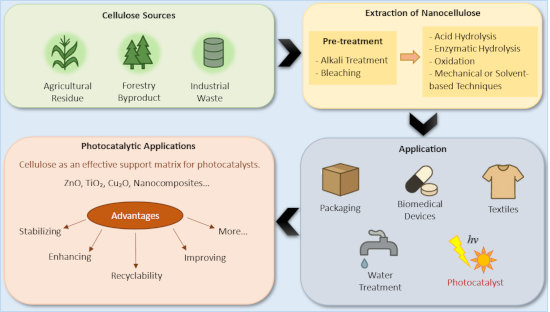
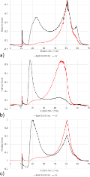
- dispersions. Recent studies have also examined mixed-acid systems, which aim to balance reactivity and dispersion by blending different mineral acids. Yet, while this approach appears promising, further investigation is still needed to optimize processing conditions and improve scalability [41][59]. Figure 4


Upcycling agroindustrial waste into graphene oxide supports for gold nanoparticles: toward sustainable nanomaterials
Beilstein J. Nanotechnol. 2026, 17, 489–504, doi:10.3762/bjnano.17.32
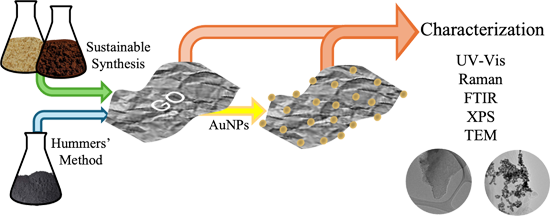
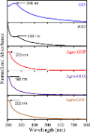
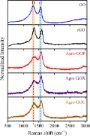
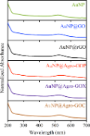
- 60 spectrophotometer using 10 mm path-length quartz cuvettes. Measurements were performed using aqueous dispersions (0.5 mg·mL−1) previously sonicated for 30 min to ensure homogeneity. Spectra were recorded in the 195–800 nm range. Raman spectra were acquired with a Horiba XploRA Plus micro-Raman
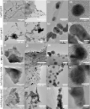
- samples were prepared by drop-casting stable aqueous dispersions of the materials onto carbon-coated copper grids (200 mesh). Thermogravimetric analysis (TGA) was performed using a TA Instruments Q500 thermogravimetric analyzer over a temperature range of 30–700 °C. The heating rate was set at 10 °C·min−1
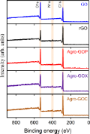

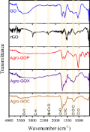
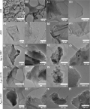
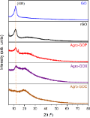


Gold nanoparticle-decorated reduced graphene oxide as a highly effective catalyst for the selective α,β-dehydrogenation of N-alkyl-4-piperidones
Beilstein J. Nanotechnol. 2026, 17, 218–238, doi:10.3762/bjnano.17.15


Influence of surface characteristics on the in vitro stability and cell uptake of nanoliposomes for brain delivery
Beilstein J. Nanotechnol. 2026, 17, 139–158, doi:10.3762/bjnano.17.9
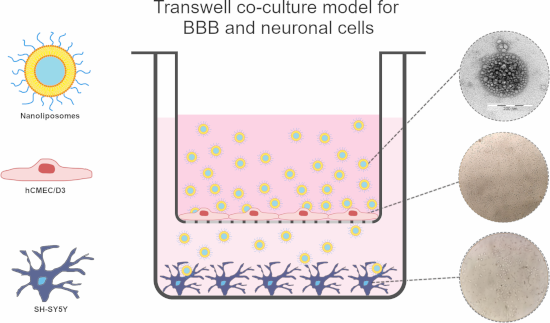
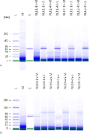
- fluorophore dye, NL dispersions were centrifuged (Rotofix 32 - Hettich Zentrifugen, Germany) at 4,500 rpm, 25 °C, 15 min, four cycles in Vivaspin 20 ultrafiltration cuvettes, 100,000 MWCO units (Sartorius, Germany) with subsequent supernatant removal. Furthermore, the removal of unencapsulated dye was
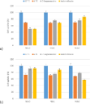
- several occasions, the presence of PEG on the surface of NLs can improve the physical stability of the liposomal dispersions through steric repulsion [24]. Therefore, formulations with a low amount of PEG or no PEG tend to agglomerate or lose their native structure, thus leading to fragmentation. Hence




Rapid synthesis of highly monodisperse AgSbS2 nanocrystals: unveiling multifaceted activities in cancer therapy, antibacterial strategies, and antioxidant defense
Beilstein J. Nanotechnol. 2025, 16, 2105–2115, doi:10.3762/bjnano.16.145
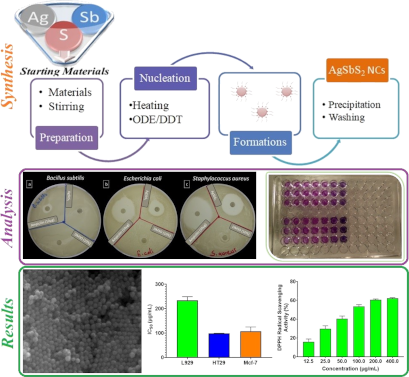
- uptake, are expected to be within the range typically reported for Ag-based chalcogenides exhibiting stable dispersions. Antioxidant activity of AgSbS2 NCs The DPPH radical scavenging activity of AgSbS2 NCs in the assay using ascorbic acid as a positive control is revealed in Figure 5. The synthesized


Beyond the shell: exploring polymer–lipid interfaces in core–shell nanofibers to carry hyaluronic acid and β-caryophyllene
Beilstein J. Nanotechnol. 2025, 16, 2015–2033, doi:10.3762/bjnano.16.139
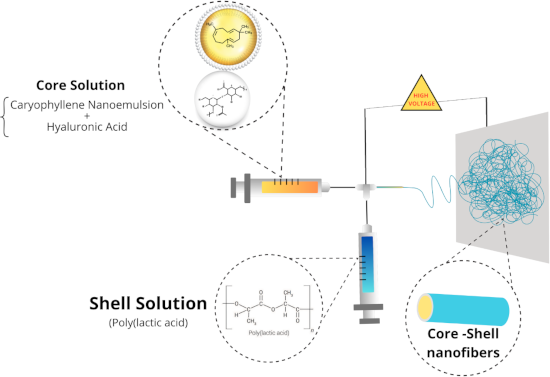
- for effective pharmaceutical use, βCp is often formulated within lipid liquid dispersions, such as nanoemulsions, to enhance its stability and improve therapeutic properties [35][36][37][38]. While lipid nanosystems offer undeniable advances for the delivery of active compounds, their inherent liquid




Targeting the vector of arboviruses Aedes aegypti with nanoemulsions based on essential oils: a review with focus on larvicidal and repellent properties
Beilstein J. Nanotechnol. 2025, 16, 1894–1913, doi:10.3762/bjnano.16.132
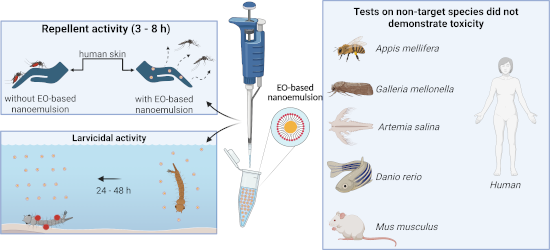
- , nanotechnological strategies have been used, such as polymeric nanocarriers [30], solid lipid nanoparticles [31], liposomes [32], and nanoemulsions [13][14][33]. Among these strategies, nanoemulsions, kinetically stable nanometric dispersions (20–500 nm) of two immiscible liquids, stabilized by surfactants, have


Phytol-loaded soybean oil nanoemulsion as a promising alternative against Leishmania amazonensis
Beilstein J. Nanotechnol. 2025, 16, 1826–1836, doi:10.3762/bjnano.16.126

- encapsulate bioactive molecules have proven effective against trypanosomatids [20][21] especially Leishmania spp. [22][23]. Among these systems, nanoemulsions (NEs) are one of the most common types. They are colloidal dispersions of two immiscible liquids – typically oil and water – stabilized by emulsifying


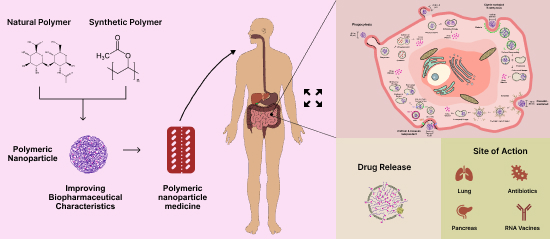
Exploring the potential of polymers: advancements in oral nanocarrier technology
Beilstein J. Nanotechnol. 2025, 16, 1751–1793, doi:10.3762/bjnano.16.122


Multifunctional anionic nanoemulsion with linseed oil and lecithin: a preliminary approach for dry eye disease
Beilstein J. Nanotechnol. 2025, 16, 1711–1733, doi:10.3762/bjnano.16.120
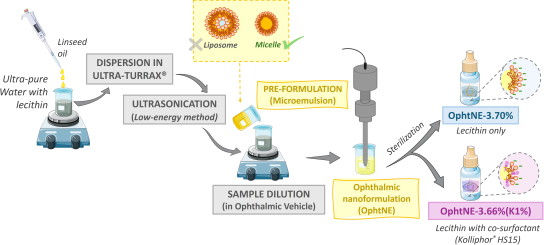
- factors are crucial for organizing amphiphilic molecules and influencing the uniformity of micellar dispersions in ophthalmic nanoformulations. Lecithin is a mixture of phospholipids and consists mainly of phosphatidylcholine, which typically forms liposomes (concentric lipid bilayers) rather than



Venom-loaded cationic-functionalized poly(lactic acid) nanoparticles for serum production against Tityus serrulatus scorpion
Beilstein J. Nanotechnol. 2025, 16, 1633–1643, doi:10.3762/bjnano.16.115
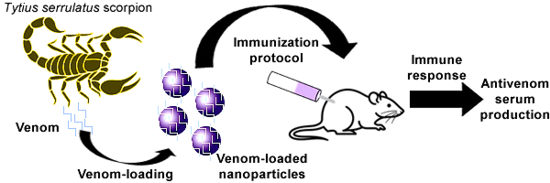
- PVA (1.0% w/v), at an output flux of 3.0 mL⋅min−1. After titrations, the acetone organic solvent evaporation occurred under a 700 rpm of magnetic stirring overnight. After solvent evaporation, colloidal dispersions were centrifuged at 22,000g for 5 minutes. The T. serrulatus venom loading in the
- , United States of America), equipped with a 90 Plus/BI-MAS apparatus, at a wavelength of 659 nm with a scattering angle of 90°. For the analysis, 100 μL of the nanoparticle suspension was diluted in 900 μL of deionized water (1:10 dilution) to ensure dispersions within a suitable experimental range (100


Dendrimer-modified carbon nanotubes for the removal and recovery of heavy metal ions from water
Beilstein J. Nanotechnol. 2025, 16, 1522–1532, doi:10.3762/bjnano.16.107

- resulting dispersions were sonicated followed by stirring at room temperature for 2 h to facilitate the adsorption process in neutral medium. A successive increase in adsorption efficiency of dendrimerized CNTs from CNTs-G1 to CNTs-G5 was observed, clearly indicating the significant role of stepwise growth
- ions. Subsequently, the dispersions were magnetically stirred for another 2 h at room temperature to facilitate the adsorption process. Afterward, the solid adsorbents were separated by centrifugation, and re-dispersed in 10 mL of 1 M HNO3 solution to desorb the metal ions. The mixture was stirred for


Acrocomia aculeata oil-loaded nanoemulsion: development, anti-inflammatory properties, and cytotoxicity evaluation
Beilstein J. Nanotechnol. 2025, 16, 1277–1288, doi:10.3762/bjnano.16.93
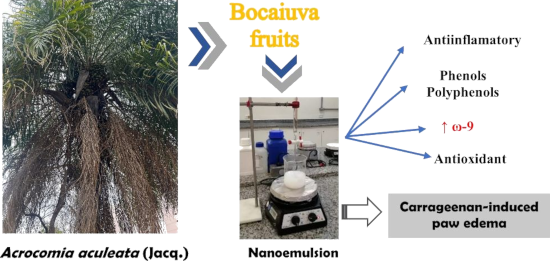
- ]. Moreover, the surfactants exhibit temperature-responsive behavior, reorganizing at higher temperatures to stabilize finer dispersions. The concurrent decline in oil phase viscosity with increasing temperature also improves emulsification efficiency by promoting shear-induced droplet breakup, particularly


Fabrication of metal complex phthalocyanine and porphyrin nanoparticle aqueous colloids by pulsed laser fragmentation in liquid and their potential application to a photosensitizer for photodynamic therapy
Beilstein J. Nanotechnol. 2025, 16, 1088–1096, doi:10.3762/bjnano.16.80
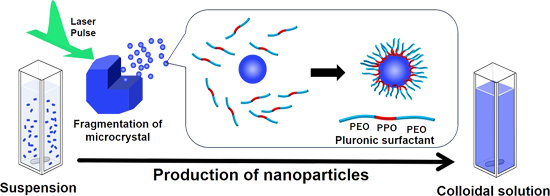
- Taisei Himeda Risako Kunitomi Ryosuke Nabeya Tamotsu Zako Tsuyoshi Asahi Graduate School of Science and Engineering, Ehime University, 3 Bunkyo-cho, Matsuyama, Ehime 790-8577, Japan 10.3762/bjnano.16.80 Abstract We prepared stable nanoparticle dispersions of metal complex phthalocyanines (MPcs; M


Supramolecular hydration structure of graphene-based hydrogels: density functional theory, green chemistry and interface application
Beilstein J. Nanotechnol. 2025, 16, 806–822, doi:10.3762/bjnano.16.61
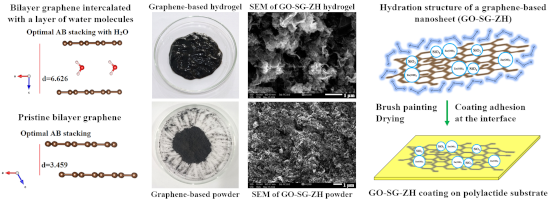
- dispersibility and reduced surface area of graphene-based materials in many applications, such as aqueous dispersions, polymer nanocomposites, and water-based paints. Our previous works demonstrated that in graphene-based hydrogel structures, the intercalation of water molecules between graphene-based sheets
- exhibits the aqueous dispersions derived from the sonication of GO-SG-ZH hydrogel and powder in water (see Supporting Information File 1, Figure S3). Ultrasound waves vibrated water molecules and created cavitation in the hydrogel structure, leading to the exfoliation of graphene-based nanosheets in water
- . It is notable that low concentrations (≤50 ppm) are necessary to obtain homogenous dispersions. The ultrasonic dispersion of GO-SG-ZH hydrogels was faster and clearer due to the high content of water intercalation. The GO-SG-ZH powder contained about 10% of water and approximate 60% of nanosilica and


Efficiency of single-pulse laser fragmentation of organic nutraceutical dispersions in a circular jet flow-through reactor
Beilstein J. Nanotechnol. 2025, 16, 711–727, doi:10.3762/bjnano.16.55
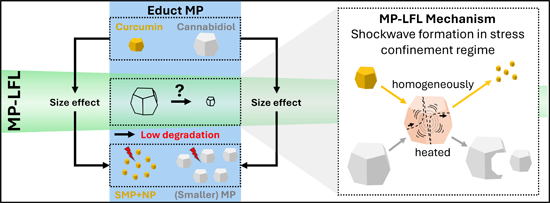
- ), and laser melting (LML) in liquids are aimed at synthesizing nanoparticles (NPs) from bulk targets (LAL), by downsizing (LFL), or by increasing/reshaping (LML) particle dispersions [1]. On the other hand, pulsed laser defect engineering in liquids (PUDEL) processes involve targeted post-treatment of
- stirrers containing the NP or microparticle (MP) dispersions, which are irradiated with a laser beam. However, as dispersion volumes in batch setups are only partially illuminated and there is constant back-diffusion, no uniform fluence and number of pulses-per-particle can be guaranteed. This prohibits
- enhancement in the colloidally stable supernatants of particle dispersions after sedimentation of the colloidally unstable, unfragmented MP educts, determined by UV–vis extinction spectroscopy, which is proportional to the amount of SMPs and NPs [2][22][49]. This extinction enhancement from the unirradiated


Colloidal few layered graphene–tannic acid preserves the biocompatibility of periodontal ligament cells
Beilstein J. Nanotechnol. 2025, 16, 664–677, doi:10.3762/bjnano.16.51
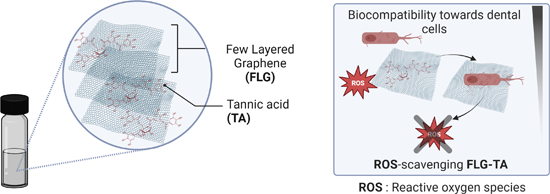
- reaggregation of exfoliated graphene layers [11]. Various surfactants have been employed. For instance, sodium dodecylbenzene sulfonate and sodium cholate have been reported to be able to produce stable graphene colloidal dispersions [13]. However, these synthetic surfactants often raise concerns about toxicity




Aprepitant-loaded solid lipid nanoparticles: a novel approach to enhance oral bioavailability
Beilstein J. Nanotechnol. 2025, 16, 652–663, doi:10.3762/bjnano.16.50
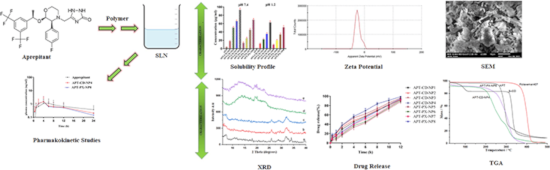
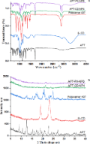
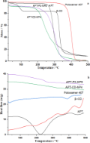
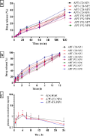
- encapsulation efficiency The drug content of SLNs formulations ranged from 16.95% ± 0.76% to 96.75% ± 0.24%; the highest APT content was obtained in APT-CD-NP4. The loss of the drug can be attributed to the lyophilization. However, there was no change in color or aggregation observed. Dispersions of lyophilized
- dispersion. SEM studies Scanning electron micrographs of APT-CD-NP4 and APT-PX-NP8 shown in Figure 3 illustrate that polymeric content was deposited on the SLN surface because of organic solvents. After evaporation of the organic solvent, colloidal particles are closely packed. Dispersions in organic



A formulation containing Cymbopogon flexuosus essential oil: improvement of biochemical parameters and oxidative stress in diabetic rats
Beilstein J. Nanotechnol. 2025, 16, 617–636, doi:10.3762/bjnano.16.48
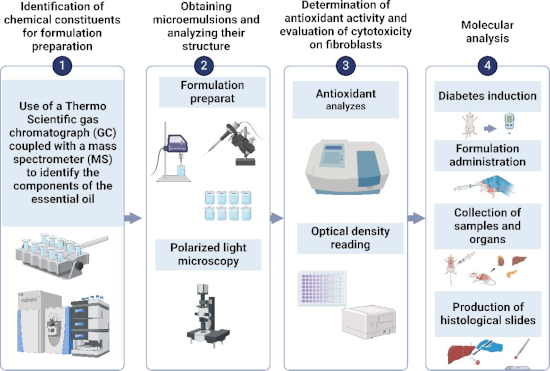
- containing 10% EOCF were then prepared individually (Table 1), and the dispersions were evaluated macroscopically and characterized 48 h after they were obtained. Physicochemical characterization of the selected microemulsions The polydispersity index and average hydrodynamic radius of the droplets were




Engineered PEG–PCL nanoparticles enable sensitive and selective detection of sodium dodecyl sulfate: a qualitative and quantitative analysis
Beilstein J. Nanotechnol. 2025, 16, 385–396, doi:10.3762/bjnano.16.29
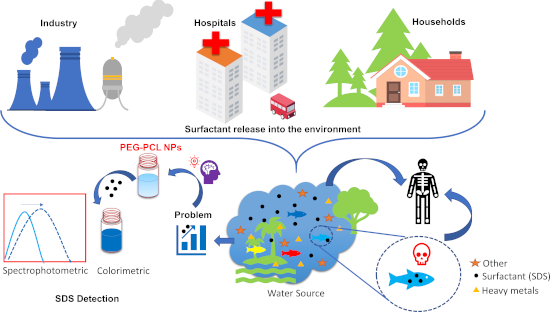
- negative surface charge. The zeta potential is a critical parameter for evaluating the stability of colloidal dispersions; typically, values greater than ±30 mV are associated with high stability due to strong electrostatic repulsion between particles [31]. Despite the zeta potential being less than ±30 mV


Radiosensitizing properties of dual-functionalized carbon nanostructures loaded with temozolomide
Beilstein J. Nanotechnol. 2025, 16, 229–251, doi:10.3762/bjnano.16.18


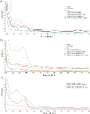


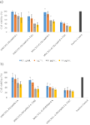
Characterization of ZnO nanoparticles synthesized using probiotic Lactiplantibacillus plantarum GP258
Beilstein J. Nanotechnol. 2025, 16, 78–89, doi:10.3762/bjnano.16.8
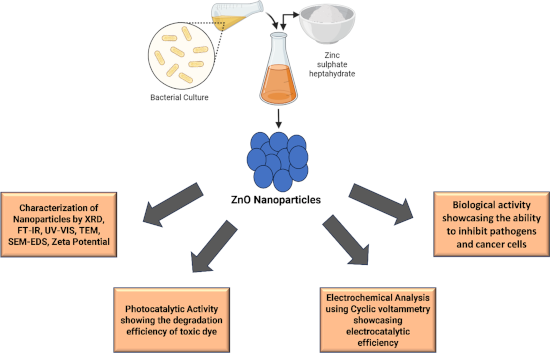
- Horiba Scientific instrument from Japan. ZnO NP dispersions were prepared at a concentration of 1 mg/mL in deionized water and analyzed at 25 °C. Each sample was analyzed in triplicate, with the Zeta potential results expressed as the mean ± standard deviation (SD) and the zeta average calculated to



A nanocarrier containing carboxylic and histamine groups with dual action: acetylcholine hydrolysis and antidote atropine delivery
Beilstein J. Nanotechnol. 2025, 16, 11–24, doi:10.3762/bjnano.16.2

- cells were grown in a CO2 incubator at 37 °C after being seeded on a 96-well Eppendorf plate at a concentration of 100,000 cells/mL per well in 150 μL of medium. After 24 h of incubation, 150 μL of the tested dispersions were added to each well. Twofold dilutions of the dispersions were prepared





