Search results
Search for "entropy" in Full Text gives 72 result(s) in Beilstein Journal of Nanotechnology.
Nanoglasses: a trail towards uncharted regions of vitreous materials and their properties?
Beilstein J. Nanotechnol. 2026, 17, 1047–1062, doi:10.3762/bjnano.17.72

- nanoglasses, where vertically aligned glassy columns create a high density of internal interfaces. We outline how interfacial excess energy, configurational entropy, and relaxation processes influence the metastability and properties of these materials. Furthermore, we discuss perspectives on how the control
- might actually be even more interesting, due to the larger variability of structural motifs and (related) possible glass relaxations at increased excess volume. Additionally, a larger structural variability corresponds to a larger complexion number, that is, a larger configurational entropy, stabilizing
- this state by reducing the total free enthalpy, similar to what is intensively discussed for high-entropy alloys. Thus, due to these different reasons, structural states might exist in glass–glass interfaces that have a lower free enthalpy as compared to accessible states of the glass grains. This


Fractional shot noise of an SU(N) Kondo system
Beilstein J. Nanotechnol. 2026, 17, 515–540, doi:10.3762/bjnano.17.34
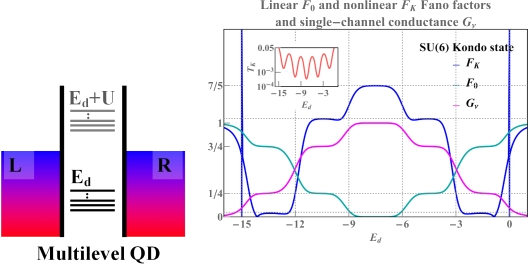
- susceptibilities can be expressed using only Wilson coefficients and diagonal elements as: Another thermodynamic quantity revealing quenching of local moment is the entropy of an SU(N) Kondo dot, which we can generally express in the form: where . For T ≪ TK, SN ≈ 0, which indicates transition to the SU(N) Kondo
- singlet. An increase in temperature leads to a saturation of the entropy at a value characteristic of the local moment where the screening effect is removed and the entropy reaches a value of SN = kBln[N!/(n!(N − n)!)]. The essence of the Kondo effect is the formation of a singlet of a localized electron


![[Graphic 127]](/bjnano/content/inline/2190-4286-17-34-i187.svg?max-width=637&scale=1.18182)

Beam shaping techniques for pulsed laser ablation in liquids: Unlocking tunable control of nanoparticle synthesis in liquids
Beilstein J. Nanotechnol. 2026, 17, 309–342, doi:10.3762/bjnano.17.22
- ], core–shell structures [29][30], heterostructures [31], nanoalloys [32][33], hybrid materials [34][35], and complex multielement nanomaterials such as high-entropy alloys [36][37][38]. This method enables the synthesis of nanomaterials with exceptional purity from virtually any solid target [39


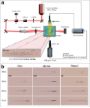

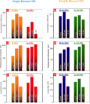


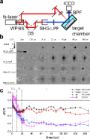


Influence of laser beam profile on morphology and optical properties of silicon nanoparticles formed by laser ablation in liquid
Beilstein J. Nanotechnol. 2025, 16, 1533–1544, doi:10.3762/bjnano.16.108
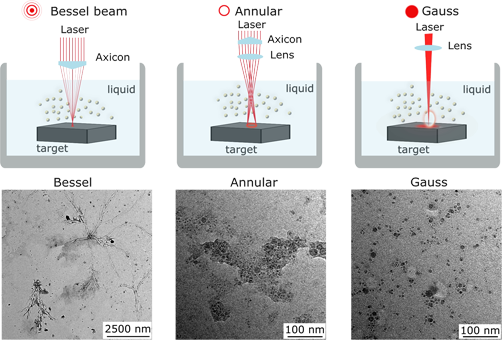
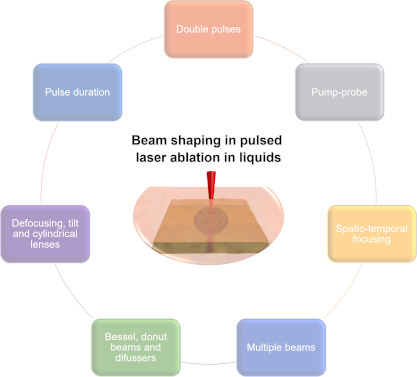
- laser pulses. For example, laser beams with a donut shape were used for ablating gold, yttrium oxide, and high-entropy alloy targets in water. The donut beam enabled NP size reduction and narrower size distributions [28]. Application of femtosecond Bessel beams for the ablation of silver in a liquid was


Dendrimer-modified carbon nanotubes for the removal and recovery of heavy metal ions from water
Beilstein J. Nanotechnol. 2025, 16, 1522–1532, doi:10.3762/bjnano.16.107

- ). Furthermore, thermodynamic parameters such as changes of enthalpy (ΔH), entropy (ΔS), and Gibbs free energy (ΔG) were calculated by plotting the graph of ln Ke vs 1/T and using the van't Hoff equation (Supporting Information File 1, Figure S2 and Table S4). Positive ΔH and negative ΔG values confirm that


Crystalline and amorphous structure selectivity of ignoble high-entropy alloy nanoparticles during laser ablation in organic liquids is set by pulse duration
Beilstein J. Nanotechnol. 2025, 16, 1141–1159, doi:10.3762/bjnano.16.84
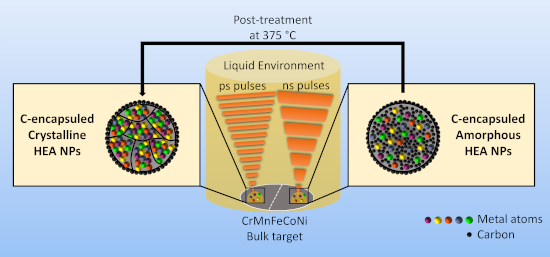
- Interface Science (KiNSIS), Christian-Albrechts University of Kiel, Christian-Albrechts-Platz 4, 24118 Kiel, Germany 10.3762/bjnano.16.84 Abstract High-entropy alloy nanoparticles (HEA NPs) represent a promising material class with significant potential in various applications, such as heterogeneous
- solution; EELS; electron energy loss spectroscopy; laser processing in liquids; multicomponent alloy; STEM-EDX; selected area electron diffraction; X-ray diffraction; Introduction High-entropy alloys (HEAs), also referred to as compositionally complex solid solutions (CCSS) [1], are of great interest in
- various applications in magnetic technologies [2][3] and electrocatalysis [2][4], derived from the combination of single-element properties which results in enhanced features compared to single-element properties [5]. High-entropy alloy nanoparticles (HEA NPs) constitute a relatively new class of




Synthesis and magnetic transitions of rare-earth-free Fe–Mn–Ni–Si-based compositionally complex alloys at bulk and nanoscale
Beilstein J. Nanotechnol. 2025, 16, 823–836, doi:10.3762/bjnano.16.62
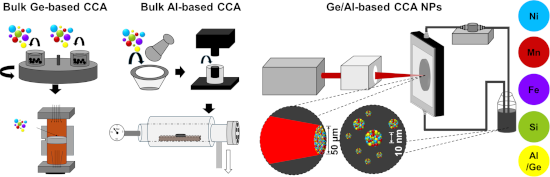
- combinations that control the configurational entropy of mixing, phase, and free energy of the material. Consequently, the magnetic phase transition of CCAs can be tuned by altering their chemical composition because of the different elemental interactions [17]. A significant advantage of using CCAs is their
- Ge) and MnFeNiSiAl [24] (i.e., doping NiMnSi with Fe and Al) alloys, synthesized by arc melting of pure elements show a second-order magnetostructural phase transition between 170 and 220 K with an isothermal entropy change of −7.3 J·kg−1·K−1 at 2.5 T and a first-order magnetostructural phase
- transition near 200 K with an isothermal entropy change of −23 J·kg−1·K−1 at 2 T, respectively. Bulk CCAs are explored thanks to the metallurgy approaches that allow for material composition control and alloying. However, it is desirable to achieve controlled methodologies to downsize CCAs to the nanoscale


Impact of adsorbate–substrate interaction on nanostructured thin films growth during low-pressure condensation
Beilstein J. Nanotechnol. 2025, 16, 473–483, doi:10.3762/bjnano.16.36

- high-entropy alloys, which are formed by mixing equal or relatively large proportions of (usually) five elements. In this case, we assume that the interaction strength δ is different for the different alloying elements of the substrate, that is, δ = δ0 + z(m)Δ, where m = 1…5 counts for the different
- types of atoms in the high-entropy alloy and z(m) = −2,…,2. In the two-dimensional lattice presentation, the interaction strength δ(r) with the randomly distributed z(m) = z(r) represents the δ-correlated quenched spatial disorder with ⟨δ(r)⟩ = δ0; Δ is the strength of the spatial disorder. Next, we
- on the substrate. The obtained theoretical results are verified by numerical simulations. In the framework of computational studies, we have discussed deposition on a one-component substrate and a multicomponent substrate representing high-entropy alloys. It is found that an increase in adsorbate


Size control of nanoparticles synthesized by pulsed laser ablation in liquids using donut-shaped beams
Beilstein J. Nanotechnol. 2025, 16, 407–417, doi:10.3762/bjnano.16.31
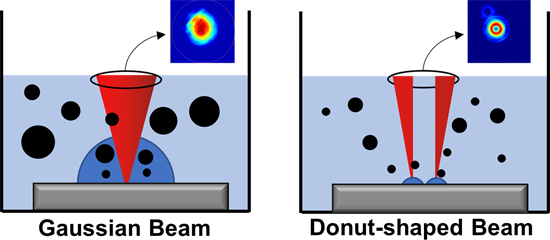
- laser beam. In experiments on pulsed laser ablation in water of gold, yttrium oxide, and high-entropy alloy targets with both Gaussian and donut-shaped beams, we observed a significant reduction in particle size, narrowing of the size distribution width, and an improvement in sphericity when utilizing
- this pioneering study, further investigation with higher temporal and spatial resolution are warranted. Keywords: beam shaping; cavitation bubble; donut beam; gold nanoparticles; high-entropy alloy nanoparticles; nanoparticle size analysis; yttrium oxide nanoparticles; Introduction The demand for
- precise compositional control such as metastable binary core–shell NPs [16] and quinary Cantor high-entropy alloy NPs [17][18]. Such high-entropy nanomaterials are recently being discussed as game changers, providing disruptive design opportunities in multifunctional catalysts or magnetic materials [19


Recent advances in photothermal nanomaterials for ophthalmic applications
Beilstein J. Nanotechnol. 2025, 16, 195–215, doi:10.3762/bjnano.16.16
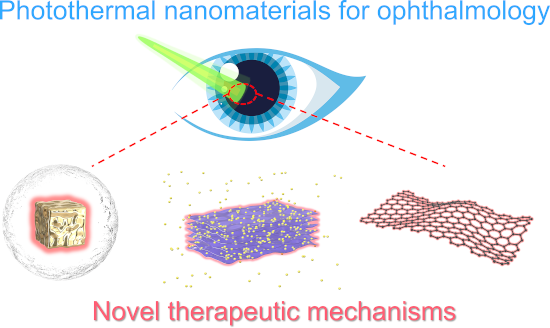
- and selection. Additionally, because of concerns over material toxicity, novel materials like metal-organic frameworks, covalent organic frameworks, high-entropy materials, single-atom materials, electric power generation nanomaterials, 3D bioprinting materials, and upconversion luminescent materials


Heterogeneous reactions in a HFCVD reactor: simulation using a 2D model
Beilstein J. Nanotechnol. 2024, 15, 1627–1638, doi:10.3762/bjnano.15.128
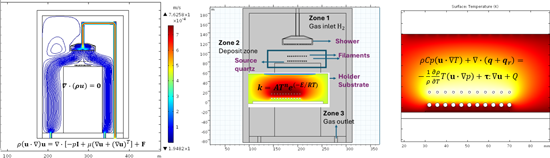
- ) + H° (g) was developed to obtain the extensive properties of this reaction using FactSage in the temperature range from 500 to 1500 °C. Enthalpy (H), Gibbs energy (G), entropy (S), heat capacity (Cp), and Helmholtz energy (A) were obtained to calculate Keq through Equation 5 [27]. The thermodynamic


Effect of radiation-induced vacancy saturation on the first-order phase transformation in nanoparticles: insights from a model
Beilstein J. Nanotechnol. 2024, 15, 1453–1472, doi:10.3762/bjnano.15.117

- enthalpy and entropy of vacancy formation in Fe. First-order phase transformations are accompanied by nucleation and the overcoming of energy barriers. To our knowledge, the consideration of nucleation energy barriers and the alteration of surface energies during transformation under irradiation has been
- , respectively) and can be expressed as follows [17]: where, ΔHf is the enthalpy change for forming of a vacancy, ΔSf is the entropy change for vacancy formation, and ΔHmix is the ideal entropy of vacancy mixing, which may be given as: Here, T is the absolute temperature, and kB is the Boltzmann constant
- = 3.28·10−19 J for the β phase [29][30][31][32][33]. The entropy change can be estimated using the Boltzmann constant, with values of ΔSfα = −0.5kB for the α phase and ΔSfβ = 0.2kB for the β phase [29][30][31][32][33][34]. Regarding kinetic parameters, the diffusion coefficients are estimated as D0α


Effects of cutting tool geometry on material removal of a gradient nanograined CoCrNi medium entropy alloy
Beilstein J. Nanotechnol. 2024, 15, 925–940, doi:10.3762/bjnano.15.76
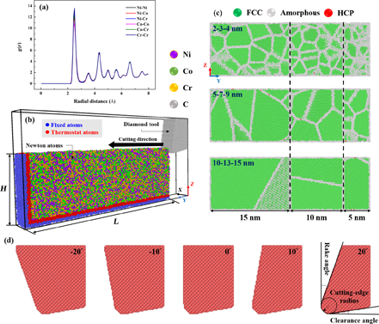
- -entropy alloys (MEAs) have attracted extensive attention and research because of their superior mechanical properties, such as higher ductility, strength, and toughness. This study uses molecular dynamics (MD) simulations to investigate the cutting behavior of a gradient nanograined (GNG) CoCrNi MEA
- : CoCrNi; gradient nanograined materials; Hall–Petch; molecular dynamics; relative tool sharpness; removal mechanism; Introduction Compared with traditional alloys, high-entropy alloys (HEAs) with multiple elements exhibit diverse and unprecedented mechanical properties, attracting widespread scientific
- attention and research [1][2]. Among them, the ternary medium-entropy alloy (MEA) CoCrNi and its derived five-element CoCrFeMnNi HEA [3][4] have been found to exhibit high strength and ductility. Weng et al. used laser-aided additive manufacturing to fabricate a CoCrNi MEA with a perfect combination of


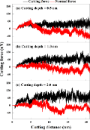





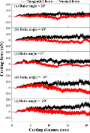


Laser synthesis of nanoparticles in organic solvents – products, reactions, and perspectives
Beilstein J. Nanotechnol. 2024, 15, 638–663, doi:10.3762/bjnano.15.54
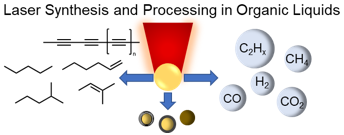
- solvated molecular precursors and is excited itself. LRL was first published by Shafeev et al. in 1986, who reduced triphenylphosphine Au(I) complexes to form Au nanoparticles on different materials such as GaAs [33] and was recently extended to synchronous LRL of multiple elements into high-entropy





Antibody-conjugated nanoparticles for target-specific drug delivery of chemotherapeutics
Beilstein J. Nanotechnol. 2023, 14, 912–926, doi:10.3762/bjnano.14.75
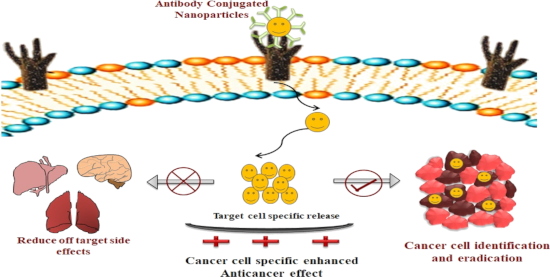
- binding is a highly selective interaction because both enthalpy and entropy are involved in the binding thermodynamics [73]. In case of multivalent particles, the entropy loss on binding is less than that of the two molecules in free solution. The multivalent NPs are very specific for the corresponding



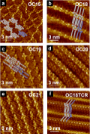
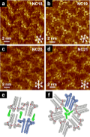
Two-dimensional molecular networks at the solid/liquid interface and the role of alkyl chains in their building blocks
Beilstein J. Nanotechnol. 2023, 14, 872–892, doi:10.3762/bjnano.14.72
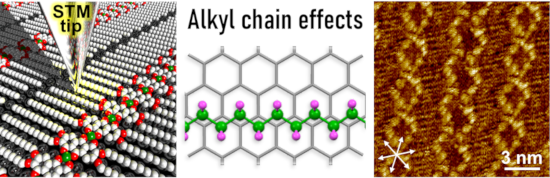
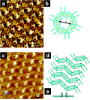
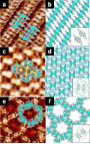
- were partially desorbed from the surface of HOPG. Desorption from the surface is unfavorable regarding enthalpy. However, the detached alkyl chain is mobile in the solution phase; thus, desorption from the surface is favorable concerning entropy. Therefore, the peculiar 2D structural change can be
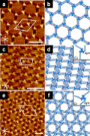
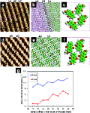
- explained by the nonlinearity of the entropy term in the Gibbs free energy. 3.2 Pore size The fabrication of nanoscale porous networks has attracted attention owing to their ability to accommodate guest molecules in the confined pores. Modification of the alkyl chain length facilitated the tuning of the









A wearable nanoscale heart sound sensor based on P(VDF-TrFE)/ZnO/GR and its application in cardiac disease detection
Beilstein J. Nanotechnol. 2023, 14, 819–833, doi:10.3762/bjnano.14.67
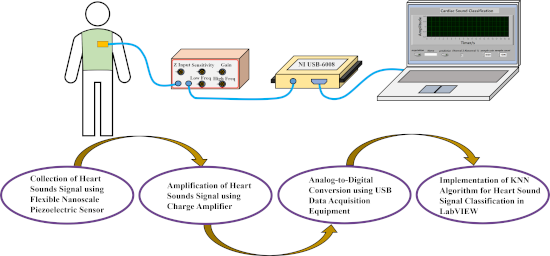
- were mistakenly classified as normal. After verification, the heart sound classification model trained in the experiment achieved an accuracy rate of 94.8%. According to Liu et al. [38], adaptive noise-complete empirical modal decomposition permutation entropy combined with a support vector machine was


Temperature and chemical effects on the interfacial energy between a Ga–In–Sn eutectic liquid alloy and nanoscopic asperities
Beilstein J. Nanotechnol. 2022, 13, 817–827, doi:10.3762/bjnano.13.72
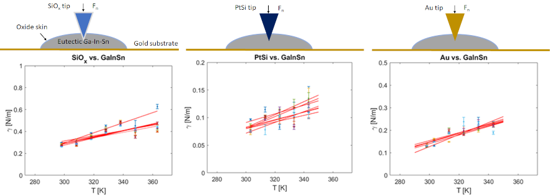
- + Adγ* or which allows for a correlation of the thermal sensitivity of the surface or interfacial tension with the surface or interfacial entropy According to [27][28], the temperature sensitivity of the surface energy of simple metallic melts depends on the change of the cohesion energy with
- energy of the system. The larger the individual free surface energies, the larger the energetic gain upon the formation of an interface. Above, we have related the temperature sensitivity of the surface energy κ to the surface entropy Ss. For most liquids, the value κ is negative, owing to an increase in
- entropy at higher temperatures. This entropy increase can be rationalized by decreasing the coordination number at a liquid surface at higher temperatures. However, a few exceptions have been observed to take positive values. For pure silver, a positive temperature sensitivity has been observed in the



Recent advances in nanoarchitectures of monocrystalline coordination polymers through confined assembly
Beilstein J. Nanotechnol. 2022, 13, 763–777, doi:10.3762/bjnano.13.67
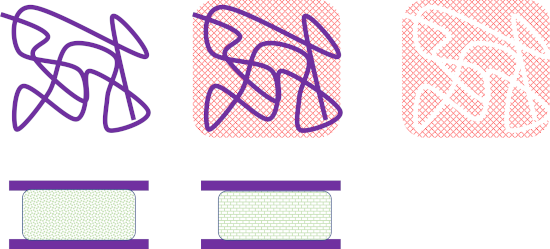
- through self-assembly [130]. The assembly process is usually driven by thermodynamics to form entropy-favored periodic arrangements. The periodically assembled monocrystalline coordination polymers have unique features. For instance, the assembly of polyhedral coordination polymers can form a more complex





Design and selection of peptides to block the SARS-CoV-2 receptor binding domain by molecular docking
Beilstein J. Nanotechnol. 2022, 13, 699–711, doi:10.3762/bjnano.13.62
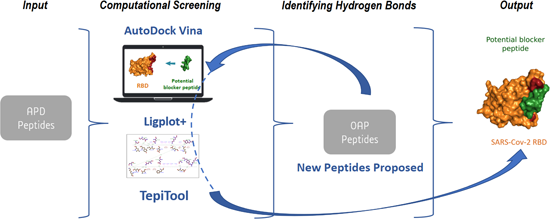
- solvation potentials are neglected, while van der Waals potential, the nondirectional hydrogen bond term, the hydrophobic term, and a conformational entropy penalty are considered) [20][21]. It can be observed that the binding energy values (Table 1 and Table 2) are significantly lower than the binding


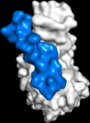

Surfactant-free syntheses and pair distribution function analysis of osmium nanoparticles
Beilstein J. Nanotechnol. 2022, 13, 230–235, doi:10.3762/bjnano.13.17
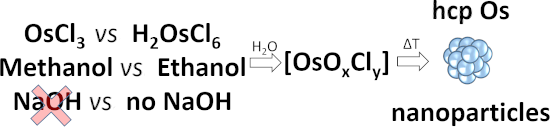
- by the Danish National Research Foundation (DNRF-149) Center for High-Entropy Alloys Catalysis (CHEAC). This research used resources of the Advanced Photon Source, a U.S. Department of Energy (DOE) Office of Science User Facility, operated for the DOE Office of Science by Argonne National Laboratory


Influence of magnetic domain walls on all-optical magnetic toggle switching in a ferrimagnetic GdFe film
Beilstein J. Nanotechnol. 2022, 13, 74–81, doi:10.3762/bjnano.13.5
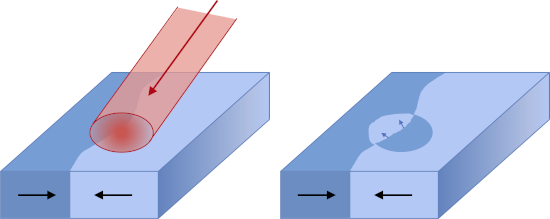
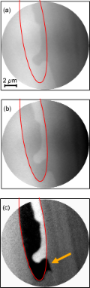
- directed, would be into the direction of higher fluence, not into the direction of lower fluence. Domain-wall motion towards the higher temperature in a temperature gradient can be explained by entropy [23][24] or conservation of angular momentum during the transmission of magnons driven by the temperature


Sputtering onto liquids: a critical review
Beilstein J. Nanotechnol. 2022, 13, 10–53, doi:10.3762/bjnano.13.2
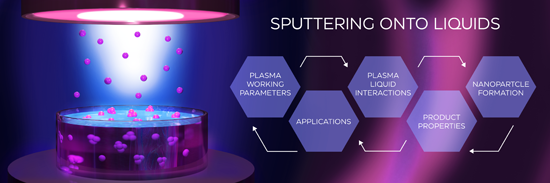
- properties to fit the targeted application in fields such as mechanics, optics, electronics, and biomaterials. Various types of coatings can be produced, from pure metals to metal oxides, nitrides, carbides, oxynitrides to metal alloys, or chemically more complex combinations such as high-entropy alloys [24






First-principles study of the structural, optoelectronic and thermophysical properties of the π-SnSe for thermoelectric applications
Beilstein J. Nanotechnol. 2021, 12, 1101–1114, doi:10.3762/bjnano.12.82
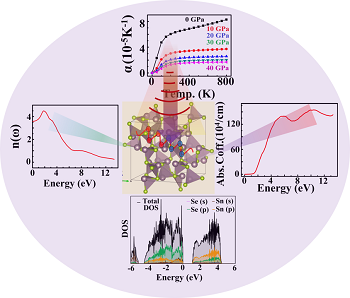
- large entropy impact which accelerates the phonon–phonon scattering process. The total thermal conductivity (κtot) for the π-SnSe alloy is also plotted and presented in Figure 9c. It can be noted that initially, by the increase in temperature, κtot decreases and reaches its minimum value of 1.089 W·m−1


Criteria ruling particle agglomeration
Beilstein J. Nanotechnol. 2021, 12, 1093–1100, doi:10.3762/bjnano.12.81
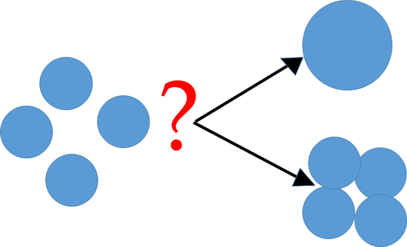
- direction of a minimum of the free enthalpy. In this context, one may observe mechanisms leading to a reduction of the surface energy or controlled by the van der Waals interaction. Additionally, the ensemble may arrange in the direction of a maximum of the entropy. Simulations based on Monte Carlo methods
- teach that, in case of any energetic interaction of the particles, the influence of the entropy is minor or even negligible. Complementary to the simulations, the extremum of the entropy was determined using the Lagrange method. Both approaches yielded identical result for the particle size distribution
- of an agglomerated ensemble, that is, an exponential function characterized by two parameters. In this context, it is important to realize that one has to take care of fluctuations of the entropy. Keywords: agglomeration; enthalpy; entropy; simulation; surface energy; van der Waals interaction