


Search results
Search for "inhibition" in Full Text gives 205 result(s) in Beilstein Journal of Nanotechnology. Showing first 200.
Development of Protium heptaphyllum essential oil-loaded nanocapsules: experimental design and biological activity
Beilstein J. Nanotechnol. 2026, 17, 974–990, doi:10.3762/bjnano.17.67
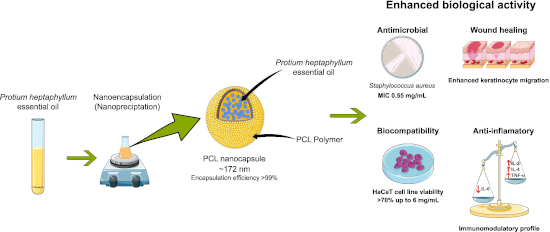
- reduced S. aureus inhibition concentration, compared to the free oil, and promoted in vitro wound closure, highlighting its potential for tissue repair. CBA showed selective immunomodulatory effects, with strong suppression of IL-6 and selective increases in IL-2, IL-4, and TNF-α at higher doses (6 mg/mL




Materials challenges in solid-state sensors for continuous monitoring of ions in water
Beilstein J. Nanotechnol. 2026, 17, 935–973, doi:10.3762/bjnano.17.66


Nanocarrier strategies to overcome P-glycoprotein-mediated drug resistance in cancer therapy
Beilstein J. Nanotechnol. 2026, 17, 882–921, doi:10.3762/bjnano.17.64
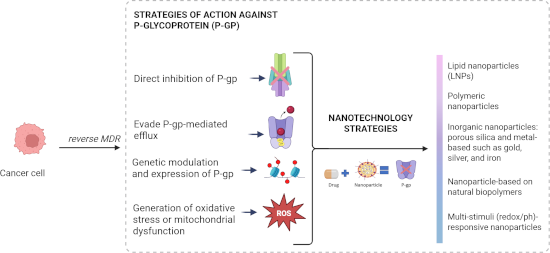
- inhibition of P-gp ATPase activity using small-molecule modulators such as quercetin, ᴅ-α-tocopheryl polyethylene glycol succinate, and tariquidar, (ii) circumvention of membrane efflux through receptor-mediated endocytosis, intracellular trafficking control, or tumor-responsive drug release, and (iii
- forms, tumors become refractory to structurally and functionally diverse drugs, which defines the clinical challenge of MDR. Several molecular mechanisms associated with MDR in experimental models, including mutations that generate alternative pathways to preserve the cell cycle, inhibition of apoptosis
- chemotherapeutic efficacy, but the risk of off-target effects in healthy tissues remains a meaningful limitation [22][23]. The tissue distribution of P-gp further complicates systemic pharmacological inhibition. ABCB1 is expressed at high levels in tissues with excretory or barrier functions, including the liver


Nanoparticle delivery systems for HIV pre-exposure prophylaxis (PrEP): advances and challenges
Beilstein J. Nanotechnol. 2026, 17, 839–853, doi:10.3762/bjnano.17.60
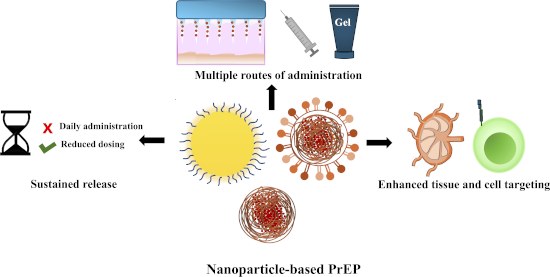
- ’ intrinsic antiviral actions such as protease inhibition [72][73][74]. Some studies of the toxicity of MNPs have provided indications of mitochondrial dysfunction, increased membrane permeability, cellular damage, and oxidative stress in host cells in response to MNP exposure [75][76]. Silicon-based systems
- endolysosomal degradation pathways and were instead sequestered in so-called virus-containing compartments (VCCs). VCCs are intracellular reservoirs where HIV can persist and evade immune clearance and drug treatment [94][97][98]. GM3-presenting nanoparticles with a PLA core achieved sustained inhibition of HIV


Glycerol photoelectrochemical oxidation reaction at carbon nitrides/BiVO4 materials
Beilstein J. Nanotechnol. 2026, 17, 806–817, doi:10.3762/bjnano.17.57
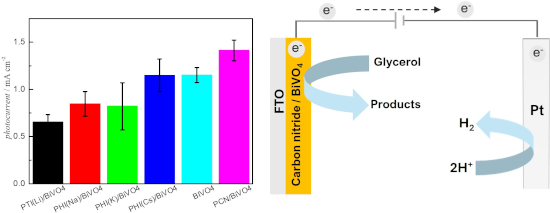
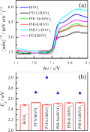
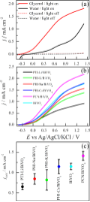
- pattern after the thermal treatment. On the other hand, PTI-Li suffers structural transformations during thermal treatment, resulting in a strong inhibition of the peaks at 11.8°, 21.2°, and 27.0° and the appearance of an intense and sharp peak at 31.8°. Supporting Information File 1, Figure S3 compares




Restorative potential of laser-synthesized silver nanoparticles with Salvia officinalis for periodontal disease treatment: an in vitro study
Beilstein J. Nanotechnol. 2026, 17, 781–795, doi:10.3762/bjnano.17.55
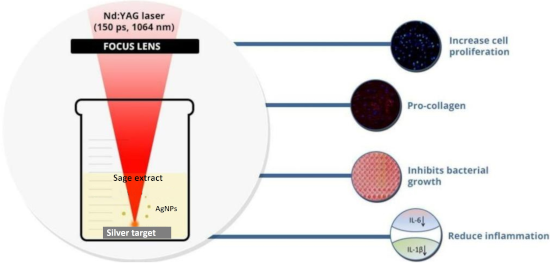
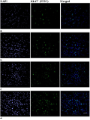
- , connective tissue damage occurs, beginning with fibroblast alteration and secretion of metalloproteinases, which degrade collagen and other components of the extracellular matrix [17][18]. Eventually, fibroblast apoptosis and inhibition of collagen production ensue, causing overall gingival atrophy and
- indicate bactericidal activity rather than bacteriostatic effects. This characteristic is valuable for the treatment of periodontal disease as it ensures complete bacterial elimination rather than growth inhibition, thereby reducing the risk of bacterial resistance development [41]. Remarkably
- fibroblasts was previously reported [14][42][51][52]; it was mostly attributed to the suppression of proinflammatory pathways, the activation of anti-inflammatory pathways, and the selective inhibition of the cyclooxygenase-2 (COX-2) pathway [53]. Sage extract used for the synthesis likely contributes to this



Environmental applications of silver nanoparticles: state-of-the-art review and emerging trends
Beilstein J. Nanotechnol. 2026, 17, 697–736, doi:10.3762/bjnano.17.49
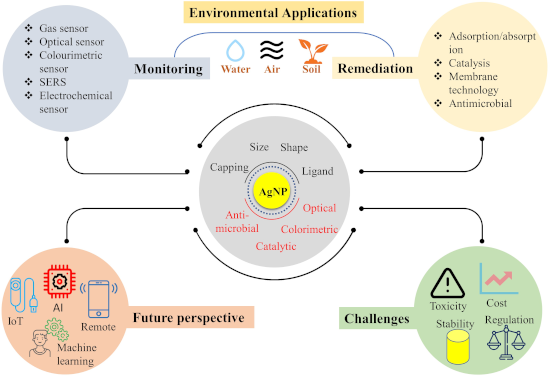
- exhibit toxicity towards aquatic organisms, including bacteria, algae, invertebrates, and fish, with reported adverse effects such as growth inhibition, reproductive impairment, and mortality [32][33]. Moreover, various factors influence the fate and transport of AgNPs in environmental samples, including
- inhibition zone of 22.5 and 25 mm in chloroform and ethanol, respectively, against P. fragi. In contrast, inhibition of E. coli was achieved in methanol (23.5 mm) [74]. In another study, AgNPs stabilized with Eriobotrya japonica seed extract showed enhanced antibacterial activity compared to penicillin. The
- author found that E. coli, Klebsiella, and S. mutans showed inhibition zones of 20 and 15 mm upon exposure to 150 mg/mL AgNPs [75]. In addition, AgNPs demonstrated efficacy in inactivating viruses, including adenovirus, hepatitis B, herpes simplex, influenza A, Chikungunya virus, and Zika virus, by


Synthesis of Cu–Mo/TiO2 and Co–Mo/TiO2 photocatalysts for the efficient degradation of organic pollutants in water
Beilstein J. Nanotechnol. 2026, 17, 559–570, doi:10.3762/bjnano.17.37
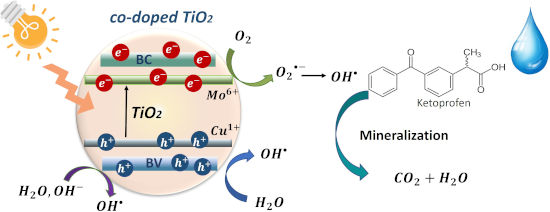
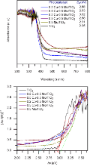
- causes the inhibition of crystalline phase transformation from anatase to rutile, which is an expected behavior for cationic dopants of valence higher than 4. The change in lattice parameters may also indicate the presence of oxygen vacancies created by the incorporation of impurities as Mo. The charge
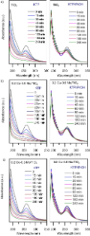
- from these to the lattice distortion. Additionally, the crystallite size of the materials was determined using the Debye–Scherrer equation and the results are reported in Table 1. The presence of Mo, Cu, and Co metal ions decreases the crystallite size. The inhibition of grain growth in the crystal
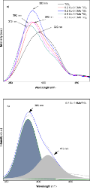
- emission may coexist with trapping states. The relationships between PL intensity and photocatalytic activity are very complicated and depend on dopant species [39]. The inhibition of TiO2 phase transformation from anatase to rutile can increase surface oxygen vacancy and defect content [39]. Then, the



Nanocarrier-integrated multilayer films produced by 3D printing for improved skin adhesion and curcumin photostability
Beilstein J. Nanotechnol. 2026, 17, 440–453, doi:10.3762/bjnano.17.30
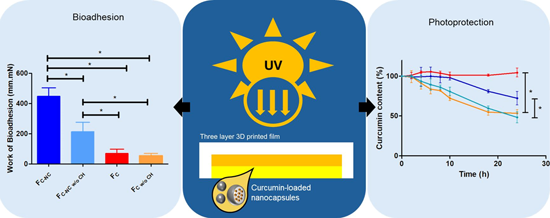
- derived from Curcuma longa (turmeric) with well-documented biological activities [15][16], including properties that may be advantageous for skin-healing applications. For example, curcumin exhibits strong anti-inflammatory activity through inhibition of nuclear factor kappa B (NF-κB) signalling, as well
- as antioxidant activity through reactions with free radicals or reactive oxygen species (ROS) and inhibition of lipid peroxidation and DNA damage. These mechanisms contribute to reduced oxidative stress and enhanced wound-healing processes [17]. Consequently, curcumin is currently under investigation


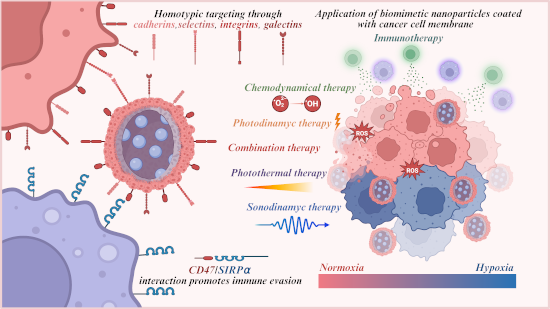
Biomimetic nanoparticles in cancer photodynamic therapy: a review of targeted delivery systems and therapeutic outcomes
Beilstein J. Nanotechnol. 2026, 17, 396–422, doi:10.3762/bjnano.17.27


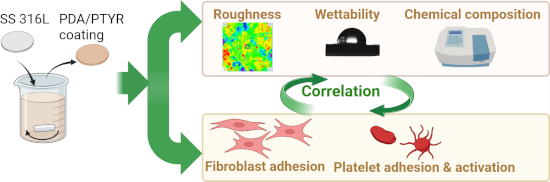
Polycatecholamine nanocoatings on stainless steel: the effect on attachment of human fibroblasts and platelets
Beilstein J. Nanotechnol. 2026, 17, 365–380, doi:10.3762/bjnano.17.25
- coating, which may have resulted in the inhibition of platelet attachment. The effect of primary amine content on platelet adhesion was also observed by other authors [22][51][52], who reported that high –NH2 content is not beneficial in terms of hemocompatibility because large amounts of primary amino




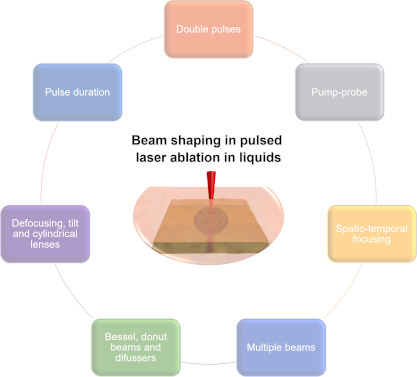
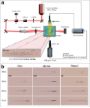
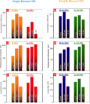
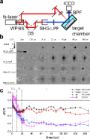
Beam shaping techniques for pulsed laser ablation in liquids: Unlocking tunable control of nanoparticle synthesis in liquids
Beilstein J. Nanotechnol. 2026, 17, 309–342, doi:10.3762/bjnano.17.22
- neutron capture therapy [62][63], viral [64][65] and microbial growth inhibition [42][66], antibacterial agents [67][68], anticancer treatments [67][69], magnetic resonance imaging contrast agent [70], photothermal therapy [71][72], cell imaging [73], proton therapy enhancement [74][75], fluorescence [76







Durable antimicrobial activity of fabrics functionalized with zeolite ion-exchanged nanomaterials against Staphylococcus aureus and Escherichia coli
Beilstein J. Nanotechnol. 2026, 17, 262–274, doi:10.3762/bjnano.17.18
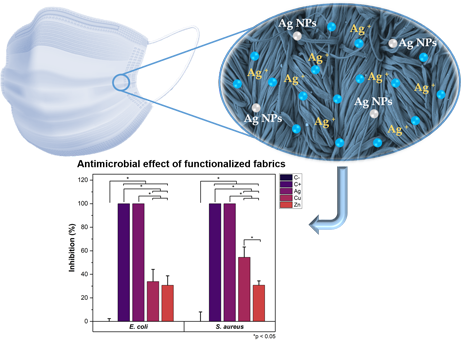
- incorporation of nanomaterials onto the fabric surfaces. Antimicrobial tests reveal significant inhibition of bacterial growth, with silver-based materials demonstrating superior efficacy. Importantly, the antimicrobial effect persists after five washing cycles, demonstrating the durability of the
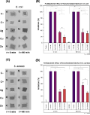
- compared to Cu/CBV-600-bramante fabrics that were not exposed to sunlight, suggesting that the photocatalytic activity of Cu enhances its antibacterial efficacy. For fabrics with Zn/CBV-600-bramante, a minor increase in the inhibition of bacterial growth was also observed for E. coli following sunlight
- bacterial growth by up to 95% (Figure 5A and Figure 5B). In contrast, Cu/CBV-600-bramante and Zn/CBV-600-bramante fabrics showed varying degrees of bacterial growth inhibition depending on the microorganism (Figure 5Ad,e and Figure 5Bd,e). Against E. coli, Cu/CBV-600-bramante fabrics inhibited bacterial




From shield to spear: Charge-reversible nanocarriers in overcoming cancer therapy barriers
Beilstein J. Nanotechnol. 2026, 17, 159–175, doi:10.3762/bjnano.17.10
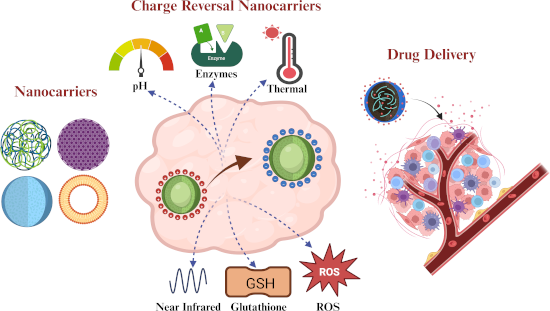
- photothermal therapy and chemotherapy by encapsulating the HSP90 inhibitor 17-AAG within UCST-type polymer-modified gold nanorods. Upon 1064 nm irradiation, they exhibit 65.1% photothermal conversion efficiency and trigger heat-induced 17-AAG release, achieving 98.86% of tumour growth inhibition in mice [57
- doxorubicin release at temperatures of ≥44 °C, effectively targeting resistant and quiescent cancer stem cells. Combined TR-DOXO and magnetic field treatment achieved complete tumour inhibition in mice, demonstrating strong hyperthermia–chemotherapy synergy [67]. The combination of magnetic targeting, thermal
- nuclear delivery in HeLa cells, reduced inflammatory cytokines, and improved tumour inhibition over free DOX, showing promise for cervical carcinoma therapy [72]. Cheah et al. developed a charge-responsive CPH material enabling electrically controlled protein release, reducing off-target effects through


Influence of surface characteristics on the in vitro stability and cell uptake of nanoliposomes for brain delivery
Beilstein J. Nanotechnol. 2026, 17, 139–158, doi:10.3762/bjnano.17.9
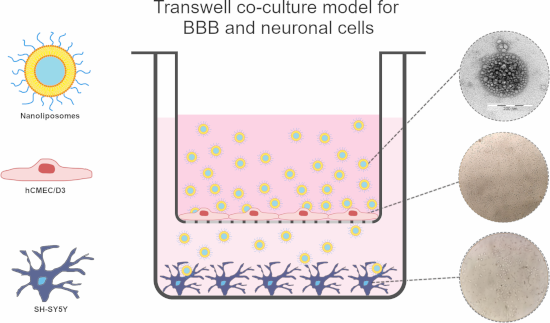
- to less efficient binding with protein targets that would work as ligands for receptor-mediated transport and delivery, finally resulting in partial inhibition and reduction of cellular uptake ([24]). Taken into consideration all aforementioned, it can be summarized that cellular transport and




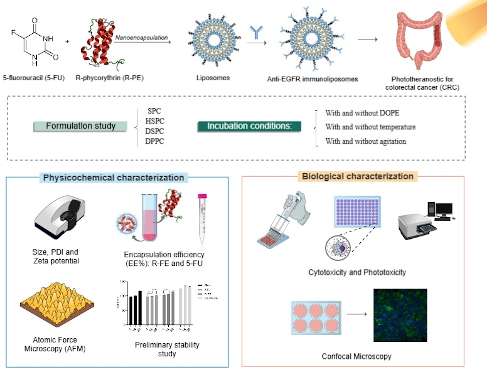
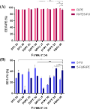
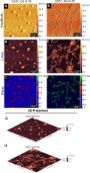
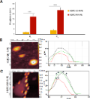
Development and in vitro evaluation of liposomes and immunoliposomes containing 5-fluorouracil and R-phycoerythrin as a potential phototheranostic system for colorectal cancer
Beilstein J. Nanotechnol. 2026, 17, 97–121, doi:10.3762/bjnano.17.7



Functional surface engineering for cultural heritage protection: the role of superhydrophobic and superoleophobic coatings – a comprehensive review
Beilstein J. Nanotechnol. 2026, 17, 63–96, doi:10.3762/bjnano.17.6
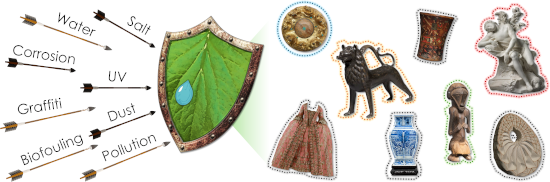
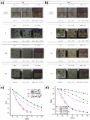
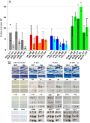
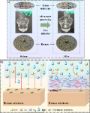
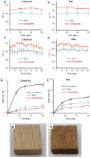
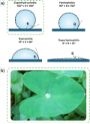
- , Pseudomonas aeruginosa, and Rhodotorula spp., while only partial inhibition was observed for the two other tested organisms. When applied to granite, marble, and limestone, the coating formed a protective but uneven layer that reduced surface wettability without altering the stones’ appearance. These results




Optical bio/chemical sensors for vitamin B12 analysis in food and pharmaceuticals: state of the art, challenges, and future outlooks
Beilstein J. Nanotechnol. 2025, 16, 2207–2244, doi:10.3762/bjnano.16.153
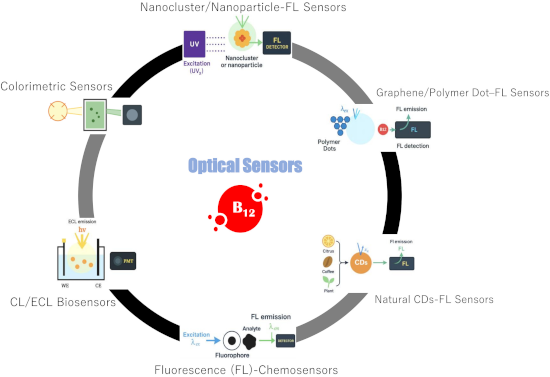
- and fluid milk, infant formula, cereal-based foods, baby food composite, meat, and liver) using a non-labeled inhibition protein-binding assay, in which the recognition relied on protein–vitamin binding, the sensor surface acted as the indicator, and the signal was measured by resonance response. The


Rapid synthesis of highly monodisperse AgSbS2 nanocrystals: unveiling multifaceted activities in cancer therapy, antibacterial strategies, and antioxidant defense
Beilstein J. Nanotechnol. 2025, 16, 2105–2115, doi:10.3762/bjnano.16.145
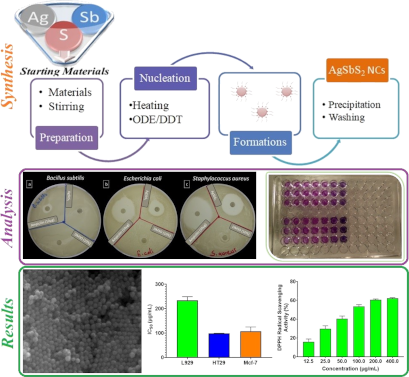
- mg/mL) NCs were placed on the surface of MHA plates inoculated with 100 μL of a suspension comprising 108–109 CFU/mL of microorganisms and incubated for 24 h at 37 °C. In addition, ampicillin (10 mg/disc) and 10% DMSO were used as control for comparative effect. The zone of inhibition (ZOI) was
- exhibited substantial activity against both gram-positive and gram-negative bacterial strains, manifesting as distinct zones of inhibition ZOIs surrounding the discs. Compared to the established efficacy of ampicillin (10 µg/disc), the synthesized NCs displayed less pronounced antibacterial activity, as
- Figure 4. The NCs induced a 3–26% inhibition of cell growth even at the lowest applied concentration (12.5 µg/mL), and a proportional increase in the percentage of cell inhibition was observed with escalating concentrations. Hence, the findings reveal the dose-dependent interaction of the nanoparticles


Targeting the vector of arboviruses Aedes aegypti with nanoemulsions based on essential oils: a review with focus on larvicidal and repellent properties
Beilstein J. Nanotechnol. 2025, 16, 1894–1913, doi:10.3762/bjnano.16.132
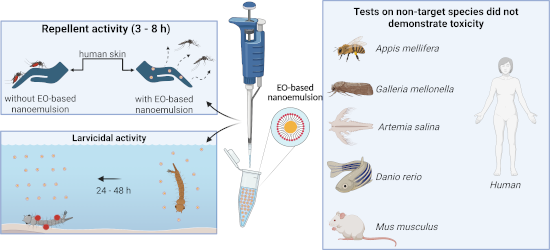
- vector larvae, including Ae. aegypti, and have been enhanced in nanoemulsions thanks to their properties [105][106][107]. Nanostructured plant-based larvicides could be associated with larvae morphological alterations, formation of reactive oxygen species that cause genotoxicity, and inhibition of


On the road to sustainability – application of metallic nanoparticles obtained by green synthesis in dentistry: a scoping review
Beilstein J. Nanotechnol. 2025, 16, 1851–1862, doi:10.3762/bjnano.16.128
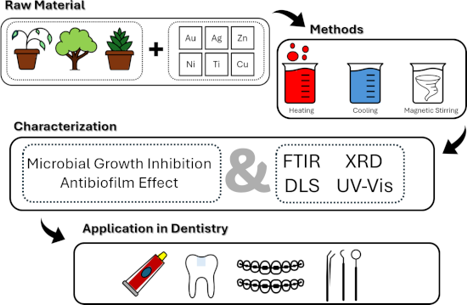
- of both physicochemical properties and biological effects (Figure 6). The most frequently reported biological activity among the selected studies was the inhibition of microbial growth (80.0%; n = 44), highlighting its prominence as a primary target in antimicrobial research. The studies primarily


Further insights into the thermodynamics of linear carbon chains for temperatures ranging from 13 to 300 K
Beilstein J. Nanotechnol. 2025, 16, 1818–1825, doi:10.3762/bjnano.16.125
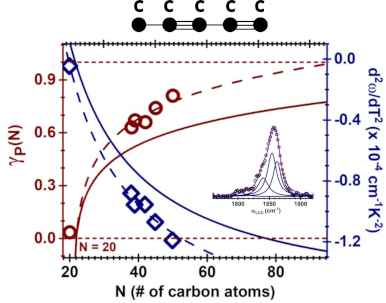
- , presenting rather simple electronic and phonon structures that are dependent on N [31][32]. When they are host-free, their phonon structures present longitudinal and transversal modes but their encapsulation by CNT inhibits transversal modes [29][30][31][32][55][56][57][58][59]. This inhibition seems to be


![[Graphic 23]](/bjnano/content/inline/2190-4286-16-125-i25.svg?max-width=637&scale=1.18182)
Advances of aptamers in esophageal cancer diagnosis, treatment and drug delivery
Beilstein J. Nanotechnol. 2025, 16, 1734–1750, doi:10.3762/bjnano.16.121
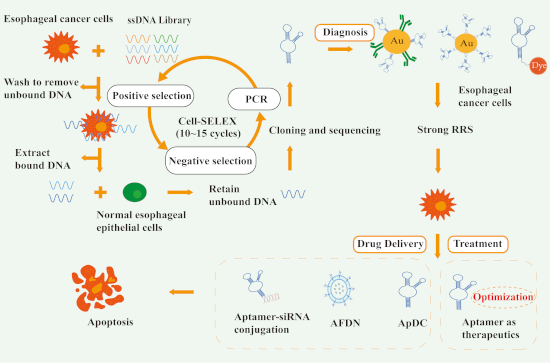
- cells, slow down tumor growth and metastasis, and had no obvious toxicity to human normal esophageal epithelial cells. Cluster analysis showed that the mechanism of action of peptide 58 may be closely related to the inhibition of ESCC cell metabolism. However, pharmacokinetic data on peptide 58 remain
- targeting ability, and tumor inhibition efficiency of the nanosystem need to be further verified through in vivo experiments. 6 Discussion Aptamers not only have a low incidence of Treatment Adverse Events (TAEs), but also can use antidote oligonucleotides to precisely regulate the aptamer functions
- aptamers, such as P42, P58, ZY3A and SPP1 aptamers, mostly exert pharmacological effects on the principle of target inhibition. ZY3A targets the membrane protein p37, and SPP1 belongs to secreted proteins. SOX2 and SOX2/CDP interfaces, the targets of P42 and P58, exist in cells, requiring aptamer


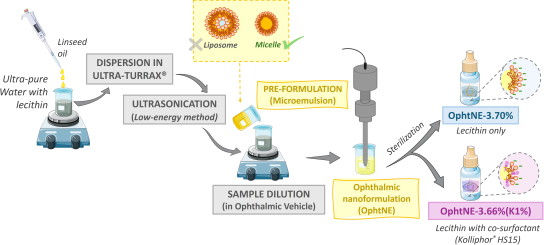
Multifunctional anionic nanoemulsion with linseed oil and lecithin: a preliminary approach for dry eye disease
Beilstein J. Nanotechnol. 2025, 16, 1711–1733, doi:10.3762/bjnano.16.120
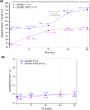
- inhibition percentage) was calculated using Equation 2 [57]. The IC50 (the concentration required to achieve 50% inhibition) of the radical scavenging activity was determined via linear regression analysis [58]. where Abscontrol, represents the absorbance of the DPPH radicals, Abssample, represents the



Prospects of nanotechnology and natural products for cancer and immunotherapy
Beilstein J. Nanotechnol. 2025, 16, 1644–1667, doi:10.3762/bjnano.16.116
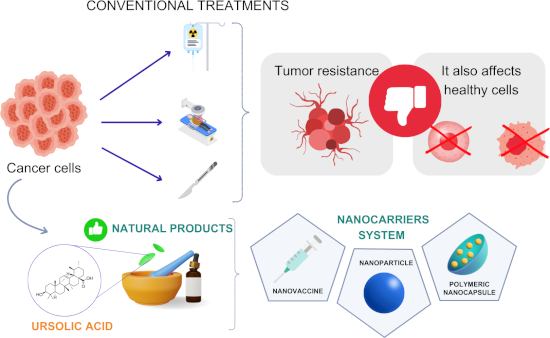
- system activation and tumor growth inhibition [14]. Nevertheless, challenges like low bioavailability, chemical instability, and difficulty in targeting specific tissues hinder their effective clinical application [15]. Nanotechnology has emerged as an innovative solution to overcome the limitations of
- potential effects include tumor cell death, inhibition of proliferation, increased autophagy, and enhanced immune system response [51]. Furthermore, natural products can also promote the regulation of immune cells and cytokines, increasing immunogenic cancer cell death, natural killer cell activity, and
- targeting and tumor inhibition. Following this perspective, patents CN111202719, CN114470229, and CN115252560 represent advances in tumor therapy, since they combine cell cycle blockade and inhibition of metabolic pathways, which are considered complex cellular mechanisms. Nevertheless, patent CN109846857





