Search results
Search for "liquid" in Full Text gives 995 result(s) in Beilstein Journal of Nanotechnology. Showing first 200.
Sustainable fabrication of 2D-based devices through reuse of substrates with microfabricated electrodes
Beilstein J. Nanotechnol. 2026, 17, 818–827, doi:10.3762/bjnano.17.58
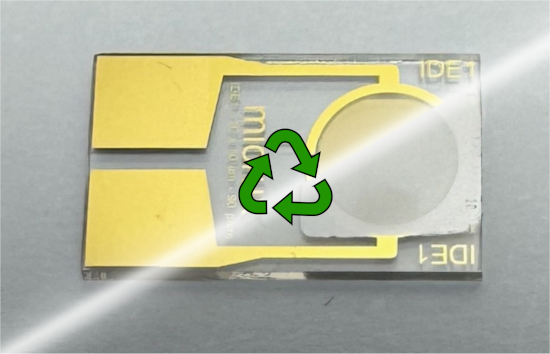
- /substrate interface. In liquid-phase exfoliation (LPE) [25][26], polar aprotic solvents such as NMP and dimethylformamide (DMF) [27] have long been recognized as effective solvents for layered materials [28][29]. In this work, both NMP and DMF deliver strong cleaning performance under our post-transfer


Restorative potential of laser-synthesized silver nanoparticles with Salvia officinalis for periodontal disease treatment: an in vitro study
Beilstein J. Nanotechnol. 2026, 17, 781–795, doi:10.3762/bjnano.17.55
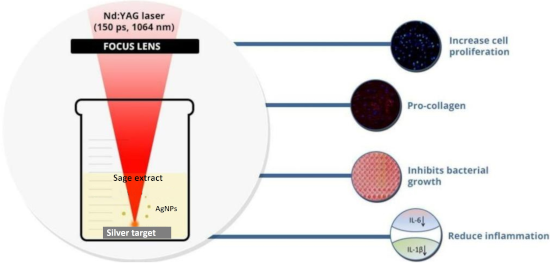
- local damage, systemic associations highlight the urgent need for innovative therapies. Herein, we present an eco-friendly synthesis of silver nanoparticles (AgNPs) by picosecond pulsed laser ablation in liquid (PLAL), using Salvia officinalis aqueous extract (sage extract) as both medium and stabilizer
- inflammation. This dual antibacterial and regenerative action demonstrates the high potential of sage-assisted PLAL-synthesized AgNPs as a safe, sustainable strategy for periodontal disease treatment. Keywords: cell proliferation; periodontal disease; pulsed laser ablation in liquid (PLAL); Salvia officinalis
- , specifically pulsed laser ablation in liquid (PLAL), involves laser ablation of a metal target immersed in a liquid, upon which a laser plasma is produced and nanoparticles are generated [4]. To the best of our knowledge, although PLAL is traditionally associated with lower yields compared to conventional



Interface-engineered Caco-2 cell culture on a collagen-coated liquid–liquid interface in a microfluidic device
Beilstein J. Nanotechnol. 2026, 17, 760–768, doi:10.3762/bjnano.17.53
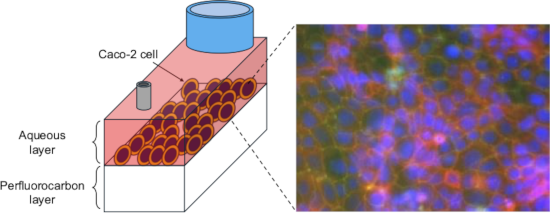
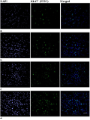
- substrates, which limit the physicochemical flexibility of the cellular microenvironment. Here, we introduce a microfluidic platform in which a collagen-coated liquid–liquid interface formed between perfluorocarbon (FC-43) and culture medium serves as a substrate for epithelial cell adhesion. By culturing
- Caco-2 cells in the device, we show that the liquid interface supports cell attachment and the formation of monolayers. Immunofluorescence observation reveals the development of tight junctions and organized actin cytoskeletons, indicating early-stage epithelial maturation. Our new microfluidic system
- enables the formation of stable liquid–liquid interfaces that serve as viable and flexible substrates for epithelial cell culture, offering new opportunities for multiphase microfluidic models of epithelial barriers. Keywords: Caco-2; collagen; FC-43; gut-on-a-chip; liquid–liquid interface; Introduction


Tailoring Ag–Pt nanoalloys through solid-state dewetting: structural and optical insights
Beilstein J. Nanotechnol. 2026, 17, 748–759, doi:10.3762/bjnano.17.52

- metallic layers is their thickness: the thinner the layer, the lower the temperature at which it transforms into isolated islands. It can be stated that the significant influence of surface energy in thin-film structures, phase separation boundaries (layer–substrate, layer–liquid phase), grain boundaries




Environmental applications of silver nanoparticles: state-of-the-art review and emerging trends
Beilstein J. Nanotechnol. 2026, 17, 697–736, doi:10.3762/bjnano.17.49


Molecular engineering of individual dye-based nanoparticle photostability for ultrabright two-photon fluorescence
Beilstein J. Nanotechnol. 2026, 17, 688–696, doi:10.3762/bjnano.17.48
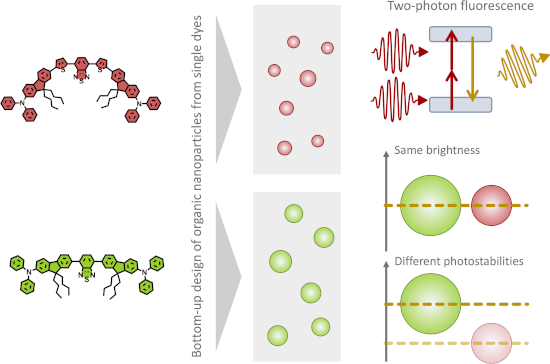
- H7650 at 80 kV. dFONs were deposited on copper grids previously charged (positively) by glow discharge technique. A drop of the dFONs colloidal solution was left on the charged grid for 1 min, and the excess of liquid was gently removed with a paper by capillarity. Then, a drop of aqueous uranyl acetate
- solution was added on the dFONs-loaded grid for 3 min. Afterward, the excess of liquid was again removed by capillarity. The size distribution was determined using ImageJ software. Coverslip preparation A 10 µL droplet of individual nanoparticles was deposited onto a glass coverslip, which was then heated


Protein-based custom-designed molecular nanotraps for biomedical applications
Beilstein J. Nanotechnol. 2026, 17, 683–687, doi:10.3762/bjnano.17.47

- rich in glycine, proline, and hydroxyproline, gelatin is a denatured and fragmented form of collagen produced through partial acidic or basic hydrolysis [13]. Gelatin is a water-soluble polymer that typically undergoes a temperature-dependent gelation, with the transition from a liquid to a hydrogel

Decontamination from water pollutants and pathogens by electrospun nanofibers doped with heavy-atom-free borafluorene-BODIPY photosensitizers
Beilstein J. Nanotechnol. 2026, 17, 668–682, doi:10.3762/bjnano.17.46
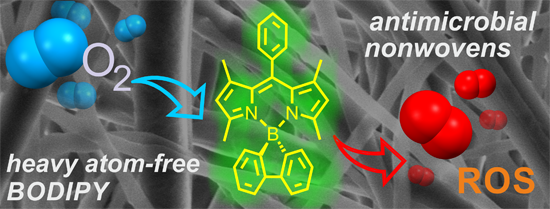
- samples was assessed using a Data Physics OCA 15EC contact angle goniometer (Filderstadt, Germany). A 2 µL droplet of liquid was placed on the scaffold surface, and the contact angle (CA) was measured after 3 s at a temperature of 21 °C. The Owens–Wendt method was used to calculate the components of the
- surface free energy (SFE), which in its basic form employs two probe liquids with known polar and dispersive components. In this study, water and diiodomethane were used to determine the values of and , while formamide was applied as an additional reference liquid to verify the repeatability and
- work of photocatalyst. After irradiation, the liquid phase was removed from the vial, the material was washed with distilled water, dried under reduced pressure (1 mbar, 25 °C, 1 h), and used in the next run without any additional treatment. Figure 11 shows some oscillations in the decomposition rates



Cellulose as a photocatalyst support material: extraction, structural features, and environmental applications
Beilstein J. Nanotechnol. 2026, 17, 635–652, doi:10.3762/bjnano.17.44
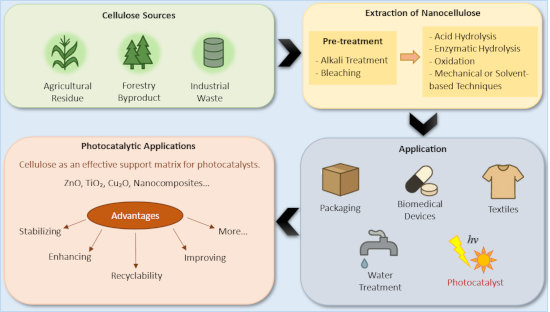
- exciting possibilities for diverse applications [6]. Extracting cellulose from waste is crucial for its effective use. Several methods exist such as acid hydrolysis [3], enzymatic hydrolysis [8], green solvent-based extraction [9], and ionic liquid treatment [10], where each method has specific advantages
- environmental reasons. Ionic liquids. Recent studies have highlighted ionic liquids (ILs) as highly promising solvents for lignocellulosic biomass pretreatment, since these salts remain liquid at relatively low temperatures and are valued for their environmental advantages and energy-efficient processing


Laser–material interactions in liquids for the synthesis of nanomaterials: current status and perspectives
Beilstein J. Nanotechnol. 2026, 17, 571–575, doi:10.3762/bjnano.17.38
- . The field of LSPC encompasses several techniques with distinct target configurations and laser irradiation regimes. Irradiation of a solid target submerged in a liquid with intense laser pulses is referred to as laser ablation in liquids (LAL) [16], an established technique for the efficient
- techniques capable of probing the initial stages of nanoparticle synthesis with high temporal and/or spatial resolution [32][33]. In particular, accessing the picosecond time window needed to capture the initial interaction of the ablation plume with the liquid environment, which defines the subsequent
Synthesis of Cu–Mo/TiO2 and Co–Mo/TiO2 photocatalysts for the efficient degradation of organic pollutants in water
Beilstein J. Nanotechnol. 2026, 17, 559–570, doi:10.3762/bjnano.17.37
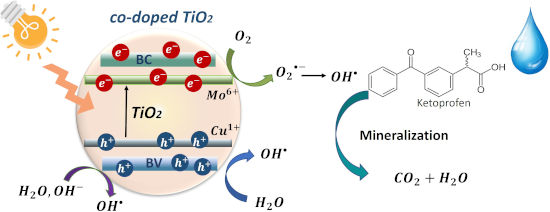
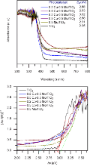
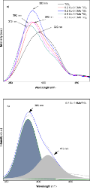
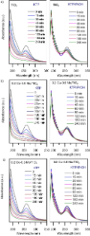
- , which in turn may improve the subsequent photocatalytic reaction [41]. Photocatalytic activity Figure 6 shows the results of the ketoprofen degradation profile obtained by high-performance liquid chromatography (HPLC). The results indicate that ketoprofen is completely converted to its intermediate



Electrochemical determination of ciprofloxacin using a MIL-101/reduced graphene oxide-modified electrode
Beilstein J. Nanotechnol. 2026, 17, 541–554, doi:10.3762/bjnano.17.35
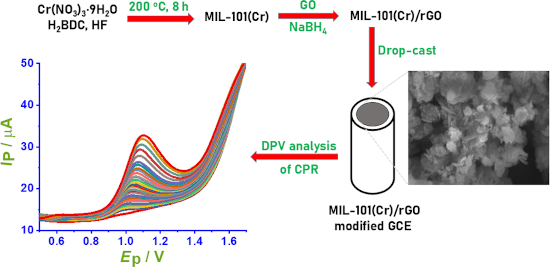
- extraction based on carbon quantum dots/zeolite imidazolate framework-90/polyvinyl pyrrolidone/iron(II,III) oxide with high-performance liquid chromatography [6][7] or chromatography–tandem mass spectrometry [8] offer high accuracy and reliability. However, these techniques often need expensive equipment


Fractional shot noise of an SU(N) Kondo system
Beilstein J. Nanotechnol. 2026, 17, 515–540, doi:10.3762/bjnano.17.34
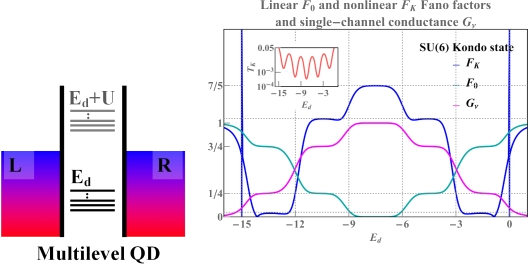
- quasiparticle partitioning. To discuss nonlinear conductance, susceptibilities, and shot noise in the strong coupling regime, we apply Fermi liquid theory with parameters expressed by susceptibilities of pseudofermions determined within SBMFA. Nonlinear shot noise is dominated by two-quasiparticle scattering
- . However, we demonstrate that for occupation regions distant from the electron–hole symmetry point, the role of three-body correlations must be considered. Keywords: Fermi liquid; Kondo effect; quantum dots; shot noise; Introduction Quantum dot (QD) structures are being intensively investigated regarding
- disrupt the superposition of states and entanglement, leading to information loss and decoherence. The considerations made in this work are in the spirit of the effective Fermi liquid (FL) theory [77][78][79][80][81][82][83][84][85][86]. One can analyze the low-energy behavior of a multilevel interacting


![[Graphic 127]](/bjnano/content/inline/2190-4286-17-34-i187.svg?max-width=637&scale=1.18182)

Upcycling agroindustrial waste into graphene oxide supports for gold nanoparticles: toward sustainable nanomaterials
Beilstein J. Nanotechnol. 2026, 17, 489–504, doi:10.3762/bjnano.17.32
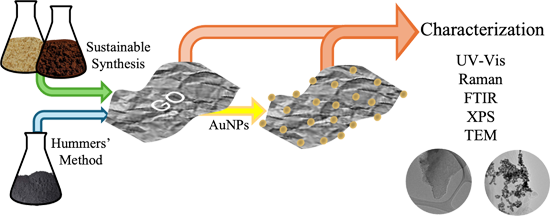
- effective, these methods have significant drawbacks; they are time-consuming, require substantial energy input, and involve the use of highly reactive and toxic chemical reagents. Additionally, they generate large volumes of hazardous liquid waste, raising environmental and safety risks, especially when



Nanocarrier-integrated multilayer films produced by 3D printing for improved skin adhesion and curcumin photostability
Beilstein J. Nanotechnol. 2026, 17, 440–453, doi:10.3762/bjnano.17.30
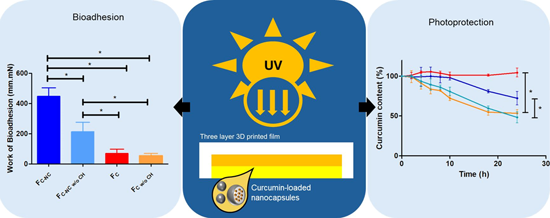
- the initial concentration of the nanocapsule suspension, V1 is the volume of the nanocapsule suspension that was used, and V2 is the final volume of the sample. Curcumin content and encapsulation efficiency The curcumin content was assayed by high-performance liquid chromatography with ultraviolet
- dispersed in a liquid medium, and their stability is mainly governed by steric stabilization and physical confinement within the polymer network rather than electrostatic repulsion. The SSE process involves moderate shear stresses and short residence times, which are unlikely to induce irreversible


Eco-efficient materials for agricultural crops based on a mineral rich in MOR- and HEU-type zeolites
Beilstein J. Nanotechnol. 2026, 17, 381–395, doi:10.3762/bjnano.17.26
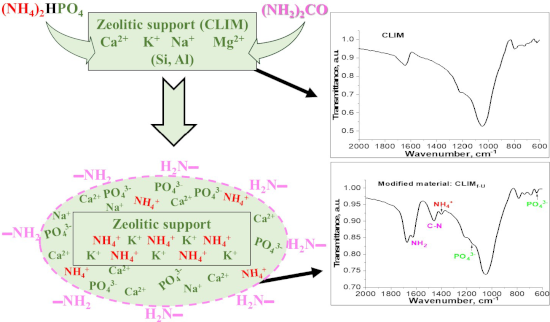
- %) of ammonium hydrogenphosphate (DAP with 18% N and 46% P) for 24 h, and then with aqueous solutions of urea with different molar concentrations (0.5, 1.0, 2.0, and 5.0 mol/L) and contact time (4, 8, 12, and 24 h) using a solid/liquid ratio of 1 g/10 mL and agitation on a shaker with horizontal




Beam shaping techniques for pulsed laser ablation in liquids: Unlocking tunable control of nanoparticle synthesis in liquids
Beilstein J. Nanotechnol. 2026, 17, 309–342, doi:10.3762/bjnano.17.22
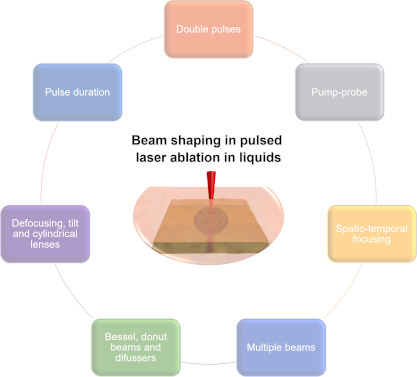
- ) [1][2][3][4][5] is an increasingly employed nanoparticle synthesis technique, first established in the 1990s [6][7]. This method involves focusing high-energy laser pulses onto a solid target submerged in a liquid medium [8]. As the laser interacts with the target, it triggers rapid ionisation
- , heating, and evaporation of the material, leading to plasma formation. The plasma cools down in the surrounding liquid releasing nanoparticles (NPs) into the liquid; the cooling process also generates gas bubbles from the liquid environment. These gas bubbles nucleate, forming a cavitation bubble (CB
- ). Additional NPs are formed within this bubble until it collapses, releasing and ejecting the remaining NPs into the liquid [9][10][11]. Although nanomaterials can be produced by alternative physical, chemical, or biological methods [12], PLAL offers several advantages [13]. Chemical methods are effective at







Comparative study on 3D morphologies of delignified, single tracheids and fibers of five wood species
Beilstein J. Nanotechnol. 2026, 17, 239–250, doi:10.3762/bjnano.17.16
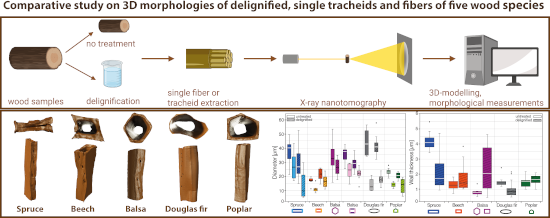
- from dark brown to yellow. The procedure was repeated once for 8 h to ensure full delignification of the wood, as indicated by the complete loss of color of the specimen. The wood pieces were washed with Soxhlet extraction using distilled water as solvent for 5 h, followed by freezing in liquid


Micro- and nanoscale effects in biological and bioinspired materials and surfaces
Beilstein J. Nanotechnol. 2026, 17, 214–217, doi:10.3762/bjnano.17.14
- templates can be combined to benefit from the effects observed in both systems. This was demonstrated in the biomimetic approach of Faase et al. [23] which utilized slippery liquid-infused porous surfaces inspired by carnivorous pitcher plants with polydopamine anchorage inspired by mussel adhesive systems
Time of flight secondary ion mass spectrometry imaging of contaminant species in chemical vapour deposited graphene on copper
Beilstein J. Nanotechnol. 2026, 17, 200–213, doi:10.3762/bjnano.17.13
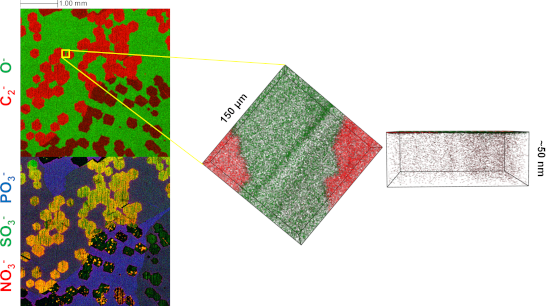
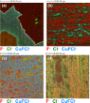
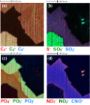
- of 30 nA were used for sputtering cycles. The interleaved image spectra were acquired using 25 keV Bi3+ ions from a liquid metal ion gun, orientated at 45° to the sample surface. This was operated at an ion current of 0.1 pA, in an interlaced mode with a cycle time of 100 µs, in spectroscopy mode to





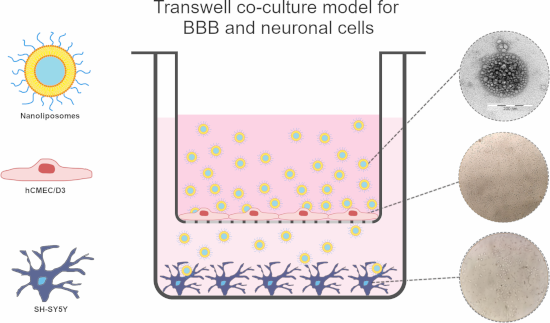
Influence of surface characteristics on the in vitro stability and cell uptake of nanoliposomes for brain delivery
Beilstein J. Nanotechnol. 2026, 17, 139–158, doi:10.3762/bjnano.17.9
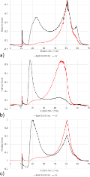
- (Wyatt Technology Europe GmbH, Dernbach, Germany) and an Agilent 1260 Infinity high-performance liquid chromatograph (Agilent Technologies, Santa Clara, USA) equipped with a degasser (G1322A), an isocratic pump (G1310B), an autosampler (G1329B), and a multiple-wavelength detector (MWD, G1365C) set at 230




Functional surface engineering for cultural heritage protection: the role of superhydrophobic and superoleophobic coatings – a comprehensive review
Beilstein J. Nanotechnol. 2026, 17, 63–96, doi:10.3762/bjnano.17.6


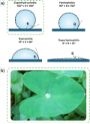


Reduced graphene oxide paper electrode for lithium-ion cells – towards optimized thermal reduction
Beilstein J. Nanotechnol. 2026, 17, 24–37, doi:10.3762/bjnano.17.3
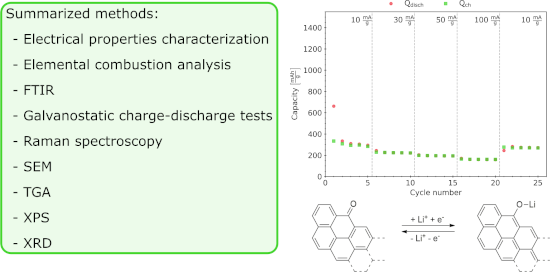
- postulate that the gas release was rather a continuous phenomenon, driven by the heating process. The exposition of the flake edges and paths resulting from the removal of the gaseous products can be beneficial regarding the electrode design for cells operating liquid or gel electrolytes, ensuring improved



Internal 3D temperature mapping in biological systems using ratiometric light-sheet imaging and lipid-coated upconversion nanothermometers
Beilstein J. Nanotechnol. 2025, 16, 2306–2316, doi:10.3762/bjnano.16.159
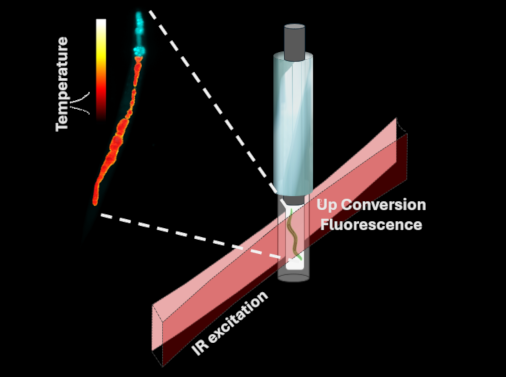
- of UCNPs@lipids solution and 250 µL of 2% low-melting agarose gel. A few microliters of the liquid mixture were drawn into a fluorinated ethylene propylene (FEP) tube and solidified 30 min before imaging. The second sample, S2, consisted of a single UC-fed C. elegans immersed in agarose mixed with


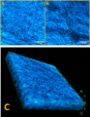
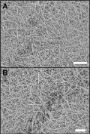
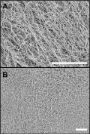
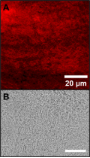
Visualizing nanostructures in supramolecular hydrogels: a correlative study using confocal and cryogenic scanning electron microscopy
Beilstein J. Nanotechnol. 2025, 16, 2274–2284, doi:10.3762/bjnano.16.156
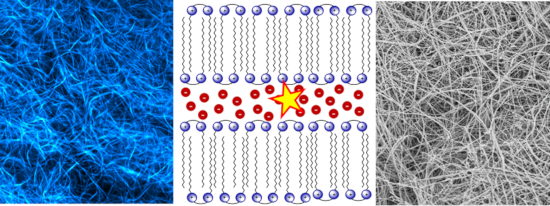
- relies on fluorescence to visualize hydrated gels directly, cryo-SEM provides an electron-based image of frozen desolvated gels. Rapidly freezing the sample (plunge-freezing in liquid nitrogen slush followed by freeze-fracture) preserves its near-native hydrated structure (usually not the case, often ice
- was not compressed with another glass plate. Cryo-SEM imaging Cryo-SEM was carried out using a Zeiss Crossbeam 550 fitted with a Quorum 3010T cryo-stage and preparation chamber. Samples were prepared for analysis by freezing in liquid nitrogen slush on grooved cylindrical aluminium stubs, using rivets