Search results
Search for "magnetic" in Full Text gives 898 result(s) in Beilstein Journal of Nanotechnology. Showing first 200.
Nanoglasses: a trail towards uncharted regions of vitreous materials and their properties?
Beilstein J. Nanotechnol. 2026, 17, 1047–1062, doi:10.3762/bjnano.17.72

- ., oxygen or nitrogen), which might have affected some magnetic or elastic properties described in the literature. Thus, although the method of producing metallic nanoglasses through powder compaction subsequent to inert gas condensation initiated the field, similar to the early stage of research on


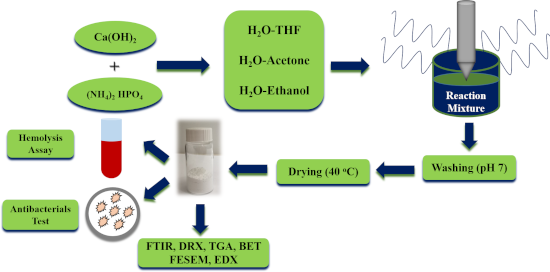
Ultrasonic irradiation in the synthesis of nanohydroxyapatite: a chemically friendly technique for improving hemocompatibility and antibiofilm applications
Beilstein J. Nanotechnol. 2026, 17, 991–1015, doi:10.3762/bjnano.17.68




Development of Protium heptaphyllum essential oil-loaded nanocapsules: experimental design and biological activity
Beilstein J. Nanotechnol. 2026, 17, 974–990, doi:10.3762/bjnano.17.67
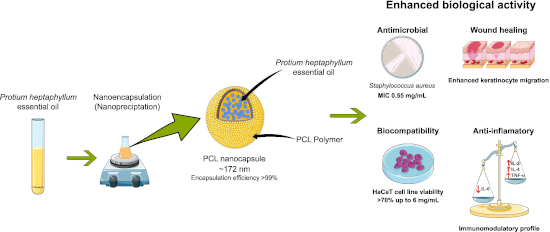
- . Simultaneously, the aqueous phase was prepared with 12 mL of a Tween® 80 solution (20–60 mg) in Milli-Q® water. Nanoparticles were formed by adding the organic phase to the aqueous phase using a syringe with an 11.2 mm diameter, under magnetic stirring at 400 rpm and room temperature. The dispersion was then




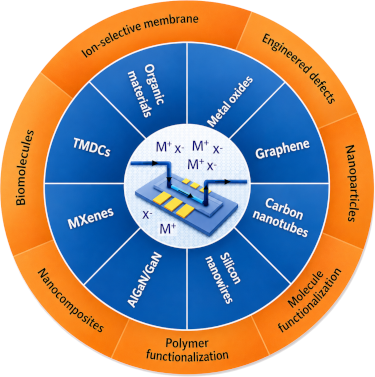
Materials challenges in solid-state sensors for continuous monitoring of ions in water
Beilstein J. Nanotechnol. 2026, 17, 935–973, doi:10.3762/bjnano.17.66



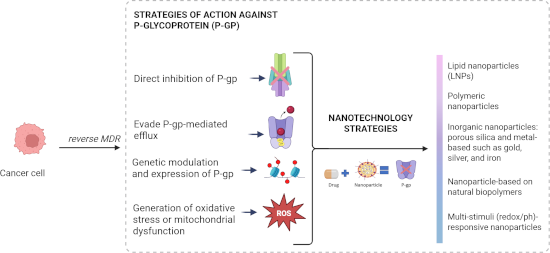
Nanocarrier strategies to overcome P-glycoprotein-mediated drug resistance in cancer therapy
Beilstein J. Nanotechnol. 2026, 17, 882–921, doi:10.3762/bjnano.17.64


Supramolecular one-dimensional conducting nanofibers from a C3-symmetric tetrathiafulvalene derivative
Beilstein J. Nanotechnol. 2026, 17, 872–881, doi:10.3762/bjnano.17.63
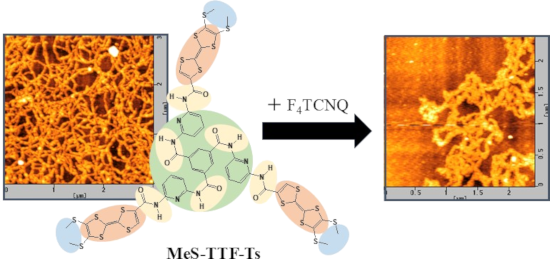
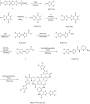
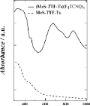
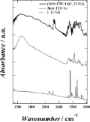
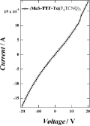
- nanostructures while facilitating efficient linear stacking of conductive units [34][35][36]. Experimental General Nuclear magnetic resonance (NMR) spectra were recorded on a JEOL ECX-400 spectrometer operating at 400 MHz for 1H NMR and 100.6 MHz for 13C NMR. Chemical shifts are reported in parts per million


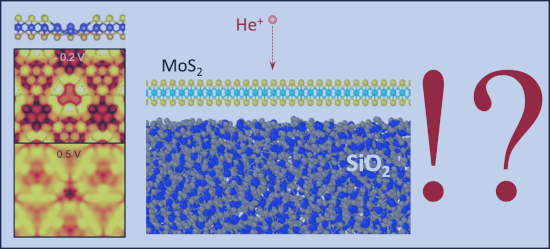
He+ FIBID-fabricated 3D AFM tip architectures: an exploratory study of hollow pillars, helices, and spirals
Beilstein J. Nanotechnol. 2026, 17, 863–871, doi:10.3762/bjnano.17.62
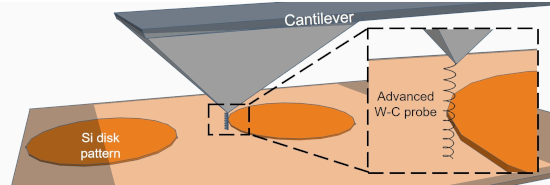
- modes has also driven the development of specialised probes for electrical [3], thermal [4], optical [5], and magnetic [6] measurements, as well as biological characteristics [7]. In all these applications, tip geometry remains a central parameter because it directly affects access to surface features
- exhibit high purity [22][23], making them suitable candidates for magnetic force microscopy (MFM) tips [13][14]. However, the magnetic performance of cobalt-based deposits may be affected by oxidation under ambient conditions, as the formation of cobalt oxide can reduce or suppress ferromagnetic behaviour


Nanoparticle delivery systems for HIV pre-exposure prophylaxis (PrEP): advances and challenges
Beilstein J. Nanotechnol. 2026, 17, 839–853, doi:10.3762/bjnano.17.60
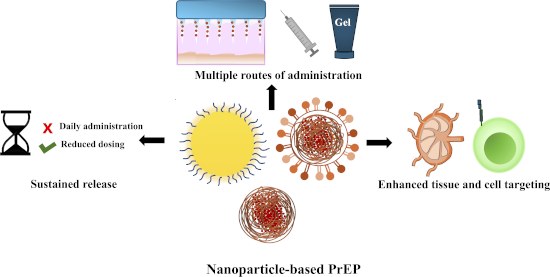
- drug delivery [108]. These MPLs demonstrated improved transmigration across an in vitro BBB model under magnetic guidance, and superior antiviral activity compared to free drug. The reported findings confirm a significant potential for reaching and treating HIV reservoirs in the brain. Overall, hybrid


Superconducting artificial neural networks and quantum circuits
Beilstein J. Nanotechnol. 2026, 17, 744–747, doi:10.3762/bjnano.17.51
- predict unique magnetic properties of thin cobalt-based layers widely used in hybrid superconductor–ferromagnet structures for superconducting spintronics [18][19]. New elements of quantum circuits based on transmon “superconducting atoms” demonstrate rapid qubit control in real superconducting systems
Environmental applications of silver nanoparticles: state-of-the-art review and emerging trends
Beilstein J. Nanotechnol. 2026, 17, 697–736, doi:10.3762/bjnano.17.49
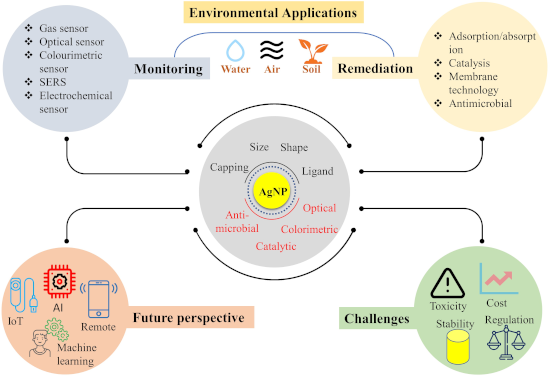
- used as an adsorbent material for removing Nile blue dye, with 94% of the dye being removed within 60 min [27]. Caravaca et al. used magnetic nanoparticles coated with AgNPs for amoxicillin removal from water, where 100% removal was achieved at different nanocomposite concentrations [28]. The removal
- still inconclusive. Despite that, nanosilver possesses functional properties against various environmental contaminants. A nanocomposite combined with magnetic nanoparticles removed amoxicillin (a common antibiotic) from water sources with 100% efficiency [28]. Dose-dependent removal of the antibiotic
- magnetic nanoparticles and AgNPs showed the removal of the drug ibuprofen from water. 93% removal was achieved at neutral pH, room temperature, and a low adsorbent dose (7 mg in 500 μL), along with reusability of up to three generations (89.3%) [100]. From the above discussion it was confirmed that


Decontamination from water pollutants and pathogens by electrospun nanofibers doped with heavy-atom-free borafluorene-BODIPY photosensitizers
Beilstein J. Nanotechnol. 2026, 17, 668–682, doi:10.3762/bjnano.17.46
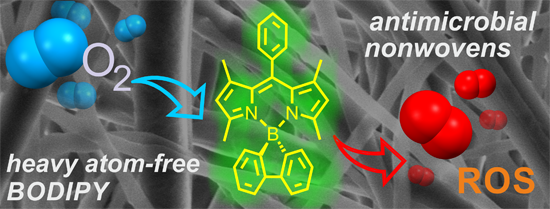
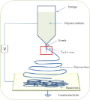
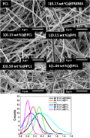
- of BODIPY 1 photocatalyst were added to solutions of polymers. Mixing the solutions using a magnetic stirrer lasted 2 h until homogeneous solutions were obtained. Then electrospinning was performed. Details are provided in Table 1. All nanofibrous samples were deposited on aluminum foil (thickness of
- was the same for all samples (25 mm), providing the same irradiance of 40 mW·cm−2. The reactor was placed on a magnetic stirrer. Each vial was equipped with cross-shaped stirrer bars to ensure vigorous stirring. All experiments were repeated four times, and the results were calculated by mean



Cellulose as a photocatalyst support material: extraction, structural features, and environmental applications
Beilstein J. Nanotechnol. 2026, 17, 635–652, doi:10.3762/bjnano.17.44
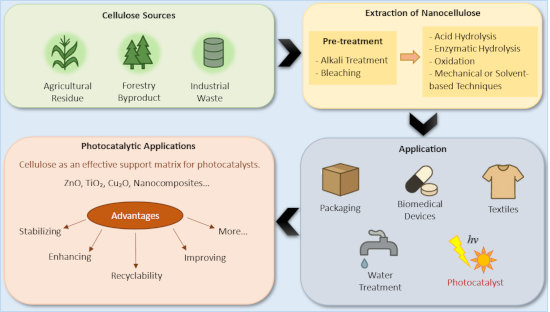
- ; the incorporation of specific chemical groups or materials enables synergistic effects that can impart electronic, magnetic, catalytic, fluorescent, or optical functionalities, thereby improving performance and expanding applications into more specialized fields. Today, cellulose and its derivatives
- development of magnetic paper designed for anti-counterfeiting purposes [66]. Cellulose has a long history of use in the biomedical field. Today, several forms of medical-grade cellulose are widely available, including propellant cellulose, MCC, and its common derivatives such as carboxymethyl cellulose and


Towards targeted drugs and next generation of nanomedicines
Beilstein J. Nanotechnol. 2026, 17, 598–601, doi:10.3762/bjnano.17.41
- light or other forms of radiation, magnetic fields, and ultrasounds. These can be applied externally only at the targeted area, hence providing both spatial and temporal control of the therapy [26]. In parallel to this, more recently, endogenous targeting is emerging as another potential strategy to
Probing tribological evolution in atomically thin MoS2 at different scales
Beilstein J. Nanotechnol. 2026, 17, 586–597, doi:10.3762/bjnano.17.40
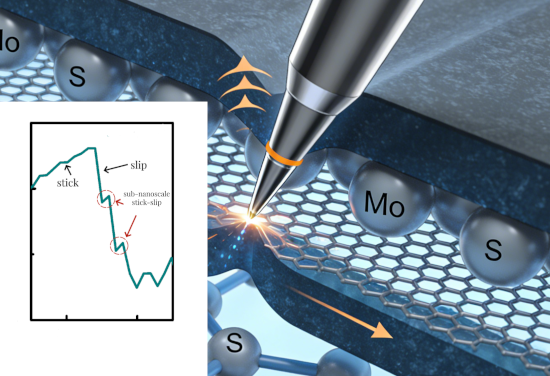
- factor limiting the performance and reliability of nanotechnology-enabled devices, including magnetic storage systems and micro/nanoelectromechanical systems (MEMS/NEMS) [1][2]. Unlike macroscale friction, nanoscale friction of two-dimensional (2D) materials exhibits unique size-dependent and interface


Impacts of annealing on structural and photophysical properties of zinc phthalocyanine adsorbed on graphene
Beilstein J. Nanotechnol. 2026, 17, 576–585, doi:10.3762/bjnano.17.39
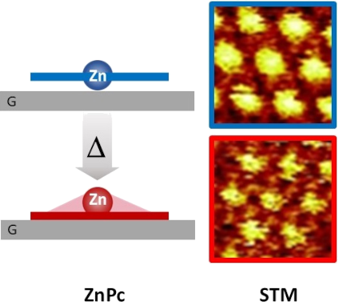
- of the phthalocyanine on HOPG inside the TSB35-C12 matrix. Absorption anisotropy Finally, incidence-angle dependence of the optical absorption in transverse magnetic polarization were measured before and after annealing, as reported in Figure 4. As illustrated in the figure, by varying the incidence
- on the sample. The polarization was controlled using a linear polarizer (LPVISC100, ThorLabs) to obtain p (i.e., transverse-magnetic) polarization. The incidence angle was tuned by rotating the sample holder from 0 to 65° (5° increments) and the spectrum was recorded at each angle, normalized for


Advances in nanotechnology applied to natural products
Beilstein J. Nanotechnol. 2026, 17, 555–558, doi:10.3762/bjnano.17.36
- nanomaterials, particularly metallic nanoparticles. Metallic nanoparticles, typically defined as structures with diameters between 1 and 100 nm, exhibit distinctive electrical, optical, and magnetic properties that support a broad range of applications [26]. They can be obtained via green synthesis using
Electrochemical determination of ciprofloxacin using a MIL-101/reduced graphene oxide-modified electrode
Beilstein J. Nanotechnol. 2026, 17, 541–554, doi:10.3762/bjnano.17.35
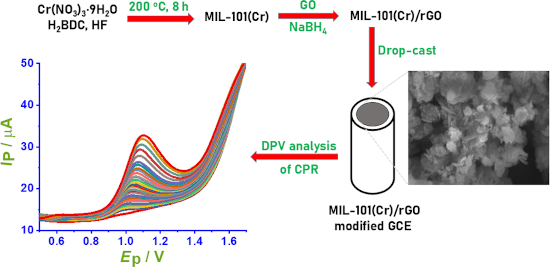
- affordable analytical methods for detecting ciprofloxacin is very important. Conventional analytical techniques for CPR determination, including a fluorescence sensor based on CsPbBr3 quantum dots embedded in a molecularly imprinted polymer [5], and ultrasound-assisted magnetic dispersive micro-solid phase


Fractional shot noise of an SU(N) Kondo system
Beilstein J. Nanotechnol. 2026, 17, 515–540, doi:10.3762/bjnano.17.34
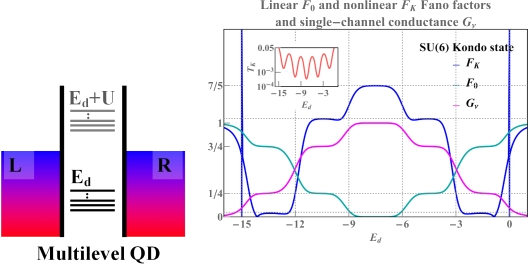
- understanding a large variety of intricate many-body problems. Potential applications are also relevant. Let us just mention a few: The Kondo effect can be used, for example, as conductance control mechanism [5][17], in probing magnetic interactions [18], or, when polarized electrodes are connected, also for
- of the Kondo effect is to incorporate higher-rank SU(N) symmetries (N > 2). The first SU(N) generalizations of the Anderson model appeared in the literature on heavy fermion systems [36], where large N expansion proved to be a powerful approximation for describing magnetic atoms with orbital
- the following, we analyze strongly correlated states of the N-QD characterized by SU(N) symmetry, N = 2, 3, 4, 5, 6. In the absence of magnetic fields, for even values of N, degeneracy applies to both orbital (i) and spin (σ) degrees of freedom, and labeling ν can be understood as ν = iσ. To analyze


![[Graphic 127]](/bjnano/content/inline/2190-4286-17-34-i187.svg?max-width=637&scale=1.18182)

Defects and defect-mediated engineering of two-dimensional materials: challenges and open questions
Beilstein J. Nanotechnol. 2026, 17, 454–488, doi:10.3762/bjnano.17.31
- networks [46][47][48]; it can be further extended to reacting with heteroatoms to introduce electronic dopants, magnetic impurities, and catalytic sites, as well as to add other functionalities [43][49][50]. However, challenges remain to have reliable predictions for the outcome of the reaction and to go
- them to be deep acceptors. In addition, chalcogen vacancies in TMDs are readily passivated by oxygen in air [51][140]. Can magnetic moments of individual defects be measured? Solid-state spin defects have emerged as essential building blocks for quantum communication and sensing applications [141]. In
- 2D materials, numerous spin-active defects have been predicted and an increasing number have been experimentally confirmed [119][142][143] using optical spectroscopy, STM, and other techniques. STM is an ideal tool to measure magnetic moments of atomic-scale defects. Inelastic excitations of the spin





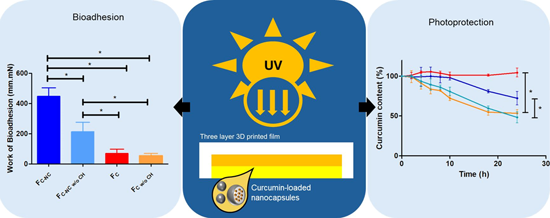
Nanocarrier-integrated multilayer films produced by 3D printing for improved skin adhesion and curcumin photostability
Beilstein J. Nanotechnol. 2026, 17, 440–453, doi:10.3762/bjnano.17.30
- phase composed of 0.010 g of curcumin, 0.1 g of PCL, 27 mL of acetone, 0.0390 g of sorbitan monooleate and 165 µL of grape seed oil, under magnetic stirring at approximately 400 rpm for 4 h at 40 °C. After complete solubilisation of all components, the organic phase was combined by pouring it into the
- a digital calliper (Digimess, São Paulo, Brazil). Curcumin content The curcumin content of the films (n = 3) was determined by transferring a single weighed unit to 10 mL of ultrapure water in a volumetric flask of 25 mL, followed by mixing under magnetic stirring for 1 h, until complete


Biomimetic nanoparticles in cancer photodynamic therapy: a review of targeted delivery systems and therapeutic outcomes
Beilstein J. Nanotechnol. 2026, 17, 396–422, doi:10.3762/bjnano.17.27
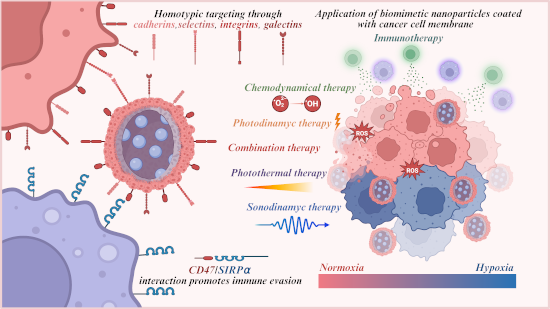
- theranostic applications [39] by facilitating tumor visualization through various imaging techniques [40], including fluorescence imaging [41], computed tomography [42], and magnetic resonance imaging (MRI) [43]. The development of nanobiotechnology in PDT opens new horizons for creating more effective and


Polycatecholamine nanocoatings on stainless steel: the effect on attachment of human fibroblasts and platelets
Beilstein J. Nanotechnol. 2026, 17, 365–380, doi:10.3762/bjnano.17.25
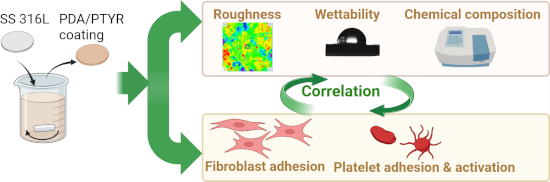
- (Sigma-Aldrich, Germany), and 30% (v/v) H2O2 solution (Sigma-Aldrich, Germany) so that the molar ratio of H2O2/FeCl2 was 25:1. The pH of this solution was adjusted to 4.0, and the reaction was conducted for 30 min, 1 h, 4 h, or 24 h. All coating processes were carried out on a magnetic stirrer (300 rpm




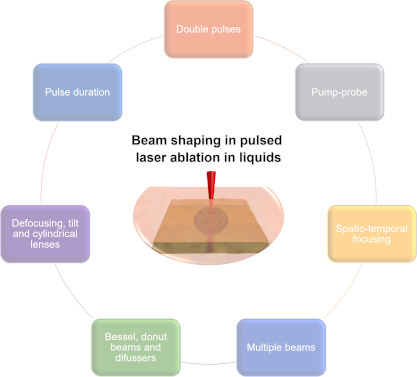
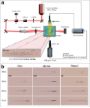
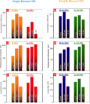
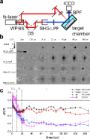
Beam shaping techniques for pulsed laser ablation in liquids: Unlocking tunable control of nanoparticle synthesis in liquids
Beilstein J. Nanotechnol. 2026, 17, 309–342, doi:10.3762/bjnano.17.22
- neutron capture therapy [62][63], viral [64][65] and microbial growth inhibition [42][66], antibacterial agents [67][68], anticancer treatments [67][69], magnetic resonance imaging contrast agent [70], photothermal therapy [71][72], cell imaging [73], proton therapy enhancement [74][75], fluorescence [76







Fast vortex dynamics and relaxation times in NbRe-based heterostructures
Beilstein J. Nanotechnol. 2026, 17, 292–302, doi:10.3762/bjnano.17.20
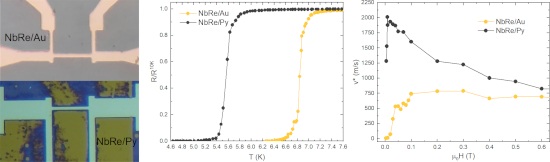
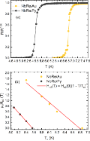
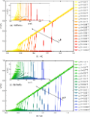
- to extract the quasiparticle energy relaxation time. For external magnetic field values for which edge barrier pinning is dominant and thermal effects are negligible, the relaxation times are about 150 ps and 24 ps for NbRe/Au and NbRe/Py bilayers, respectively. These results indicate that NbRe/Py
- ; superconductivity; vortex dynamics; Introduction Vortex dynamics plays a central role in the electrical transport under magnetic fields in type-II superconductors and is an essential subject of research in superconductivity [1]. In inhomogeneous type-II superconductors, structural defects create pinning centers
- by the time-dependent magnetic flux, resulting in a magnetic breaking effect [29][30]. In the opposite limit of thin capping layers, the proximity effect plays a dominant role leading to an enhancement of the critical vortex velocity and promoting faster relaxation processes [26][27][28]. In this


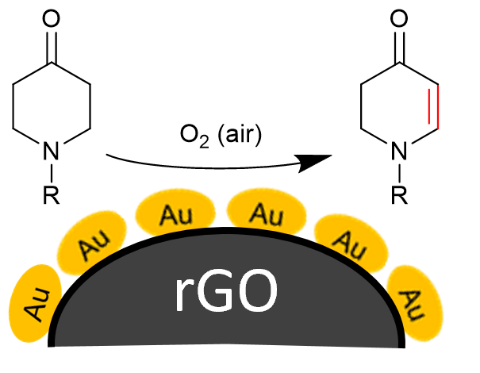
Gold nanoparticle-decorated reduced graphene oxide as a highly effective catalyst for the selective α,β-dehydrogenation of N-alkyl-4-piperidones
Beilstein J. Nanotechnol. 2026, 17, 218–238, doi:10.3762/bjnano.17.15