Search results
Search for "measurement" in Full Text gives 1240 result(s) in Beilstein Journal of Nanotechnology. Showing first 200.
Nanoglasses: a trail towards uncharted regions of vitreous materials and their properties?
Beilstein J. Nanotechnol. 2026, 17, 1047–1062, doi:10.3762/bjnano.17.72



Influence of an external electric field on the catalytic CO oxidation of nanoscaled CeO2 and its La3+ and Gd3+ congeners
Beilstein J. Nanotechnol. 2026, 17, 1028–1038, doi:10.3762/bjnano.17.70
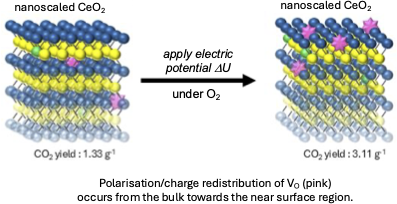
- experiments The custom-built gas adsorption device consists of sample cell, volume cell, circulation pump, and IR measurement cell, which are interconnected by stainless-steel tubes (6 mm), valves (Swagelok® SS-6P4T-MM-8K), and Swagelok® fittings [37]. The process was conducted under ambient conditions and
- ® XEL 250 DC Power Supply was used to apply the potential to the sample, where the thermocouple inside and the steel mantle of the sample chamber were used as the inner electrode and the outer electrode, respectively. The measurement cell, composed of a steel tube and sealed by two stainless steel caps
- integration in the ranges from 2143 to 2231 cm−1 and from 2283 to 2389 cm−1, related to CO and CO2 signals, respectively. The integration values for the cell under vacuum and for each measurement were calculated by OMNIC software. The schematic setup of the device is shown in Figure 8. Oxidation reaction


Synthesis and characterization of RF-sputtered ZnTe/Cu2−xTe thin films for solar cell applications
Beilstein J. Nanotechnol. 2026, 17, 1016–1027, doi:10.3762/bjnano.17.69
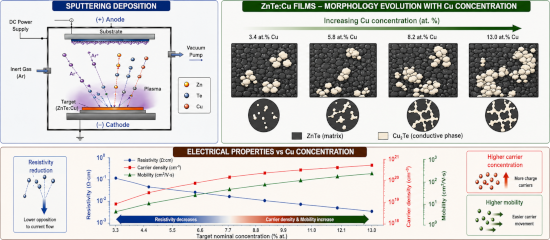
- and avoid structural modifications during measurement. Normal-incidence transmittance spectra were recorded in the wavelength range of 400–2500 nm using a Cary 5000 spectrophotometer (Agilent Technologies). Finally, the charge transport parameters (carrier concentration, mobility, and resistivity
- verified to exhibit ohmic behavior prior to measurement. Film thickness was determined by profilometry and used for resistivity calculations. Since the electrical transport properties of RF-sputtered undoped ZnTe are well established in the literature, they are not repeated here [42][43]. Figure 7 focuses
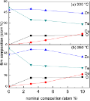

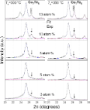


Ultrasonic irradiation in the synthesis of nanohydroxyapatite: a chemically friendly technique for improving hemocompatibility and antibiofilm applications
Beilstein J. Nanotechnol. 2026, 17, 991–1015, doi:10.3762/bjnano.17.68
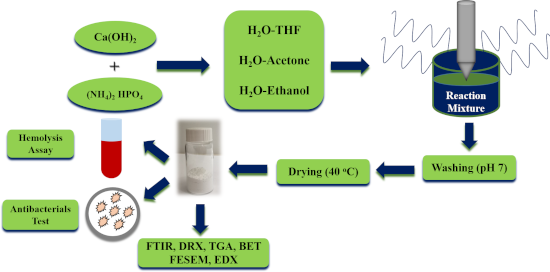
- aggregation (SLP), nor the integral measurement of the entire aggregation process (AUC). Small variations (<10%) were observed, but they were not significant with respect to the control conditions. The inability of synthesized nHA to alter the natural process of platelet aggregation is very favorable and




Development of Protium heptaphyllum essential oil-loaded nanocapsules: experimental design and biological activity
Beilstein J. Nanotechnol. 2026, 17, 974–990, doi:10.3762/bjnano.17.67
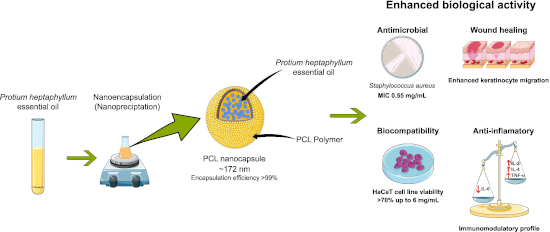
- , which is often affected by particle formation dynamics and measurement variability rather than solely by formulation composition. Nevertheless, the model remained statistically significant, while the lack-of-fit test was not significant (p = 0.139) (Supporting Information File 1, Table S2), indicating




Materials challenges in solid-state sensors for continuous monitoring of ions in water
Beilstein J. Nanotechnol. 2026, 17, 935–973, doi:10.3762/bjnano.17.66
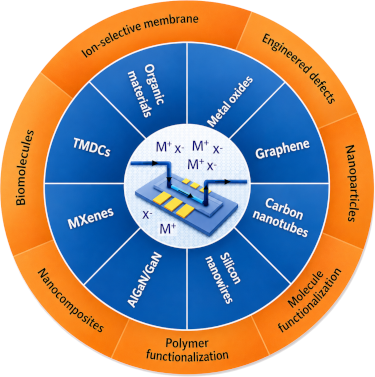
- ., bismuth or gold films) that enable preconcentration of trace metal ions before measurement [82]. The ASV process involves two stages: (1) deposition, where metal ions are reduced and plated onto the electrode surface, and (2) stripping, where oxidation peaks are recorded and quantified [82][83]. This



He+ FIBID-fabricated 3D AFM tip architectures: an exploratory study of hollow pillars, helices, and spirals
Beilstein J. Nanotechnol. 2026, 17, 863–871, doi:10.3762/bjnano.17.62
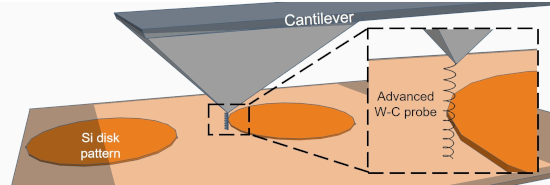
- examined by electron microscopy before and after AFM use. The main degradation modes were geometric deformation of the apex or shaft and mechanical fracture, most frequently at the tip–cantilever interface. While a few structures remained operational through repeated measurement cycles, others failed
- measurement campaign without SEM-visible damage, step height values extracted from five parallel height profiles over 25 μm2 scan areas were 21.6 ± 0.7 nm (H2), 21.5 ± 0.5 nm (P5), and 20.5 ± 0.2 nm (S7), consistent with those obtained using the commercial reference probes (20.9 ± 0.2 nm and 21.0 ± 0.3 nm
- nor useful. Evaluation of 3D-printed tips after topographic characterisation The structural integrity and wear of the W–C 3D-printed tips were evaluated by SEM before AFM operation and after the first and second measurement cycles. The analysis covered all investigated nanoarchitectures together with


Restorative potential of laser-synthesized silver nanoparticles with Salvia officinalis for periodontal disease treatment: an in vitro study
Beilstein J. Nanotechnol. 2026, 17, 781–795, doi:10.3762/bjnano.17.55
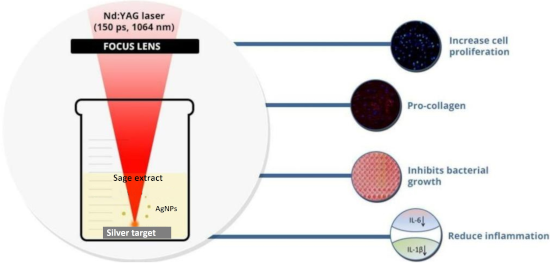
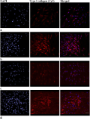
- treatment is probably higher than the colorimetric measurement showed since extracellular collagen deposition of type-I collagen was observed through immunofluorescent staining (Figure 4d). Pro-inflammatory cytokine measurement Proinflammatory cytokine measurements (IL-1β and IL-6) were performed in the



Tailoring Ag–Pt nanoalloys through solid-state dewetting: structural and optical insights
Beilstein J. Nanotechnol. 2026, 17, 748–759, doi:10.3762/bjnano.17.52

- calculations taking into account the film thicknesses, densities, molar masses, and resulting atomic concentrations of the constituent metals. The total thickness of the deposited multilayer was maintained at 8 nm, which constituted the main measurement series. Due to the well-known plasmonic properties of




Environmental applications of silver nanoparticles: state-of-the-art review and emerging trends
Beilstein J. Nanotechnol. 2026, 17, 697–736, doi:10.3762/bjnano.17.49
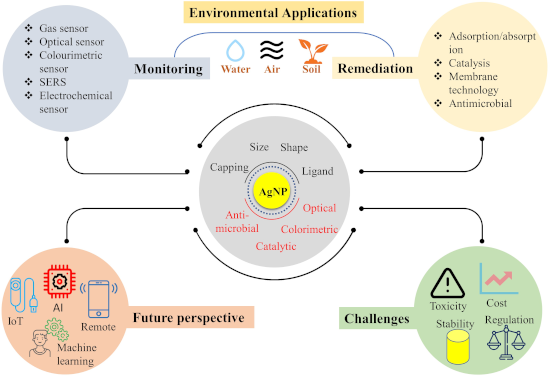
- surface functionalization with molecules of interest. However, two separate cuvettes were used for the measurement, and the absorption coefficient (k = 3.99) and refractive index (n = 0.135) of AgNPs need to be added. In addition, a similar principle was employed by the nanoparticle tracking analyser


Molecular engineering of individual dye-based nanoparticle photostability for ultrabright two-photon fluorescence
Beilstein J. Nanotechnol. 2026, 17, 688–696, doi:10.3762/bjnano.17.48
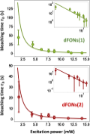
- the dFONs(1) curve. Characteristic bleaching time as a function of excitation power. At a given excitation power, the characteristic bleaching time from a monoexponential decay is calculated from the measurement over several nanoparticles. The results are reported with the average measured value (dots
- ) and the standard deviation of the measurement for a given excitation (bars). The continuous line is a fit following Equation 3. Insets display the same graph in log-log scale: The linear behavior (slope −2) shows that the photobleaching time follows a power law. Physical and photophysical properties


Decontamination from water pollutants and pathogens by electrospun nanofibers doped with heavy-atom-free borafluorene-BODIPY photosensitizers
Beilstein J. Nanotechnol. 2026, 17, 668–682, doi:10.3762/bjnano.17.46

- Staphylococcus aureus. Experimental Materials BODIPY photocatalyst 1 was already available from our previous studies [34]. The purity of the material was confirmed by a repeated measurement of the 1H NMR spectrum (Figure S1, Supporting Information File 1). Cimetidine, ranitidine, and propranolol were purchased



Probing tribological evolution in atomically thin MoS2 at different scales
Beilstein J. Nanotechnol. 2026, 17, 586–597, doi:10.3762/bjnano.17.40
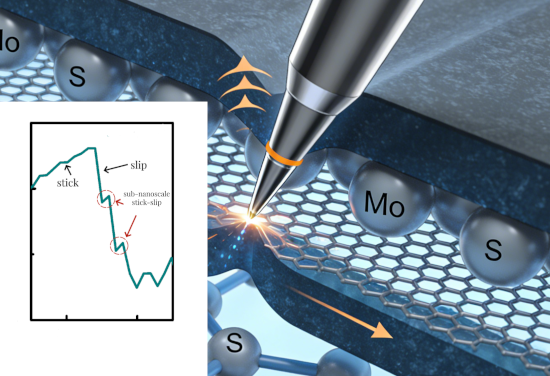
- same line was obtained. The applied loads of the tip for the atomic-scale stick–slip measurement were set to 10–100 nN, and the velocities were set to 10–40 nm·s−1. To ensure data reliability, (1) AFM tip wear was excluded by measuring tip–MoS2 adhesion before and after friction test (adhesion remained
- the absence of separable force jump peaks. Our method prioritizes direct spatial displacement measurement to avoid force calibration uncertainties, ensuring sub-nanoscale accuracy for the slip distances targeted herein. This approach aligns with the physical definition of sub-nanoscale slip distance
- theoretical thickness of 1L MoS2 is 0.62 nm [22]. However, considering the uncertainty of the AFM measurement, the measured thickness of single-layer MoS2 may be larger than the theoretical value [22][23]. Therefore, it can be roughly concluded that the MoS2 area with the thicknesses of 0.7 nm may correspond


Impacts of annealing on structural and photophysical properties of zinc phthalocyanine adsorbed on graphene
Beilstein J. Nanotechnol. 2026, 17, 576–585, doi:10.3762/bjnano.17.39
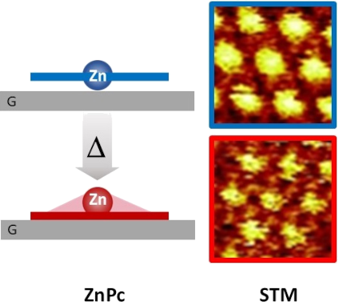
- ) annealing. Solid and dotted lines in (b, d) represent theoretical relative variations of angle-dependent absorption for a transition dipole moment oriented either in-plane or normal to the substrate plane, respectively. The corresponding orientation hypothesis and measurement geometry are also schematized


Electrochemical determination of ciprofloxacin using a MIL-101/reduced graphene oxide-modified electrode
Beilstein J. Nanotechnol. 2026, 17, 541–554, doi:10.3762/bjnano.17.35
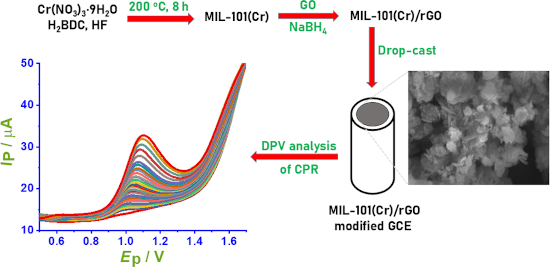
- stability The measurement repeatability of the proposed sensor was evaluated at different CPR concentrations (1.0, 2.5, 5.0, 10.4, and 24.4 µM). Differential pulse voltammetry (DPV) responses were recorded over ten consecutive measurements, and the relative standard deviation (RSD) values were calculated


Probing internal continua and atomic ultrafast charge transfer within size-controlled nanoparticles by post-collision interaction in core-hole clock spectroscopy
Beilstein J. Nanotechnol. 2026, 17, 505–514, doi:10.3762/bjnano.17.33
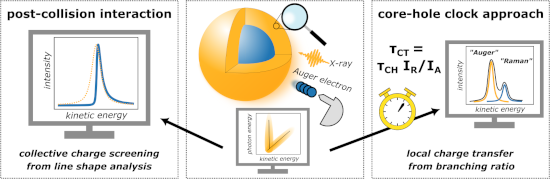
- experimental approach enables the simultaneous observation of collective electronic properties and atom-specific dynamics within in a single measurement under identical sample conditions, an advance particularly valuable for complex, sensitive materials. Keywords: core-hole clock; nanoparticles; post
- properties of materials within a single measurement. The experiment was done with freshly grown, commercially obtained CdSe/ZnS core–shell nanoparticles with a constant CdSe core size of 3.5 nm and varying shell thicknesses of 1, 3, 7, 11 and 15 double layers (DL) of ZnS (PlasmaChem GmbH). A full
- -performance devices necessitates an understanding and control of both collective properties and characteristics that are highly sensitive to local atomic changes. Our approach allows for the observation and measurement of both types of effects within a single sample under identical conditions, thereby



Polycatecholamine nanocoatings on stainless steel: the effect on attachment of human fibroblasts and platelets
Beilstein J. Nanotechnol. 2026, 17, 365–380, doi:10.3762/bjnano.17.25
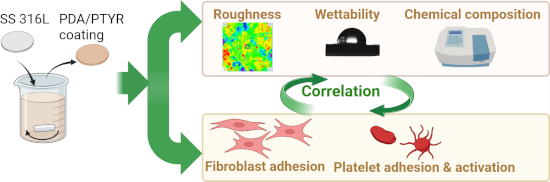
- -toxic, and highly hydrophilic. The observed decrease in CA with the coating time could be explained by the progressive filling of micro- and nanoscale surface irregularities, leading to increased homogeneity. SEM was the only feasible technique enabling the measurement of the thickness of these coatings
- method (DSA100 goniometer, Kruss GmbH, Germany). A drop of distilled water (5 µL) was placed on a clean and dry surface of a sample. CAs were measured after 60 s with the Kruss DCA 100 software. The measurement was performed at three randomly selected spots on the analyzed material, and each material was




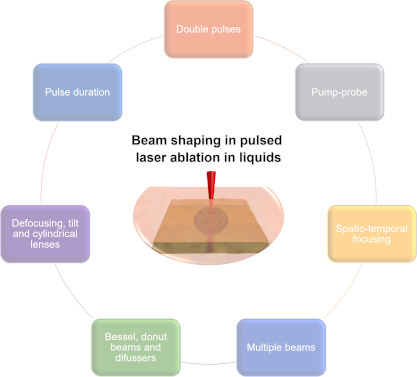
Beam shaping techniques for pulsed laser ablation in liquids: Unlocking tunable control of nanoparticle synthesis in liquids
Beilstein J. Nanotechnol. 2026, 17, 309–342, doi:10.3762/bjnano.17.22







Fast vortex dynamics and relaxation times in NbRe-based heterostructures
Beilstein J. Nanotechnol. 2026, 17, 292–302, doi:10.3762/bjnano.17.20
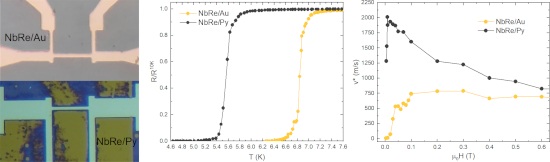
- Francesco De Chiara Zahra Makhdoumi Kakhaki Francesco Avitabile Francesco Colangelo Abhishek Kumar Carmine Attanasio Carla Cirillo Dipartimento di Fisica “E. R. Caianiello”, Università degli Studi di Salerno, I-84084 Fisciano (Sa), Italy Institute for Electrical Measurement Science and Fundamental
- on SiO2 substrates. The base pressure was P = 2.2 × 10⁻⁸ mbar, and the Ar pressure during the deposition was = 6.6 μbar, = 12 μbar and = 6.3 μbar. During the deposition, the film thickness was monitored in situ by a thickness monitor, which provides a real-time measurement of the growth rate. The
- using an ultrasonic wire bonder, ensuring a highly reproducible and comparable contact quality for both NbRe/Au and NbRe/Py microbridges. The electrical transport measurements were performed using a cryogen-free measurement system from Cryogenic Ltd. The samples were mounted in the measurement system


Multilayered hyperbolic Au/TiO2 nanostructures for enhancing the nonlinear response around the epsilon-near-zero point
Beilstein J. Nanotechnol. 2026, 17, 251–261, doi:10.3762/bjnano.17.17
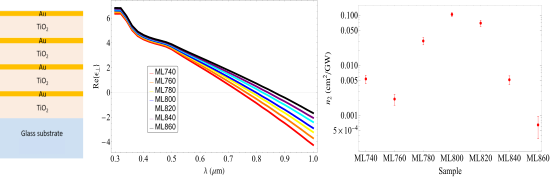
- , 0.82, 0.96, and 1.09 GW·cm−2. We studied the nonlinear response as a function of the input peak irradiance in order to reduce the error in the determination of the nonlinear parameters when only using a single measurement. We performed the z-scan for the single layers of the constituting materials. For


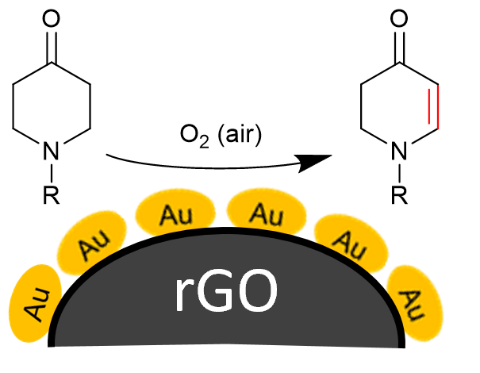
Gold nanoparticle-decorated reduced graphene oxide as a highly effective catalyst for the selective α,β-dehydrogenation of N-alkyl-4-piperidones
Beilstein J. Nanotechnol. 2026, 17, 218–238, doi:10.3762/bjnano.17.15


Structure-dependent thermochromism of PAZO thin films: theory and experiment
Beilstein J. Nanotechnol. 2026, 17, 186–199, doi:10.3762/bjnano.17.12
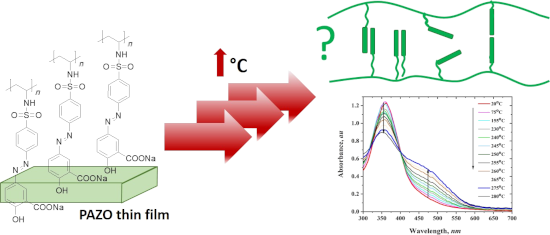
- characteristics under illumination at 444 nm, while the thermally treated sample shows better absorption efficiency under illumination at 532 nm. Birefringence (∆n) before and after thermal treatment For the measurement of ∆n at 444 and 532 nm, we prepared different samples with the thicknesses in the range of
- 1200–4000 nm on a glass substrate. Thicker films were prepared because many potential applications – such as the inscription of polarization-selective holographic optical elements – require greater film thickness for optimal performance. The samples were heated in an oven and the measurement of ∆n
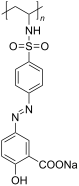
- spun at 1000 rpm to achieve thin film thicknesses ranging from 200 to 4000 nm. For spectral measurements, quartz substrates were used due to their lack of absorbance in the PAZO absorption region; thin film thickness was about 200 nm. A glass substrate was used for the measurement of birefringence (∆n


Safe and sustainable by design with ML/AI: A transformative approach to advancing nanotechnology
Beilstein J. Nanotechnol. 2026, 17, 176–185, doi:10.3762/bjnano.17.11

- , inconsistently formatted, and insufficiently annotated for robust ML/AI model training [63][64]. Moreover, these datasets often arise from disparate sources – academic research labs, industrial R&D facilities, and public databases – each with its own protocols and measurement standards. Such heterogeneity


Influence of surface characteristics on the in vitro stability and cell uptake of nanoliposomes for brain delivery
Beilstein J. Nanotechnol. 2026, 17, 139–158, doi:10.3762/bjnano.17.9





Capabilities of the 3D-MLSI software tool in superconducting neuron design
Beilstein J. Nanotechnol. 2026, 17, 122–138, doi:10.3762/bjnano.17.8

- method of output signal measurement and for the interaction between input and readout elements. Taking all modifications into account, the theoretical formula takes the form: where Icl is the control current (input signal), Ifb is the compensating (“feedback”) current (i.e., output signal), Ic is the
- latter to a current source “B” for biasing and a voltmeter “V” for voltage measurement in a four-point scheme (see Figure 13a). The source “B” supplies a current slightly above the critical one, causing the SQUID to operate in the resistive state. To vary the magnetic flux through the SQUID loop, current