


Search results
Search for "mechanical" in Full Text gives 1136 result(s) in Beilstein Journal of Nanotechnology. Showing first 200.
Nanoglasses: a trail towards uncharted regions of vitreous materials and their properties?
Beilstein J. Nanotechnol. 2026, 17, 1047–1062, doi:10.3762/bjnano.17.72

- of interface density and chemistry may enable tailoring of mechanical, diffusion, and functional properties, including enhanced plasticity, altered transport behaviour, and tuneable optical or electronic responses. Finally, open questions regarding interfacial structure, thermodynamic driving forces
- , and stability are identified, emphasizing opportunities for integrating nanoglasses into advanced functional thin-film systems. Keywords: columnar thin-film nanoglasses; glass–glass interfaces; mechanical and functional properties; nanoglass; stability; Introduction The advancement of civilization
- role, though they are not considered here as the thermodynamics of heterogeneous systems is a well-established field, mechanical processing and heat treatment have been central to the engineering of microstructures with ever-increasing precision. Over time, this has progressed to controlling structures


Vibration-induced dynamic structural superlubricity on MoS2/Au(111) under ultrahigh vacuum
Beilstein J. Nanotechnol. 2026, 17, 1039–1046, doi:10.3762/bjnano.17.71
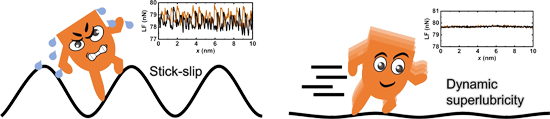
- -coated gold surfaces induced by external mechanical actuation. By tuning the excitation frequency to the cantilever resonance, stick–slip motion is effectively suppressed, leading to a significant reduction in friction even under high-load conditions. Experimental results, supported by a modified
- ; mechanical actuation; molybdenum disulfide; nanotribology; Introduction Friction at the nanoscale governs the performance, reliability, and lifetime of a wide range of emerging technologies, including micro- and nanoelectromechanical systems (MEMS/NEMS), data storage devices, and atomically precise
- , therefore, is not only to understand the origin of frictional forces at atomic interfaces but also to actively regulate them in a controllable and reversible manner. Over the past decades, a variety of strategies have been developed to manipulate frictional forces, ranging from mechanical regulation [5][6


Influence of an external electric field on the catalytic CO oxidation of nanoscaled CeO2 and its La3+ and Gd3+ congeners
Beilstein J. Nanotechnol. 2026, 17, 1028–1038, doi:10.3762/bjnano.17.70
- team members of the electrical and mechanical and workshops at TUDa, headed by Matthias Guse and Martin Schwarz for their expert technical support.


Ultrasonic irradiation in the synthesis of nanohydroxyapatite: a chemically friendly technique for improving hemocompatibility and antibiofilm applications
Beilstein J. Nanotechnol. 2026, 17, 991–1015, doi:10.3762/bjnano.17.68
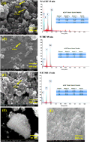
- form of nanoneedles, that are closely bound together with type-I collagen fibrils [7], as shown in Figure 1. Hydroxyapatite crystals are an important source of calcium and phosphorus, which give bone its density, mechanical strength, and bioactivity [8]. Methods for obtaining nanohydroxyapatite (nHA




Materials challenges in solid-state sensors for continuous monitoring of ions in water
Beilstein J. Nanotechnol. 2026, 17, 935–973, doi:10.3762/bjnano.17.66
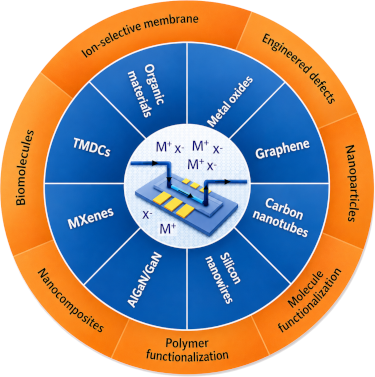
- since these factors influence ion activity, binding equilibria, charge screening, and the electrical response of the transducer. (vi) Fouling resilience and mechanical stability are also important parameters. In real water systems, sensors are exposed to biofilm growth, particulate loading, scaling, and
- mechanical stress. Designs must mitigate fouling and maintain performance in spite of these conditions [16]. Finally, (vii) the sensor should be suitable for in situ (on-site) measurements and operate with low power requirements to support long-term use. It should also allow for automatic data recording and
- wiring, parasitic capacitance, and mechanical complexity, making it harder to achieve robust, field-deployable devices with consistent performance [29][97]. Chemiresistive sensors, in contrast, use a simpler two-electrode geometry, commonly interdigitated microelectrodes bridged by a conductive sensing


Enhanced erosion resistance and radiation stability of WC–WO3 nanocomposite films under 100 keV Kr+ ion irradiation
Beilstein J. Nanotechnol. 2026, 17, 922–934, doi:10.3762/bjnano.17.65
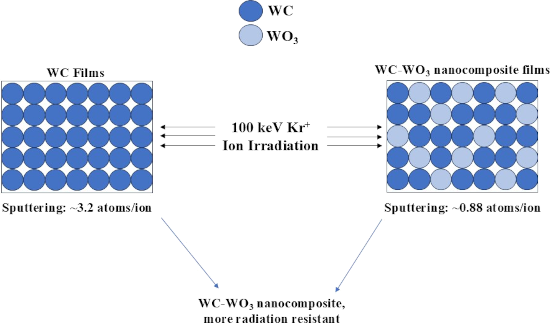
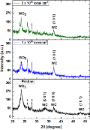
- -facing materials; sputtering erosion; WC–WO3 nanocomposites; Introduction Tungsten carbide (WC) and tungsten trioxide (WO3) are two hard and high-temperature-stable compounds that have individually demonstrated exceptional properties, including high melting points, mechanical strength, and chemical
- stability [1][2][3][4][5]. WC is a refractory ceramic compound known for its exceptional hardness, high melting point, and chemical inertness [6]. As a ceramic, WC exhibits strong covalent and ionic bonding, contributing to its mechanical strength and thermal stability under extreme conditions. Its unique
- application as a material for plasma-facing walls [10][11] in fusion reactors due to its extraordinary properties including its high thermal conductivity and mechanical strength [7][12]. The ceramic nature of WC contributes to its stability under such conditions, and recent studies have confirmed its



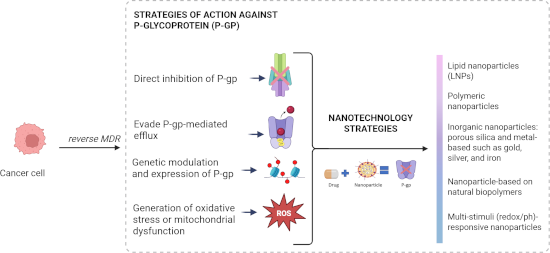
Nanocarrier strategies to overcome P-glycoprotein-mediated drug resistance in cancer therapy
Beilstein J. Nanotechnol. 2026, 17, 882–921, doi:10.3762/bjnano.17.64


He+ FIBID-fabricated 3D AFM tip architectures: an exploratory study of hollow pillars, helices, and spirals
Beilstein J. Nanotechnol. 2026, 17, 863–871, doi:10.3762/bjnano.17.62
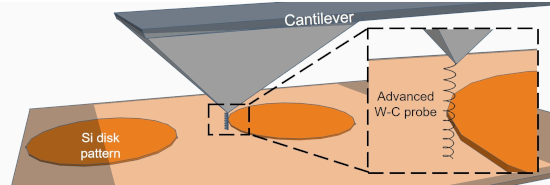
- , Germany 10.3762/bjnano.17.62 Abstract Atomic force microscopy (AFM) relies strongly on tip geometry and mechanical integrity for stable and reproducible surface measurements. Here, we present an exploratory study of tungsten–carbon (W–C) AFM tips with complex three-dimensional (3D) architectures
- examined by electron microscopy before and after AFM use. The main degradation modes were geometric deformation of the apex or shaft and mechanical fracture, most frequently at the tip–cantilever interface. While a few structures remained operational through repeated measurement cycles, others failed
- , tip–sample convolution, mechanical stability, and, ultimately, the reliability of the measured signal. For this reason, the fabrication of non-conventional AFM probes has attracted increasing interest, particularly in the context of focused-beam nanomanufacturing, where the geometry and material


Nanoparticle delivery systems for HIV pre-exposure prophylaxis (PrEP): advances and challenges
Beilstein J. Nanotechnol. 2026, 17, 839–853, doi:10.3762/bjnano.17.60
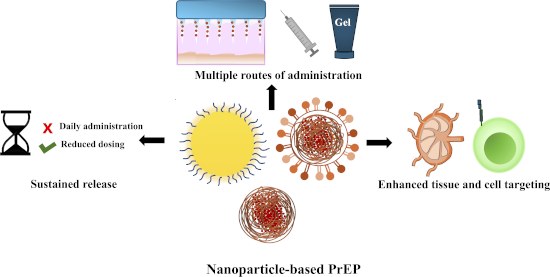
- , mechanical properties, and surface composition that need to be considered in the design of the nanoparticles. The choice of core material plays a pivotal role in defining the physicochemical properties, release behavior, biocompatibility, and clinical feasibility of nanoparticle formulations. Various


Cross-scale design of chemosensor arrays: from molecular self-assembly in water to paper-based devices for metal ion detection
Beilstein J. Nanotechnol. 2026, 17, 828–838, doi:10.3762/bjnano.17.59
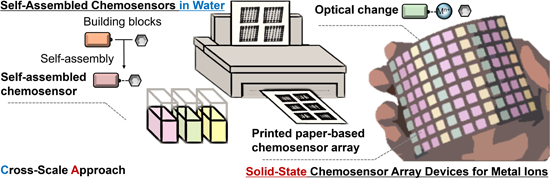
- optimized using a central composite design [58]. The selection of appropriate paper substrates also plays a significant role in reproducible sensing [59]. The mechanical properties of paper substrates depend on their thickness, pore size, and liquid absorbability [21]. In particular, the thickness of the


Sustainable fabrication of 2D-based devices through reuse of substrates with microfabricated electrodes
Beilstein J. Nanotechnol. 2026, 17, 818–827, doi:10.3762/bjnano.17.58
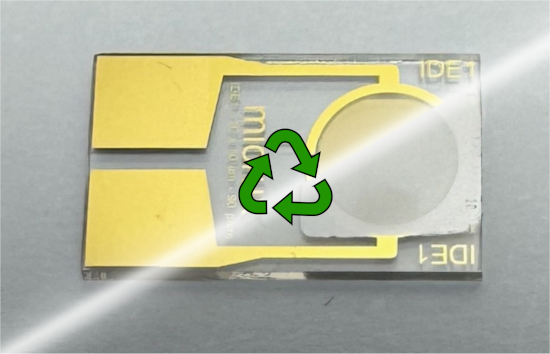
- cleaning protocol, we applied it to a SiO2/Si substrate covered with a continuous MoS2 flakes network prepared by five successive transfers via high-throughput roll-to-roll mechanical exfoliation [32][33]. This method enables a high surface coverage of densely packed flakes that adhere strongly to the
- ) fabrication, initially covered with a large-scale MoS2 film produced by roll-to-roll mechanical exfoliation. Figure 2c,d displays a Ti/Au interdigitated electrode on glass with the 10 µm gap separation, widely used for electrochemistry and biosensing applications [34]. For both cases, the cleaning process
- repeated substrate reuse, we performed multiple cycles of device fabrication, electrical characterization, and subsequent cleaning on a microfabricated SiO2/Si chip with Ti/Au electrodes. MoS2 flakes obtained via roll-to-roll mechanical exfoliation were sequentially transferred onto the same pre-patterned


Substrate-dependent pore formation in molybdenum disulfide monolayers under ion irradiation
Beilstein J. Nanotechnol. 2026, 17, 769–780, doi:10.3762/bjnano.17.54
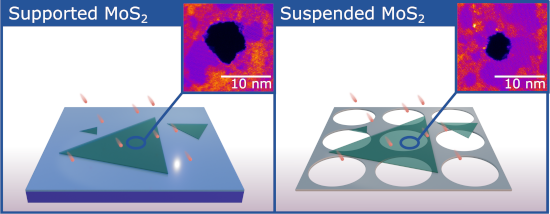
- highly charged ions (HCIs) and swift heavy ions (SHIs), remains less complete. The emergence of 2D materials has intensified the interest in ion–surface interactions [9][10][11][12][13]. Owing to their atomic thickness, 2D materials combine outstanding mechanical properties with promising (opto
- irradiation of MoS2 on Au, a substrate suitable for mechanical exfoliation is first prepared. A 5 nm Ti adhesion layer is deposited onto SiO2, followed by the deposition of a 25 nm Au film. Immediately after deposition, MoS2 is mechanically exfoliated onto the freshly prepared Au surface. After irradiation on


Interface-engineered Caco-2 cell culture on a collagen-coated liquid–liquid interface in a microfluidic device
Beilstein J. Nanotechnol. 2026, 17, 760–768, doi:10.3762/bjnano.17.53
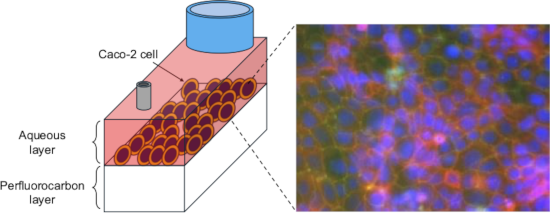
- tissues [2][3][4]. The microfluidic culture system known as gut-on-a-chip enables the cultivation of Caco-2 cells under conditions that more closely recapitulate the in vivo intestinal environment. By precisely controlling fluid flow and inducing mechanical stimuli, this platform provides physiologically
- relevant mechanical cues that are difficult to reproduce in conventional static culture systems [5][6][7]. Gut-on-a-chip platforms recapitulate the apical-basolateral compartmentalization of the human intestinal epithelium by dividing upper and lower microchannels with a solid porous membrane, upon which
- intestinal epithelial cells are cultured to establish a polarized epithelial barrier. Although porous membranes enable compartmentalization, they may also impose non-physiological diffusion barriers and mechanical constraints. Liquid–liquid interfaces provide a mechanically soft and dynamically


Environmental applications of silver nanoparticles: state-of-the-art review and emerging trends
Beilstein J. Nanotechnol. 2026, 17, 697–736, doi:10.3762/bjnano.17.49


Protein-based custom-designed molecular nanotraps for biomedical applications
Beilstein J. Nanotechnol. 2026, 17, 683–687, doi:10.3762/bjnano.17.47
- far explored for preparing bioMIPs, there is gelatin, which is obtained from collagen, the most plentiful structural protein in animals that offers mechanical strength and supports tissues like skin, tendons, and bones. While collagen consists of triple-helix polypeptide chains, which are particularly
- mechanical strength, stability, and controlled biodegradability [16]. Also, SF is often functionalized with pendant double bonds to enable cross-linking and is often referred to as SilMA [17]. SF and SilMA find a wide use as cell scaffolds for tissue engineering and biofabrication. To date, GelMA and SilMA

Decontamination from water pollutants and pathogens by electrospun nanofibers doped with heavy-atom-free borafluorene-BODIPY photosensitizers
Beilstein J. Nanotechnol. 2026, 17, 668–682, doi:10.3762/bjnano.17.46
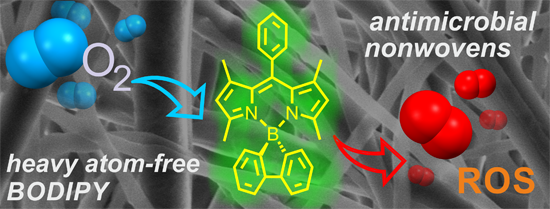
- platform and processing method giving materials with large surface areas, good mechanical properties, and high porosity, enabling oxygen diffusion, light penetration, and efficient ROS production. Accordingly, we used electrospinning, a relatively simple and cheap technique with the perspective for large



Cellulose as a photocatalyst support material: extraction, structural features, and environmental applications
Beilstein J. Nanotechnol. 2026, 17, 635–652, doi:10.3762/bjnano.17.44
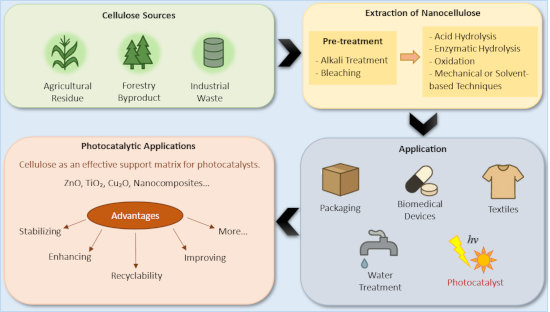
- for cellulose extraction were also explored such as acid hydrolysis, enzymatic hydrolysis, oxidation, and mechanical or solvent-based techniques. Besides that, this review highlights the role of cellulose in photocatalytic applications, where its high surface area, structural porosity, and abundance
- photocatalytic systems, improving its performance under a wide range of light sources. Moreover, cellulose-supported systems often show enhanced recyclability and mechanical durability, making them suitable for repeated use in wastewater treatment and environmental remediation. The relationship between
- formation of nanofibers. These nanofibers further assemble into larger cellulose microfibrils [4]. With the global cellulose production now exceeding hundreds of billions of tons annually and continuing to grow steadily, this abundant biopolymer stands out for its exceptional mechanical, physical, and


Recent progress in enhancing built-in electric fields of perovskite solar cells via junction engineering
Beilstein J. Nanotechnol. 2026, 17, 602–621, doi:10.3762/bjnano.17.42
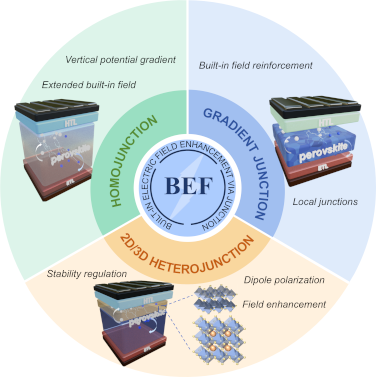
- mechanical stress. This limitation is particularly pronounced in certain mixed-halide, wide-bandgap systems, where rapid top-down crystallization leads to accumulation and tensile stress at the film bottom, creating a gradient opposite to the BEF, which weakens the electric field and accelerates



Probing tribological evolution in atomically thin MoS2 at different scales
Beilstein J. Nanotechnol. 2026, 17, 586–597, doi:10.3762/bjnano.17.40
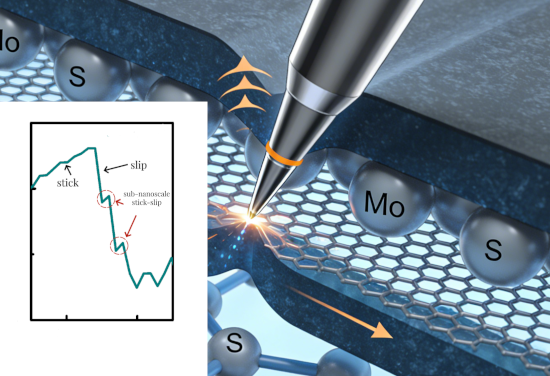
- tribology toward the sub-nanoscale. Experimental Sample preparation Single-layer and few-layer MoS2 were obtained from bulk MoS2 by mechanical exfoliation [19]. N-Doped Si covered with dry oxidation-generated 300 nm thick SiO2 was used as the substrate. Prior to exfoliation, substrates were cleaned


Laser–material interactions in liquids for the synthesis of nanomaterials: current status and perspectives
Beilstein J. Nanotechnol. 2026, 17, 571–575, doi:10.3762/bjnano.17.38
- Carlos Donate Buendia Bilal Gokce Leonid V. Zhigilei GROC·UJI, Institute of New Imaging Technologies, University Jaume I, Av. de Vicent Sos Baynat, s/n, 12071 Castellón, Spain Chair of Materials Science and Additive Manufacturing, School of Mechanical Engineering and Safety Engineering, University
- ]), generation of soft magnets for magnetocaloric applications [58], fabrication of photodetectors [59], nanoscale agents for photodynamic [60] and neutron capture therapy [61], incorporation of nanoparticles into solar cells [62], light-harvesting nanofluids [63], and materials with enhanced mechanical [64] or
Electrochemical determination of ciprofloxacin using a MIL-101/reduced graphene oxide-modified electrode
Beilstein J. Nanotechnol. 2026, 17, 541–554, doi:10.3762/bjnano.17.35
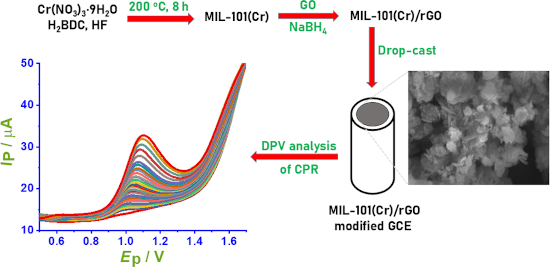
- direct use in electrochemical sensing. To address this limitation, hybridizing MOFs with conductive carbon materials has been extensively studied. Reduced graphene oxide (rGO) is especially appealing due to its high electrical conductivity [12], large specific surface area, mechanical stability [13], and


Defects and defect-mediated engineering of two-dimensional materials: challenges and open questions
Beilstein J. Nanotechnol. 2026, 17, 454–488, doi:10.3762/bjnano.17.31
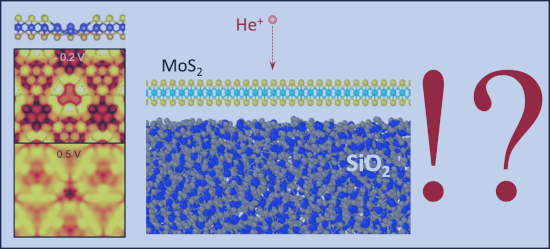
- to the interaction with the environment, for example, because of oxidation. The imperfections have a strong influence on the electronic, optical, thermal, and mechanical properties of 2D materials [2][3]. They normally deteriorate the characteristics; but they can also be beneficial, for example, in





Nanocarrier-integrated multilayer films produced by 3D printing for improved skin adhesion and curcumin photostability
Beilstein J. Nanotechnol. 2026, 17, 440–453, doi:10.3762/bjnano.17.30
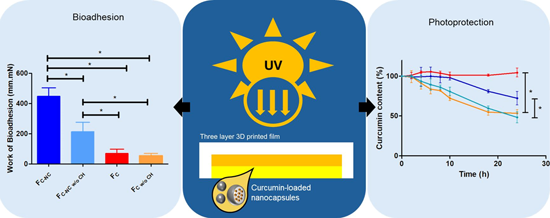
- . The three-layer 3D-printed films were rationally designed by combining hydrogels with complementary mechanical and biological functions to optimise skin adhesion, printability, and curcumin stability. The bottom layer, composed of chitosan, was selected to ensure direct contact with the skin
- stress and rapidly recover its rheological properties once the stress is removed. A recovery value of at least 80% is generally considered acceptable, indicating that the layer-stacking capability remains sufficiently dependent on the material’s original mechanical properties [40]. Initially, a shear
- curcumin-loaded nanocapsules. This proof-of-concept study focused on demonstrating the feasibility of integrating nanocarriers with SSE 3D printing to produce multilayer topical films with improved bioadhesion and photoprotection. A comprehensive evaluation of mechanical properties, long-term stability


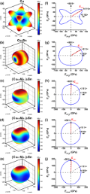
First-principles study on elastic properties of Cu, (Cu1−x,Nix)3Sn and interfacial mechanical properties of (Cu1−x,Nix)3Sn/Cu in the lead-free solder joint
Beilstein J. Nanotechnol. 2026, 17, 428–439, doi:10.3762/bjnano.17.29
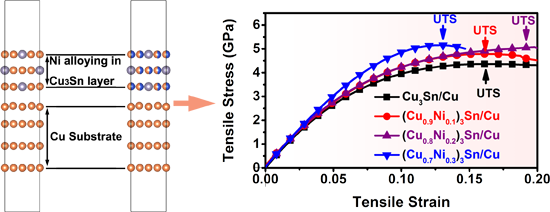
- Guomin Hua School of Material Science and Engineering, Jiangsu University, Zhenjiang 212013, Jiangsu, China 10.3762/bjnano.17.29 Abstract In this study, the elastic properties of Cu and (CuxNi1−x)3Sn were calculated to reveal the effects of Ni alloying on the interfacial mechanical properties of
- (CuxNi1−x)3Sn/Cu in lead-free solder joints. The results reveal that, within the thermodynamically stable domain of (CuxNi1−x)3Sn, the increase of Ni content can enhance the interfacial mechanical properties of (CuxNi1−x)3Sn/Cu, and increase the reliability of the lead-free solder joints. The enhancement
- mechanism can be attributed to the simultaneous improvements of oriented Young’s modulus and ductility of (CuxNi1−x)3Sn, achieved by Ni alloying. But higher Ni content beyond the thermodynamically stable domain of (CuxNi1−x)3Sn will deteriorate the interfacial mechanical properties by mechanical or


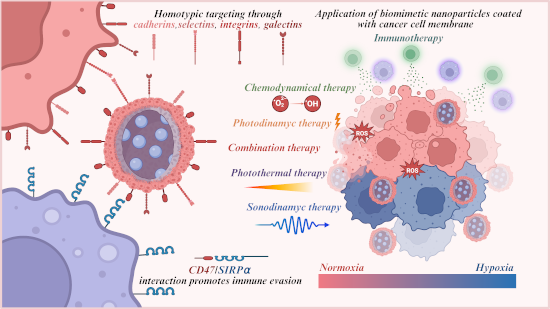
Biomimetic nanoparticles in cancer photodynamic therapy: a review of targeted delivery systems and therapeutic outcomes
Beilstein J. Nanotechnol. 2026, 17, 396–422, doi:10.3762/bjnano.17.27
- ]; (ii) freeze–thaw cycles, that is, cell disruption via narrow pores (enhanced at low temperatures) [55]; (iii) mechanical shearing, that is, cell disruption via narrow pores (enhanced at low temperatures) [56]; and (iv) osmotic pressure, that is, hypotonic solutions are used to induce swelling and





