


Search results
Search for "membranes" in Full Text gives 377 result(s) in Beilstein Journal of Nanotechnology. Showing first 200.
Development of Protium heptaphyllum essential oil-loaded nanocapsules: experimental design and biological activity
Beilstein J. Nanotechnol. 2026, 17, 974–990, doi:10.3762/bjnano.17.67
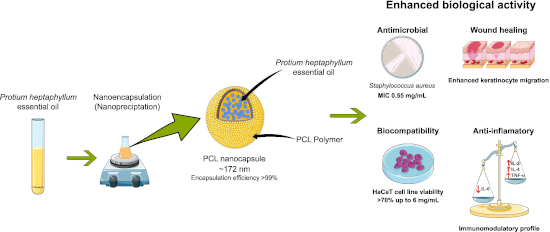
- Gram-negative strains such as Escherichia coli and Pseudomonas aeruginosa due to their outer membranes that have reduced susceptibility to hydrophobic compounds like EOs. This approach would enable a more comprehensive evaluation of the antimicrobial potential of the nanocapsules. Experimental
- . Since this method may be affected by adsorption or retention phenomena within the filtration membrane, Microcon® devices with Ultracel® regenerated cellulose membranes (low-binding, hydrophilic) were utilized to minimize nonspecific interactions with lipophilic compounds. Recovery tests were performed




Materials challenges in solid-state sensors for continuous monitoring of ions in water
Beilstein J. Nanotechnol. 2026, 17, 935–973, doi:10.3762/bjnano.17.66
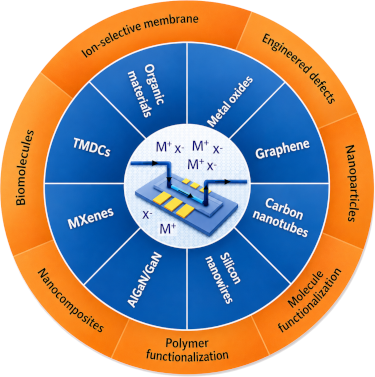
- -selective membranes further expand the design space, enabling customized performance for specific applications. This review systematically examines the materials employed in solid-state ion sensors, their transduction mechanisms, and analyte interactions with sensing media, while critically evaluating
- integration with chelators and/or ion-selective membranes to create a selective binding layer for analyte detection. Finally, processability and scalability of the material are important considerations [105]. For practical ion-sensing platforms, materials must be compatible with mass-producible, reproducible
- practice, graphene (and rGO) integrates readily with ion-selective membranes, which localize the recognition event within the Debye length and translate ion activity into reproducible shifts in the Dirac point [118]. Chen et al. developed a rGO-based FET sensor for detection of nitrate ions in water. The



Nanocarrier strategies to overcome P-glycoprotein-mediated drug resistance in cancer therapy
Beilstein J. Nanotechnol. 2026, 17, 882–921, doi:10.3762/bjnano.17.64


Nanoparticle delivery systems for HIV pre-exposure prophylaxis (PrEP): advances and challenges
Beilstein J. Nanotechnol. 2026, 17, 839–853, doi:10.3762/bjnano.17.60
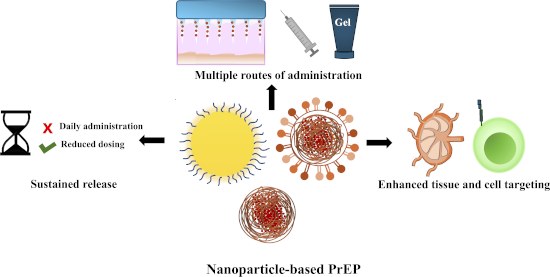
- of drug types, and some of these nanoparticles share similarities with biological membranes. Their excellent biocompatibility and mucosal tissue affinity position them as strong candidates for mucosal PrEP applications. (3) Inorganic nanoparticles: This group covers nanoparticles from materials such


Substrate-dependent pore formation in molybdenum disulfide monolayers under ion irradiation
Beilstein J. Nanotechnol. 2026, 17, 769–780, doi:10.3762/bjnano.17.54
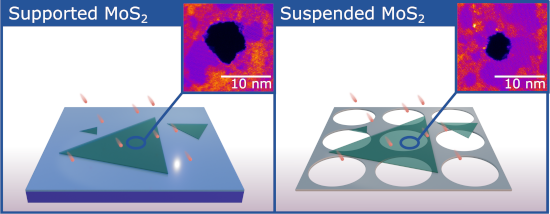
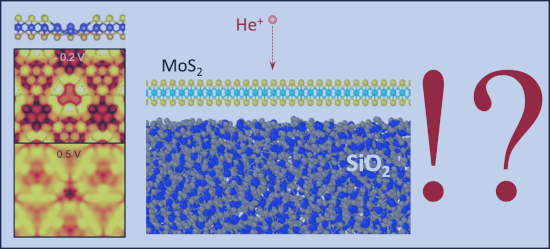
- , high-resolution scanning transmission electron microscopy (STEM) generally requires freestanding membranes, while atomic-resolution atomic force microscopy (AFM) and scanning tunneling microscopy (STM) demand exceptionally clean surfaces; also, substrate effects can further complicate interpretation
- deposition and subsequent dissipation are distributed across coupled layers. Moreover, we previously showed [13] that pore formation under SHI irradiation is strongly reduced in suspended membranes because part of the deposited energy is carried away by atoms and ions emitted from both sides of the membrane
- coupling plays a decisive role in electronically driven pore formation in MoS2 under both HCI and SHI irradiation. Compared with suspended membranes, an insulating substrate increases pore size, additional out-of-plane dissipation in MoS2 multilayers suppresses HCI-induced pore formation, and a strongly


Interface-engineered Caco-2 cell culture on a collagen-coated liquid–liquid interface in a microfluidic device
Beilstein J. Nanotechnol. 2026, 17, 760–768, doi:10.3762/bjnano.17.53
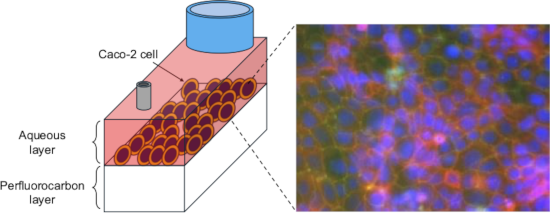
- intestinal epithelial cells are cultured to establish a polarized epithelial barrier. Although porous membranes enable compartmentalization, they may also impose non-physiological diffusion barriers and mechanical constraints. Liquid–liquid interfaces provide a mechanically soft and dynamically
- rigidity and pore-related constraints inherent to synthetic solid membranes [8][9][10]. Importantly, culturing cells at a liquid–liquid interface provides a unique opportunity to decouple biochemical signaling from substrate-imposed mechanical constraints, thereby enabling more physiologically relevant
- interfacial strategy into microfluidic cell culture systems may therefore offer an alternative to porous membrane-based designs and mitigate the inherent limitations of synthetic solid membranes in gut-on-a-chip platforms. Among candidate materials, perfluorocarbon liquids such as FC-43 are particularly


Environmental applications of silver nanoparticles: state-of-the-art review and emerging trends
Beilstein J. Nanotechnol. 2026, 17, 697–736, doi:10.3762/bjnano.17.49
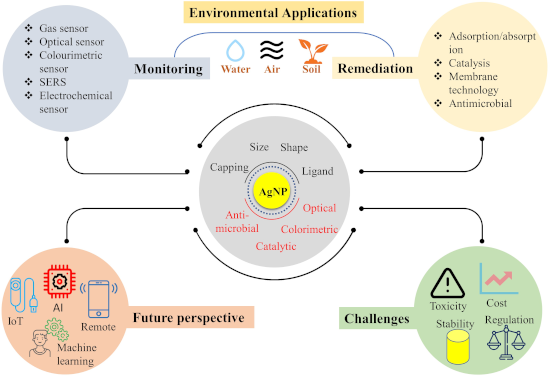
- ultrafiltration membrane technologies used for management of water pollutants. In addition, AgNPs-assisted nanosystems in fibrous filter membranes and photocatalytic composite coatings for the removal of volatile organic compounds, particulate matter, and gaseous pollutants are reviewed. Furthermore, AgNP
- Antimicrobial properties and disinfection. Nanosilver showed broad-spectrum antimicrobial activity (bacteria, viruses, and fungi) and can serve as an effective disinfectant for water applications [7][72]. Various mechanisms, including disruption of cellular membranes, interference with DNA replication, and the
- incorporated in PVDF nanofiber membranes were synthesised for improved air purification, achieving efficiencies of 99.95–99.97% and a pressure of 137.5 Pa. Additionally, 99.6% inhibition of S. aureus and E. coli was achieved after exposure to sunlight for two weeks [157]. Chitosan-stabilised AgNPs incorporated


Cellulose as a photocatalyst support material: extraction, structural features, and environmental applications
Beilstein J. Nanotechnol. 2026, 17, 635–652, doi:10.3762/bjnano.17.44
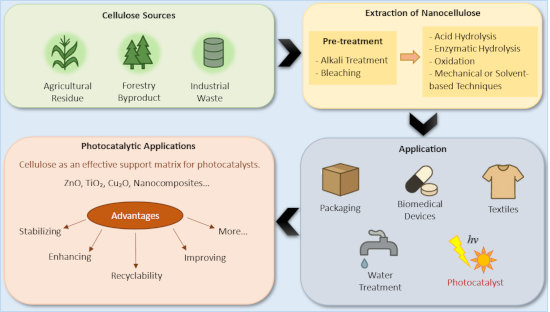
- their structural integrity [12]. Cellulose possesses strong mechanical properties, and its favorable dimensions and strength make it an ideal material for water treatment membranes. This led researchers to apply it as a base material for developing such membranes [13]. A new approach involves
- photoactive nanomaterials, including metal oxides and nonmetallic semiconductors, to remediate and purify water, and the use of these hybrid systems is growing steadily in water treatment applications [15]. Photocatalyst immobilization on membranes addresses key challenges by preventing photocatalyst loss
- through leaching while simultaneously expanding the range of practical applications. These combined benefits make photocatalytic polymer membranes highly promising, as they enhance both membrane filtration and photocatalytic degradation, creating a dual-action approach that significantly improves overall


Defects and defect-mediated engineering of two-dimensional materials: challenges and open questions
Beilstein J. Nanotechnol. 2026, 17, 454–488, doi:10.3762/bjnano.17.31





Biomimetic nanoparticles in cancer photodynamic therapy: a review of targeted delivery systems and therapeutic outcomes
Beilstein J. Nanotechnol. 2026, 17, 396–422, doi:10.3762/bjnano.17.27
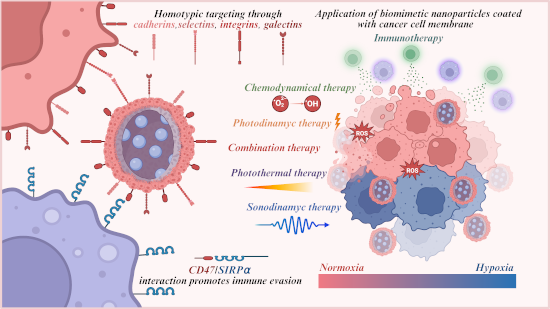
- nanoparticles (BNPs), which combine natural biological materials like cell membranes with synthetic nanocarriers, have emerged as versatile platforms to overcome these challenges. BNPs improve PDT by enhancing tumor-specific delivery of PSs, relieving hypoxia through oxygen delivery or catalytic oxygen
- ][12]. Biomimetic nanoparticles (BNPs) represent a transformative novel approach for PS delivery [13]. By mimicking biological structures, such as cell membranes, proteins, or endogenous carriers, BNPs enhance PS delivery through improved biocompatibility, immune evasion, and active tumor targeting
- body’s immune response [48]. BNPs utilizing a cell membrane to coat a synthetic core were reported in 2011. These nanoparticles consisted of a poly(lactic-co-glycolic) acid (PLGA) core coated with an outer layer derived from red blood cell (RBC) membranes [49]. It was demonstrated that the presence of


Polycatecholamine nanocoatings on stainless steel: the effect on attachment of human fibroblasts and platelets
Beilstein J. Nanotechnol. 2026, 17, 365–380, doi:10.3762/bjnano.17.25
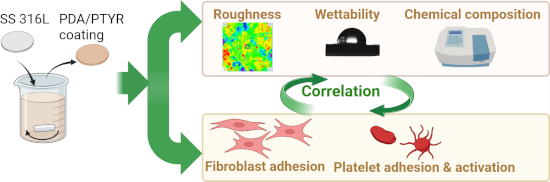
- roughness threshold has previously been observed for fibroblasts also on silicone surfaces [42] and on various metallic surfaces [43], as well as for bone marrow stem cells on polycarbonate membranes [44]. Platelet adhesion and activation on artificial surfaces are triggered by the initial adsorption of pro




Time of flight secondary ion mass spectrometry imaging of contaminant species in chemical vapour deposited graphene on copper
Beilstein J. Nanotechnol. 2026, 17, 200–213, doi:10.3762/bjnano.17.13
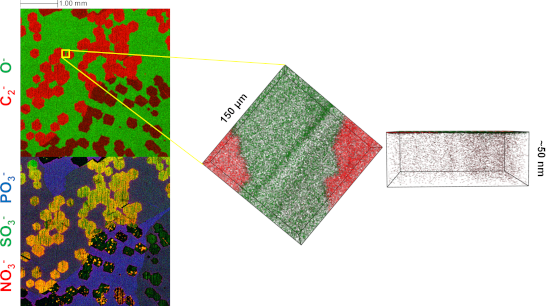
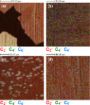
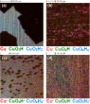
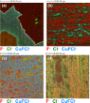
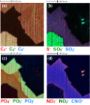
- of the material and lead to a step change in terms of high speed [11][12][13], transparent [14] and flexible electronic devices [15], membranes [16][17], and sensors [18][19]. A large amount of work has been dedicated to the optimisation of the growth process to aid in the formation of large area





From shield to spear: Charge-reversible nanocarriers in overcoming cancer therapy barriers
Beilstein J. Nanotechnol. 2026, 17, 159–175, doi:10.3762/bjnano.17.10
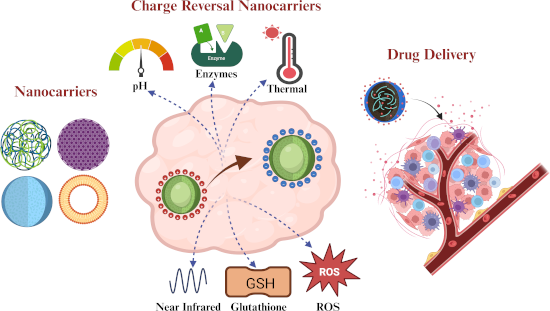
- physicochemical parameters, the surface charge is essential for determining nanocarrier interactions with biological membranes, cellular uptake, and biodistribution [17]. With a positive charge, the nanocarrier tends to be absorbed by high plasma proteins and cleared faster from the bloodstream. In contrast
- , those with neutral or negative charge exhibit longer circulation times, reduced immune clearance, and improved therapeutic efficacy. Further, positively charged nanocarriers exhibit enhanced cellular uptake due to their electrostatic interaction with negatively charged cell membranes; however, they may
- become protonated or lose their protective shells, leading to a shift in surface charge from negative to positive. This transformation enhances electrostatic attraction toward negatively charged tumour cell membranes, thereby facilitating more efficient endocytosis and intracellular delivery of


Influence of surface characteristics on the in vitro stability and cell uptake of nanoliposomes for brain delivery
Beilstein J. Nanotechnol. 2026, 17, 139–158, doi:10.3762/bjnano.17.9
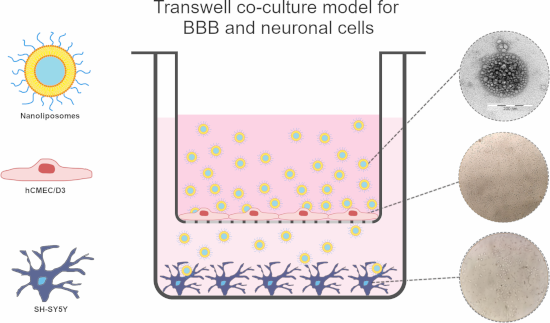
- nm. In the Eclipse SC separation channel, regenerated cellulose membranes (10 kDa) and a spacer height of 350 μm were used. Phosphate buffer was used as the eluent. The detector flow rate was set to 0.5 mL/min and the injection volume was 50 µL. The separation settings were: a) elution 0–3 min; b
- efficient uptake by neuroblastoma cells. This outcome is probably due to the fact that PEG chains hinder the interactions of the liposomes with different membrane structures of this type of cells, thus resulting with poor intracellular transport [48]. On the other hand, neurons exhibit membranes which are




Development and in vitro evaluation of liposomes and immunoliposomes containing 5-fluorouracil and R-phycoerythrin as a potential phototheranostic system for colorectal cancer
Beilstein J. Nanotechnol. 2026, 17, 97–121, doi:10.3762/bjnano.17.7
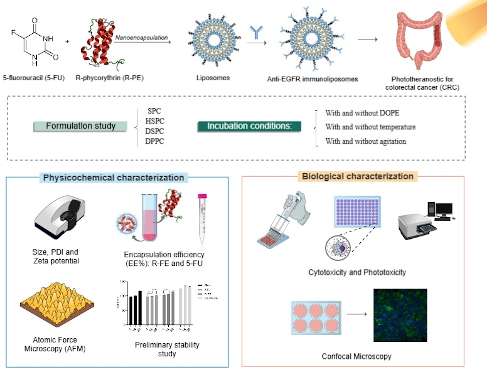
- lipophilic substances. Furthermore, liposomes can also act as a protein delivery system, reducing enzymatic degradation of proteins and enhancing their stability and their permeability through cell membranes [7]. Immunoliposomes provide many advantages by surface functionalization with targeting biomolecules
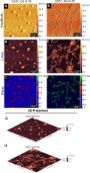
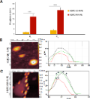
- proteoliposome membranes [25][59]. This difference is also evident in the profile analysis of selected nanoparticles (Figure 3J and Figure 3K). Irregularities are clearly visible only in HSPC-IM-R-PE (Figure 4C, arrowheads in the right panel), which can be due to cetuximab decoration. In addition to the Ra



Internal 3D temperature mapping in biological systems using ratiometric light-sheet imaging and lipid-coated upconversion nanothermometers
Beilstein J. Nanotechnol. 2025, 16, 2306–2316, doi:10.3762/bjnano.16.159
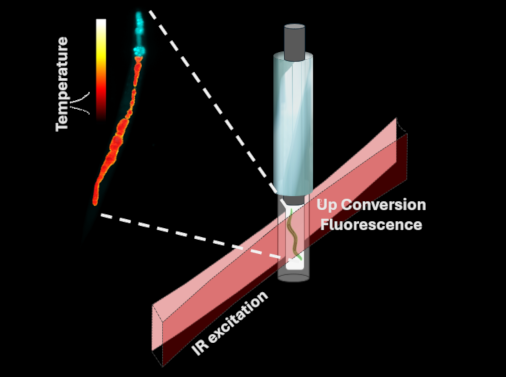
- to electrostatic repulsion with the negatively charged glycocalyx of the intestinal cell membranes, thereby hindering endocytosis [58]. This contrasts with cationic coatings like polyethyleneimine (PEI), which promote endocytosis and lead to UCNP internalization into intestinal cells [59]. This


Optical bio/chemical sensors for vitamin B12 analysis in food and pharmaceuticals: state of the art, challenges, and future outlooks
Beilstein J. Nanotechnol. 2025, 16, 2207–2244, doi:10.3762/bjnano.16.153
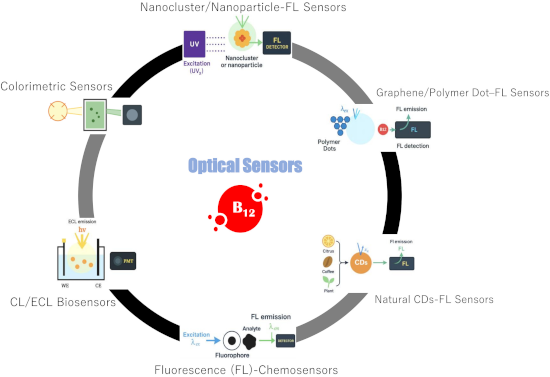
- membranes had potential for biomedical and food applications for VB12 determination in pharmaceuticals, human serum, egg yolk, and fish tissue [113]. Selvakumar and Thakur utilized a dipstick-based immuno-CL biosensor to detect VB12 in two different energy drinks, where the antibody–antigen interaction


Microplastic pollution in Himalayan lakes: assessment, risks, and sustainable remediation strategies
Beilstein J. Nanotechnol. 2025, 16, 2144–2167, doi:10.3762/bjnano.16.148
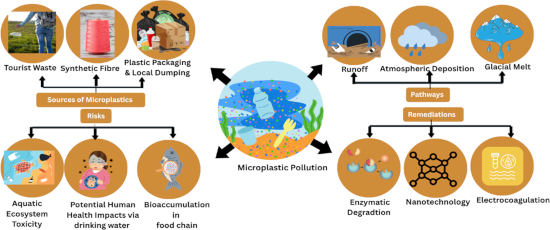
- nanoparticles have been shown to break down PS in both UV and natural light, which suggests they could be used in a range of environmental conditions [44]. Another prospective application is the integration of nanomaterials into filtration membranes, which results in the development of hybrid systems that are


Rapid synthesis of highly monodisperse AgSbS2 nanocrystals: unveiling multifaceted activities in cancer therapy, antibacterial strategies, and antioxidant defense
Beilstein J. Nanotechnol. 2025, 16, 2105–2115, doi:10.3762/bjnano.16.145
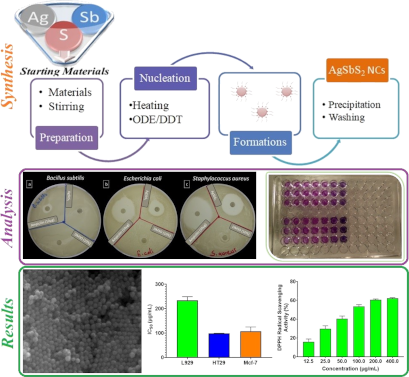
- their simpler outer membranes compared to those of gram-negative species. The moderate effectiveness of AgSbS2 NCs against E. coli (MIC and MBC; 1.0 mg/mL and 2.0 mg/mL, respectively) also aligns with findings in nanoparticle research where the outer lipopolysaccharide layers of gram-negative bacteria


Toward clinical translation of carbon nanomaterials in anticancer drug delivery: the need for standardisation
Beilstein J. Nanotechnol. 2025, 16, 2092–2104, doi:10.3762/bjnano.16.144

- atomic force microscopy. Surface charge plays a significant role in determining how CNMs interact with biological membranes and intracellular environments. It influences processes such as cellular uptake, cytotoxicity, and inflammatory signalling. For example, BSA-derived negatively charged CDs exhibited
- , disruption of cellular membranes, prolonged retention in tissues, and activation of immune responses. These risks highlight the importance of careful nanoparticle design and thorough preclinical evaluation. Biodegradability represents another crucial factor governing the clinical translation of CNMs



Beyond the shell: exploring polymer–lipid interfaces in core–shell nanofibers to carry hyaluronic acid and β-caryophyllene
Beilstein J. Nanotechnol. 2025, 16, 2015–2033, doi:10.3762/bjnano.16.139
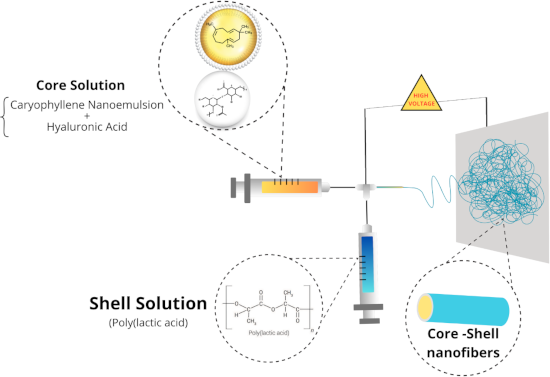
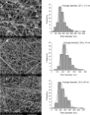
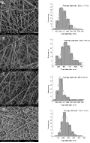
- membrane applications. Thermal and crystalline analyses demonstrated improved thermal stability upon NE-βCp incorporation. Collectively, these results provide robust evidence for the feasibility of producing multifunctional nanofiber membranes that successfully integrate a polymer–lipid hybrid core
- ]. As reported by da Silva et al. (2019), inadequate flow rates during the production of coaxial nanofibers can lead to incomplete core incorporation, resulting in monolithic fibers that are identifiable by their spectral signatures [61]. To evaluate the surface composition of nanofiber membranes, ATR
- -FTIR analysis was performed on PLA (monolithic), HA/PLA, and HA+NE2/PLA nanofiber samples, along with pure HA powder. The obtained spectra (Figure 7) confirmed effective shell coating, as only the characteristic bands of PLA were detected in the core–shell nanofibers. All three nanofiber membranes (NF




PEGylated lipids in lipid nanoparticle delivery dynamics and therapeutic innovation
Beilstein J. Nanotechnol. 2025, 16, 1914–1930, doi:10.3762/bjnano.16.133
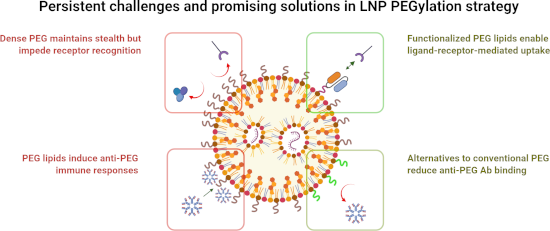
- Unlike PEG polymers used in pharmaceuticals and consumer products, PEG lipids are chemically bonded to lipid anchors, enabling their incorporation into lipid membranes [61]. PEG polymers are considered biocompatible and have low immunogenicity, supporting their widespread use in many products such as


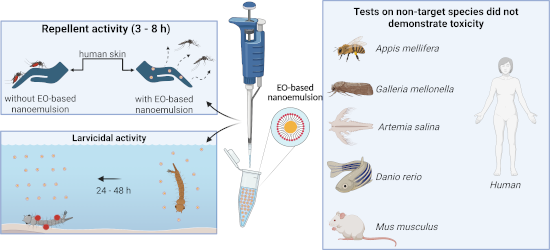
Targeting the vector of arboviruses Aedes aegypti with nanoemulsions based on essential oils: a review with focus on larvicidal and repellent properties
Beilstein J. Nanotechnol. 2025, 16, 1894–1913, doi:10.3762/bjnano.16.132


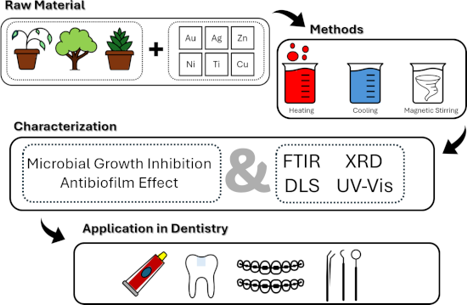
On the road to sustainability – application of metallic nanoparticles obtained by green synthesis in dentistry: a scoping review
Beilstein J. Nanotechnol. 2025, 16, 1851–1862, doi:10.3762/bjnano.16.128
- phytochemicals not only facilitate the formation of stable colloidal nanostructures but also contribute synergistically to their bioactivity, enhancing their interaction with microbial membranes and disrupting biofilm formation [10][24]. In this study, silver (66%) was the main metal used in nanoparticle
- periodontopathogens such as Porphyromonas gingivalis and Aggregatibacter actinomycetemcomitans, reducing inflammation and supporting adjunctive treatment to scaling and root planing. Regenerative strategies are also being developed, in which nanoparticle-functionalized membranes have shown potential to modulate host
- into scaffolds and regenerative membranes designed to stimulate osteogenesis and promote periodontal tissue regeneration [16][17]. These nanoparticles not only provide antimicrobial protection but also actively modulate cellular behavior, such as proliferation and differentiation, thereby enhancing the


Phytol-loaded soybean oil nanoemulsion as a promising alternative against Leishmania amazonensis
Beilstein J. Nanotechnol. 2025, 16, 1826–1836, doi:10.3762/bjnano.16.126

- thermal degradation of sensitive compounds, as well as excessive loss of volatile substances such as PHYT [30]. The small droplet size results in a large surface area, which enables effective interaction with biological membranes and consequently enhances drug penetration and retention [31]. Key
- permeation studies using porcine ear skin or synthetic membranes in Franz diffusion cells could be employed to further evaluate the cutaneous permeation profile of the phytol-loaded nanoemulsion. In addition to forming nanodroplets, nanoemulsions must maintain their structural and physicochemical integrity





