Search results
Search for "monolayer" in Full Text gives 499 result(s) in Beilstein Journal of Nanotechnology. Showing first 200.
Sustainable fabrication of 2D-based devices through reuse of substrates with microfabricated electrodes
Beilstein J. Nanotechnol. 2026, 17, 818–827, doi:10.3762/bjnano.17.58
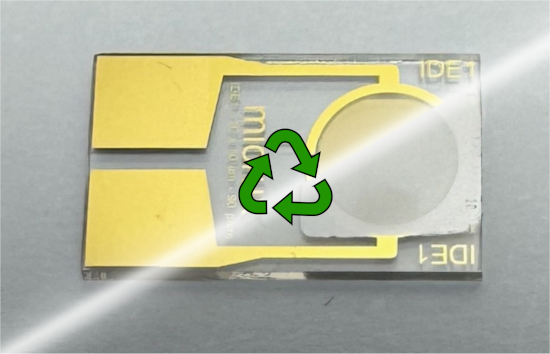
- process effectively removed the MoS2 from the channel region and detached most multilayer residues. However, small remnants of the monolayer in direct contact with the gold electrodes remained (see inset in Figure 5b), likely due to the strong chemical affinity between MoS2 and gold (a mechanism exploited
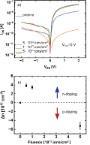
- incomplete removal of the monolayer at the gold contacts, the electrodes remained electrically isolated after cleaning, as confirmed by the open-circuit behavior shown in Figure 5b. A new flake was then transferred a few micrometers away, forming a second FET that exhibited typical device performance (Figure
- , suggesting that the cleaning process does not introduce pronounced electrostatic inhomogeneity. In addition to MoS2-based devices, the method is also applicable to WSe2 and ITO-based platforms and can be extended to CVD-grown films and manually exfoliated monolayer flakes. Although the main manuscript adopts


Tuning the electronic properties of defect-rich MoS2
Beilstein J. Nanotechnol. 2026, 17, 796–805, doi:10.3762/bjnano.17.56
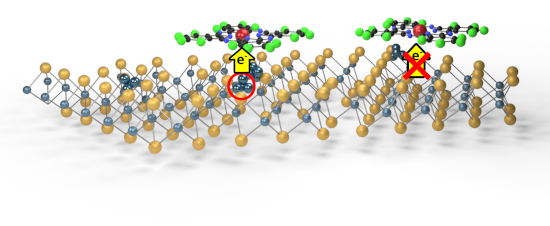
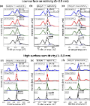
- position of the Fermi level of MoS2 upon Ar+ and Ne+ ion bombardment and subsequent deposition of CoPcF16 in the monolayer range are monitored using ARPES M–Γ–K maps of three different experiments, namely, Ne ion sputtering for 1 min (Figure 1a,d,g), Ar ion sputtering for 1 min (Figure 1b,e,h), and Ar ion
- located about 0.5 eV below EF, which corresponds to a slight p-doping (Figure 1e,f; integrated spectra: Figure 1k,l). Subsequent deposition of roughly a monolayer of CoPcF16 on the sputtered substrates causes further energetic shifts, which are small but above the energetic resolution of our experiment
- the molecular plane, z), B1, and B2 (polarized within the molecular plane, xy). The Co L2,3-XAS results are interpreted using p-polarized synchrotron light in Figure 2 in the context of these three features, which are highlighted by dashed red lines. For all three substrates and approx. monolayer


Substrate-dependent pore formation in molybdenum disulfide monolayers under ion irradiation
Beilstein J. Nanotechnol. 2026, 17, 769–780, doi:10.3762/bjnano.17.54
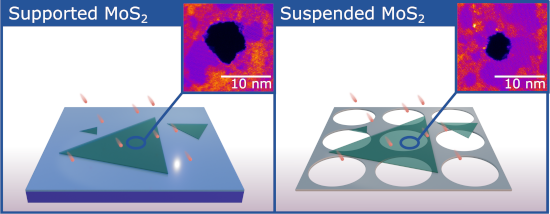
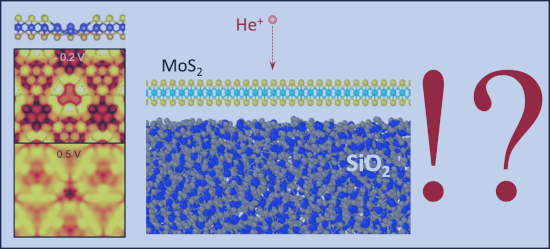
- Abstract Ion irradiation is a versatile tool for nanostructuring surfaces, yet the roles of energy deposition and dissipation at the surface and in ultrathin materials remain poorly understood. In this study, we investigate nanopore formation in monolayer MoS2 on different substrates under irradiation of
- ][39]. This makes HCI and SHI irradiation a useful pair of probes for testing how substrate-controlled electronic dissipation influences defect formation in 2D materials. Here, we directly quantify how substrate coupling influences electronically driven defect formation in monolayer MoS2. Using STEM
- -impact electronic energy dissipation. Owing to this common feature, we expect that the substrate may influence pore formation in a qualitatively similar way for both ion types. Results and Discussion Highly charged ions In order to assess substrate effects under HCI irradiation, we compare monolayer MoS2


Interface-engineered Caco-2 cell culture on a collagen-coated liquid–liquid interface in a microfluidic device
Beilstein J. Nanotechnol. 2026, 17, 760–768, doi:10.3762/bjnano.17.53
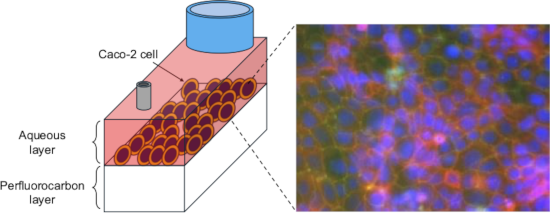
- stable monolayer formation, demonstrating their potential as engineered bioactive substrates [10]. Owing to their dynamic responsiveness to chemical and physical stimuli, such interfaces can also serve as reservoirs or delivery media for gases and hydrophobic molecules [11]. Incorporating a liquid–liquid
- adhered to the interface, resulting in the formation of a monolayer. This monolayer was maintained for seven days. In this study, Caco-2 cell monolayer culture was performed using three independent devices. As a result, confluency reached 95 ± 3% after seven days of culture. Here, the images of the left
- adhere on the liquid–liquid interface to form a monolayer; instead, they aggregated and were observed floating on the liquid–liquid interface. Those results indicate that bringing the collagen solution into contact with FC-43 results in the formation of a collagen layer on the liquid–liquid interface


Impacts of annealing on structural and photophysical properties of zinc phthalocyanine adsorbed on graphene
Beilstein J. Nanotechnol. 2026, 17, 576–585, doi:10.3762/bjnano.17.39
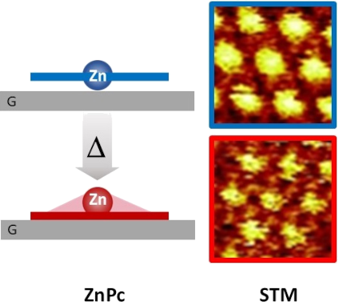
- -tunneling-microscopy and optical microspectroscopy of a 2D phase change experienced by a self-assembled zinc phthalocyanine (ZnPc) monolayer adsorbed on graphene. To probe the intrinsic properties of individual ZnPc molecules, they are spatially confined within the pores of a self-assembled 2D matrix. This
- experienced by ZnPc self-assembled monolayer on graphene or HOPG. Single ZnPc molecules are guest-isolated within the nanocavities of a self-assembled 2D host matrix, preventing intermolecular interactions and allowing for individual characterization. This phase change, induced by annealing, is discussed in
- -tristyrylbenzene substituted by dodecyl alkoxy peripheral chains TSB35-C12 [39] (Scheme 1b) grown by drop-casting from a toluene solution either on HOPG, for STM experiments, or on a transparent monolayer chemical-vapor-deposition (CVD) graphene on glass substrates, for optical measurements. This system has been


Defects and defect-mediated engineering of two-dimensional materials: challenges and open questions
Beilstein J. Nanotechnol. 2026, 17, 454–488, doi:10.3762/bjnano.17.31
- graphene or h-BN) defect formation energies prevent low defect concentrations in monolayer sheets? How can synthesis methods for monolayer materials be modified to control defect species and concentration? We note that, in TMDs, not only chalcogen vacancies, but also transition metal vacancies and
- and temperature) over a wide range. An alternative, and possibly more accessible for monolayer materials, is to control defect concentrations by post-growth processing in controlled atmosphere of chalcogens (or other volatile components of 2D materials) and temperatures. Equilibration of the gas phase
- valence band maximum and conduction band minimum between bulk and monolayer WS2 affect the relative position of the O2 LUMO responsible for the charge transfer. This can affect the barrier of O2 dissociation and requires further studies. The mechanisms of propagation of oxidation front from the surface of





Gold nanoparticle-decorated reduced graphene oxide as a highly effective catalyst for the selective α,β-dehydrogenation of N-alkyl-4-piperidones
Beilstein J. Nanotechnol. 2026, 17, 218–238, doi:10.3762/bjnano.17.15
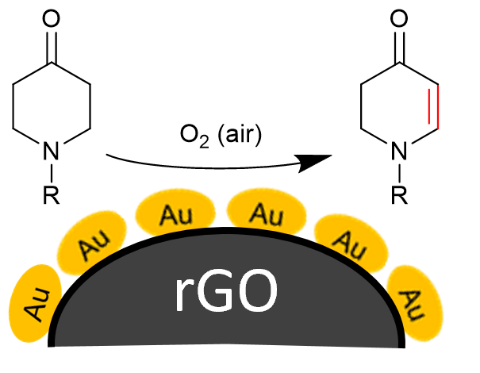
- micropores around 1 nm, with a small type-II contribution at larger P/P0 and a small H4 hysteresis loop, which is given by the mesoporous part of AC. rGO has a type-II isotherm due to unrestricted monolayer–multilayer adsorption up to high P/P0; the multilayer absorption appears to increase without limit


Influence of surface characteristics on the in vitro stability and cell uptake of nanoliposomes for brain delivery
Beilstein J. Nanotechnol. 2026, 17, 139–158, doi:10.3762/bjnano.17.9
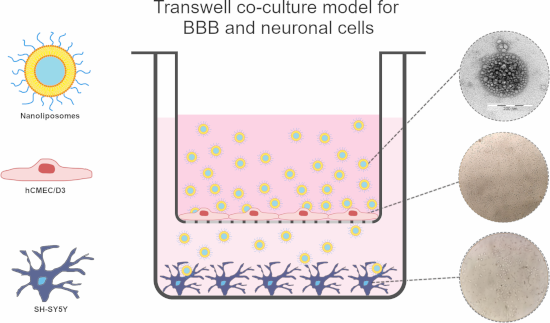
- endothelial monolayer integrity and permeability of hCMEC/D3 and SH-SY5Y in order to accurately simulate NLs uptake across the BBB and to obtain accurate representation of neuronal uptake mechanisms [14]. Other factors playing a key role in maximization of the uptake efficiency and prevention of saturation or
- in the basal part of the well). The medium was changed every 2–3 days until a transendothelial resistance (TEER) value >230 Ω was reached, indicative of confluent monolayer formation and tight junctions between endothelial cells [11]. In parallel, SH-SY5Y cells were seeded onto 12-well plates (3




Molecular and mechanical insights into gecko seta adhesion: multiscale simulations combining molecular dynamics and the finite element method
Beilstein J. Nanotechnol. 2025, 16, 2055–2076, doi:10.3762/bjnano.16.141
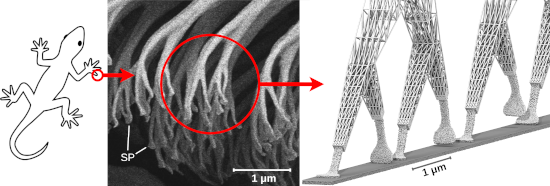
- simulations, the spatula was free to slide laterally, which could have risked “locking” if the substrate was entirely disordered, contained random voids, and was inflexible. To prevent this, we introduced a two-layer substrate, that is, a lattice-like monolayer of beads on top, forming a smooth, cavity-free
- surface, and a 13 nm thick amorphous bulk below, which matched the same bead density as our previous random-substrate model. All substrate beads had identical interactions with the spatula, and both layers were held fixed in space. Since the regular top monolayer differed from the fully random arrangement
- ) does not interact with the spatula beads; therefore, any substrate thicker than the spatula–substrate potential cutoff (rcutoff ≤ thickness ≤ ∞) would result in identical dynamics and forces. Our substrate (1 monolayer + 13 nm amorphous bulk) exceeds the cutoff, fully representing all interactions






Multifunctional anionic nanoemulsion with linseed oil and lecithin: a preliminary approach for dry eye disease
Beilstein J. Nanotechnol. 2025, 16, 1711–1733, doi:10.3762/bjnano.16.120
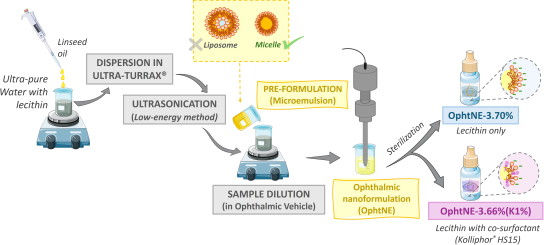
- its polar portions, and the length of its hydrophobic chain [49]. PPC values below 0.5 indicate the formation of monolayer micelles, whereas values between 0.5 and 1.0 favor liposome formation [49][50]. A value of p ≥ 0.5 has been reported for phosphatidylcholine, indicating that lecithin can form
- - and bilayers) form due to the diverse array of fatty acids in lecithin, the positioning and unsaturation of which are not provided by the manufacturer. Therefore, experimental tests on lecithin concentration are necessary to achieve a monolayer, nanometric, uniform, and stable micellar structural
- droplet uniformity with a monodisperse profile [93]; (3) maximizing lecithin’s performance in forming LO droplets through monolayer micelles [81]; (4) avoiding excess surfactant molecules to maintain biocompatibility [94][95]; and (5) maintaining a negative surface charge density greater than −30 mV for



Ambient pressure XPS at MAX IV
Beilstein J. Nanotechnol. 2025, 16, 1677–1694, doi:10.3762/bjnano.16.118
- here. Instead, we focus on a study by Vesselli and co-workers that directly addresses catalytic activity in a biomimetic SAC system [20][21]. In their work, a cobalt single-atom biomimetic model catalyst is based on a self-assembled monolayer of Co-porphyrins grown on an almost free-standing graphene
- of a surface to precursors and co-reactants. Each reaction with the surface should be saturated and self-limiting, thus allowing the deposition of one monolayer to progress in a highly conformal layer-by-layer way, even on nanostructured materials of high aspect ratios. Traditional insights into ALD
- native oxides from InAs and transfers oxygen to Hf. The resulting interface contained an In–O–Hf layer limited to approximately one monolayer. The second half-cycle is often done using water as the co-reactant and is the principal source of oxygen for the creation of HfO2 in the later ALD cycles. Figure





Modeling magnetic properties of cobalt nanofilms used as a component of spin hybrid superconductor–ferromagnetic structures
Beilstein J. Nanotechnol. 2025, 16, 1557–1566, doi:10.3762/bjnano.16.110
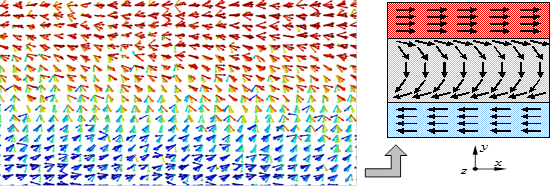
- 1.8 nm becomes unstable, and in the monolayer limit, it can be completely destroyed. When the film thickness is less than 1–2 monolayers (≈0.2–0.4 nm), the nanofilm ceases to be continuous, forming islands. This leads to random fluctuations in magnetization. Additionally, in monolayers and sub


Dendrimer-modified carbon nanotubes for the removal and recovery of heavy metal ions from water
Beilstein J. Nanotechnol. 2025, 16, 1522–1532, doi:10.3762/bjnano.16.107

- (R2 = 0.9984 for Pb2+ and R2 = 0.9997 for Cd2+) when the Langmuir isotherm model was applied. This implies monolayer adsorption onto a homogeneous surface. Pb2+ and Cd2+ ions might have adsorbed onto the CNTs-G5 surface in a uniform layer without further adsorption once the surface gets saturated
- appears to be predominantly monolayer in nature. Importantly, the maximum adsorption capacities (qmax) derived from the Langmuir model, 80.71 mg/g for Pb2+ and 66.80 mg/g for Cd2+, were found to be higher than those of other reported adsorbents for these metal ions (Supporting Information File 1, Table S3


Better together: biomimetic nanomedicines for high performance tumor therapy
Beilstein J. Nanotechnol. 2025, 16, 1246–1276, doi:10.3762/bjnano.16.92
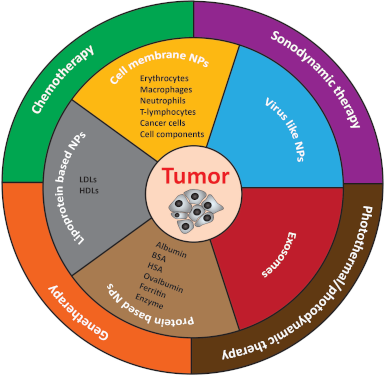
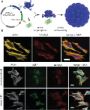
- asymmetrical catalysis of urea to ammonia acts as a gas jet to propel the microrobots to the desired site of action [54]. 1.2 Lipoprotein-based biomimetic nanoparticles Lipoproteins are complex structures with a lipid core, usually cholesterol esters and triglycerides, surrounded by a monolayer of






Single-layer graphene oxide film grown on α-Al2O3(0001) for use as an adsorbent
Beilstein J. Nanotechnol. 2025, 16, 1082–1087, doi:10.3762/bjnano.16.79
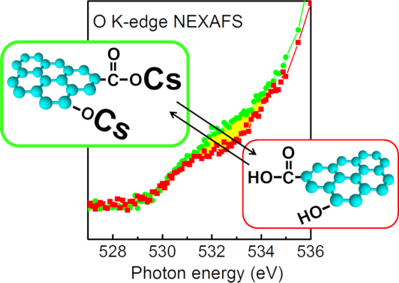
- obtained by oxidizing monolayer graphene grown by metal-free chemical vapor deposition on the α-Al2O3(0001) surface, and the adsorption state was determined by surface analytical techniques. It was clarified that Cs adsorbs on oxygen functional groups by substituting with H atoms from carboxyl and hydroxy
- deposition; electronic state analysis; graphene oxide; X-ray absorption fine structure; Introduction Graphene oxide (GO) is oxidized graphene and its surface and periphery are partially modified by epoxy, hydroxy, and carboxy functional groups [1][2]. GO can be thinned to a monolayer of one carbon atom and


Piezoelectricity of hexagonal boron nitrides improves bone tissue generation as tested on osteoblasts
Beilstein J. Nanotechnol. 2025, 16, 1068–1081, doi:10.3762/bjnano.16.78
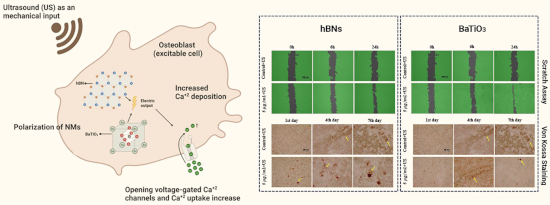
- evaluate the effects of the NMs and the US exposure on the migration ability of HOb cells. A pipette tip was used to create a scratch in the monolayer of cells, and the time required to close the scratch under US exposure was assessed. The results of the assay are presented in Figure 5. The scratch width


Soft materials nanoarchitectonics: liquid crystals, polymers, gels, biomaterials, and others
Beilstein J. Nanotechnol. 2025, 16, 1025–1067, doi:10.3762/bjnano.16.77
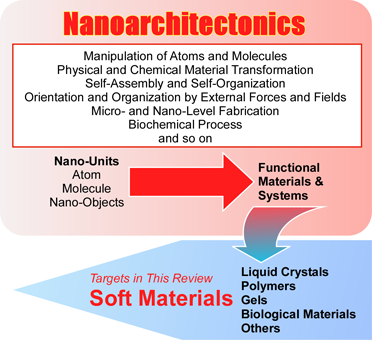
- control the structure of discotic liquid crystal molecular nanowires by manipulating the subphase temperature and surface pressure in a Langmuir monolayer system (Figure 2) [226]. The LB technique represents a powerful methodology that allows for effective control over the assembly of molecular-sized
- thicknesses. At low temperatures, the molecular nanowires coalesce, whereas, at high temperatures, the nanowires separate to form interconnected networks. The compression of the thin-film structure on the water surface resulted in the transformation of the network into a compact and highly uniform monolayer
- . At a higher surface pressure of 40 mN·m−1, the nanowires exhibited a tendency to come closer together, resulting in the formation of a compact and uniform monolayer. The interfacial nanoarchitectonics method of separating nanowires will undoubtedly prove invaluable for the separation of other 1D






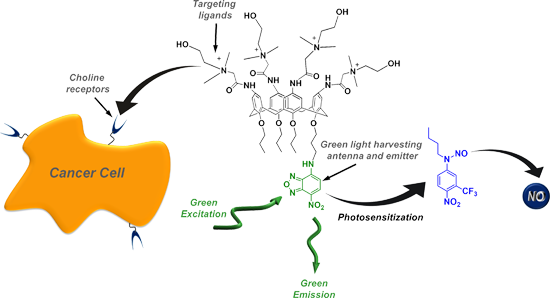
A calix[4]arene-based supramolecular nanoassembly targeting cancer cells and triggering the release of nitric oxide with green light
Beilstein J. Nanotechnol. 2025, 16, 1003–1013, doi:10.3762/bjnano.16.75
- FBS (Gibco, Life Technologies), 2 mM ʟ-glutamine, 100 U/mL penicillin, and 100 μg/mL streptomycin. Cells were grown as a monolayer at 37 °C under a controlled humidified atmosphere containing 5% CO2. MTS assay Cell viability assays (MTS) were performed using the CellTiter Aqueous OneSolution kit


Heat-induced transformation of nickel-coated polycrystalline diamond film studied in situ by XPS and NEXAFS
Beilstein J. Nanotechnol. 2025, 16, 887–898, doi:10.3762/bjnano.16.67
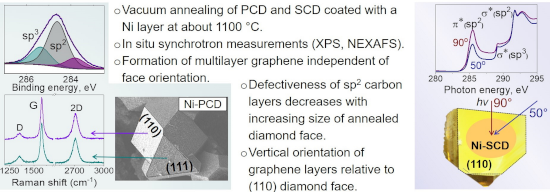
- the intensity of 2D and G peaks (I2D/IG) and the FWHM of the 2D peak [50]. A monolayer graphene typically has the I2D/IG values greater than 2 and the FWHM of the 2D peak of ≈30 cm−1. In all spectra measured from different areas of the annealed Ni-PCD film, the I2D/IG value is about 0.6 and the FWHM


Insights into the electronic and atomic structures of cerium oxide-based ultrathin films and nanostructures using high-brilliance light sources
Beilstein J. Nanotechnol. 2025, 16, 860–871, doi:10.3762/bjnano.16.65

- of ultrathin epitaxial cerium oxide films on Pt(111) demonstrated the influence of the substrate in 2 monolayer (ML) films. Figure 4a shows the Ce–O in-plane and out-of-plane distances obtained from the analysis of EXAFS data acquired on a 2 ML and on a 10 ML ceria film. Figure 4a also reports the


Thickness dependent oxidation in CrCl3: a scanning X-ray photoemission and Kelvin probe microscopies study
Beilstein J. Nanotechnol. 2025, 16, 749–761, doi:10.3762/bjnano.16.58
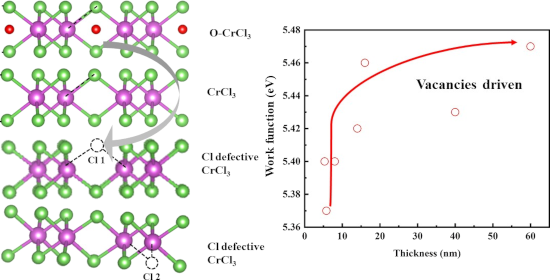
- . employed Monte Carlo methods to observe ferromagnetic behavior in monolayers below 66 K and proposed that hole doping could further enhance the Curie temperature [21]. Similarly, another Monte Carlo study found that the transition temperature for monolayer CrCl3 is 49 K, proposing that the Curie
- material. This is an aspect of particular relevance because of the possible applications of the material to monolayer-thin devices. Experimental The preparation of exfoliated CrCl3 flakes from the single crystal bulk material was reported in our previous papers [2][11]. Though preferentially a 270 nm





Synthesis of a multicomponent cellulose-based adsorbent for tetracycline removal from aquaculture water
Beilstein J. Nanotechnol. 2025, 16, 728–739, doi:10.3762/bjnano.16.56
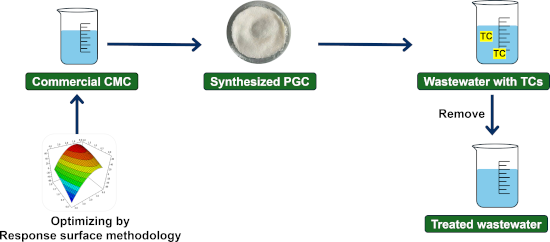
- follows the monolayer adsorption mechanism described by the Langmuir model, the degree of fit was evaluated using the equilibrium coefficient RL. Notably, the RL values, calculated in Table 2 and presented in Figure 5c, range from 0.167 to 0.334, indicating that TC adsorption onto PGC is favorable and
- conforms to the Langmuir isotherm model. The higher R2 value for the Langmuir model compared to that for the Freundlich model (Table 2, Figure 5a,b) suggests that the Langmuir model better describes TC adsorption onto PGC. This finding indicates that TC adsorption onto PGC occurs as monolayer adsorption on


Colloidal few layered graphene–tannic acid preserves the biocompatibility of periodontal ligament cells
Beilstein J. Nanotechnol. 2025, 16, 664–677, doi:10.3762/bjnano.16.51
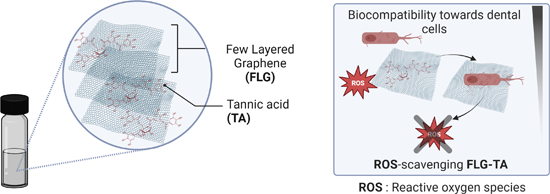
- , compared to those of 1 µg·mL−1 PLG-TA and CTRL+, should have no impact on cell fate because for all conditions the CV values are around 0.4. It was shown that in mouse fibroblasts grown on a graphene monolayer on a glass substrate, chromatin decompaction was induced [44]. Our results differ, probably due




A formulation containing Cymbopogon flexuosus essential oil: improvement of biochemical parameters and oxidative stress in diabetic rats
Beilstein J. Nanotechnol. 2025, 16, 617–636, doi:10.3762/bjnano.16.48
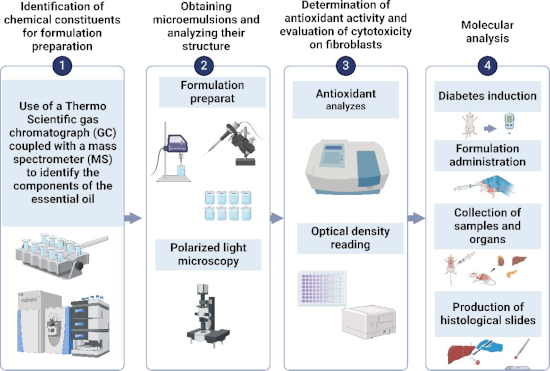
- (surfactants + water, without EOCF), EOCF, and the selected microemulsion containing EOCF (M7-EOCF), at concentrations of 50, 100, and 200 µg/mL, and cultured under the previous conditions for further 24 h. At the end of this phase, the cell monolayer was washed twice with phosphate-buffered saline, and then




Electron beam-based direct writing of nanostructures using a palladium β-ketoesterate complex
Beilstein J. Nanotechnol. 2025, 16, 530–539, doi:10.3762/bjnano.16.41
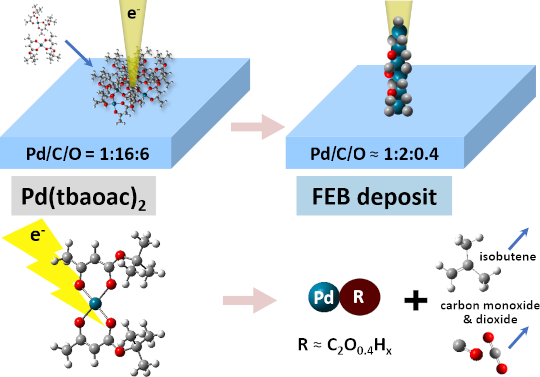
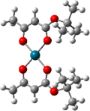
- using the maximum monolayer coverage n0 = 2.72 nm−2 for the Pd(tbaoac)2 molecule. The gas adsorption rate is νgas = 1.36 × 10³ s−1, and the maximum dissociation rate is νdis = 6.16 × 10³ s−1. This gives the upper limit on the desorption rate of νdes = 6.07 × 10⁷ s−1. The ratios νdis/νdes = 1.01 × 10⁻⁴