Search results
Search for "nanomaterial" in Full Text gives 210 result(s) in Beilstein Journal of Nanotechnology. Showing first 200.
Sustainable fabrication of 2D-based devices through reuse of substrates with microfabricated electrodes
Beilstein J. Nanotechnol. 2026, 17, 818–827, doi:10.3762/bjnano.17.58
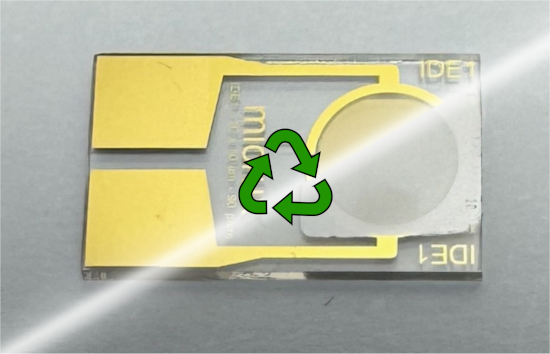
- devices, potentially reducing the impact of their research. To address this issue, commercially available substrates with pre-patterned electrodes, ready for integration with the nanomaterial under study, offer a practical alternative [7][8][9]. In recent years, our team has regularly employed this


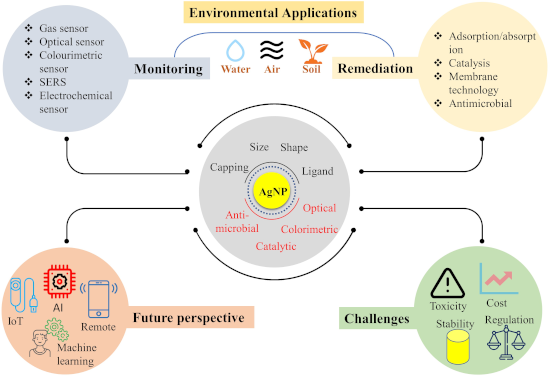
Environmental applications of silver nanoparticles: state-of-the-art review and emerging trends
Beilstein J. Nanotechnol. 2026, 17, 697–736, doi:10.3762/bjnano.17.49


Cellulose as a photocatalyst support material: extraction, structural features, and environmental applications
Beilstein J. Nanotechnol. 2026, 17, 635–652, doi:10.3762/bjnano.17.44
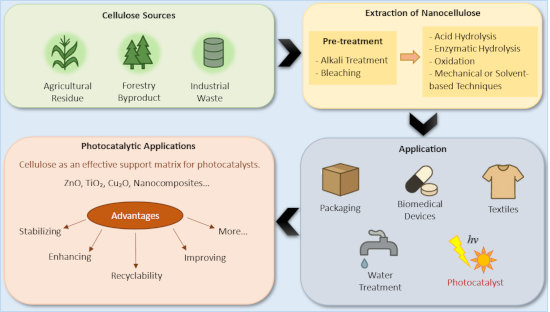
- [82]. In this context, nanocellulose has emerged as a promising renewable nanomaterial because it is a sustainable, carbon-neutral biopolymer that combines wide availability, low cost, excellent flexibility, large surface area, ease of modification, and high biocompatibility, making it particularly


Laser–material interactions in liquids for the synthesis of nanomaterials: current status and perspectives
Beilstein J. Nanotechnol. 2026, 17, 571–575, doi:10.3762/bjnano.17.38

- , productivity, and the degree of control over nanoparticle size, shape, and phase will ultimately determine the most effective strategies. Looking forward, LSPC holds strong promise as a sustainable and environmentally friendly approach for nanomaterial production, eliminating the need for hazardous precursors
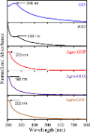
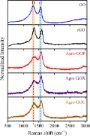
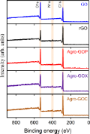
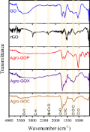
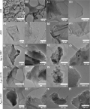
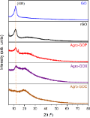
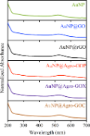
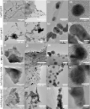
Upcycling agroindustrial waste into graphene oxide supports for gold nanoparticles: toward sustainable nanomaterials
Beilstein J. Nanotechnol. 2026, 17, 489–504, doi:10.3762/bjnano.17.32
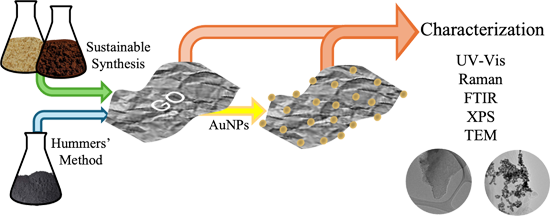
- precursor and the processing conditions. This tunability provides a powerful means to tailor the structural and optical properties of AuNP@GO hybrids. Beyond its alignment with environmental sustainability goals, this approach provides a versatile, customizable platform for precisely modulating nanomaterial



Nanoinformatics: spanning scales, systems and solutions
Beilstein J. Nanotechnol. 2026, 17, 423–427, doi:10.3762/bjnano.17.28
- of cancerous cells, also offering insights for potential nano-based cancer therapeutics [6]. Focusing on one specific MeOx nanomaterial, nano-TiO2, and a kidney epithelial cell – human renal cortex proximal tubule epithelial (HK-2) – Roy and Roy explored the potential for the nano-TiO2 to act as a
- overcomes two major challenges: the scarcity of data on nanomaterial-based neural drug delivery and the enormous number of possible nanomaterial–drug combinations. The approach combines information fusion, perturbation theory, and machine learning to create a unified dataset comprising 4403 neuronal drug

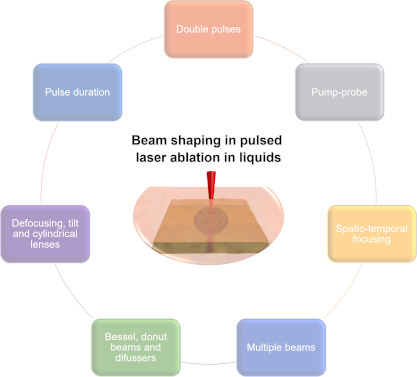
Beam shaping techniques for pulsed laser ablation in liquids: Unlocking tunable control of nanoparticle synthesis in liquids
Beilstein J. Nanotechnol. 2026, 17, 309–342, doi:10.3762/bjnano.17.22


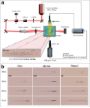





Durable antimicrobial activity of fabrics functionalized with zeolite ion-exchanged nanomaterials against Staphylococcus aureus and Escherichia coli
Beilstein J. Nanotechnol. 2026, 17, 262–274, doi:10.3762/bjnano.17.18
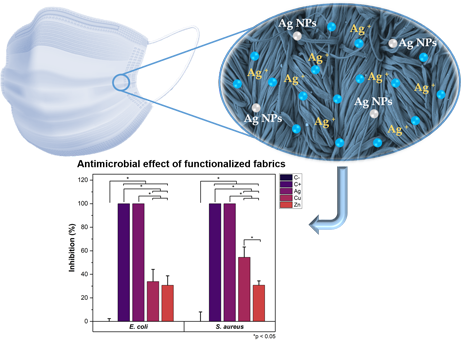
- functionalization. This method demonstrates a simple and industry-compatible approach for producing durable antimicrobial cotton fabrics. Keywords: antimicrobial activity; Escherichia coli; fabrics functionalization; ion exchange; nanomaterial; Staphylococcus aureus; zeolite; Introduction The development of
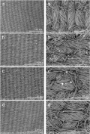
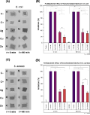
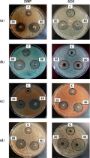
- /CBV-600 in Figure 2b, Cu/CBV-600 in Figure 2c, and Zn/CBV-600 in Figure 2d) were incorporated into the fabric, small, well-dispersed particles were observed on the textile surface. Panoramic micrographs of the functionalized fabrics showed varying degrees of nanomaterial aggregation: Ag/CBV-600 > Cu
- were found for Zn/CBV-600-bramante (Figure 2d) with uniform dispersion of nanomaterials on the fabric surface. Note, that the changes in the degree of aggregation may be attributed to the nature of the nanomaterial. The functionalization of fabrics with acrylic resin as a binder allowed for the




Micro- and nanoscale effects in biological and bioinspired materials and surfaces
Beilstein J. Nanotechnol. 2026, 17, 214–217, doi:10.3762/bjnano.17.14
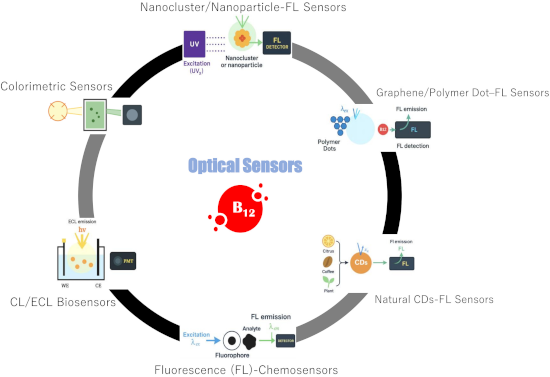
- detection of vitamin B12. The reviewed approaches, with a particular focus on bioinspired and nanomaterial-based platforms, address the needs for fast, reliable, and noninvasive detection of specific nutrients in food industry and pharmaceutics. This thematic issue offers a distinctive set of new concepts
Safe and sustainable by design with ML/AI: A transformative approach to advancing nanotechnology
Beilstein J. Nanotechnol. 2026, 17, 176–185, doi:10.3762/bjnano.17.11
- (SSbD) framework, which integrates safety considerations throughout the nanomaterial lifecycle, from design to disposal [12][13][14]. The SSbD concept is closely aligned with the EC Joint Research Centre SSbD framework , the European Chemical Industry Council (Cefic) “Safe and Sustainable by Design
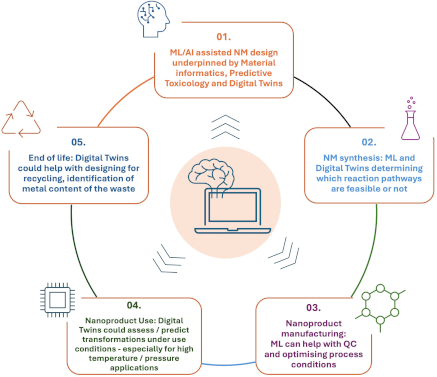
- , temperature, surface coating) on nanomaterial behaviour in complex biological or ecological systems [27]. Examples of AI implications within the NM life cycle are depicted in Figure 1. Crucially, these AI-driven methods harmonize with the SSbD frameworks by embedding safety and sustainability considerations
- networks, where standardized information on nanomaterial properties and toxicity profiles can be used to train increasingly robust ML models. Overall, the synergy between the SSbD concept, advanced ML/AI algorithms, and comprehensive regulatory directives fosters a future-oriented model of nanotechnology


Internal 3D temperature mapping in biological systems using ratiometric light-sheet imaging and lipid-coated upconversion nanothermometers
Beilstein J. Nanotechnol. 2025, 16, 2306–2316, doi:10.3762/bjnano.16.159
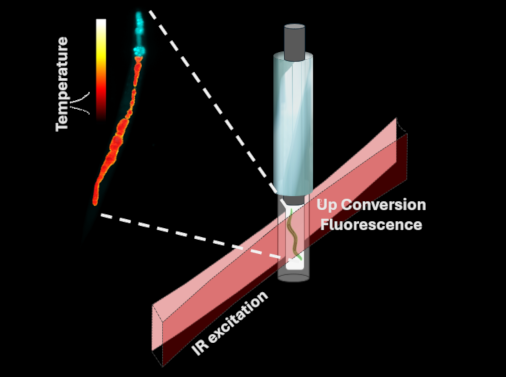
- ability to map temperature with high spatial resolution is a critical tool for probing disease mechanisms, potentially aiding in diagnostics and therapeutic evaluation. To address these limitations, luminescent nanomaterial-based thermometers (LNTs) have emerged as promising alternatives for biological


Optical bio/chemical sensors for vitamin B12 analysis in food and pharmaceuticals: state of the art, challenges, and future outlooks
Beilstein J. Nanotechnol. 2025, 16, 2207–2244, doi:10.3762/bjnano.16.153


Missing links in nanomaterials research impacting productivity and perceptions
Beilstein J. Nanotechnol. 2025, 16, 2168–2176, doi:10.3762/bjnano.16.149
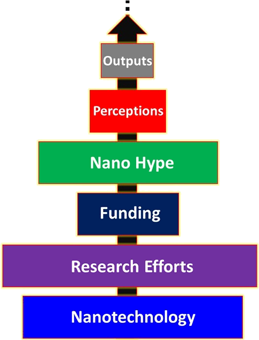
- branches of science and engineering. Importantly, all of these studies are directly related to the creation of nanomaterials aimed at delivering much higher efficiency for specific applications compared to their conventional counterparts. In this way, progress in nanomaterial research has seen a remarkable
- now visualize materials at molecular and atomic scales with unprecedented resolution. Without the demands of nanomaterials research, such advancements in instrumentation and methodology would likely have taken much longer to emerge. Notably, nanomaterial research not only has expanded the
- , and metallurgy background have been exceptional at understanding and uncovering fundamental insights into nanomaterials. They have pioneered breakthroughs and developed most of the essential tools required to industrialize nanomaterial-based products. However, they have largely not focused on the
Microplastic pollution in Himalayan lakes: assessment, risks, and sustainable remediation strategies
Beilstein J. Nanotechnol. 2025, 16, 2144–2167, doi:10.3762/bjnano.16.148
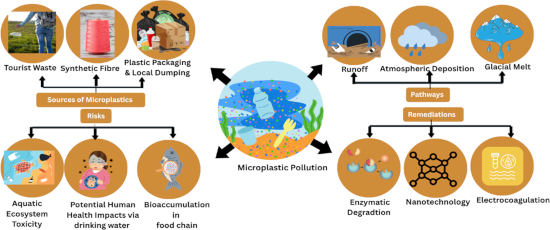
- degrading enzymes from biofilms with nanomaterial carries can enhance MP degradation under cold, UV-rich conditions [47]. Such synergies offer sustainable MP removal in remote high-altitude lakes. Future work should explore their performance under freeze–thaw cycles, low sunlight penetration, and high
- -altitude pH variability. 6 Nanomaterial applications in microplastic remediation 6.1 Role of photocatalysis in degradation Photocatalysis uses nanomaterials to break down MPs by converting light energy, often UV or visible light, into ROS. These ROS, which include superoxide anions and hydroxyl radicals
- Case studies of nanomaterial efficiency The effectiveness of nanomaterials in the remediation of MPs has been confirmed in numerous experimental studies and real-world practical applications. Jeyaraj et al. found that after 12 h of UV irradiation, TiO2 nanoparticles degraded PP MPs with an efficiency


Toward clinical translation of carbon nanomaterials in anticancer drug delivery: the need for standardisation
Beilstein J. Nanotechnol. 2025, 16, 2092–2104, doi:10.3762/bjnano.16.144
- improve the reproducibility and comparability of results across studies and to facilitate the regulatory approval of carbon nanomaterial-based drug delivery systems. Model therapeutics in nanocarrier development Chemotherapy drugs are designed to kill rapidly dividing cancer cells by disrupting their cell
- nanomaterial has been defined in the EU’s Recommendation on the Definition of a Nanomaterial (originally defined in 2011/696/EU, and updated in 2022/C 229/01) [45]. In regulating the definition, it was intended to capture the unique properties and potential risks associated with materials at the nanoscale
- evaluation of carbon nanomaterial-based nanocarriers for targeted anticancer therapeutic delivery. Selected international standards and guidelines relevant to the characterisation, nomenclature, and evaluation of nanomaterials. Summary of select regulatory frameworks across USA, EU, UK and Japan governing



Laser ablation in liquids for shape-tailored synthesis of nanomaterials: status and challenges
Beilstein J. Nanotechnol. 2025, 16, 1963–1997, doi:10.3762/bjnano.16.137
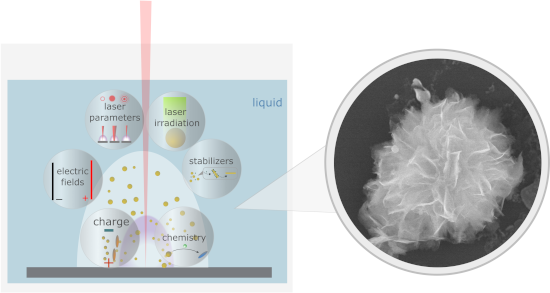
- of their impact on the conditions for anisotropic NP formation and growth. The description of the methods developed for the control over nanomaterial morphology is summarized by the vision of the current challenges and development routes of laser ablation in liquids. Keywords: laser ablation in
- solvents including methanol. The authors explained the influence of the methanol environment on the nanomaterial shape by attributing it to chemical reactions between iron and methanol molecules, which resulted in the formation of goethite (FeO(OH)) and subsequently led to nanowire growth: Since iron oxide




Current status of using adsorbent nanomaterials for removing microplastics from water supply systems: a mini review
Beilstein J. Nanotechnol. 2025, 16, 1837–1850, doi:10.3762/bjnano.16.127
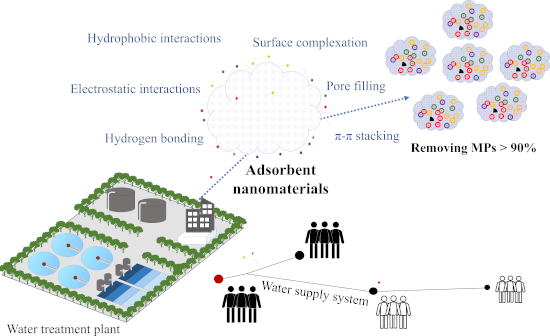
- ]. Modifying a cellulose nanofiber aerogel, Zhuang et al. showed the ability for MP removal with an improved adsorption capacity of 146.38 mg·g−1 for MPs [90]. Thus, while conventional methods remain practical and widely applied, nanomaterial-based strategies demonstrate superior effectiveness. Despite proving
- efficiency, potential nanomaterial leaching raises environmental concerns, leading to the necessity for risk assessments to ensure safe integration into water treatment processes. Risk assessment of adsorbent nanomaterials The use of adsorbent nanomaterials has shown promise for removing MPs from aqueous
- nanomaterials. Numerous adverse health effects, such as inflammation, gastrointestinal disorders, cellular toxicity, and genetic damage, are linked to nanomaterial accumulation, as shown in many studies [115]. Furthermore, the application of biosolids containing nanomaterials to agricultural soils can lead to


Exploring the potential of polymers: advancements in oral nanocarrier technology
Beilstein J. Nanotechnol. 2025, 16, 1751–1793, doi:10.3762/bjnano.16.122
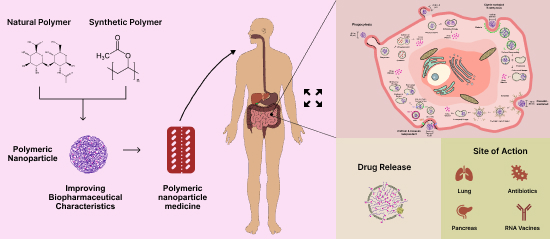
- chitosan conjugates with other biopolymers. Alginate (Figure 4b) is among the most extensively studied biopolymers for forming conjugates with chitosan, as its anionic character complements chitosan’s cationic properties, resulting in a more stable nanomaterial. Additionally, alginate is water-soluble


Nanotechnology-based approaches for the removal of microplastics from wastewater: a comprehensive review
Beilstein J. Nanotechnol. 2025, 16, 1607–1632, doi:10.3762/bjnano.16.114
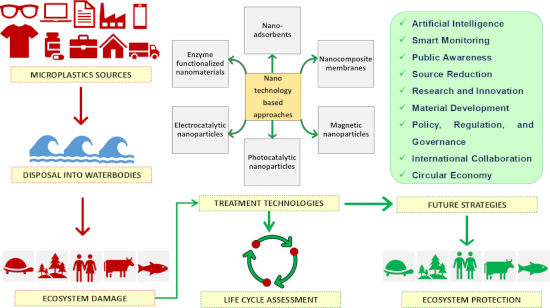
- contaminated with MPs. Meanwhile, a higher cost of these adsorbents limit their use for the removal of MPs [82]. Research is actively exploring alternative adsorbents, with a particular focus on nanomaterial-based options. Among these, carbon nanotubes (CNTs), nanoscale metals, nanocomposites, and metal oxides
- , and Tx represents surface functional groups like oxygen, fluorine, hydroxy, or hydrogen. MXenes are synthesized by selective removal of A-layers with elements from group IIIA or IVA, such as aluminium or silicon, from a parent material. This process results in a nanomaterial with an expansive surface


Nanomaterials for biomedical applications
Beilstein J. Nanotechnol. 2025, 16, 1499–1503, doi:10.3762/bjnano.16.105
- conditions such as cancer, neurological disorders, and infections. Quantum dots are a widely studied type of nanomaterial used in biomedical diagnostics. When these semiconductor particles are exposed to light, they strongly and stably emit fluorescence. Unlike regular dyes, quantum dots do not quickly fade
Laser processing in liquids: insights into nanocolloid generation and thin film integration for energy, photonic, and sensing applications
Beilstein J. Nanotechnol. 2025, 16, 1428–1498, doi:10.3762/bjnano.16.104
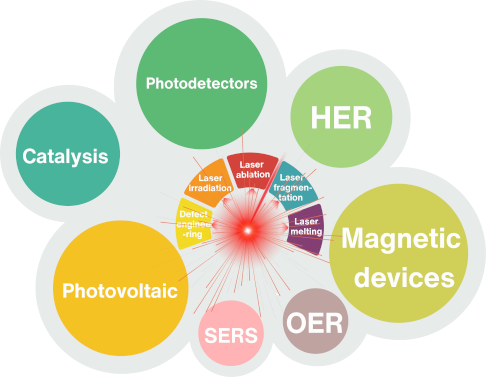
- pulses of varying durations (nanoseconds, picoseconds, and femtoseconds), the influence of laser parameters (wavelength, fluence, and pulse duration) and surrounding environments on the morphology of nanostructures focusing on nanomaterial synthesis and their applications in sensing and photonics. The
- nanomaterial synthesis and device fabrication [28]. 1.2 Laser fragmentation in liquids Laser fragmentation in liquids (LFL) is an innovative and environmentally friendly technique that offers precise control over the size and distribution of NPs and atomic clusters. This method involves the use of short-pulse
- potential of laser irradiation for nanomaterial synthesis. Laser processing techniques such as ablation, fragmentation, and melting in liquids have shown tremendous potential in the fabrication and modification of nanomaterials for a wide range of applications. These methods offer distinct advantages






Photochemical synthesis of silver nanoprisms via green LED irradiation and evaluation of SERS activity
Beilstein J. Nanotechnol. 2025, 16, 1417–1427, doi:10.3762/bjnano.16.103
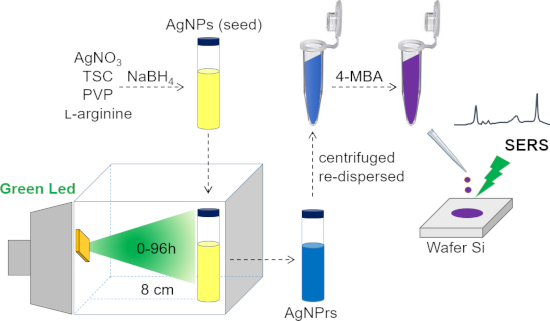
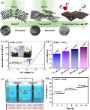
- C–H stretching modes [21][22]. These findings demonstrate the SERS-enhancing capability of the silver nanomaterials synthesized in this study. The SERS enhancement effect of each nanomaterial was evaluated based on the intensity of the 1589 cm−1 peak. Overall, AgNPrs exhibited significantly stronger


Crystalline and amorphous structure selectivity of ignoble high-entropy alloy nanoparticles during laser ablation in organic liquids is set by pulse duration
Beilstein J. Nanotechnol. 2025, 16, 1141–1159, doi:10.3762/bjnano.16.84
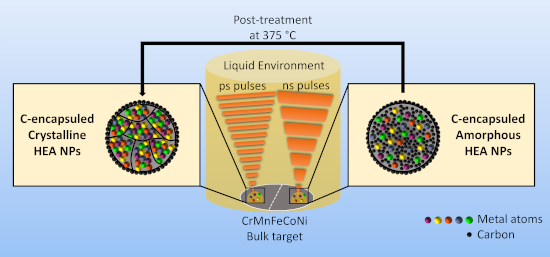
- alloy nanoparticles is a prerequisite for further development of nanomaterial fabrication methods for applications in heterogeneous catalysis and magnetism. This suitability has been shown in earlier studies for high-entropy alloy nanoparticles, including laser-generated HEA NPs, in the application




Time-resolved probing of laser-induced nanostructuring processes in liquids
Beilstein J. Nanotechnol. 2025, 16, 968–1002, doi:10.3762/bjnano.16.74
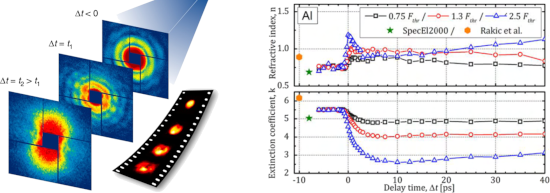
- ultrafast phenomena, enabling precise control of material properties [55][56][57][58]. This advancement has catalyzed new directions in nanomaterial processing and synthesis, such as producing controlled NPs through ultrafast laser–matter interactions. A notable example is the production of monodisperse NPs


Changes of structural, magnetic and spectroscopic properties of microencapsulated iron sucrose nanoparticles in saline
Beilstein J. Nanotechnol. 2025, 16, 762–784, doi:10.3762/bjnano.16.59
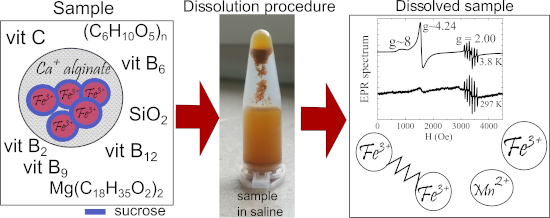
- with different Néel temperatures (400 K, 250–300 Κ, and 77 K for α, β, and γ polymorphs, respectively), while in the case of ferrihydrite, which is in fact an unstable form of FeO(OH) and exists only as a nanomaterial, a canted antiferromagnetic structure is expected [16]. There are many other iron