


Search results
Search for "nanoparticle" in Full Text gives 757 result(s) in Beilstein Journal of Nanotechnology. Showing first 200.
Room-temperature NO2 sensing performance of ZnO/Ti3C2Tx heterojunctions
Beilstein J. Nanotechnol. 2026, 17, 1159–1169, doi:10.3762/bjnano.17.79
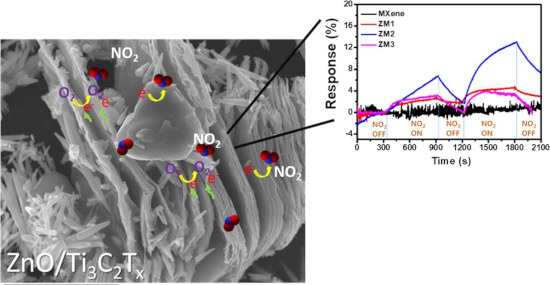
- MXene-derived TiO2, demonstrating robust NO2 sensing performance [23]. Similarly, Sun et al. employed Co3O4 nanoparticle-based polyethyleneimine-functionalized Ti3C2Tx nanosheets, showcasing exemplary sensing response characteristics and rapid response/recovery times towards NO2 gas [24]. Furthermore, n





A redox-responsive viologen–cavitand nanocarrier for dual-function photodynamic therapy
Beilstein J. Nanotechnol. 2026, 17, 1142–1158, doi:10.3762/bjnano.17.78
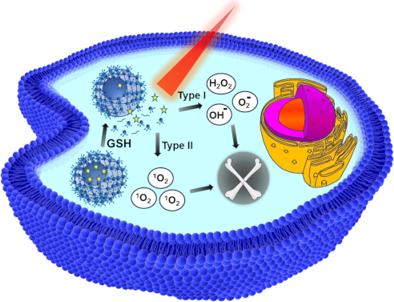
- feature. It incorporates disulfide crosslinks derived from BAC. These bonds remain stable in circulation but undergo rapid cleavage in the presence of elevated GSH. This triggers the disassembly of the nanoparticle core and the release of encapsulated THPP. DLS analysis revealed GSH-triggered disassembly
- of empty p(MVCA-BAC). After 1 h with 8 mM GSH, the hydrodynamic diameter increased to 122 ± 14 nm (number distribution), indicating a structural transition (Supporting Information File 1, Figure S1A). This demonstrates that reductive disulfide cleavage degrades the dense nanoparticle core into looser
- induced by the metabolic stress of active nanoparticle endocytosis [41]. In sharp contrast, light activation (650 nm, 60 mW, 3 min at 49 h) triggered immediate and massive cell death: ≥95% of cells were eliminated within 2 h (red trace). This rapid photodynamic ablation matches the kinetics observed with


Biosynthesis, characterization, and biofunctional assessment of niobium oxide nanostructures obtained using lactic acid bacteria-derived supernatants
Beilstein J. Nanotechnol. 2026, 17, 1128–1141, doi:10.3762/bjnano.17.77
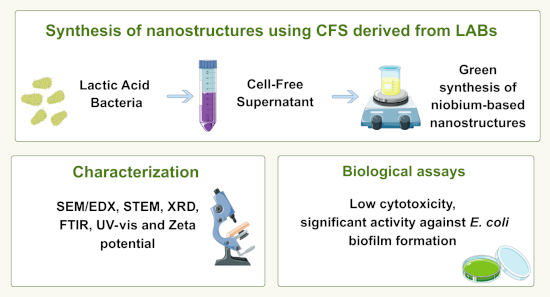
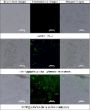
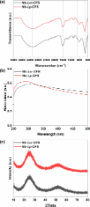
- , cell-free approach using supernatants derived from lactic acid bacteria (LAB) Lacticaseibacillus rhamnosus and Lacticaseibacillus paracasei UFTM 2.9. The use of LAB supernatants provided an eco-friendly and sustainable route for nanoparticle production, avoiding toxic reagents while exploiting
- nanoparticle agglomerates rather than individual particles, reflecting the tendency of these nanostructures to aggregate in aqueous suspension. Similar behavior has been reported by Cao et al. [40], who observed that zinc oxide nanoparticles with different morphologies and particle sizes ranging from
- nanoparticle interface. In addition, organic and polymeric species are known to affect the distribution of ions near the slipping plane, influencing the measured zeta potential [42]. In this context, the results reflect a moderately charged surface and provide information on the dispersion behavior of the


Facile synthesis of platinated DNA nanoparticles with radiosensitizing potential
Beilstein J. Nanotechnol. 2026, 17, 1117–1127, doi:10.3762/bjnano.17.76
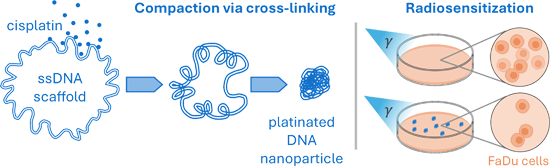
- -term shelf life in unbuffered environments. Experimental Nanoparticle synthesis Solvent exchange to H2O was first performed on a 100 nM, 100 μL p7249 scaffold supplied in 10 mM Tris buffer with 1 mM EDTA (Tilibit nanosystems) by centrifugal filtration through 100 kDa molecular weight cut-off Amicon
- nanoparticle samples were diluted to 6 nM in a 10 μL solution. Two microliters of 6× DNA gel loading dye (Thermo Scientific) was then added to the solution and mixed properly before loading into the gel wells. The gel was then run at 100 V for 35 min at room temperature under 0.5× TAE buffer. Stability
- experiments at elevated temperatures and in serum-supplemented buffer For stability tests at different temperatures, platinated DNA nanoparticle and pure ssDNA scaffold solutions (12 nM) were heated up to the desired temperature (23, 50, 60, 70, 80, and 90 °C) in a heating block and allowed to stay at that


Breaking barriers: nanosystems to overcome solubility and permeability challenges of second-generation tyrosine kinase inhibitors
Beilstein J. Nanotechnol. 2026, 17, 1063–1086, doi:10.3762/bjnano.17.73
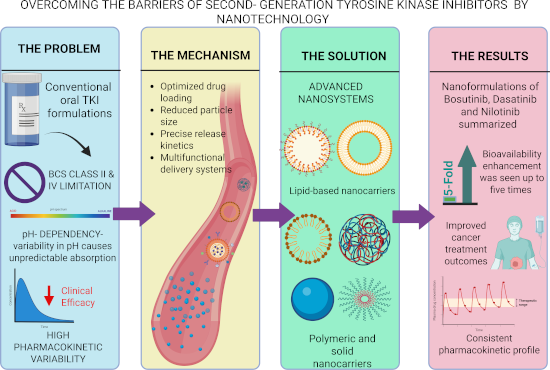
- nanoparticles have been developed in which graphene oxide–magnetic nanoparticle sediments were sequentially coated three times with a poly(lactic-co-glycolic acid) (PLGA)-based polymeric gel containing NTB, polyvinylpyrrolidone, and polyethene glycol (PEG). The resulting core–triple-shell nanoparticles
- exhibited sustained, gradual drug release over a prolonged period [39]. Poly(lactic-co-glycolic acid) is one of the most widely used Food and Drug Administration (FDA)-approved biocompatible polymers in polymeric nanoparticle-based drug delivery systems as its ester hydrolysis provides predictable biphasic


Ultrasonic irradiation in the synthesis of nanohydroxyapatite: a chemically friendly technique for improving hemocompatibility and antibiofilm applications
Beilstein J. Nanotechnol. 2026, 17, 991–1015, doi:10.3762/bjnano.17.68
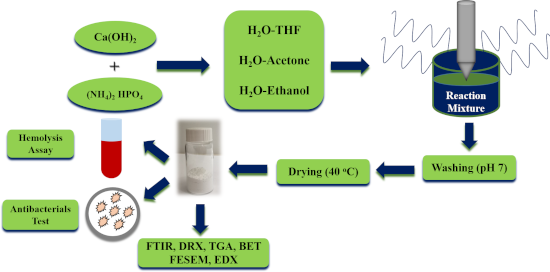
- Section III of Supporting Information File 1. The adsorption of a substrate onto the nanoparticle surface within a biological environment is governed by factors such as hydrophobicity, chemical structure, and particle size. In this study, this parameter is of critical importance as it directly influences




Development of Protium heptaphyllum essential oil-loaded nanocapsules: experimental design and biological activity
Beilstein J. Nanotechnol. 2026, 17, 974–990, doi:10.3762/bjnano.17.67
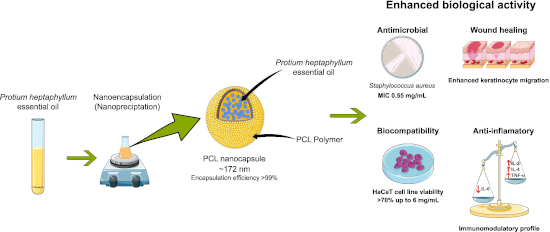
- for interfacial properties, which are inherently influenced by dynamic surface phenomena such as surfactant rearrangement and charge distribution at the nanoparticle interface [16]. The lack-of-fit test was not significant (p = 0.078), confirming adequate model specification (Supporting Information




Materials challenges in solid-state sensors for continuous monitoring of ions in water
Beilstein J. Nanotechnol. 2026, 17, 935–973, doi:10.3762/bjnano.17.66
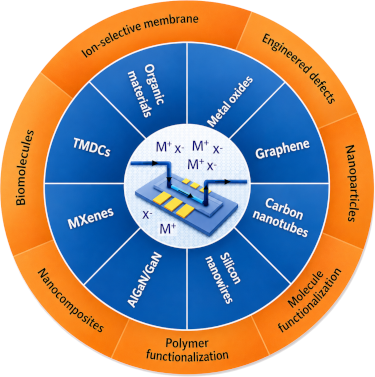
- through strategies such as defect engineering, nanoparticle doping, surface functionalization with organic molecules, or incorporation of advanced recognition elements like metal–organic frameworks, covalent organic frameworks, ion-imprinted polymers, and biomaterials. Hybrid nanocomposites and ion



Nanocarrier strategies to overcome P-glycoprotein-mediated drug resistance in cancer therapy
Beilstein J. Nanotechnol. 2026, 17, 882–921, doi:10.3762/bjnano.17.64
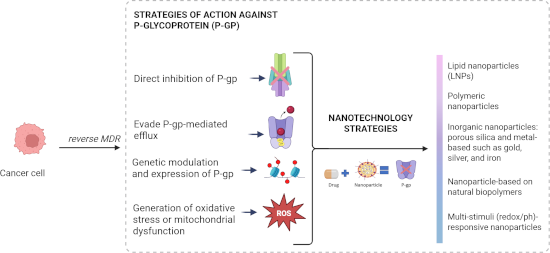
- -scale manufacturing requirements, and regulatory complexity. Overall, nanoparticle-mediated modulation of P-gp represents a promising strategy toward precision oncology, although future success will depend on scalable design, mechanistic standardization, and biomarker-guided clinical implementation
- reduces the cytosolic availability of chemotherapeutics independently of P-gp, but pH-responsive nanocarriers engineered for endosomal escape indirectly address this barrier. EMT-associated phenotypic shifts alter membrane composition and uptake pathways in ways that affect nanoparticle internalization
- contributed to the clinical failure of several generations of pharmacological P-gp inhibitors. Against this backdrop, nanoparticle-based drug delivery has emerged as a mechanistically distinct strategy. By encapsulating chemotherapeutic agents within nanocarriers that exploit endocytic uptake pathways


Nanoparticle delivery systems for HIV pre-exposure prophylaxis (PrEP): advances and challenges
Beilstein J. Nanotechnol. 2026, 17, 839–853, doi:10.3762/bjnano.17.60
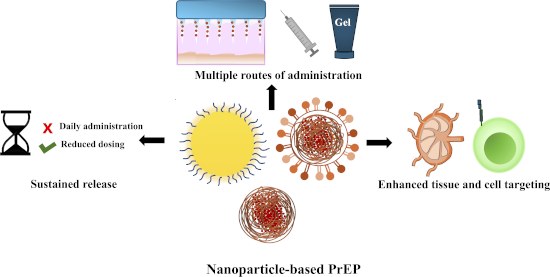
- provide protection over extended periods of time after a single treatment. Nanoformulations and nanoparticle delivery strategies play an important role in achieving long acting (LA)-PrEP. This manuscript reviews emerging nanoparticle delivery platforms for LA-PrEP with a particular focus on four distinct
- classes of nanomaterials, namely, polymeric nanoparticles, lipid-based nanoparticles, inorganic nanoparticles, and hybrid nanoparticles. Nanoparticle design considerations and targeting strategies for the individual classes are examined, and the opportunities and challenges for the different nanomaterials
- approaches in the context of LA-PrEP are discussed. Keywords: HIV; nanoparticle; PrEP; targeted delivery; Review Introduction The facts that an estimated 40.8 million people are currently living with HIV and new infections occur at a rate of approx. 1.3 million per year underline that HIV/AIDS is still a


Restorative potential of laser-synthesized silver nanoparticles with Salvia officinalis for periodontal disease treatment: an in vitro study
Beilstein J. Nanotechnol. 2026, 17, 781–795, doi:10.3762/bjnano.17.55
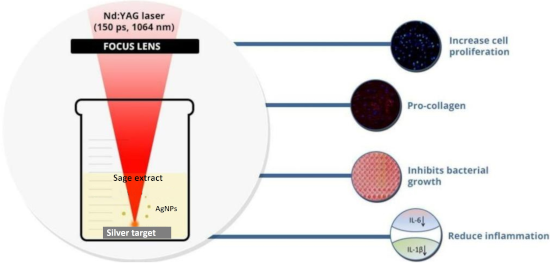
- not utilized in the nanoparticle synthesis itself. Importantly, none of these studies reported the exact silver concentrations used in treatments, which limits the assessment of their safety and potential clinical applicability. We have previously demonstrated that sage leaf extract obtained by
- ) was prepared prior to nanoparticle synthesis, as previously described [13]. Commercially available S. officinalis leaves (Serial No. 23380723, Institute of Medicinal Plant Research “Dr Josif Pančić”, Belgrade, Serbia) were ground, infused with boiling water, and cooled to room temperature. The extract
- energy on nanoparticle synthesis. The laser beam was focused through a lens having a focal length of 15.2 cm with the target placed at 16.2 cm from this lens, that is, under slightly defocused conditions. An automated x–y translation stage ensured continuous movement of the target during ablation so that



Environmental applications of silver nanoparticles: state-of-the-art review and emerging trends
Beilstein J. Nanotechnol. 2026, 17, 697–736, doi:10.3762/bjnano.17.49
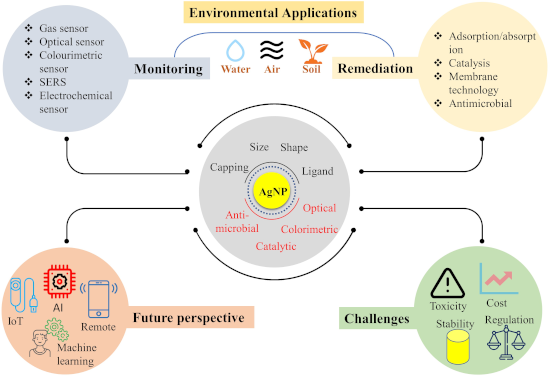
- five transduction modalities, including colourimetric/UV–vis LSPR, SERS, electrochemical, fluorometric, and gas sensing, covering a broad range of analytes considered as environmental pollutants. Key challenges, including nanoparticle aggregation, long-term colloidal instability, synthesis
- nanoparticle characterisation and safety assessment, specific maximum contaminant levels or environmental quality standards for engineered AgNPs are largely absent. Several reviews have addressed individual aspects of the environmental use of AgNPs, including antimicrobial applications, heavy-metal sensing
- producing highly pure materials without the use of chemical reagents. However, the techniques lack monodispersed nanoparticle distributions [40]. Green methods employing plant and their parts extracts, microorganisms, or biopolymers as reducing and capping agents have gained increasing attention due to


Molecular engineering of individual dye-based nanoparticle photostability for ultrabright two-photon fluorescence
Beilstein J. Nanotechnol. 2026, 17, 688–696, doi:10.3762/bjnano.17.48
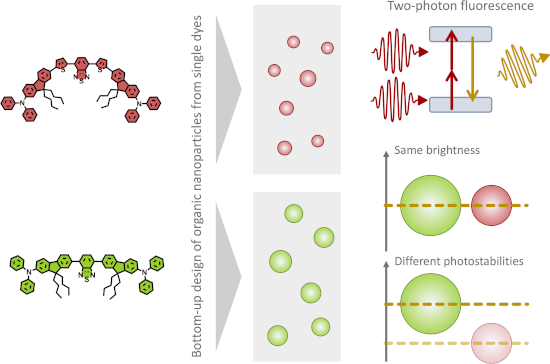
- hydrophobic dye molecules. Their most notable asset is their exceptional brightness, which is the product of their one- or two-photon absorption cross sections, their fluorescence quantum yield, and the number of dye molecules per nanoparticle [1]. Thanks to the ultimate confinement of a large number of dye
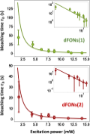
- localization precision of around 3 nm. In this article, we will show in particular that the dFONs brightness is larger than the sum of the brightnesses of the individual dyes. We experimentally demonstrate that 2P absorption from an individual dye is much more efficient in the nanoparticle than in solution
- . This effect can be explained by a local-field correction factor in the nanoparticle. However, one of the main challenges of using organic probes such as dFONs in SPT experiments, compared to inorganic probes like gold nanoparticles [23], fluorescent nanodiamonds [24][25], quantum dots [26], or


Cellulose as a photocatalyst support material: extraction, structural features, and environmental applications
Beilstein J. Nanotechnol. 2026, 17, 635–652, doi:10.3762/bjnano.17.44
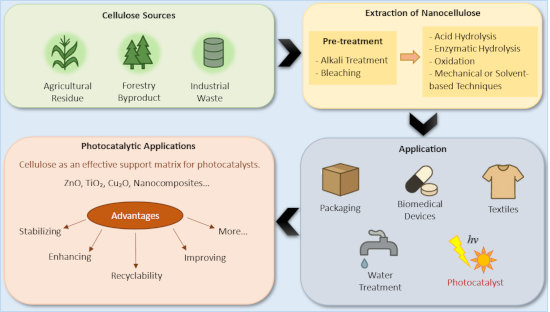
- solve a major challenge in photocatalytic treatment, which is the recovery of TiO2 from water after use, thereby making the process more efficient and easier to manage [102]. This strategy also reduces the risk of TiO2 nanoparticle contamination in treated water, an important factor in protecting human


Two-step laser synthesis of Ag@TiO2 nanomaterials for the photocatalytic degradation of rhodamine B
Beilstein J. Nanotechnol. 2026, 17, 622–634, doi:10.3762/bjnano.17.43
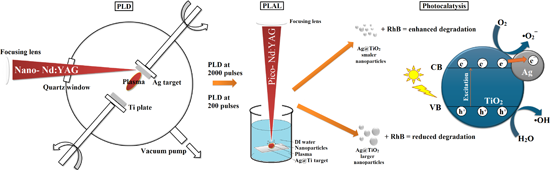
- different materials or did not include controlled metal deposition prior to nanoparticle formation, particularly when using picosecond laser ablation. In this work, we introduce a two-step strategy combining nanosecond PLD and picosecond PLAL. This approach enables controlled silver loading prior to
- nanoparticle formation, leading to improved control over nanoparticle structure and photocatalytic performance. Results and Discussion SEM analysis The surface morphology of PLD-prepared samples was analyzed using SEM-EDS (Figure 2 and Figure 3). SEM images of the sample surface after deposition of silver on
- times greater in the Ag@TiO2 2000p than in the Ag@TiO2 200p NP solution. The nanoparticle sizes and size distributions were measured using a zeta potential analyzer with dynamic light scattering (DLS). Table 2 summarizes the average dimensions of the synthesized nanoparticles. Ag@TiO2 200p and Ag@TiO2


Towards targeted drugs and next generation of nanomedicines
Beilstein J. Nanotechnol. 2026, 17, 598–601, doi:10.3762/bjnano.17.41

- future development. Bioavailability is an important factor for pharmaceutical agents. Here nanoparticles have the great advantage that their physicochemical properties can be largely tailored. A hydrophobic drug can be made more water soluble by linking it to a hydrophilic nanoparticle. However, as with
- affect nanoparticle distribution and reach the target organ [24][27]. Endogenous targeting refers to the capacity of targeting acquired by nanomedicines after administration, upon adsorption on their surface of specific endogenous biomolecules. In fact, while nanomedicines are usually modified to prevent
- first lipid nanoparticle approved in the clinics for RNA delivery (in this case short interfering RNA). It was reported that this nanomedicine reaches the hepatocytes because of the adsorption of apolipoprotein E on its surface once administered, driving accumulation in the liver and promoting
Laser–material interactions in liquids for the synthesis of nanomaterials: current status and perspectives
Beilstein J. Nanotechnol. 2026, 17, 571–575, doi:10.3762/bjnano.17.38
- generation of surfactant-free, high-purity colloidal nanoparticles. Laser fragmentation in liquids (LFL), in turn, involves the irradiation of colloidal micro- or nanoparticle suspensions with high-intensity pulses above the fragmentation threshold, leading to size reduction through photomechanical or
- changes in atomic structure, enabling defect engineering [20]. The broad materials library accessible through LSPC, combined with the wide range of laser, target, and solvent parameters, creates a complex multidimensional optimization space governing nanoparticle size, internal structure, composition, and
- synthesis productivity [21]. This complexity has driven major efforts within the LSPC community toward elucidating the roles of the solvent environment [6][22], target geometry [23], and irradiation conditions [24] in nanoparticle formation. Advancing these efforts requires a fundamental understanding of
Probing internal continua and atomic ultrafast charge transfer within size-controlled nanoparticles by post-collision interaction in core-hole clock spectroscopy
Beilstein J. Nanotechnol. 2026, 17, 505–514, doi:10.3762/bjnano.17.33
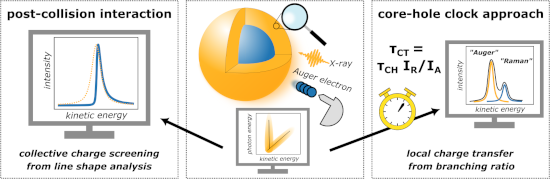
- CdSe core, in addition to charge transfer happening solely within the shell, overshadowing possible small effects imposed by quantum confinement. Also, the novel aspect of PCI involving the internal continuum of the respective size-controlled nanoparticle is reflected in the spectral line shape
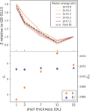
- difference between the pronounced fluctuations between the relative charge transfer times (Figure 2b) and the smooth trend of the relative asymmetry factors (Figure 4, top). While the asymmetry and the PCI effect are mostly governed by the screening and, thus, the overall electron density of the nanoparticle
- within the nanoparticle. The inset highlights the asymmetric PCI line shape in comparison to the symmetric Voigt profile. Charge transfer times of the core–shell nanoparticles (CdSe core diameter 3.5 nm) with different ZnS double-layer shell thicknesses (1, 2, 7, 11, 15 DL). (a) Raman fraction fR and



Upcycling agroindustrial waste into graphene oxide supports for gold nanoparticles: toward sustainable nanomaterials
Beilstein J. Nanotechnol. 2026, 17, 489–504, doi:10.3762/bjnano.17.32
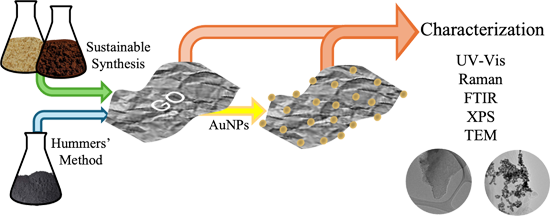
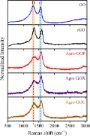
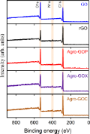
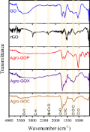
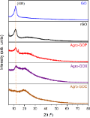
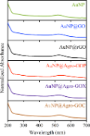
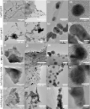
- as substrates for AuNP photodeposition to evaluate how their surface chemistry governs nanoparticle nucleation and dispersion. Agro-GO@AuNPs composites demonstrate a green, circular-economy approach with promising potential for applications in sensing, diagnostics, energy storage, and separation
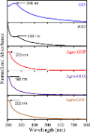
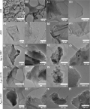
- are present throughout the basal plane, not only at edge defects, they provide abundant and readily accessible nucleation sites for AuNP formation, enabling a remarkably uniform nanoparticle distribution. AuNP@Agro-GOX (Figure 10m–p), by comparison, exhibits AuNP deposition predominantly along the



Nanocarrier-integrated multilayer films produced by 3D printing for improved skin adhesion and curcumin photostability
Beilstein J. Nanotechnol. 2026, 17, 440–453, doi:10.3762/bjnano.17.30
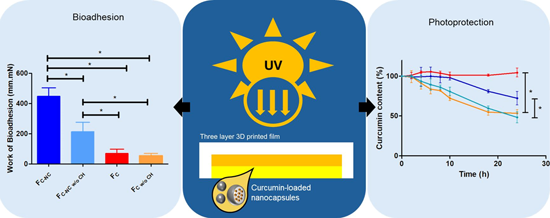
- nanoparticle aggregation. In addition, the hydrogel network acts as a steric barrier that limits nanoparticle mobility and reduces particle–particle contact during printing and drying. Previous studies have demonstrated the compatibility of SSE 3D printing with nanocarrier systems without significant loss of


Nanoinformatics: spanning scales, systems and solutions
Beilstein J. Nanotechnol. 2026, 17, 423–427, doi:10.3762/bjnano.17.28
- /features governing the cellular uptake were analysed as a basis for programming higher cellular uptake efficiency and better therapeutic response [9]. He et al. used additive AI-based approaches to identify nanoparticle systems for delivering drugs to treat neurodegenerative diseases. Their method
- delivery assays from ChEMBL and 260 nanoparticle cytotoxicity assays from journal articles on which linear discriminant analysis and artificial neural network algorithms were applied. The resulting models were effective as an initial rapid pre-screening of putative nanoparticle-based drug delivery systems

Biomimetic nanoparticles in cancer photodynamic therapy: a review of targeted delivery systems and therapeutic outcomes
Beilstein J. Nanotechnol. 2026, 17, 396–422, doi:10.3762/bjnano.17.27
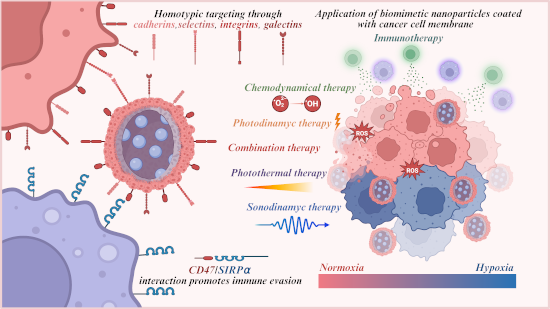
- tissue via the enhanced permeability and retention (EPR) effect, driven by tumor vasculature characteristics [10]. This enhances delivery selectivity, reducing therapeutic doses and impact on healthy tissues. The nanoparticle shell isolates the PS, reducing dark toxicity and systemic phototoxicity [11
- this biomimetic shell increased more than two times the circulation time of the carriers in the bloodstream compared to uncoated PEGylated (polyethylene glycol-coated) nanoparticles, representing the gold standard approach to nanoparticle circulation time. Since then, a wide variety of cell phenotypes
- BNPs is primarily hindered by challenges related to large-scale production, reproducibility, and quality control. The multistep fabrication process, including extraction of cellular membranes and coating of nanoparticle cores, requires careful optimization to ensure stability and consistency [53]. Cell


Beam shaping techniques for pulsed laser ablation in liquids: Unlocking tunable control of nanoparticle synthesis in liquids
Beilstein J. Nanotechnol. 2026, 17, 309–342, doi:10.3762/bjnano.17.22
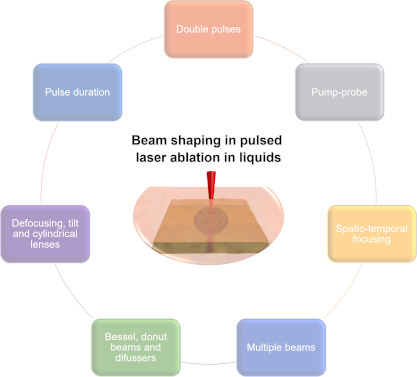
- 10.3762/bjnano.17.22 Abstract Nanoparticle synthesis via pulsed laser ablation in liquids has gained prominence as a versatile and environmentally friendly approach for producing ligand-free colloids with controlled composition, size, and morphology. While pulsed laser ablation in liquids offers
- unparalleled advantages in terms of nanoparticle purity and material versatility, enhancing the size control and productivity require modifications of the standard pulsed laser ablation in liquids technique, such as the incorporation of beam shaping techniques. Recent developments in spatial and temporal beam
- shaping have demonstrated their potential to revolutionise pulsed laser ablation in liquids by enabling more precise energy deposition and modified nanoparticle production dynamics. This review highlights the critical role of beam shaping, encompassing spatial shaping of the beam to influence laser







Durable antimicrobial activity of fabrics functionalized with zeolite ion-exchanged nanomaterials against Staphylococcus aureus and Escherichia coli
Beilstein J. Nanotechnol. 2026, 17, 262–274, doi:10.3762/bjnano.17.18
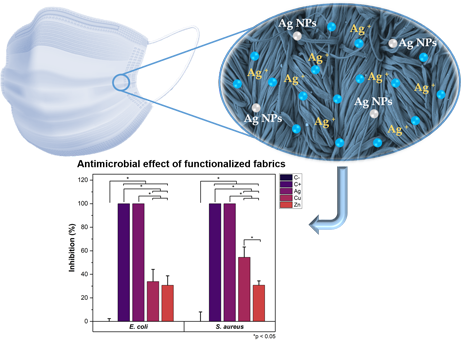
- Científica y de Educación Superior de Ensenada (CICESE), Carretera Ensenada-Tijuana, No. 3918, Zona Playitas, Ensenada 22860, México 10.3762/bjnano.17.18 Abstract Nanoparticle-based functionalization has emerged as an effective strategy to enhance the antimicrobial properties of textiles. In this study
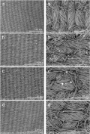
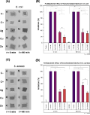
- literature [30], partial nanoparticle loss during washing is commonly reported, with slight leaching occurring after five to ten washing cycles. This loss of nanomaterial may affect its antimicrobial properties; however, the useful life of the textile with antimicrobial properties is extended. The persistent




Gold nanoparticle-decorated reduced graphene oxide as a highly effective catalyst for the selective α,β-dehydrogenation of N-alkyl-4-piperidones
Beilstein J. Nanotechnol. 2026, 17, 218–238, doi:10.3762/bjnano.17.15
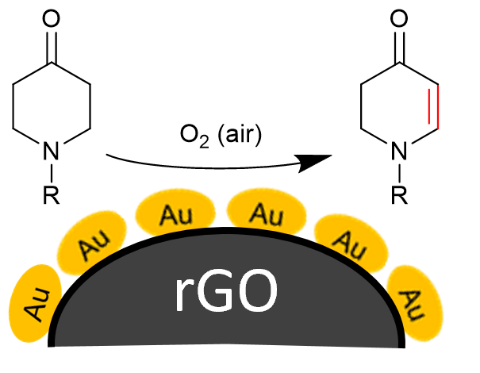
- coated with strong ligands that provide initial stability over time, ligand desorption, ligand exchange, or environmental factors such as pH and ionic strength can weaken the protective layer, leading to nanoparticle aggregation or structural degradation [14][15]. An important aspect of expensive noble
- volume. These features provide a more favorable environment for mass transport, reactant diffusion, and nanoparticle dispersion, making rGO a more effective catalyst support, so we expect a better catalytic activity with rGO. In addition to the morphological and textural properties of carbon supports
- gold nanoparticle suspension. The presence of AuNPs was confirmed by the appearance of a localized surface plasmon resonance (LSPR) band in the visible wavelength range, with a maximum absorbance at λmax = 519 nm (Figure 4a). The hydrodynamic radius (HD) by number-weighted distribution of dynamic light





