


Search results
Search for "optimization" in Full Text gives 453 result(s) in Beilstein Journal of Nanotechnology. Showing first 200.
Development of Protium heptaphyllum essential oil-loaded nanocapsules: experimental design and biological activity
Beilstein J. Nanotechnol. 2026, 17, 974–990, doi:10.3762/bjnano.17.67
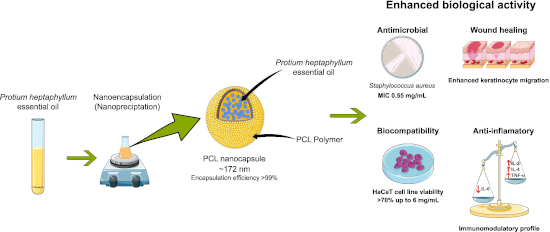
- [31][32]. Oxygenated compounds, including terpenic alcohols, ketones, and aromatic aldehydes, were detected in low concentrations, but should not be disregarded, given their potential contribution to the oxidative stability and sensorial properties of the oil. Formulation optimization Table 2 presents
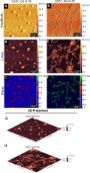
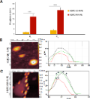
- significant (p = 0.492) (Supporting Information File 1, Table S2) with an adequate precision of 18.91. This indicates that the models adequately describe the experimental data. Furthermore, TEM analysis was performed to confirm the morphology and structural integrity of the nanocapsules prior to optimization
- that it is not structurally invalid, but was not used for the optimization. Importantly, all PDI values remained below 0.3, indicating homogeneous systems and relatively narrow size distributions across all formulations. Therefore, PDI was considered as a qualitative indicator of dispersion homogeneity




Materials challenges in solid-state sensors for continuous monitoring of ions in water
Beilstein J. Nanotechnol. 2026, 17, 935–973, doi:10.3762/bjnano.17.66
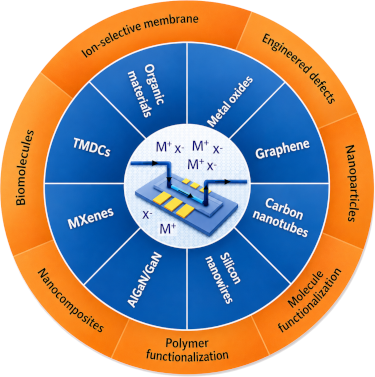
- enhances regulatory compliance, enables rapid response to contamination events, and supports process optimization and environmental protection in ways that intermittent grab sampling cannot [37][66] (Table 2). Device geometries To meet the increasing demand for real-time and in situ analysis, electrical
- concentration according to the Nernst relation. This potential modulates the graphene surface potential, shifting its Fermi level and producing a measurable Dirac point displacement (ΔVDirac) in the transfer characteristics. Optimization of the graphene channel geometry and ISM thickness enhances the device



Nanocarrier strategies to overcome P-glycoprotein-mediated drug resistance in cancer therapy
Beilstein J. Nanotechnol. 2026, 17, 882–921, doi:10.3762/bjnano.17.64
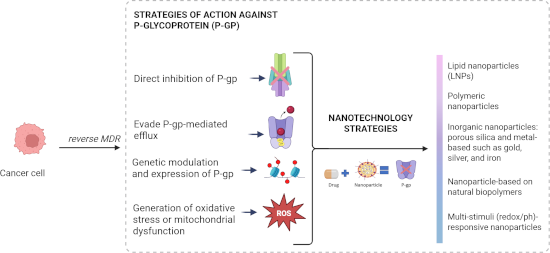
- contingent upon various criteria, including the physicochemical characteristics of the medication, the intended delivery route, and the specified release profile. Both techniques have substantial benefits in improving therapeutic effectiveness and reducing side effects, with their optimization being an


He+ FIBID-fabricated 3D AFM tip architectures: an exploratory study of hollow pillars, helices, and spirals
Beilstein J. Nanotechnol. 2026, 17, 863–871, doi:10.3762/bjnano.17.62
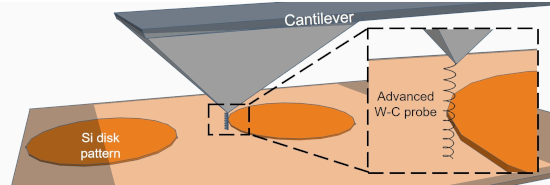
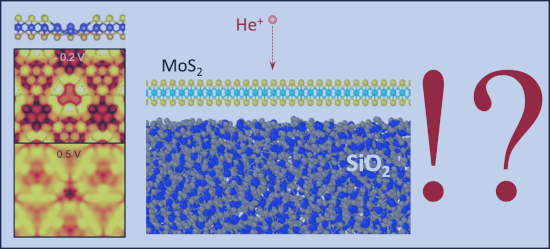
- during the initial approach or early scanning stages, highlighting current limitations in robustness and reproducibility. These results show that complex He+ FIBID-grown nanoarchitectures can operate as AFM probes under basic test conditions, while also making clear that substantial optimization is still


Light-driven ammonia electrooxidation via carbon nitride–ruthenium molecular interfaces
Beilstein J. Nanotechnol. 2026, 17, 854–862, doi:10.3762/bjnano.17.61
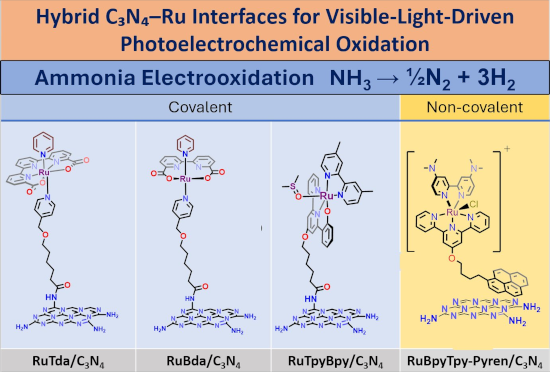
- parameter space available for hybrid photoelectrode optimization [4][5]. From the perspective of the antenna analogy introduced in section B, C3N4 occupies the role of the photosensitizer in the hybrid system. It absorbs visible light, generates electron–hole pairs, and transports these charge carriers to


Nanoparticle delivery systems for HIV pre-exposure prophylaxis (PrEP): advances and challenges
Beilstein J. Nanotechnol. 2026, 17, 839–853, doi:10.3762/bjnano.17.60
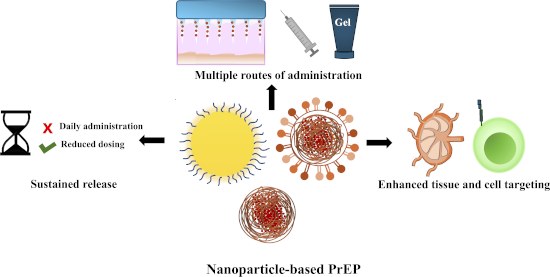
- degradability, they too require careful optimization to balance efficacy and safety. Overall, inorganic nanoparticles occupy a distinct niche in HIV PrEP research, offering multifunctionality and precision but requiring cautious evaluation for translational use. Hybrid nanoparticles Hybrid nanoparticles are
- gain in versatility that benefits the optimization of targeting and delivery properties. In closing, we summarize the versatility of nanoparticle applications for PrEP by highlighting selected examples from the four reviewed nanoparticle categories in Table 2. Nanoparticle-enhanced administration and


Superconducting artificial neural networks and quantum circuits
Beilstein J. Nanotechnol. 2026, 17, 744–747, doi:10.3762/bjnano.17.51

- optimization. Artificial neural networks are commonly divided into two main classes: software-based and hardware-based implementations. Software neural networks are realised as programs running on conventional computing platforms and utilizing standard computational resources. Typical examples include photo
Oxidative atmosphere-driven formation of single-phase spinel CuRh2O4 nanofibers for alkaline water oxidation
Beilstein J. Nanotechnol. 2026, 17, 737–743, doi:10.3762/bjnano.17.50
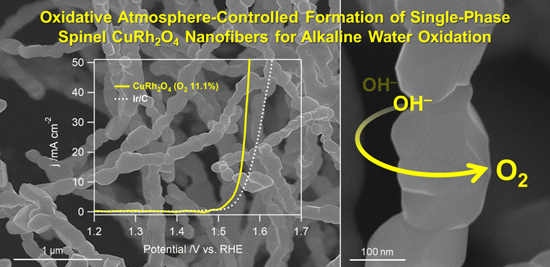
- versatile strategy for performance optimization. Incorporation of 4d transition metals such as Rh into the spinel lattice provides an effective approach to further tailor catalytic properties. The presence of Rh3+ [4][5], with its more delocalized electronic structure compared to conventional 3d cations
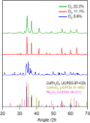
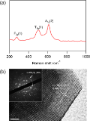
- CuRh2O4 nanofibers exhibited excellent electrocatalytic activity toward the oxygen evolution reaction in 1 M NaOH. This study highlights oxygen-atmosphere engineering as a critical parameter for the reproducible synthesis and performance optimization of Cu-based spinel oxide electrocatalysts for alkaline




Decontamination from water pollutants and pathogens by electrospun nanofibers doped with heavy-atom-free borafluorene-BODIPY photosensitizers
Beilstein J. Nanotechnol. 2026, 17, 668–682, doi:10.3762/bjnano.17.46
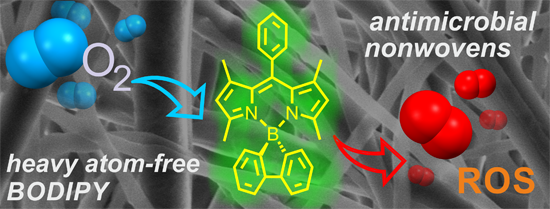
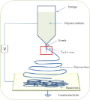
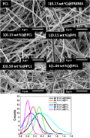
- successfully incorporated into electrospun polymeric nanofibers. Optimization of the material composition revealed that polycaprolactone (PCL), an FDA- and EMA-approved, biodegradable, easily accessible, and cost-efficient polymer, doped with BODIPY at a concentration of only 0.15 wt %, is an efficient



afspm: A framework for manufacturer-agnostic automation in scanning probe microscopy
Beilstein J. Nanotechnol. 2026, 17, 653–667, doi:10.3762/bjnano.17.45
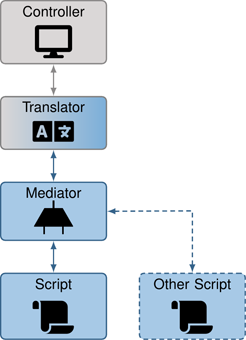
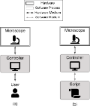
- separate tasks may require microscope control. This is notably the case for tasks that involve monitoring and fixing issues detected during an experiment: Correcting for thermal drift, characterizing the tip, and optimization feedback parameters all fit within this category. To simplify automation of this




Recent progress in enhancing built-in electric fields of perovskite solar cells via junction engineering
Beilstein J. Nanotechnol. 2026, 17, 602–621, doi:10.3762/bjnano.17.42
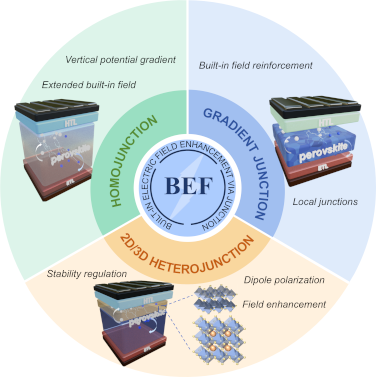
- introduce additional barriers that hinder carrier extraction [13]. Achieving effective enhancement and rational optimization of the BEF through structural design has become a central research focus for improving both the efficiency and stability of PSCs [14]. Therefore, a reexamination of junction
- fields. These effects facilitate directional transport and prolong carrier lifetimes. Therefore, the rational construction and optimization of generalized junctions to enhance the built-in electric field have become a key research direction for improving the efficiency and stability of PSCs, laying the
- , precise design and optimization of various junction structures have effectively strengthened the BEF, leading to higher PCEs. The discussion focuses on the contributions of homojunctions, gradient junctions, and 2D/3D heterojunction strategies to BEF enhancement and concludes with a summary of the main



Laser–material interactions in liquids for the synthesis of nanomaterials: current status and perspectives
Beilstein J. Nanotechnol. 2026, 17, 571–575, doi:10.3762/bjnano.17.38
- changes in atomic structure, enabling defect engineering [20]. The broad materials library accessible through LSPC, combined with the wide range of laser, target, and solvent parameters, creates a complex multidimensional optimization space governing nanoparticle size, internal structure, composition, and
Electrochemical determination of ciprofloxacin using a MIL-101/reduced graphene oxide-modified electrode
Beilstein J. Nanotechnol. 2026, 17, 541–554, doi:10.3762/bjnano.17.35
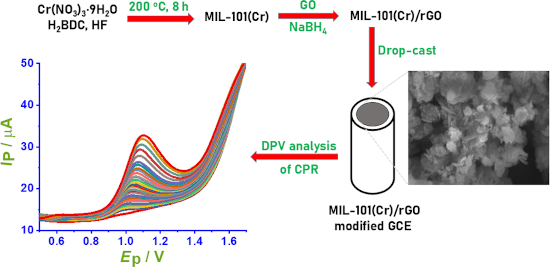
- electrochemical oxidation of CPR at the modified electrode likely involves a two-electron, two-proton transfer process, aligning with previously reported electrochemical oxidation mechanisms of CPR [31]. The proposed oxidation pathway of CPR is schematically illustrated in Scheme 1. Optimization of DPV parameters


Upcycling agroindustrial waste into graphene oxide supports for gold nanoparticles: toward sustainable nanomaterials
Beilstein J. Nanotechnol. 2026, 17, 489–504, doi:10.3762/bjnano.17.32
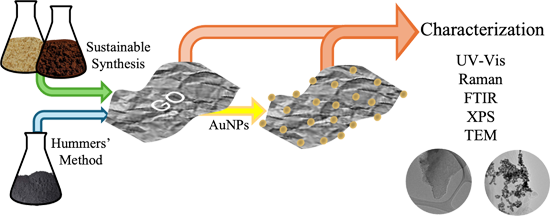
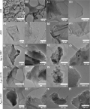
- present results suggest several directions for future work. In addition to extending the ferrocene-assisted strategy to a broader range of agroindustrial residues, systematic optimization of pyrolysis parameters, particularly temperature and treatment time, will be essential to evaluate their influence on
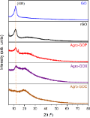
- functionalization and precursor-dependent modulation of sp2-hybridized carbon domains. Such process tuning, combined with optimization of ferrocene loading and post-treatment conditions, could enhance structural reproducibility and facilitate eventual scale-up for industrially relevant applications, where




Defects and defect-mediated engineering of two-dimensional materials: challenges and open questions
Beilstein J. Nanotechnol. 2026, 17, 454–488, doi:10.3762/bjnano.17.31





Biomimetic nanoparticles in cancer photodynamic therapy: a review of targeted delivery systems and therapeutic outcomes
Beilstein J. Nanotechnol. 2026, 17, 396–422, doi:10.3762/bjnano.17.27
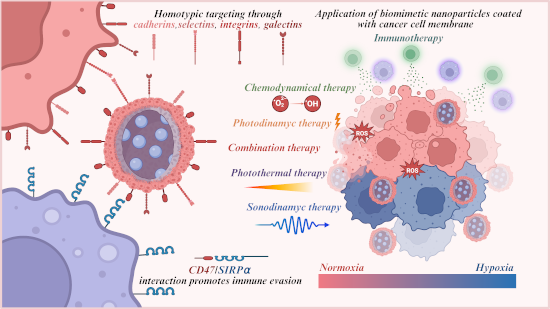
- BNPs is primarily hindered by challenges related to large-scale production, reproducibility, and quality control. The multistep fabrication process, including extraction of cellular membranes and coating of nanoparticle cores, requires careful optimization to ensure stability and consistency [53]. Cell


Fast vortex dynamics and relaxation times in NbRe-based heterostructures
Beilstein J. Nanotechnol. 2026, 17, 292–302, doi:10.3762/bjnano.17.20
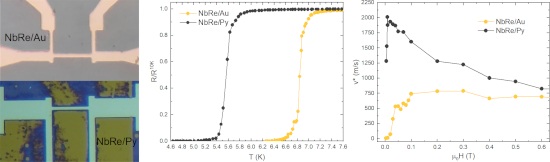
- optimization of superconducting quantum technologies, including superconducting detectors [10][11][12], superconducting qubits [13][14], and superconducting nano- and microstrips used in high-speed electronics [15], as well as for the development of hybrid architectures enabling magnon–fluxon interactions [16
- ]. The enhancement of vortex dynamics and the reduction of τE are strongly linked to the optimization of quasiparticle relaxation mechanisms. Excited quasiparticles can relax primarily through two processes, namely thermal electron–phonon (e–ph) interaction and electron–electron (e–e) recombination [1


Advancing nanolithography: a comprehensive review of materials for local anodic oxidation with AFM
Beilstein J. Nanotechnol. 2026, 17, 275–291, doi:10.3762/bjnano.17.19
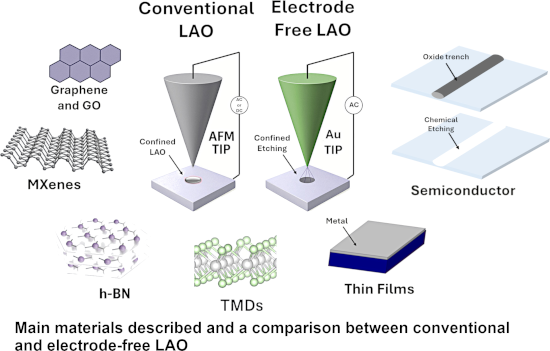
- achieve desired nanostructures. Notably, a study by Zhang et al. [126] introduced a semantic segmentation framework that automates the evaluation of nanolithography results, significantly accelerating the optimization of process conditions and parameters. By integrating such ML-based frameworks, LAO


Structure-dependent thermochromism of PAZO thin films: theory and experiment
Beilstein J. Nanotechnol. 2026, 17, 186–199, doi:10.3762/bjnano.17.12
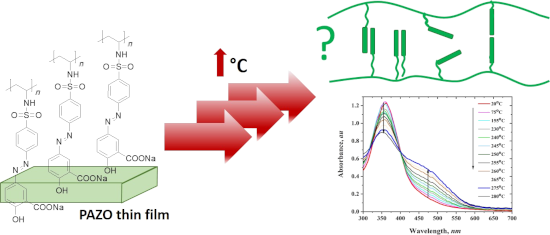
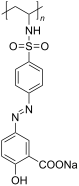
- or meta-GGA functionals are desirable for geometry optimization, but considering a polymer with a realistic length would make the calculation too long and, therefore, expensive. On the other hand, the properties of the material (polymer), including crystallinity, density and solubility, are
- , therefore, long-range correction is the best strategy for enhancing the accuracy of the Kohn–Sham method in the calculations of weakly bonded systems [28]. The computations were performed with the 6-31G(d,p) basis set for all atoms [29][30]. The geometry optimization of each structure was followed by


Safe and sustainable by design with ML/AI: A transformative approach to advancing nanotechnology
Beilstein J. Nanotechnol. 2026, 17, 176–185, doi:10.3762/bjnano.17.11
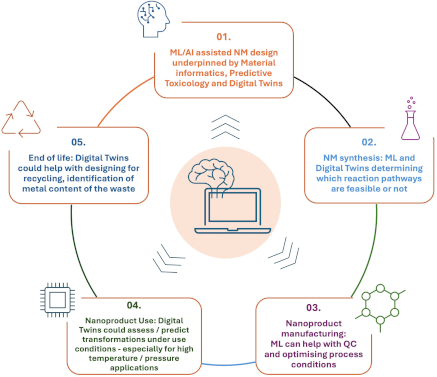
- synthesis routes, and minimized toxicity. Moreover, digital twins contribute a real-time, iterative layer of validation and optimization, enabling researchers to virtually explore a variety of scenarios – from nanoparticle–protein interactions to environmental dispersion without ever having to synthesize
- and optimization of functionality, safety, and sustainability across the entire life cycle of a material, from design and production to use and disposal. Realizing this vision requires more than FAIR data principles alone; it necessitates harmonized data sheets for key toxicological and


Influence of surface characteristics on the in vitro stability and cell uptake of nanoliposomes for brain delivery
Beilstein J. Nanotechnol. 2026, 17, 139–158, doi:10.3762/bjnano.17.9
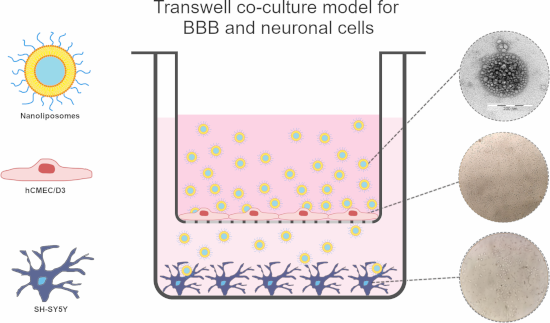
- incomplete uptake, are suitable adjustments in the incubation time, temperature, and NL concentration, as well as pH and ion concentrations. Optimization of these factors is essential for accurate identification of transport mechanisms, like diffusion or receptor-mediated endocytosis, also reflecting the





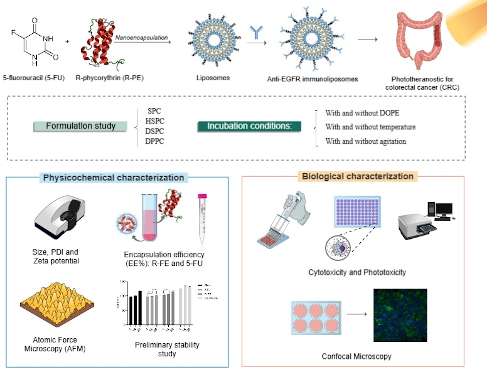
Development and in vitro evaluation of liposomes and immunoliposomes containing 5-fluorouracil and R-phycoerythrin as a potential phototheranostic system for colorectal cancer
Beilstein J. Nanotechnol. 2026, 17, 97–121, doi:10.3762/bjnano.17.7
- protein corona formation under physiological conditions [63]. These findings highlight the importance of surface characterization by AFM in the development and optimization of nanoparticles. 3.4 Fourier-transform infrared spectroscopy assays The FTIR spectra obtained for the formulations showed the



Geometry-controlled engineering of the low-temperature proximity effect in normal metal–superconductor junctions
Beilstein J. Nanotechnol. 2025, 16, 2265–2273, doi:10.3762/bjnano.16.155
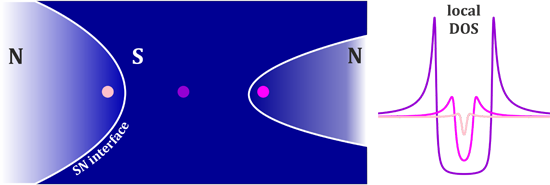
- interface governs the transparency of the clean NS junction and thus influences the proximity effect. These results deepen our understanding of how geometry and the proximity effect interact, which is important for the design and optimization of superconducting hybrid devices. Keywords: Bogoliubov–de


Optical bio/chemical sensors for vitamin B12 analysis in food and pharmaceuticals: state of the art, challenges, and future outlooks
Beilstein J. Nanotechnol. 2025, 16, 2207–2244, doi:10.3762/bjnano.16.153
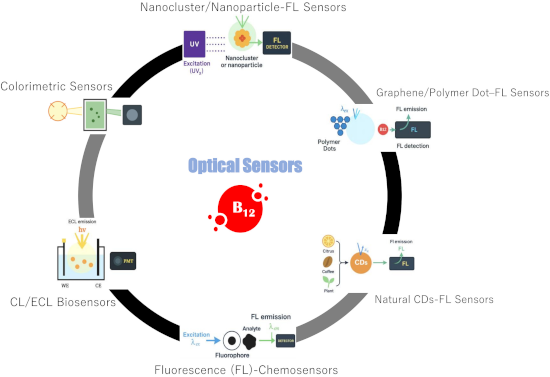
- μg/mL in food), they emphasized performing an optimization study to reach a lower acceptable LOD for the regulatory standard [77]. Kumudha et al. characterized the HPLC peak of extracts of VB12 obtained from the green microalgae Chlorella vulgaris using MS/MS, selected ion recording, and multiple
- nanosphere lithography on a glass slide. It greatly improved the conversion of near-NIR light to UV light, achieving a notable increase in UV light intensity (i.e., six times higher at 344 nm) when stimulated with a NIR light at 980 nm using a low power density of about 13 W/cm2. The process optimization was


Electromagnetic study of a split-ring resonator metamaterial with cold-electron bolometers
Beilstein J. Nanotechnol. 2025, 16, 2199–2206, doi:10.3762/bjnano.16.152
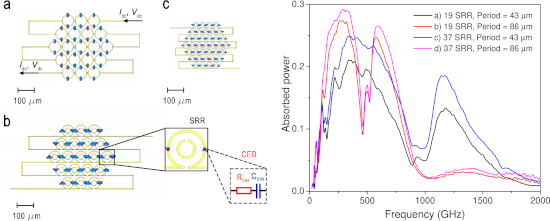
- the dynamic range and complicating the optimization of noise-equivalent power (NEP). There have been proposals to integrate multiple sensing elements directly into the structure of a log-periodic antenna [28][29][30]. While promising, such designs face significant challenges in implementation. The
- challenging to realize within the constrained geometry of a single-feed log-periodic antenna. Conclusion In this work, we have presented a comprehensive electromagnetic study on the design and optimization of a metamaterial receiver based on split-ring resonators integrated with cold-electron bolometers. The





