


Search results
Search for "performance" in Full Text gives 1177 result(s) in Beilstein Journal of Nanotechnology. Showing first 200.
Sustainable fabrication of 2D-based devices through reuse of substrates with microfabricated electrodes
Beilstein J. Nanotechnol. 2026, 17, 818–827, doi:10.3762/bjnano.17.58
- signatures of the transferred 2D material, retain a largely homogeneous surface-potential distribution, and preserve comparable electrical performance after reuse. By extending the lifetime of pre-patterned chips, this approach can reduce substrate consumption and lower the cost of 2D device prototyping
- and identified optimal techniques that allow for their reuse in electrochemical applications, preserving electrode performance [20]. Furthermore, Fakhr et al. explored cleaning methods for gold electrodes on diverse substrates and found that chemical treatments such as KOH and H2O2 effectively restore
- /substrate interface. In liquid-phase exfoliation (LPE) [25][26], polar aprotic solvents such as NMP and dimethylformamide (DMF) [27] have long been recognized as effective solvents for layered materials [28][29]. In this work, both NMP and DMF deliver strong cleaning performance under our post-transfer


Glycerol photoelectrochemical oxidation reaction at carbon nitrides/BiVO4 materials
Beilstein J. Nanotechnol. 2026, 17, 806–817, doi:10.3762/bjnano.17.57
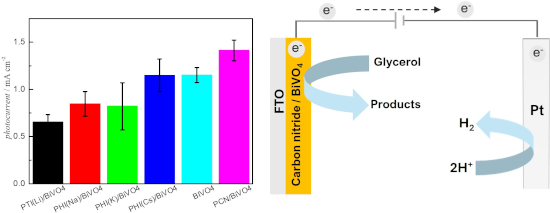
- )/BiVO4. The SEM-EDS analysis after electrochemical tests revealed that the presence of crystalline CNs induces the segregation of vanadium oxides, contributing to a decrease in activity. On the other hand, the superior performance of PCN/BiVO4 is attributed to a greater thermal stability of PCN during
- performance in various applications [13][14]. In contrast, crystalline carbon nitrides, namely PHI and PTI, exhibit superior molecular organization, greater stability, and enhanced functional properties. PHI is composed of heptazine units linked through nitrogen bridges, resulting in a pseudohexagonal 2D
- structural modifications, varying degrees of crystallinity, and consequently, distinct photocatalytic performance [17][18][19][20][21]. Another strategy to bypass the sluggish kinetics of water oxidation involves employing different processes to deliver the electrons necessary for H2 production. In this





Restorative potential of laser-synthesized silver nanoparticles with Salvia officinalis for periodontal disease treatment: an in vitro study
Beilstein J. Nanotechnol. 2026, 17, 781–795, doi:10.3762/bjnano.17.55
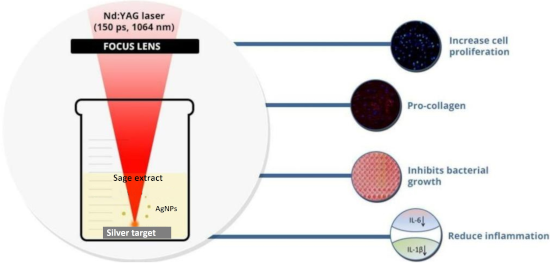
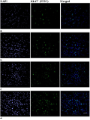
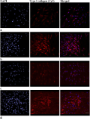
- concentration of selected phenolic acids was analyzed. Analysis of selected phenolic acids in sage extract Sage extract was dissolved in deionized water, homogenized, and used to determine the content of selected phenolic acids, that is, vanillic, caffeic, ferulic, and rosmarinic acids using high-performance



Superconducting artificial neural networks and quantum circuits
Beilstein J. Nanotechnol. 2026, 17, 744–747, doi:10.3762/bjnano.17.51

- Anatolie S. Sidorenko Technical University of Moldova, Chisinau 2004, Republic of Moldova 10.3762/bjnano.17.51 Keywords: artificial neural networks; high-performance computing; Josephson junctions; superconducting digital technologies; superconducting quantum circuits; ultra-low energy
- dissipation while simultaneously increasing performance. The future of high-performance computing with reduced energy consumption is closely associated with technologies characterised by ultra-low energy dissipation. A highly promising approach is the implementation of artificial neural networks using
Oxidative atmosphere-driven formation of single-phase spinel CuRh2O4 nanofibers for alkaline water oxidation
Beilstein J. Nanotechnol. 2026, 17, 737–743, doi:10.3762/bjnano.17.50
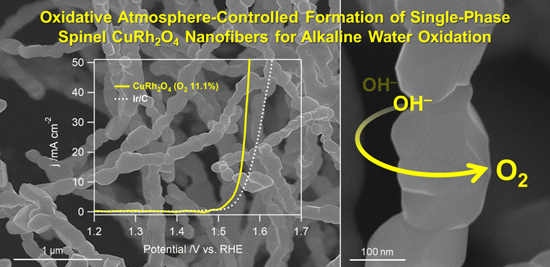
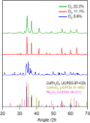
- concentration in the He carrier gas flow during the annealing process, the optimal atmosphere was identified to produce phase-pure CuRh2O4. The as-prepared CuRh2O4 nanofibers exhibited excellent electrocatalytic performance toward the oxygen evolution reaction in 1.0 M NaOH (aq), highlighting the importance of
- versatile strategy for performance optimization. Incorporation of 4d transition metals such as Rh into the spinel lattice provides an effective approach to further tailor catalytic properties. The presence of Rh3+ [4][5], with its more delocalized electronic structure compared to conventional 3d cations
- critical role of phase purity in catalytic performance. Notably, the optimized CuRh2O4 nanofibers outperform commercial Ir/C and IrO2, benchmark catalysts for alkaline OER, requiring a lower potential of 1.53 V (vs RHE) to reach 10 mA·cm−2 compared to 1.57 V for Ir/C and exhibiting comparable performance




Environmental applications of silver nanoparticles: state-of-the-art review and emerging trends
Beilstein J. Nanotechnol. 2026, 17, 697–736, doi:10.3762/bjnano.17.49
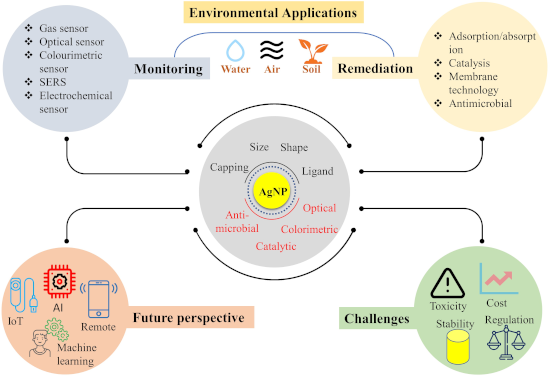
- performance; however, direct cross-study comparison remains challenging owing to differences in synthesis routes, capping agents, test matrices, and reporting conventions. While general trends (e.g., smaller spherical AgNPs typically exhibiting stronger antimicrobial activity and greater LSPR sensitivity) are
- well-defined mechanistic pathways that must be explicitly distinguished to interpret performance data. In dark catalytic (reductive) reactions, such as the NaBH4-mediated reduction of 4-nitrophenol or azo dyes, AgNPs function as electron-relay platforms: Borohydride ions adsorb onto the Ag surface
- design of next-generation environmental catalysts. However, various parameters, such as pH, temperature, catalyst dose, and pollutant concentration, are important in designing nanoparticle-based catalytic applications. Importantly, many high-performance examples cited above involve Ag-containing


Molecular engineering of individual dye-based nanoparticle photostability for ultrabright two-photon fluorescence
Beilstein J. Nanotechnol. 2026, 17, 688–696, doi:10.3762/bjnano.17.48
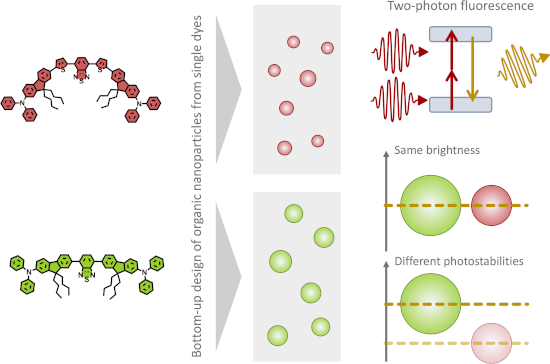
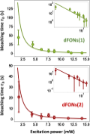
- , CentraleSupélec, LuMIn, 91190 Gif-sur-Yvette, France 10.3762/bjnano.17.48 Abstract Dye-based fluorescent organic nanoparticles (dFONs) represent a promising class of bioimaging probes combining high brightness with molecular tunability. While their fluorescence performance is well established for one-photon


Protein-based custom-designed molecular nanotraps for biomedical applications
Beilstein J. Nanotechnol. 2026, 17, 683–687, doi:10.3762/bjnano.17.47
- reproducibility of bioMIPs. This may result in limited robustness and a degree of unpredictability in the performance of the resulting bioMIPs. In addition, the use of naturally derived biomaterials for intended biomedical applications requires access to controlled and reproducible protein sources. Achieving

Decontamination from water pollutants and pathogens by electrospun nanofibers doped with heavy-atom-free borafluorene-BODIPY photosensitizers
Beilstein J. Nanotechnol. 2026, 17, 668–682, doi:10.3762/bjnano.17.46
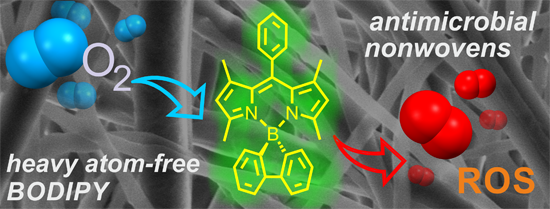
- the concentration of 1, but rather by the diffusion rate of oxygen. It should be also noted that 1(0.50 wt %)@PCL exhibits higher fluorescence quantum yield (QYF = 26%) than 1(1.00 wt %)@PCL (QYF = 21%), despite similar photocatalytic performance. This indicates that, at higher concentrations, the non
- -radiative processes may be more efficient due to the possible aggregation effects. To further examine the performance of the electrospun photoactive fibers, we have conducted photocatalytic decontamination experiments involving two additional pharmaceutical agents, namely, ranitidine and propranolol. For
- , but this is probably caused by the nature of the experiment, as the performance of the materials may vary to some extent due to the various positioning of the material in the vial. Nonetheless, these results demonstrate the high durability of the material, maintaining its activity even after 20 cycles



Cellulose as a photocatalyst support material: extraction, structural features, and environmental applications
Beilstein J. Nanotechnol. 2026, 17, 635–652, doi:10.3762/bjnano.17.44
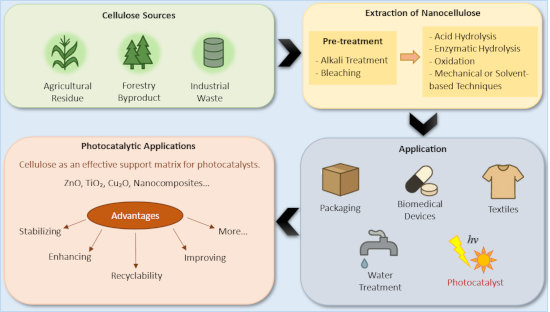
- photocatalytic systems, improving its performance under a wide range of light sources. Moreover, cellulose-supported systems often show enhanced recyclability and mechanical durability, making them suitable for repeated use in wastewater treatment and environmental remediation. The relationship between
- water treatment performance as shown in Figure 2 [14]. Photocatalytic degradation is an advanced oxidation process (AOP) in which a catalyst is used to accelerate the degradation or breakdown of organic pollutants in water or air using light energy. This AOP relies on the ability of the catalyst to
- at low cost, making them economically attractive [24]. CNCs combine exceptional mechanical properties with both high strength and impressive flexibility, and their dynamic mechanical performance makes them particularly promising for advanced applications. In recent years, researchers have focused on


Two-step laser synthesis of Ag@TiO2 nanomaterials for the photocatalytic degradation of rhodamine B
Beilstein J. Nanotechnol. 2026, 17, 622–634, doi:10.3762/bjnano.17.43
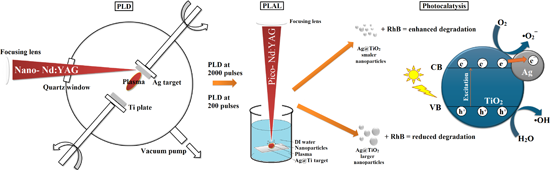
- photocatalytic performance, nanomaterials were prepared using PLAL after submerging the obtained Ag-coated Ti targets in water. The efficiency of the synthesized materials was evaluated through the degradation of rhodamine B under UV–vis light irradiation. Comprehensive structural and compositional
- ][22], laser-based methods were used for the synthesis of metal-modified oxide nanoparticles, showing that the photocatalytic performance strongly depends on synthesis conditions and metal incorporation. While some studies have explored combined laser approaches, these systems were typically based on
- nanoparticle formation, leading to improved control over nanoparticle structure and photocatalytic performance. Results and Discussion SEM analysis The surface morphology of PLD-prepared samples was analyzed using SEM-EDS (Figure 2 and Figure 3). SEM images of the sample surface after deposition of silver on


Recent progress in enhancing built-in electric fields of perovskite solar cells via junction engineering
Beilstein J. Nanotechnol. 2026, 17, 602–621, doi:10.3762/bjnano.17.42
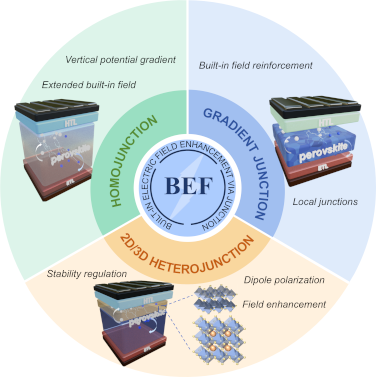
- Tong Xiao Ke Xu School of Electrical & Control Engineering, Shenyang Jianzhu University, Shenyang, China 10.3762/bjnano.17.42 Abstract The performance of perovskite solar cells (PSCs) is primarily governed by the built-in electric field (BEF), which dictates photocarrier separation, drift
- interfacial recombination [20][21]. Therefore, the formation of a strong p–n junction is an effective strategy to improve photovoltaic device performance. Nevertheless, achieving stable p-type and n-type doping in perovskites remains more difficult than in silicon because doping can introduce lattice
- interfacial compatibility are critical factors governing device performance [3][22][23]. Compared with organic hole transport layers (HTLs) such as Spiro-MeOTAD [24], PEDOT:PSS [25], and PTAA [26], which are prone to moisture absorption and exhibit poor thermal stability, inorganic materials such as CuO [27




Probing tribological evolution in atomically thin MoS2 at different scales
Beilstein J. Nanotechnol. 2026, 17, 586–597, doi:10.3762/bjnano.17.40
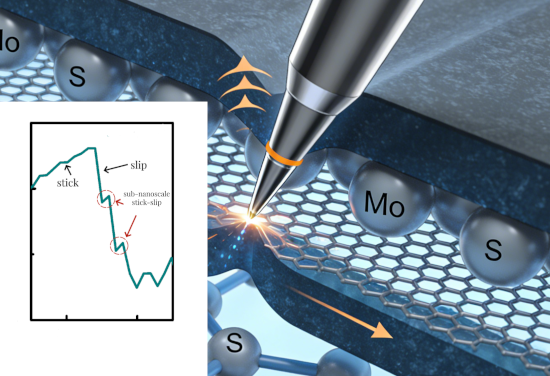
- nanoscale to sub-nanoscale, providing critical insights for designing low-friction coatings and high-performance micro/nanoelectromechanical systems (MEMS/NEMS). Keywords: atomic force microscopy; MoS2; strengthening effect; sub-nanoscale stick–slip motion; Introduction Nanoscale friction is a pivotal
- factor limiting the performance and reliability of nanotechnology-enabled devices, including magnetic storage systems and micro/nanoelectromechanical systems (MEMS/NEMS) [1][2]. Unlike macroscale friction, nanoscale friction of two-dimensional (2D) materials exhibits unique size-dependent and interface


Synthesis of Cu–Mo/TiO2 and Co–Mo/TiO2 photocatalysts for the efficient degradation of organic pollutants in water
Beilstein J. Nanotechnol. 2026, 17, 559–570, doi:10.3762/bjnano.17.37
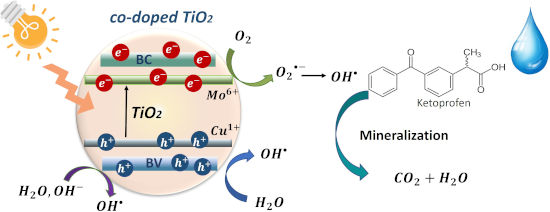
- lattice and the effects on photocatalytic performance have been reported in several studies [7][8][9][10]. Crucial factors for successfully co-doping a material are the selection of compatible co-dopants and the synthesis method to introduce the dopants [11]. The main objective of working with metal/metal
- , which in turn may improve the subsequent photocatalytic reaction [41]. Photocatalytic activity Figure 6 shows the results of the ketoprofen degradation profile obtained by high-performance liquid chromatography (HPLC). The results indicate that ketoprofen is completely converted to its intermediate



Advances in nanotechnology applied to natural products
Beilstein J. Nanotechnol. 2026, 17, 555–558, doi:10.3762/bjnano.17.36
- , and enhance functional biological performance, often by improving stability and delivery [1]. Thus, the association between nanotechnology and natural products not only drives therapeutic innovation but also redefines the role of these compounds across multiple contemporary technological domains. In
- formulations in anti-inflammatory, antiparasitic, and vector-control contexts. By protecting sensitive constituents from physicochemical degradation and promoting delivery to sites of action, nanoemulsions can enhance the functional performance of natural bioactives [4]. Their organization into nanodroplets
- physicochemical stability, increase apparent bioavailability, and modulate biological responses. In systemic delivery, microemulsions have been reported to enhance the absorption and therapeutic performance of natural compounds, with associated reductions in metabolic alterations and oxidative stress in
Electrochemical determination of ciprofloxacin using a MIL-101/reduced graphene oxide-modified electrode
Beilstein J. Nanotechnol. 2026, 17, 541–554, doi:10.3762/bjnano.17.35
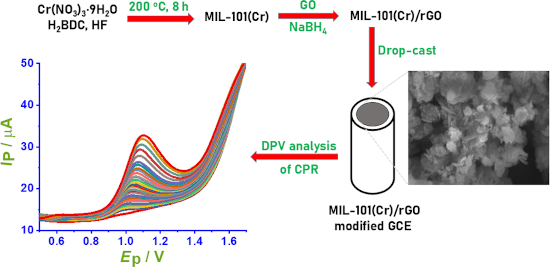
- extraction based on carbon quantum dots/zeolite imidazolate framework-90/polyvinyl pyrrolidone/iron(II,III) oxide with high-performance liquid chromatography [6][7] or chromatography–tandem mass spectrometry [8] offer high accuracy and reliability. However, these techniques often need expensive equipment
- potential for miniaturization and field use. The performance of electrochemical sensors heavily relies on the electrode’s surface properties. Recently, metal–organic frameworks (MOFs) have attracted significant interest in electrochemical sensing due to their highly ordered porous structures, very high
- electrochemical performance of the composite material. This combination can promote efficient analyte adsorption and fast charge transfer at the electrode interface. Consistent with this idea, Gu et al. reported that MIL-101/rGO composites exhibit enhanced electrocatalytic activity toward the reduction of


Probing internal continua and atomic ultrafast charge transfer within size-controlled nanoparticles by post-collision interaction in core-hole clock spectroscopy
Beilstein J. Nanotechnol. 2026, 17, 505–514, doi:10.3762/bjnano.17.33
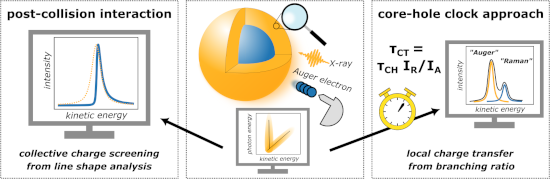
- -performance devices necessitates an understanding and control of both collective properties and characteristics that are highly sensitive to local atomic changes. Our approach allows for the observation and measurement of both types of effects within a single sample under identical conditions, thereby



Upcycling agroindustrial waste into graphene oxide supports for gold nanoparticles: toward sustainable nanomaterials
Beilstein J. Nanotechnol. 2026, 17, 489–504, doi:10.3762/bjnano.17.32
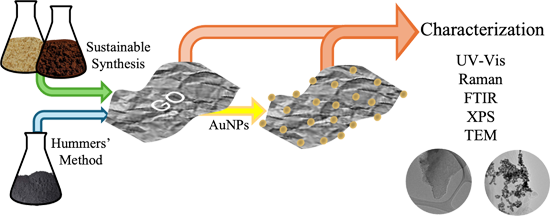
- coffee grounds; the latter are rich in carbon-containing biomolecules such as cellulose, hemicellulose, lignin, and phenolic compounds, making them ideal as carbonaceous precursors [27][28]. Given that GO is frequently hybridized with other materials to enhance its performance in several applications, it
- , and high surface area, which significantly boost performance in catalysis, sensing, and energy-related applications [30][31][32][33]. Additionally, the deposition of AuNPs onto GO is a practical approach to its surface reactivity, directly linking chemical functionality to nucleation and growth
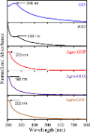
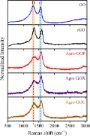
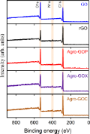
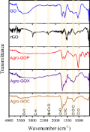
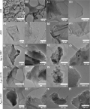
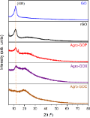
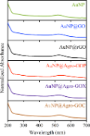
- provides clearer insight into how precursor composition and synthesis pathway govern oxygen functionality, structural disorder, and graphitic domain organization in biomass-derived GO materials. To evaluate the functional performance of the Agro-GO samples, they were employed as platforms for the in situ



Defects and defect-mediated engineering of two-dimensional materials: challenges and open questions
Beilstein J. Nanotechnol. 2026, 17, 454–488, doi:10.3762/bjnano.17.31
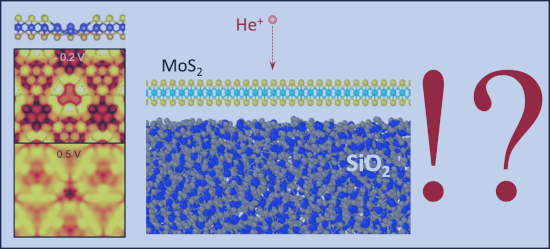
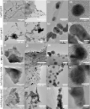
- , is already formed and positioned during growth, with at least equal performance. Preconditions for making use of the MTBs in FETs are the defined spatial positioning of the MTBs together with their inherent uniformity and perfection. The three examples highlight that we are indeed about to reach
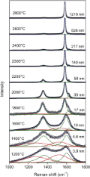
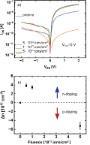
- , promise to further enhance defect characterization and accelerate the development of high-performance materials for various applications. The fundamental principle of XPS lies in its ability to probe the binding energies of core electrons, which are influenced by the local electronic environment





Nanocarrier-integrated multilayer films produced by 3D printing for improved skin adhesion and curcumin photostability
Beilstein J. Nanotechnol. 2026, 17, 440–453, doi:10.3762/bjnano.17.30
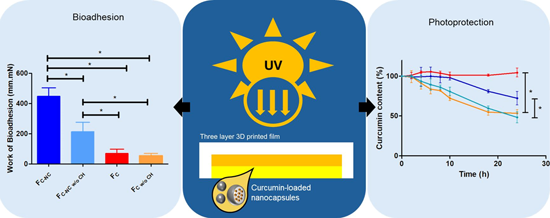
- the initial concentration of the nanocapsule suspension, V1 is the volume of the nanocapsule suspension that was used, and V2 is the final volume of the sample. Curcumin content and encapsulation efficiency The curcumin content was assayed by high-performance liquid chromatography with ultraviolet
- hydrogel network. In contrast, for FC-NC, the modified thermal event can be mainly attributed to the confinement of curcumin within the nanocarriers, which restricts molecular mobility and enhances the physical stability of the system. These structural differences are relevant to the performance of the
- nanocarrier incorporation alone, is the primary determinant of enhanced photostability. A limitation of this study is the absence of in vitro release kinetics and skin permeation data, which are essential to fully characterise the biopharmaceutical performance of the films. These experiments were not required


First-principles study on elastic properties of Cu, (Cu1−x,Nix)3Sn and interfacial mechanical properties of (Cu1−x,Nix)3Sn/Cu in the lead-free solder joint
Beilstein J. Nanotechnol. 2026, 17, 428–439, doi:10.3762/bjnano.17.29
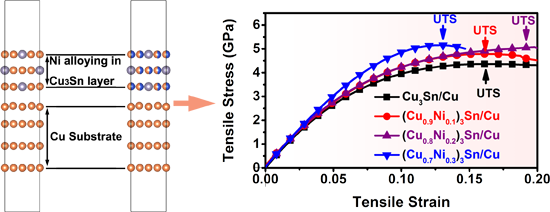
- thermodynamic mechanisms and decrease the reliability of the lead-free solder joints. The results presented in this study will not only unveil the effects of Ni alloying on the interfacial properties of lead-free solder joints, but also will provide a guidance for high-performance lead-free solder design by


Nanoinformatics: spanning scales, systems and solutions
Beilstein J. Nanotechnol. 2026, 17, 423–427, doi:10.3762/bjnano.17.28
- , preferred orientations, and relative abundance of the specified molecules on the specified material surfaces giving an insight into the mechanisms of bio–nano interaction [4]. Varsou et al. demonstrated a novel approach to evaluate the performance of different models for the same endpoint (zeta potential of
- -actionable formats. Le Piane et al. explored the commonalities among advanced digital technologies, such as high-performance computing, AI/ML and data management workflows. Using a digital, data-centric methodology, the proposed approach to integrating methodologies utilises structured information management

Biomimetic nanoparticles in cancer photodynamic therapy: a review of targeted delivery systems and therapeutic outcomes
Beilstein J. Nanotechnol. 2026, 17, 396–422, doi:10.3762/bjnano.17.27
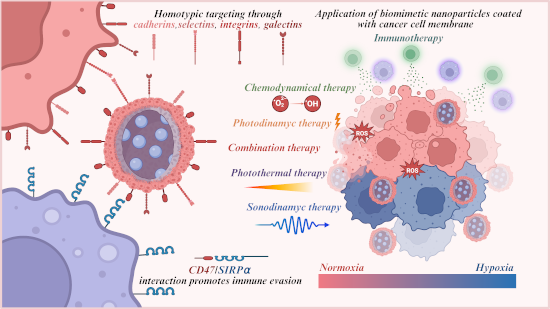
- have been explored as sources for biomimetic membranes to coat nanoparticles such that inherent biological functions and properties of specific cells could be exploited to enhance the performance and versatility of BNPs. According to some authors, biomimetic systems comprising proteins from cells to
- cell membranes, such as immune evasion, prolonged circulation, and specific targeting, BNPs can be further enhanced through surface modifications to improve their therapeutic performance. These modifications enable BNPs to address complex challenges in drug delivery, including targeted transport


Interconnection morphology effects on the radio frequency response of carbon nanotube sponges
Beilstein J. Nanotechnol. 2026, 17, 343–351, doi:10.3762/bjnano.17.23
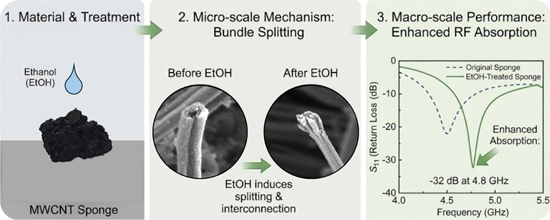
- , also an actual performance gain. The antenna built from CNSs shows an enhanced response gain compared with that of the MWCNT film, with both antennas having a maximum positioned around 4.8 GHz. After identifying the best CNT-based sample, the experiment focused on improving the CNS antenna’s response
- production of antennas working in the RF range and compared them to a film of MWCNTs to determine whether CNT sponges offer, in addition to practical advantages over CNT films, also an actual performance gain. We also found that the response in the RF range can be significantly improved after a mild
- demonstrates that CNSs offer practical advantages over CNT films since they operate as a self-standing material without the need of a substrate support. In particular, CNSs can absorb RF signals and offer an effective gain in terms of performance compared to a similar MWCNT film grown on a substrate. The




Advancing nanolithography: a comprehensive review of materials for local anodic oxidation with AFM
Beilstein J. Nanotechnol. 2026, 17, 275–291, doi:10.3762/bjnano.17.19
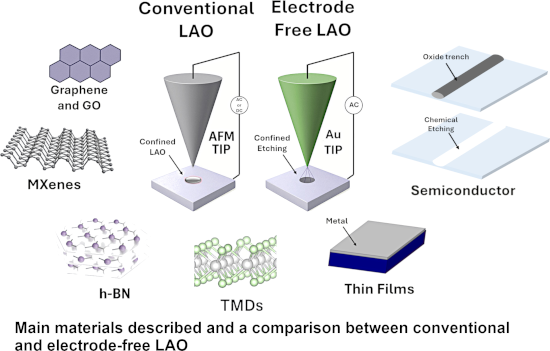
- minimum feature size. Carbon nanotube (CNT)-functionalized AFM tips have been explored for LAO [49][60][61] because their high aspect ratio and good conductivity can, in principle, enable sharper and more controlled oxidation. However, their practical performance is limited by mechanical fragility and
- charges in the oxide layer, which can affect electrical performance. Yet, SiC’s superior durability and unique properties make it a promising material for applications in harsh and demanding environments, though it is less versatile than newer 2D materials or heterostructures. Recently Ovenden et al
- , which often requires high voltages that can compromise stability. The study revealed that thinner titanium oxide layers enhance resistive switching performance by providing higher resistance ratios and more uniform switching behavior. Furthermore, compositional analysis showed that TiO2 dominates the





