Search results
Search for "phosphate" in Full Text gives 333 result(s) in Beilstein Journal of Nanotechnology. Showing first 200.
Ultrasonic irradiation in the synthesis of nanohydroxyapatite: a chemically friendly technique for improving hemocompatibility and antibiofilm applications
Beilstein J. Nanotechnol. 2026, 17, 991–1015, doi:10.3762/bjnano.17.68
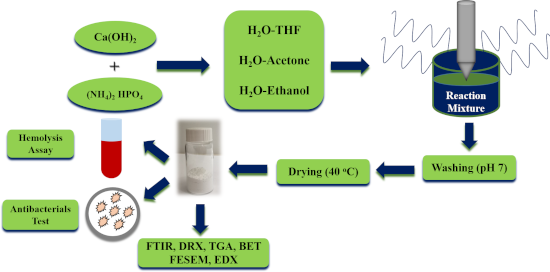
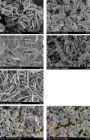
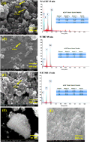
- replacement of its constituent chemical species (calcium, phosphate, and hydroxide ions) [38][39]. This substitution process produces changes in its properties, including crystallinity, morphology, and lattice parameters [40][41]. The nHA obtained using the three aforementioned mixtures as solvents exhibited
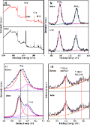
- commercial hydroxyapatite sample. This change is also evident in the more pronounced width of the bands corresponding to the phosphate doublets (Figure 3A–C) when compared to the same absorption band in Figure 3D. It is important to note that the intensity of the ν3 band, which corresponds to type-B
- substitution and appears in all the spectra in Figure 3 in the range of 1424–1420 cm−1 is more pronounced than that of type-A substitution (1499–1493 cm−1) of the OH sites. This confirms that for these syntheses, the substitution effect was much greater at the phosphate sites than at the hydroxide sites




Materials challenges in solid-state sensors for continuous monitoring of ions in water
Beilstein J. Nanotechnol. 2026, 17, 935–973, doi:10.3762/bjnano.17.66
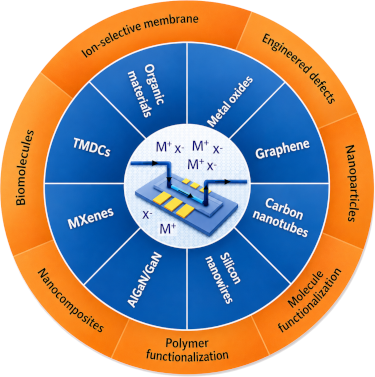
- , carbonate/hydrogencarbonate, and phosphate, strongly influence corrosivity, scaling, eutrophication risk, disinfection by-product formation, salinity, and regulatory compliance. In drinking water, several anions have strict health-based or operational limits under the EU Drinking Water Directive and WHO
- alkalinity species (carbonate/hydrogencarbonate, phosphate) is also essential for controlling corrosion, buffering capacity, and softening processes (Table 1) [2][50][51][52][53]. In domestic wastewater, anions such as sulfate and chloride are key drivers of salinity that can inhibit nitrification at
- elevated levels [54][55], while phosphate is a regulated nutrient contributing to eutrophication; typical effluent limits in Europe and international guidelines require total phosphorus levels of ≤1–2 mg/L, making online orthophosphate monitoring with sub-milligram-per-liter detection limits vital [37][50


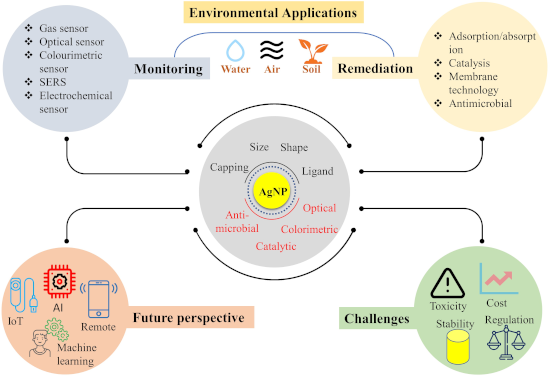
Environmental applications of silver nanoparticles: state-of-the-art review and emerging trends
Beilstein J. Nanotechnol. 2026, 17, 697–736, doi:10.3762/bjnano.17.49


Decontamination from water pollutants and pathogens by electrospun nanofibers doped with heavy-atom-free borafluorene-BODIPY photosensitizers
Beilstein J. Nanotechnol. 2026, 17, 668–682, doi:10.3762/bjnano.17.46
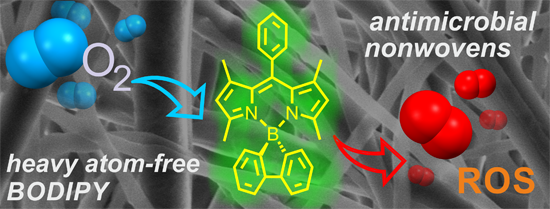
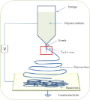
- region. The immediate appearance of a distinct emission band at 1270 nm provides unequivocal evidence for the formation of singlet oxygen. Next, we used phosphate-buffered saline (PBS) solution containing 10-anthracenediyl-bis(methylene) dimalonic acid (ABDA, c = 10−4 M) to trap singlet oxygen. The



Cellulose as a photocatalyst support material: extraction, structural features, and environmental applications
Beilstein J. Nanotechnol. 2026, 17, 635–652, doi:10.3762/bjnano.17.44
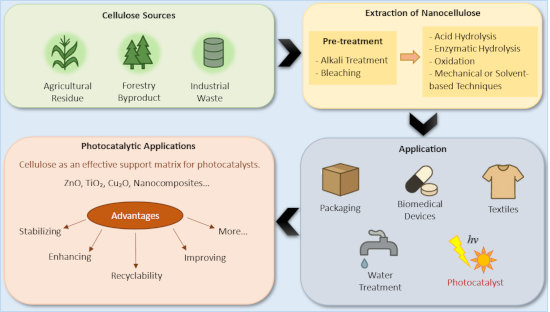
- biocompatibility, while its microbial origin ensures a high degree of purity that makes it especially suitable for biomedical use [73]. Calcium phosphate cements (CPCs) are valuable materials in bone-related applications due to their intrinsic bioactivity and their ability to form hydroxyapatite, the mineral that


Recent progress in enhancing built-in electric fields of perovskite solar cells via junction engineering
Beilstein J. Nanotechnol. 2026, 17, 602–621, doi:10.3762/bjnano.17.42
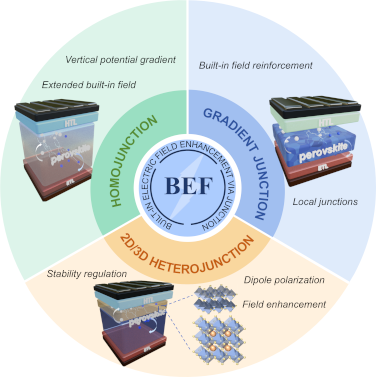
- migration remain, with issues such as Pb–I bond rupture still persisting. To tackle these, strategies like chemical anchoring and gradient encapsulation have been suggested, such as using phosphate molecules to bond materials to the perovskite and adding thin Al2O3 layers to block water and oxygen



Biomimetic nanoparticles in cancer photodynamic therapy: a review of targeted delivery systems and therapeutic outcomes
Beilstein J. Nanotechnol. 2026, 17, 396–422, doi:10.3762/bjnano.17.27


Eco-efficient materials for agricultural crops based on a mineral rich in MOR- and HEU-type zeolites
Beilstein J. Nanotechnol. 2026, 17, 381–395, doi:10.3762/bjnano.17.26
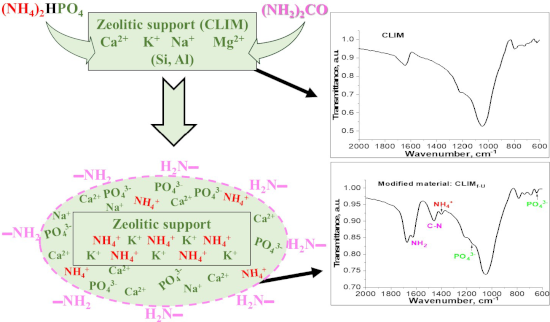
- − (hydrated ionic radius of 3.39 Å) [38] by adsorption and occlusion processes in the porosity of the zeolitic support, compensating for its charge with cations (K+, Ca2+, etc.) exchanged from zeolitic phases and some amount of unexchanged ammonium ions. According to published data [21], phosphate anions can
- CLIM consecutively modified with DAP and urea Figure 2 and Figure 3 show the FTIR spectra of CLIMf-U materials obtained from CLIM sequentially modified with DAP and urea solutions. Along with the bands associated with ammonium and phosphate, the spectra (Figure 2) showed the presence of bands
- spectra (Figure 2 and Figure 3) the persistence of the bands associated with ammonium cations and phosphate anions. This result allows to conclude that treatment with urea solutions does not leach out the essential macronutrients nitrogen and phosphorus supported on the zeolitic support during the first




Time of flight secondary ion mass spectrometry imaging of contaminant species in chemical vapour deposited graphene on copper
Beilstein J. Nanotechnol. 2026, 17, 200–213, doi:10.3762/bjnano.17.13
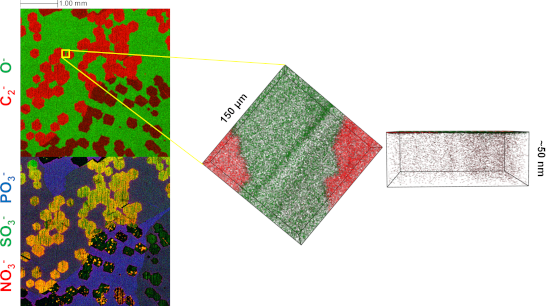
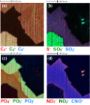
- . If we look at the image in Figure 4b, which overlays signals related to nitrate (red), sulphate (green), and phosphate (blue), we can see that there is a much more diverse chemistry present than just graphene. Although there is no obvious correlation between the presence of any of these detected





Influence of surface characteristics on the in vitro stability and cell uptake of nanoliposomes for brain delivery
Beilstein J. Nanotechnol. 2026, 17, 139–158, doi:10.3762/bjnano.17.9
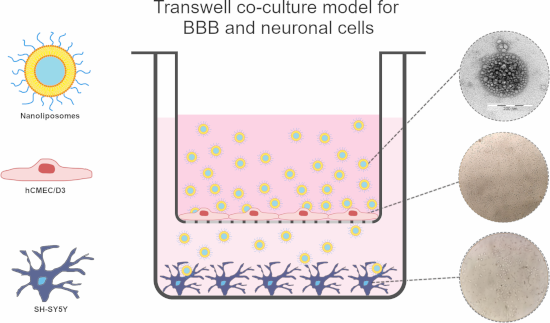
- artifacts and avoiding false positives. Materials and Methods Materials Soybean lecithin (SL) was purchased from Vitalia (Skopje, N. Macedonia) and LIPOID PE 18:0/18:0-PEG 2000 (PEG) from Lipoid (Ludwigshafen am Rhein, Germany). Cholesterol (CH), Dulbecco’s Phosphate Buffered Saline (DPBS), collagen type I
- evaporated under vacuum using a rotary evaporator (25 °C, 50 rpm, 50 mbar; Büchi 215, Switzerland). The resulting thin lipid film was hydrated with phosphate buffer (PB) at pH 7.4. The hydration process involved four consecutive cycles, each consisting of three 5 min steps: ultrasonication (50/60 Hz
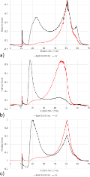
- nm. In the Eclipse SC separation channel, regenerated cellulose membranes (10 kDa) and a spacer height of 350 μm were used. Phosphate buffer was used as the eluent. The detector flow rate was set to 0.5 mL/min and the injection volume was 50 µL. The separation settings were: a) elution 0–3 min; b




Development and in vitro evaluation of liposomes and immunoliposomes containing 5-fluorouracil and R-phycoerythrin as a potential phototheranostic system for colorectal cancer
Beilstein J. Nanotechnol. 2026, 17, 97–121, doi:10.3762/bjnano.17.7
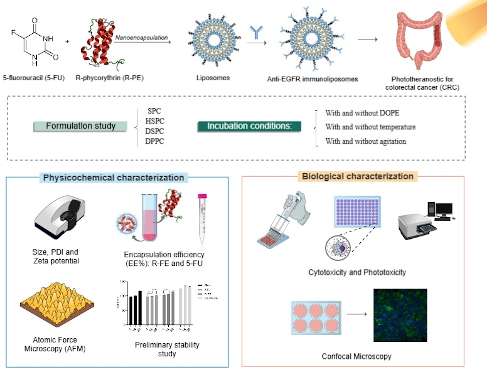
- , SPC) and amount (25 and 50 mg) followed by sonication. In summary, the lipids were solubilized in 5 mL of chloroform and evaporated for 30 min at 65 °C. In the next step, the lipid film was hydrated with 5 mL of phosphate buffer saline (PBS, pH 7.4) during 60 min at 100 rpm and 37 °C or with PBS, pH
- the molecules was determined as a percentage based on the mass of the liposomes obtained after lyophilization, according to Equation 2 [23]. In vitro release 2.3.4.1 In vitro release of 5-FU. To evaluate the drug release profile, 250 μL of each sample was diluted in 7 mL of phosphate buffer (pH 7.4
- centrifugal rotation of 3000g. The resulting filtrate was subsequently diluted in phosphate buffer (pH 7.4) and analyzed by UV–vis spectrophotometry at 265 nm [19]. The release profiles of free 5-FU solution, 5-FU-loaded liposomes, and 5-FU-loaded immunoliposomes were comparatively analyzed under the same



Optical bio/chemical sensors for vitamin B12 analysis in food and pharmaceuticals: state of the art, challenges, and future outlooks
Beilstein J. Nanotechnol. 2025, 16, 2207–2244, doi:10.3762/bjnano.16.153
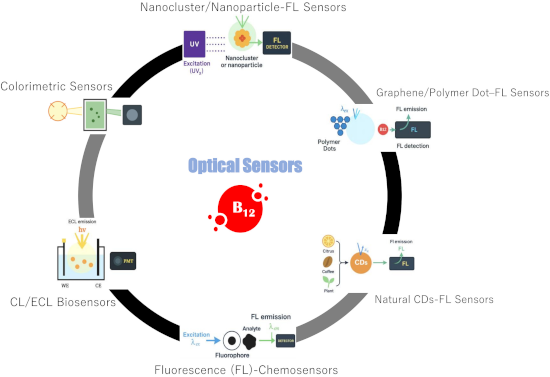
- partially hydrolyzed nonfat milk, where the recognition was mediated by VB12-binding proteins, the SPR sensor chip acted as the indicator surface, and the sensing signal was generated through resonance shifts. To prepare the extraction buffer, a 0.2% sodium cyanide solution was diluted with a phosphate


Beyond the shell: exploring polymer–lipid interfaces in core–shell nanofibers to carry hyaluronic acid and β-caryophyllene
Beilstein J. Nanotechnol. 2025, 16, 2015–2033, doi:10.3762/bjnano.16.139
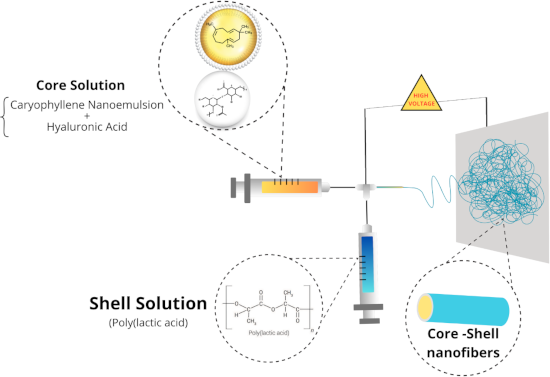
- arrangement of these two phases directly influences its degradation behavior. Studies have shown that PLA with higher crystallinity, in both film [73][74] and fiber forms [65], exhibits a higher rate of hydrolytic degradation in phosphate-buffered saline (PBS) at pH 7.4. This is attributed to the higher




The cement of the tube-dwelling polychaete Sabellaria alveolata: a complex composite adhesive material
Beilstein J. Nanotechnol. 2025, 16, 1998–2014, doi:10.3762/bjnano.16.138
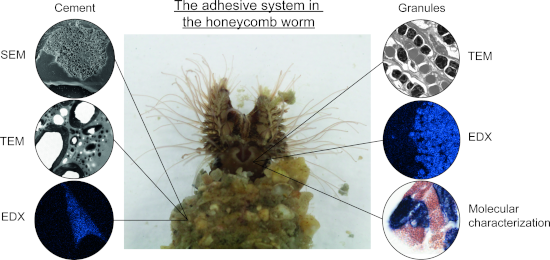
- % paraformaldehyde in phosphate-buffered saline, rinsed, and air-dried. Worms were left in the remaining proximal part of the tube and were provided with glass beads (425–600 µm in diameter; Sigma) to reconstruct the missing part [25]. Scanning electron microscopy and elemental composition analyses For secondary
- % paraformaldehyde solution in phosphate-buffered saline (pH 7.4). The samples were then dehydrated through graded ethanol series and embedded in paraffin wax. Sections of 14 µm in thickness were cut with a Microm HM 340 E microtome and mounted on Superfrost Ultra Plus (Thermo Scientific) microscope slides using a
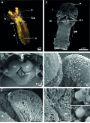
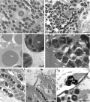
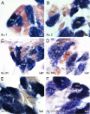
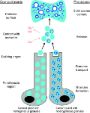
- suggested that secretion is accompanied by a jump in pH from 5 in the secretory granule to 8.2 in seawater that could trigger a change from electrostatic to ionic bonds between divalent cations and phosphate, the effect of which would be to harden spontaneously and solidify the hollow spheroids [19]. This



Self-assembly and adhesive properties of Pollicipes pollicipes barnacle cement protein cp19k: influence of pH and ionic strength
Beilstein J. Nanotechnol. 2025, 16, 1863–1872, doi:10.3762/bjnano.16.129
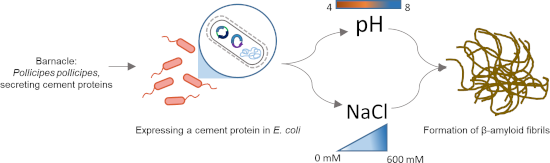
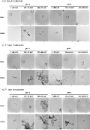
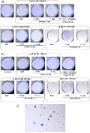
- achieved (Supporting Information File 1, Figure S1). Purified protein was dialysed into 10 mM sodium acetate (pH 4.0) or 10 mM sodium phosphate (pH 8.0) buffer, with NaCl concentrations ranging from 0 to 600 mM. Transmission electron microscopy TEM analysis identified the formation of fibril structures by
- . Formation of protein fibrils Purified rPpolcp19k-his protein was concentrated to 500 µg/mL using an Amicon® Ultra Centrifugal Filter, 10 kDa MWCO (Merck). The protein was reconstituted at 500 µg/mL in 10 mM sodium acetate buffer (pH 4.0) or 10 mM sodium phosphate buffer (pH 8.0) with NaCl concentrations
- rPpolcp19k-his protein (500 µg/mL), incubated for 0, 3, 11, or 21 days under varying pH and NaCl conditions, was applied to 200 mesh Cu formvar/carbon-coated grids (Agar Scientific) and allowed to settle for 5 min. Grids were washed three times in phosphate-buffered saline for 5 min each, followed by three


Exploring the potential of polymers: advancements in oral nanocarrier technology
Beilstein J. Nanotechnol. 2025, 16, 1751–1793, doi:10.3762/bjnano.16.122


Advances of aptamers in esophageal cancer diagnosis, treatment and drug delivery
Beilstein J. Nanotechnol. 2025, 16, 1734–1750, doi:10.3762/bjnano.16.121
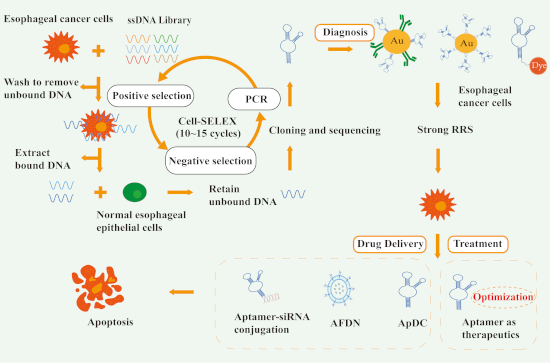
- , incorporating specific assessments for immunotoxicity, organ toxicity, and nanoparticle accumulation in organs. Second, the negatively charged phosphate backbone of nucleic acid aptamers generates electrostatic repulsion with the anionic phospholipid bilayer of cell membranes, significantly limiting their


Multifunctional anionic nanoemulsion with linseed oil and lecithin: a preliminary approach for dry eye disease
Beilstein J. Nanotechnol. 2025, 16, 1711–1733, doi:10.3762/bjnano.16.120
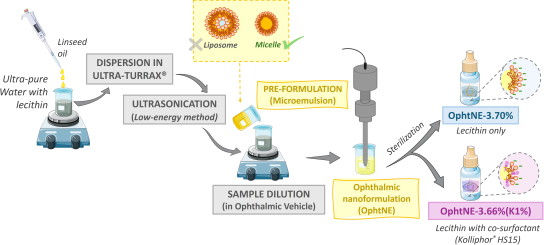
- addition to PFAs, phospholipids are notable for their structure, which includes a hydrophilic part (phosphate groups) and a hydrophobic part (fatty acid chains). This unique configuration allows phospholipids to interact at the interface between the lipid and aqueous layers of the tear film, increasing its
- ), triton-X100 (code T8787), phosphate buffered saline (PBS, code P4417), and F.A.M.E. Mix (C8–C24 unsaturated, code 18918) were purchased from Merck®/Sigma-Aldrich® (Brazil). Hydrochloric acid (HCl, code R0101811000), sodium chloride (NaCl, code C1003460500), ethyl acetate (CH3COOCH2CH3, code R2800491000
- ), and ethanol (C2H5OH, code R0401701000) were purchased from CRQ Produtos Químicos. Disodium phosphate (Na2HPO4·2H2O, code P.10.0513.012.00.27), petroleum ether (code P.10.0450.000.04.81), sodium dodecyl sulfate (C12H25SO4Na, code P.10.0645.000.00.27) were purchased from Dinâmica Química Contemporânea



Venom-loaded cationic-functionalized poly(lactic acid) nanoparticles for serum production against Tityus serrulatus scorpion
Beilstein J. Nanotechnol. 2025, 16, 1633–1643, doi:10.3762/bjnano.16.115
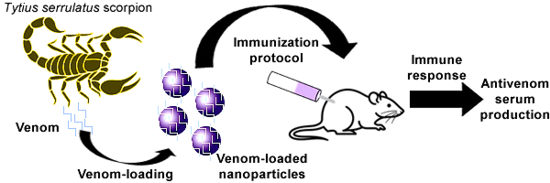
- ). The gel was stained with Coomassie Brilliant Blue R-250 solution and scanned [48]. In vitro protein release To monitor the protein release profile, 1.5 mL of venom-loaded nanoparticles (0.1% PLA w/v, 1% venom w/w) were suspended in 1 mL of phosphate buffer solution (pH 7.4, KH2PO4 0.05 mol⋅L−1), in a


Transient electronics for sustainability: Emerging technologies and future directions
Beilstein J. Nanotechnol. 2025, 16, 1545–1556, doi:10.3762/bjnano.16.109

- and the presence of specific ions, such as hydrogen phosphate and chloride (HPO42− and Cl−) [43] are known to accelerate the degradation process. The biodegradation rate of silicon is also influenced by its crystallographic structure. Polycrystalline silicon degrades faster than single-crystalline
- ; pH 7.4 phosphate-buffered saline (PBS) at 37 °C) [37][53]. In contrast, Mo and W degrade significantly more slowly with dissolution rates of 0.001 µm/day (Mo; pH 7 buffer at rt) [58] and 0.48–1.44 µm/day (W; pH 7.4 SBF at rt) [59], which is advantageous for long-term device stability but poses


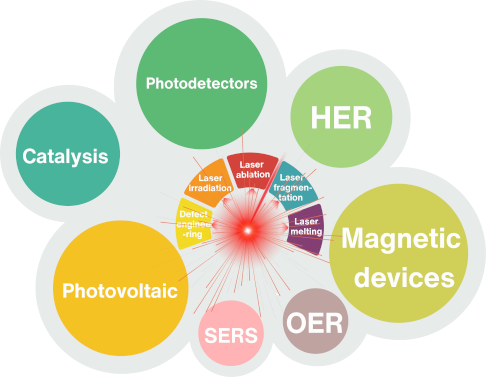
Laser processing in liquids: insights into nanocolloid generation and thin film integration for energy, photonic, and sensing applications
Beilstein J. Nanotechnol. 2025, 16, 1428–1498, doi:10.3762/bjnano.16.104






The role of biochar in combating microplastic pollution: a bibliometric analysis in environmental contexts
Beilstein J. Nanotechnol. 2025, 16, 1401–1416, doi:10.3762/bjnano.16.102
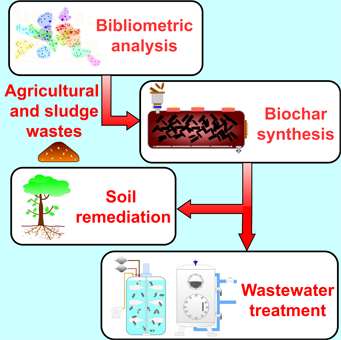
- ) MPs significantly reduce total exchangeable cations (Na+, K+, Mg2+, and Ca2+) by 4–6% [58]. Additionally, non-biodegradable MPs such as PE and PVC inhibit organic phosphate mineralization, alkaline phosphatase activity, and inorganic phosphate solubilization. By contrast, biodegradable MPs such as PLA
- do not affect alkaline phosphatase activity [59]. MPs also reduce available phosphorus (Olsen-P) levels by 9.7–38.6% (PE, PVC) and 38.4–73.6% polyactide (PLA) [60]. Furthermore, MPs compete with plant roots for phosphate adsorption, with distribution coefficients (Kd) in the order PVC (5.19 L/kg



Parylene-coated platinum nanowire electrodes for biomolecular sensing applications
Beilstein J. Nanotechnol. 2025, 16, 1392–1400, doi:10.3762/bjnano.16.101
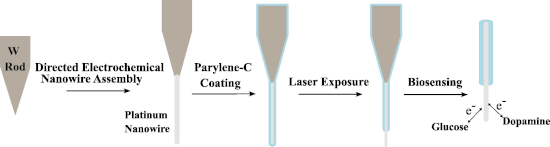
- hydrochloride power (98%, Sigma-Aldrich) to 10 mL 0.01 M phosphate-buffered saline (pH 7.4, Sigma-Aldrich). This stock dopamine solution was added into 30 mL 0.01 M phosphate-buffered saline solution to get desired concentrations. Same Ag/AgCl reference and platinum counter electrodes as above were used in


Ferroptosis induction by engineered liposomes for enhanced tumor therapy
Beilstein J. Nanotechnol. 2025, 16, 1325–1349, doi:10.3762/bjnano.16.97
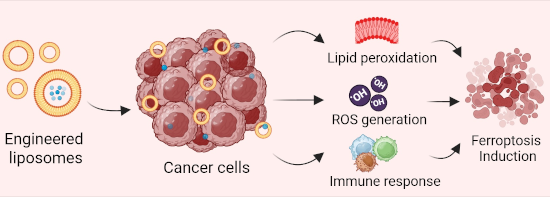
- in peroxisomes serve as substrates for lipid peroxidation. Clear-cell renal cell carcinoma (ccRCC) cells show elevated levels of PUFA-ePLs, likely due to their increased expression of alkylglycerone phosphate synthase (AGPS, an essential enzyme in the synthesis of PUFA-ePLs), which makes them


Enhancing the photoelectrochemical performance of BiOI-derived BiVO4 films by controlled-intensity current electrodeposition
Beilstein J. Nanotechnol. 2025, 16, 1289–1301, doi:10.3762/bjnano.16.94
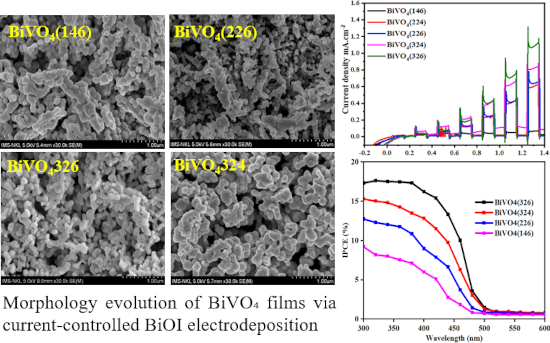
- converted into porous BiVO4 photoanodes. This approach yielded electrodes with enhanced PEC activity, achieving a photocurrent density of approximately 1.25 mA·cm−2 at 0.5 V vs RHE in neutral phosphate buffer under AM1.5G illumination. This study highlighted the potential of BiOI-derived BiVO4 as a template