


Search results
Search for "photocatalysts" in Full Text gives 129 result(s) in Beilstein Journal of Nanotechnology.
Glycerol photoelectrochemical oxidation reaction at carbon nitrides/BiVO4 materials
Beilstein J. Nanotechnol. 2026, 17, 806–817, doi:10.3762/bjnano.17.57
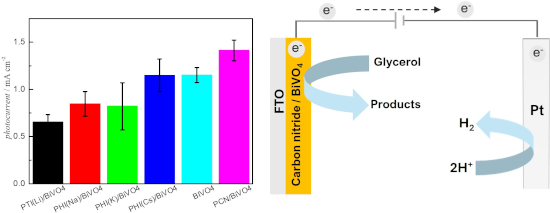
- [6]. These strategies include the synthesis of new photocatalysts, such as metal oxides, doped oxides, heterojunctions, and protective layers to enhance charge transfer at both interfaces and in the bulk, thereby lowering the activation energy barriers [7]. In this sense, bismuth vanadate (BiVO4) has




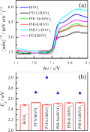
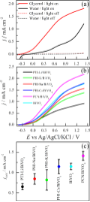

Environmental applications of silver nanoparticles: state-of-the-art review and emerging trends
Beilstein J. Nanotechnol. 2026, 17, 697–736, doi:10.3762/bjnano.17.49
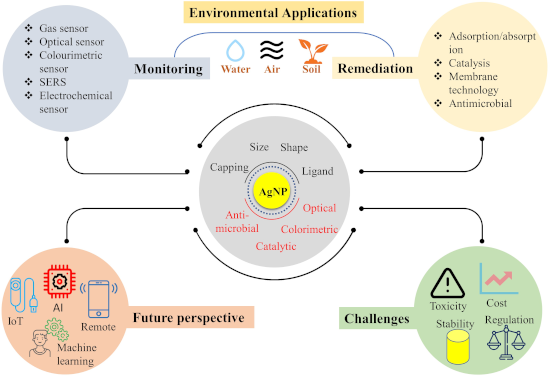
- recombination, enhancing photocatalytic efficiency. AgNPs-modified photocatalysts can effectively degrade various air pollutants under UV or visible light irradiation, including VOCs, nitrogen oxides, and PM [164]. AgNPs can be combined with semiconductor photocatalysts, such as titanium dioxide, caesium oxide


Cellulose as a photocatalyst support material: extraction, structural features, and environmental applications
Beilstein J. Nanotechnol. 2026, 17, 635–652, doi:10.3762/bjnano.17.44
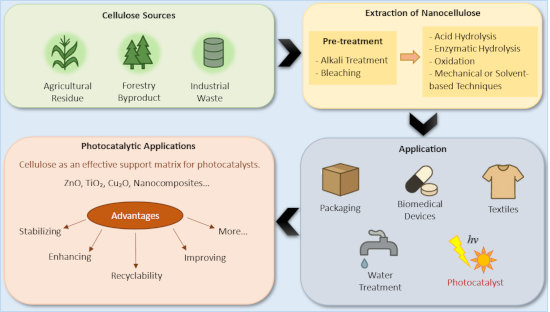
- of functional groups enable it to act as an effective support matrix for photocatalysts such as ZnO, TiO2, Cu2O, and various hybrid nanocomposites. Through stabilizing nanoparticles, preventing their aggregation and contributing to pollutant adsorption, cellulose enhances the overall efficiency of
- immobilizing photocatalysts on membrane surfaces to create a polymer photocatalytic membrane matrix, which has shown strong effectiveness in degrading water contaminants [14]. They also prevent biofouling, a major problem in membrane separation. Scientists are increasingly combining cellulose with different
- mechanical, chemical, and biological approaches. It also discusses methods for immobilizing photocatalysts in cellulose membranes. By comparing these methods, this work provides insights into selecting optimal extraction techniques for specific applications. Review Cellulose and nanocellulose Cellulose is a


Two-step laser synthesis of Ag@TiO2 nanomaterials for the photocatalytic degradation of rhodamine B
Beilstein J. Nanotechnol. 2026, 17, 622–634, doi:10.3762/bjnano.17.43
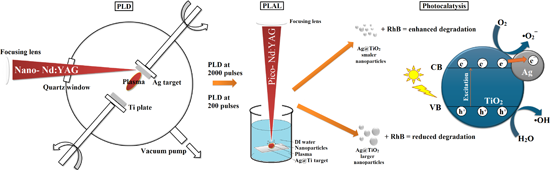
- provides an efficient and environmentally friendly route for the fabrication of Ag@TiO2 photocatalysts. Keywords: Ag@TiO2 nanomaterials; photocatalytic degradation; pulsed laser ablation in liquids; pulsed laser deposition; rhodamine B; Introduction Titanium dioxide has long been recognized as perhaps
- numerous modification strategies. Silver-modified titanium dioxide (Ag@TiO2) nanoparticles have gained significant attention as advanced photocatalysts for the degradation of organic pollutants, particularly under visible-light irradiation. The incorporation of silver introduces localized surface plasmon
- factors, RhB is considered a high-priority contaminant, and developing efficient, sustainable degradation technologies for its removal remains a key goal in environmental science [3][18][19][20]. The main objective of this study was to synthesize silver-modified titanium dioxide (Ag@TiO2) photocatalysts


Synthesis of Cu–Mo/TiO2 and Co–Mo/TiO2 photocatalysts for the efficient degradation of organic pollutants in water
Beilstein J. Nanotechnol. 2026, 17, 559–570, doi:10.3762/bjnano.17.37
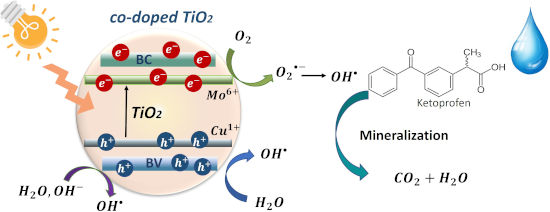
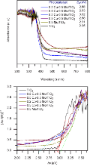
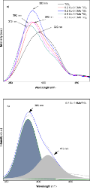
- , copper and cobalt, were added at 0.2–0.5 wt %. The co-doped TiO2 photocatalysts were characterized by XRD, SEM, N2 physisorption, UV–vis diffuse reflectance spectroscopy, and photoluminescence spectroscopy. The structural characterization showed stabilization of the anatase phase, and lattice distortion
- , there is no report in the literature about the specific photocatalysts Cu–Mo/TiO2 and Co–Mo/TiO2. However, due to the promising effects reported and previously described, the use of the metals Cu, Co, and Mo was considered for the synthesis of two photocatalytic systems. The synergetic strategy of co
- environmental remediation processes. This research project reports the synthesis and characterization of two photocatalyst systems not reported before for water remediation, namely, co-doped photocatalysts Cu–Mo/TiO2 and Co–Mo/TiO2 synthesized by the sol–gel method. The structural, optical, and morphological



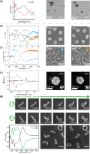
Chiral plasmonic nanostructures fabricated with circularly polarized light
Beilstein J. Nanotechnol. 2025, 16, 2245–2264, doi:10.3762/bjnano.16.154
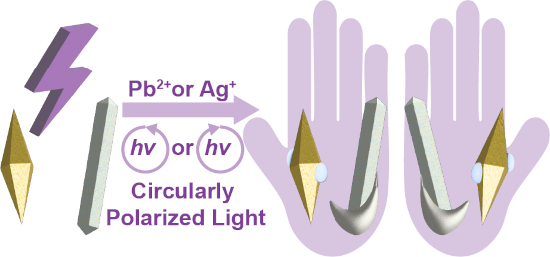
- energy stored in the plasmon polaritons can be re-emitted as light, while the rest decays into electron–hole pairs. These highly energetic hot carriers can be used to drive photochemical reactions. Unlike other photocatalysts, plasmonic nanostructures are very effective in redistributing photon energy in








Microplastic pollution in Himalayan lakes: assessment, risks, and sustainable remediation strategies
Beilstein J. Nanotechnol. 2025, 16, 2144–2167, doi:10.3762/bjnano.16.148
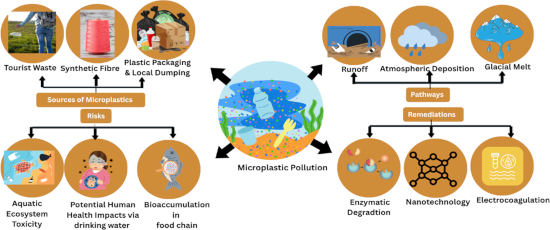
- permanently removed without causing secondary pollution [72]. 5.3.2 Nanotechnology for degradation. Nanotechnology offers a novel method for the accurate and effective breakdown of MPs. Under UV light, nanomaterials such as ZnO and TiO2 work as photocatalysts to break down MPs into CO2 and water, which are
- ., these changes make TiO2 photocatalysts more effective in natural sunlight by letting more visible light pass through them [75]. ZnO has demonstrated potential as a result of its compatibility with UV light and high oxidative potential. Its nanostructured forms, such as nanorods and nanowires, provide
- more surface area, allowing for better interaction with MPs [76]. The incorporation of GO in composite materials not only improves photocatalytic activity, but it also serves a second purpose by adsorbing MPs prior to degradation. The utilization of photocatalysts that have been engineered with defects


Piezoelectricity of layered double hydroxides: perspectives regarding piezocatalysis and nanogenerators
Beilstein J. Nanotechnol. 2025, 16, 1812–1817, doi:10.3762/bjnano.16.124

- piezocatalytic environmental remediation, achieved ≈98% degradation of rhodamine B within 20 min under ultrasonic activation when used together with PMS, with a kinetic constant significantly higher than many simple photocatalysts [16]. Thus, we can conclude that LDHs are competitive with, and in several cases

Ambient pressure XPS at MAX IV
Beilstein J. Nanotechnol. 2025, 16, 1677–1694, doi:10.3762/bjnano.16.118

- important challenges for modern human civilization. Reactions such as water splitting, CO2 reduction, and pollutant degradation rely on photocatalysts that absorb light, generate electron–hole pairs, and drive redox reactions at interfaces. For the rational and methodical design of a more sophisticated








Nanotechnology-based approaches for the removal of microplastics from wastewater: a comprehensive review
Beilstein J. Nanotechnol. 2025, 16, 1607–1632, doi:10.3762/bjnano.16.114
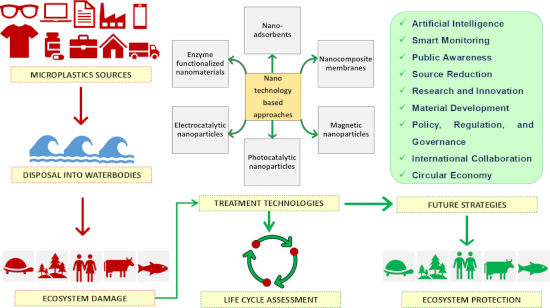
- effectively removing MPs, especially those in the nanosize range. This review presents a detail analysis of the sources, pathways, detection methods, and health impact of MPs, while emphasizing the emerging role of nanotechnology in their remediation. Nanomaterials, including nanoadsorbents, photocatalysts
- processes [96]. The particle size of photocatalysts plays a very important role in the recombination of electrons and holes. Smaller particles exhibit higher photocatalytic activity due to their increased surface area, which allows for greater adsorption of pollutants and enhanced production of hydroxyl



Photocatalytic degradation of ofloxacin in water assisted by TiO2 nanowires on carbon cloth: contributions of H2O2 addition and substrate absorbability
Beilstein J. Nanotechnol. 2025, 16, 1567–1579, doi:10.3762/bjnano.16.111
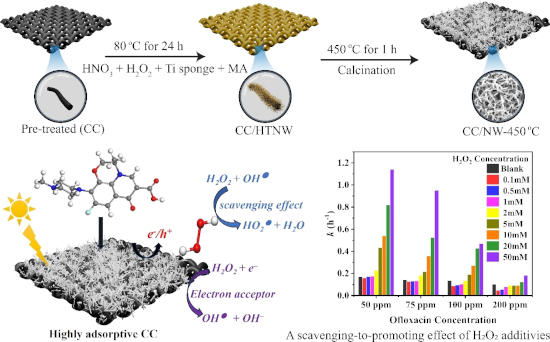
- photocatalysis [8]. However, TiO2 as a sole component presents challenges partly due to the rapid recombination of photogenerated electron–hole pairs, which significantly reduces its photocatalytic efficiency and practical applicability [9][10]. Recent advancements have focused on TiO2 photocatalysts supported
- mitigates the aggregation issues and simplifies the separation and recovery of photocatalysts within a slurry system. TiO2 nanowires are known for their significantly high surface area and are important for photocatalytic and photoelectrochemical applications. Template-mediated methods such as sol–gel
- Discussion Microstructure and morphology of photocatalysts Figure 1a shows schematically the synthesis of TiO2 nanowires on an activated carbon cloth substrate. When the carbon cloth is immersed in the Ti–H2O2 precursor solution maintained at 80 °C, first, the carbon cloth surface is activated, and, second


Laser processing in liquids: insights into nanocolloid generation and thin film integration for energy, photonic, and sensing applications
Beilstein J. Nanotechnol. 2025, 16, 1428–1498, doi:10.3762/bjnano.16.104
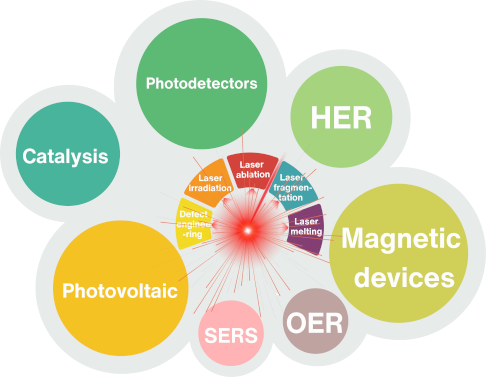
- . Pulsed laser processing in liquids offers a unique advantage by producing surfactant-free nanocolloids, which can be directly used for the fabrication of thin film devices such as photodiodes, photovoltaics (PV), photocatalysts, surface-enhanced Raman spectroscopy (SERS) sensors, electrochemical sensors







Enhancing the photoelectrochemical performance of BiOI-derived BiVO4 films by controlled-intensity current electrodeposition
Beilstein J. Nanotechnol. 2025, 16, 1289–1301, doi:10.3762/bjnano.16.94
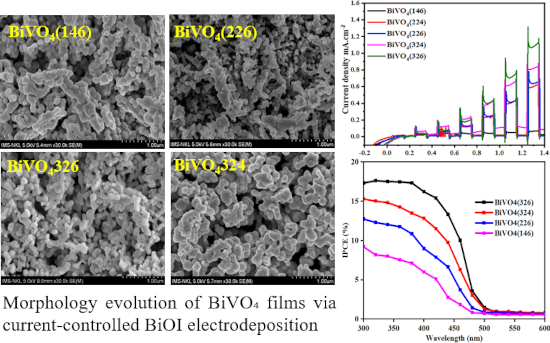
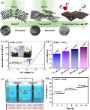
- conditions led to better light-harvesting capabilities and enhanced surface area owing to finer particle morphologies and increased porosity of the photocatalysts. XPS analysis highlighted the presence of oxygen vacancies and well-defined chemical states, further contributing to the improved catalytic




Influence of ion beam current on the structural, optical, and mechanical properties of TiO2 coatings: ion beam-assisted vs conventional electron beam evaporation
Beilstein J. Nanotechnol. 2025, 16, 1097–1112, doi:10.3762/bjnano.16.81
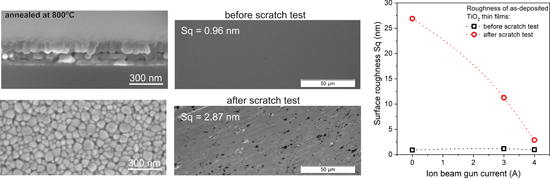
- , and good availability, TiO2 in the form of thin films is now widely used in the development of gas sensors, photodetectors, solar cells, memristors, and photocatalysts [1][12][15][16][17]. The area of application of titanium dioxide is also related to the crystal structure in which it occurs, that is





Soft materials nanoarchitectonics: liquid crystals, polymers, gels, biomaterials, and others
Beilstein J. Nanotechnol. 2025, 16, 1025–1067, doi:10.3762/bjnano.16.77
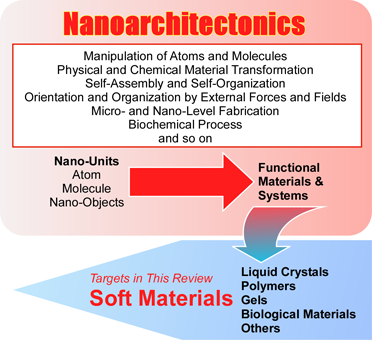
- [149][150][151][152][153]. Nanoarchitectonics is also used in the development of chemical catalysts [154][155][156][157][158], photocatalysts [159][160][161][162][163], sensors [164][165][166][167][168], biosensors [169][170][171][172][173], devices [174][175][176][177][178], solar cells [179][180][181






Insights into the electronic and atomic structures of cerium oxide-based ultrathin films and nanostructures using high-brilliance light sources
Beilstein J. Nanotechnol. 2025, 16, 860–871, doi:10.3762/bjnano.16.65

- can be exploited to obtain insight into the processes following photoexcitation in photocatalysts, important for the rational optimization of these materials’ efficiency. In ceria, as well as in other semiconducting oxides, the formation of photoinduced small polarons after bandgap photoexcitation


Emerging strategies in the sustainable removal of antibiotics using semiconductor-based photocatalysts
Beilstein J. Nanotechnol. 2025, 16, 264–285, doi:10.3762/bjnano.16.21
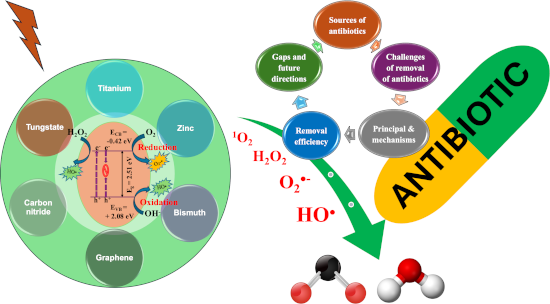
- to human health and ecological balance, requiring immediate and novel intervention techniques. Regarding this, semiconductor-based photocatalysts have appeared as promising candidates, providing a sustainable and efficient way to remove antibiotics from aquatic ecosystems. Nanomaterials can
- effectively and precisely break down and neutralize antibiotic compounds with high efficiency and selectivity by utilizing a complex interaction between radical reactive oxygen species and non-radical equivalents under light irradiation. Although photocatalysts have certain drawbacks, such as a limited
- capacity to absorb light and concerns about catalytic stability, photocatalysis outperforms other advanced oxidation processes in multiple aspects. This study focuses on summarizing recent advances in the sustainable removal of antibiotics using semiconductor-based photocatalysts. By reviewing the latest




Clays enhanced with niobium: potential in wastewater treatment and reuse as pigment with antibacterial activity
Beilstein J. Nanotechnol. 2025, 16, 141–154, doi:10.3762/bjnano.16.13
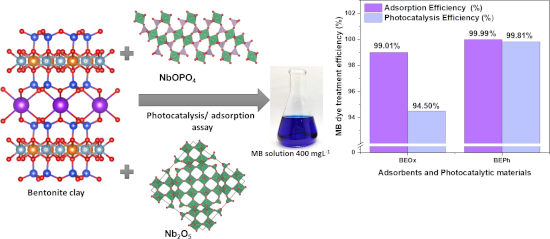
- photocatalysts for treating solutions containing the MB dye (400 mg·L−1) at 25 °C. The results showed adsorption and photocatalysis efficiency above 94% for both samples. The blue-colored BEOx and BEPh samples were then applied as a hybrid pigment. The power pigment and its dispersion in colorless paint were







Various CVD-grown ZnO nanostructures for nanodevices and interdisciplinary applications
Beilstein J. Nanotechnol. 2024, 15, 1390–1399, doi:10.3762/bjnano.15.112
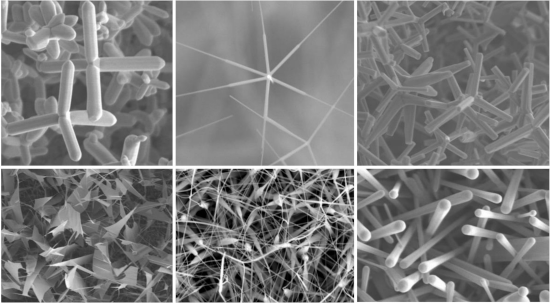
- ], radio-frequency magnetron sputtering [47], pulsed laser ablation [48], and electrodeposition methods [49]. They have many application potentials in dye-sensitized solar cells [46], self-powered energy-harvesting devices [47], photocatalysts [48], and turbid lenses [50]. It has been suggested that the




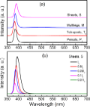

Green synthesis of carbon dot structures from Rheum Ribes and Schottky diode fabrication
Beilstein J. Nanotechnol. 2024, 15, 1369–1375, doi:10.3762/bjnano.15.110
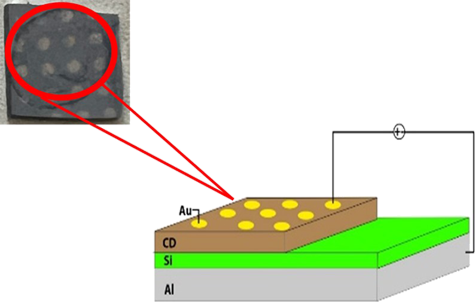
- range of uses in the fields of electrocatalysis, bioimaging, chemical sensors, biosensors, nanomedicine, biomolecule/drug release, light-emitting diodes, and photocatalysts. They also have promising applications in areas such as lasers and optoelectronic device applications [2][3][4][5]. CDs can be

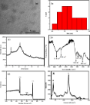



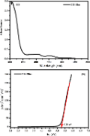

Mn-doped ZnO nanopowders prepared by sol–gel and microwave-assisted sol–gel methods and their photocatalytic properties
Beilstein J. Nanotechnol. 2024, 15, 1283–1296, doi:10.3762/bjnano.15.104
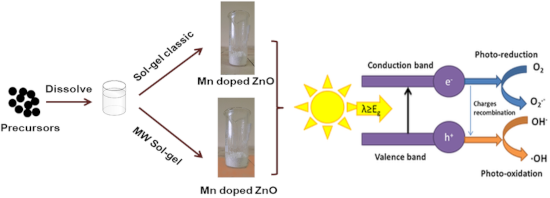
- photocatalysts; water depollution; Introduction Over the past decades, significant research has been focused on designing and preparing nanostructures of various shapes and sizes, which exhibit unique properties and potential applications [1]. Considerable advancements have been made in synthesizing
- FTIR post-reaction spectra (Supporting Information File 1, Figure S1). Zeta potential measurements revealed values of +17.48 mV and +11.09 mV for SG and MW samples, respectively, suggesting a better adsorption of oxalate ions on the SG sample than on the MW sample. The ability of the photocatalysts to


Photocatalytic methane oxidation over a TiO2/SiNWs p–n junction catalyst at room temperature
Beilstein J. Nanotechnol. 2024, 15, 1132–1141, doi:10.3762/bjnano.15.92
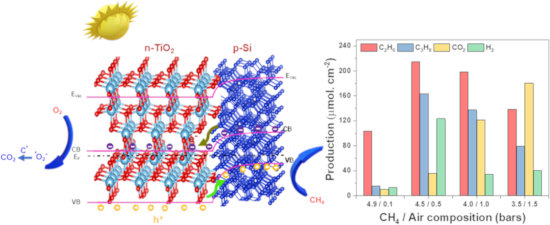
- carriers prior to their participation in reactions significantly reduces the efficiency of methane oxidation reactions [23][24]. To address these issues of TiO2 nanomaterials, many scientists have developed TiO2-based nanostructure composites as advanced photocatalysts [25][26][27][28][29][30]. The
- electrons for reactions [25][26][27]. However, the generated electron affinity of metal NPs is sometimes insufficient and cannot prevent recombination or maintain electrons for further reactions. As an advanced solution for catalysis modification, p–n junction photocatalysts with an intrinsic electric field
- photocatalysts. As depicted in Figure 4a, the Raman spectrum of Si exhibits a single peak located at 519 cm−1, corresponding to the first-order transverse optical (TO) mode of Si [46]. For the TiO2/Si photocatalyst, two distinct peaks were observed, namely, (i) the characteristic Eg vibration of TiO2, located at


Intermixing of MoS2 and WS2 photocatalysts toward methylene blue photodegradation
Beilstein J. Nanotechnol. 2024, 15, 817–829, doi:10.3762/bjnano.15.68
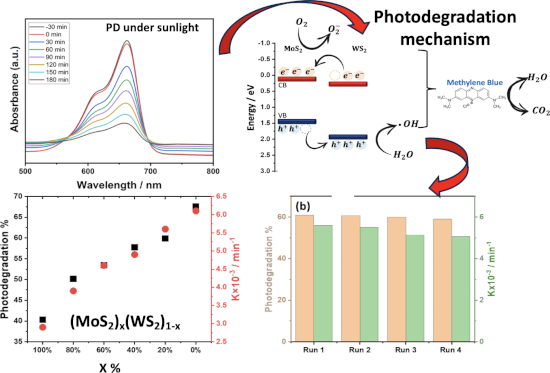
- ]. Typically, semiconductor-based photocatalysts, such as TiO2, ZnO2, and some other high-bandgap transition-metal dichalcogenides (TMD) have shown their ability to efficiently degrade the activated MB by irradiation [10][11]. Recently, TMD such as MoS2 and WS2, have displayed remarkable potential as
- evaluated the PD of the MB dye solution under light excitation without any photocatalysts (MB photolysis) as well as its PD in the dark in the presence of a photocatalyst. The optical absorbance spectra of the MB solution in the presence of MoS2 and WS2 were recorded in the dark and under visible light
- model [38]. Our results show a PD rate constant of 6.1 × 10⁻³ min−1 and 3.3 × 10⁻³ min−1 achieved by WS2 and MoS2, respectively. To evaluate the cyclability of our photocatalysts, we have conducted four consecutive PD runs. After each cycle (3 h), the MB dye solution was replaced with a fresh one to


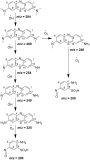
Photocatalytic degradation of methylene blue under visible light by cobalt ferrite nanoparticles/graphene quantum dots
Beilstein J. Nanotechnol. 2024, 15, 475–489, doi:10.3762/bjnano.15.43
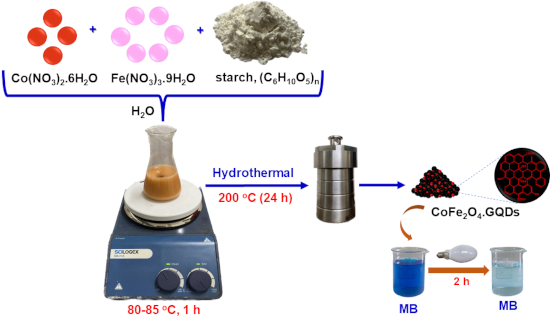
- multiple-component photocatalysts is a common way to overcome the issues of single-phase photocatalysts [9]. Stacking GQDs sheets onto CF nanoparticles not only prevents CF from agglomeration but also forms heterojunction contacts, which possibly reduce the recombination of the photo-induced electron–hole
- excellent heterojunctions between CoFe2O4 and GQDs. The former is favourable for more MB molecules to adsorb on the active sites of the photocatalysts, and the latter can facilitate the GQDs layers acting as electron acceptors, which are beneficial for suppressing the recombination of photogenerated




Nanomaterials for photocatalysis and applications in environmental remediation and renewable energy
Beilstein J. Nanotechnol. 2023, 14, 722–724, doi:10.3762/bjnano.14.58

- appropriate for treating pollutants, even in atmospheric conditions [9][10][11]. Moreover, the photocatalysis method is also a potential solution for environmental remediation, carbon emission reduction, and renewable energy production [12][13][14]. Combining photocatalysts and sunlight irradiation is a
- potential strategy for water treatment via the effectively infinite energy from the sun and the photocatalysts. Photocatalysis based on nanostructured semiconductors can significantly contribute to tackling several environmental pollution problems, sustainable synthesis, and energy production [2][15][16
- was used whereas for water splitting natural sunlight was used [24][25][26]. These results are mentioned as scaling up photocatalytic systems to reach net zero emission goals and the next technology to produce green hydrogen energy [14]. Up-to-date trending topics on photocatalysts based on




