


Search results
Search for "physicochemical characterization" in Full Text gives 47 result(s) in Beilstein Journal of Nanotechnology.
Oxidative atmosphere-driven formation of single-phase spinel CuRh2O4 nanofibers for alkaline water oxidation
Beilstein J. Nanotechnol. 2026, 17, 737–743, doi:10.3762/bjnano.17.50
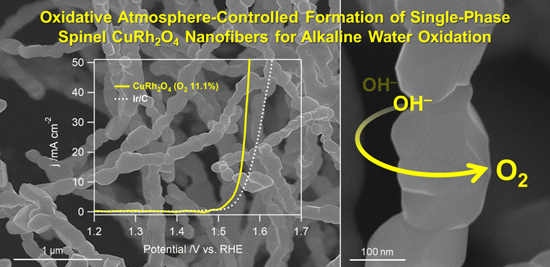
- 10 μL·min−1 with an applied voltage of 17 kV. Finally, the electrospun metal precursor/PVP nanofibers were calcined at 850 °C for 1 h with a heating rate of 10 °C·min−1 under a continuous mixed gas flow of O2 and He with controlled O2 concentrations (5.6%, 11.1%, and 22.2%). Physicochemical
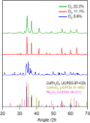
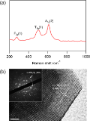
- characterization Morphology and elemental composition of the synthesized nanomaterials were examined using field-emission scanning electron microscopy (FE-SEM; JEOL JSM-6700F) and high-resolution transmission electron microscopy (HRTEM; JEOL JEM-2100F). Surface chemical states and crystallographic structures were




Advances in nanotechnology applied to natural products
Beilstein J. Nanotechnol. 2026, 17, 555–558, doi:10.3762/bjnano.17.36

- , hybrid, and inorganic platforms, reflecting the interdisciplinarity of the field, from nanosystem synthesis and physicochemical characterization to biomedical, pharmaceutical, cosmetic, and environmental applications. Among the nanostructures, lipid-based carriers, including nanoemulsions, microemulsions
Upcycling agroindustrial waste into graphene oxide supports for gold nanoparticles: toward sustainable nanomaterials
Beilstein J. Nanotechnol. 2026, 17, 489–504, doi:10.3762/bjnano.17.32
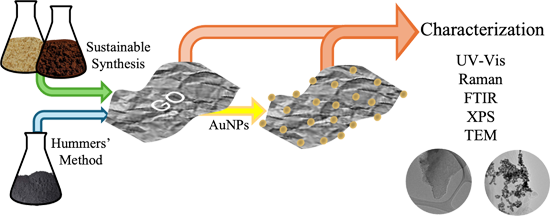
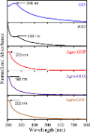
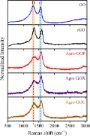
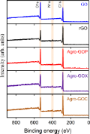
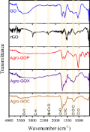
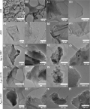
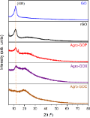
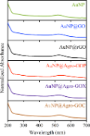
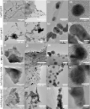
- performance in targeted applications. In addition to the physicochemical characterization, the AuNPs@Agro-GO composites exhibit considerable potential for environmentally oriented technological applications. AuNPs supported on graphene oxide have demonstrated high catalytic efficiency in the reduction of



Nanocarrier-integrated multilayer films produced by 3D printing for improved skin adhesion and curcumin photostability
Beilstein J. Nanotechnol. 2026, 17, 440–453, doi:10.3762/bjnano.17.30
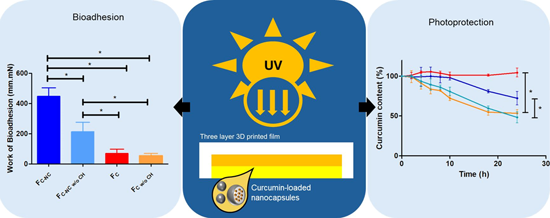
- 2 provides a summary of results from physicochemical characterization. Printing ink During the 3D printing process, the rheological behaviour of a printing ink is directly related to printability and the ability to form stable, structured layers, in order to avoid collapse after addition of


Durable antimicrobial activity of fabrics functionalized with zeolite ion-exchanged nanomaterials against Staphylococcus aureus and Escherichia coli
Beilstein J. Nanotechnol. 2026, 17, 262–274, doi:10.3762/bjnano.17.18
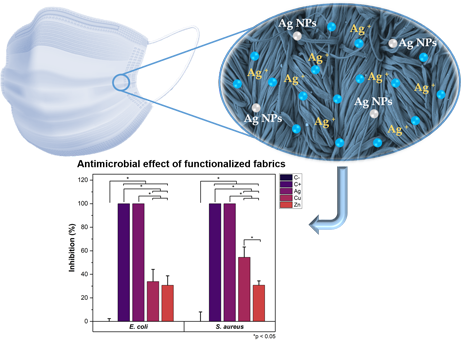
- physicochemical characterization of these materials, including metal content, morphology, and structural properties was reported in [4]. Materials characterization The morphology of the fabrics with and without NPs was analyzed by SEM. Images were acquired in a Hitachi SU3500 microscope operating at an




Safe and sustainable by design with ML/AI: A transformative approach to advancing nanotechnology
Beilstein J. Nanotechnol. 2026, 17, 176–185, doi:10.3762/bjnano.17.11
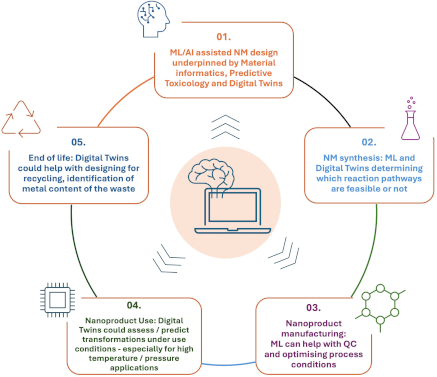
- ecotoxicological endpoints, standardized test methods, and physicochemical characterization protocols, and the development of nano-specific life cycle inventory data suitable for reliable LCAs. Without these foundational elements, even the most sophisticated ML models may yield biased or non-transferable results


Development and in vitro evaluation of liposomes and immunoliposomes containing 5-fluorouracil and R-phycoerythrin as a potential phototheranostic system for colorectal cancer
Beilstein J. Nanotechnol. 2026, 17, 97–121, doi:10.3762/bjnano.17.7
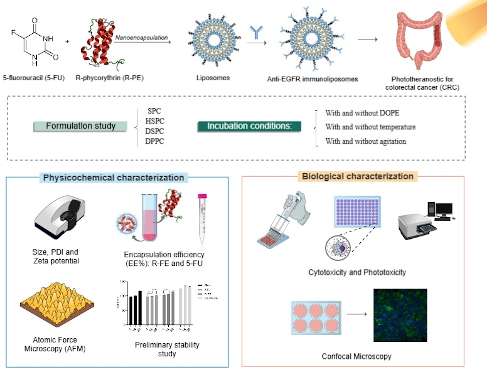
- liposome formulations that showed the best performance are described in Table 3. Therefore, the increase in 5-FU encapsulation in liposomes upon adding R-PE was confirmed. 3.2 Development and characterization of immunoliposomes Table 4 presents the physicochemical characterization of immunoliposome
- lyophilized samples to Fourier-transform infrared (FTIR) spectroscopy in an FTIR spectrophotometer (IRTracer-100, Shimazdzu, Japan), with a horizontal attenuated total reflectance accessory. The scan was performed in the range of 500 to 4000 cm−1 [27]. 2.5 Stability study After physicochemical
- characterization, the selected formulations were 30 days. The samples were kept at 4 °C in plastic containers wrapped in aluminum protected from light, and characterized for vesicle size, PDI, and zeta potential. 2.5.1 Stability of nanoparticles in serum The stability of the nanoparticles in bovine serum was



PEGylated lipids in lipid nanoparticle delivery dynamics and therapeutic innovation
Beilstein J. Nanotechnol. 2025, 16, 1914–1930, doi:10.3762/bjnano.16.133
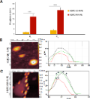
- lipid surface density and structure on LNP physicochemical properties Understanding the spatial organization of lipid components within LNPs is critical for optimizing their physicochemical characterization and stability. In particular, the localization of PEG lipids plays a significant role in
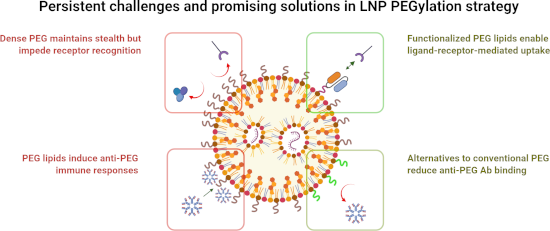
- adsorption, it may also impede the recruitment of functional lipoproteins such as apolipoprotein E (ApoE), which is critical for receptor-mediated hepatic uptake [27][28]. In a systematic study using LNPs containing DMG-PEG2k lipid at different molar fractions of 1.5, 5.0 and 10.0 mol %, both physicochemical
- characterization and biological performance of LNPs were evaluated. These LNPs were able to maintain comparable sizes in the range of 46 to 58 nm. To further assess the impact of increased PEG density on protein adsorption, ApoE association to LNPs was quantified in vitro using fluorescence-labeled ApoE and size


Phytol-loaded soybean oil nanoemulsion as a promising alternative against Leishmania amazonensis
Beilstein J. Nanotechnol. 2025, 16, 1826–1836, doi:10.3762/bjnano.16.126

- analysis. All samples were prepared in triplicate and data were expressed as mean ± standard deviation. The NEs composition was described in Table 3. Physicochemical characterization Droplet size, polydispersity index and zeta potential evaluation The droplet size was determined by dynamic light scattering


Prospects of nanotechnology and natural products for cancer and immunotherapy
Beilstein J. Nanotechnol. 2025, 16, 1644–1667, doi:10.3762/bjnano.16.116
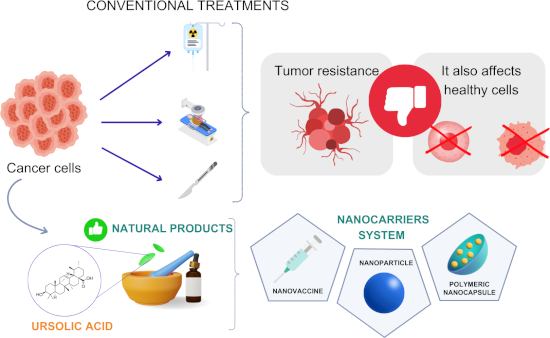
- cell cycle arrest, regulate oxidative stress, enhance metabolic reprogramming, inhibit invasion and metastasis, and modulate immunity and inflammation [129]. The developed nanoparticles underwent physicochemical characterization by SEM, UV–vis spectroscopy, and encapsulation testing, in which the
- containing immunomodulators and checkpoint inhibitors to achieve a synergistic effect and consequently expand the clinical potential of nanotechnology containing natural products. Patent KR20220169108 was discussed in the article published by Dhandapani et al., which addresses the synthesis, physicochemical
- characterization, and therapeutic evaluation of nanotechnology [92]. The formulation of patent CN114470229 was discussed in an article by Guo et al., which showed that the nanoparticle, as in the patent, achieved better solubility, synergistic effect, and better targeting [93]. In addition, the article published


Venom-loaded cationic-functionalized poly(lactic acid) nanoparticles for serum production against Tityus serrulatus scorpion
Beilstein J. Nanotechnol. 2025, 16, 1633–1643, doi:10.3762/bjnano.16.115
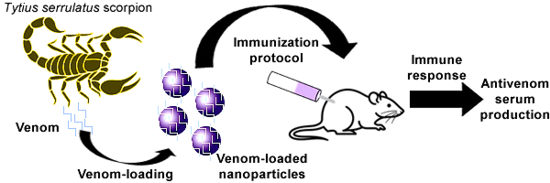
- physicochemical characterization of the nanoparticles revealed mean diameters below 230 nm, positive zeta potentials, and PDI below 0.3, corroborating other reports of PLA–PEI systems [14][38]. In addition, the high encapsulation efficiency can be attributed to the functionalizing agent (PEI), which demonstrates


Acrocomia aculeata oil-loaded nanoemulsion: development, anti-inflammatory properties, and cytotoxicity evaluation
Beilstein J. Nanotechnol. 2025, 16, 1277–1288, doi:10.3762/bjnano.16.93
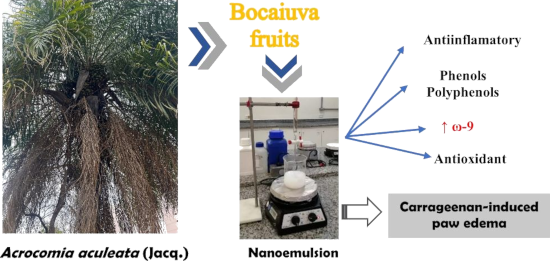
- ]. Physicochemical characterization of Acrocomia aculeata fruit pulp oil The physicochemical parameters of bocaiúva oil, such as acidity index, iodine index, and refractive index, were analyzed. The acidity index indicates the state of conservation of oils and fats and is related to the oxidation process. Our
- nitrogen for 24 h to obtain the solvent-free oil. Physicochemical characterization of Acrocomia aculeata oil Relative density and refractive index of Acrocomia aculeata oil (AAO) were evaluated according to the American Pharmacopoeia [58]. Iodine value, peroxide value, acid value, and saponification index


Chitosan nanocomposite containing rotenoids: an alternative bioinsecticidal approach for the management of Aedes aegypti
Beilstein J. Nanotechnol. 2025, 16, 1197–1208, doi:10.3762/bjnano.16.88
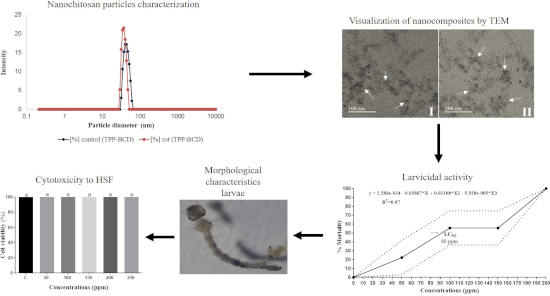
- into the chitosan-based nanocomposite and suggest molecular interactions that may contribute to the enhanced stability and bioactivity of the formulation. To complement the physicochemical characterization and confirm the efficiency of rotenoid encapsulation within the nanoparticles, a calibration



Aprepitant-loaded solid lipid nanoparticles: a novel approach to enhance oral bioavailability
Beilstein J. Nanotechnol. 2025, 16, 652–663, doi:10.3762/bjnano.16.50
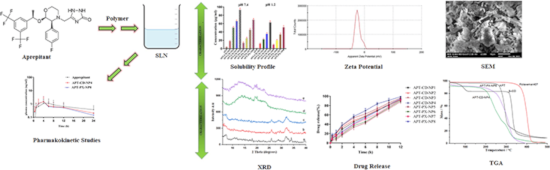
- absorbance of the filtered solution was determined at λmax = 210 nm. The experiment was performed in triplicate. The quantity of APT was measured by using a calibration curve of increasing concentrations of APT [10]. The encapsulation efficiency (EE) was calculated as follows: Physicochemical
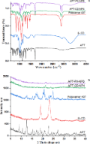
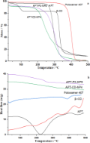
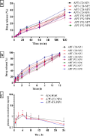
- characterization Particle size, zeta potential, and polydispersity index (PDI) of APT-NPs was analyzed through laser diffractometry (Malvern Instruments, Germany) with a measuring angle of 13° at 25 °C in triplicate [27]. Before particle size determination, APT-NPs samples were diluted with double distilled water



A formulation containing Cymbopogon flexuosus essential oil: improvement of biochemical parameters and oxidative stress in diabetic rats
Beilstein J. Nanotechnol. 2025, 16, 617–636, doi:10.3762/bjnano.16.48
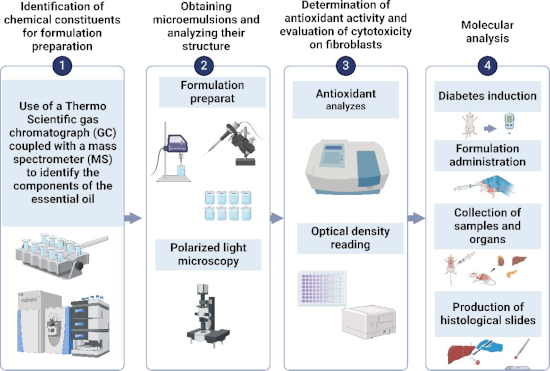
- and one NTS were also obtained. Among the TLS, point 7 (M7-EOCF) was selected for subsequent tests, as it had the lowest amount of surfactants and the highest proportion of water in its composition. Physicochemical characterization of the selected system Some parameters are fundamental for
- containing 10% EOCF were then prepared individually (Table 1), and the dispersions were evaluated macroscopically and characterized 48 h after they were obtained. Physicochemical characterization of the selected microemulsions The polydispersity index and average hydrodynamic radius of the droplets were




Engineered PEG–PCL nanoparticles enable sensitive and selective detection of sodium dodecyl sulfate: a qualitative and quantitative analysis
Beilstein J. Nanotechnol. 2025, 16, 385–396, doi:10.3762/bjnano.16.29
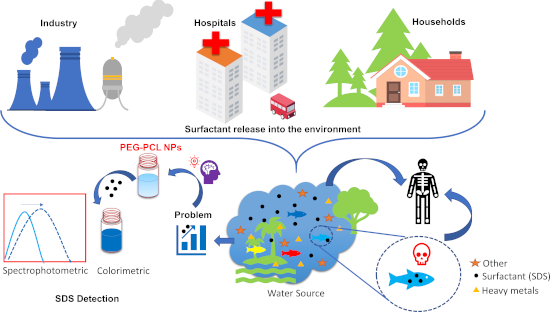
- using the ring-opening copolymerization method. Further physicochemical characterization revealed that synthesized nanoparticles were quasi-spherical and had a negative surface charge. To make a colorimetric/spectrophotometric sensor, PEG–PCL NPs and the Bradford reagent were mixed in a fixed ratio
- method. Physicochemical characterization of PEG–PCL nanoparticles: a) hydrodynamic radius and PDI, b) zeta potential, c) SEM, d) TEM, and e) XPS analysis. FTIR spectrum of PEG–PCL nanoparticles showing functional group interaction between parent compounds (PEG and PCL). Optimization of PEG–PCL


Fabrication and evaluation of BerNPs regarding the growth and development of Streptococcus mutans
Beilstein J. Nanotechnol. 2025, 16, 308–315, doi:10.3762/bjnano.16.23
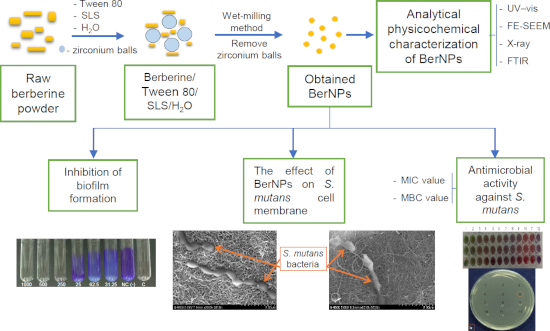
- . Powder BerNPs were obtained by the freeze-drying for 48 h at −55 °C under vacuum. Physicochemical characterization of BerNPs The specific adsorption peak of BerNPs was determined by UV–vis absorption spectroscopy in a wavelength range from 200 to 600 nm after dilution in methanol. The berberine




Radiosensitizing properties of dual-functionalized carbon nanostructures loaded with temozolomide
Beilstein J. Nanotechnol. 2025, 16, 229–251, doi:10.3762/bjnano.16.18
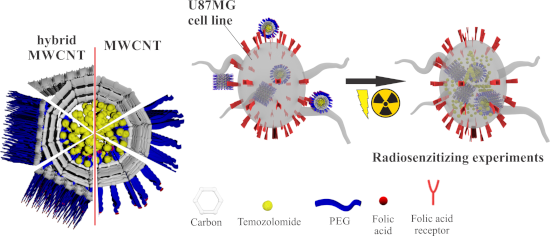
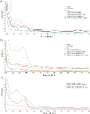
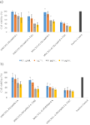
- physicochemical characterization, including the formulations exposed to irradiation under the same conditions. For physicochemical characterization of the formulations, different techniques were used by which successful functionalization of the CNs and TMZ loading were confirmed and visualized; no significant
- covalent functionalization, based on the assumption that the polymer with the higher molecular weight would provide longer circulation time and, thus, higher uptake ratio in the brain tumor cells. Physicochemical characterization of temozolomide-loaded carbon nanostructures For physicochemical
- characterization of all formulations regarding interactions of the components and their stability during the preparation procedures, different techniques were used including infrared (IR), ultraviolet–visible (UV–vis), and Raman spectroscopy as well as TGA. For analyzing potential structural changes in the CNs




Facile synthesis of size-tunable L-carnosine-capped silver nanoparticles and their role in metal ion sensing and catalytic degradation of p-nitrophenol
Beilstein J. Nanotechnol. 2024, 15, 1576–1592, doi:10.3762/bjnano.15.124
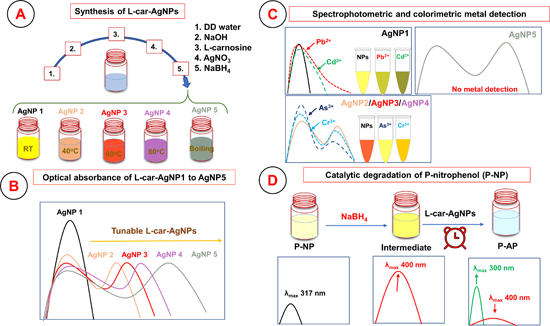
- ʟ-carnosine in synthesizing tunable plasmonic silver nanoparticles (ʟ-car-AgNPs). The formation of ʟ-car-AgNPs was confirmed via UV–vis optical absorption spectroscopy, showing single and double plasmonic peaks, depending on the synthesis conditions. Physicochemical characterization using TEM, FTIR




The round-robin approach applied to nanoinformatics: consensus prediction of nanomaterials zeta potential
Beilstein J. Nanotechnol. 2024, 15, 1536–1553, doi:10.3762/bjnano.15.121
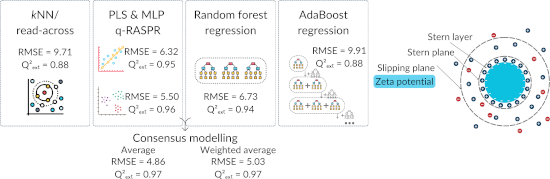
- engineered NMs was explored in silico in order to predict their ZP based on physicochemical and molecular descriptors. The physicochemical characterization of the NMs was performed under the EU-FP7 NanoMILE project (https://cordis.europa.eu/project/id/310451) [36]. From the available descriptors/properties


Nanoarchitectonics with cetrimonium bromide on metal nanoparticles for linker-free detection of toxic metal ions and catalytic degradation of 4-nitrophenol
Beilstein J. Nanotechnol. 2024, 15, 1312–1332, doi:10.3762/bjnano.15.106
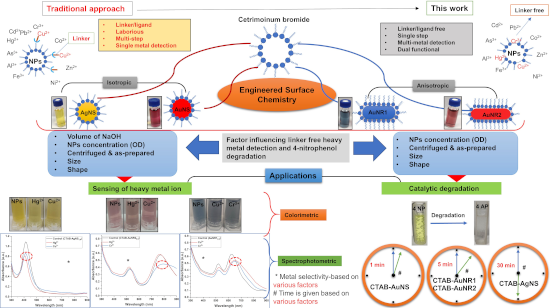
- TEM analyses Physicochemical characterization was performed using optical spectroscopy, DLS, FTIR, XRD, and TEM analyses. Figure 2a shows the synthesized isotropic silver and gold nanospheres with plasmon bands at 410 nm (AgNS) and 525 nm (AuNS). The anisotropic tunable gold nanorods with longitudinal


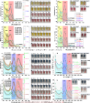


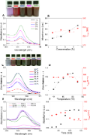
Enhanced catalytic reduction through in situ synthesized gold nanoparticles embedded in glucosamine/alginate nanocomposites
Beilstein J. Nanotechnol. 2024, 15, 1227–1237, doi:10.3762/bjnano.15.99
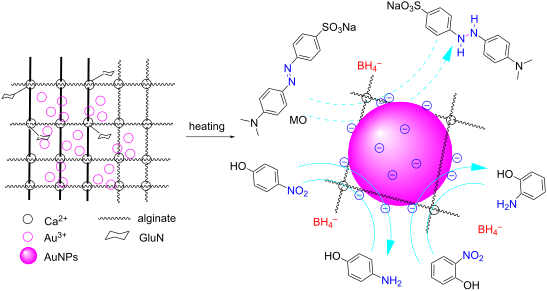
- 0 to 140 min. Physicochemical characterizations of AuNPs@GluN/Alg nanocomposite The samples synthesized under optimal conditions underwent physicochemical characterization and were used for the catalytic reduction of organic dyes. FTIR spectra of blank GluN/Alg and AuNPs@GluN/Alg were acquired using



Nanostructured lipid carriers containing benznidazole: physicochemical, biopharmaceutical and cellular in vitro studies
Beilstein J. Nanotechnol. 2023, 14, 804–818, doi:10.3762/bjnano.14.66
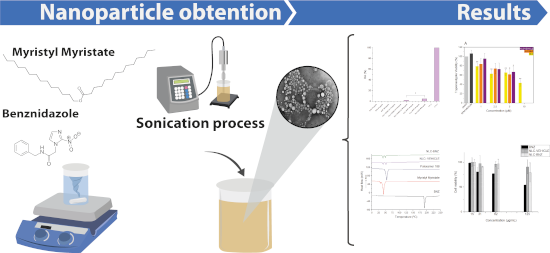
- . These results show potential for the development of new nanomedicines against T. cruzi. Keywords: benznidazole; biopharmaceutical study; Chagas disease; nanoparticles; nanostructured lipid carriers; physicochemical characterization; Trypanosoma cruzi; Introduction Chagas disease is a neglected disease
- other researchers working in the field. Results and Discussion Formulation and physicochemical characterization of NLC-BNZ Nanoparticle formulations were prepared by the ultrasonication method and named as NLC-BNZ or NLC-VEHICLE, in that order, depending on whether they contained BNZ or not. Stable


In situ magnesiothermic reduction synthesis of a Ge@C composite for high-performance lithium-ion batterie anodes
Beilstein J. Nanotechnol. 2023, 14, 751–761, doi:10.3762/bjnano.14.62
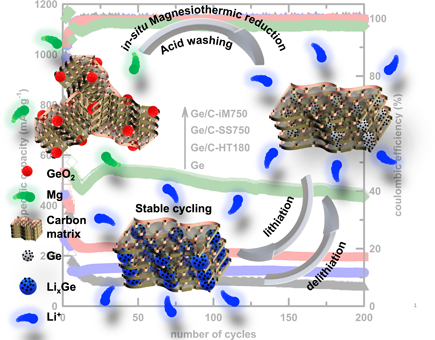
- between the components obtained via this route. Results and Discussion Physicochemical characterization The synthesis of Ge/C-iM750 (see Experimental section for sample denominations) was carried out through a one-pot in situ generation of Ge nanoparticles in the presence of a carbon matrix. In this


Supramolecular assembly of pentamidine and polymeric cyclodextrin bimetallic core–shell nanoarchitectures
Beilstein J. Nanotechnol. 2022, 13, 1361–1369, doi:10.3762/bjnano.13.112
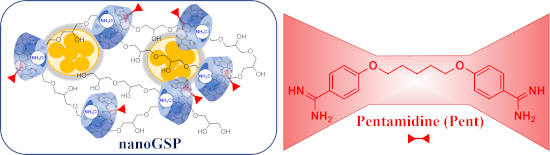
- -inflammatory, and anticancer). The physicochemical characterization of the supramolecular assembly (nanoGSP) in terms of size and colloidal stability was investigated by complementary spectroscopic techniques, such as UV–vis, ζ-potential, and dynamic light scattering (DLS). Furthermore, the role of PolyCD
- , Figure 1) achieved by supramolecular assembly of the components as well as their physicochemical characterization in terms of size and colloidal stability. The drug binding ability of nanoGS with Pent has been investigated by complementary spectroscopic techniques such as UV–vis, zeta potential (ζ





