Search results
Search for "polystyrene" in Full Text gives 234 result(s) in Beilstein Journal of Nanotechnology. Showing first 200.
Materials challenges in solid-state sensors for continuous monitoring of ions in water
Beilstein J. Nanotechnol. 2026, 17, 935–973, doi:10.3762/bjnano.17.66


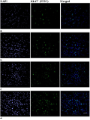
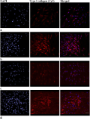
Restorative potential of laser-synthesized silver nanoparticles with Salvia officinalis for periodontal disease treatment: an in vitro study
Beilstein J. Nanotechnol. 2026, 17, 781–795, doi:10.3762/bjnano.17.55
- polystyrene cuvettes (DTS0012, Malvern Panalytical, UK) at ambient temperature (25 ± 0.1 °C). The selected AgNPs that displayed antimicrobial effects were further analyzed by transmission electron microscopy (TEM), to evaluate their size, shape, and dispersity. An FEI Talos F200X microscope, operating at 200



Substrate-dependent pore formation in molybdenum disulfide monolayers under ion irradiation
Beilstein J. Nanotechnol. 2026, 17, 769–780, doi:10.3762/bjnano.17.54
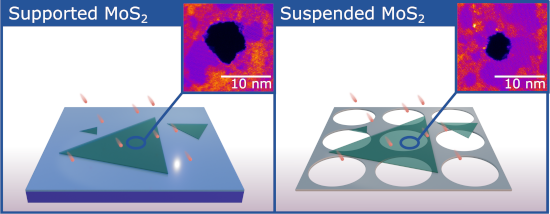
- Au, the monolayers have to be transferred onto TEM grids for STEM characterization. For this purpose, a thin polystyrene (PS) layer is spin-coated onto the sample. The sample is then immersed in a preheated KI/I2 etching solution (4 g KI, 1 g I2, 150 mL H2O) at 40 °C. After approximately 1 h, the Au


Environmental applications of silver nanoparticles: state-of-the-art review and emerging trends
Beilstein J. Nanotechnol. 2026, 17, 697–736, doi:10.3762/bjnano.17.49
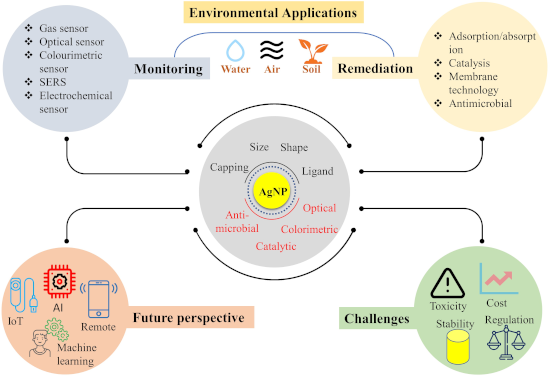
- spectroscopy (SERS) using AgNP nanocomposites could selectively detect polystyrene nanoparticles with a detection limit of 14 μg/mL [55]. X-ray photoelectron spectroscopy (XPS) provides information on the elemental composition, surface oxidation states, and electronic configuration of AgNPs [56]. This
- PFOS and PFOA, at 454.1 mg/g and 321.2 mg/g, respectively [29]. It was also observed that nanosilver interacted with microplastics in water and adsorbed onto their surfaces, including polypropylene, polyethene, and polystyrene [99]. However, the removal of microplastics from the nanosilver composite is


Decontamination from water pollutants and pathogens by electrospun nanofibers doped with heavy-atom-free borafluorene-BODIPY photosensitizers
Beilstein J. Nanotechnol. 2026, 17, 668–682, doi:10.3762/bjnano.17.46
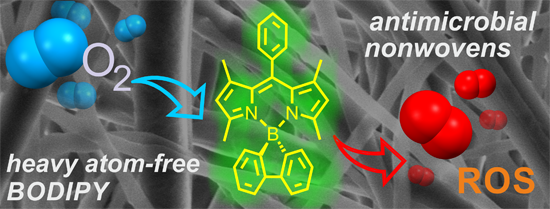
- -scale industrialized production of membrane filters [40][41][42][43][44][45][46][47][48][49]. We optimized electrospinning conditions and material composition using three different polymers, namely, poly(methyl methacrylate) (PMMA), polycaprolactone (PCL), and polystyrene (PS), doped with various
- from Sigma-Aldrich and were used without further purification. Polycaprolactone (PCL, Mw = 80.000 g·mol−1) and polystyrene (PS, Mw = 35.000 g·mol−1) were purchased from Merck, while poly(methyl methacrylate) (PMMA, Mw = 100.000 g·mol−1) was purchased from Polysciences, Inc. The solvents acetic acid (AA
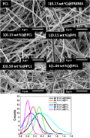
- ) supported by Tukey’s post hoc test. Results and Discussion Selection of the matrix material Samples of BODIPY 1 encapsulated in poly(methyl methacrylate) (PMMA), polystyrene (PS), and polycaprolactone (PCL) nanofibers were formed using electrospinning, following by SEM analysis of the morphology. To ensure



Optical bio/chemical sensors for vitamin B12 analysis in food and pharmaceuticals: state of the art, challenges, and future outlooks
Beilstein J. Nanotechnol. 2025, 16, 2207–2244, doi:10.3762/bjnano.16.153
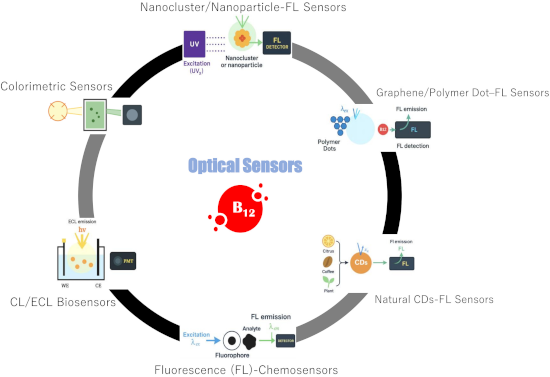
- the total content of VB12 (42 μg/100 g; Ado-Cbl as the main isomer) purified from the halotolerant green alga, Dunaliella salina V-101 using a luminometer and in a polystyrene cuvette, where VB12 served as the recognition analyte, the luminol-based reaction acted as the indicator system, and the


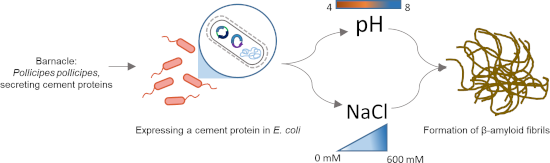
Self-assembly and adhesive properties of Pollicipes pollicipes barnacle cement protein cp19k: influence of pH and ionic strength
Beilstein J. Nanotechnol. 2025, 16, 1863–1872, doi:10.3762/bjnano.16.129
- (100 µL) were mixed with 100 µL of 40 µM ThT prepared in the sample buffer at the same pH and incubated at room temperature for 5 min. Fluorescence emission was recorded at 482 nm using a Varioskan Flash spectrofluorometer in a black polystyrene 96-well plate, with excitation at 440 nm and a bandwidth
- buffer, pH 2.0) were included in the assay. Surface adhesion assay The adhesion of rPpolcp19k-his in both monomeric and fibril form was studied by surface coating assay using surfaces typical of cell culture experiments, namely, hydrophilic 96-well polystyrene tissue culture-treated plates (Sarstedt
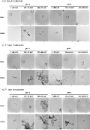
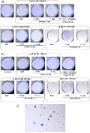
- rPolcp19k-his protein to (a) hydrophilic and (b) hydrophobic polystyrene surfaces in the presence of (I.) pH 4.0, 150 mM NaCl; (II.) pH 8.0, 600 mM NaCl; and (III.) pH 8.0, 0 mM NaCl. 21 days + pH switch: rPolcp19k-his incubated in pH 4.0, 150 mM NaCl for 21 days, followed by switching to pH 8.0, 600 mM


Current status of using adsorbent nanomaterials for removing microplastics from water supply systems: a mini review
Beilstein J. Nanotechnol. 2025, 16, 1837–1850, doi:10.3762/bjnano.16.127
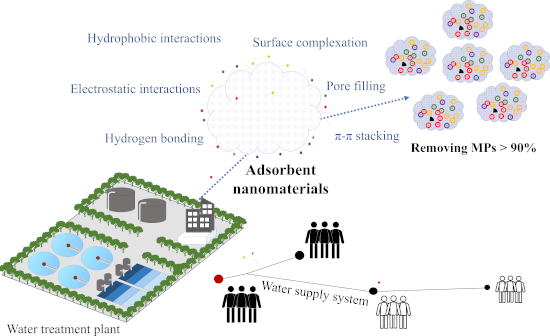
- modified to interact with different polymer compositions of MPs, such as polyethylene (PE), polypropylene (PP), and polystyrene (PS). The main mechanisms of MP removal depend on their structural and chemical properties, as shown in Figure 2 [50][51][52]. Many studies have been conducted to clarify the
- general and MPs in particular. By using corncob biochar, Abdoul Magid et al. showed an adsorption of polystyrene nanoplastics (PSNPs) of about 19 mg·g−1. The main mechanisms of PSNP adsorption include increased surface area from pyrolysis and oxidation, hydrophobic interactions (fresh biochar), hydrogen


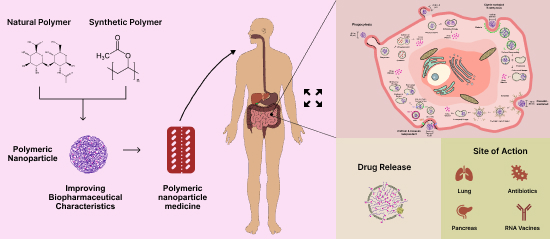
Exploring the potential of polymers: advancements in oral nanocarrier technology
Beilstein J. Nanotechnol. 2025, 16, 1751–1793, doi:10.3762/bjnano.16.122


Nanotechnology-based approaches for the removal of microplastics from wastewater: a comprehensive review
Beilstein J. Nanotechnol. 2025, 16, 1607–1632, doi:10.3762/bjnano.16.114
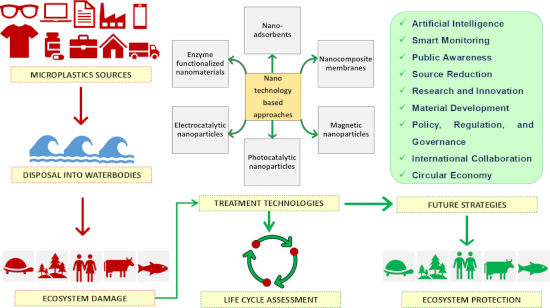
- wear, and microbial activity [3]. Common types of MPs found in ecosystems, particularly in freshwater and drinking water sources, include materials such as high-density polyethylene, polystyrene, polyvinyl chloride, and polypropylene [4]. Among the various contributors to MPs, residential households
- , 28–89%), polystyrene (PS) (5–27%), polyethylene terephthalate (PET, 4–35%), polypropylene (PP), and polyamide (PA, 3–30%) [20]. In a study performed by Steinfield et al. [21], it was observed that the MP concentrations in untreated wastewater from paper mills range from 106 to 108 (MPs ≥ 20 µm/m3
- found that polystyrene NPs, more than MPs, inhibited the growth of Halomonas alkaliphila, disrupted ammonia conversion, and induced oxidative stress. These findings highlight the effect of plastic debris on marine microbial functions, potentially disrupting nitrogen cycles and ecological balance. When


The role of biochar in combating microplastic pollution: a bibliometric analysis in environmental contexts
Beilstein J. Nanotechnol. 2025, 16, 1401–1416, doi:10.3762/bjnano.16.102
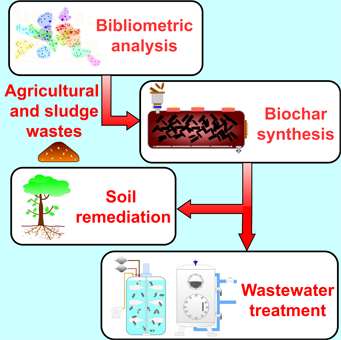
- such as Subgroup 10, Bacillus, and Pseudomonas. In aquatic systems, biochar serves as an efficient adsorbent, particularly for MPs larger than 10 µm, including polystyrene. Studies suggest that fixed-column models achieve superior removal efficiency (95.31% ± 5.26%) compared to batch systems (93.36
- . Additionally, three-dimensional graphene oxide has shown adsorption capacities of up to 617.28 mg·g−1 for polystyrene MPs of 5 µm in size [13][14]. The integration of adsorbents with appropriate treatment models has further enhanced removal efficiency. For instance, coal gasification slag-based adsorbents
- root biomass, shoot biomass, and plant height compared to controls without PP contamination [51]. The biomass of peanut roots and aboveground parts decreased by 28.45% and 16.45%, respectively, with 1.5% polystyrene (PS) contamination in the soil [53]. For sugarcane, polyethylene (PE) contamination



Functional bio-packaging enhanced with nanocellulose from rice straw and cinnamon essential oil Pickering emulsion for fruit preservation
Beilstein J. Nanotechnol. 2025, 16, 1234–1245, doi:10.3762/bjnano.16.91
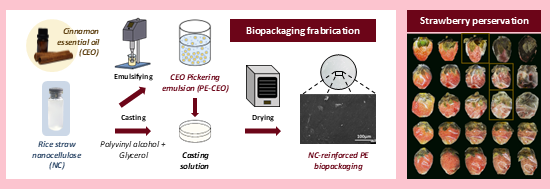
- biodegradability [1][2][3]. Polyvinyl alcohol (PVA) has been shown to provide better biodegradability compared to other polymers such as polyethylene, polyvinyl chloride, and polystyrene [4][5][6] due to its secondary alcohol groups being susceptible to enzymatic oxidation and its water solubility enhancing



Soft materials nanoarchitectonics: liquid crystals, polymers, gels, biomaterials, and others
Beilstein J. Nanotechnol. 2025, 16, 1025–1067, doi:10.3762/bjnano.16.77
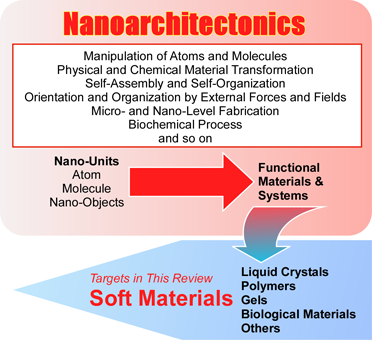
- involved the sequential organization of a colloidal suspension comprising polyaniline/polystyrene sulfonate and ZIF-8 MOF nanocrystals coated with polyallylamine hydrochloride (Figure 14). This functional electrode was designed to combine two key elements, that is, high surface area and porosity with






Shape, membrane morphology, and morphodynamic response of metabolically active human mitochondria revealed by scanning ion conductance microscopy
Beilstein J. Nanotechnol. 2025, 16, 951–967, doi:10.3762/bjnano.16.73
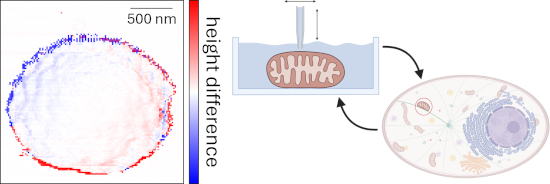
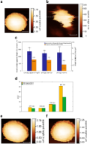
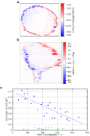
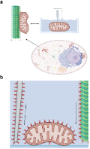
- Supporting Information File 1, Section S4). To determine whether the height intermittency is specific to SICM topographies of metabolically active and fixed mitochondria, we compare these results with SICM topographies of polystyrene microspheres (non-living objects with nearly the same geometry). Given the
- fixed mitochondria, polystyrene microspheres, or living cells (MG-63 osteoblasts; see Supporting Information File 1, Section S3) and has not been reported in the literature for either dead or living systems. Thus so far, it appears unique to mitochondria. Over time, the morphodynamic activity of
- subsequently removed, and the imaging dish was rinsed gently with 2 mL Krebs–Ringer medium before being refilled with 3 mL of fresh medium. For comparison, reference measurements were performed on similarly shaped polystyrene microspheres with diameters of 1 and 3 μm. 100 μL of the microsphere ethanol solution
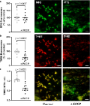
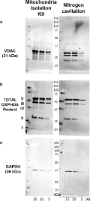



Serum heat inactivation diminishes ApoE-mediated uptake of D-Lin-MC3-DMA lipid nanoparticles
Beilstein J. Nanotechnol. 2025, 16, 740–748, doi:10.3762/bjnano.16.57
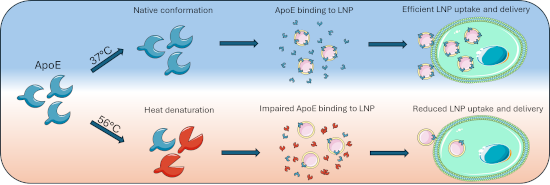
- media. A similar observation was made by Simon et al. [30], who attributed a difference in cellular uptake of PEGylated polystyrene nanocarriers in untreated or heat-inactivated FCS to the denaturation of important protein corona components. Indeed, heat inactivation did not reduce the amount of protein


Engineered PEG–PCL nanoparticles enable sensitive and selective detection of sodium dodecyl sulfate: a qualitative and quantitative analysis
Beilstein J. Nanotechnol. 2025, 16, 385–396, doi:10.3762/bjnano.16.29
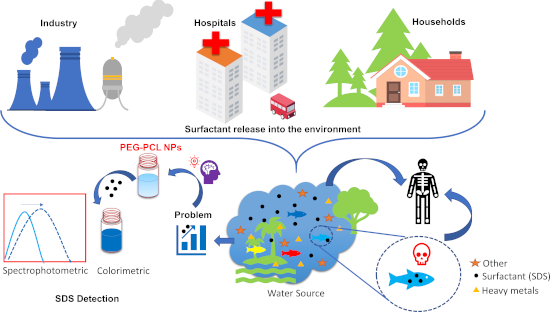
- . Polystyrene latex absorption coefficient and refractive index were used to measure synthesized nanoparticles, prefilled in the software with values of 0.01 and 1.59, respectively. All measurements were performed at 25 °C. The surface morphology of PEG–PCL nanoparticles was analyzed using scanning electron


Development of a mucoadhesive drug delivery system and its interaction with gastric cells
Beilstein J. Nanotechnol. 2025, 16, 371–384, doi:10.3762/bjnano.16.28

- assessed with a similar approach in a newly designed synthetic mucus hydrogel barrier system. The authors used differently sized polystyrene nanoparticles with polyethylene glycol (PEG) modifications. PEGylated nanoparticles exhibited better penetration than non-PEGylated formulations, regardless of the
- polystyrene cuvettes were used during size distribution analysis, and the distributions were obtained at an angle of 90° with respect to the incident beam. The zeta potential measurements were performed in disposable plain folded capillary zeta potential cuvettes with the same instrument. Encapsulation


Probing the potential of rare earth elements in the development of new anticancer drugs: single molecule studies
Beilstein J. Nanotechnol. 2025, 16, 187–194, doi:10.3762/bjnano.16.15
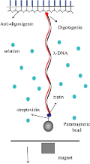
- the stock solutions in a phosphate-buffered saline (PBS) buffer with [Na+] = 150 mM, pH 7.4. The samples used for OT assays consist of biotin-labeled λ DNA molecules (New England Biolabs N3011S) tethered by the ends between a streptavidin-coated coverslip and a streptavidin-coated polystyrene bead (3


Attempts to preserve and visualize protein corona on the surface of biological nanoparticles in blood serum using photomodification
Beilstein J. Nanotechnol. 2024, 15, 1654–1666, doi:10.3762/bjnano.15.130

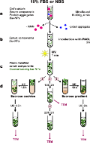
- polystyrene NPs and thereby obtained the full corona. In principle, the effect of click chemistry and photomodification is the same. Both fix the full corona; however, the methods differ in details. When click chemistry is performed, soft corona proteins bind only to pre-modified hard corona proteins, whereas



Ultrablack color in velvet ant cuticle
Beilstein J. Nanotechnol. 2024, 15, 1554–1565, doi:10.3762/bjnano.15.122

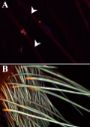
- ]. For the thermal images, a velvet ant specimen was carefully positioned on a polystyrene plate, serving as a thermal insulator, and covered with a layer of sand measuring 2 cm in thickness. Using a Fluke TiS75+ Thermal Camera, thermal images were captured before, during, and after a controlled heating



A biomimetic approach towards a universal slippery liquid infused surface coating
Beilstein J. Nanotechnol. 2024, 15, 1376–1389, doi:10.3762/bjnano.15.111
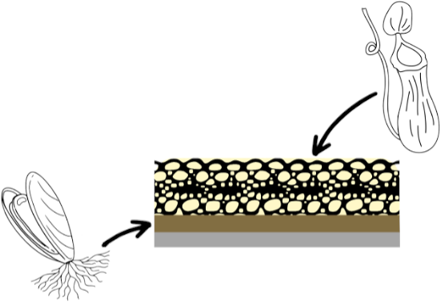
- of 1 × 10⁸ platelets/mL [33][34]. FXIIa assay Wells of interest of a nontreated 96-well polystyrene were blocked with 300 μL 1% bovine serum albumin (BSA) in Milli-Q water for 2 h at 37 °C. After 2 h, the wells were rinsed three times with Milli-Q water. Plates were coated immediately prior to use
- experiments were performed for a total sample size of 18. Clot turbidity analysis Wells of interest of a non-treated polystyrene 96-well plate were blocked with 300 μL 1% BSA in Milli-Q water for 2 h at 37 °C. After 2 h, wells were rinsed three times with Milli-Q water. Plates were coated immediately prior to
- baseline absorbance value. 5% is a sufficient threshold to overcome the noise floor of the data [33]. Clot morphology Wells of interest of a non-treated 96-well polystyrene were blocked with 300 μL 1% BSA in Milli-Q water for 2 h at 37 °C. After 2 h, wells were rinsed three times with Milli-Q water. Plates




Beyond biomimicry – next generation applications of bioinspired adhesives from microfluidics to composites
Beilstein J. Nanotechnol. 2024, 15, 965–976, doi:10.3762/bjnano.15.79
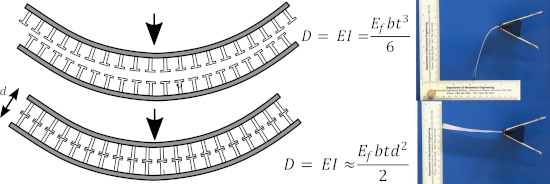
- . Supporting Information A demo of integrated HDPE fibers within an SEBS biomimetic adhesive sheet showing high shear strength (and negligible adhesion) on fabrics like spandex, while also being capable of having high peel strength on smooth plastic surfaces like polystyrene. The demonstration was completed in


Classification and application of metal-based nanoantioxidants in medicine and healthcare
Beilstein J. Nanotechnol. 2024, 15, 396–415, doi:10.3762/bjnano.15.36
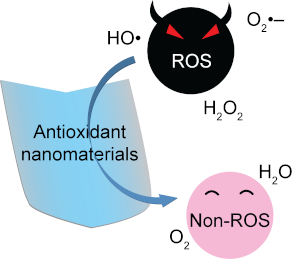
- compounds triggered by liquid metals, leading to the formation of phenolic nanocoatings on substrates. In detail, nanocoatings of the phenolic compound pyrogallol deposited on polystyrene, glass beads, and paper yielded free radical scavenging activities of ca. 67%, ca. 84%, and ca. 92%, respectively [61


Comparative electron microscopy particle sizing of TiO2 pigments: sample preparation and measurement
Beilstein J. Nanotechnol. 2024, 15, 317–332, doi:10.3762/bjnano.15.29
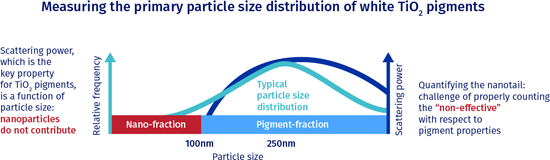
- method is effective for loosely bound monodisperse particles such as polystyrene latex or gold particles. However, it can be challenging when dealing with highly agglomerated and cohesive particles such as TiO2, especially for laboratories without prior experience. The authors have chosen to use “E171


CdSe/ZnS quantum dots as a booster in the active layer of distributed ternary organic photovoltaics
Beilstein J. Nanotechnol. 2024, 15, 144–156, doi:10.3762/bjnano.15.14
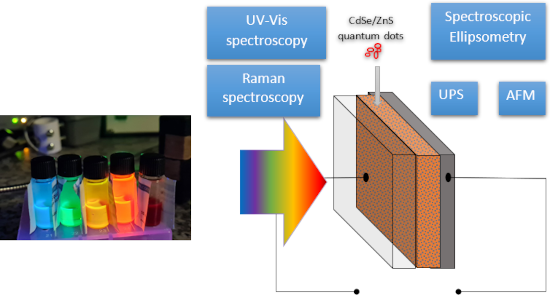
- of QD-doped devices was compared to the reference system (ITO/PEDOT:PSS/P3HT:PCBM/aluminium). PEDOT:PSS ([poly(3.4-ethylene dioxythiophene] polystyrene sulfonate) is an intrinsically conductive polymer, a mixture of two ionomers, with a HOMO level equal to 5.17 eV [61]. It is widely used as a charge