Search results
Search for "precursor" in Full Text gives 617 result(s) in Beilstein Journal of Nanotechnology. Showing first 200.
He+ FIBID-fabricated 3D AFM tip architectures: an exploratory study of hollow pillars, helices, and spirals
Beilstein J. Nanotechnol. 2026, 17, 863–871, doi:10.3762/bjnano.17.62
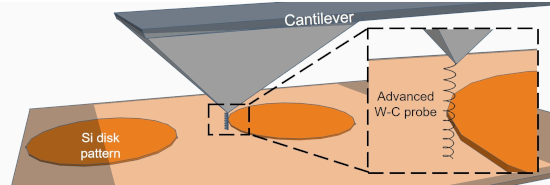
- ) nanoarchitectures with high spatial control. In these approaches, precursor molecules are adsorbed to the substrate surface, where local beam irradiation induces their dissociation. The nonvolatile products remain at the irradiated region and accumulate to form the deposit, while volatile fragments are removed by
- II), which enabled precise delivery of precursor gases into the processing chamber. To ensure reproducibility and structural fidelity, the He+ FIBID process was governed by the following fabrication parameters: tungsten hexacarbonyl as precursor material, W(CO)6; Tprecursor = 55 °C; GISneedle
- File 1. The formation mechanism of hollow nanostructures during He+ FIBID has been reported previously [35]. In this growth mode, the interplay between precursor deposition and ion-beam-induced milling promotes the formation of a central cavity during deposition. The inner and outer diameters of the


Light-driven ammonia electrooxidation via carbon nitride–ruthenium molecular interfaces
Beilstein J. Nanotechnol. 2026, 17, 854–862, doi:10.3762/bjnano.17.61
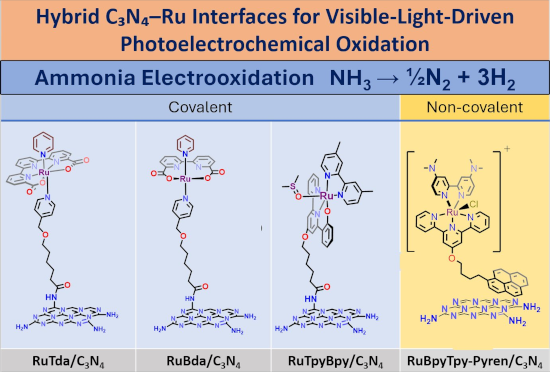
- . Subsequently, a ruthenium precursor then coordinates to the pyridine nitrogen, completing the assembly. The resulting covalent connection is thermodynamically robust, surviving repeated electrochemical cycling and exposure to the reaction medium without significant catalyst leaching. A proof-of-concept, using


Restorative potential of laser-synthesized silver nanoparticles with Salvia officinalis for periodontal disease treatment: an in vitro study
Beilstein J. Nanotechnol. 2026, 17, 781–795, doi:10.3762/bjnano.17.55
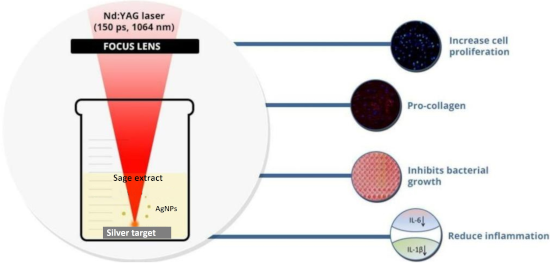
- employ silver nitrate as a precursor and different reducing agents as a stabilizer, (ii) biological methods, which use natural precursors like bacteria, enzymes, and plant extracts, and (iii) physical methods based on arc discharge, sputtering, physical vapor deposition, or laser ablation [2]. While



Oxidative atmosphere-driven formation of single-phase spinel CuRh2O4 nanofibers for alkaline water oxidation
Beilstein J. Nanotechnol. 2026, 17, 737–743, doi:10.3762/bjnano.17.50
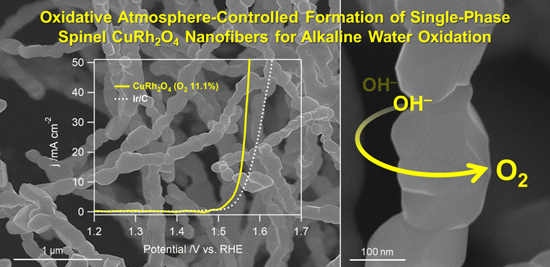
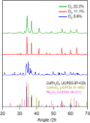
- synthesis parameters were kept identical to those described above (Supporting Information File 1, Figure S1). These results highlight that phase evolution is governed by the interplay between overall oxygen concentration and transient local redox environments during precursor decomposition, and that precise
- metal precursors at concentrations of 0.151 and 0.076 mol/L, respectively, in 2.2 mL of a mixed solvent comprising ethanol (1.5 mL) and deionized water (0.7 mL), followed by ultrasonication for 30 min to achieve complete homogenization. Subsequently, 200 mg of PVP was added to the precursor solution
- . The mixture was magnetically stirred for 18 h at room temperature to obtain a fully homogenized spinning solution. The prepared precursor solution was then loaded into a plastic syringe and electrospun using an electrospinning system (NanoNC, ESR200R2). Electrospinning was performed at a feed rate of




Recent progress in enhancing built-in electric fields of perovskite solar cells via junction engineering
Beilstein J. Nanotechnol. 2026, 17, 602–621, doi:10.3762/bjnano.17.42
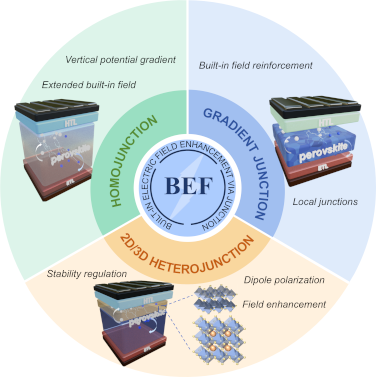
- requirements on fabrication uniformity, film thickness control, and precursor stoichiometry, and their process windows remain narrow, complicating large-scale manufacturing. To reconcile BEF enhancement with manufacturing feasibility, Liu et al. [37] proposed a bilayer modification strategy. They introduced
- acetonitrile (ACN)-based 2D precursor, enabling surface-limited phase conversion, while PbI2-assisted phase control (PAPC) suppresses excessive reactions and high-barrier n = 1 RP phase formation, promoting a uniform distribution of low-barrier n = 2 phases. This synergistic phase control optimizes interfacial
- continuous illumination for 500 h. Although ACN exhibits higher polarity than IPA, it is a polar aprotic solvent with weak Lewis basicity toward Pb2+. Consequently, its interaction with the Pb–I framework is more controllable, enabling a relatively mild interfacial modulation. In the half-precursor (HP




Upcycling agroindustrial waste into graphene oxide supports for gold nanoparticles: toward sustainable nanomaterials
Beilstein J. Nanotechnol. 2026, 17, 489–504, doi:10.3762/bjnano.17.32
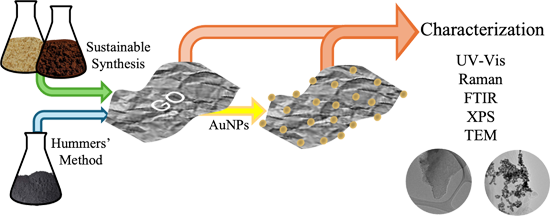
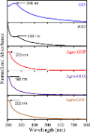
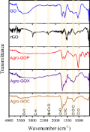
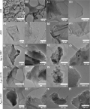
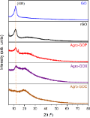
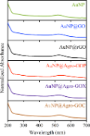
- -related applications. The results reveal that Agro-GO exhibits tunable oxidation levels, diverse surface functionalities, and morphologies comparable to those of conventional GO; these properties strongly depend on the type of agroindustrial waste precursor used. These findings demonstrate the feasibility
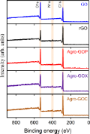
- proportions of oxygen-containing groups obtained from the C 1s deconvolution spectra reveal marked differences among GO, rGO, and Agro-GO samples, indicating that both the synthesis route and the biomass precursor tightly control surface functionalization. In GO, the oxygenated components are balanced, with
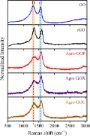
- network. The loss of C–O, C=O, and –COOH species reduces the number and intensity of IR-active vibrational modes, resulting in lower overall absorbance and a lower signal-to-noise ratio. The Agro-GO samples, however, display more heterogeneous and precursor-dependent profiles: Agro-GOP is dominated by



Polycatecholamine nanocoatings on stainless steel: the effect on attachment of human fibroblasts and platelets
Beilstein J. Nanotechnol. 2026, 17, 365–380, doi:10.3762/bjnano.17.25
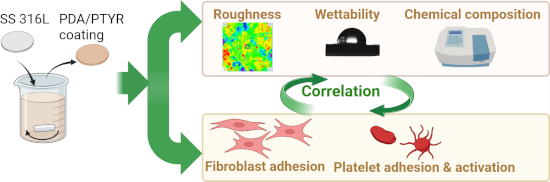
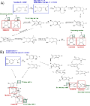
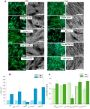
- (PDA) is widely used to functionalize materials and enhance cell attachment. At the same time, the potential of the dopamine precursor tyrosine in its polymerized form (polytyrosine, PTYR) remains underexplored despite its biological activity. In this study, we developed nanostructured PDA and PTYR




Interconnection morphology effects on the radio frequency response of carbon nanotube sponges
Beilstein J. Nanotechnol. 2026, 17, 343–351, doi:10.3762/bjnano.17.23
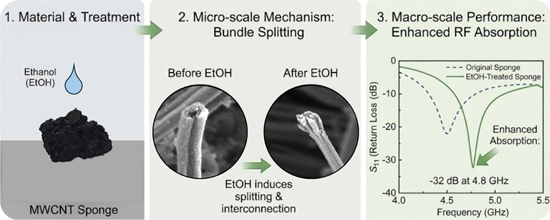
- ) into the pipe and carried inside the hot area of the furnace by the gas mixture with the addition of acetylene (20 sccm). In the hot area, the precursor dissociated, and the CNTs started growing. The process was stopped after 30 min. The system was then allowed to cool down to room temperature. The




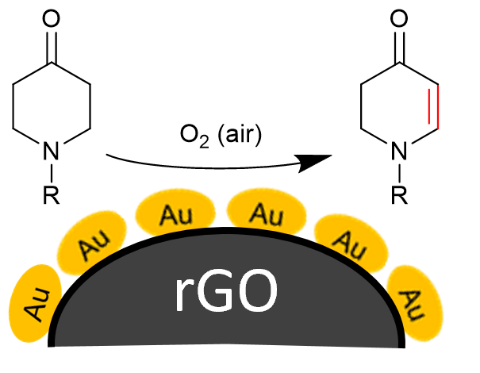
Gold nanoparticle-decorated reduced graphene oxide as a highly effective catalyst for the selective α,β-dehydrogenation of N-alkyl-4-piperidones
Beilstein J. Nanotechnol. 2026, 17, 218–238, doi:10.3762/bjnano.17.15
- then deposited onto the carbon material. The synthesis of the Au@SiW9/carbon composites was done by the DP method as shown in Figure 1c. The POM salt (SiW9), the gold precursor (KAuCl4), and the carbon material were combined in a solution–dispersion, and the reduction was induced with NaBH4. Synthesis
- . Synthesis of Au@SiW9/AC, Au@SiW9/rGO, and Au@SiW9/CB The DP method is the most widely used procedure to support gold nanoparticles on metal oxides [6]. The synthesis involves dissolving the POM salt (SiW9) and the gold precursor (KAuCl4) in water in an ice bath, dispersing the carbon material (AC, rGO, CB
- ) in the solution, and allowing POM salt and gold precursor to adsorb onto the carbon surface or in the pores; then, the reduction with NaBH4 is induced to form Au@SiW9/AC, Au@SiW9/rGO, Au@SiW9/CB. Unlike the RD method, where the reduction of the tetrachloridoaurate(III) ions to metallic gold occurs in


Time of flight secondary ion mass spectrometry imaging of contaminant species in chemical vapour deposited graphene on copper
Beilstein J. Nanotechnol. 2026, 17, 200–213, doi:10.3762/bjnano.17.13
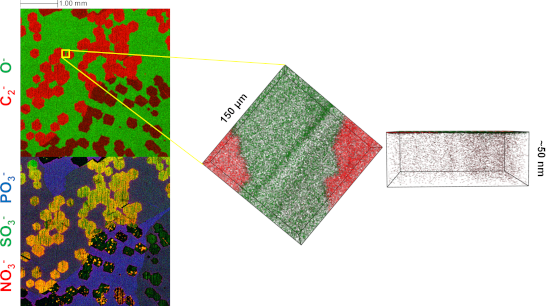
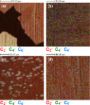
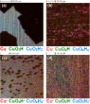
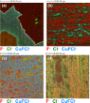
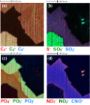
- precursor was introduced for 30 min. The graphene growth atmosphere consisted of 250 SCCM Ar, 26 SCCM H2 and 9 SCCM CH4 (0.1% diluted in Ar) for all samples except the BO sample where a flow rate of 30 SCCM CH4 (0.1% diluted in Ar) was used due to the very low nucleation density. After the growth step the





From shield to spear: Charge-reversible nanocarriers in overcoming cancer therapy barriers
Beilstein J. Nanotechnol. 2026, 17, 159–175, doi:10.3762/bjnano.17.10
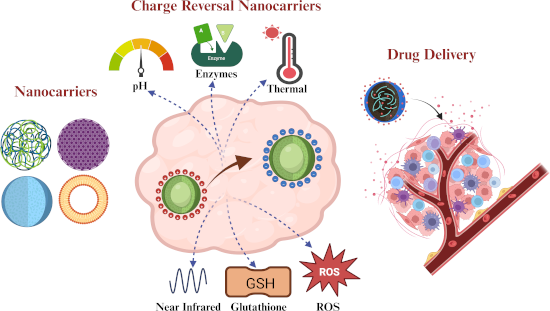
- ROS [59] and activate drug release mechanisms. For instance, nitroimidazole-ligated gold nanoparticles release nitrate, a precursor for nitric oxide, when irradiated with clinically relevant X-rays. This release sensitises hypoxic cancer cells to radiation therapy by generating reactive oxygen and


Functional surface engineering for cultural heritage protection: the role of superhydrophobic and superoleophobic coatings – a comprehensive review
Beilstein J. Nanotechnol. 2026, 17, 63–96, doi:10.3762/bjnano.17.6



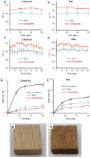
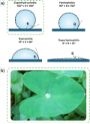


Subdigital integumentary microstructure in Cyrtodactylus (Squamata: Gekkota): do those lineages with incipiently expressed toepads exclusively exhibit adhesive setae?
Beilstein J. Nanotechnol. 2026, 17, 38–56, doi:10.3762/bjnano.17.4
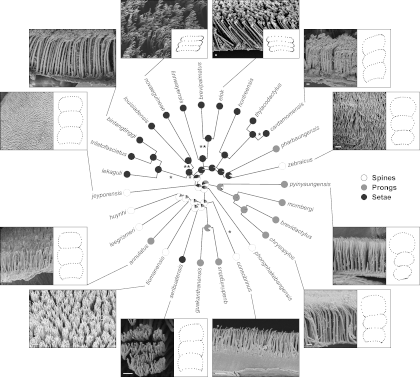
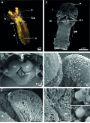
- microstructure type to setae should function to improve traction for locomotion [3][7][22][72]. This might be a precursor to the elaboration of adhesive microstructures [7]. The sphaerodactylid Gonatodes humeralis (Guichenot, 1855) has also been demonstrated to bear incipient toepads [13][36]. Similar to the



Chiral plasmonic nanostructures fabricated with circularly polarized light
Beilstein J. Nanotechnol. 2025, 16, 2245–2264, doi:10.3762/bjnano.16.154
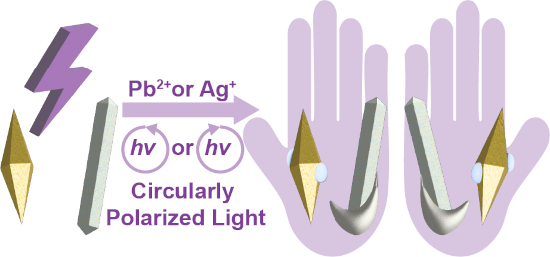
- 4b,c show examples of chiral Ag nanostructures immobilized on a glass plate [58]. The authors fabricated these chiral nanostructures by shining CPL on glass plates immersed in an aqueous solution of silver nitrate and sodium citrate with Ag nanoplates as the precursor to obtain the arrays of chiral





Optical bio/chemical sensors for vitamin B12 analysis in food and pharmaceuticals: state of the art, challenges, and future outlooks
Beilstein J. Nanotechnol. 2025, 16, 2207–2244, doi:10.3762/bjnano.16.153


Ultrathin water layers on mannosylated gold nanoparticles
Beilstein J. Nanotechnol. 2025, 16, 2183–2198, doi:10.3762/bjnano.16.151
- of dimannoside and PEGylated ligands. The PEG AuNPs were functionalized only with the PEGylated component; they can be seen as a precursor, and we used them as negative controls. Particle size and shape Particle size and stability in an aqueous solution were characterized by DLS and ZP measurements



Stereodiscrimination of guests in chiral organosilica aerogels studied by ESR spectroscopy
Beilstein J. Nanotechnol. 2025, 16, 2034–2054, doi:10.3762/bjnano.16.140
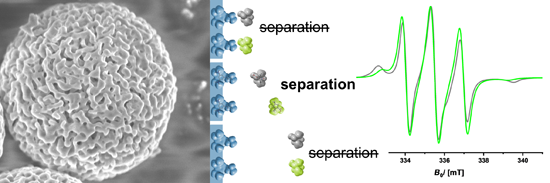
- were prepared accordingly [50]. For similar hydrolysis and condensation kinetics compared to the organosilane sol–gel precursors (see below), tetraisopropoxysilane (Si(OiPr)4) was used as a sol–gel precursor. After solvent exchange of the wet gel, supercritical drying with carbon dioxide delivered the
- physisorption measurements. NHxSIL was prepared by co-condensation of tetraalkyloxysilanes (e.g., Si(OMe)4) with a second sol–gel precursor such as aminopropyltriethoxysilane (APTMS, (MeO)3SiPrNH2). One can control the amine content, x, by adjusting the ratio of the two precursors in the precursor sol. A
- organosilica materials [51][52], also including aerogels [53][54]. The thiol precursor HS-Ph(Si(OiPr)3)2 was established in 2014 for making periodically ordered mesoporous organosilica [55][56], which are characterized by pore sizes in the sub-10 nm range. Because large pore sizes are beneficial for mass




The cement of the tube-dwelling polychaete Sabellaria alveolata: a complex composite adhesive material
Beilstein J. Nanotechnol. 2025, 16, 1998–2014, doi:10.3762/bjnano.16.138
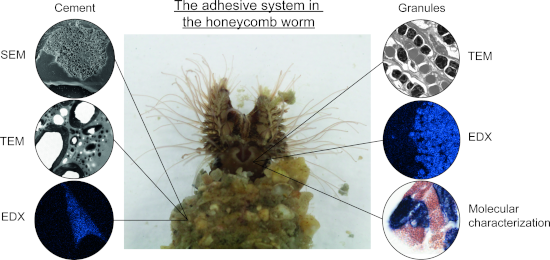
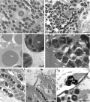
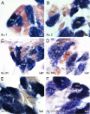
- Primer 3 (bioinfo.ut.ee/primer3/) with an optimal amplicon length between 700 and 900 bp (Supporting Information File 1, Table S4). For the previously reported adhesive proteins, the primers were designed using the first clone of each cement precursor protein available on NCBI [17]. For in situ



Laser ablation in liquids for shape-tailored synthesis of nanomaterials: status and challenges
Beilstein J. Nanotechnol. 2025, 16, 1963–1997, doi:10.3762/bjnano.16.137
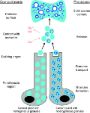
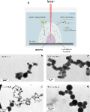
- formation and deposition of nanostructures. The method was successfully applied for the formation of nanoflakes [80], nanoflowers [81], and nanofibers [82][83]. In this method, the choice of the organic precursor influences the shape of the produced nanostructures. For example, the formation of Ag
- nanofibers has been shown to occur via anisotropic growth, using the fibrous products of the organic precursor decomposition for self-templating, which guides the following processes of reduction of silver ions at their surface. The concentration of the organic precursor further influences the shape




Evaluating metal-organic precursors for focused ion beam-induced deposition through solid-layer decomposition analysis
Beilstein J. Nanotechnol. 2025, 16, 1942–1951, doi:10.3762/bjnano.16.135
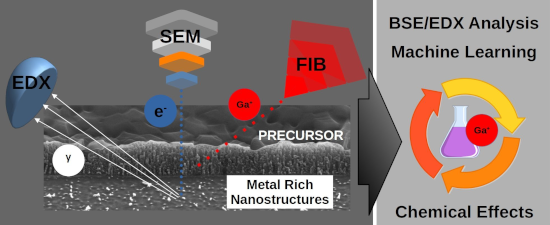
- create a new precursor, extensive testing using specialized gas injection systems is required along with time-consuming and costly chemical analysis typically conducted using scanning electron microscopy (SEM). This process can be quite challenging due to its complexity and expense. Here, the response of
- learning data processing techniques. This approach enables a comprehensive fast examination of precursor decomposition processes during FIB irradiation and provides valuable insights into how the precursor’s composition influences the final properties of the metal-rich deposits. Although solid-layer
- duration of the electron or ion beam pulses. In FEBID and FIBID, volatile precursor molecules are delivered to the substrate surface via a gas injection system (GIS), where they adsorb and are subsequently decomposed by a focused electron or ion beam with energies in the kiloelectronvolt range. While


Targeting the vector of arboviruses Aedes aegypti with nanoemulsions based on essential oils: a review with focus on larvicidal and repellent properties
Beilstein J. Nanotechnol. 2025, 16, 1894–1913, doi:10.3762/bjnano.16.132
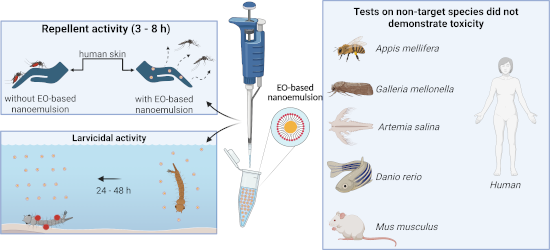
- /mL and 56.13 µg/mL, respectively. Botas et al. (2017) developed a nanoemulsion based on the essential oil of Baccharis reticularia, a plant native to Brazil, also found in Paraguay, Bolivia, and Argentina. The oil is mainly composed of mono- and sesquiterpenes, including ᴅ-limonene, a key precursor


Exploring the potential of polymers: advancements in oral nanocarrier technology
Beilstein J. Nanotechnol. 2025, 16, 1751–1793, doi:10.3762/bjnano.16.122
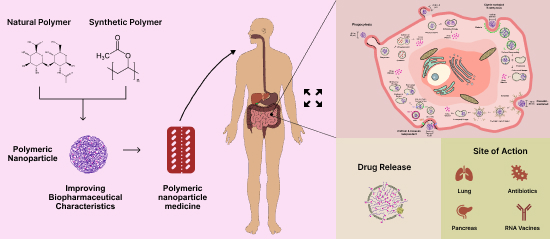
- precursor polymer. For instance, trimethylation of the primary amino group increases its cationic nature, enhancing mucoadhesive properties. Thiolation of chitosan forms disulfide bonds with mucus glycoproteins and intra-chain, enhancing mucoadhesive properties. Other modifications include carboxylation


Ambient pressure XPS at MAX IV
Beilstein J. Nanotechnol. 2025, 16, 1677–1694, doi:10.3762/bjnano.16.118
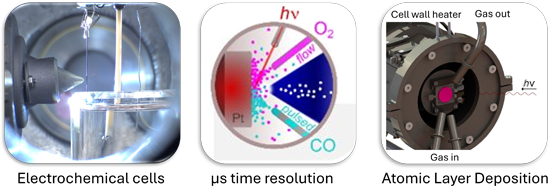
- reaction cell was designed to replicate commercial ALD conditions, including independent pulsing of precursor gases, laminar flow across the sample, and substrate heating. The setup allows for independent control of precursor and co-reactant exposure and supports a variety of chemistries [60]. ALD is a key
- order to better understand how to create sharp interfaces between the materials [55][57][58][63]. In one study by D’Acunto et al., the surface composition and thickness of the initial growth of HfO2 on InAs was investigated using tetrakis(dimethylamido)hafnium(IV) (TDMAHf) as the hafnium precursor [63
- formation of HfOx occur simultaneously during precursor exposure. These results suggest that HfO2 can form even without an external oxygen source during the first half-cycle, using the available oxygen content on the surface, challenging traditional ligand-exchange descriptions of ALD chemistry





Photocatalytic degradation of ofloxacin in water assisted by TiO2 nanowires on carbon cloth: contributions of H2O2 addition and substrate absorbability
Beilstein J. Nanotechnol. 2025, 16, 1567–1579, doi:10.3762/bjnano.16.111
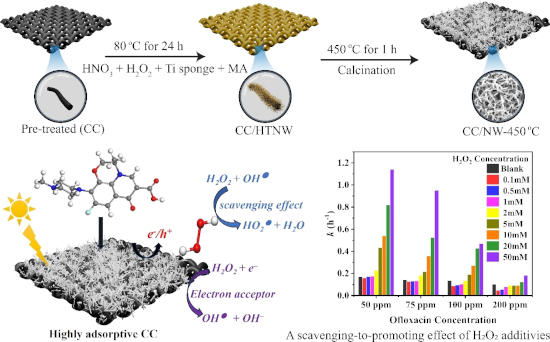
- Discussion Microstructure and morphology of photocatalysts Figure 1a shows schematically the synthesis of TiO2 nanowires on an activated carbon cloth substrate. When the carbon cloth is immersed in the Ti–H2O2 precursor solution maintained at 80 °C, first, the carbon cloth surface is activated, and, second


Laser processing in liquids: insights into nanocolloid generation and thin film integration for energy, photonic, and sensing applications
Beilstein J. Nanotechnol. 2025, 16, 1428–1498, doi:10.3762/bjnano.16.104
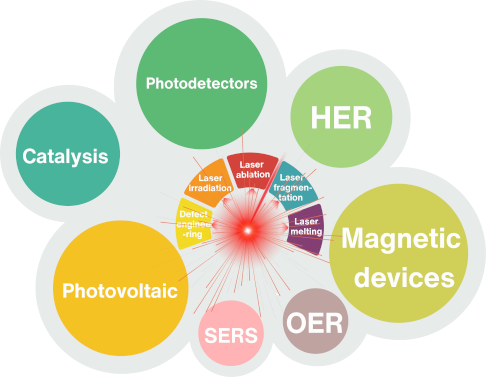
- experimental setup for LDL typically involves a tightly focused laser beam interacting with a liquid precursor or solution. This precise control over the laser parameters, including wavelength, pulse duration, and energy density, allows researchers to carefully tailor the nature and distribution of the
- volume of precursor solution, characterized by low surface tension, is released from a capillary tube either by dripping with negligible initial velocity or by injection with an initial velocity. The droplet is then directed toward the substrate, where the ultrasonic vibration aids in controlling the
- substrate and the spray nozzle, substrate temperature, and precursor solution concentration. Additionally, the properties of the films depend on variables like the spray rate, ambient atmosphere, droplet size, carrier gas, and post-deposition cooling. One of the key advantages of this method is its ability