Search results
Search for "quartz" in Full Text gives 415 result(s) in Beilstein Journal of Nanotechnology. Showing first 200.
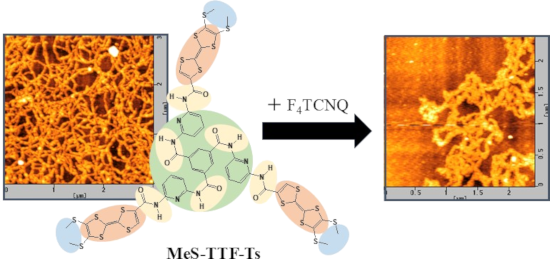
Supramolecular one-dimensional conducting nanofibers from a C3-symmetric tetrathiafulvalene derivative
Beilstein J. Nanotechnol. 2026, 17, 872–881, doi:10.3762/bjnano.17.63
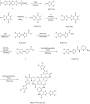
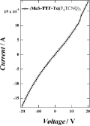
- method or from cast films deposited on quartz substrates, depending on the sample form. Conductivity measurements Electrical conductivity was measured by a direct current (DC) two-probe method. Gold electrodes with a thickness of 100 nm were deposited on mica substrates by vacuum evaporation. Electrical
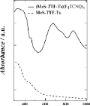
- cast films deposited on quartz substrates. The samples were prepared by drop-casting a DMSO solution of MeS-TTF-Ts and a mixed solution of MeS-TTF-Ts in DMSO and F4TCNQ in acetonitrile onto quartz substrates, followed by solvent evaporation. The final concentration of each solution was adjusted to 6 mM
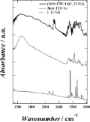
- μm. UV–vis spectra of nanofiber films on quartz substrates formed from MeS-TTF-Ts and the (MeS-TTF-Ts)(F4TCNQ)3 charge-transfer complex. FTIR spectra of neutral F4TCNQ and the (MeS-TTF-Ts)(F4TCNQ)3 charge-transfer complex thin film deposited on a CaF2 substrate. I–V curves of nanofibers composed of


Glycerol photoelectrochemical oxidation reaction at carbon nitrides/BiVO4 materials
Beilstein J. Nanotechnol. 2026, 17, 806–817, doi:10.3762/bjnano.17.57
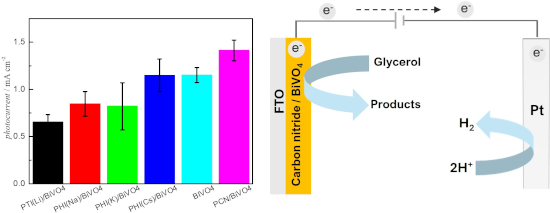
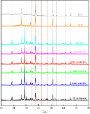
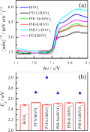
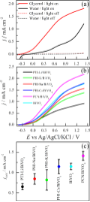
- electrode (WE), a platinum sheet as the counter electrode, and a Ag/AgCl/KClsat electrode as potential reference. The light source was provided by solar simulator (Oriel, LCS-100, AM-1.5G) with 100 mW·cm−2 of irradiance illuminating the back side of the WE through a lateral quartz window in the




Tuning the electronic properties of defect-rich MoS2
Beilstein J. Nanotechnol. 2026, 17, 796–805, doi:10.3762/bjnano.17.56
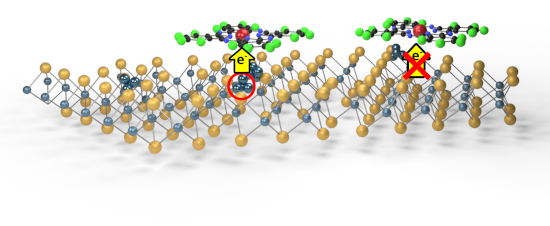
- °C and a pressure of approximately 1 × 10⁻⁷ mbar using a Knudsen cell. Via a quartz crystal microbalance, the deposition rate was determined as 0.1–0.2 nm·min−1. The nominal layer thickness of the deposited CoPcF16 molecule on the MoS2 substrate was calculated by comparing core level intensities of


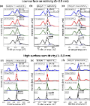
Substrate-dependent pore formation in molybdenum disulfide monolayers under ion irradiation
Beilstein J. Nanotechnol. 2026, 17, 769–780, doi:10.3762/bjnano.17.54
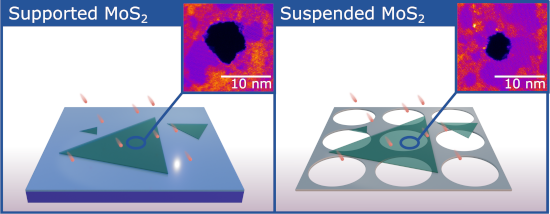
- . In the first zone ≈60 mg of sulfur is placed. An argon flow of 500 sccm is used to purge the quartz tube containing the reagents and as a means to transport the precursors. During the 30 min process, the first zone reaches 150 °C, while the second zone reaches 750 °C. After the process has finished


Tailoring Ag–Pt nanoalloys through solid-state dewetting: structural and optical insights
Beilstein J. Nanotechnol. 2026, 17, 748–759, doi:10.3762/bjnano.17.52

- Products 99.99%). Both Pt and Ag targets used in the deposition process were 99.99% pure. The coating procedure was performed at a deposition rate of approximately 0.10 nm/s and 0.07 nm/s for Ag and Pt films, respectively. The applied power was in the range of 30–35 W. A quartz crystal microbalance




Decontamination from water pollutants and pathogens by electrospun nanofibers doped with heavy-atom-free borafluorene-BODIPY photosensitizers
Beilstein J. Nanotechnol. 2026, 17, 668–682, doi:10.3762/bjnano.17.46
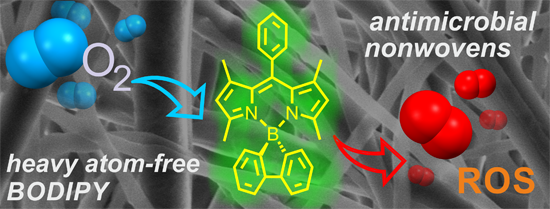
- ISA-220 Integrating Sphere (reflectance measurements). Emission and fluorescence quantum yields of BODIPY fibers were determined using an Edinburgh Instruments FS5 spectrofluorometer. The measurements were performed at room temperature using solid-state Suprasil quartz cuvettes with front-face
- BODIPY@PCL materials The generation of singlet oxygen in the studied mats was first confirmed by direct observation of the singlet oxygen phosphorescence (Figure 8). The materials were immersed in water in quartz cuvettes and irradiated at λex = 520 nm, while recording the emission spectra in the NIR



Upcycling agroindustrial waste into graphene oxide supports for gold nanoparticles: toward sustainable nanomaterials
Beilstein J. Nanotechnol. 2026, 17, 489–504, doi:10.3762/bjnano.17.32
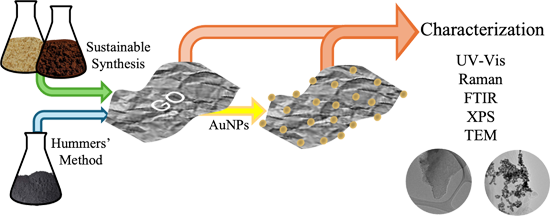
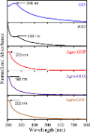
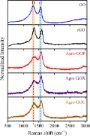
- 60 spectrophotometer using 10 mm path-length quartz cuvettes. Measurements were performed using aqueous dispersions (0.5 mg·mL−1) previously sonicated for 30 min to ensure homogeneity. Spectra were recorded in the 195–800 nm range. Raman spectra were acquired with a Horiba XploRA Plus micro-Raman

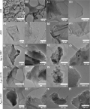
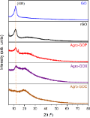

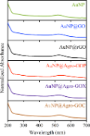
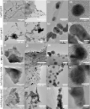

Eco-efficient materials for agricultural crops based on a mineral rich in MOR- and HEU-type zeolites
Beilstein J. Nanotechnol. 2026, 17, 381–395, doi:10.3762/bjnano.17.26
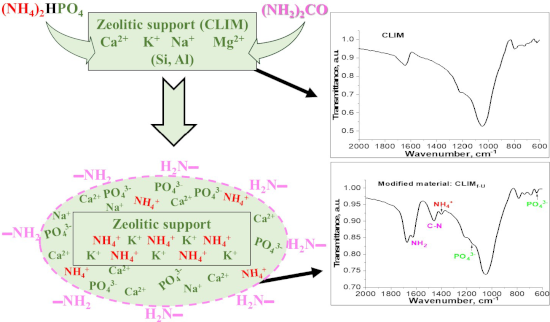
- minor phases, such as other types of zeolite, quartz, and feldspar; accordingly, zeolitic minerals with mixtures of zeolites in similar proportions are rare. However, the use of local zeolite deposits, even with a complex mixture of phases, appears to be economically feasible. First of all, natural
- time, even multicomponent zeolite-containing rocks (e.g., clinoptilolite, heulandite, mordenite, quartz, and plagioclase) retain high sorption and ion exchange activity, sufficient for a wide range of applications. Local extraction minimizes transportation costs, which is especially important for
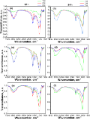
- accompanying minority phases such as quartz (pdf No. 46-1045). No indications of significant changes in the structure of these zeolites, caused by the processes of obtaining fertilizer materials, were revealed in the XRD patterns. The main differences are in the variation of the relative peak intensity as a




Interconnection morphology effects on the radio frequency response of carbon nanotube sponges
Beilstein J. Nanotechnol. 2026, 17, 343–351, doi:10.3762/bjnano.17.23
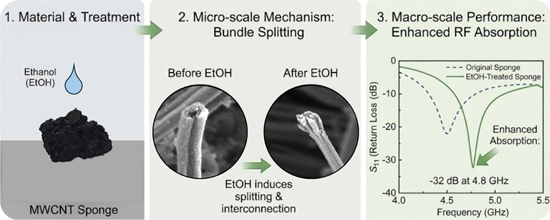
- demanding non-standard shapes that also need to resist thermal and mechanical stress or chemically harsh conditions. Experimental The CNTs were synthesised using a chemical vapour deposition process [26][27][28] with a floating catalyst injection in a quartz tube (60 cm length and 45 mm external diameter
- ) horizontally positioned inside a furnace (Lenton, UK). The CNT films were grown on a silicon substrate (n-doped) placed inside a quartz tube that was sealed and pumped down to 10−2 mbar to reduce contamination and remove oxygen. The temperature was then increased at a constant rate (5 °C·min−1) up to 750 °C
- collected from the quartz tube. Table S1 in Supporting Information File 1 details the growth parameters adopted for the CNT samples. The CNS bulk material was segmented to a size of 1.5 cm × 1.5 cm with a height of 0.4 cm for the experiment. The treatment with ethanol consisted of wetting the CNS sample



Calculation of the dynamic stiffness of a cantilever under torsional oscillation
Beilstein J. Nanotechnol. 2026, 17, 303–308, doi:10.3762/bjnano.17.21
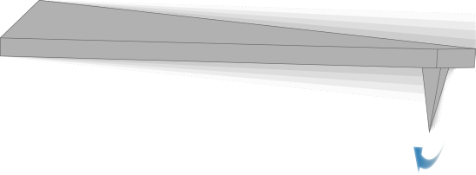
- detailed mechanisms remain not fully understood [5]. Non-contact atomic force microscopy (nc-AFM) is widely employed to investigate non-contact friction through its dissipation channel. Common techniques include pendulum AFM, bimodal AFM, and quartz tuning fork AFM [6][7][8]. Pendulum AFM uses cantilevers
- the lateral interactions [7][12][13][14]. The torsional oscillation modes of AFM cantilevers are sensitive to in-plane interaction [15][16][17]. This method enabled highly accurate imaging of the in-plane crystalline orientation by utilizing friction information [14]. Quartz tuning fork AFM is useful
- as it can electrically detect energy dissipations [8]. Lateral force microscopy with quartz tuning fork AFM, using a CO-terminated tip, enabled the detection of energy dissipation over the chemical bonds of a PTCDA (3,4,9,10-perylenetetracarboxylic dianhydride) molecule, with a vertical decay length

Structure-dependent thermochromism of PAZO thin films: theory and experiment
Beilstein J. Nanotechnol. 2026, 17, 186–199, doi:10.3762/bjnano.17.12
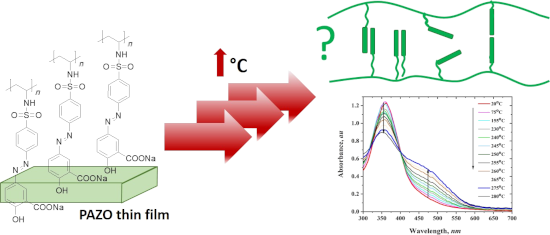
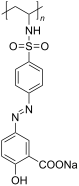
- based on PAZO polymer. Preparation of thin-film samples All thin films used in this work were fabricated using spin-coating technique. Methanol was used as solvent for all samples, and a magnetic stirrer ensured complete dissolution. The solution was then poured onto the substrate (quartz or glass) and
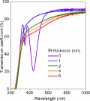
- spun at 1000 rpm to achieve thin film thicknesses ranging from 200 to 4000 nm. For spectral measurements, quartz substrates were used due to their lack of absorbance in the PAZO absorption region; thin film thickness was about 200 nm. A glass substrate was used for the measurement of birefringence (∆n


Influence of surface characteristics on the in vitro stability and cell uptake of nanoliposomes for brain delivery
Beilstein J. Nanotechnol. 2026, 17, 139–158, doi:10.3762/bjnano.17.9
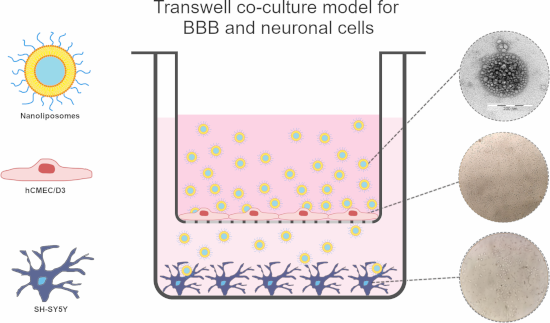
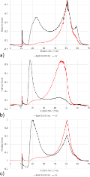
- outlet of the MWD detector was connected to a DAWN 8+ HELEOS II MALS operating with a 658 nm laser (Wyatt Technology Europe). A DLS (Malvern Zetasizer Nano-S, UK) with an installed quartz flow cell (ZEN0023) was also used in this study in flow mode. Refractive index (RI) and absorption parameters were




Improving magnetic properties of Mn- and Zn-doped core–shell iron oxide nanoparticles by tuning their size
Beilstein J. Nanotechnol. 2025, 16, 2285–2295, doi:10.3762/bjnano.16.157
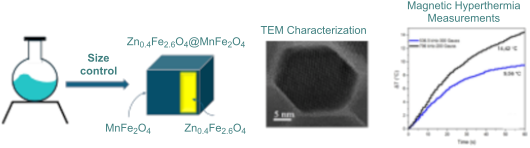
- . Magnetic properties of the NPs were studied using a vibrating sample magnetometer (VSM) from Microsense applying a magnetic field of 5 kOe. Several milligrams of purified and surfactant-free NPs were encapsulated into a quartz-glass cup and hermetically sealed. SAR measurements were performed using a



Visualizing nanostructures in supramolecular hydrogels: a correlative study using confocal and cryogenic scanning electron microscopy
Beilstein J. Nanotechnol. 2025, 16, 2274–2284, doi:10.3762/bjnano.16.156
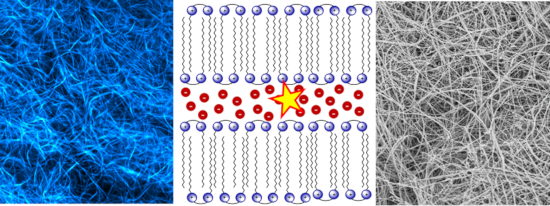
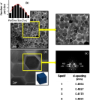
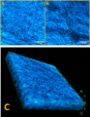
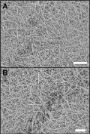
- sphere. The fluorescence and fluorescence quantum yield measurements were carried out using quartz cuvettes of 1 and 10 mm path lengths, respectively. Confocal laser scanning microscopy imaging CLSM imaging was carried out on a Zeiss LSM 900 with AiryScan 2 detector (essential for observation here) on an



PEGylated lipids in lipid nanoparticle delivery dynamics and therapeutic innovation
Beilstein J. Nanotechnol. 2025, 16, 1914–1930, doi:10.3762/bjnano.16.133
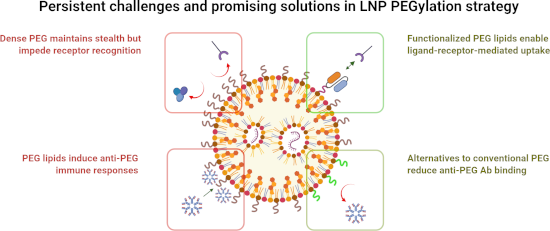
- Flory radius (RPEG) of PEG and the interchain distance (D). According to polymer scaling theory, when D exceeds twice RF (D > 2RPEG), chains exist as isolated mushrooms with minimal overlap, enabling protein penetration to the nanoparticle surface. Experimental validation using quartz crystal


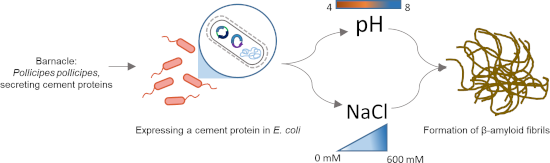
Self-assembly and adhesive properties of Pollicipes pollicipes barnacle cement protein cp19k: influence of pH and ionic strength
Beilstein J. Nanotechnol. 2025, 16, 1863–1872, doi:10.3762/bjnano.16.129
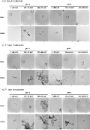
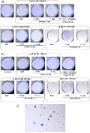
- quartz crystal microbalance-dissipation (QCM-D)-based studies of the adhesive properties of rPolcp19k-his monomers and fibres formed under different physicochemical conditions, as well as after a similar pH switch, are planned. Conclusion This study identifies a low pH and high salt concentration


Influence of laser beam profile on morphology and optical properties of silicon nanoparticles formed by laser ablation in liquid
Beilstein J. Nanotechnol. 2025, 16, 1533–1544, doi:10.3762/bjnano.16.108
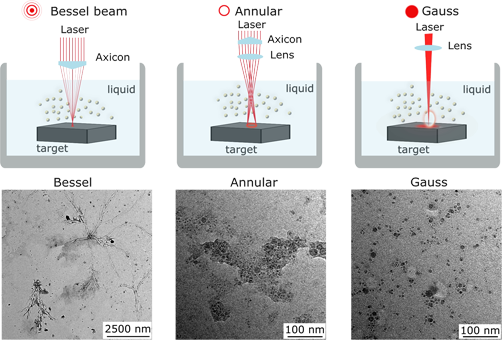
- absorption spectra of the prepared colloids were measured using a Cary 500 Scan spectrophotometer (Varian, USA) in the spectral range of 200–2000 nm in a 10 mm quartz cuvette. The measurements of the PL spectra were carried out at room temperature using a Fluorolog-3 spectrofluorometer (HORIBA Scientific


Laser processing in liquids: insights into nanocolloid generation and thin film integration for energy, photonic, and sensing applications
Beilstein J. Nanotechnol. 2025, 16, 1428–1498, doi:10.3762/bjnano.16.104
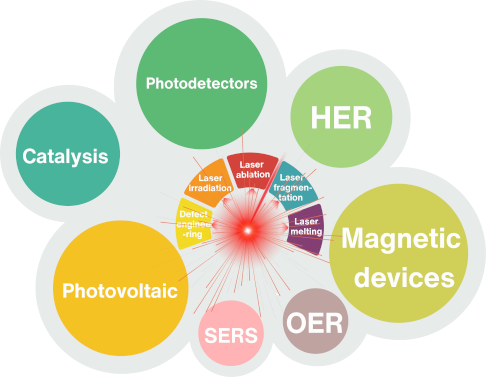
- different liquid media by changing the laser parameters were reported. The colloids were drop-cast onto Si wafers for various studies [117]. NiO and ZnO nanostructured films were obtained on silicon and quartz substrates to examine their optical properties as well as their structural, topographical, and
- characterization of the Au sample fabricated by EPD. However, an example of anodic EPD was demonstrated by depositing Au NPs generated by LAL in deionized water onto graphene on a quartz surface at 30 V for 20 min and 1 h. A fairly uniform distribution of NPs was achieved, with surface densities ranging from






Photochemical synthesis of silver nanoprisms via green LED irradiation and evaluation of SERS activity
Beilstein J. Nanotechnol. 2025, 16, 1417–1427, doi:10.3762/bjnano.16.103
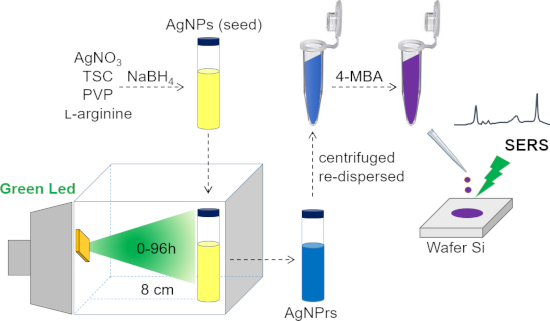
- various solid supports such as glass [11], quartz, silicon, or aluminum foil [12]. A recent trend in the development of practical SERS substrates emphasizes flexibility and portability for field-deployable Raman detection. Accordingly, several groups have developed paper-based [13] or cotton-based [14


Deep-learning recognition and tracking of individual nanotubes in low-contrast microscopy videos
Beilstein J. Nanotechnol. 2025, 16, 1316–1324, doi:10.3762/bjnano.16.96
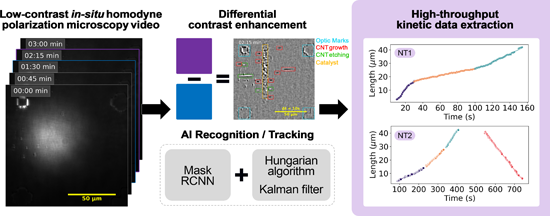
- , horizontally aligned carbon nanotubes (HA-CNTs) were synthesized inside a miniature chemical vapor deposition (CVD) cell with an optical window (Linkam TS1500). ST-cut quartz and iron nanoparticles served as substrate and catalyst, respectively. Ethanol and argon were, respectively, used as carbon precursor
- cut (ST) quartz substrate and from the fully processed video using (b) fixed-frame and (c) differential shading correction (with a 10 s delay). The thick vertical line in each image indicates the catalyst line. Optical markers (i.e., squares, crosses, and L-shapes) are visible in the corners. CNTs


Crystalline and amorphous structure selectivity of ignoble high-entropy alloy nanoparticles during laser ablation in organic liquids is set by pulse duration
Beilstein J. Nanotechnol. 2025, 16, 1141–1159, doi:10.3762/bjnano.16.84




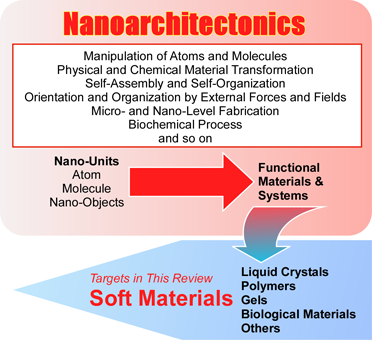
Soft materials nanoarchitectonics: liquid crystals, polymers, gels, biomaterials, and others
Beilstein J. Nanotechnol. 2025, 16, 1025–1067, doi:10.3762/bjnano.16.77






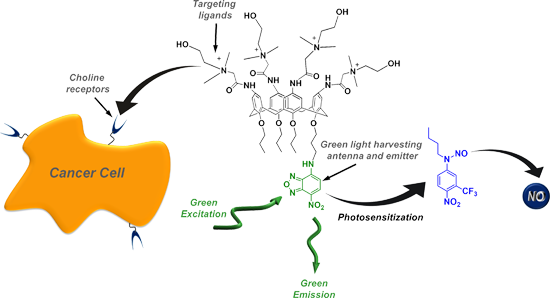
A calix[4]arene-based supramolecular nanoassembly targeting cancer cells and triggering the release of nitric oxide with green light
Beilstein J. Nanotechnol. 2025, 16, 1003–1013, doi:10.3762/bjnano.16.75
- gel (Merck Kieselgel 60, 230–400 mesh ASTM). The progress of the reactions was followed by thin layer chromatography (TLC) on 5 × 20 cm plates with a layer thickness of 0.2 mm. UV–vis spectra were recorded with a Jasco V-560 spectrophotometer using quartz cuvettes with an optical path length of 1 cm
- . Fluorescence emission spectra were recorded with a Spex Fluorolog-2 (mod. F-111) spectrofluorimeter using quartz cuvettes with an optical path length of 1 cm. Fluorescence lifetimes were recorded with the same fluorimeter equipped with a TCSPC Triple Illuminator. The samples were irradiated by a pulsed diode
- thermostated quartz cell (1 cm pathlength, 3 mL capacity) under gentle stirring, by using a blue-light-emitting diode (λexc = 415–420 nm) having an irradiance on the samples of ca. 60 mW·cm−1 or with a green laser (λexc = 532 nm, 200 mW). Direct monitoring of NO release in solution was performed by


Tendency in tip polarity changes in non-contact atomic force microscopy imaging on a fluorite surface
Beilstein J. Nanotechnol. 2025, 16, 944–950, doi:10.3762/bjnano.16.72
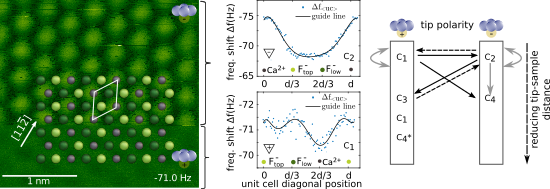
- experiments were performed at 77 K using a LT UHV STM/AFM (ScientaOmicron, Taunusstein, Germany) operated at a base pressure of 5 × 10⁻¹⁰ mbar. NC-AFM measurements were conducted with a quartz cantilever based on a tuning fork [27] and a chemically etched tungsten tip attached to the end of the active prong


Ar+ implantation-induced tailoring of RF-sputtered ZnO films: structural, morphological, and optical properties
Beilstein J. Nanotechnol. 2025, 16, 872–886, doi:10.3762/bjnano.16.66
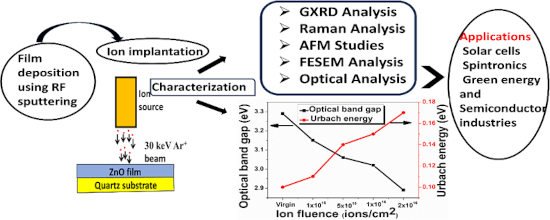
- are versatile in developing high-performance electro-optical and spintronic devices [18]. Experimental ZnO films are grown on a quartz substrate (1 × 1 cm2) using a ZnO (99.99%) target (2″ diameter and 3 mm thickness) in a radio frequency (RF) sputtering system. The quartz substrate is ultrasonically
- interference phenomena due to differences in film refractive index and substrate refractive index. This behavior of the spectra indicates the formation of smooth and uniform films on the quartz substrate [37]. The spectra of all samples show a sudden rise in reflectance above 370 nm, which represents the ZnO