


Search results
Search for "reactivity" in Full Text gives 283 result(s) in Beilstein Journal of Nanotechnology. Showing first 200.
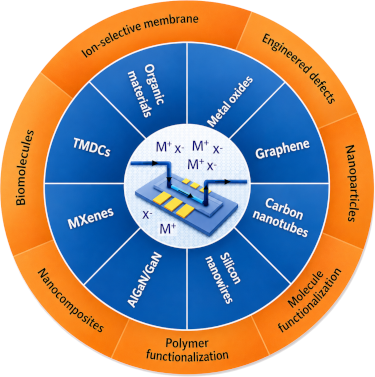
Materials challenges in solid-state sensors for continuous monitoring of ions in water
Beilstein J. Nanotechnol. 2026, 17, 935–973, doi:10.3762/bjnano.17.66



Light-driven ammonia electrooxidation via carbon nitride–ruthenium molecular interfaces
Beilstein J. Nanotechnol. 2026, 17, 854–862, doi:10.3762/bjnano.17.61
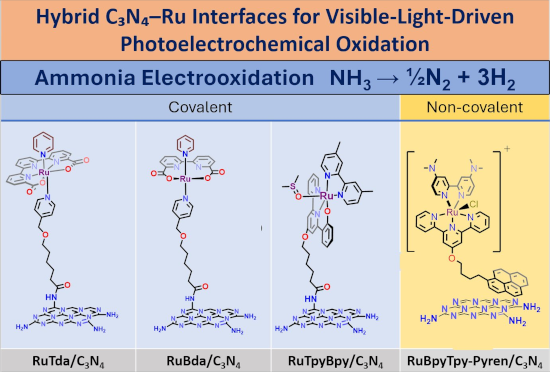
- prioritises stability and provides a well-defined, short electron coupling pathway between C3N4 and the Ru centre. Non-covalent anchoring prioritises synthetic simplicity and atom efficiency and may be better suited to crystalline PHI, where surface reactivity toward nucleophilic chemistry is lower


Nanoparticle delivery systems for HIV pre-exposure prophylaxis (PrEP): advances and challenges
Beilstein J. Nanotechnol. 2026, 17, 839–853, doi:10.3762/bjnano.17.60
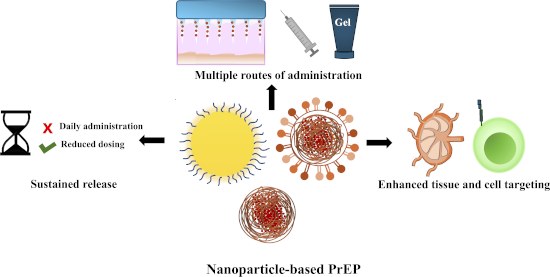
- nanoparticles surface. The multivalent presentation of antigenically intact Env resulted in enhanced uptake by dendritic cells and efficient activation of B cells even at low nanomolar concentrations in vitro. Intriguingly, the Env-functionalized nanoparticles induced serum reactivity comparable to that of


Cross-scale design of chemosensor arrays: from molecular self-assembly in water to paper-based devices for metal ion detection
Beilstein J. Nanotechnol. 2026, 17, 828–838, doi:10.3762/bjnano.17.59
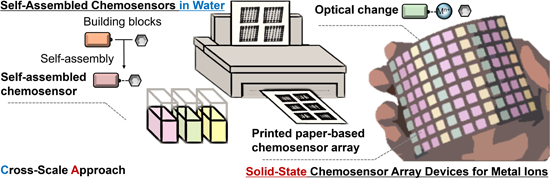
- acid derivatives suggested the feasibility of simultaneous detection of metal ions in solution states, based on cross-reactivity and reversibility of self-assembled chemosensors. Solid-state chemosensor array device toward on-site metal ion detection Based on the concept described above, a paper-based


Restorative potential of laser-synthesized silver nanoparticles with Salvia officinalis for periodontal disease treatment: an in vitro study
Beilstein J. Nanotechnol. 2026, 17, 781–795, doi:10.3762/bjnano.17.55
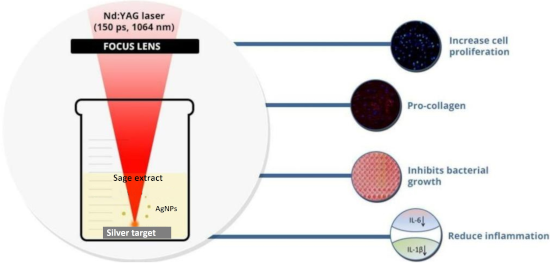
- AgNPs depends on their concentration but also on their size. Smaller nanoparticles exhibit a higher surface-area-to-volume ratio, which enhances their reactivity and interaction with bacterial cells. Moreover, reduced particle size enables more efficient penetration of the bacterial cell membrane



Tailoring Ag–Pt nanoalloys through solid-state dewetting: structural and optical insights
Beilstein J. Nanotechnol. 2026, 17, 748–759, doi:10.3762/bjnano.17.52

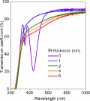
- integrated within the sputtering system allowed for in situ monitoring of film thickness. Ag–Pt nanoalloyed structures were prepared by sequential deposition of Ag and Pt thin films, as shown in Figure 10a. In this process, Pt was deposited onto Ag due to the lower chemical reactivity of platinum, which




Environmental applications of silver nanoparticles: state-of-the-art review and emerging trends
Beilstein J. Nanotechnol. 2026, 17, 697–736, doi:10.3762/bjnano.17.49
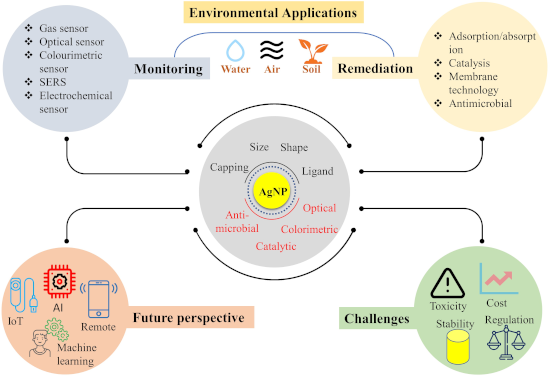
- nanoparticles, including surface coatings or functional groups, can alter their reactivity, stability, and interactions with pollutants and microorganisms [68]. Environmental standardization and stabilization of AgNPs surface charge are essential in biological systems for studying interactions [69]. Response


Cellulose as a photocatalyst support material: extraction, structural features, and environmental applications
Beilstein J. Nanotechnol. 2026, 17, 635–652, doi:10.3762/bjnano.17.44
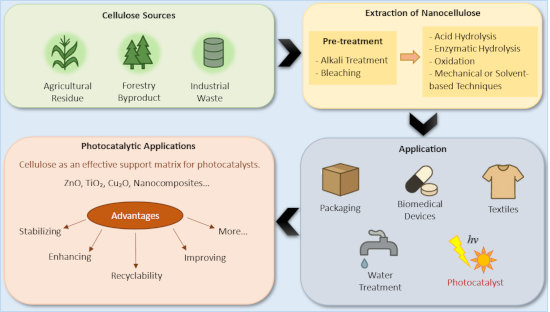
- groups that contribute to the unique reactivity and structural properties of the polymer. These hydroxy groups enable extensive hydrogen bonding between polymer strands; together with van der Waals forces, they drive the cellulose molecules to align and stack in parallel, ultimately giving rise to the
- dispersions. Recent studies have also examined mixed-acid systems, which aim to balance reactivity and dispersion by blending different mineral acids. Yet, while this approach appears promising, further investigation is still needed to optimize processing conditions and improve scalability [41][59]. Figure 4
- reduction and doping, which enhance their reactivity and overall performance [86]. Widely used examples include ZnO, TiO2, and iron oxide, which support a broad range of catalytic applications, and researchers have explored several production methods for these nanoparticles, with the sol–gel process relying


Upcycling agroindustrial waste into graphene oxide supports for gold nanoparticles: toward sustainable nanomaterials
Beilstein J. Nanotechnol. 2026, 17, 489–504, doi:10.3762/bjnano.17.32
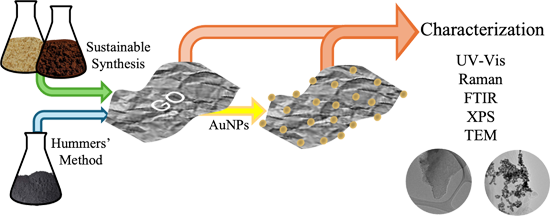
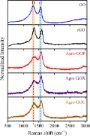
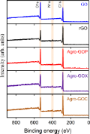
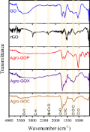
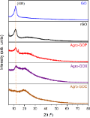
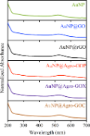
- , and high surface area, which significantly boost performance in catalysis, sensing, and energy-related applications [30][31][32][33]. Additionally, the deposition of AuNPs onto GO is a practical approach to its surface reactivity, directly linking chemical functionality to nucleation and growth
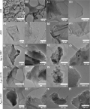
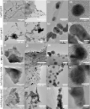
- surface reactivity. Figure 10 shows TEM micrographs of the AuNP@GO hybrids. Each row corresponds to a specific GO-based hybrid (AuNP@GO, AuNP@rGO, AuNP@Agro-GOP, AuNP@Agro-GOX, and AuNPs@Agro-GOC), and columns show increasing magnifications. AuNP@GO (Figure 10a–d) exhibits a homogeneous distribution of



Defects and defect-mediated engineering of two-dimensional materials: challenges and open questions
Beilstein J. Nanotechnol. 2026, 17, 454–488, doi:10.3762/bjnano.17.31
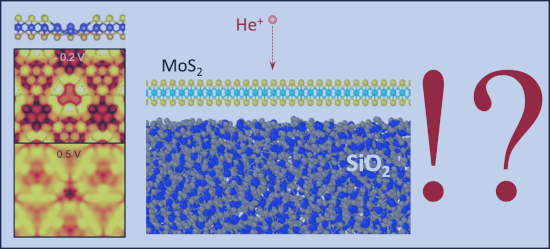
- . Despite the high reactivity of larger S vacancy clusters, several challenges remain in describing the oxidation kinetics. O2 is bound weakly to TMD surfaces with a binding energy of ≈0.14 eV [55][63][64][65]. Ab initio molecular dynamics (MD) simulations show that O2 is therefore mobile on the pristine
- ), reducing the likelihood of O2 reactions with these defect sites. Reactivity is also highly site-specific and controlled by the local coordination and electronic structure of surface W atoms. The effective charge of W is affected by the number of surrounding vacancies. W atoms surrounded by three or more S
- energy shifts and peak shapes [179][180][181][182][183][184][185][186][187]. Complementing XPS, scanning X-ray photoelectron microscopy (SPEM) provides spatially resolved chemical information at the nanoscale, and near-ambient pressure XPS enables real-time monitoring of the chemical reactivity of





Nanoinformatics: spanning scales, systems and solutions
Beilstein J. Nanotechnol. 2026, 17, 423–427, doi:10.3762/bjnano.17.28

- reactivity [3]. Amini et al. combined atomistic molecular dynamics, a coarse-grained model of protein adsorption, and kinetic Monte Carlo simulations to predict the protein corona composition formed on aluminium surfaces with different crystal faces, (i.e., (100), (110), and (111)) from a simplified model of

Polycatecholamine nanocoatings on stainless steel: the effect on attachment of human fibroblasts and platelets
Beilstein J. Nanotechnol. 2026, 17, 365–380, doi:10.3762/bjnano.17.25
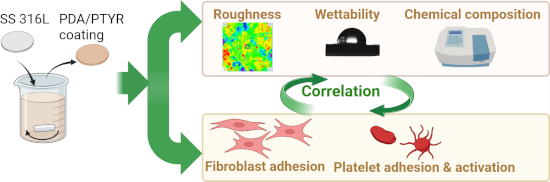
- distinguishing mildly and strongly activated ones. Because platelet reactivity varies individually, platelet-rich plasma (PRP) obtained from three donors was independently tested. Figure 9 presents the evaluation of the material coating effect on platelet attachment and activation. In the case of donor 1, there




Advancing nanolithography: a comprehensive review of materials for local anodic oxidation with AFM
Beilstein J. Nanotechnol. 2026, 17, 275–291, doi:10.3762/bjnano.17.19
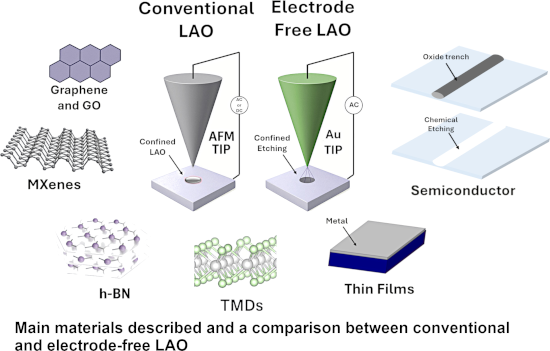
- . The degree of oxidation increases with higher RH, which enhances the size and reactivity of the water meniscus. The structural and electronic behavior of graphene during LAO is influenced by its layer stacking. As pointed out by Liou and coworkers [20], the inherently 2D nature of these materials


Gold nanoparticle-decorated reduced graphene oxide as a highly effective catalyst for the selective α,β-dehydrogenation of N-alkyl-4-piperidones
Beilstein J. Nanotechnol. 2026, 17, 218–238, doi:10.3762/bjnano.17.15
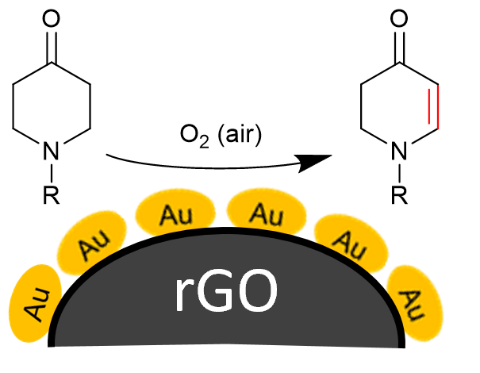
- catalytic properties of AuNPs stem from their nanoscale size, which increases the surface-to-volume ratio, exposes a higher density of active sites, and induces quantum size effects that modulate the electronic structure [5]. These characteristics collectively enhance their reactivity, selectivity, and
- POMs, the latter trivacant species exhibits the highest Au-POM reactivity in the oxidative dehydrogenation of piperidone derivatives to the corresponding enaminones [13]. Through the oxygen atoms at its three vacant sites, SiW9 coordinates to gold metal atoms, forming strong interactions. Despite being


Safe and sustainable by design with ML/AI: A transformative approach to advancing nanotechnology
Beilstein J. Nanotechnol. 2026, 17, 176–185, doi:10.3762/bjnano.17.11

- , health, and safety (EHS) risks. The unique physicochemical properties of ENMs, including their high surface-to-volume ratio and reactivity, often result in unpredictable interactions with, and transformations by, biological and ecological systems [9][10]. Traditional risk assessment approaches, while
- remediation measures on the particle concentrations in specific environmental compartments (e.g., [59] and made accessible via a web application at https://sb4n.cloud.nanosolveit.eu/). These models integrate geospatial data, fluid dynamics, and chemical reactivity, offering a geographically and temporally


Reduced graphene oxide paper electrode for lithium-ion cells – towards optimized thermal reduction
Beilstein J. Nanotechnol. 2026, 17, 24–37, doi:10.3762/bjnano.17.3
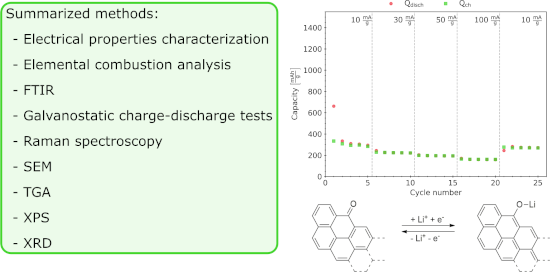
- the literature, it is the ketone group that is characterized by reactivity and participates in redox reactions [6][24][25]. The suggested redox reaction scheme is depicted in Figure 1b. During discharge, lithium ions are transported through the electrolyte to the cathode material, where they react



Optical bio/chemical sensors for vitamin B12 analysis in food and pharmaceuticals: state of the art, challenges, and future outlooks
Beilstein J. Nanotechnol. 2025, 16, 2207–2244, doi:10.3762/bjnano.16.153


Rapid synthesis of highly monodisperse AgSbS2 nanocrystals: unveiling multifaceted activities in cancer therapy, antibacterial strategies, and antioxidant defense
Beilstein J. Nanotechnol. 2025, 16, 2105–2115, doi:10.3762/bjnano.16.145
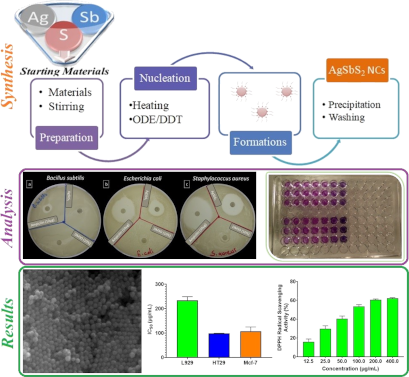
- ratio and enhanced surface reactivity [30]. These features, combined with the tunable surface chemistry of nanoparticles, allow for efficient interactions with free radicals and facilitate electron transfer reactions, resulting in robust antioxidant activity [49]. This activity involves scavenging free


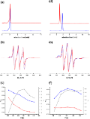
Stereodiscrimination of guests in chiral organosilica aerogels studied by ESR spectroscopy
Beilstein J. Nanotechnol. 2025, 16, 2034–2054, doi:10.3762/bjnano.16.140
- , one is able to gather information about transport processes happening at 1–3 nm. If one selects an appropriate spin probe, the ESR spectra contain much valuable information. Line shape analysis and spin relaxation times can provide information on the motion and reactivity of trapped radicals. This can




Evaluating metal-organic precursors for focused ion beam-induced deposition through solid-layer decomposition analysis
Beilstein J. Nanotechnol. 2025, 16, 1942–1951, doi:10.3762/bjnano.16.135
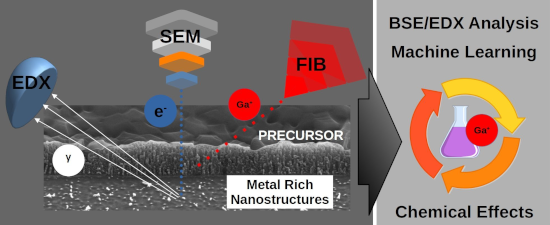
- becomes the dominant process over structure growth, leading to the erosion of the formed metal-rich deposits. This threshold provides insight into the precursor’s resistance to ion bombardment and is crucial for assessing its stability and reactivity under processing conditions. (4) Collecting SEM EDX


Current status of using adsorbent nanomaterials for removing microplastics from water supply systems: a mini review
Beilstein J. Nanotechnol. 2025, 16, 1837–1850, doi:10.3762/bjnano.16.127
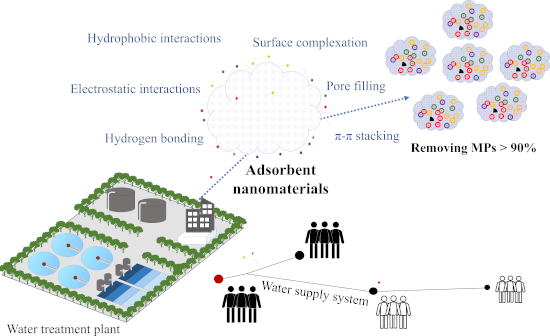
- environments. However, their application may raise concerns about potential hazards, and the risks associated with these nanomaterials need to be considered. Nanomaterials can pose ecotoxicological risks because of their small size, high reactivity, and potential to persist in the environment. Specifically


Electrical, photocatalytic, and sensory properties of graphene oxide and polyimide implanted with low- and medium-energy silver ions
Beilstein J. Nanotechnol. 2025, 16, 1794–1811, doi:10.3762/bjnano.16.123
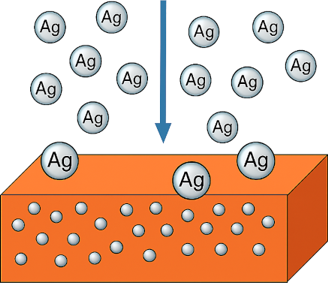
- different electronic stopping behavior, which results in a distinct ionization of the surrounding matrix. Furthermore, the chemical reactivity of Ag towards functional groups in polymers differs from that of Cu or C, potentially leading to unique structural modifications and functional responses. Among
- generating oxygen species. The low implantation energy results in the ions remaining relatively close to the surface, where they can most influence the chemical reactivity of the material. A different trend is observed when GO is implanted with silver ions with a mean energy of 1.5 MeV. At a fluence of 3.75


Exploring the potential of polymers: advancements in oral nanocarrier technology
Beilstein J. Nanotechnol. 2025, 16, 1751–1793, doi:10.3762/bjnano.16.122
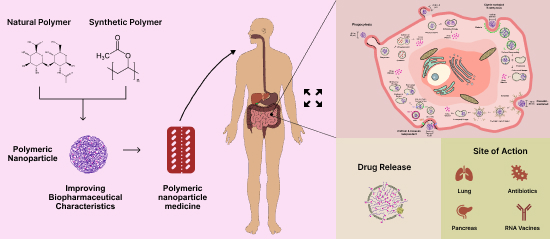
- polycationic character. These groups are reactive and can be chemically modified through activation or cross-linking. The reactivity of the hydroxy and primary amine groups imparts complexing and chelating properties, enabling the production of chitosan derivatives with enhanced characteristics compared to the


Ambient pressure XPS at MAX IV
Beilstein J. Nanotechnol. 2025, 16, 1677–1694, doi:10.3762/bjnano.16.118
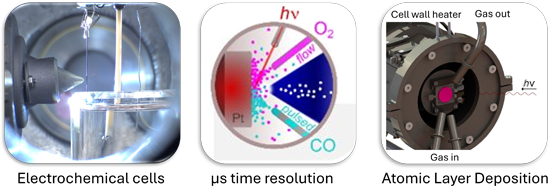
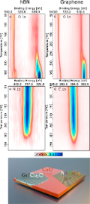
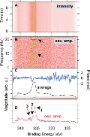
- catalyst stabilization and confined 2D reactivity, to time-resolved studies of gas–solid reactions, photocatalytic water splitting, atomic layer deposition, and electrochemical interfaces, demonstrate the breadth of scientific questions that APXPS can now address. MAX IV’s SPECIES and HIPPIE beamlines have






Prospects of nanotechnology and natural products for cancer and immunotherapy
Beilstein J. Nanotechnol. 2025, 16, 1644–1667, doi:10.3762/bjnano.16.116
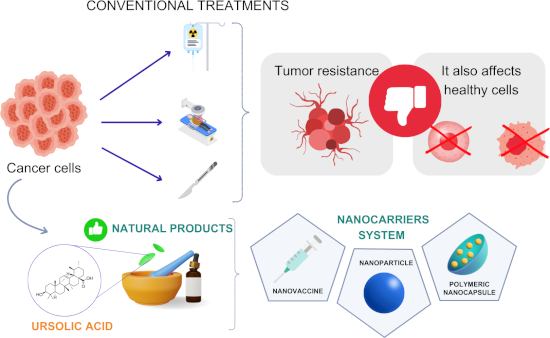
- , cellular absorption, and slow release of drugs [38]. Polymeric nanoparticles are colloidal polymer systems used as drug carriers for targeted therapies and diagnostics [39]. Gold nanoparticles have properties such as chemical reactivity, anti-inflammatory effects, and protein-binding abilities, while





