Search results
Search for "roughness" in Full Text gives 481 result(s) in Beilstein Journal of Nanotechnology. Showing first 200.
Synthesis and characterization of RF-sputtered ZnTe/Cu2−xTe thin films for solar cell applications
Beilstein J. Nanotechnol. 2026, 17, 1016–1027, doi:10.3762/bjnano.17.69
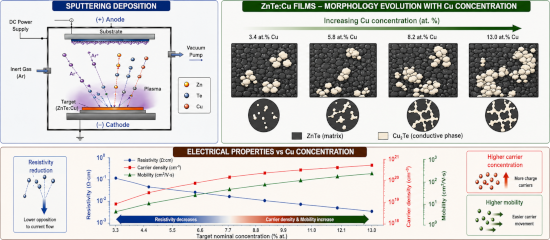
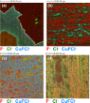
- presence of Cu-rich secondary phases. Specular reflectance spectra could not be reliably measured due to the dark surface appearance and significant light scattering effects. The increased surface roughness and agglomerate formation observed in the SEM images (Figure 6) contribute to diffuse scattering



Ultrasonic irradiation in the synthesis of nanohydroxyapatite: a chemically friendly technique for improving hemocompatibility and antibiofilm applications
Beilstein J. Nanotechnol. 2026, 17, 991–1015, doi:10.3762/bjnano.17.68
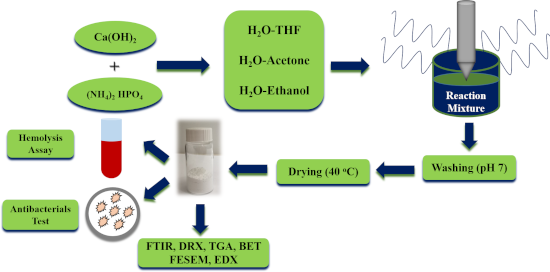
- ). This apparent discrepancy, far from being contradictory, demonstrates a consistent correlation with the nature of the nanomaterials synthesized via sonochemistry. Such differences are typical for this synthesis method, where high surface roughness and internal porosity detected through gas adsorption
- particle sizes. At this point, it is important to highlight that the hemolytic response can be altered by the presence of any additive or by remnants of the substances used as precursors of the biomaterial, or through surface roughness. These factors can cause substantial changes in blood behavior, leading
- (W/ACET, W/THF, and W/ETOH), the W/ETOH system stood out as the most efficient kinetic modulator, reaching surface areas of up to 145 m2/g. This architecture of ultrafine phases (14–24 nm), high internal porosity, and surface roughness confirms the capacity of ultrasound to promote nucleation and




He+ FIBID-fabricated 3D AFM tip architectures: an exploratory study of hollow pillars, helices, and spirals
Beilstein J. Nanotechnol. 2026, 17, 863–871, doi:10.3762/bjnano.17.62
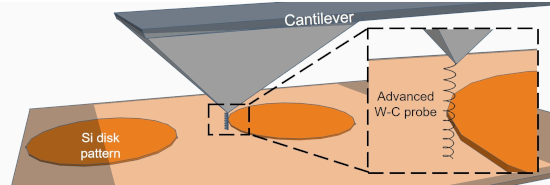
- ) and with the nominal 20 nm value. These measurements confirm that the three surviving structures can reproduce the step height of the calibration feature under the tested conditions, but do not constitute a performance benchmark relative to commercial tips. No surface roughness analysis is reported
- . With effective tip radii of approximately 15–23 nm and a calibration surface that is essentially flat between the patterned features, any roughness values extracted from these topographs would primarily reflect tip–sample convolution, instrument noise, and drift rather than true surface texture. A
- meaningful roughness analysis would therefore require both a purpose-designed reference sample and a statistically adequate set of probes with well-characterised apex geometry, which are beyond the scope of the present study. The three working probes produced qualitatively good AFM images. For obtaining


Oxidative atmosphere-driven formation of single-phase spinel CuRh2O4 nanofibers for alkaline water oxidation
Beilstein J. Nanotechnol. 2026, 17, 737–743, doi:10.3762/bjnano.17.50
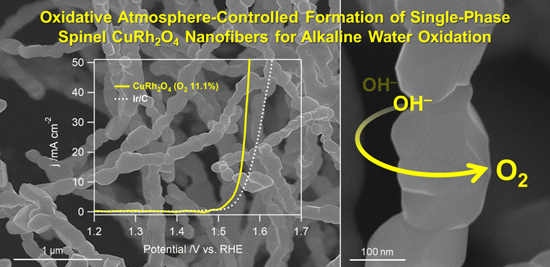
- Information File 1, Figure S3). The images show continuous and uniform nanofiber structures with well-distributed fiber networks. As the O2 concentration increased (from Figure 5a to Figure 5c), the surface roughness became more pronounced, suggesting that an oxygen-rich annealing atmosphere significantly




Recent progress in enhancing built-in electric fields of perovskite solar cells via junction engineering
Beilstein J. Nanotechnol. 2026, 17, 602–621, doi:10.3762/bjnano.17.42
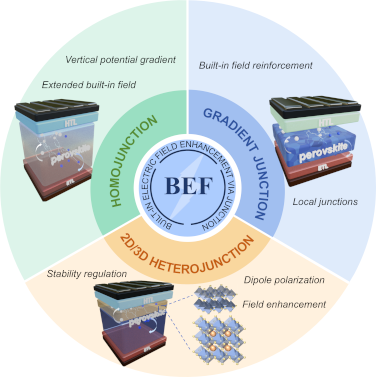
- ), mitigating interface roughness and compositional inhomogeneity commonly observed in conventional solid-state or solution-processing methods. Compared to iodide-based 2D layers, bromide (BA)2PbBr4 deepens the 2D work function, shifting Vbi toward the 3D absorber and optimizing carrier transport




Probing tribological evolution in atomically thin MoS2 at different scales
Beilstein J. Nanotechnol. 2026, 17, 586–597, doi:10.3762/bjnano.17.40
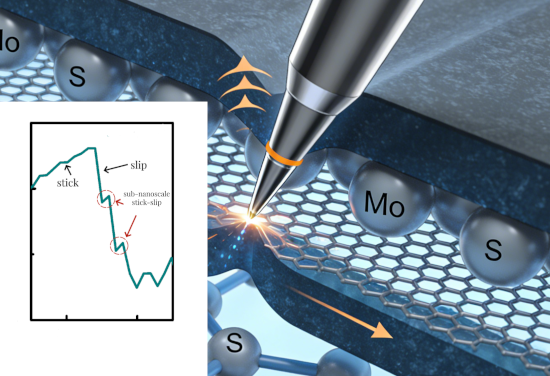
- mode using silicon probes (PPP-LFMR, Nanosensors) with a normal spring constant of 0.2 N·m−1 and a tip radius of ≈8 nm. Raman spectra were collected using a 533 nm laser (0.5 mW power) to avoid sample damage. The surface roughness (Ra) values of MoS2 were measured from the corresponding topographic
- about 23 cm−1 (Figure 1d) indicates the corresponding MoS2 area is composed of 3–4 layers. Combined with topographic data, the two regions in Figure 1a were identified as 1L and 4L, respectively. Surface roughness (Ra) measurements (within an area of 1 μm × 1 μm) showed that both 1L and 4L MoS2 reduce
- the substrate roughness: Ra = 0.518 ± 0.056 nm (1L), 0.288 ± 0.081 nm (4L), and 0.605 ± 0.079 nm (substrate). The higher roughness of 1L MoS2 is attributed to the influence of the substrate, which induces wrinkle deformation, a factor that modulates tip–MoS2 contact geometry and friction. Substrate


Defects and defect-mediated engineering of two-dimensional materials: challenges and open questions
Beilstein J. Nanotechnol. 2026, 17, 454–488, doi:10.3762/bjnano.17.31





Polycatecholamine nanocoatings on stainless steel: the effect on attachment of human fibroblasts and platelets
Beilstein J. Nanotechnol. 2026, 17, 365–380, doi:10.3762/bjnano.17.25
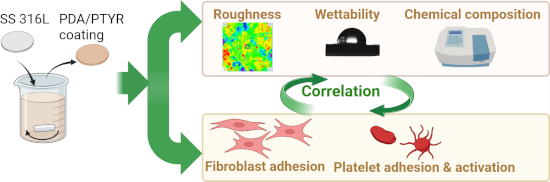
- in the nanometer range for PTYR and in the micrometer range in case of PDA. Compared to PDA, PTYR coatings exhibited a nanoparticulate surface morphology and higher stability under physiological conditions. Wettability, roughness, and amine group density were systematically analyzed to determine
- attachment was primarily influenced by coating roughness, with a specific threshold beyond which adhesion did not increase or was negatively impacted. These findings highlight the potential of engineered PTYR nanocoatings for developing advanced hemocompatible surfaces for biomedical implants. Keywords
- , but the increase was very slow in case of PTYR coating, whereas the thickness of PDA layer increased more than 2.5 fold within only 4 h. Roughness analysis In comparison to the uncoated SS 316L surface, Ra values reflecting roughness average were barely altered after coating (Table 2). Among the




Advancing nanolithography: a comprehensive review of materials for local anodic oxidation with AFM
Beilstein J. Nanotechnol. 2026, 17, 275–291, doi:10.3762/bjnano.17.19
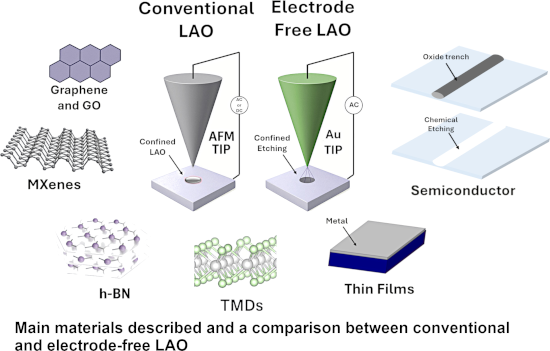
- ] or modified LAO setups. Topography also plays a significant role: While low-roughness surfaces facilitate the process, RMS roughness above roughly 1–2 nm can distort the meniscus and induce lateral broadening of the oxide features. Notably, Ryu et al. demonstrated that oxygen plasma pretreatment of
- small as 10 nm, demonstrating superior etching quality comparable to natural edges. Figure 3e shows the topography of an ultrathin graphene nanoribbon with width of ≈10 nm and edge roughness of ≈2 nm. As an etching method that operates without the need for an external electrode, once parameters such as


Gold nanoparticle-decorated reduced graphene oxide as a highly effective catalyst for the selective α,β-dehydrogenation of N-alkyl-4-piperidones
Beilstein J. Nanotechnol. 2026, 17, 218–238, doi:10.3762/bjnano.17.15
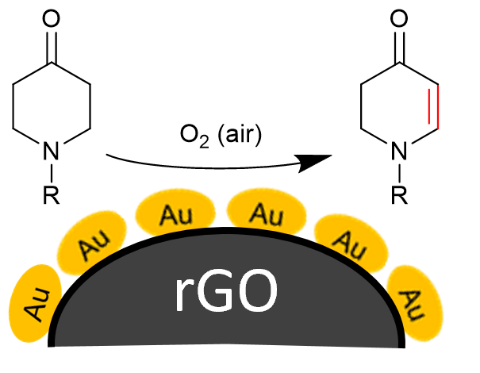
- vicinity to prevent aggregation. Uneven precursor distribution can lead to localized high concentrations of Au species, resulting in less controlled nucleation and the formation of larger clusters. Surface roughness and heterogeneity of the support influence the size and distribution, leading to increased


Time of flight secondary ion mass spectrometry imaging of contaminant species in chemical vapour deposited graphene on copper
Beilstein J. Nanotechnol. 2026, 17, 200–213, doi:10.3762/bjnano.17.13
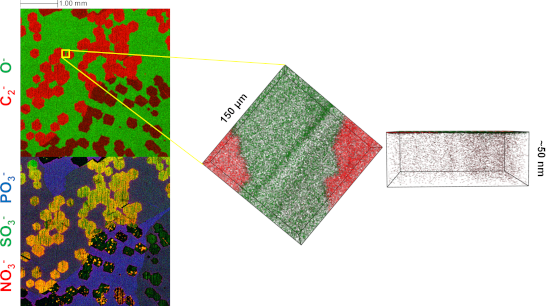
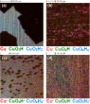
- elements such as carbon or oxygen. Surface carbon contamination on Cu foils, particularly for higher-purity Cu foils, typically originates from the cold rolling process, where oils are important to balance friction properties and cool the strip and rolls. Surface roughness of the Cu foils was measured with
- remove the top surface layer of the foil and reduce surface roughness (EP) or a wet back side oxidation process to introduce oxygen into the Cu foil prior to growth (BO). The electro-polishing solution was prepared by mixing H3PO4 (85 wt % in H2O, Sigma Aldrich) in a 7:3 ratio with DI water. The cathode
- roughness, measured over an area of 230 µm × 300 µm, from the BO, Ar, and Ar:H2 samples all had Ra values of ≈300 nm, with the EP value decreasing to ≈200 nm [43]. All graphene growth experiments were carried out in a commercial Aixtron Black Magic Pro 4-inch cold wall CVD system at a base pressure of ≈1





Development and in vitro evaluation of liposomes and immunoliposomes containing 5-fluorouracil and R-phycoerythrin as a potential phototheranostic system for colorectal cancer
Beilstein J. Nanotechnol. 2026, 17, 97–121, doi:10.3762/bjnano.17.7
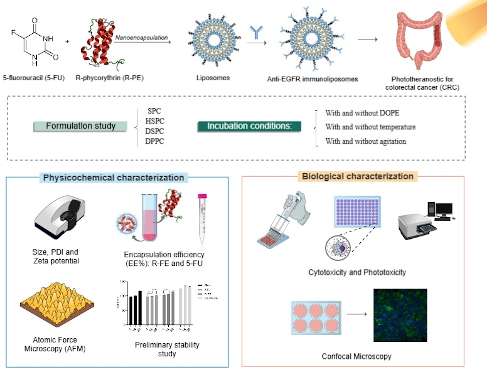
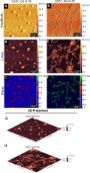
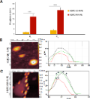
- ± 1.81 nm), negative zeta potential (−14.8 ± 0.81 mV) and antibody conjugation efficiency of 34.4%. Topographical AFM analysis showed that HSPC-IM-R-PE presented significantly higher surface roughness and viscoelastic contrast, indicating successful antibody anchoring. For cell viability in the HCT-116
- images were captured using the Nanosurf C3000i software and subsequently processed and analyzed with the Gwyddion v 2.66 software, which was used for image leveling, coloring, 3D visualization of the specimens, and roughness analysis [26]. 2.3.5.1 Atomic force microscopy roughness calculation. Roughness
- quantities tool provided in the Gwyddion software calculated single values for Rq and Ra (the root mean square roughness and arithmetic mean roughness, respectively) for each image obtained, considering the entire scanned area without any masking. These values and their standard deviation were calculated



Functional surface engineering for cultural heritage protection: the role of superhydrophobic and superoleophobic coatings – a comprehensive review
Beilstein J. Nanotechnol. 2026, 17, 63–96, doi:10.3762/bjnano.17.6
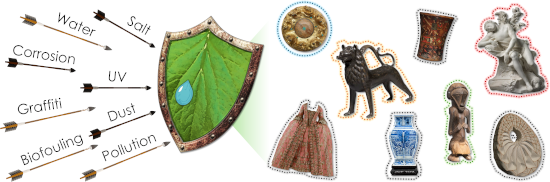
- stages of application [51]. For these reasons trend is to use other engineered materials. The tailoring of coating materials must be guided by the nature of the substrate since porosity, roughness, and coating thickness directly affect adhesion, durability, hydrophobicity, and ultimately compliance with
- , causing rusty surfaces due to oxygen dispersed in water or to salt residues [57]. For these reasons, much effort is devoted to developing coatings that minimize water interaction, while ensuring that substrate-dependent properties such as porosity, roughness, and coating thickness are carefully considered
- .) and oak (Quercus robur) substrates. The addition of BC–MnO2 particles increased hydrophobicity across all formulations, with contact angles ranging from 97° to 121°, and further improvements were observed after aging due to increased surface roughness. It also provided superior color stability and




Subdigital integumentary microstructure in Cyrtodactylus (Squamata: Gekkota): do those lineages with incipiently expressed toepads exclusively exhibit adhesive setae?
Beilstein J. Nanotechnol. 2026, 17, 38–56, doi:10.3762/bjnano.17.4
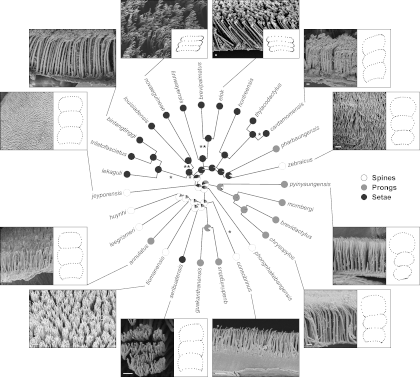
- habitats, in contrast, can vary considerably in roughness and stability of the substrate (e.g., sandstone outcrops are generally less stable and rougher than granite boulders) [31][33][34]. However, some plant surfaces can be even rougher than saxicoline ones [30]. The questions of how a fully functional
- surface roughness at a scale pertinent to the size and interactions of the epidermal microstructures are generally scarce [30][31][33][80][83][92] and non-existent for arboreal Cyrtodactylus. Among all ecotypes analysed, the crown habitat of trees apparently imposes the strongest selective pressure on
- encountered on rocks and rock formations. This diverse habitat type includes ecotypes living on granite outcrops, sandstone, karst formations, and in cave systems. Such species are associated with varying terrain roughness and incline. Species within the granite ecotype tend to be robust and are limited to


Quantitative estimation of nanoparticle/substrate adhesion by atomic force microscopy
Beilstein J. Nanotechnol. 2026, 17, 1–14, doi:10.3762/bjnano.17.1

- partial penetration, removal, or reduction cannot be excluded. We did not detect changes in the roughness between pristine and plasma-treated surfaces (RMS < 0.2 nm at 5 × 5 µm area) that would contribute to a change in friction. Interfacial redox reactions between the copper NP and the wafer surface



Ultrathin water layers on mannosylated gold nanoparticles
Beilstein J. Nanotechnol. 2025, 16, 2183–2198, doi:10.3762/bjnano.16.151
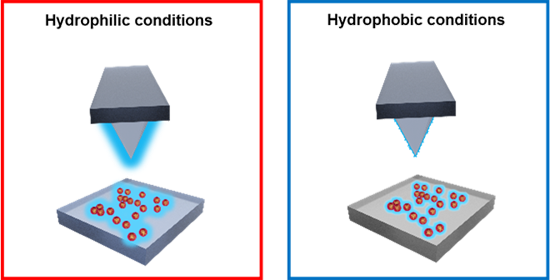
- overnight sample incubation to reach 90 ± 5% RH, corresponding to very wet climate or air during precipitation. In addition, we refer to “hydrophilic conditions” in AFM for hydrophilic surfaces (APDMES silicon) scanned by a silicon tip. We found a vertical resolution (∆z) of 0.04 nm and a surface roughness
- conditions was 0.03 nm, and the roughness of the OTS on silicon was 0.55 nm for scans between 100 and 1000 nm. In this case, it was not possible to follow the same particles along the different humidity steps due to the instability of the measurement, which did not allow for locating the scanned area after



Molecular and mechanical insights into gecko seta adhesion: multiscale simulations combining molecular dynamics and the finite element method
Beilstein J. Nanotechnol. 2025, 16, 2055–2076, doi:10.3762/bjnano.16.141
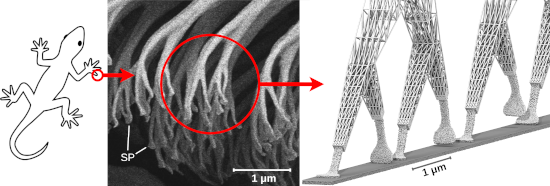
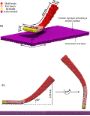
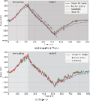
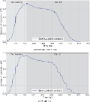
- parametrization of our coarse-grained potential against united-atom simulations of gecko keratin on nonpolar surfaces [10]. Hydrophilic substrates, roughness, and humidity, which introduce additional mechanisms such as keratin softening and capillary forces, have been addressed in our previous spatula-scale
- , surface roughness, substrate deformability, and explicit long-range electrostatics for hydrophilic systems, which will necessitate thicker substrate models. The coupling between each molecular spatula and the FE seta was handled via a bridging domain (BD), described in section “Methods”. Methods






Beyond the shell: exploring polymer–lipid interfaces in core–shell nanofibers to carry hyaluronic acid and β-caryophyllene
Beilstein J. Nanotechnol. 2025, 16, 2015–2033, doi:10.3762/bjnano.16.139
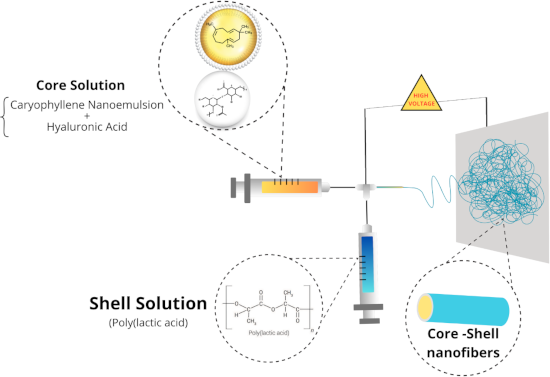
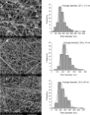
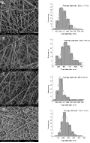
- unimodal distribution with a polydispersity index (PDI) range of 0.218. Most of the formed nanoemulsions are small in size and well distributed (Figure 1). The most favorable processing conditions for obtaining uniform fibers – free of surface roughness and with fewer beads – were determined based on
- average of readings performed in triplicate for each sample analyzed using the ZetaSizer software 7.11. Scanning electron microscopy The morphology of the obtained nanofibers (porosity, average diameter, uniformity, and roughness) was evaluated using a scanning electron microscope under different




Mechanical property measurements enabled by short-term Fourier-transform of atomic force microscopy thermal deflection analysis
Beilstein J. Nanotechnol. 2025, 16, 1952–1962, doi:10.3762/bjnano.16.136
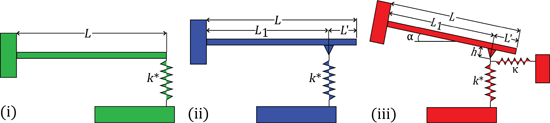
- probe, local surface roughness will yield a much smaller contact radius than the overall probe shape, it is still significantly larger than predicted by the models in Figure 5. In summary, we have used longstanding analytical models to convert the measured variation in cantilever resonant frequency with




Electrical, photocatalytic, and sensory properties of graphene oxide and polyimide implanted with low- and medium-energy silver ions
Beilstein J. Nanotechnol. 2025, 16, 1794–1811, doi:10.3762/bjnano.16.123
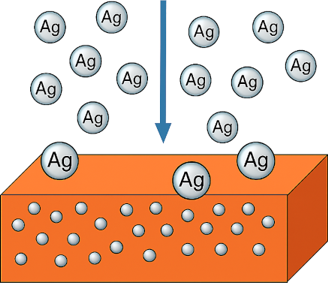
- sputtering and the increase in surface roughness during implantation may result in a shallower experimental profile than predicted. Differences can also arise from the finite depth resolution of RBS, which is influenced by energy straggling and multiple scattering effects, leading to a broadening of the
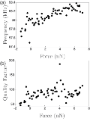
- height (Ra) and mean roughness (RMS) are listed in Table 4 [25]. Figure 9 illustrates the alteration in the surface morphology of graphene oxide (GO) resulting from the implantation of 20 keV Ag ions (Figure 9) depending on the applied ion fluence. The minimal roughness was achieved when the GO sample
- was exposed to an ion fluence of 3.75 × 1012 cm−2, leading to a reduction in roughness to a minimum of 102 nm. Additionally, a discernible trend emerges indicating a substantial augmentation in roughness as the ion fluence increases. For instance, for an ion fluence of 3.75 × 1014 cm−2, the GO


Photocatalytic degradation of ofloxacin in water assisted by TiO2 nanowires on carbon cloth: contributions of H2O2 addition and substrate absorbability
Beilstein J. Nanotechnol. 2025, 16, 1567–1579, doi:10.3762/bjnano.16.111
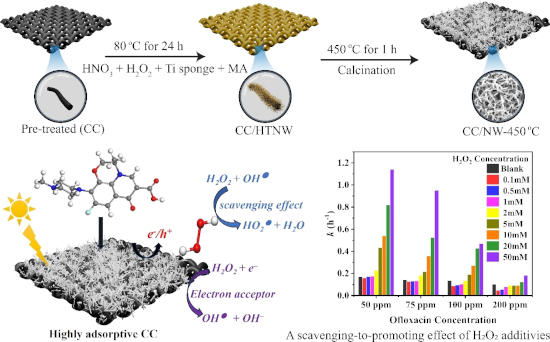
- ). Remarkably, the CC/NW-450 °C composite exhibits a contact angle of 0° (Supporting Information File 1, Figure S9c), showing complete wettability. This significant enhancement in hydrophilicity is attributed to the high surface roughness and porous hydrophilic nanowire architecture formed on the carbon cloth


Laser processing in liquids: insights into nanocolloid generation and thin film integration for energy, photonic, and sensing applications
Beilstein J. Nanotechnol. 2025, 16, 1428–1498, doi:10.3762/bjnano.16.104
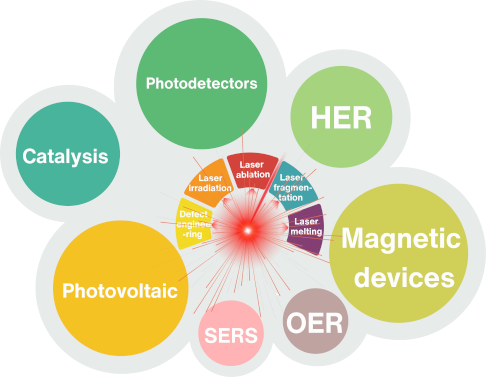
- size along with thickness and higher roughness is seen when longer times of ultrasonic deposition are used. This was verified using SEM, which showed the comparison between MoO3 NPs films produced at times of 40 and 60 s, as well as the thickness versus time of deposition with the substrate heated at






The role of biochar in combating microplastic pollution: a bibliometric analysis in environmental contexts
Beilstein J. Nanotechnol. 2025, 16, 1401–1416, doi:10.3762/bjnano.16.102
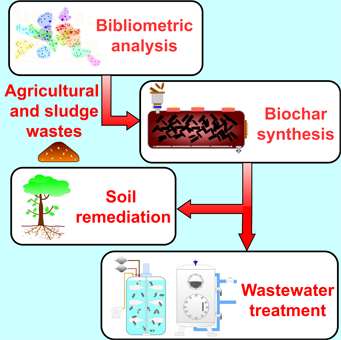
- of these two models are based on different mechanisms, as described in Figure 6. MP removal by BC filter columns is primarily facilitated by the fixation of particles through filtration effects, entanglement due to surface roughness and hydrophobic interactions [47]. The negatively charged surfaces



Wavelength-dependent correlation of LIPSS periodicity and laser penetration depth in stainless steel
Beilstein J. Nanotechnol. 2025, 16, 1302–1315, doi:10.3762/bjnano.16.95
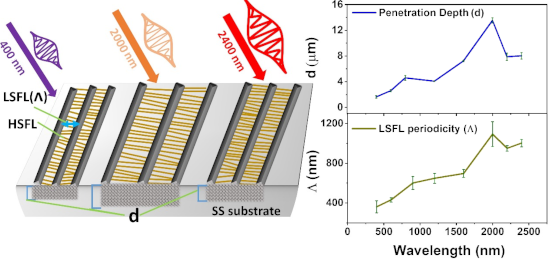
- density coherently oscillates, coupled to both media. Usually, LIPSS formation is a multipulse phenomenon, as pulse after pulse create a different roughness on the surface or feedback mechanism to form certain SPP modes. The interference of incoming light with scattering from the SPP modes can lead to the
- determined at room temperature, which might not be appropriate for metals heated with intense femtosecond laser pulses. The LIPSS period becomes smaller when the stainless steel surface is rougher as the roughness increases the real part of the refractive index at the metal–air interface [61]. Variation of




Functional bio-packaging enhanced with nanocellulose from rice straw and cinnamon essential oil Pickering emulsion for fruit preservation
Beilstein J. Nanotechnol. 2025, 16, 1234–1245, doi:10.3762/bjnano.16.91
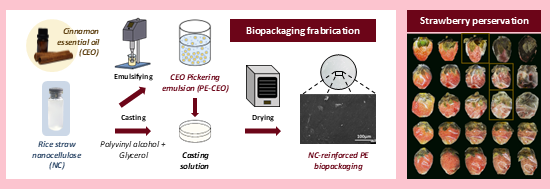
- in diameter and ≈1 μm in length. Pure BP films (Figure 3b) exhibited a relatively smooth surface with visible small pores, indicative of weak intermolecular interactions. The incorporation of NC into the PVA matrix significantly reduced surface roughness and void formation, suggesting enhanced