Search results
Search for "sensitivity" in Full Text gives 761 result(s) in Beilstein Journal of Nanotechnology. Showing first 200.
Ultrasonic irradiation in the synthesis of nanohydroxyapatite: a chemically friendly technique for improving hemocompatibility and antibiofilm applications
Beilstein J. Nanotechnol. 2026, 17, 991–1015, doi:10.3762/bjnano.17.68
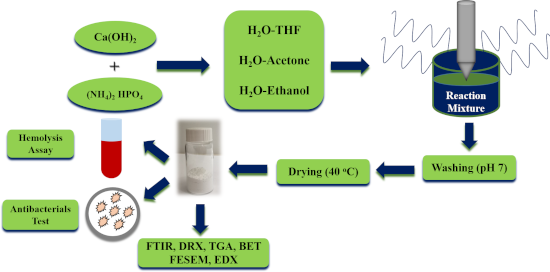
- sensitivity of this technique might not be sufficient to detect ultratrace amounts of residual solvents adsorbed on the surface or trapped within the nanostructured hydroxyapatite matrix. The remaining bands in the spectra shown in the spectra in Figure 3 indicate the presence of carbonate groups within the




Development of Protium heptaphyllum essential oil-loaded nanocapsules: experimental design and biological activity
Beilstein J. Nanotechnol. 2026, 17, 974–990, doi:10.3762/bjnano.17.67
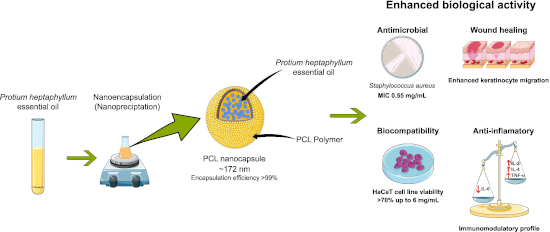
- rather than a primary parameter for optimization. Under such low-variability conditions, small experimental fluctuations and instrumental sensitivity can disproportionately affect the coefficient of determination, mathematically reducing R2pred despite adequate model structure. Residual diagnostics




Materials challenges in solid-state sensors for continuous monitoring of ions in water
Beilstein J. Nanotechnol. 2026, 17, 935–973, doi:10.3762/bjnano.17.66
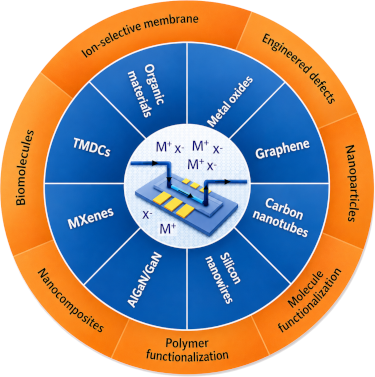
- matrices containing abundant co-ions and natural organic matter; this requires an understanding of unwanted interferences for the system [8][9][10] and smart design, modification, and protection of the active surface according to the system. (ii) Sensitivity, limit of detection (LOD), and dynamic range
- especially ISEs, FETs, and chemiresistive devices, are central to next-generation online water quality monitoring. They offer sensitivity and selectivity aligned with regulatory thresholds, fast response to capture transient events, and the potential for dense spatial networks. Given these advantages, there
- such as nitrate or phosphate. While they offer fast response times and high sensitivity, electrode fouling and matrix interference can limit their durability in continuous operation. Anodic stripping voltammetry (ASV) sensors build upon this principle, employing thin-film working electrodes (e.g


Nanocarrier strategies to overcome P-glycoprotein-mediated drug resistance in cancer therapy
Beilstein J. Nanotechnol. 2026, 17, 882–921, doi:10.3762/bjnano.17.64
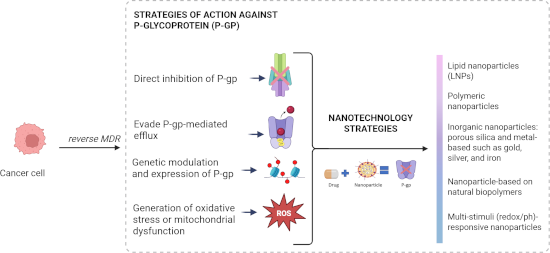
- restoring drug sensitivity [10]. 1.2 Mechanisms of multidrug resistance in cancer Multidrug resistance and metastasis are the main causes of cancer treatment failure. MDR tends to occur in cancer patients and is the ability of tumor cells to develop a specific mechanism to resist and overcome the cytotoxic
- -mediated resistance: Both approaches elevate systemic toxicity without reliably restoring drug sensitivity and are associated with decreased survival in patients with breast, colorectal, lung, and other cancers [18]. Co-administration of two or more synergistic drugs has offered partial improvements in
- , bypassing P-gp at the plasma membrane, and by enabling co-delivery of P-gp inhibitors or siRNA at therapeutically relevant intracellular concentrations, nanocarrier systems offer a route to restoring drug sensitivity without the systemic toxicity liabilities associated with conventional inhibition


Cross-scale design of chemosensor arrays: from molecular self-assembly in water to paper-based devices for metal ion detection
Beilstein J. Nanotechnol. 2026, 17, 828–838, doi:10.3762/bjnano.17.59
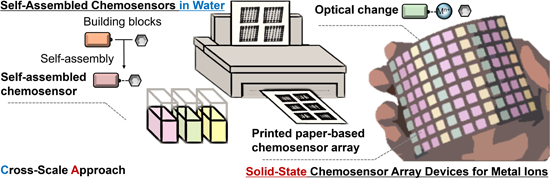
- response patterns. The obtained colorimetric changes on the device were rapidly recorded using a flatbed scanner [20]. The fabricated device demonstrated 100% correct classification of nine types of metal ions (Figure 8B). From the sensitivity aspect, the detectable ranges of the paper-based device were


Tuning the electronic properties of defect-rich MoS2
Beilstein J. Nanotechnol. 2026, 17, 796–805, doi:10.3762/bjnano.17.56
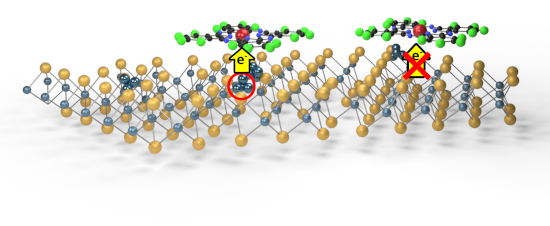
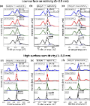
- Supporting Information File 1. Surface sensitivity of substrate-related energetic shifts In Figure 5, we use Mo 3d core level spectra (accompanied by the S 2p spectra in Supporting Information File 1, Figure S2), measured with excitation energies of 900 or 300 eV, to study how far the effects of sputtering
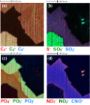
- and CoPcF16 deposition extend into the bulk of the MoS2 substrate. The corresponding mean free paths, λ, calculated for the two energies according to [28] for inorganic materials, are 2.5 nm (“low surface sensitivity”) and 0.9 nm (“high surface sensitivity”). All spectra consist of Mo 3d5/2 and Mo 3d3
- /2 doublets at binding energies of 228–229 eV and 232–232.5 eV, respectively, and the S 2s peak at 225.5–226.5 eV. All fit parameters are summarized in Tables S4 and S5 (Supporting Information File 1). With low surface sensitivity, the shifts of the Mo 3d (Figure 5a–c) and S 2p core level spectra


Substrate-dependent pore formation in molybdenum disulfide monolayers under ion irradiation
Beilstein J. Nanotechnol. 2026, 17, 769–780, doi:10.3762/bjnano.17.54
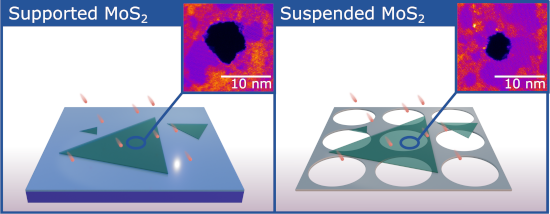
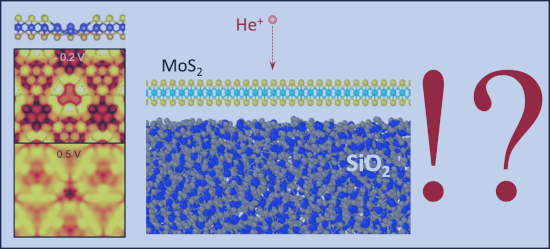
- ]. This may reduce sensitivity to atomic-scale impact parameter compared to the SHI impact. For HCI-irradiated supported samples, additional contributions arise from partial-area irradiation due to transfer-related misalignment (see Supporting Information File 1, Figure S3) and from the contamination


Environmental applications of silver nanoparticles: state-of-the-art review and emerging trends
Beilstein J. Nanotechnol. 2026, 17, 697–736, doi:10.3762/bjnano.17.49
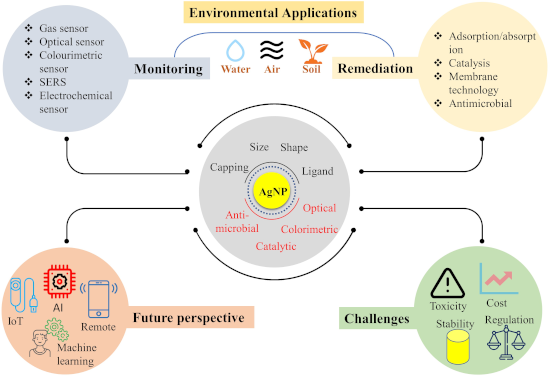
- performance; however, direct cross-study comparison remains challenging owing to differences in synthesis routes, capping agents, test matrices, and reporting conventions. While general trends (e.g., smaller spherical AgNPs typically exhibiting stronger antimicrobial activity and greater LSPR sensitivity) are


Decontamination from water pollutants and pathogens by electrospun nanofibers doped with heavy-atom-free borafluorene-BODIPY photosensitizers
Beilstein J. Nanotechnol. 2026, 17, 668–682, doi:10.3762/bjnano.17.46

- nitrogen (N 1s at 400 eV), while boron was not detected due to lower sensitivity of XPS for boron. The decomposition of the C 1s high-resolution spectrum (Figure 6b) gives four components located at 284.8, 286.2, 287.2, and 288.8 eV, which can be assigned to C−C, C−O/C−N, C=O, and O−C=O, respectively



Recent progress in enhancing built-in electric fields of perovskite solar cells via junction engineering
Beilstein J. Nanotechnol. 2026, 17, 602–621, doi:10.3762/bjnano.17.42



Electrochemical determination of ciprofloxacin using a MIL-101/reduced graphene oxide-modified electrode
Beilstein J. Nanotechnol. 2026, 17, 541–554, doi:10.3762/bjnano.17.35
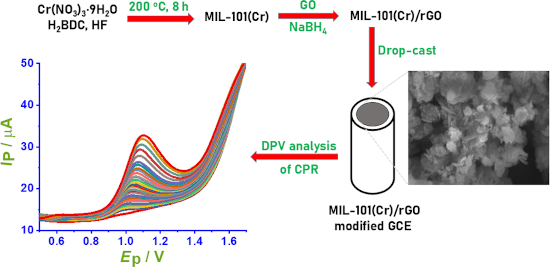
- , complex sample preparation, skilled operators, and lengthy analysis times, which restrict their use for quick or in situ testing. In contrast, electrochemical sensors have become appealing alternatives because of their inherent benefits such as simplicity, low cost, rapid response, high sensitivity, and
- electrochemical sensor for CPR detection. The electrochemical behavior of CPR on the MIL-101/rGO-modified electrode was examined. The proposed sensor demonstrated enhanced electrocatalytic activity, high sensitivity, and a low detection limit for CPR. Additionally, the practical utility of the sensor was
- To achieve maximum sensitivity, the parameters for differential pulse voltammetry (DPV) were systematically optimized. The accumulation potential, accumulation time, pulse amplitude, and potential step were investigated individually (Supporting Information File 1, Figure S4–S7). The optimal


Probing internal continua and atomic ultrafast charge transfer within size-controlled nanoparticles by post-collision interaction in core-hole clock spectroscopy
Beilstein J. Nanotechnol. 2026, 17, 505–514, doi:10.3762/bjnano.17.33
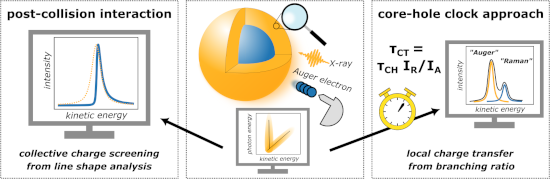
- sophisticated analysis and interpretation. In this work, we present an experimental approach based on resonant Auger spectroscopy, which not only enables element-specific and resonantly enhanced spectroscopy, but also provides sensitivity to atomically localized changes and collective properties within one



Defects and defect-mediated engineering of two-dimensional materials: challenges and open questions
Beilstein J. Nanotechnol. 2026, 17, 454–488, doi:10.3762/bjnano.17.31
- chemical potential with 2D materials determines the defect concentration. Ideally, in situ measurements of defects are employed, but given the challenging atmosphere this may require optical methods, which may not have the required sensitivity to small defect concentrations. Ex situ microscopy measurements
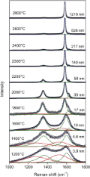
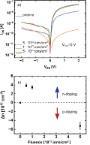
- can these limitations be addressed? X-ray photoelectron spectroscopy (XPS) is a powerful tool for identifying and quantifying defects in 2D materials, offering unique advantages in surface sensitivity, chemical state analysis, and real-time monitoring of defect evolution. While challenges such as
- surface contamination, depth sensitivity, energy resolution, and data complexity exist, they can be addressed through careful sample preparation, the use of complementary techniques, and the integration of theoretical modelling for data analysis. The ability of XPS to study defect evolution under specific





Ferroelectric nanodot reservoir for neuromorphic computing
Beilstein J. Nanotechnol. 2026, 17, 352–364, doi:10.3762/bjnano.17.24
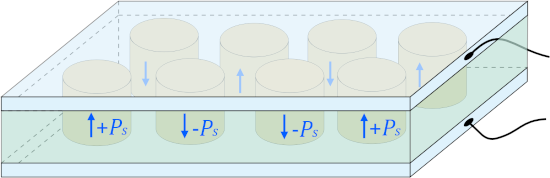
- changes in the input sequence (field trajectory) can cause large and qualitatively different polarization responses. This sensitivity enables powerful separation of input classes in the reservoir state space. (ii) Short-term memory. The system retains a history of past field variations through its current


Calculation of the dynamic stiffness of a cantilever under torsional oscillation
Beilstein J. Nanotechnol. 2026, 17, 303–308, doi:10.3762/bjnano.17.21
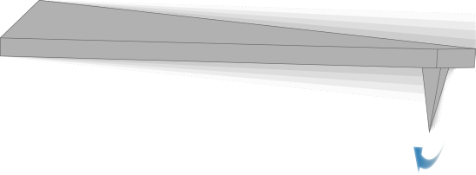
- with small stiffness and provides exceptional sensitivity to conservative and dissipative forces owing to the small stiffness [2][9][10][11]. Non-contact friction measurements with pendulum AFM on a Nb film across the superconducting transition indicate that friction is electronic in the metallic state

Advancing nanolithography: a comprehensive review of materials for local anodic oxidation with AFM
Beilstein J. Nanotechnol. 2026, 17, 275–291, doi:10.3762/bjnano.17.19
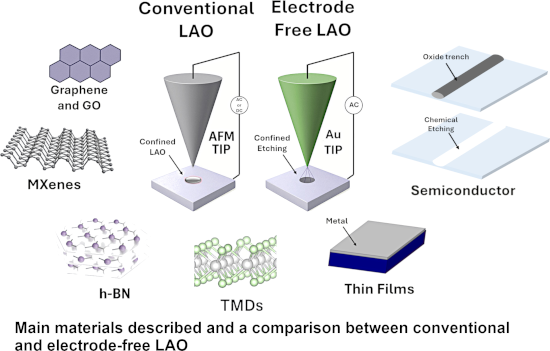
- . It is worth highlighting that FEL serves as an alternative to EBL, particularly excelling in low-sensitivity EBL resists. However, FEL has yet to achieve the capability of locally etching or removing a target substrate, as demonstrated by EFLAO. Additionally, most successful FEL patterning
- such pattering capabilities is reported in Figure 6 showing a 35 nm constriction fabricated on few-layer WSe2, before and after etching in water. Additionally, the environmental sensitivity of TMDs, such as the anisotropic oxidation of 1T′ MoTe2 under humid conditions, has been exploited to achieve
- biocompatible surfaces. Despite challenges like tip wear and environmental sensitivity, innovations such as electrode-free local anodic oxidation are extending the potential of LAO toward scalable and industrially viable solutions. By addressing these challenges and leveraging its strengths, LAO could


Time of flight secondary ion mass spectrometry imaging of contaminant species in chemical vapour deposited graphene on copper
Beilstein J. Nanotechnol. 2026, 17, 200–213, doi:10.3762/bjnano.17.13
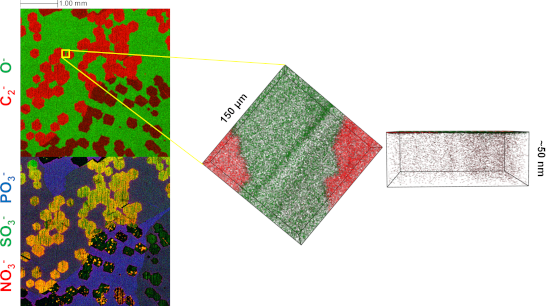
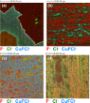
- Cambridge, Cambridge CB3 0FA, United Kingdom 10.3762/bjnano.17.13 Abstract Time of flight secondary ion mass spectrometry (ToF-SIMS) was used to probe the chemistry of graphene grown on copper foil substrates by chemical vapour deposition (CVD) under various growth conditions. The surface sensitivity, mass
- characterisation techniques with the ability to distinguish different chemical species present, combined with surface sensitivity and suitably high spatial resolution. We here focus on time-of-flight secondary ion mass spectrometry (ToF-SIMS) imaging of Cu-catalysed graphene CVD samples. ToF-SIMS offers high
- surface sensitivity (<1 nm depth), low detection limits (ppm and better), high mass resolution to aid identification of chemical species in both molecular and elemental forms [28][29][34], combined with below 30 nm lateral resolution possible under optimal conditions [35]. We investigate a range of





Structure-dependent thermochromism of PAZO thin films: theory and experiment
Beilstein J. Nanotechnol. 2026, 17, 186–199, doi:10.3762/bjnano.17.12
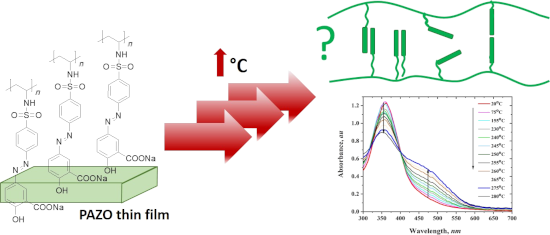
- illumination, S- and P-polarized absorption spectra were recorded for each case. The results, presented in Figure 4A–D, reveal the polarization sensitivity of the samples under four distinct experimental conditions. As it can be seen, substantial spectral change in P and S spectra are observed for the sample
- govern thermochromism and polarization sensitivity in azopolymer thin films. These findings advance the rational design of thermally and optically responsive materials with promising potential in photonics and optoelectronics. Experimental and Computational Details All thin films used in this study were


Influence of surface characteristics on the in vitro stability and cell uptake of nanoliposomes for brain delivery
Beilstein J. Nanotechnol. 2026, 17, 139–158, doi:10.3762/bjnano.17.9
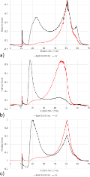
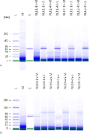
- nanoliposomal surface Protein electrophoresis was performed by a 2100 Bioanalyzer using High Sensitivity Protein 250 kit assays in reducing condition according to the instruction from the manufacturer. Briefly, samples were prepared as for the AF4 analysis. At the end of the incubation time, samples were
- sensitivity of the bioanalyzer is high and it covers a wide range of concentrations, the results obtained for this formulation may be due to problems with denaturation of proteins present in the formed PC, as well as the manipulation and processing of the sample. Namely, false negatives might arise because




Capabilities of the 3D-MLSI software tool in superconducting neuron design
Beilstein J. Nanotechnol. 2026, 17, 122–138, doi:10.3762/bjnano.17.8

- describe the parasitic screen-mediated interaction between the control line and readout SQUID of experimental neurons. These points lie above the 6% divergence angle, indicating that actual Msq values are substantially smaller than the calculated ones. This is explained by the high sensitivity of Msq to
- one. Indeed, the actual values of these inductances are extremely small (about 2–5 fH) and correspond to the limit of sensitivity of our experimental technique. Therefore, the relative error of such measurements is too high and any conclusion would not be reliable enough. Extraction Details The
- further improvement. By now, an increase in sensitivity to the input signal and in efficiency of the output flux transfer, as well as a suppression of parasitic coupling, seems to be the most promising strategy. The potential of 3D-MLSI software demonstrated in this work will be useful in this process



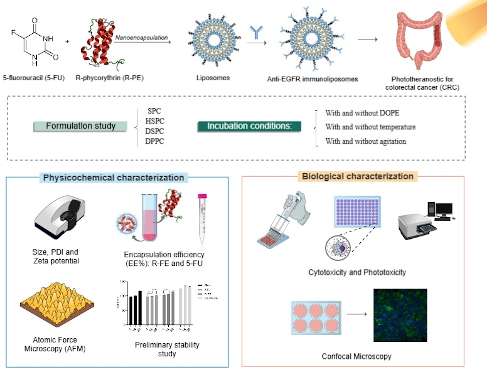
Development and in vitro evaluation of liposomes and immunoliposomes containing 5-fluorouracil and R-phycoerythrin as a potential phototheranostic system for colorectal cancer
Beilstein J. Nanotechnol. 2026, 17, 97–121, doi:10.3762/bjnano.17.7



Functional surface engineering for cultural heritage protection: the role of superhydrophobic and superoleophobic coatings – a comprehensive review
Beilstein J. Nanotechnol. 2026, 17, 63–96, doi:10.3762/bjnano.17.6

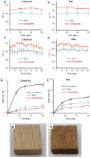
- using Paraloid® B72 solutions with 1–4% silica dioxide nanoparticles to enhance durability and reduce moisture sensitivity (mostly to face the biotic and abiotic factors that usually lead to wood damage). The treatment improved dimensional stability, hydrophobicity, and resistance to artificial




Quantitative estimation of nanoparticle/substrate adhesion by atomic force microscopy
Beilstein J. Nanotechnol. 2026, 17, 1–14, doi:10.3762/bjnano.17.1

- ascending order. In the end, a series of friction loops needs to be measured for each applied tip load to calculate friction coefficients and, consequently, the lateral force calibration factor. This factor depends on the lateral sensitivity of the position-sensitive photodetector (PSPD), which gauges
- cantilever deflection as well as torsional spring constant [39]. However, errors can arise due to the sensitivity of the PSPD to laser alignment and a few micrometers offset from the tip shear center, leading to erroneous determination of the cantilever torsion loop offset. As a result, there is very low
- . The sensitivity of both calibration methods is restricted by the radius of curvature of the tip, necessitating very sharp tips for the required high accuracy [20]. In this study, we calibrated the lateral force of the cantilever using either the wedge or the D-LFC method, based on the specific



Internal 3D temperature mapping in biological systems using ratiometric light-sheet imaging and lipid-coated upconversion nanothermometers
Beilstein J. Nanotechnol. 2025, 16, 2306–2316, doi:10.3762/bjnano.16.159
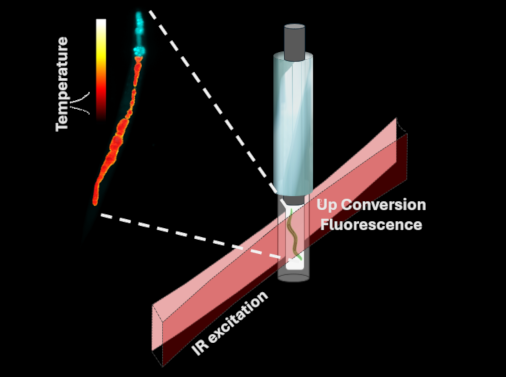
- -sheet microscopy; temperature mapping; upconversion fluorescent nanoparticles; Introduction Biological processes involving energy exchange often manifest as temperature fluctuations. Materials sought to measure such changes should exhibit high sensitivity, accuracy, high spatiotemporal resolution, good
- devices with several disadvantages, including limited sensitivity and low accuracy, and are generally restricted to contact surface measurements [2]. Beyond fundamental processes, temperature also serves as a key biomarker for pathological conditions such as cancer. Localized hyperthermia often arises
- degeneracy of the coupled energy levels, emission frequencies, and spontaneous radiation transition rates [43]. The FIR-based technique has been widely used for optical thermometry given its inherent advantages, including noise cancellation capabilities, real-time temperature sensing, and high sensitivity


Visualizing nanostructures in supramolecular hydrogels: a correlative study using confocal and cryogenic scanning electron microscopy
Beilstein J. Nanotechnol. 2025, 16, 2274–2284, doi:10.3762/bjnano.16.156
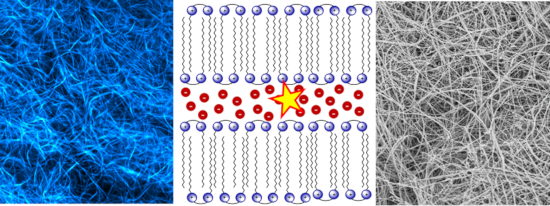
- poor sensitivity limited the extent to which CLSM could be reliably used to extract morphological information from ZnPc-containing gels, and no subtle features such as fibre curvature or bundling could be discerned with confidence. Conversely, cryo-SEM imaging of ZnPc@Gel enabled a more comprehensive