


Search results
Search for "shear" in Full Text gives 188 result(s) in Beilstein Journal of Nanotechnology.
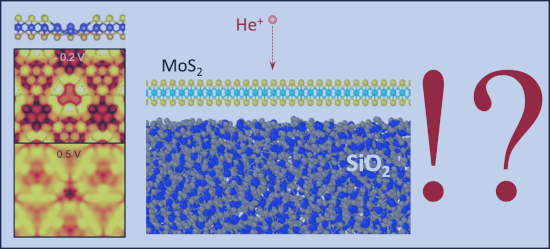
Defects and defect-mediated engineering of two-dimensional materials: challenges and open questions
Beilstein J. Nanotechnol. 2026, 17, 454–488, doi:10.3762/bjnano.17.31





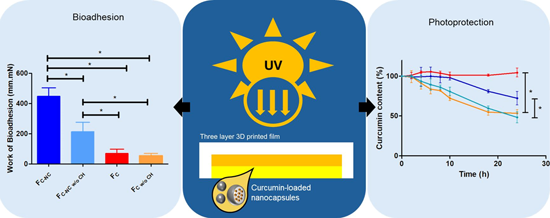
Nanocarrier-integrated multilayer films produced by 3D printing for improved skin adhesion and curcumin photostability
Beilstein J. Nanotechnol. 2026, 17, 440–453, doi:10.3762/bjnano.17.30
- tangent (tan δ), were measured using an oscillatory frequency sweep over an angular frequency range of 1–600 rad/s at a constant strain of 0.5%. Flow behaviour was assessed using a shear rate ramp from 0.1 to 1.0 s−1 and subsequently from 1.0 to 0.1 s−1, in order to determine the best-fit flow model for
- 1. Flow curves presented as shear stress (τ) and apparent viscosity (η) versus shear rate are shown in Figure 1D–F. Finally, Table 4 shows the thixotropic properties of the hydrogels, demonstrating recovery of the viscosity of the hydrogels after stress cessation. 3D Printing of three-layer films
- intermediate layer consisted of a blend of Na-CMC and alginate, serving as the drug-loaded compartment. Na-CMC provides appropriate rheological properties for SSE, including shear-thinning behaviour and adequate yield stress, enabling accurate layer deposition and structural stability after printing, as


First-principles study on elastic properties of Cu, (Cu1−x,Nix)3Sn and interfacial mechanical properties of (Cu1−x,Nix)3Sn/Cu in the lead-free solder joint
Beilstein J. Nanotechnol. 2026, 17, 428–439, doi:10.3762/bjnano.17.29
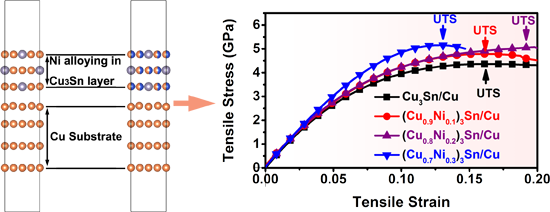
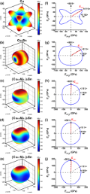
- constants, bulk modulus, shear modulus, Young’s modulus, anisotropy, and Poisson’s ratio of Cu and (CuxNi1−x)3Sn were calculated according to Voight–Reuss–Hill bounds [24][25]. Furthermore, from the calculated elastic constants, the orientation-dependent Young’s moduli of Cu and (CuxNi1−x)3Sn were
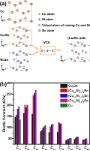
- constants, C11, C22, and C33, and the orthogonal elastic constants, C12, C13, and C23, were significantly enhanced by the Ni alloying. In contrast, only slight improvements of the shear elastic constants, C44, C55, and C66, were obtained by Ni alloying. Using the calculated elastic constants of Cu and
- (CuxNi1−x)3Sn, the average bulk modulus, shear modulus, Young’s modulus, universal anisotropy, and Poisson’s ratio were calculated according to the Voigt–Reuss–Hill approximations [25]. For FCC Cu, the Voigt-type bulk modulus BV and shear modulus GV, and the Reuss-type bulk modulus BR and shear modulus GR


Interconnection morphology effects on the radio frequency response of carbon nanotube sponges
Beilstein J. Nanotechnol. 2026, 17, 343–351, doi:10.3762/bjnano.17.23
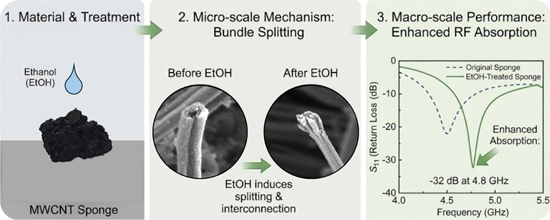
- conductors is not appreciable. Interesting results have been found for shear-aligned CNT films, which showed a radiation efficiency of 94% at 10 and 14 GHz, comparable to copper antennas [18]. Threads made of twisted bundles of as-grown CNTs worked as dipole antennas resonating at 2.45 GHz [6]. A recent



Influence of surface characteristics on the in vitro stability and cell uptake of nanoliposomes for brain delivery
Beilstein J. Nanotechnol. 2026, 17, 139–158, doi:10.3762/bjnano.17.9
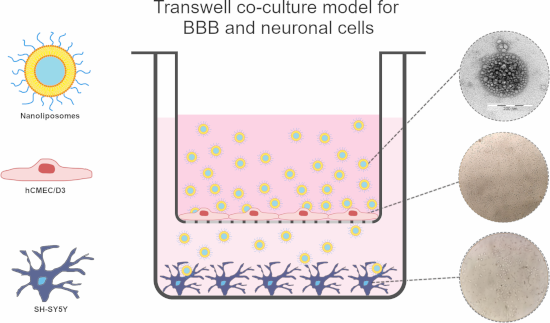
- ; ULTRASONS-H, J.P. Selecta), vortexing (Tehtnika, EV-102, Slovenia), and manual mixing at room temperature. The prepared liposomes underwent high shear homogenization (24,000 rpm for 5 min; Ultra-Turrax T25, IkaWerke, Germany) and were then incubated at 4–8 °C for 24 h. Finally, the liposomal dispersion was




Quantitative estimation of nanoparticle/substrate adhesion by atomic force microscopy
Beilstein J. Nanotechnol. 2026, 17, 1–14, doi:10.3762/bjnano.17.1

- cantilever deflection as well as torsional spring constant [39]. However, errors can arise due to the sensitivity of the PSPD to laser alignment and a few micrometers offset from the tip shear center, leading to erroneous determination of the cantilever torsion loop offset. As a result, there is very low



Quality by design optimization of microemulsions for topical delivery of Passiflora setacea seed oil
Beilstein J. Nanotechnol. 2025, 16, 2116–2131, doi:10.3762/bjnano.16.146
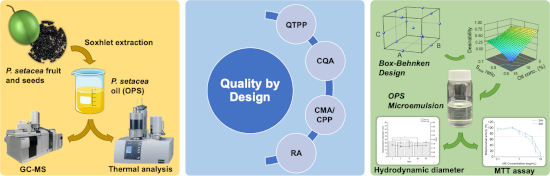
- strain, offering critical information about viscosity, flow characteristics, and structural stability. According to the proposed QTPP, a higher viscosity with pseudoplastic (shear-thinning) behavior is preferred for topical formulations, as it ensures ease application and good retention on the skin
- . Accordingly, the microemulsions were evaluated for their shear stress and viscosity at both room temperature (25 ± 2 °C) and skin temperature (32.5 ± 2 °C). Microemulsions can exhibit diverse rheological behaviors depending on their type, structure, droplet density, and interdroplet interactions [49]. As
- shown in Figure 10A, the base ME demonstrated Newtonian behavior, with viscosity remaining constant regardless of shear rate or temperature. This is consistent with microemulsions that possess globular or discontinuous droplet structures, which typically exhibit Newtonian flow characteristics [50][51


Molecular and mechanical insights into gecko seta adhesion: multiscale simulations combining molecular dynamics and the finite element method
Beilstein J. Nanotechnol. 2025, 16, 2055–2076, doi:10.3762/bjnano.16.141
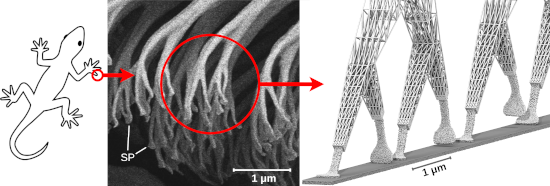
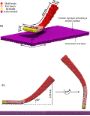
- iterations (1.4 ns) was conducted without any applied displacement. Unlike in typical AFM experiments, where the seta is pulled sideways (sheared) to increase the contact area, we did not actively shear. However, spontaneous sliding of the spatulae was observed during preloading. (4) After relaxation, during
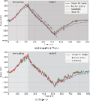
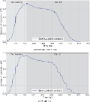
- -dominant contact), branch position along the hierarchy (Figure 2), and transient shear/sliding modulate the peak adhesion force (|Fmin|) and detachment order (Table 4, below). Pre-loading phase As the spatulae were pressed against the substrate, the compressive force increased (positive in Figure 10). The
- 11) and the adhesive forces increased (became more negative) (Figure 10). We estimated the sliding velocity in this regime by averaging the slopes of the pad displacements of all even-numbered (pad-dominant) spatulae, arriving at 0.66 ± 0.11 m/s. By contrast, shear speeds in AFM experiments range






Phytol-loaded soybean oil nanoemulsion as a promising alternative against Leishmania amazonensis
Beilstein J. Nanotechnol. 2025, 16, 1826–1836, doi:10.3762/bjnano.16.126

- cutaneous leishmaniasis [28][29]. To address a promising candidate to this, we developed a stable soybean oil-based nanoemulsion capable of encapsulating PHYT, using the phase inversion composition (PIC) nanoemulsification method. This is a low-shear technique that allows for easy scale-up and helps prevent


Laser processing in liquids: insights into nanocolloid generation and thin film integration for energy, photonic, and sensing applications
Beilstein J. Nanotechnol. 2025, 16, 1428–1498, doi:10.3762/bjnano.16.104
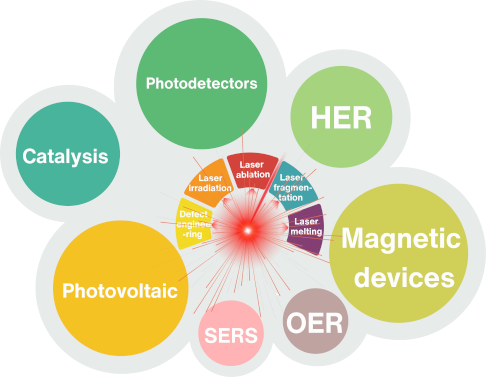
- thicknesses ranging from micrometers to nanometers. A mathematical model was derived to explain the dominant mechanisms in film formation, considering factors such as evaporation and shear stress, and extending the analysis to non-Newtonian fluids [102]. Despite its widespread use, the process faces






Acrocomia aculeata oil-loaded nanoemulsion: development, anti-inflammatory properties, and cytotoxicity evaluation
Beilstein J. Nanotechnol. 2025, 16, 1277–1288, doi:10.3762/bjnano.16.93
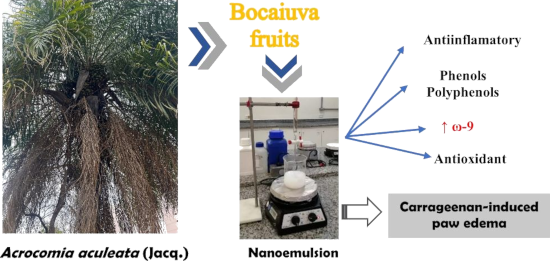
- ]. Moreover, the surfactants exhibit temperature-responsive behavior, reorganizing at higher temperatures to stabilize finer dispersions. The concurrent decline in oil phase viscosity with increasing temperature also improves emulsification efficiency by promoting shear-induced droplet breakup, particularly


Better together: biomimetic nanomedicines for high performance tumor therapy
Beilstein J. Nanotechnol. 2025, 16, 1246–1276, doi:10.3762/bjnano.16.92
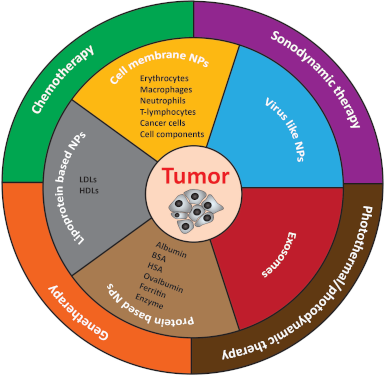
- fatty acid chain lengths. The series of in vitro and in vivo experiments confirmed the potent antitumor efficacy of CPT18C-HAS without obvious adverse effects [142]. It was reported that TNBC patients showed higher shear wave elasticity (SWE) α-SMA expression in tumor tissues than non-TNBC patients






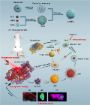

Chitosan nanocomposite containing rotenoids: an alternative bioinsecticidal approach for the management of Aedes aegypti
Beilstein J. Nanotechnol. 2025, 16, 1197–1208, doi:10.3762/bjnano.16.88
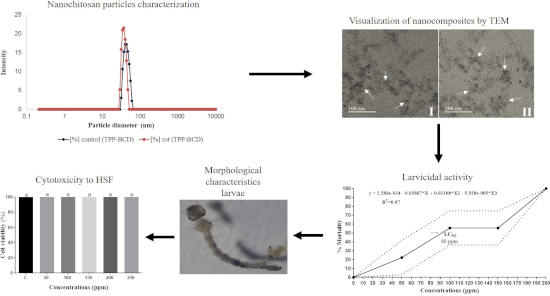
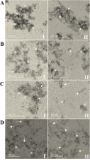
- important parameter for assessing nanoparticle stability and biodistribution. Typically, particles acquire an electric charge at the shear plane when dispersed in a liquid, which is reflected by their zeta potential, that is key to understanding dispersion and aggregation processes in nanoformulations. Zeta



Shape, membrane morphology, and morphodynamic response of metabolically active human mitochondria revealed by scanning ion conductance microscopy
Beilstein J. Nanotechnol. 2025, 16, 951–967, doi:10.3762/bjnano.16.73
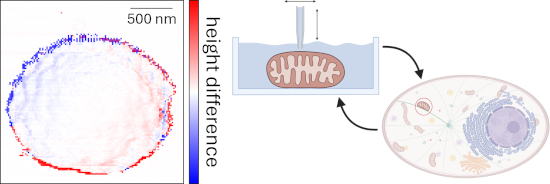
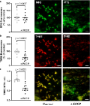
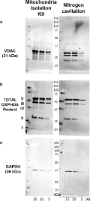
- technique, which involves temperature shocks and shear forces, leads to a higher fraction of submitochondrial particles [36]. Assuming that the edge memory effect is specific to mitochondria and cannot be replicated by submitochondrial particles, the TEV for such submitochondrial particles should remain
- membranes but not the mitochondrial outer membrane, was used to disrupt the cells. Mechanical shear forces associated with the Dounce homogeniser, as well as the stress from freezing and thawing, were avoided to minimise the formation of submitochondrial particles [36]. Regardless of the isolation method



A formulation containing Cymbopogon flexuosus essential oil: improvement of biochemical parameters and oxidative stress in diabetic rats
Beilstein J. Nanotechnol. 2025, 16, 617–636, doi:10.3762/bjnano.16.48
- exposed to different shear forces [22][23]. The parameters of rheological properties are essential in the classification and characterization of semisolids and fluids, and in the greater understanding of drug release from pharmaceutical forms [22]. Thus, the rheological behavior of M7-EOCF at two
- temperatures (25 and 37 °C) was analyzed. The results were expressed in rheograms (Figure 2) and represent the relationship between the shear stress and the shear rate. The data were analyzed using the power law (τ = k⋅γn), where τ is the shear rate, k is the consistency index (viscosity), γ is the shear
- behavior of the formulations was assessed by flow tests using the Modular Compact Rheometer (Anton Paar, MRC 302). A cone-plate geometry was used (diameter 49.9 mm, angle 1°, and gap 96 μm). The shear stress (γ) was evaluated as a function of the shear rate ranging from 0.1 to 200 s−1. The experiment was




Nanocarriers and macrophage interaction: from a potential hurdle to an alternative therapeutic strategy
Beilstein J. Nanotechnol. 2025, 16, 97–118, doi:10.3762/bjnano.16.10

- delivery route despite the potential advantages of local approaches [6]. Once in the bloodstream, NCs are exposed to a wide range of forces, such as fluid shear stress, blood flow, opsonization, excretion, and interaction with the MPS, all of which influence NC stability and delivery. This challenging and


Bioinspired nanofilament coatings for scale reduction on steel
Beilstein J. Nanotechnol. 2025, 16, 25–34, doi:10.3762/bjnano.16.3

- stability on steel. Our study demonstrates the successful coating of stainless steel with SNFs, achieving super-hydrophobicity and resilience under high shear stress and explosion/decompression tests. Scaling experiments reveal a 75.5% reduction in calcium carbonate deposition on SNF-coated steel surfaces
- coat stainless steel (Type 316) with nanofilaments, discuss stability test of the coatings, and the results of scaling experiments. Results and Discussion Nanofilamant performance and stability on steel Shear stress test of SNF coatings on steel Previous applications of SNF technology have been focused
- damage the coating visibly. Yet, most paintings and coatings will sustain damage when mechanically scratched. To evaluate shear stability under realistic operating conditions, we constructed a medium-temperature, medium-pressure, constant shear stress device (Figure 2A and Figure 2B). Our design is an


Natural nanofibers embedded in the seed mucilage envelope: composite hydrogels with specific adhesive and frictional properties
Beilstein J. Nanotechnol. 2024, 15, 1603–1618, doi:10.3762/bjnano.15.126
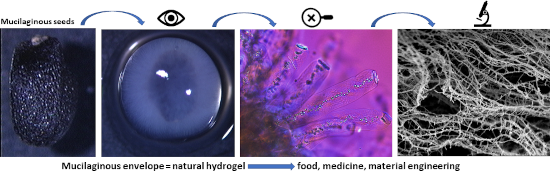
- ultralow friction. Zhang et al. [94] assumed that with an increasing shear rate the viscosity decreases, and the polysaccharide organisation in the mucilage becomes more ordered. This presumably causes easy sliding of Ocimum basilicum mucilage. It can be summarised that different factors influence the


Nanotechnological approaches for efficient N2B delivery: from small-molecule drugs to biopharmaceuticals
Beilstein J. Nanotechnol. 2024, 15, 1400–1414, doi:10.3762/bjnano.15.113

- microfluidics and high-shear-force homogenization [110]. As DDS, nanoemulsions can be reservoirs for encapsulating hydrophobic substances [111]. Moreover, emulsions of emulsions or double emulsions can be prepared by dispersing the droplets of primary emulsion into another liquid phase. Double emulsions can be


Beyond biomimicry – next generation applications of bioinspired adhesives from microfluidics to composites
Beilstein J. Nanotechnol. 2024, 15, 965–976, doi:10.3762/bjnano.15.79
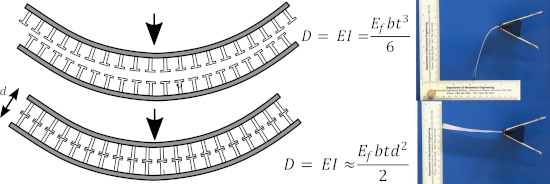
- ). This innovation enabled high shear strength on fabrics and high normal strength on smooth surfaces simultaneously without needing to alter the adhesive temperature. Such material inhomogeneity represents an underexplored aspect of biomimetic dry adhesives and warrants further investigation. It also
- . Supporting Information A demo of integrated HDPE fibers within an SEBS biomimetic adhesive sheet showing high shear strength (and negligible adhesion) on fabrics like spandex, while also being capable of having high peel strength on smooth plastic surfaces like polystyrene. The demonstration was completed in


Effects of cutting tool geometry on material removal of a gradient nanograined CoCrNi medium entropy alloy
Beilstein J. Nanotechnol. 2024, 15, 925–940, doi:10.3762/bjnano.15.76
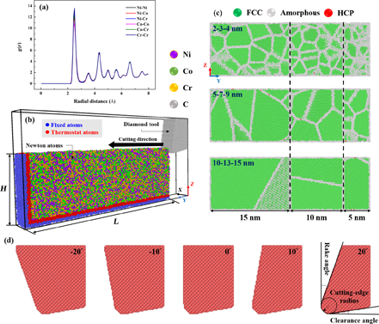
- behavior shows that grain boundaries are crucial in inhibiting the propagation of strain and stress. As the average grain size of the GNG sample increases, the range of shear strain distribution and average von Mises stress decreases. Moreover, the cutting chips become thinner and longer. The subsurface
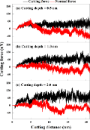
- accumulation, and the chip volume increase significantly with the increase in cutting depth. In contrast to sharp tools, which mainly use shear deformation, blunt tools remove material by plowing, and the cutting force increases with the increase in cutting-edge radius and negative rake angle. Keywords
- and partial dislocation motions in crystalline materials were examined by common neighbor analysis (CNA) of the modules in OVITO. Cutting force, shear strain distribution, von Mises stress analysis, crystal structure evolution, temperature distribution, and calculation of material wear rate were








Investigation on drag reduction on rotating blade surfaces with microtextures
Beilstein J. Nanotechnol. 2024, 15, 833–853, doi:10.3762/bjnano.15.70
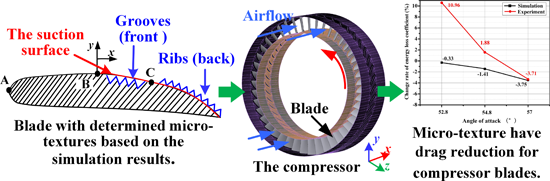
- boundary layer theory as shown in Figure 6. The dimensionless size calculation formula of microtextures with drag reduction performance are as follows [32]: where μ is the dynamic viscosity, v is the kinematic viscosity, u is the average flow velocity, uτ is the wall stress shear rate, τw is the wall shear
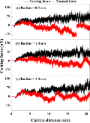
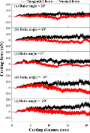
- from the streamline that the microtexture effectively inhibits turbulence generation and reduces system energy consumption. Weakening of turbulences will cause a reduction of wall shear stress, which is reflected in the reduction of friction resistance. The shear stress distribution on the smooth blade
- and the microtextured blade is shown in Figure 17b; the blue mark indicates that the placement of microtextures does not change the overall shear stress distribution of the blade. Instead, it generates shear stress fluctuations within the microtextured area. Wind tunnel experiment with the


Functional fibrillar interfaces: Biological hair as inspiration across scales
Beilstein J. Nanotechnol. 2024, 15, 664–677, doi:10.3762/bjnano.15.55
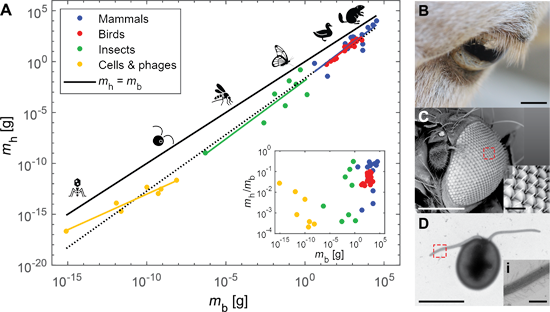
- shear flow that removes contaminants [45]. In addition to superhydrophobicity, in certain water plants, such as Salvinia spp., specialized structures have been observed to combine superhydrophobicity and superhydrophilicity [46]. In these plants, the fiber-like structures have hydrophilic tips, while


Comparative analysis of the ultrastructure and adhesive secretion pathways of different smooth attachment pads of the stick insect Medauroidea extradentata (Phasmatodea)
Beilstein J. Nanotechnol. 2024, 15, 612–630, doi:10.3762/bjnano.15.52
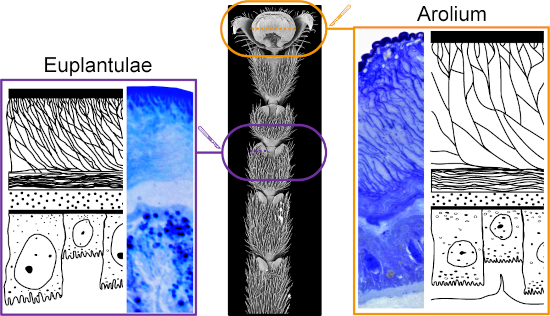
- shear forces without undergoing degradation. Similar morphological features have been previously described by Clemente and Federle [54] for the arolium and euplantulae of the cockroach N. cinera, by Bennemann et al. [71] for the arolium of the stick insect C. morosus, and by Schmitt and Betz [45] for
- from the larger volume of the arolium, necessitating a stronger endocuticle layer 1 as a support for the primary and branching rod layers. Additionally, the parallel layer structure of the endocuticle layer 1 could give additional resistance against shear forces [78]. Exocrine cells The exocrine cells
- 5B). In the arolium, however, the endocuticle layer 2 is not recognizable. The wider endocuticle layer 2 in the euplantulae could be a structural feature that increases the resistance to shear forces as well as the stability of the attachment organ. A layer with similar properties, the inner




Determining by Raman spectroscopy the average thickness and N-layer-specific surface coverages of MoS2 thin films with domains much smaller than the laser spot size
Beilstein J. Nanotechnol. 2024, 15, 279–296, doi:10.3762/bjnano.15.26
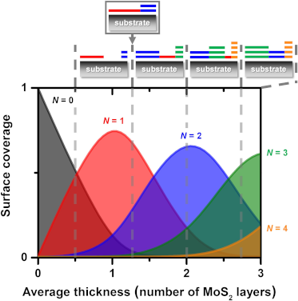
- , different information can be derived from the measurement of the Raman features (frequencies, linewidths, and intensities) of intralayer phonon modes as well as those of the interlayer modes, the so-called layer breathing (LB) modes and shear (S) modes. Recently, we have developed the reproducible direct
- underneath the MoS2 flake, A2D(Si) [28]; (iii) on the precise measurement of the A2D(Si)/A0(Si) intensity ratio [31]; and (iv) on the measurement of ultralow-frequency modes, the so-called breathing modes and shear modes. The frequencies and the number of LB and S modes allow one to identify the number of
- reflectivity, and the measurement of the breathing modes and shear modes in the ultralow frequency (ULF) range of the spectra [32][33][34]. One of the most popular criteria to determine the number of layers of MoS2 flakes is the measurement of ΔωA−E, that is, the frequency difference between the A1g and E12g





