


Search results
Search for "stainless steel" in Full Text gives 152 result(s) in Beilstein Journal of Nanotechnology.
Influence of an external electric field on the catalytic CO oxidation of nanoscaled CeO2 and its La3+ and Gd3+ congeners
Beilstein J. Nanotechnol. 2026, 17, 1028–1038, doi:10.3762/bjnano.17.70
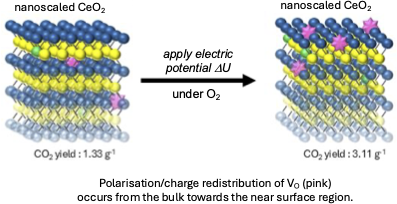
- experiments The custom-built gas adsorption device consists of sample cell, volume cell, circulation pump, and IR measurement cell, which are interconnected by stainless-steel tubes (6 mm), valves (Swagelok® SS-6P4T-MM-8K), and Swagelok® fittings [37]. The process was conducted under ambient conditions and
- ® XEL 250 DC Power Supply was used to apply the potential to the sample, where the thermocouple inside and the steel mantle of the sample chamber were used as the inner electrode and the outer electrode, respectively. The measurement cell, composed of a steel tube and sealed by two stainless steel caps


Electrochemical determination of ciprofloxacin using a MIL-101/reduced graphene oxide-modified electrode
Beilstein J. Nanotechnol. 2026, 17, 541–554, doi:10.3762/bjnano.17.35
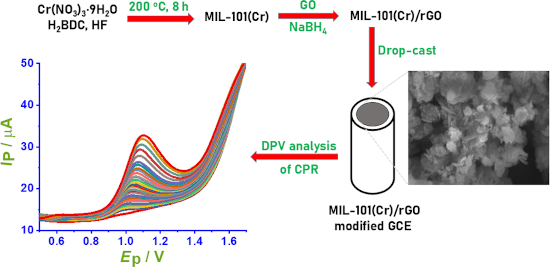
- stainless-steel autoclave and heated at 200 °C for 8 h [18]. After cooling to room temperature, a highly crystalline green chromium terephthalate powder (MIL-101(Cr)) was collected by filtration, thoroughly washed with deionized water, and dried before use. The MIL-101/rGO composites were synthesized


Polycatecholamine nanocoatings on stainless steel: the effect on attachment of human fibroblasts and platelets
Beilstein J. Nanotechnol. 2026, 17, 365–380, doi:10.3762/bjnano.17.25
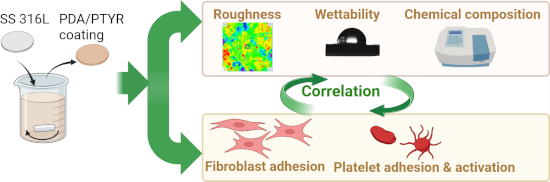
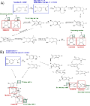
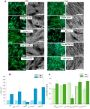
- layers on stainless steel 316L via a novel in situ oxidation process and evaluated their physicochemical properties and cellular interactions at the nano/microscale. Surface characterization revealed that the polymeric coatings formed a homogenous layer with distinct topographical features and thickness
- : cell–material interactions; Fenton oxidation; hemocompatibility; nanocoatings; polycatechols; Introduction Stainless steel 316L (SS 316L) is an iron-based alloy containing chromium and molybdenum, which promote passivation and corrosion resistance [1]. Owing to its mechanical robustness
- homeostasis and suppress thrombogenic and proliferative responses [6]. Under long-term hemodynamic loading, stainless steel implants may also suffer from localized corrosion and metal-ion release, leading to chronic inflammation at the tissue–implant interface [8]. While rapid colonization of implant surfaces




Interconnection morphology effects on the radio frequency response of carbon nanotube sponges
Beilstein J. Nanotechnol. 2026, 17, 343–351, doi:10.3762/bjnano.17.23
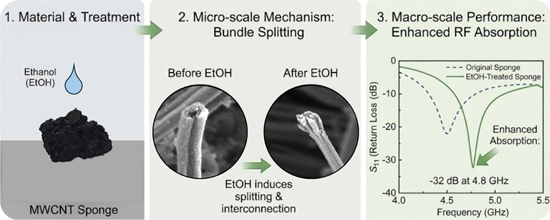
- . Before the growth process, the pressure was brought to 1 atm by introducing a mixture of argon and hydrogen (30 and 20 sccm, respectively) through a stainless steel pipe. A solution containing ferrocene (2.3 wt %) dispersed in 10 mL of ethanol and stirred for 4 h was injected at a constant rate (5 mL·h−1




Reduced graphene oxide paper electrode for lithium-ion cells – towards optimized thermal reduction
Beilstein J. Nanotechnol. 2026, 17, 24–37, doi:10.3762/bjnano.17.3
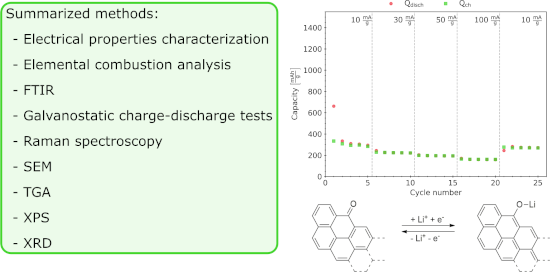
- measurements. Galvanostatic charge–discharge tests The prototype cells (Swagelok-type with stainless steel current collectors) for the galvanostatic charge–discharge tests were prepared in an argon-filled glovebox (MBraun). The materials were tested in a two-electrode configuration in a full-cell setup for
- paper sample). For this testing method, rGO paper sheets were cut into circles of 10 mm diameter with a stainless steel hole punch and weighed (the mass of cut samples ranged between ca. 0.0010 and 0.0018 g, with an areal mass loading from 1.3 to 2.3 mg/cm2 and a density of 0.56 to 2.57 g/cm3). Since



Quality by design optimization of microemulsions for topical delivery of Passiflora setacea seed oil
Beilstein J. Nanotechnol. 2025, 16, 2116–2131, doi:10.3762/bjnano.16.146
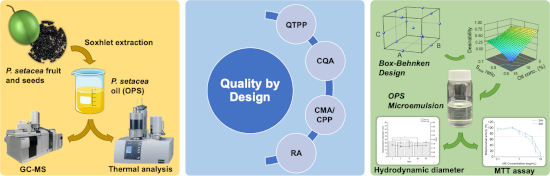
- . Surface tension Surface tension was measured using the pendant droplet method with a drop-shape analyzer (DAS-100, KRÜSS GmbH, Hamburg, Germany). Microemulsion droplets (17 µL) were formed at the tip of a stainless-steel needle and analyzed by image capture and subsequent software processing to calculate


Beyond the shell: exploring polymer–lipid interfaces in core–shell nanofibers to carry hyaluronic acid and β-caryophyllene
Beilstein J. Nanotechnol. 2025, 16, 2015–2033, doi:10.3762/bjnano.16.139
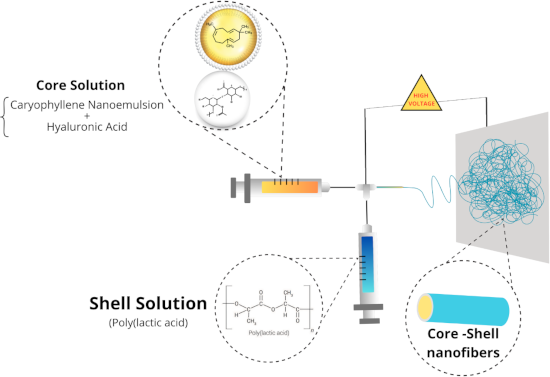
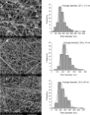
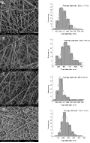
- solution and the other with the HA solution or a mix of HA+NE to the core. Each syringe was connected to an individual syringe pump for independent control of flow rate. The coaxial needle assembly comprised two stainless steel needles concentrically aligned, with an 18G outer needle for the shell solution




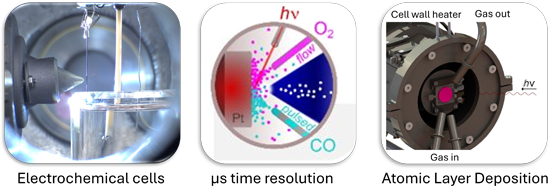
Ambient pressure XPS at MAX IV
Beilstein J. Nanotechnol. 2025, 16, 1677–1694, doi:10.3762/bjnano.16.118
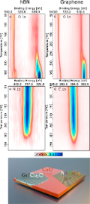
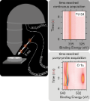
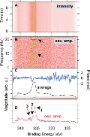
- near the alloy’s surface, exacerbating metal dissolution. The passive film breakdown has been studied for different acidities of the electrolyte solution, as reported in Figure 14. A parallel study extended these findings to martensitic stainless steel, offering further insights into the chemical





Nanotechnology-based approaches for the removal of microplastics from wastewater: a comprehensive review
Beilstein J. Nanotechnol. 2025, 16, 1607–1632, doi:10.3762/bjnano.16.114
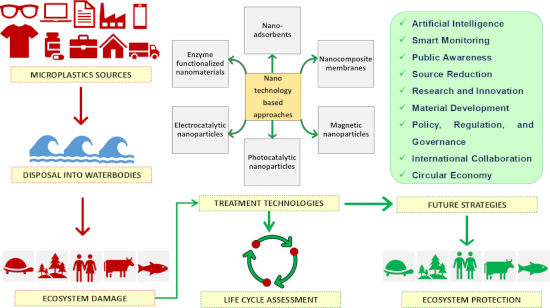
- supports such as glass beads, fibres, silica, stainless steel, and textiles, or by embedding them within polymer matrices [86][100]. Figure 8 illustrates the various types of nanophotocatalysts used for MP removal, while Table 4 present their operational conditions and corresponding removal efficiencies


Wavelength-dependent correlation of LIPSS periodicity and laser penetration depth in stainless steel
Beilstein J. Nanotechnol. 2025, 16, 1302–1315, doi:10.3762/bjnano.16.95
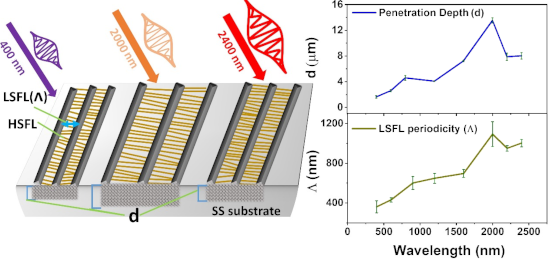
- This research paper delves into the exploration of laser-induced periodic surface structures (LIPSS) on a 100 µm thin stainless steel (SS) sheet. Through the application of laser irradiation with wavelengths spanning from 400 to 2400 nm, we systematically generate ladder-like LIPSS across a substantial
- laser-affected zone, and its impact on material processing efficiency using femtosecond laser pulses. The study reveals deviations from the expected behavior predicted by existing theories, showing a wavelength-dependent penetration depth on stainless steel. This finding challenges our understanding of
- properties, laser parameters, and material characteristics in determining penetration depth, thereby contributing to the broader understanding of light–material interactions. Materials and Methods Materials A double-sided polished stainless steel surface (SS304) with a thickness of 100 µm was utilized




Time-resolved probing of laser-induced nanostructuring processes in liquids
Beilstein J. Nanotechnol. 2025, 16, 968–1002, doi:10.3762/bjnano.16.74


Facile one-step radio frequency magnetron sputtering of Ni/NiO on stainless steel for an efficient electrode for hydrogen evolution reaction
Beilstein J. Nanotechnol. 2025, 16, 837–846, doi:10.3762/bjnano.16.63
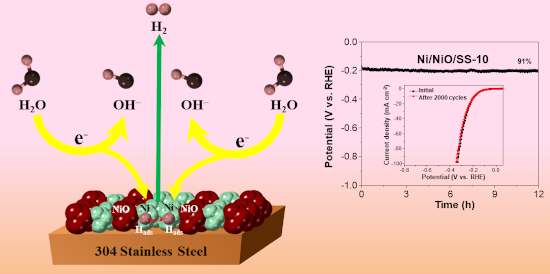
- . In this study, Ni/NiO nanolayers were prepared on stainless steel (SS) via a facile one-step radio frequency magnetron sputtering with various O2 flow rates. The O2 flow rate not only changed the crystal phase but also affected the morphology and atomic ratio of materials, leading to optimized HER
- preserved substrate are definite advantages. Although studies have recognized the effectiveness of magnetron sputtering, research has yet to systematically investigate the effect of the O2 flow rate on the HER efficiency of Ni/NiO catalysts. Commercial stainless steel (SS) costs less than other conductive
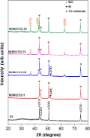


High-temperature epitaxial growth of tantalum nitride thin films on MgO: structural evolution and potential for SQUID applications
Beilstein J. Nanotechnol. 2025, 16, 690–699, doi:10.3762/bjnano.16.53
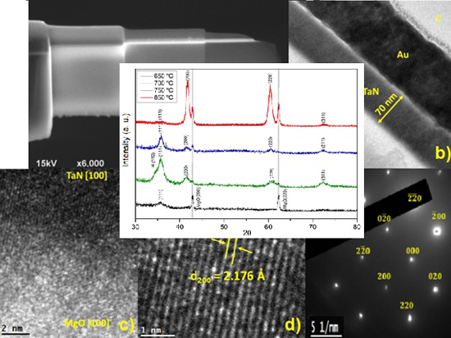
- nitrogen pressure between 10 and 90 mTorr. The experiment was performed in a laser ablation system “RIBER LDM 32”. It consists of three stainless steel ultrahigh-vacuum (UHV) chambers for sample introduction, PLD deposition, and X-ray photoelectron spectroscopy (XPS) analysis, isolated by UHV gate valves


Feasibility analysis of carbon nanofiber synthesis and morphology control using a LPG premixed flame
Beilstein J. Nanotechnol. 2025, 16, 581–590, doi:10.3762/bjnano.16.45
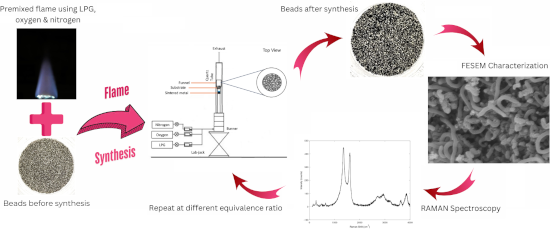
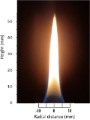
- three stainless steel inlet tubes for LPG, oxygen, and nitrogen was used to synthesize CNTs. TEM images revealed a 0.35 nm interplanar spacing, showing high crystallinity and a thin amorphous layer [11]. In a separate study, CNFs were synthesized using acetylene and plasma-enhanced chemical vapor
- temperatures of 550–650 °C [13]. Also, CNFs were produced by loading a stainless-steel autoclave with 7.50 mL of diethyl ether and a solution containing 1.00 g of zinc powder and 0.50 g of iron powder. The sealed autoclave was heated to 650 °C and kept overnight for the hydrothermal reaction. After cooling to
- growth [17]. A study by Zhuang et al. used electrospinning to synthesize CNFs. Polyacrylonitrile was used a carbon precursor and phosphomolybdic acid was added to improve the structure and the conductivity of CNFs. A voltage of 15 kV was applied to a stainless steel needle containing the solution and an



Bioinspired nanofilament coatings for scale reduction on steel
Beilstein J. Nanotechnol. 2025, 16, 25–34, doi:10.3762/bjnano.16.3

- stability on steel. Our study demonstrates the successful coating of stainless steel with SNFs, achieving super-hydrophobicity and resilience under high shear stress and explosion/decompression tests. Scaling experiments reveal a 75.5% reduction in calcium carbonate deposition on SNF-coated steel surfaces
- : bioinspired materials; calcium carbonate; offshore assets; stainless-steel coating; super-hydrophobicity; Introduction Small animals, such as insects, springtails (Collembola), and other hexapods, have distinctly large surface-to-volume ratios. This characteristic imposes significant challenges in terms of
- coat stainless steel (Type 316) with nanofilaments, discuss stability test of the coatings, and the results of scaling experiments. Results and Discussion Nanofilamant performance and stability on steel Shear stress test of SNF coatings on steel Previous applications of SNF technology have been focused


Heterogeneous reactions in a HFCVD reactor: simulation using a 2D model
Beilstein J. Nanotechnol. 2024, 15, 1627–1638, doi:10.3762/bjnano.15.128
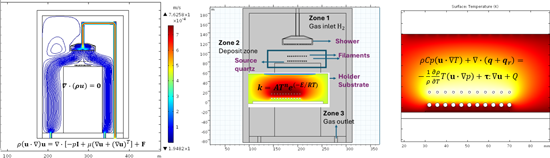
- second one is the reaction zone, and the third one is the gas outlet. In the first zone, molecular hydrogen (H2) gas is pumped in through a stainless steel piping system that reaches a diffuser inside the reaction chamber. The gas gets in contact with eleven tungsten filaments from incandescent lamps


Ion-induced surface reactions and deposition from Pt(CO)2Cl2 and Pt(CO)2Br2
Beilstein J. Nanotechnol. 2024, 15, 1427–1439, doi:10.3762/bjnano.15.115

- sublimes at 35–40 °C at 125 mTorr. 13C NMR (C6D6, 400 MHz) δ 151.71 (1JC–Pt = 1562 Hz); IR (toluene, Figure S1, Supporting Information File 1) νco: 2077, 2118 cm−1. UHV studies Experiments were performed in a stainless-steel ultrahigh vacuum system as described elsewhere [21]. Briefly, a cooled tantalum
- blown dry with 99.999% N2 (Airgas) and used as the substrate for deposition. Approximately 500 mg of Pt(CO)2Cl2 (Strem Chemicals) was loaded into a glass vial that was attached to a UHV precision leak valve. A 1/8″ stainless steel directional dosing line was attached to the vacuum side of the leak valve



A biomimetic approach towards a universal slippery liquid infused surface coating
Beilstein J. Nanotechnol. 2024, 15, 1376–1389, doi:10.3762/bjnano.15.111
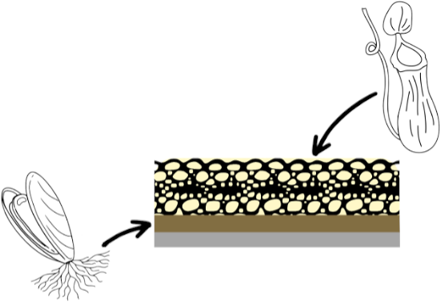
- cyclic olefin copolymer, silicon, and stainless steel substrates, by first growing a PDA film on each substrate. This was followed by a hydrophobic liquid anchor layer created by functionalizing the PDA film with a fluorinated thiol. Finally, perfluorodecalin was applied to the surface immediately prior
- copolymer (COC), silicon, and 316 stainless steel (SS) as our substrates. These substrates were first coated with PDA; then, a fluorinated thiol was attached to serve as the anchor for the infused fluid. The resulting surface modifications were then characterized by water contact angle measurements, atomic




Interface properties of nanostructured carbon-coated biological implants: an overview
Beilstein J. Nanotechnol. 2024, 15, 1041–1053, doi:10.3762/bjnano.15.85
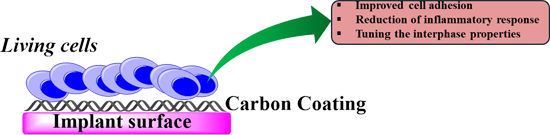
- macrophages. The reduction of fibrotic formations on the implants is of capital relevance for preventing thrombosis [96]. Hassan et al. [97] investigated graphene coatings on a stainless steel implant to minimize the negative effect of metals contained into the alloy (i.e., Cr, Mo, and Ni). The authors used
- both anticorrosion and antithrombotic elements. The authors used PVD for the deposition of a micrometer-thick coating on stainless steel, controlling morphology, roughness, and mechanical parameters. The coated surfaces showed a reduction of hemolysis of 40% and a corrosion resistance increment of 96



Facile synthesis of Fe-based metal–organic frameworks from Fe2O3 nanoparticles and their application for CO2/N2 separation
Beilstein J. Nanotechnol. 2024, 15, 897–908, doi:10.3762/bjnano.15.74
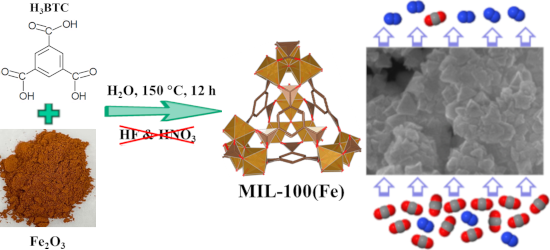
- ]. Typically, 0.9 g Fe2O3 and different amounts of H3BTC, alongside 45 mL of DI water, were introduced into a Teflon beaker and gently stirred for 15 min at room temperature. The mixture was then carefully sealed inside an autoclave made of stainless steel before being placed inside an electrically heated oven





Green synthesis of biomass-derived carbon quantum dots for photocatalytic degradation of methylene blue
Beilstein J. Nanotechnol. 2024, 15, 755–766, doi:10.3762/bjnano.15.63
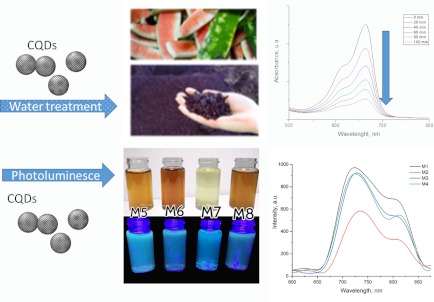
- stirred for an additional 10 min. Subsequently, the mixture was transferred to a Teflon-lined stainless steel autoclave, which was sealed under pressure using a manual press. The autoclave was then placed in a convection oven and maintained at 100°C for 2 h. After the specified time had elapsed, the


Simultaneous electrochemical determination of uric acid and hypoxanthine at a TiO2/graphene quantum dot-modified electrode
Beilstein J. Nanotechnol. 2024, 15, 719–732, doi:10.3762/bjnano.15.60
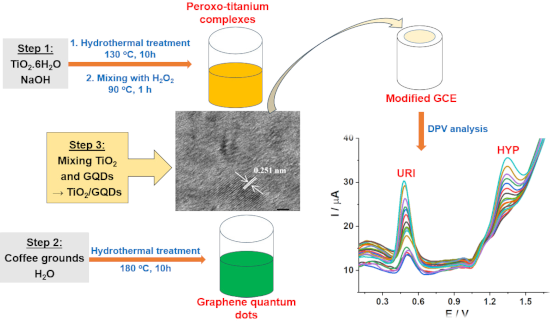
- synthesized in a hydrothermal process. 0.25 g of TiO2 and 12.5 mL of 10 M NaOH were mixed under ultrasonic stirring. The suspension was then transferred to a teflon-lined stainless steel autoclave and heated to 130 °C for 10 h. The resulting white solid was separated by centrifugation and rinsed several times


Cholesterol nanoarchaeosomes for alendronate targeted delivery as an anti-endothelial dysfunction agent
Beilstein J. Nanotechnol. 2024, 15, 517–534, doi:10.3762/bjnano.15.46
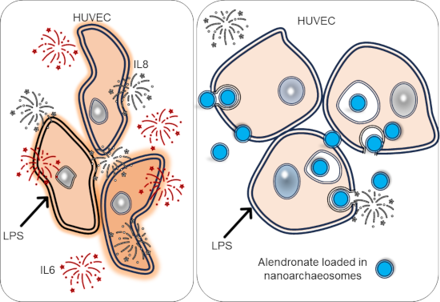
- tebenquichense was grown in basal medium supplemented with yeast extract and glucose in a 25 L custom-made stainless steel bioreactor at 40 °C and harvested after 72 h growth. Total polar archaeolipids (TPA) were extracted from biomass using the Bligh and Dyer method modified for extreme halophiles [74]. Around





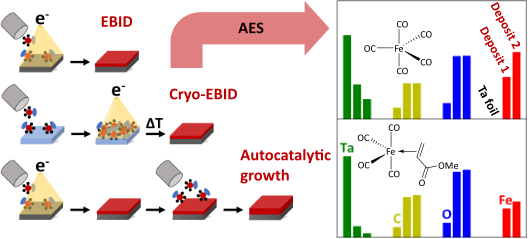
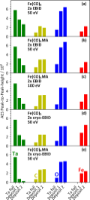
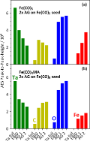
Electron-induced deposition using Fe(CO)4MA and Fe(CO)5 – effect of MA ligand and process conditions
Beilstein J. Nanotechnol. 2024, 15, 500–516, doi:10.3762/bjnano.15.45



Vinorelbine-loaded multifunctional magnetic nanoparticles as anticancer drug delivery systems: synthesis, characterization, and in vitro release study
Beilstein J. Nanotechnol. 2024, 15, 256–269, doi:10.3762/bjnano.15.24
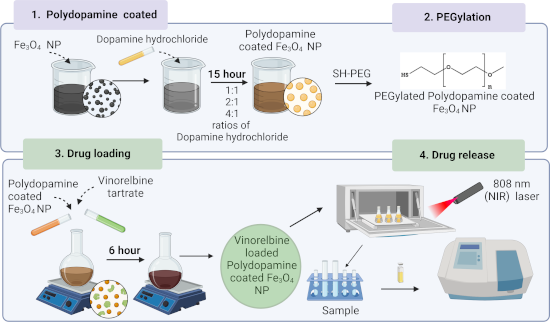
- a solvothermal technique in a stainless steel reactor at 200 °C for 6 h. According to the results of FE-SEM and STEM examinations, the Fe3O4 NPs are spherical, as depicted in Figure 1a–c. When examining the STEM size distribution, it was observed that Fe3O4 NPs were efficiently synthesized with an





