Search results
Search for "surface interactions" in Full Text gives 68 result(s) in Beilstein Journal of Nanotechnology.
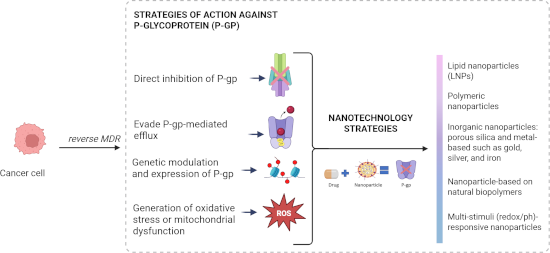
Nanocarrier strategies to overcome P-glycoprotein-mediated drug resistance in cancer therapy
Beilstein J. Nanotechnol. 2026, 17, 882–921, doi:10.3762/bjnano.17.64


Substrate-dependent pore formation in molybdenum disulfide monolayers under ion irradiation
Beilstein J. Nanotechnol. 2026, 17, 769–780, doi:10.3762/bjnano.17.54
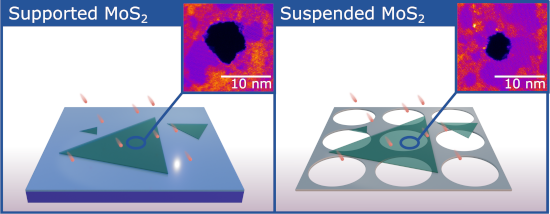
- highly charged ions (HCIs) and swift heavy ions (SHIs), remains less complete. The emergence of 2D materials has intensified the interest in ion–surface interactions [9][10][11][12][13]. Owing to their atomic thickness, 2D materials combine outstanding mechanical properties with promising (opto


Nanoinformatics: spanning scales, systems and solutions
Beilstein J. Nanotechnol. 2026, 17, 423–427, doi:10.3762/bjnano.17.28

- toxicity of GO was observed, and attributed to the surface interactions between TA and GO as well as to the inherent biological properties of TA in C. elegans. The findings provide insights that can be utilised for the design of safer nanomaterials, as part of the Safe and Sustainable by Design (SSbD

Polycatecholamine nanocoatings on stainless steel: the effect on attachment of human fibroblasts and platelets
Beilstein J. Nanotechnol. 2026, 17, 365–380, doi:10.3762/bjnano.17.25
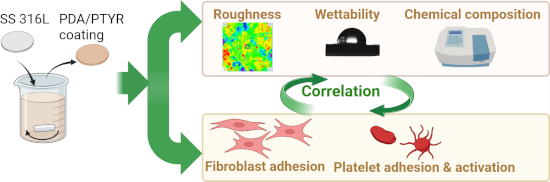
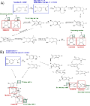
- less explored PTYR under identical conditions, we aim to elucidate how the differences in polycatecholamine chemistry and nanostructure translate into cell–surface interactions on stainless steel implants. Results Wettability of the coatings Polished SS 316L discs were coated with PDA (reaction times
- nanoparticulate morphology, improved nanostructural stability, and were more repellent for platelets. This is an important finding in terms of searching for robust and versatile hemocompatible coatings, as platelet–surface interactions are strongly influenced by nanoscale chemistry and topography. PTYR




Ultrathin water layers on mannosylated gold nanoparticles
Beilstein J. Nanotechnol. 2025, 16, 2183–2198, doi:10.3762/bjnano.16.151
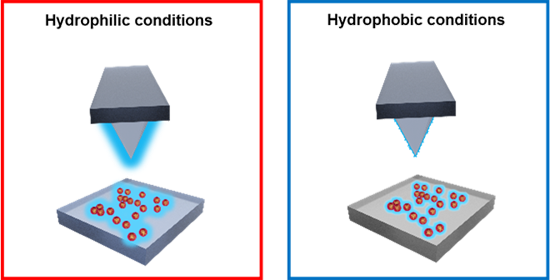
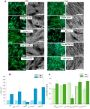
- , we observed a very small number of NPs and higher agglomeration than on APDMES (Figure 6E,F,K,L). Like on APDMES, PEG AuNPs are less uniformly distributed than dimanno-AuNPs. The differences are likely due to the delicate balance between capillary flow and surface interactions. The flow is likely the
- favors NP–surface interactions with subsequent immobilization. This can be based on multiple hydrogen bonds between the NH3+ groups in APDMES and the OH groups in the dimannoside, which immobilize the NPs long before solvent evaporation. Consequently, in this case, we observed no “coffee ring” effect
- . The drop-casting method used on OTS allowed for complete evaporation of the droplet. The NP–surface interactions are now relatively weak, and inter-NP interactions are favored. NP movement was faster than evaporation, resulting in the observed “coffee ring” drying. Mesoscale observations of NP



PEGylated lipids in lipid nanoparticle delivery dynamics and therapeutic innovation
Beilstein J. Nanotechnol. 2025, 16, 1914–1930, doi:10.3762/bjnano.16.133
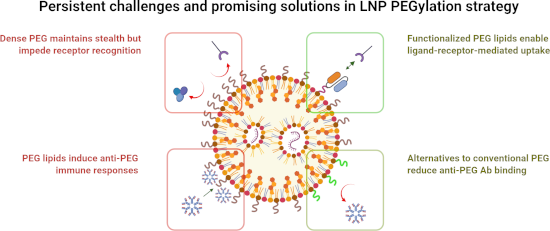
- review first reveals the localization and conformation of PEG lipids on the LNP surface, which is fundamental for understanding how PEG lipids contribute to nanoparticle stability and surface interactions. It then demonstrates how PEG density and chemical structure may influence the physicochemical
- nearly complete suppression of nonspecific adsorption [26]. This quantitative relationship underscores that optimizing the PEG density is critical to balance stealth properties with surface interactions in LNP design. While increasing PEG density on LNPs can effectively reduce nonspecific protein
- effect on uptake or transfection efficiency, suggesting limited interaction enhancement through that functional group. This study highlights that even without ligands, functionalized PEG lipids may be able to modulate LNP surface interactions and biodistribution, though the effect strongly depends on


Current status of using adsorbent nanomaterials for removing microplastics from water supply systems: a mini review
Beilstein J. Nanotechnol. 2025, 16, 1837–1850, doi:10.3762/bjnano.16.127
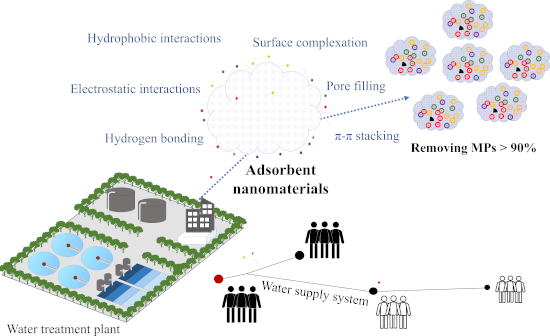
- treatment processes [70][72][118]. A comprehensive understanding of the adsorption mechanisms, including surface interactions and environmental factors like pH and ionic strength, is essential to optimize these nanomaterials. Additionally, scaling laboratory findings to real-world applications remains a


Photocatalytic degradation of ofloxacin in water assisted by TiO2 nanowires on carbon cloth: contributions of H2O2 addition and substrate absorbability
Beilstein J. Nanotechnol. 2025, 16, 1567–1579, doi:10.3762/bjnano.16.111
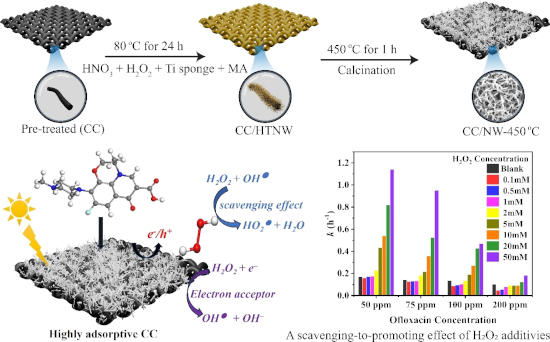
- (pH 2) and highly basic (pH 12) conditions reduce the degradation efficiency, likely due to reduced ROS stability or altered surface interactions. It demonstrates that the carbon cloth-supported TiO2 nanowires are capable of functioning in wastewater with a wide pH range. The active radical species


The role of biochar in combating microplastic pollution: a bibliometric analysis in environmental contexts
Beilstein J. Nanotechnol. 2025, 16, 1401–1416, doi:10.3762/bjnano.16.102
- that for nylon, particularly in pore volumes ranging from 1 to 11, due to differences in charge and surface interactions. Conventional MP treatment models using BC include batch tanks and filter columns, as presented in Table S3, Supporting Information File 1. Based on statistical results depicted in
- of 1.0, further supporting this dual contribution [34]. Additionally, Li, et al. [33] reported that the Elovich model outperformed PSO, highlighting the role of heterogeneous surface interactions in MP adsorption onto biochar. The correlation analysis presented in Figure S2, Supporting Information



Wavelength-dependent correlation of LIPSS periodicity and laser penetration depth in stainless steel
Beilstein J. Nanotechnol. 2025, 16, 1302–1315, doi:10.3762/bjnano.16.95
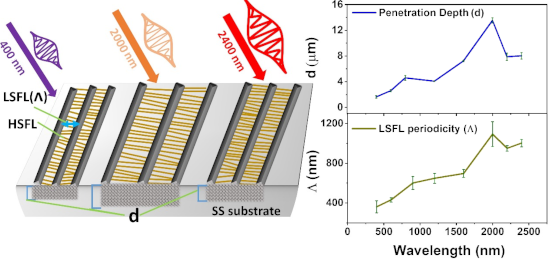
- how metal surfaces respond to incident wavelengths [53][54]. This work advances our comprehension of LIPSS structures and their applications, shedding new light on the interplay between incident wavelengths and surface interactions. The paper concludes by emphasizing the importance of optical




Electronic and optical properties of chloropicrin adsorbed ZnS nanotubes: first principle analysis
Beilstein J. Nanotechnol. 2025, 16, 1184–1196, doi:10.3762/bjnano.16.87
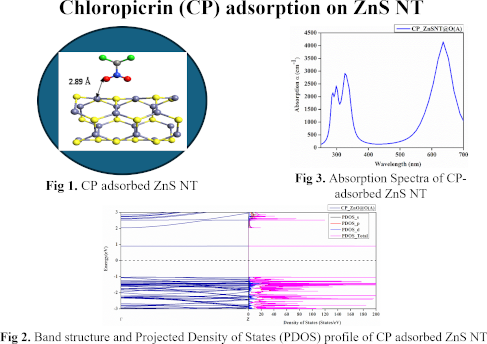
- could form a surface dipole, enhancing the interaction of the NT with external molecules. Such structural features are particularly relevant for potential applications in gas sensing, where surface interactions play a critical role in sensitivity and selectivity. The adsorption energy Eads for CP with


Mechanical stability of individual bacterial cells under different osmotic pressure conditions: a nanoindentation study of Pseudomonas aeruginosa
Beilstein J. Nanotechnol. 2025, 16, 1171–1183, doi:10.3762/bjnano.16.86
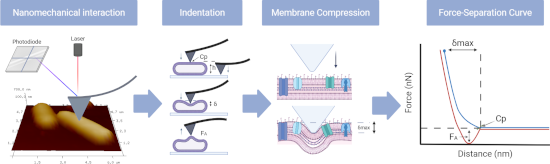
- loading force of 500 pN for each nanoindentation applied in a pre-programmed grid of 48 points per line to quantify surface interactions and the mechanical response of bacteria. This allowed us to simultaneously acquire maps with enough resolution on the sample surface to identify individual bacteria and
- obtain the mechanical response from the membrane rigidity within a reversible regime. The advantage of mapping bacteria at low loading forces is that surface interactions between the tip and cell membrane can be analyzed, and information related to its adhesion or surface charge could be revealed with


Nanomaterials in targeting amyloid-β oligomers: current advances and future directions for Alzheimer's disease diagnosis and therapy
Beilstein J. Nanotechnol. 2025, 16, 561–580, doi:10.3762/bjnano.16.44
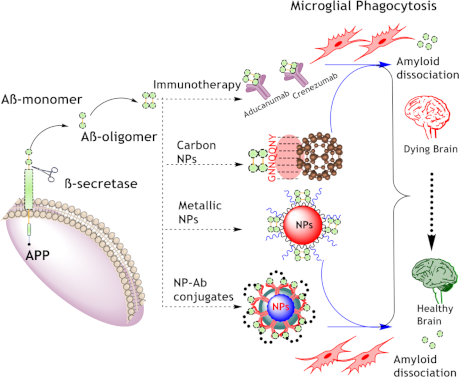
- . employed a combination of experimental and computational approaches to investigate the interaction between PEGylated NPs and Aβ monomers. Their findings revealed that surface interactions between NPs and Aβ monomers effectively inhibited the formation of AβOs [59]. Building upon their previous research
- oligomers, affecting their binding ability and preventing aggregation. Different nanoparticle geometries facilitate specific surface interactions that help to block oligomer formation and support structural stability. For example, Xiong et al. showed that peptide-functionalized AuNPs could effectively


A biomimetic approach towards a universal slippery liquid infused surface coating
Beilstein J. Nanotechnol. 2024, 15, 1376–1389, doi:10.3762/bjnano.15.111
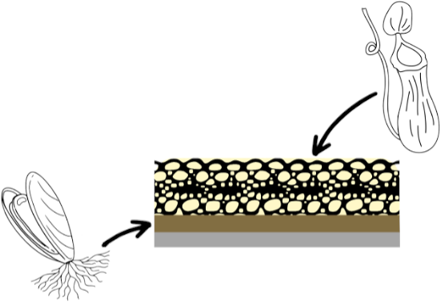
- gather information on isolated surface interactions, whereas the fibrin generation study was performed using PPP to investigate comprehensive hematologic behavior of the surfaces. This suggests that the SLIPS coating could have a high affinity for a passivating blood protein or low affinity for an active




Interaction of graphene oxide with tannic acid: computational modeling and toxicity mitigation in C. elegans
Beilstein J. Nanotechnol. 2024, 15, 1297–1311, doi:10.3762/bjnano.15.105
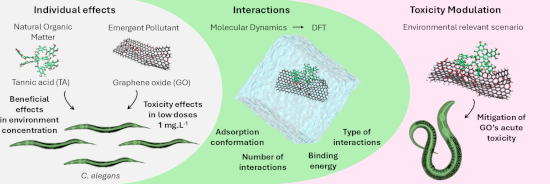
- -dependent mitigating effect on the toxicity of GO, which can be attributed not only to the surface interactions between the molecule and the material but also to the inherent biological properties of TA in C. elegans. Our findings contribute to a deeper understanding of GO’s environmental behavior and
- toxicity and highlight the potential of tannic acid for the synthesis and surface functionalization of graphene-based nanomaterials, offering insights into safer nanotechnology development. Keywords: biodistribution; density functional theory; ecotoxicity; molecular dynamics; surface interactions


Interface properties of nanostructured carbon-coated biological implants: an overview
Beilstein J. Nanotechnol. 2024, 15, 1041–1053, doi:10.3762/bjnano.15.85
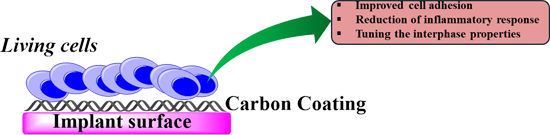
- due to mere surface interactions, as summarized in Figure 3. The interaction between implants and the immune system is highly tissue-specific, with different responses observed depending on the implantation sites. Usually, the insertion of an implant is followed by the adsorption of plasma components



Multiscale modelling of biomolecular corona formation on metallic surfaces
Beilstein J. Nanotechnol. 2024, 15, 215–229, doi:10.3762/bjnano.15.21
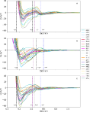
- adsorption on each aluminum surface are shown in Table 2, highlighting the variations in adsorption energies (Eads/kBT) and the particular protein–surface interactions (θ and ϕ in degrees). Moreover, the minimum distance (rmin in nm) indicates the closest approach of the protein to the aluminum surface





Biomimetics on the micro- and nanoscale – The 25th anniversary of the lotus effect
Beilstein J. Nanotechnol. 2023, 14, 850–856, doi:10.3762/bjnano.14.69
- biological processes and surface interactions involved in the bioselective adhesion of mammalian cells. The second topic of the review was on repellence of microbes on protein-based material surfaces, highlighting the importance of materials made of recombinant spider silk proteins. Biomaterials that
- tune and then scale up the fabrication of tools to handle nanofibres in industrial processes. Fibre–surface interactions are also the main theme in “Growing up in a rough world: scaling of frictional adhesion and morphology of the Tokay gecko (Gekko gecko)” by Cobos and Higham [15]. In the excitement


Carboxylic acids and light interact to affect nanoceria stability and dissolution in acidic aqueous environments
Beilstein J. Nanotechnol. 2023, 14, 762–780, doi:10.3762/bjnano.14.63
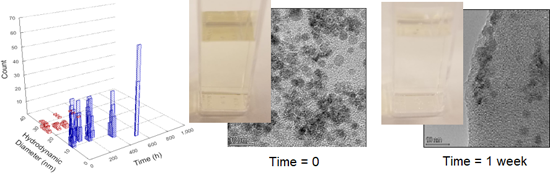
- , distribution, and toxicity of nanoceria within biological systems. Cellular uptake studies of nanoceria in lung adenocarcinoma (A549) cells favored particles with a negative zeta potential. However, positively charged particles resulted in greater bovine serum albumin adsorption. This suggests that surface
- interactions play a critical role in biological processes [30]. Nanoceria dissolution Nanoceria dissolution or agglomeration is pH-dependent and influenced by carboxylic acids. Nanoceria dissolution in aqueous solution was shown to be pH-dependent with dissolution occurring at pH values less than 7 [31
Cross-sectional Kelvin probe force microscopy on III–V epitaxial multilayer stacks: challenges and perspectives
Beilstein J. Nanotechnol. 2023, 14, 725–737, doi:10.3762/bjnano.14.59
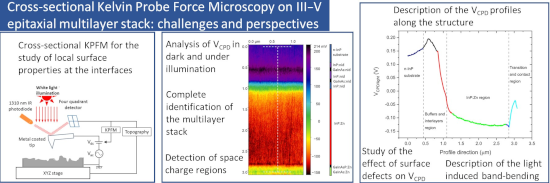
- resolution. In particular, in AM-KPFM the electrical force between the tip and the sample is directly evaluated, whereas in FM-KPFM the gradient of the force is analysed. As a result, FM-KPFM is more sensitive to local tip apex–sample surface interactions; therefore, long-range electrostatic interactions of


Intermodal coupling spectroscopy of mechanical modes in microcantilevers
Beilstein J. Nanotechnol. 2023, 14, 123–132, doi:10.3762/bjnano.14.13
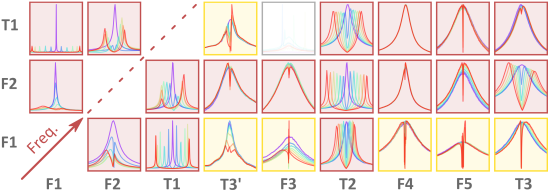
- , optomechanical coupling. Such insight contours a vital step for the development of novel multifrequency methods by allowing one to distinguish coupling effects that are mediated by nonlinear elasticity or tip–surface interactions. Inclusion of intermodal coupling would pave the way for a new era of


Studies of probe tip materials by atomic force microscopy: a review
Beilstein J. Nanotechnol. 2022, 13, 1256–1267, doi:10.3762/bjnano.13.104
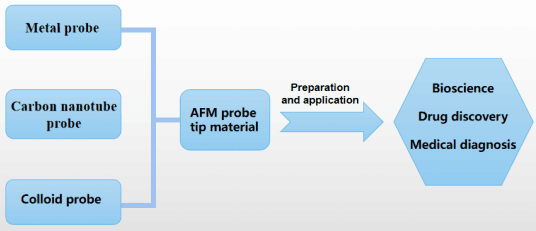
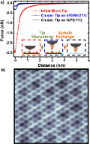
- understanding interactions in various domains to study adhesion phenomena, particle-surface interactions, mechanical properties, suspensions, liquid dynamics, and boundary slips. Colloidal gold probe Colloidal gold particles [48][49] have the advantage of stable adsorption of proteins without significant
Bioselectivity of silk protein-based materials and their bio-inspired applications
Beilstein J. Nanotechnol. 2022, 13, 902–921, doi:10.3762/bjnano.13.81
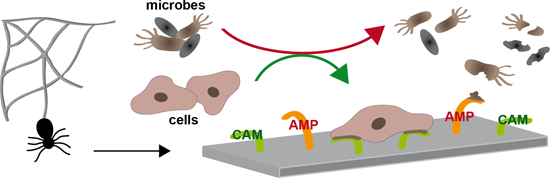
- on biological processes and surface interactions involved in the bioselective adhesion of mammalian cells and repellence of microbes on protein-based material surfaces. In addition, it highlights the importance of materials made of recombinant spider silk proteins, focussing on the progress regarding


Sputtering onto liquids: a critical review
Beilstein J. Nanotechnol. 2022, 13, 10–53, doi:10.3762/bjnano.13.2
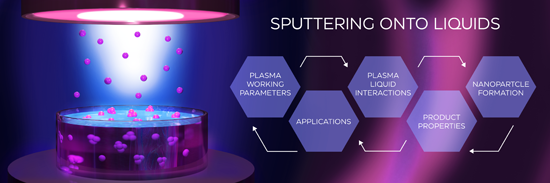
- plasmas and plasma–surface interactions. For this reason, we first briefly introduce the theoretical background of plasma-based sputtering and a short overview of the formation of metal NPs in liquid media. This critical review aims to describe the scientific state of the art of SoL and to eliminate the






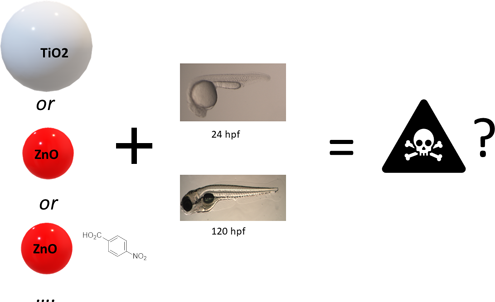
Identifying diverse metal oxide nanomaterials with lethal effects on embryonic zebrafish using machine learning
Beilstein J. Nanotechnol. 2021, 12, 1297–1325, doi:10.3762/bjnano.12.97