Search results
Search for "surfactant" in Full Text gives 238 result(s) in Beilstein Journal of Nanotechnology. Showing first 200.
Development of Protium heptaphyllum essential oil-loaded nanocapsules: experimental design and biological activity
Beilstein J. Nanotechnol. 2026, 17, 974–990, doi:10.3762/bjnano.17.67
- the Box–Behnken design matrix and the observed responses for Dh, PDI, and zeta potential. These results reflect the combined effects of the independent variables, that is, polymer concentration (20–100 mg), EO content (50–150 mg), and surfactant concentration (20–60 mg) on the physicochemical
- for interfacial properties, which are inherently influenced by dynamic surface phenomena such as surfactant rearrangement and charge distribution at the nanoparticle interface [16]. The lack-of-fit test was not significant (p = 0.078), confirming adequate model specification (Supporting Information
- modulating surface charge through steric and electrostatic stabilization mechanisms. Significant interaction terms (PCL * EO and EO * Tween 80) further suggest that surface organization depends on the balance between polymer matrix composition and surfactant coverage [38]. In contrast, the PDI model




Two-step laser synthesis of Ag@TiO2 nanomaterials for the photocatalytic degradation of rhodamine B
Beilstein J. Nanotechnol. 2026, 17, 622–634, doi:10.3762/bjnano.17.43
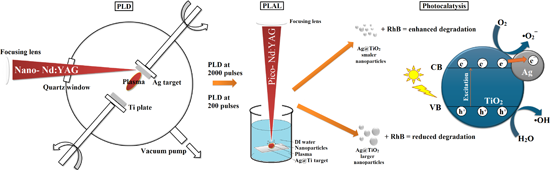
- visible light, such as water treatment and degradation of organic contaminants [10][11][12]. Among various synthesis techniques, laser-based methods, such as pulsed laser ablation in liquids (PLAL) and laser pyrolysis, stand out as clean, efficient, and surfactant-free routes for fabricating Ag@TiO2


Laser–material interactions in liquids for the synthesis of nanomaterials: current status and perspectives
Beilstein J. Nanotechnol. 2026, 17, 571–575, doi:10.3762/bjnano.17.38

- –matter interactions; laser processing in liquids; In the ever-evolving landscape of materials science and nanotechnology, laser synthesis and processing of colloids (LSPC) has emerged [1] as a powerful and versatile technique for producing high-purity, surfactant-free nanoparticles from a wide range of
- generation of surfactant-free, high-purity colloidal nanoparticles. Laser fragmentation in liquids (LFL), in turn, involves the irradiation of colloidal micro- or nanoparticle suspensions with high-intensity pulses above the fragmentation threshold, leading to size reduction through photomechanical or
Advances in nanotechnology applied to natural products
Beilstein J. Nanotechnol. 2026, 17, 555–558, doi:10.3762/bjnano.17.36
- stable, isotropic systems composed of oil, water, surfactants, often with a co-surfactant, and typically requiring higher surfactant–co-surfactant concentrations than nanoemulsions [12]. As carriers for essential oils, fixed oils, and other lipophilic natural metabolites, microemulsions can improve
Functional surface engineering for cultural heritage protection: the role of superhydrophobic and superoleophobic coatings – a comprehensive review
Beilstein J. Nanotechnol. 2026, 17, 63–96, doi:10.3762/bjnano.17.6
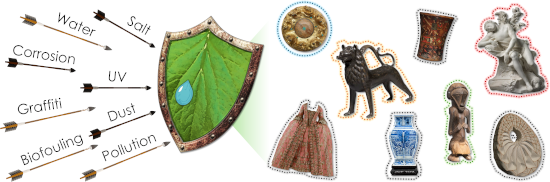
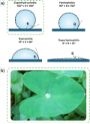
- polycondensation of 3-(trimethoxysilyl)propyl methacrylate (TMSPMA) and (3,3,3-trifluoropropyl)trimethoxysilane (TFPTMS) in the presence of a dodecylamine surfactant, yielding a crack-free nanostructured film incorporating silsesquioxane, methacrylate, and fluorine units. The comparison focused on UV-induced




Reduced graphene oxide paper electrode for lithium-ion cells – towards optimized thermal reduction
Beilstein J. Nanotechnol. 2026, 17, 24–37, doi:10.3762/bjnano.17.3
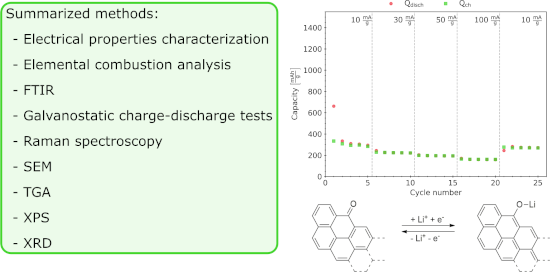
- material reduced at 650 °C in a reducing atmosphere; also, a surfactant agent was applied for the preparation of the film. The capacity values presented herein are also close to those reported by Wen et al. for a non-nitrogen-doped graphene paper sample obtained via a hydrothermal process [58], with a



Improving magnetic properties of Mn- and Zn-doped core–shell iron oxide nanoparticles by tuning their size
Beilstein J. Nanotechnol. 2025, 16, 2285–2295, doi:10.3762/bjnano.16.157
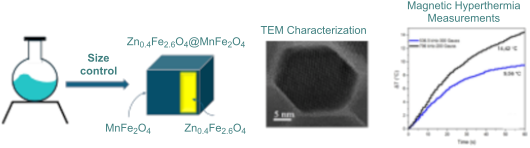
- material to eliminate the cytotoxicity concerns associated with cobalt. Furthermore, we demonstrate size control through synthesis by varying the concentration of oleic acid, a surfactant that influences particle size and morphology. This approach enables the synthesis of NPs with sizes ranging from 5 to
- . Magnetic properties of the NPs were studied using a vibrating sample magnetometer (VSM) from Microsense applying a magnetic field of 5 kOe. Several milligrams of purified and surfactant-free NPs were encapsulated into a quartz-glass cup and hermetically sealed. SAR measurements were performed using a

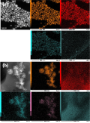


Chiral plasmonic nanostructures fabricated with circularly polarized light
Beilstein J. Nanotechnol. 2025, 16, 2245–2264, doi:10.3762/bjnano.16.154
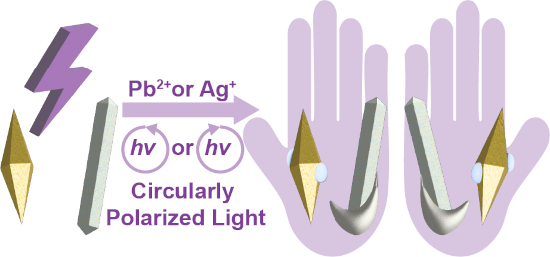
- investigation [50][51]. Another important breakthrough is the micelle-directed seeded growth of chiral gold nanorods (AuNRs) [52]. In this approach, the surfactant of the achiral AuNR seeds, cetyltrimethylammonium chloride (CTAC), formed micelles adsorbed on NRs in the presence of dissymmetric cosurfactants
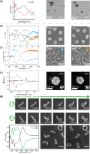
- the final NC morphology on the EM field distribution of symmetric nanoparticle precursors [98]. A representative example is the plasmon-mediated synthesis of Au NCs, where the surfactant polyvinylpyrrolidone (PVP) relays warm (not hot) electrons to reduce [101]. Growth was directed by the spatial
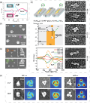
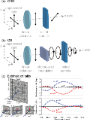
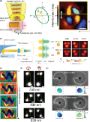
- solutions by sonicating the substrates in an aqueous solution of surfactant. 2.4 Plasmon-mediated polymer motions and polymerization using CPL The enhanced EM field under CPL of achiral PNSs can result in a spatially dissymmetric distribution of light absorption by chromophores. As depicted in Figure 5a





Optical bio/chemical sensors for vitamin B12 analysis in food and pharmaceuticals: state of the art, challenges, and future outlooks
Beilstein J. Nanotechnol. 2025, 16, 2207–2244, doi:10.3762/bjnano.16.153
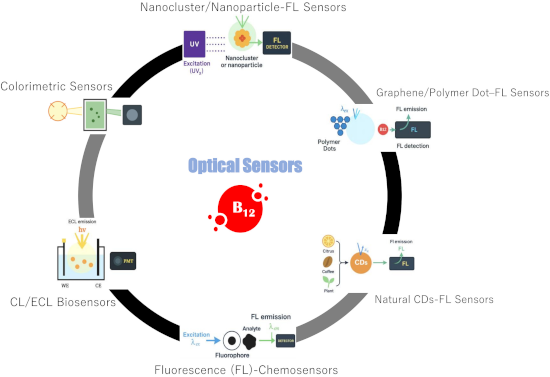
- hydroxide to catalyze a Fenton-like, ultraweak CL reaction for specifically detecting VB12 in egg yolk [111], where the surfactant-modified catalyst served as the recognition site, the peroxide reaction acted as the indicator system, and the ultraweak CL emission was the analytical signal. They determined


Quality by design optimization of microemulsions for topical delivery of Passiflora setacea seed oil
Beilstein J. Nanotechnol. 2025, 16, 2116–2131, doi:10.3762/bjnano.16.146
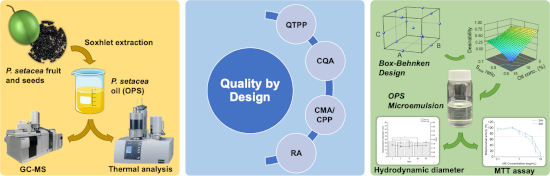
- variability and supporting the systematic optimization of the formulation [10][12]. Therefore, the present study aimed to develop and optimize a low-surfactant microemulsion containing PEG-30 castor oil and Span® 80, based on the approach described by Dourado et al. (2022) [13], as a topical delivery system
- concentration, surfactant mixture (Smix) ratio (PEG-30 castor oil/Span® 80), and Smix concentration were identified as high-risk factors and selected for the DoE due to their significant impact on the CQAs. Other high-risk variables, while not included in the DoE, were flagged for strict monitoring during
- cytotoxic effects of high surfactant levels. Based on these criteria, numerical optimization was applied to predict the optimal combination of formulation factors. This approach relies on a mathematical desirability function, in which each factor and response is assigned a value between 0 (unacceptable) and


Beyond the shell: exploring polymer–lipid interfaces in core–shell nanofibers to carry hyaluronic acid and β-caryophyllene
Beilstein J. Nanotechnol. 2025, 16, 2015–2033, doi:10.3762/bjnano.16.139
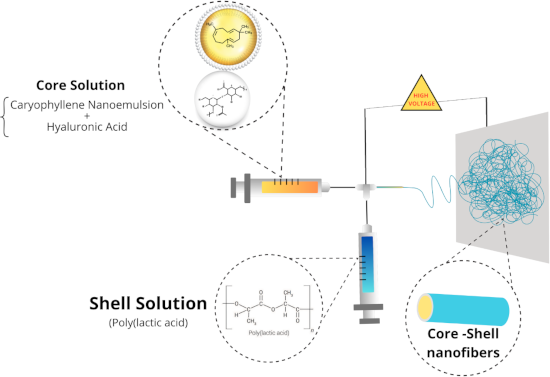
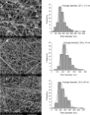
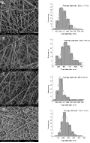
- %), surfactant concentration (2–20%), and HLB (10–15) as the independent variables (data not shown). Based on the preliminary results, a sample was selected for this study. It can be observed that formulations exhibited droplet mean sizes in the nanoscale range, varying from 58 nm. The formulations showed a




Laser ablation in liquids for shape-tailored synthesis of nanomaterials: status and challenges
Beilstein J. Nanotechnol. 2025, 16, 1963–1997, doi:10.3762/bjnano.16.137
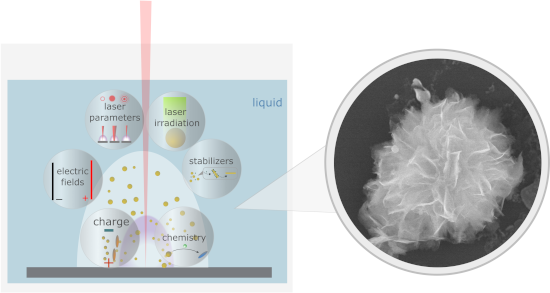
- liquid. Such seed NPs are typically having well defined crystalline structure, surface composition, and specific surface free energy. The assembly and growth of the NPs is explained by the decrease in surface energy. If a liquid contains surfactant molecules or ionic species, their selective adsorption




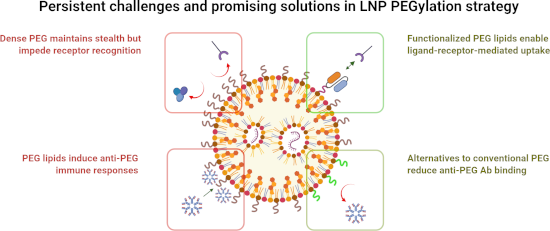
PEGylated lipids in lipid nanoparticle delivery dynamics and therapeutic innovation
Beilstein J. Nanotechnol. 2025, 16, 1914–1930, doi:10.3762/bjnano.16.133


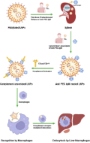
Targeting the vector of arboviruses Aedes aegypti with nanoemulsions based on essential oils: a review with focus on larvicidal and repellent properties
Beilstein J. Nanotechnol. 2025, 16, 1894–1913, doi:10.3762/bjnano.16.132
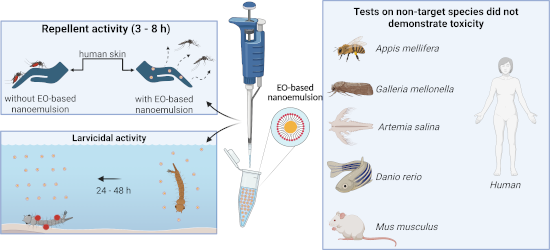
- through a low-energy method, using polysorbate 20 as a surfactant. The formulation presented an average droplet size ranging from 244.6 to 280.4 nm, a polydispersity index of less than 0.25, and a negative zeta potential (−15.7 to −18.6 mV), maintaining stability for 14 days. In the bioassays, fourth
- ultrasound, with a ratio of 1:0.5 (oil/surfactant, polysorbate 80) and Milli-Q water. It presented an average size of 52.18 nm (±4.53), a polydispersity index of 0.237 (±0.006), and thermal stability. In bioassays, third instar larvae exposed to concentrations between 5 and 150 ppm showed LC50 of 58.72 ppm
- Origanum vulgare essential oil, composed mainly of carvacrol, thymol, γ-terpinene, and p-cymene – monoterpenes widely present in species from the mediterranean and temperate regions of Asia [72][123]. The formulation was composed of EO, polysorbate 80 (surfactant), and purified water, and it was stabilized


Phytol-loaded soybean oil nanoemulsion as a promising alternative against Leishmania amazonensis
Beilstein J. Nanotechnol. 2025, 16, 1826–1836, doi:10.3762/bjnano.16.126

- kinetic stabilization achieved through the optimized composition of the surfactant pair, which likely contributed to a robust interfacial film that prevented coalescence and Ostwald ripening [38][39][40]. Although colloidal stability has been demonstrated, chemical stability studies are still needed to


Exploring the potential of polymers: advancements in oral nanocarrier technology
Beilstein J. Nanotechnol. 2025, 16, 1751–1793, doi:10.3762/bjnano.16.122


Multifunctional anionic nanoemulsion with linseed oil and lecithin: a preliminary approach for dry eye disease
Beilstein J. Nanotechnol. 2025, 16, 1711–1733, doi:10.3762/bjnano.16.120
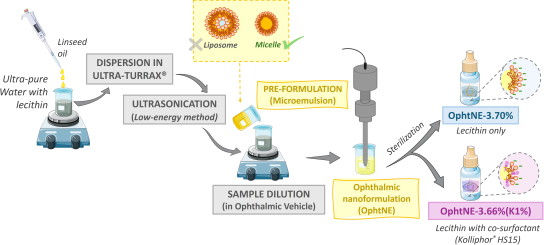
- required to produce nanoemulsions with a uniform particle size and incorporated a co-surfactant to enhance the stability of the nanoformulation. A straightforward method was proposed, involving the dilution of the preformulation in an ophthalmic vehicle, followed by homogenization through ultrasonication
- components. When NE is instilled, the oil nanodroplets merge with the lipid layer, the water in the formulation interacts with the aqueous layer of the tear film, and the surfactant interacts with the mucin layer [21][22][23]. The literature cites various lipids as components of the oily phase in
- reagents Linseed oil (code 430021), egg lecithin or egg ʟ-α-phosphatidylcholine (surfactant, ~60% TLC, code 61755), Kolliphor® HS15 (co-surfactant, code 42966), benzalkonium chloride (cationic detergent, code B4136), disodium EDTA (C10H14N2Na2O8, code 114), DPPH (2,2-diphenyl-1-picrylhydrazyl, code D9132



Laser processing in liquids: insights into nanocolloid generation and thin film integration for energy, photonic, and sensing applications
Beilstein J. Nanotechnol. 2025, 16, 1428–1498, doi:10.3762/bjnano.16.104
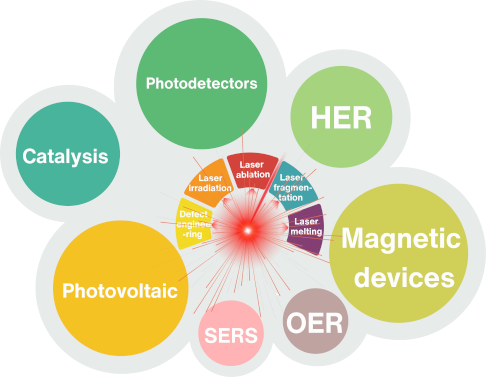
- . Pulsed laser processing in liquids offers a unique advantage by producing surfactant-free nanocolloids, which can be directly used for the fabrication of thin film devices such as photodiodes, photovoltaics (PV), photocatalysts, surface-enhanced Raman spectroscopy (SERS) sensors, electrochemical sensors






Acrocomia aculeata oil-loaded nanoemulsion: development, anti-inflammatory properties, and cytotoxicity evaluation
Beilstein J. Nanotechnol. 2025, 16, 1277–1288, doi:10.3762/bjnano.16.93
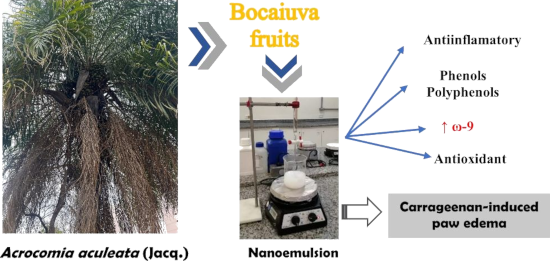
- upon formulation with the surfactant system characterized by a hydrophilic–lipophilic balance (HLB) value of 12. These physicochemical parameters are critical for defining the kinetic stability and structural integrity of the nanoemulsion system. Surfactants or emulsifiers are characterized by their
- for oil-in-water versus water-in-oil systems [43] (Figure 1). A surfactant system characterized by an HLB value of 12 (Figure 1) was employed to formulate the bocaiúva oil nanoemulsion, resulting in a satisfactory polydispersity index of 0.200. The formulation exhibited excellent physical stability
- value 74.50 g I2/100 g, refractive index (30 °C): 1.456, peroxide value 4.50 mEq/kg, saponification index: 133.00 mg KOH/g ± 4.50) characterized in this study. The food-grade surfactant was Tween® 80 (nonionic polyoxyethylene (20) sorbitan monooleate; C64H124O26; HLB = 15.0), Span 80® (2R)-2-[(2R,3R,4S


Hydrogels and nanogels: effectiveness in dermal applications
Beilstein J. Nanotechnol. 2025, 16, 1216–1233, doi:10.3762/bjnano.16.90
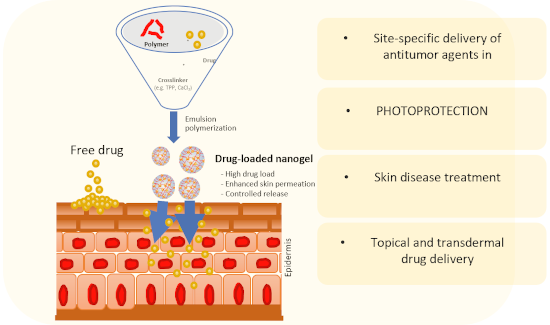
- , for example, the monomer (or polymer) is emulsified in water with a suitable surfactant, and a water-soluble initiator is added to induce polymerization. After polymerization has reached the desired level, the reaction is stopped by adding a radical inhibitor [57][108][162]. Thus, the goal depends on


Crystalline and amorphous structure selectivity of ignoble high-entropy alloy nanoparticles during laser ablation in organic liquids is set by pulse duration
Beilstein J. Nanotechnol. 2025, 16, 1141–1159, doi:10.3762/bjnano.16.84
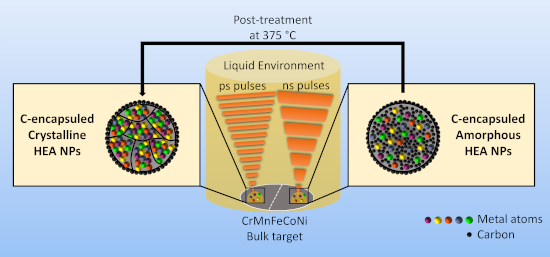
- catalysis or magnetic devices. This is due to their exceptional compositional tunability arising from the synergistic interplay of multiple elements within a single particle. While laser-synthesized, surfactant-free colloidal HEA NPs have already been reported, the underlying formation mechanism remains




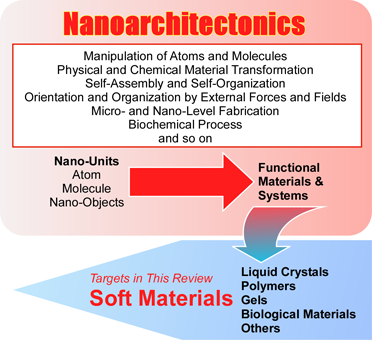
Soft materials nanoarchitectonics: liquid crystals, polymers, gels, biomaterials, and others
Beilstein J. Nanotechnol. 2025, 16, 1025–1067, doi:10.3762/bjnano.16.77
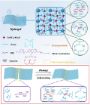
- polyelectrolyte–surfactant complexes (Figure 10) [260]. The complex structures consist of polyaniline appended with amino groups and monododecyl phosphate. The intricate films were produced using a spin coating method. The films displayed distinct lamellar structures, resulting from the strong interactions
- between the phosphate groups of the complexes and the positively charged ammonium groups of the polyelectrolyte. The alignment of lamellae in a parallel orientation to the substrate is significantly influenced by the percentage of surfactant present. An increase in surfactant concentration results in the
- incorporation of an additional redox-active osmium complex layer between the surfactant bilayer and the glucose layer enhances the wiring efficiency of the redox assembly. The incorporation of lipid-like surfactants into polyelectrolyte multilayers can facilitate the development of soft materials






Morphology and properties of pyrite nanoparticles obtained by pulsed laser ablation in liquid and thin films for photodetection
Beilstein J. Nanotechnol. 2025, 16, 785–805, doi:10.3762/bjnano.16.60
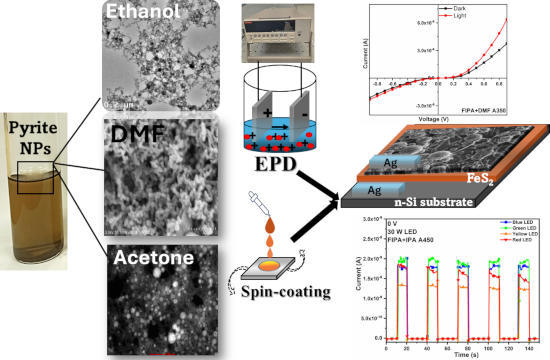
- ]. In this work, surfactant-free pyrite nanoparticles are synthesized by employing laser ablation in liquid, with a minor phase of FeS, which originated from the ablation target. Upon film fabrication using laser-processed nanocolloids, pure FeS2 phase is obtained by a sulfurization process. Since PLAL






Colloidal few layered graphene–tannic acid preserves the biocompatibility of periodontal ligament cells
Beilstein J. Nanotechnol. 2025, 16, 664–677, doi:10.3762/bjnano.16.51
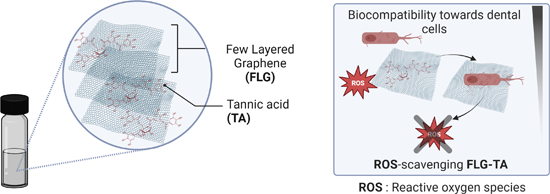
- and environmental impact, limiting their practical use [10][11][14]. This has sparked growing interest in more sustainable and biocompatible alternatives. Tannic acid (TA), a naturally derived polyphenolic compound, has shown promise as a bio-derived surfactant for graphene exfoliation [14][15




Aprepitant-loaded solid lipid nanoparticles: a novel approach to enhance oral bioavailability
Beilstein J. Nanotechnol. 2025, 16, 652–663, doi:10.3762/bjnano.16.50
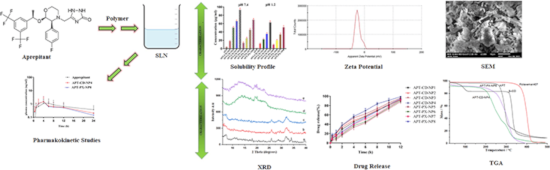
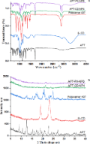
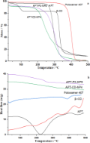
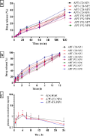
- APT because of the surfactant in the formulations. APT-CD-NP4 showed a better outcome than APT-PX-NP8 because of the influence of β-CD. We propose that the medication has great penetrability in the gastrointestinal tract and would be quickly ingested to the same extent as to which it had been