


Search results
Search for "uptake" in Full Text gives 325 result(s) in Beilstein Journal of Nanotechnology. Showing first 200.
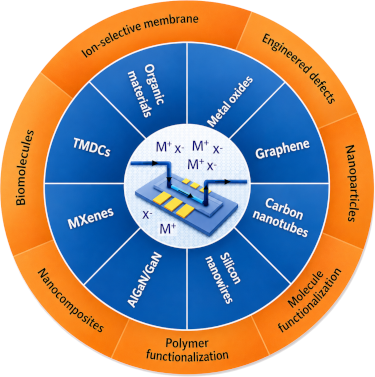
Materials challenges in solid-state sensors for continuous monitoring of ions in water
Beilstein J. Nanotechnol. 2026, 17, 935–973, doi:10.3762/bjnano.17.66


Nanocarrier strategies to overcome P-glycoprotein-mediated drug resistance in cancer therapy
Beilstein J. Nanotechnol. 2026, 17, 882–921, doi:10.3762/bjnano.17.64
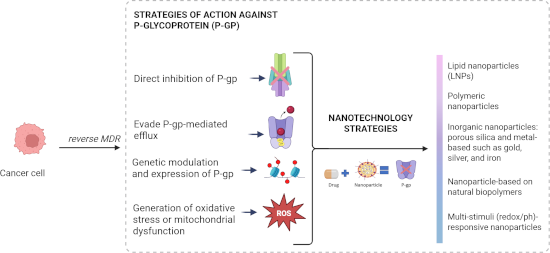
- reduces the cytosolic availability of chemotherapeutics independently of P-gp, but pH-responsive nanocarriers engineered for endosomal escape indirectly address this barrier. EMT-associated phenotypic shifts alter membrane composition and uptake pathways in ways that affect nanoparticle internalization
- contributed to the clinical failure of several generations of pharmacological P-gp inhibitors. Against this backdrop, nanoparticle-based drug delivery has emerged as a mechanistically distinct strategy. By encapsulating chemotherapeutic agents within nanocarriers that exploit endocytic uptake pathways
- of free therapies. EQNPs increased Ertb and Quer uptake while decreasing P-gp and nuclear epidermal growth factor receptor expression [30]. Another study aimed at increasing the efficiency of two chemotherapeutic drugs and reducing their adverse effects combined doxorubicin (DOX) and chloroquine (CQ


Nanoparticle delivery systems for HIV pre-exposure prophylaxis (PrEP): advances and challenges
Beilstein J. Nanotechnol. 2026, 17, 839–853, doi:10.3762/bjnano.17.60
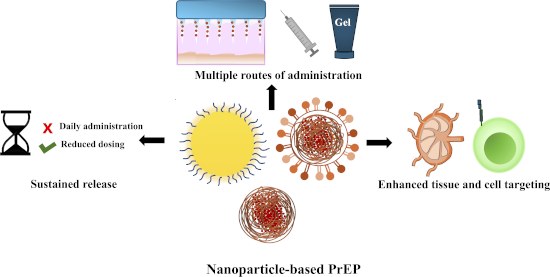
- trial involving young African women (HIV Prevention Trials Network (HPTN) 082), Celum et al. evaluated PrEP uptake, persistence, and long-term adherence [9]. They reported that, although persistence was relatively high and more than 50% of the participants maintained refills for 12 months, the actual
- acidic pH (4.2), representative of vaginal environment, and significantly enhanced drug release at neutral pH (7.4), simulating semen exposure. The in vitro studies also showed cellular uptake of CAP nanoparticles into vaginal epithelial cells and sustained intracellular presence over 7 days. The CAP-DTG
- challenges, polymeric nanoparticles with their widely tunable properties are a promising class of materials to facilitate LA-PrEP and selective targeting of ARVs to relevant tissues. Mannosylated PLGA nanoparticles even showed some promise to improve drug uptake in the brain macrophages compared to free drug


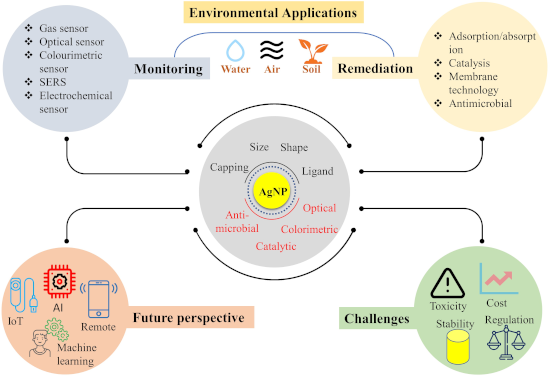
Environmental applications of silver nanoparticles: state-of-the-art review and emerging trends
Beilstein J. Nanotechnol. 2026, 17, 697–736, doi:10.3762/bjnano.17.49


Towards targeted drugs and next generation of nanomedicines
Beilstein J. Nanotechnol. 2026, 17, 598–601, doi:10.3762/bjnano.17.41

- , Germany 10.3762/bjnano.17.41 Keywords: cellular uptake; drug delivery; intracellular trafficking; nanomedicine; nanoparticles; tumor microenvironment; Nanomedicine is dedicated to the application of nanotechnology in the medical field. Nanosized materials are intended for delivering drugs to their
- size in a "big" human. At the same time, recent findings suggested that nanoparticles may be able to reach tumor tissue also via active mechanisms of uptake and transport across tumor endothelial cells, potentially opening up new ways to reach tumors with drugs [20][21][22]. Next to passive targeting
Advances in nanotechnology applied to natural products
Beilstein J. Nanotechnol. 2026, 17, 555–558, doi:10.3762/bjnano.17.36
- therapeutic agents has enabled the development of multifunctional platforms, which can improve cellular uptake, enhance tumor penetration, reduce systemic side effects, and integrate therapeutic and diagnostic functions [19]. Beyond lipid-based systems, polymeric nanosystems have emerged as versatile
Nanoinformatics: spanning scales, systems and solutions
Beilstein J. Nanotechnol. 2026, 17, 423–427, doi:10.3762/bjnano.17.28
- . Improving the efficacy of targeted therapies and minimizing off-target effects are key challenges in nanomedicine. To address these, Dasgupta et al. mapped the structural fingerprints of ligands governing the cellular uptake of MeOx nanomaterials based on classification-based ML models (i.e., Bayesian
- /features governing the cellular uptake were analysed as a basis for programming higher cellular uptake efficiency and better therapeutic response [9]. He et al. used additive AI-based approaches to identify nanoparticle systems for delivering drugs to treat neurodegenerative diseases. Their method

Biomimetic nanoparticles in cancer photodynamic therapy: a review of targeted delivery systems and therapeutic outcomes
Beilstein J. Nanotechnol. 2026, 17, 396–422, doi:10.3762/bjnano.17.27
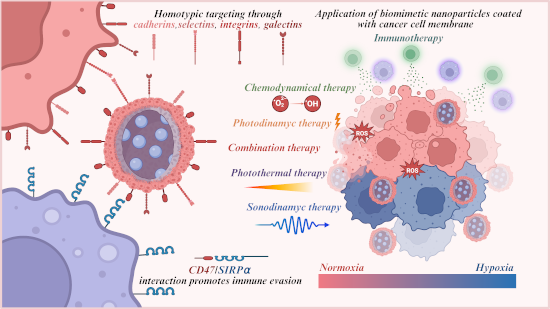
- improved brain delivery [67]. Additional modifications with targeting peptides can further enhance BBB crossing, opening new possibilities for treating neurological diseases. Finally, successful therapy depends on efficient cellular uptake and drug release. Biomimetic shells can increase nanoparticle
- of the most extensively studied integrins, αVβ3, is a transmembrane receptor for extracellular matrix proteins that binds cyclic RGD peptides with high affinity and interacts with SRC oncogene to promote lymph node metastasis. For example, RGD-coated BNPs enhanced doxorubicin (DOX) uptake by 1.4
- ]. A membrane coverage of 50% and more enables cellular uptake of individual nanoparticles, while lower coverage requires aggregation for internalization [60]. Using cancer cell membranes (CCMs) with high coverage on BNPs ensures selective targeting through integrin-mediated homotypic binding


Gold nanoparticle-decorated reduced graphene oxide as a highly effective catalyst for the selective α,β-dehydrogenation of N-alkyl-4-piperidones
Beilstein J. Nanotechnol. 2026, 17, 218–238, doi:10.3762/bjnano.17.15
- when P/P0 reaches 1. The wide H3 hysteresis loop is typically given by non-rigid aggregates of platelets as seen in rGO (cf. Figure 2b). CB also gives a combination of a type-I and a type-II isotherm, albeit with an overall small uptake and a very narrow H3 hysteresis loop. The lower limit of this H3
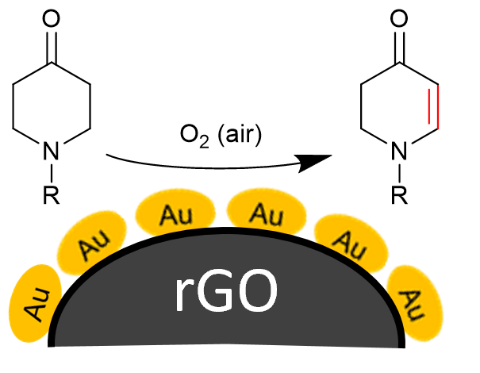
- quantitative conversion of the gold precursor to nanoparticles as well as quantitative uptake of the AuNPs (cf. Figure 5a and Figure 7a) onto the carbon support material. The progress of the reaction was followed by GC for the rGO catalyst composites (Figure 12a), and the reaction was stopped when 100


Time of flight secondary ion mass spectrometry imaging of contaminant species in chemical vapour deposited graphene on copper
Beilstein J. Nanotechnol. 2026, 17, 200–213, doi:10.3762/bjnano.17.13
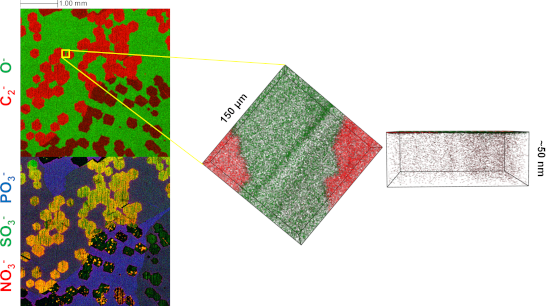
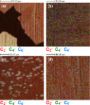
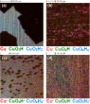
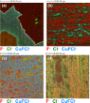
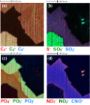
- species on the graphene nucleation process itself (other than previously reported carbon contamination in the Cu foil) [43], it is reasonable to assume that a non-uniform distribution of chemical species is not desirable when consistency of a material will be important for uptake of graphene in any future





Safe and sustainable by design with ML/AI: A transformative approach to advancing nanotechnology
Beilstein J. Nanotechnol. 2026, 17, 176–185, doi:10.3762/bjnano.17.11
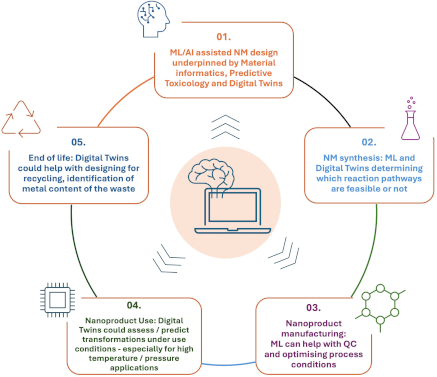
- in air and water under high temperature and pressures and following release and uptake by biota [9]. Therefore, LCA must account for the entire lifecycle of these materials, from production and usage for which industrial materials can often be under extreme conditions (high temperatures, pressures


From shield to spear: Charge-reversible nanocarriers in overcoming cancer therapy barriers
Beilstein J. Nanotechnol. 2026, 17, 159–175, doi:10.3762/bjnano.17.10
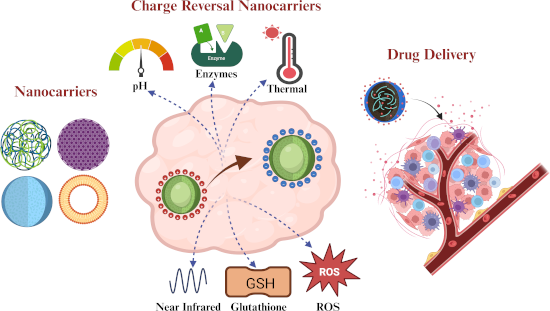
- the crucial role of surface charge in cellular uptake and intracellular transport, highlighting recent advances that demonstrate improved targeting, reduced systemic toxicity, enhanced cellular internalisation, and the potential for integrated approaches, including combination therapies and
- ) [15]. These systems can switch their surface charge in response to tumour microenvironment (TME) triggers such as pH changes, redox states, or enzymatic activity, enhancing drug stability, facilitating cellular uptake, and enabling targeted drug release. This responsive functionality gives CR-NDDSs a
- physicochemical parameters, the surface charge is essential for determining nanocarrier interactions with biological membranes, cellular uptake, and biodistribution [17]. With a positive charge, the nanocarrier tends to be absorbed by high plasma proteins and cleared faster from the bloodstream. In contrast


Influence of surface characteristics on the in vitro stability and cell uptake of nanoliposomes for brain delivery
Beilstein J. Nanotechnol. 2026, 17, 139–158, doi:10.3762/bjnano.17.9
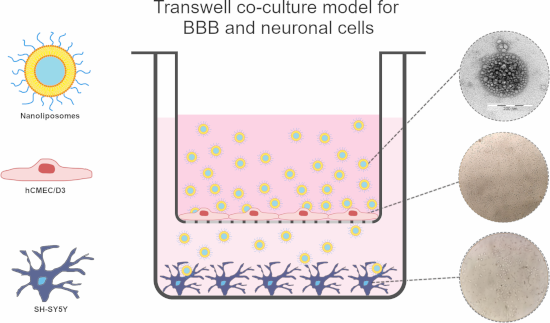
- /D3) and neuroblastoma cells (SH-SY5Y) under different conditions. The results obtained from comparative in vitro cell uptake studies on both cell culture lines after treatment with three different concentrations of fluorescently labelled NLs (5, 10, and 100 μg/mL) over a period of 1, 2, and 4 h
- showed a time- and concentration-dependent internalization pattern, with high impact of the surface characteristics of the different formulations. In addition, transport studies on hCMEC/D3/SH-SY5Y co-cultures confirmed the successful transport of NLs across the BBB cells and their subsequent uptake by
- neurons (ranging from 25.17% to 27.54%). Fluorescence and confocal microscopy micrographs revealed that, once internalized, NLs were concentrated in the perinuclear cell regions. Keywords: blood–brain barrier; cell co-culture; cell uptake; internalization; nanoliposomes; stability; surface


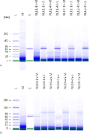
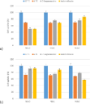


Development and in vitro evaluation of liposomes and immunoliposomes containing 5-fluorouracil and R-phycoerythrin as a potential phototheranostic system for colorectal cancer
Beilstein J. Nanotechnol. 2026, 17, 97–121, doi:10.3762/bjnano.17.7
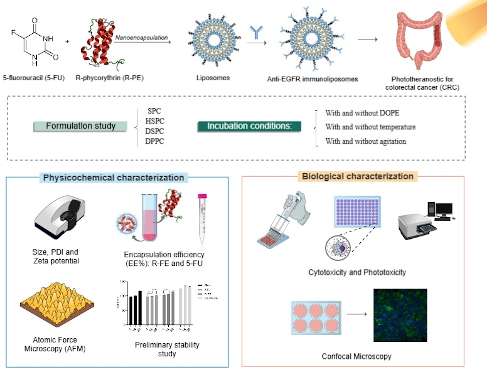
- evaluated, and the systems were thoroughly characterized. Finally, in vitro experiments in a CRC cell line were conducted for the evaluation of cytotoxicity, photo toxicity, and uptake. Some studies have sought to demonstrate that dual-drug nanosystems can result in synergistic antitumor effects or reduce
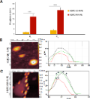
- ™ 488. 2.7 Cellular uptake Cellular internalization was assessed by confocal microscopy. For confocal microscopy, 1 × 10⁶ cells were seeded onto 6-well plates containing sterile cover slides and 1 mL of culture medium per well. After allowing cell adhesion overnight, the culture medium was removed and 1
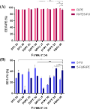
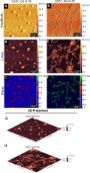
- analyses provide strong evidence of liposome functionalization. The transition from a smooth surface in HSPC-50-R-PE to a rougher HSPC-IM-R-PE topography is likely to impact biological interactions such as cellular uptake mechanisms, biodistribution, clearance by the reticuloendothelial system, and even



Functional surface engineering for cultural heritage protection: the role of superhydrophobic and superoleophobic coatings – a comprehensive review
Beilstein J. Nanotechnol. 2026, 17, 63–96, doi:10.3762/bjnano.17.6
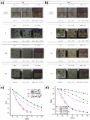
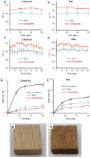
- imparting long-lasting hydrophobicity, reducing water uptake, and maintaining dimensional and biological stability of wood, even under UV exposure and outdoor conditions (Figure 7). To do so, nano/sub-microlignin (NL), derived from beechwood via a one-step organosolv process, was used as a filler and




Internal 3D temperature mapping in biological systems using ratiometric light-sheet imaging and lipid-coated upconversion nanothermometers
Beilstein J. Nanotechnol. 2025, 16, 2306–2316, doi:10.3762/bjnano.16.159
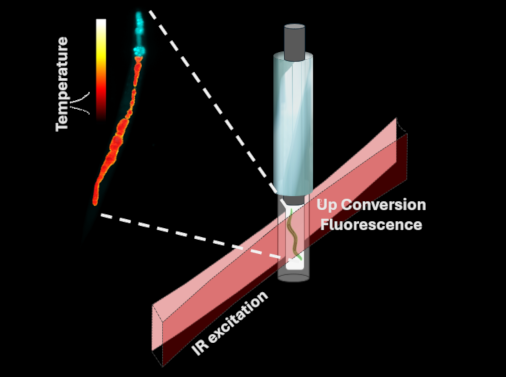
- the entire volume. The C. elegans intestine is a simple, tubular organ composed of 20 epithelial cells arranged into nine rings (int1–int9), spanning approximately 80% of the worm’s body length. The lumen, located centrally within these rings, is lined with microvilli that facilitate nutrient uptake
- observation is consistent with Chen et al. [50], who reported internalization of PEI-capped UCNPs into both the gut cavity and intestinal cells. They attributed UCNP uptake within the gut cavity to the favorable nanoparticle dispersibility and cellular internalization to endocytosis, facilitated by
- to the luminal environment rather than intracellular regions, indicating that surface chemistry governs not only nanoparticle uptake but also the spatial interpretation of the thermal maps. This distinction is crucial, as it means our thermal maps report on the temperature within the digestive tract


Rapid synthesis of highly monodisperse AgSbS2 nanocrystals: unveiling multifaceted activities in cancer therapy, antibacterial strategies, and antioxidant defense
Beilstein J. Nanotechnol. 2025, 16, 2105–2115, doi:10.3762/bjnano.16.145
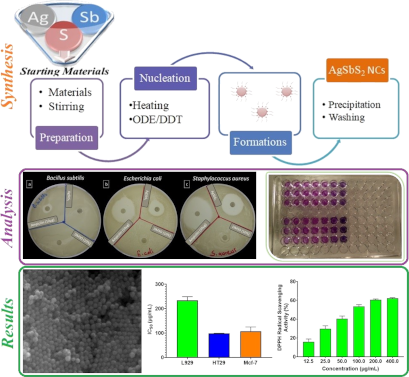
- act as a barrier, reducing the uptake of antimicrobial agents, thus, increasing the required inhibitory concentrations. Similar results have been observed for silver, ZnO, and other metal chalcogenide nanoparticles, which show higher MIC/MBC values for E. coli compared to S. aureus [41]. In size
- uptake, are expected to be within the range typically reported for Ag-based chalcogenides exhibiting stable dispersions. Antioxidant activity of AgSbS2 NCs The DPPH radical scavenging activity of AgSbS2 NCs in the assay using ascorbic acid as a positive control is revealed in Figure 5. The synthesized


Toward clinical translation of carbon nanomaterials in anticancer drug delivery: the need for standardisation
Beilstein J. Nanotechnol. 2025, 16, 2092–2104, doi:10.3762/bjnano.16.144
- coupled with systematic biological evaluation to ensure reliable assessment of safety and performance. Physicochemical evaluation of CNMs Size and shape are critical parameters that influence the biological behaviour of CNMs. These factors affect biodistribution, clearance, and cellular uptake. For
- atomic force microscopy. Surface charge plays a significant role in determining how CNMs interact with biological membranes and intracellular environments. It influences processes such as cellular uptake, cytotoxicity, and inflammatory signalling. For example, BSA-derived negatively charged CDs exhibited
- enhanced cellular uptake, whereas positively charged CDs elicited stronger cytokine responses [41]. Zeta potential measurements are routinely used to quantify surface charge, which can be tuned through appropriate surface functionalisation strategies. Stability is another essential aspect of NM evaluation



Molecular and mechanical insights into gecko seta adhesion: multiscale simulations combining molecular dynamics and the finite element method
Beilstein J. Nanotechnol. 2025, 16, 2055–2076, doi:10.3762/bjnano.16.141
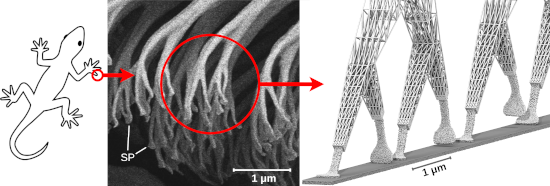
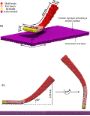
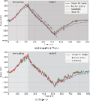
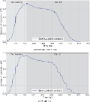
- gecko keratin [11]. It also helped clarify other aspects of humidity-enhanced adhesion, revealing that keratin softening due to water uptake accounts for only a minor part of the increase in adhesion on very smooth surfaces [13]. The present paper builds on our previous research and extends the






The cement of the tube-dwelling polychaete Sabellaria alveolata: a complex composite adhesive material
Beilstein J. Nanotechnol. 2025, 16, 1998–2014, doi:10.3762/bjnano.16.138
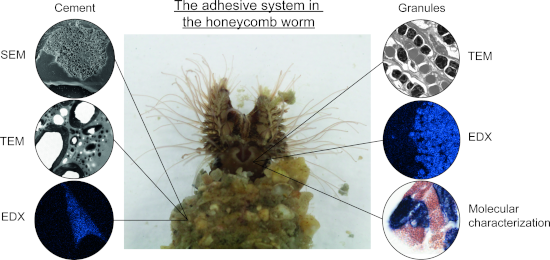
- remains hypothetical. Sa-5 has 8.6% of its amino acid composition as histidine. It has been shown that some histidine-containing adhesive proteins may function as metal-binding proteins, as observed in the mussel byssus. Mussels actively uptake metal ions from seawater, which they then incorporate into



PEGylated lipids in lipid nanoparticle delivery dynamics and therapeutic innovation
Beilstein J. Nanotechnol. 2025, 16, 1914–1930, doi:10.3762/bjnano.16.133
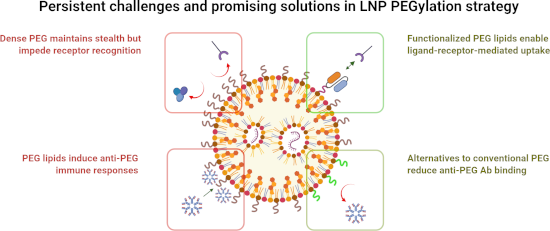
- chains arrange on the nanoparticle surface and the potential impacts on LNPs’ physicochemical properties by varying surface PEG density or PEG chemistry. Subsequently, PEG conformations are discussed in terms of their modulation of protein corona formation, cellular uptake, and immunogenic responses
- properties of LNPs including particle size, surface charge, and encapsulation efficiency. Subsequent sections explore the roles of PEG lipids in modulating protein corona formation and cellular uptake. The latter parts highlight the potential of functionalized PEG lipids for targeted delivery and the
- shell of LNPs plays a pivotal role. As hydrophilic and protective shield during LNP circulation and in vivo activities, the conformation and binding kinetics of PEG layer are both important, particularly in modulating protein adsorption and subsequent interactions with cellular uptake pathways [23


Phytol-loaded soybean oil nanoemulsion as a promising alternative against Leishmania amazonensis
Beilstein J. Nanotechnol. 2025, 16, 1826–1836, doi:10.3762/bjnano.16.126

- can improve the cellular uptake of various drugs and can facilitate targeted delivery to the intracellular parasites [50][51]. Since the amastigote forms of Leishmania spp. reside within the phagolysosomes of macrophages, the phagocytic uptake of nanodroplets significantly increases the intracellular
- may also be expected against amastigotes, given the comparable cellular biology and mitochondrial activity between the two stages. The major challenge, however, is the intracellular localization of amastigotes, which requires not only uptake of the nanoemulsion by macrophages but also subsequent


Exploring the potential of polymers: advancements in oral nanocarrier technology
Beilstein J. Nanotechnol. 2025, 16, 1751–1793, doi:10.3762/bjnano.16.122
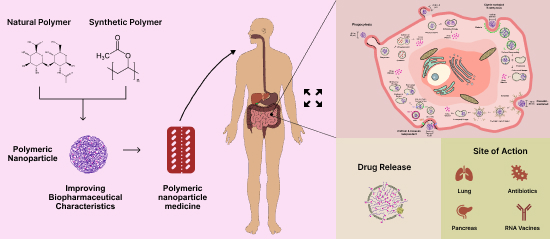
- -specific drug delivery. In this context, endocytosis is commonly categorized into two types, that is, phagocytosis and pinocytosis, as illustrated in Figure 3A. Phagocytosis involves the uptake of particles larger than 500 nm that bind to specific surface receptors (such as Toll-like, mannose/lectin, and
- , folic acid, peptides, and NPs smaller than 50 nm with surface charges between +15 and −15 mV are preferentially internalized via CvME. Some NPs follow clathrin- and caveolin-independent endocytosis pathways, which involve distinct uptake mechanisms, often dependent on cholesterol. These alternative


Advances of aptamers in esophageal cancer diagnosis, treatment and drug delivery
Beilstein J. Nanotechnol. 2025, 16, 1734–1750, doi:10.3762/bjnano.16.121
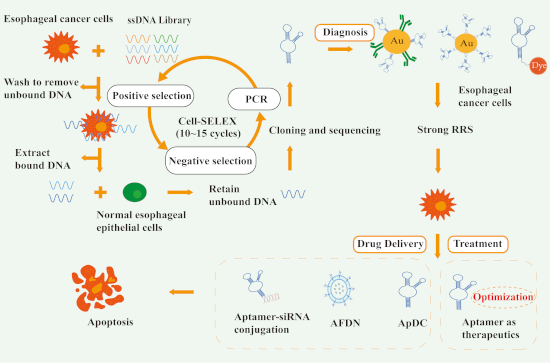
- are still in the process of optimizing the system parameters to make the method meet the needs of clinical sample testing. However, there may be some endogenous biotin-binding proteins or exogenous uptake of biotin in clinical samples from esophageal cancer patients that may bind nonspecifically to
- cellular uptake, poor stability due to tumor microenvironment, and inadequate drug release due to inadequate drug release mechanisms. Two years later, a novel bivalent aptamer-DNA-Dox conjugate (BADD) [117], was developed, and the A2 aptamer was truncated to A2 (35) to reduce steric hindrance and improve
- cellular uptake. While cationic nanocarriers can effectively mediate delivery, this strategy substantially increases manufacturing complexity and production costs. Regulatory bodies must therefore establish new quality control standards to ensure batch-to-batch consistency. Third, approved aptamer-based


Beyond the bilayer: multilayered hygroscopic actuation in pine cone scales
Beilstein J. Nanotechnol. 2025, 16, 1695–1710, doi:10.3762/bjnano.16.119
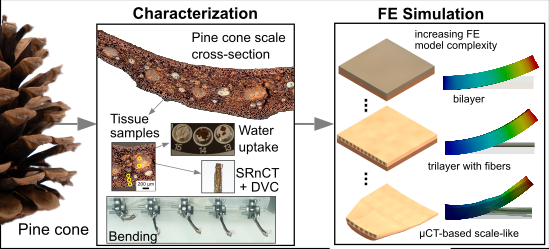
- investigated. Using gravimetric water uptake measurements, synchrotron radiation-based nano-holotomography, and digital volume correlation analysis, inter- and intra-tissue variations of hygroscopic swelling/shrinkage were observed. In addition, the moisture content of pine cone scale tissues was measured as a
- the bending motion of the scale. One crucial influencing factor is the difference within or between tissues, as Eger et al. [23] highlighted. The authors measured the relative change of moisture content as a function of relative humidity by gravimetric water uptake measurements of the sclereid cells
- , the brown tissue, and the sclerenchyma fibers of a Pinus wallichiana pine cone scale. However, as their water uptake measurements consisted of only one measurement per tissue, being limited to the range of 30–80% RH, and their equilibrium criterion being one hour of exposure instead of a mass change





