Search results
Search for "water" in Full Text gives 1635 result(s) in Beilstein Journal of Nanotechnology. Showing first 200.
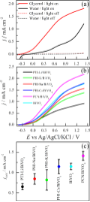
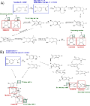
Glycerol photoelectrochemical oxidation reaction at carbon nitrides/BiVO4 materials
Beilstein J. Nanotechnol. 2026, 17, 806–817, doi:10.3762/bjnano.17.57
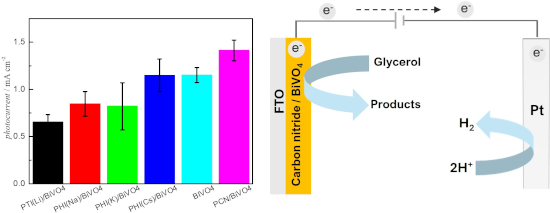
- Charles Garcia da Cunha Isabelle M. D. Gonzaga Cristian Hessel Izadora F. Reis Ivo F. Teixeira Lucia H. Mascaro Elton Sitta Federal University of São Carlos, São Carlos, SP, Brazil 10.3762/bjnano.17.57 Abstract The H2 evolution from water electrolysis can be coupled with co-generation of other
- spectroscopy (SEM-EDS) revealed regions rich in Bi and V, and others rich in C and N, suggesting the formation of heterojunctions. Photoelectrochemical studies demonstrated that BiVO4 is active for both water and glycerol (1.0 mol·L−1) oxidation, with a fourfold increase in photocurrent at 1.23 V vs reversible
- [1]. Among the various methods of producing green-H2 [2], water photoelectrolysis [3] allows the direct use of solar energy, decreasing reliance on fossil fuels, and having potential for large-scale hydrogen production [4]. On the other hand, the challenges related to the sluggish kinetics of the




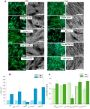
Restorative potential of laser-synthesized silver nanoparticles with Salvia officinalis for periodontal disease treatment: an in vitro study
Beilstein J. Nanotechnol. 2026, 17, 781–795, doi:10.3762/bjnano.17.55
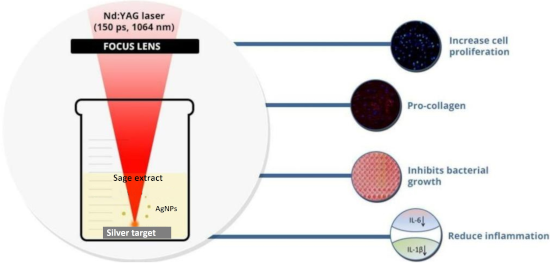
- . AgNPs were synthesized at two laser pulse energies (2 and 6 mJ), in sage extract and deionized water, and characterized by dynamic light scattering, transmission electron microscopy, and inductively coupled plasma optical emission spectroscopy. Synthesis at 6 mJ in sage extract (SageAgNPs6mJ) yielded
- media, namely, (i) aqueous sage extract and (ii) deionized water. To the best of our knowledge, this study is the first to report the synthesis of AgNPs via PLAL using aqueous sage extract as a stabilizing medium. The objective was to investigate the influence of synthesis parameters on AgNP properties
- ) was prepared prior to nanoparticle synthesis, as previously described [13]. Commercially available S. officinalis leaves (Serial No. 23380723, Institute of Medicinal Plant Research “Dr Josif Pančić”, Belgrade, Serbia) were ground, infused with boiling water, and cooled to room temperature. The extract



Substrate-dependent pore formation in molybdenum disulfide monolayers under ion irradiation
Beilstein J. Nanotechnol. 2026, 17, 769–780, doi:10.3762/bjnano.17.54
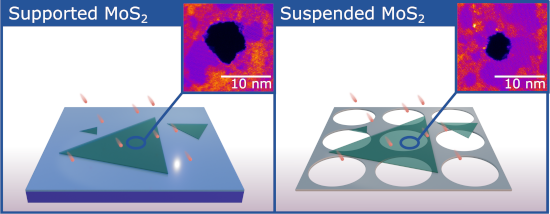
- irradiation using only water, transfer from Au substrates to TEM grids requires chemical removal of the gold support using an iodine/iodide etchant (KI/I2). Consequently, unlike in the previous case, the ion-induced pores cannot be assumed to remain unaffected during transfer [62], as they were in the
- placing a droplet of water near the grid, the water can intercalate between the flakes and the substrate, lifting off the MoS2 in the process and pressing it against the QUANTIFOIL® holey carbon mesh. Sample preparation and characterization are schematically shown in Figure 6. To investigate the
- layer has dissolved, allowing the PS film with the attached monolayers to be retrieved and cleaned in ultrapure water. The film is then transferred onto a TEM grid and heated for 30 min at 80 °C, followed by 1 h at 130 °C. During this step, slow heating and cooling are essential to avoid damaging the


Oxidative atmosphere-driven formation of single-phase spinel CuRh2O4 nanofibers for alkaline water oxidation
Beilstein J. Nanotechnol. 2026, 17, 737–743, doi:10.3762/bjnano.17.50
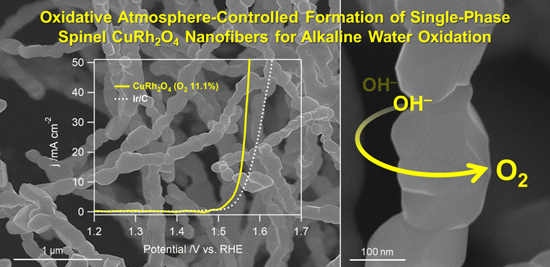
- the efficiency of alkaline water electrolysis [1]. Developing robust and highly active OER electrocatalysts is therefore essential for practical hydrogen production and large-scale renewable energy conversion. Among numerous catalyst platforms, spinel oxides (AB2O4) have attracted significant
- water oxidation. Experimental Materials Copper(II) chloride hexahydrate (CuCl2·6H2O), rhodium(III) chloride hydrate (RhCl3·xH2O), poly(vinylpyrrolidone) (PVP, Mn ≈ 1,300,000), sodium hydroxide (NaOH), and Nafion solution (5 wt %) were purchased from Sigma-Aldrich (St. Louis, MO, USA). Ethanol was
- obtained from Daejung Chemicals (Korea). Commercial Ir/C catalyst (20 wt % metal loading on Vulcan XC-72) was purchased from Premetek Co. (USA). All aqueous solutions were prepared using deionized water (resistivity ≥ 18 MΩ·cm). Synthesis The electrospinning solution was prepared by dissolving Rh and Cu




Environmental applications of silver nanoparticles: state-of-the-art review and emerging trends
Beilstein J. Nanotechnol. 2026, 17, 697–736, doi:10.3762/bjnano.17.49
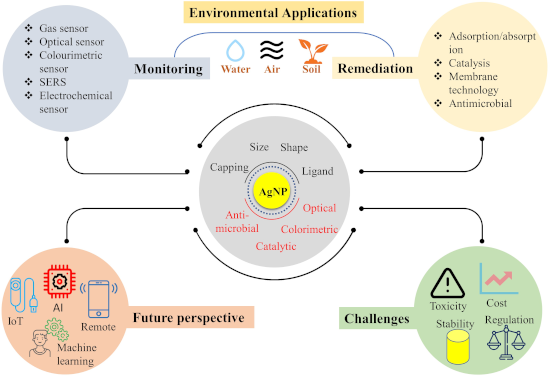
- properties, making them a strong candidate for environmental applications in water, air, and soil. Indeed, various reviews are available, though a significant gap persists in addressing all environmental pollutants. This review comprehensively and critically analyses the advancement in AgNP research spanning
- ultrafiltration membrane technologies used for management of water pollutants. In addition, AgNPs-assisted nanosystems in fibrous filter membranes and photocatalytic composite coatings for the removal of volatile organic compounds, particulate matter, and gaseous pollutants are reviewed. Furthermore, AgNP
- the responsible, scalable application of AgNP-based technologies to address contemporary environmental challenges. Keywords: AgNPs; air application; environmental pollutants; soil applications; synthesis; water application; Review 1 Introduction Environmental pollution has intensified globally due


Molecular engineering of individual dye-based nanoparticle photostability for ultrabright two-photon fluorescence
Beilstein J. Nanotechnol. 2026, 17, 688–696, doi:10.3762/bjnano.17.48
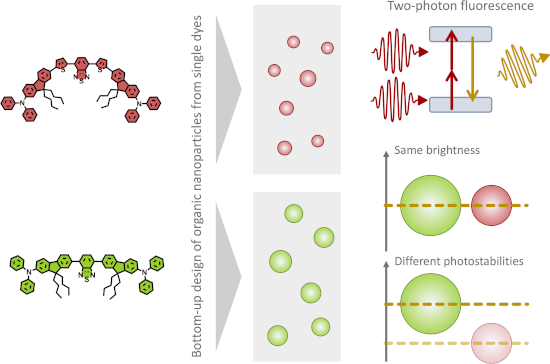
- molecules. This improvement arises both from the large number of dye molecules incorporated within the nanoparticles [19] and from the protection offered to the interior dye against water, as similarly observed in other dye-doped nanoscale systems [31]. However, such ensemble measurements fail to reveal the
- -field correction, that is, the electric field experienced by a single molecule into the nanoparticle). This local field is not only different from the incident field, but also from the one experienced by the NP under other conditions (when in water or in air, as in the current experiment). The following
- in the Supplementary Information of [11]. 200 μL of dye solution of either 2 mM of dye 1 or 1 mM of dye 2 in THF were rapidly added to 19.8 mL of freshly distilled water at room temperature, under continuous sonication at 10 W – using a 20 kHz, 130 W ultrasonic processor (Vibra-Cell™ VC130, Sonics


Protein-based custom-designed molecular nanotraps for biomedical applications
Beilstein J. Nanotechnol. 2026, 17, 683–687, doi:10.3762/bjnano.17.47

- rich in glycine, proline, and hydroxyproline, gelatin is a denatured and fragmented form of collagen produced through partial acidic or basic hydrolysis [13]. Gelatin is a water-soluble polymer that typically undergoes a temperature-dependent gelation, with the transition from a liquid to a hydrogel
- intertwined proteins, fibroin and sericin, with silk fibroin (SF) being non-immunogenic and highly biocompatible. Structurally, SF adopts mostly random coil conformations when dissolved in water but spontaneously self-assembles into beta sheets during processing. This beta-sheet formation enhances its

Decontamination from water pollutants and pathogens by electrospun nanofibers doped with heavy-atom-free borafluorene-BODIPY photosensitizers
Beilstein J. Nanotechnol. 2026, 17, 668–682, doi:10.3762/bjnano.17.46
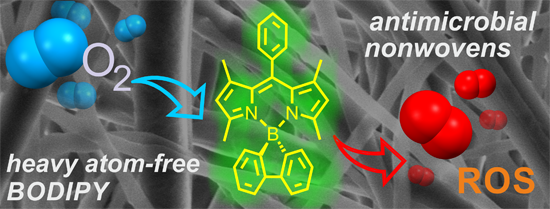
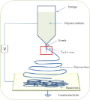
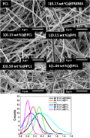
- photocatalyst for the degradation of the pharmaceutical agents ranitidine, propranolol, and cimetidine, selected as model water pollutants. The obtained nanofibers showed smooth and uniform morphology along with very high durability and resistance toward oxidation, remaining active even after 20 reaction cycles
- findings highlight the potential of the electrospun PCL nanofibers as optimal matrix for the immobilization with singlet oxygen photosensitizers and subsequent application in the decontamination of water from pollutants and pathogens. Keywords: antimicrobial photodynamic therapy; BODIPY; electrospun
- nanofibers; heavy-atom free photosensitizers; immobilization; polycaprolactone; singlet oxygen; water purification; Introduction Due to the enormous population, economic, and industrial growth, the rapid rise in demand for water resources has become one of the major contemporary issues that needs to be



Cellulose as a photocatalyst support material: extraction, structural features, and environmental applications
Beilstein J. Nanotechnol. 2026, 17, 635–652, doi:10.3762/bjnano.17.44
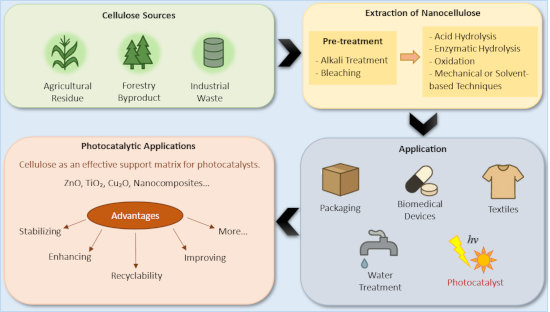
- are exploring more sustainable alternatives. Enzymatic hydrolysis is an efficient and eco-friendly way to produce cellulose nanoparticles. This method breaks down cellulose fibers with precision under controlled conditions while using very little water and producing non-hazardous waste as well as
- mechanical strength, with a tensile capacity of about 10 GPa and a Young’s modulus of 140–150 GPa [11]. While CNFs can hold vast amounts of water, frequently exhibiting swelling ratios of 100 to 1,000 grams of water per gram of dry cellulose, which is 10,000% to 100,000% swelling capacity, while maintaining
- their structural integrity [12]. Cellulose possesses strong mechanical properties, and its favorable dimensions and strength make it an ideal material for water treatment membranes. This led researchers to apply it as a base material for developing such membranes [13]. A new approach involves


Two-step laser synthesis of Ag@TiO2 nanomaterials for the photocatalytic degradation of rhodamine B
Beilstein J. Nanotechnol. 2026, 17, 622–634, doi:10.3762/bjnano.17.43
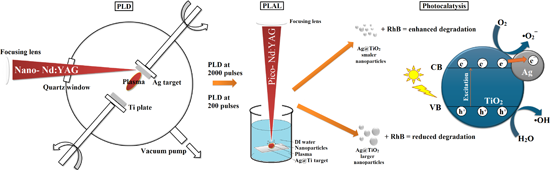
- pulsed laser ablation in liquids (PLAL). Initially, silver was ablated using 200 and 2000 pulses and deposited onto titanium targets via PLD. Subsequently, these modified targets were submerged in water and processed using PLAL to generate the final nanomaterials. Characterization through HRTEM, EDS, and
- photodegradation. In practice, TiO2 is widely used in photocatalytic systems for pollutant degradation (e.g., dyes, pharmaceuticals, including drugs, supplements and cosmetics, phenols, and poly(alkyl)acrylates), water purification, CO2 reduction, and hydrogen production [2][3][4][5][6][7][8]. However, pristine
- visible light, such as water treatment and degradation of organic contaminants [10][11][12]. Among various synthesis techniques, laser-based methods, such as pulsed laser ablation in liquids (PLAL) and laser pyrolysis, stand out as clean, efficient, and surfactant-free routes for fabricating Ag@TiO2


Recent progress in enhancing built-in electric fields of perovskite solar cells via junction engineering
Beilstein J. Nanotechnol. 2026, 17, 602–621, doi:10.3762/bjnano.17.42
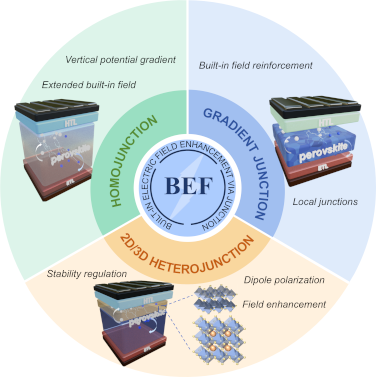
- migration remain, with issues such as Pb–I bond rupture still persisting. To tackle these, strategies like chemical anchoring and gradient encapsulation have been suggested, such as using phosphate molecules to bond materials to the perovskite and adding thin Al2O3 layers to block water and oxygen




Towards targeted drugs and next generation of nanomedicines
Beilstein J. Nanotechnol. 2026, 17, 598–601, doi:10.3762/bjnano.17.41
- future development. Bioavailability is an important factor for pharmaceutical agents. Here nanoparticles have the great advantage that their physicochemical properties can be largely tailored. A hydrophobic drug can be made more water soluble by linking it to a hydrophilic nanoparticle. However, as with
Probing tribological evolution in atomically thin MoS2 at different scales
Beilstein J. Nanotechnol. 2026, 17, 586–597, doi:10.3762/bjnano.17.40
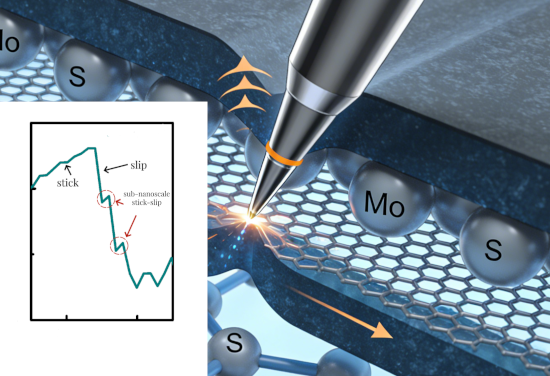
- sequentially in acetone, ethanol, and deionized water via ultrasonic cleaning and then dried with high-purity nitrogen. Sample characterization MoS2 layer thickness was determined via AFM (MFP-3D, Asylum Research) and Raman spectroscopy (inVia Reflex, Renishaw). AFM topographic images were acquired in tapping


Laser–material interactions in liquids for the synthesis of nanomaterials: current status and perspectives
Beilstein J. Nanotechnol. 2026, 17, 571–575, doi:10.3762/bjnano.17.38
- nanoparticle generation in picosecond laser ablation in liquids [40], the elucidation of processes responsible for the formation of periodic surface structures on Cr targets irradiated by femtosecond pulses in water [41], and the integration of X-ray probing with simulations to study the transition from
- melting to explosive fragmentation of Au nanoparticles under picosecond laser irradiation in water [42]. Further advances in LSPC can be facilitated by data-driven machine learning approaches, which provide new pathways for optimizing synthesis parameters toward targeted size, composition, phase, and
- ]. Alternatively, employing organic solvents instead of water provides opportunities to produce carbon-encapsulated core−shell nanostructures [49] and enables control over oxidation [50], surface chemistry [51], and transferability between solvents [52]. The versatility of LSPC in terms of materials, solvents, and
Synthesis of Cu–Mo/TiO2 and Co–Mo/TiO2 photocatalysts for the efficient degradation of organic pollutants in water
Beilstein J. Nanotechnol. 2026, 17, 559–570, doi:10.3762/bjnano.17.37
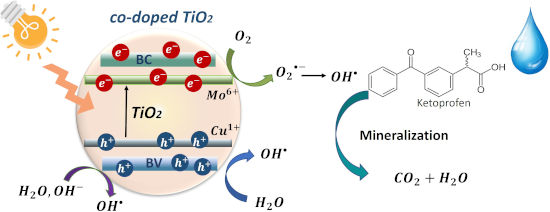
- the complete degradation of ketoprofen and 90% of mineralization. It was determined that HO· radicals play an important role in the oxidation reactions. Keywords: co-doping; photocatalysis; titanium dioxide; water remediation; Introduction Water is an essential part of every living entity
- . Unfortunately, water quality is negatively impacted by the increasing population, industrial operations, and agricultural activities. Therefore, it is essential to develop technologies to conserve and remediate contaminated water. A significant environmental challenge in water remediation is the presence of
- organic contaminants. These products are frequently detected in aquatic bodies due to human use and include pharmaceuticals, pesticides, and industrial chemicals, which significantly degrade drinking water quality [1]. To achieve the efficient removal of emerging pollutants, advanced oxidation processes



Advances in nanotechnology applied to natural products
Beilstein J. Nanotechnol. 2026, 17, 555–558, doi:10.3762/bjnano.17.36
- formulated as oil-in-water (O/W) or water-in-oil (W/O) systems [3]. These carriers have been widely used to deliver natural products, particularly essential or fixed oils and their isolated constituents, for a wide range of applications. In this thematic issue, contributions examine nanoemulsion-based
- stable, isotropic systems composed of oil, water, surfactants, often with a co-surfactant, and typically requiring higher surfactant–co-surfactant concentrations than nanoemulsions [12]. As carriers for essential oils, fixed oils, and other lipophilic natural metabolites, microemulsions can improve
- , broadening the use of natural products in areas such as biological product development, immunization, and vector control [21][22]. In addition, polymeric micellar systems, such as poloxamer-based systems, have been explored to improve the solubility and dispersion of poorly water-soluble natural compounds
Electrochemical determination of ciprofloxacin using a MIL-101/reduced graphene oxide-modified electrode
Beilstein J. Nanotechnol. 2026, 17, 541–554, doi:10.3762/bjnano.17.35
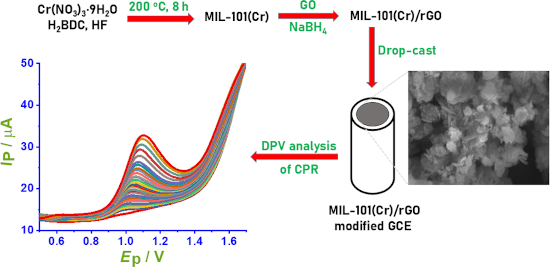
- [17]. MIL-101(Cr) was prepared through a hydrothermal reaction by dissolving terephthalic acid (H2BDC, 1.66 g) and chromium(III) nitrate nonahydrate (Cr(NO3)3·9H2O, 4.0 g) in 48 mL of deionized water, followed by the addition of 2 mL of hydrofluoric acid. The mixture was transferred to a Teflon-lined
- stainless-steel autoclave and heated at 200 °C for 8 h [18]. After cooling to room temperature, a highly crystalline green chromium terephthalate powder (MIL-101(Cr)) was collected by filtration, thoroughly washed with deionized water, and dried before use. The MIL-101/rGO composites were synthesized
- following a reported procedure with slight modifications [18]. Briefly, dried MIL-101(Cr) (0.1 g) was dispersed in 20 mL of deionized water and ultrasonicated for 30 min to obtain a homogeneous suspension. Subsequently, a predetermined amount of GO was added to the MIL-101 suspension under continuous


Upcycling agroindustrial waste into graphene oxide supports for gold nanoparticles: toward sustainable nanomaterials
Beilstein J. Nanotechnol. 2026, 17, 489–504, doi:10.3762/bjnano.17.32
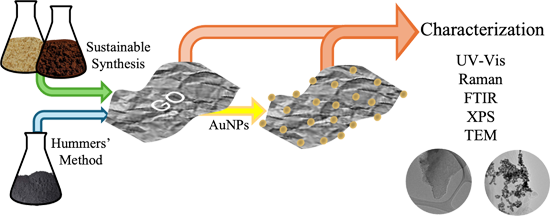
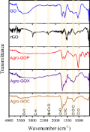
- ; hybrid nanocomposites; plasmonic nanomaterials; surface functionalization; Introduction Graphene oxide (GO), due to its unique physicochemical properties, is widely explored regarding a range of applications, including sensors, water purification, and energy storage and conversion [1][2][3][4][5]. GO is
- mixture was magnetically stirred at 50 °C for 12 h under reflux. The oxidation process was stopped by adding 3 mL of 30% H2O2. The resulting mixture was sequentially washed with deionized water, 30% HCl, 99% ethanol and, finally, again with deionized water until reaching a pH of 5. Eventually, GO was
- stirred at 200 rpm for 12 h at room temperature. Afterwards, the mixture was centrifuged at 7000 rpm for 10 min to precipitate Agro-GO and separate the supernatant containing dissolved iron ions. The solid was washed with deionized water until the pH reached 5. Finally, purified Agro-GO was vacuum-dried



Defects and defect-mediated engineering of two-dimensional materials: challenges and open questions
Beilstein J. Nanotechnol. 2026, 17, 454–488, doi:10.3762/bjnano.17.31
- . Moreover, 2D materials are known to oxidize when exposed to oxygen gas and water [52][53]. The reaction of molecular oxygen with the surfaces of 2D materials has attracted significant interest [54]. The reaction barrier for O2 dissociation on a TMD surface is almost halved comparing a pristine surface with
- applications like water desalination or gas purification. The last example illuminates how a more complex 1D defect in a 2D material can be created with good spacial precision and scalability, making the defect suitable for application. When two 2D crystals mirrored along a line are joined, the twin crystal





Nanocarrier-integrated multilayer films produced by 3D printing for improved skin adhesion and curcumin photostability
Beilstein J. Nanotechnol. 2026, 17, 440–453, doi:10.3762/bjnano.17.30
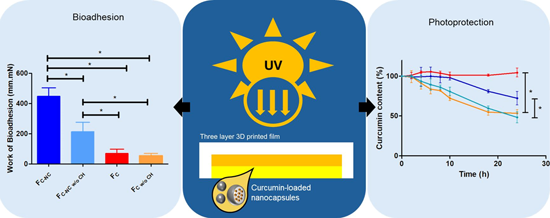
- aqueous phase under moderate stirring (the temperature and agitation speed parameters were the same as those of the organic phase). The aqueous phase was composed of 0.077 g of polysorbate 80 and 54 mL of ultrapure water. Acetone was removed under reduced pressure, and the resulting suspensions were
- potential The z-average particle size and the polydispersity index were measured by dynamic light scattering using a Zetasizer® Nano ZS (ZEN 3600, Malvern Instruments, USA). For this analysis, 10 µL of the C-NC formulation was diluted in 5 mL of ultrapure water (previously filtered through a 0.45 µm
- mixed in a porcelain mortar at a ratio of 3.5:1 (w/w) Na-CMC/alginate, with the addition of glycerine, and the resulting blend was used as the printing ink. For the top layer, Na-CMC was mixed with glycerine and solubilised in purified water in a porcelain mortar until gel formation was achieved


Nanoinformatics: spanning scales, systems and solutions
Beilstein J. Nanotechnol. 2026, 17, 423–427, doi:10.3762/bjnano.17.28
- are challenging to experimentally measure. Using computational descriptors commonly used in nano-QSAR models, such as the potential energy of surface atoms and the water–NP surface energy, the model predicts that Pt NPs are more toxic than Au NPs, based on their surface properties, which drive

Biomimetic nanoparticles in cancer photodynamic therapy: a review of targeted delivery systems and therapeutic outcomes
Beilstein J. Nanotechnol. 2026, 17, 396–422, doi:10.3762/bjnano.17.27
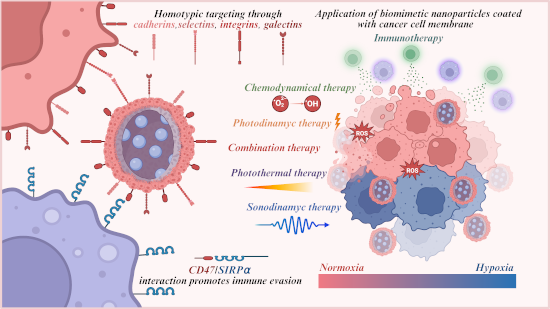
- loading capacity. For instance, melanin-based nanoparticles loaded with Ce6 (loading efficiency ≈ 30%) showed enhanced biocompatibility and water solubility, with synergistic photodynamic and photothermal effects under imaging guidance [156]. Another strategy involves chemically attaching porphyrin-based


Eco-efficient materials for agricultural crops based on a mineral rich in MOR- and HEU-type zeolites
Beilstein J. Nanotechnol. 2026, 17, 381–395, doi:10.3762/bjnano.17.26
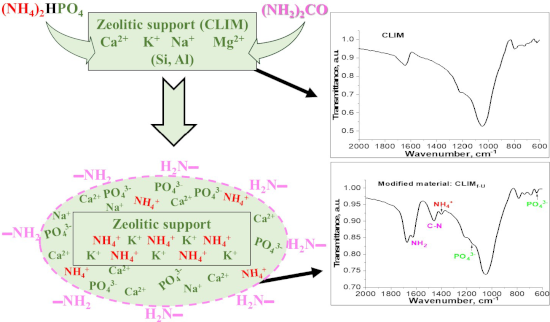
- by XRD) and other qualities of these zeolites, highlighting their ion-exchange and adsorption properties for nutrient release and reversible water retention. This is essential for the use of this material as a slow-release fertilizer that efficiently provides nutrients for the agroecological
- consequent drag and infiltration under the action of irrigation water and rain [1]. This problem, which is also associated with volatilization and emission of NO, NH3, and other gases into the atmosphere, poses severe risks to the environment and causes serious damage to human health [2]. Minerals rich in
- formed by silicon and aluminium tetrahedra connected through their vertices by bridging oxygen atoms. This arrangement forms a network of interconnected channels and cavities with a large surface area, where water molecules and mobile cations (Na+, K+, Ca2+, Mg2+) are located to neutralize the excess




Polycatecholamine nanocoatings on stainless steel: the effect on attachment of human fibroblasts and platelets
Beilstein J. Nanotechnol. 2026, 17, 365–380, doi:10.3762/bjnano.17.25
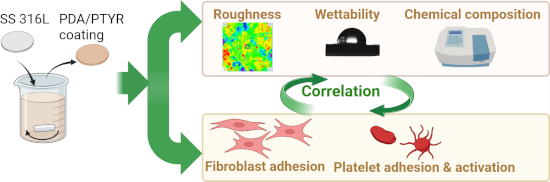
- potential to serve as a biomedical coating. In a previous study from our groups, coatings derived from ʟ-tyrosine, ʟ-phenylalanine, and 2-phenylethylamine were shown to substantially reduce water contact angles by 50–80%, indicating a pronounced increase in surface hydrophilicity [12]. Thus, we now focused
- oxidation reaction due to the limited solubility of ʟ-tyrosine in water. Thus, we used a supersaturated ʟ-tyrosine solution, to ensure that the oxidized part of the substrate is replaced by a fresh portion dissolved from the suspension [12]. The resulting SS-PDA and SS-PTYR samples were sterilizable, non
- 316L discs were pretreated by rinsing their surfaces with acetone (Chempur, Poland) and a “piranha solution” containing sulfuric acid (Chempur, Poland) and 30% H2O2 (Sigma-Aldrich, Germany) at a volume ratio of 1:1. The discs were then rinsed in deionized water, followed by immersion in the




Interconnection morphology effects on the radio frequency response of carbon nanotube sponges
Beilstein J. Nanotechnol. 2026, 17, 343–351, doi:10.3762/bjnano.17.23
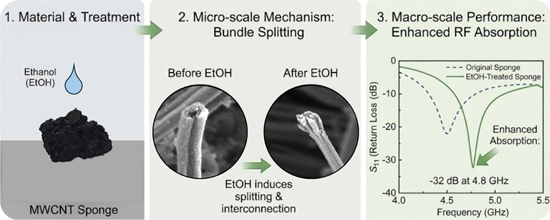
- porosity, low weight, good mechanical response, and good conductivity [25]. The properties of CNSs have been exploited in many different applications that include mechanical transducers [26], water filtration [27], and others [28]. In this paper, we tested our synthesized CNSs as active material for the
- of as-grown and ethanol-treated CNS samples, a small peak appears at 534 ± 0.1 eV, attributed to water that easily adheres to the tubes outer wall due to air exposure. Table S2 in Supporting Information File 1 gives a summary of the functional group content obtained from the C1 s and O1 s core level