Search results
Search for "AgNPs" in Full Text gives 59 result(s) in Beilstein Journal of Nanotechnology.
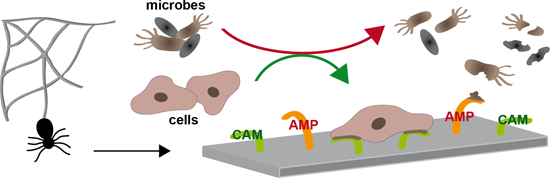
Bioselectivity of silk protein-based materials and their bio-inspired applications
Beilstein J. Nanotechnol. 2022, 13, 902–921, doi:10.3762/bjnano.13.81


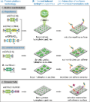
The role of deep eutectic solvents and carrageenan in synthesizing biocompatible anisotropic metal nanoparticles
Beilstein J. Nanotechnol. 2021, 12, 924–938, doi:10.3762/bjnano.12.69
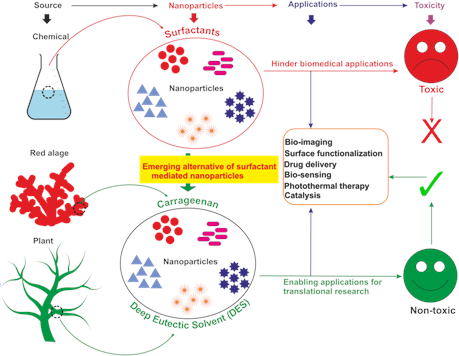
- their antibacterial activity, are used in healthcare and the food industry, especially in manufacturing packaging materials. However, the cytotoxicity due to the release of the silver ions from AgNPs is a matter of concern. The cytotoxicity of micrometer-sized AgNPs was minimized by immobilizing them in


Fate and transformation of silver nanoparticles in different biological conditions
Beilstein J. Nanotechnol. 2021, 12, 665–679, doi:10.3762/bjnano.12.53
- de Zaragoza, Zaragoza 50009, Spain Centro de Investigación Biomédica en Red de Bioingeniería, Biomateriales y Nanomedicina (CIBER-BBN), Spain 10.3762/bjnano.12.53 Abstract The exploitation of silver nanoparticles (AgNPs) in biomedicine represents more than one third of their overall application
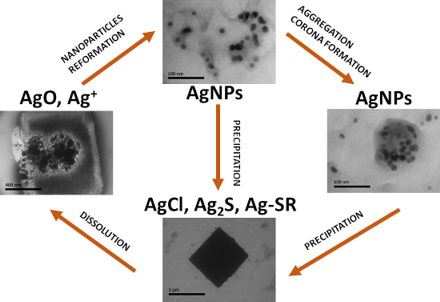
- . Despite their wide use and significant amount of scientific data on their effects on biological systems, detailed insight into their in vivo fate is still lacking. This study aimed to elucidate the biotransformation patterns of AgNPs following oral administration. Colloidal stability, biochemical
- transformation, dissolution, and degradation behaviour of different types of AgNPs were evaluated in systems modelled to represent biological environments relevant for oral administration, as well as in cell culture media and tissue compartments obtained from animal models. A multimethod approach was employed by




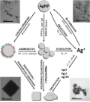
High-yield synthesis of silver nanowires for transparent conducting PET films
Beilstein J. Nanotechnol. 2021, 12, 624–632, doi:10.3762/bjnano.12.51
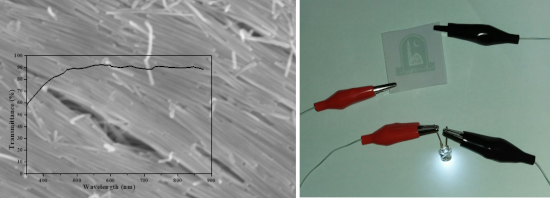
- , which confirms the formation of AgNPs in the solution, while the two SPR peaks below 400 nm are the distinguished feature of AgNWs [35]. As the reaction proceeded to 10 min, the intensity of the absorption peak decreased while a new peak appears at shorter wavelength. This redshift in frequency suggests
- . AgNPs have been shown to exhibit green emission at about 540 nm [52]. The PL spectrum of the as-synthesized AgNWs was excited at 300 nm and the spectrum was observed between 600 and 800 nm. In Figure 3c, the PL spectrum of AgNWs shows a broader PL region with high intensity peaks at 657 and 718 nm
- flexibility and transparency. (a) UV–vis absorption spectra indicating the formation of AgNPs just after complete addition of AgNO3 (red line) and the end of the reaction with the formation of AgNWs (black line). The spectra after 10 min (green line) and 20 min (blue line) are also given. The insets showing


Surface-enhanced Raman scattering of water in aqueous dispersions of silver nanoparticles
Beilstein J. Nanotechnol. 2021, 12, 497–506, doi:10.3762/bjnano.12.40
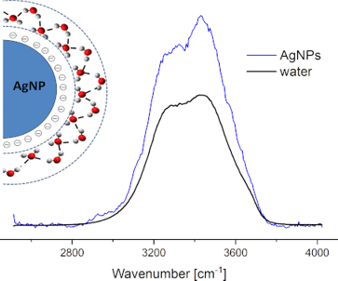
- Raman scattering (SERS) effect. In this work, we show the SERS effect for water molecules in the dispersion of silver nanoparticles (AgNPs) without any external electrical field. An enhancement factor was estimated to be (4.8 ± 0.8) × 106 for an excitation wavelength of 514.5 nm and for AgNPs with an
- average size of 34 ± 14 nm. The temperature experiment results showed a higher enhancement with temperature increase. Performed simulation studies revealed a slowdown of the mobility of the water molecules close to the surface of AgNPs. Keywords: Dynamic lattice liquid (DLL) simulations; liquid water
- effect weaker [20]. Silver nanoparticles (AgNPs) are gaining more and more popularity in various applications, such as electronics [22], photonics [23], and medicine [24]. Silver nanocolloids are also commonly used as an enhancing substrate in surface-enhanced Raman scattering (SERS) [25][26]. Since the


A review on nanostructured silver as a basic ingredient in medicine: physicochemical parameters and characterization
Beilstein J. Nanotechnol. 2021, 12, 440–461, doi:10.3762/bjnano.12.36
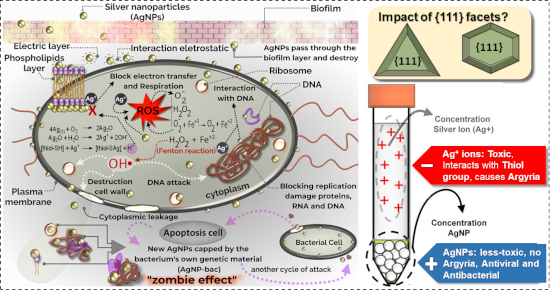
- . Thenhipalam 673635, Kerala, India National Institute for Quality Control in Health, Oswaldo Cruz Foundation (INCQS, FIOCRUZ), Rio de Janeiro, RJ, Brazil 10.3762/bjnano.12.36 Abstract Recent studies with silver nanoparticles (AgNPs) and the history of silver metal as a broad-spectrum bactericidal and
- virucidal agent, places silver as one of the future biocidal candidates in the field of nanomedicine to eliminate bacteria and viruses, especially multidrug resistant ones. In this review, we have described the various morphologies of AgNPs and correlated the enhanced bactericidal activity with their
- prominent {111} facets. In addition to prioritizing the characterization we have also discussed the importance of quantifying AgNPs and silver ion content (Ag+) and their different mechanisms at the chemical, biological, pharmacological, and toxicological levels. The mechanism of action of AgNPs against


Characterization, bio-uptake and toxicity of polymer-coated silver nanoparticles and their interaction with human peripheral blood mononuclear cells
Beilstein J. Nanotechnol. 2021, 12, 282–294, doi:10.3762/bjnano.12.23
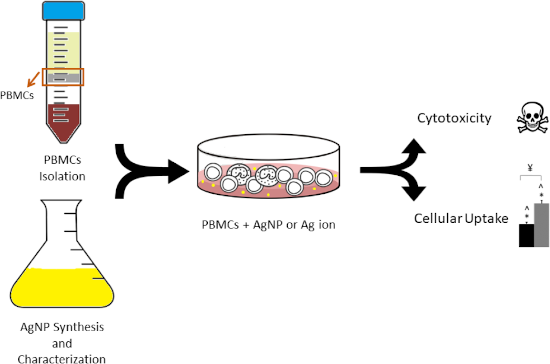
- , Columbia, SC, 29208, United States 10.3762/bjnano.12.23 Abstract Silver nanoparticles (AgNPs) are widely used in medical applications due to their antibacterial and antiviral properties. Despite the extensive study of AgNPs, their toxicity and their effect on human health is poorly understood, as a result
- of issues such as poor control of NP properties and lack of proper characterization. The aim of this study was to investigate the combined characterization, bio-uptake, and toxicity of well-characterized polyvinylpyrrolidone (PVP)-coated AgNPs in exposure media during exposure time using primary
- human cells (peripheral blood mononuclear cells (PBMCs)). AgNPs were synthesized in-house and characterized using a multimethod approach. Results indicated the transformation of NPs in RPMI medium with a change in size and polydispersity over 24 h of exposure due to dissolution and reprecipitation. No



A review on the biological effects of nanomaterials on silkworm (Bombyx mori)
Beilstein J. Nanotechnol. 2021, 12, 190–202, doi:10.3762/bjnano.12.15
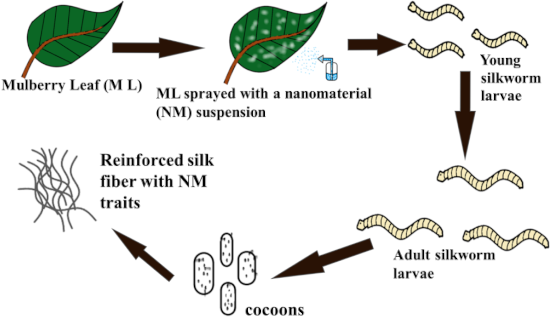
- in silkworms. It was shown that AgNPC were able to improve the survival rate of the silkworm from 22 to 67% when compared to the control untreated group. Adherence of the virus to AgNps led to the production of free radicals which penetrated and disintegrated the virus capsids, proteins, and DNA of


A review on the green and sustainable synthesis of silver nanoparticles and one-dimensional silver nanostructures
Beilstein J. Nanotechnol. 2021, 12, 102–136, doi:10.3762/bjnano.12.9
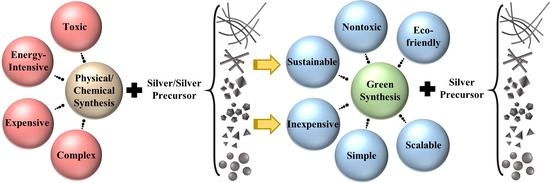
- characteristics including antimicrobial activity, electrical conductivity, thermal conductivity, optical characteristics, and mechanical properties. The antimicrobial characteristic of silver nanoparticles (AgNPs) has made them highly applicable in the biomedical and therapeutic fields [69][70][71]. Currently
- , antimicrobial AgNPs can potentially act as alternatives for current antibiotics due to increased bacterial resistance [71]. In addition, the development of new generations of antibiotics is costly, which prevents pharmaceutical companies from manufacturing new classes of antibiotics [72][73]. Furthermore, the
- physicochemical characteristics of AgNPs can be tuned in a way to avoid cellular toxicity [71][74][75], which facilitates their biomedical applications. The small size of AgNPs (<100 nm) allows them to accumulate on the extracellular membrane of the bacteria and penetrate inside, which alters the membrane


Nanoparticles based on the zwitterionic pillar[5]arene and Ag+: synthesis, self-assembly and cytotoxicity in the human lung cancer cell line A549
Beilstein J. Nanotechnol. 2020, 11, 421–431, doi:10.3762/bjnano.11.33
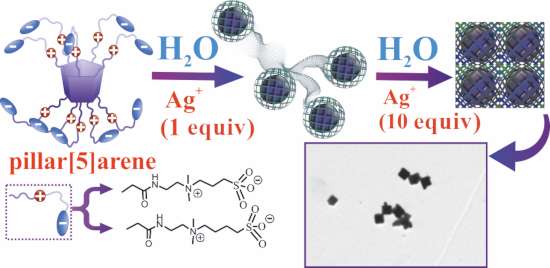
- thousands of years, the use of this metal has grown into an entire industry [1]. A separate area of this industry is the use of silver nanoparticles (AgNPs), which are the source of Ag+ ions in many commercial products, such as food packaging, odor-resistant fabrics, household appliances and medical devices
- color) [5][6][7][8]. The European Commission Scientific Committee on Emerging and Newly Identified Health Risks (SCENIHR) has concluded that AgNPs may have toxicological properties different from the main substance, but their risks should be evaluated on a case-by-case basis [7]. In order to reduce the
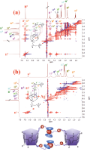
- well as the spatial structure of the 3/Ag+ and 4/Ag+ associates. It should be noted that the formation of a reduced form of silver Ag(0) was not recorded under all studied conditions. This fact was confirmed by the absence of an absorption band corresponding to Ag–Ag bonds in AgNPs in the UV–vis




Fabrication of Ag-modified hollow titania spheres via controlled silver diffusion in Ag–TiO2 core–shell nanostructures
Beilstein J. Nanotechnol. 2020, 11, 141–146, doi:10.3762/bjnano.11.12
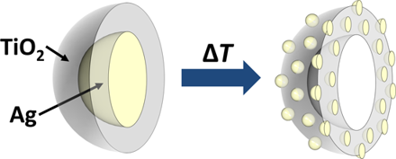
- with SEM images of the structures at different stages of their fabrication. We have demonstrated recently that AgNPs can be covered in a controlled manner with a smooth titania shell of variable thickness by the hydrolysis of organic titania precursors to form Ag@TiO2 CSNs [20]. Examples of such
- annealed for a sufficiently long time the Ag–TiO2 nanostructures shown in Figure 1 (bottom right) and Figure 2E are formed. These nanostructures are empty inside as indicated by a darker region of low average atomic number in the middle of the particles. They also have a high number of small AgNPs (much
- Ag–TiO2 CSNs, silver cores were fully converted to Ag species (i.e., positively charged Ag clusters as discussed below or other subnanometric silver species) embedded in a titania shell or smaller AgNPs located at the shell surface (Figure 2 E). To the best of our knowledge, the silver diffusion in



Label-free highly sensitive probe detection with novel hierarchical SERS substrates fabricated by nanoindentation and chemical reaction methods
Beilstein J. Nanotechnol. 2019, 10, 2483–2496, doi:10.3762/bjnano.10.239
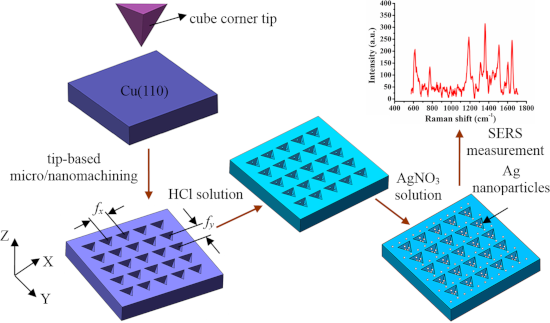
- enhancement mechanism of the AgNPs/Cu nanostructures. The local electric field of the AgNPs/Cu nanostructures was calculated using commercial COMSOL software. Figure 9 shows the electric field distribution in the x–z plane of a single Ag nanoparticle at the air/Cu surface with an incident wavelength of 532 nm
- discussed above, the electromagnetic field is generated from the metal nanoparticles. When the AgNPs are on the aggregated copper surface, the electrical field intensity of the plasmonic resonance can be effectively amplified and increased. The results show that the SERS behavior of the AgNP pyramidal
- hierarchical substrates can contribute to the following points: (1) the pyramidal cavities and pile-up of copper substrate can be employed as an amplifier and can induce a large electric field intensity. (2) The adjacent AgNPs can generate an additional electrical field enhancement. Theoretically, AgNP


The role of Ag+, Ca2+, Pb2+ and Al3+ adions in the SERS turn-on effect of anionic analytes
Beilstein J. Nanotechnol. 2019, 10, 2338–2345, doi:10.3762/bjnano.10.224
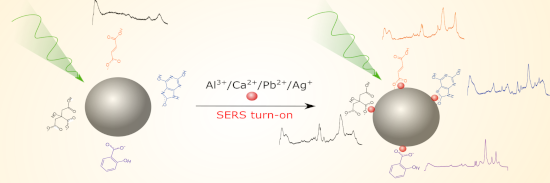
- nanoparticles (AgNPs) [9][10][11]. Muniz-Miranda and Sbrana showed that Ag+ adsorbed ions (adions) can be generated on a metallic surface by co-adsorbed nucleophilic anions (such as Cl−, I−, Br−, SCN−) leading to the formation of Ag+–phtalazine–anion complexes on the surface of AgNPs [9]. The role of Ag+ adions
- AgNPs were immobilized on a glass surface [12]. Recently, we brought further evidence for the role of the Cl− adion in the SERS detection of cationic molecules, showing that Cl− (but also Br− or I−) adions promote the chemisorption of cationic dyes to the silver surface leading to the turn-on of the
- . In the present study, we show that SERS spectra of anionic analytes can be obtained in the micromolar concentration range, by activating the AgNPs with cationic adions. Switch-on of the citrate capping agent SERS spectrum For this study we chose citrate-capped silver nanoparticles (cit-AgNPs) since


Toxicity and safety study of silver and gold nanoparticles functionalized with cysteine and glutathione
Beilstein J. Nanotechnol. 2019, 10, 1802–1817, doi:10.3762/bjnano.10.175
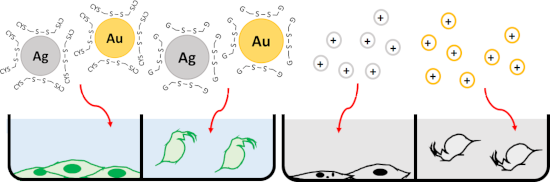
- Zagreb, Croatia 10.3762/bjnano.10.175 Abstract This study was designed to evaluate the nano–bio interactions between endogenous biothiols (cysteine and glutathione) with biomedically relevant, metallic nanoparticles (silver nanoparticles (AgNPs) and gold nanoparticles (AuNPs)), in order to assess the
- biocompatibility and fate of nanoparticles in biological systems. A systematic and comprehensive analysis revealed that the preparation of AgNPs and AuNPs in the presence of biothiols leads to nanoparticles stabilized with oxidized forms of biothiols. Their safety was tested by evaluation of cell viability
- +). The comparison with data published on polymer-coated nanoparticles evidenced that surface modification with biothiols made them safer for the biological environment. In vitro evaluation on human cells demonstrated that the toxicity of AgNPs and AuNPs prepared in the presence of cysteine was similar to


Features and advantages of flexible silicon nanowires for SERS applications
Beilstein J. Nanotechnol. 2019, 10, 725–734, doi:10.3762/bjnano.10.72

- . However, this aspect is beyond the scope of this paper. Lacunarity Complementary to fractal dimension, lacunarity gives additional morphological information. As the cross junctions between AgNPs and SiNWs are important for the creation of hot spots and SERS enhancement, the nanosized gaps between SiNWs


Gold nanoparticles embedded in a polymer as a 3D-printable dichroic nanocomposite material
Beilstein J. Nanotechnol. 2019, 10, 442–447, doi:10.3762/bjnano.10.43
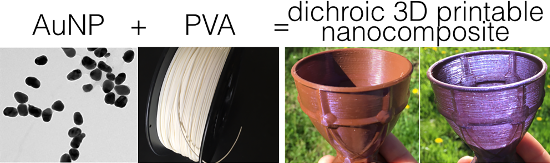
- due to gold nanoparticles (AuNPs) and silver nanoparticles (AgNPs) of different sizes and shapes [9][10]. However, only the Lycurgus cup, now stored in the British Museum, and six other broken pieces showing the same dichroic effect were found worldwide, hinting that the achievement of such an optical



The role of adatoms in chloride-activated colloidal silver nanoparticles for surface-enhanced Raman scattering enhancement
Beilstein J. Nanotechnol. 2018, 9, 2236–2247, doi:10.3762/bjnano.9.208
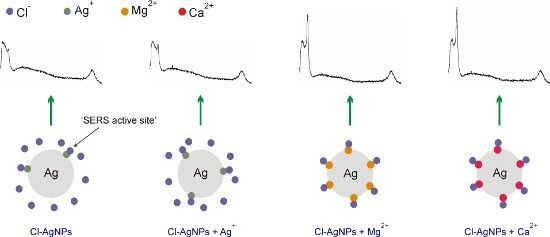
- Medicine, Manastur 3-5, 400372 Cluj-Napoca, Romania 10.3762/bjnano.9.208 Abstract Chloride-capped silver nanoparticles (Cl-AgNPs) allow for high-intensity surface-enhanced Raman scattering (SERS) spectra of cationic molecules to be obtained (even at nanomolar concentration) and may also play a key role in
- understanding some fundamental principles behind SERS. In this study, we describe a fast (<10 min) and simple protocol for obtaining highly SERS-active colloidal silver nanoparticles (AgNPs) with a mean diameter of 36 nm by photoconversion from AgCl precursor microparticles in the absence of any organic
- reducing or capping agent. The resulting AgNPs are already SERS-activated by the Cl− ions chemisorbed onto the metal surface where the chloride concentration in the colloidal solution is 10−2 M. Consequently, the enhanced SERS spectra of cationic dyes (e.g., crystal violet or 9-aminoacridine) demonstrate



A visible-light-controlled platform for prolonged drug release based on Ag-doped TiO2 nanotubes with a hydrophobic layer
Beilstein J. Nanotechnol. 2018, 9, 1793–1801, doi:10.3762/bjnano.9.170
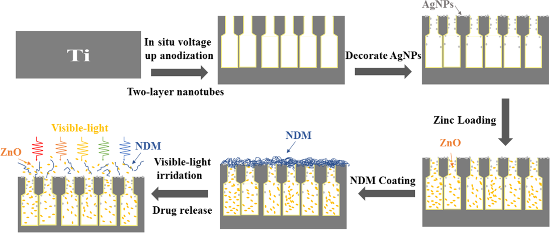
- structural modification of TiO2 nanotubes. We decorated AgNPs onto two-layer TNTs fabricated by an in situ voltage up-anodization technique to improve the availability of visible light. In addition, we coated a hydrophobic organic layer (dodecanethiol) directly onto the hydrophilic surface of the nanotubes
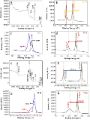
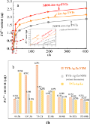
- -TNTs and NDM-Zn-Ag-TNTs samples, respectively. Obviously, the absorbance of TNTs decorated with Ag is higher than bare TNTs within the visible light range (450–800 nm). The loading of AgNPs promotes surface plasmon resonance (SPR) scattering into the TNT layer, which further increases the nearby
- electric field [33] and results in the generation of e− and h+ even under irradiation with lower energy light. Thus, doping with AgNPs has evidently enhanced the TiO2 photocatalysis under visible-light irradiation. However, after loading with the Zn2+-based drug and coating with the NDM layer, the





Colorimetric detection of Cu2+ based on the formation of peptide–copper complexes on silver nanoparticle surfaces
Beilstein J. Nanotechnol. 2018, 9, 1414–1422, doi:10.3762/bjnano.9.134
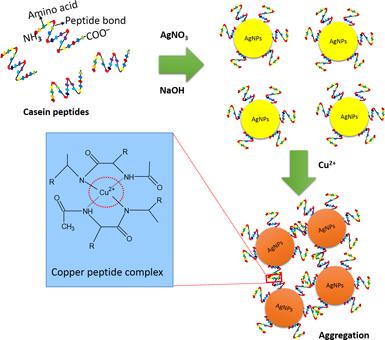
- + is based on coordination reactions of Cu2+ with casein peptide-functionalized silver nanoparticles (AgNPs), leading to a distinct color change of the solution from yellow to red. The developed method has a good detection limit of about 0.16 µM Cu2+ using 0.05 mL of AgNPs stock solution and a
- samples [13][14]. However, the use of gold and/or platinum limits the affordability of sensing probe. As exemplified in this work, cost-effective silver nanoparticles (AgNPs) having specifically modified ligands for detecting lower concentrations of Cu2+ offer a more portable and practical approach. In a
- typical experiment, casein peptide-modified AgNPs were prepared by reduction of AgNO3 and the functionality of the AgNP–peptide conjugates to coordinate Cu2+ was improved by removing unbound casein peptides. Highly dispersed and stable 20 nm diameter AgNPs had an extinction peak at about 410 nm with a


Colloidal solution of silver nanoparticles for label-free colorimetric sensing of ammonia in aqueous solutions
Beilstein J. Nanotechnol. 2018, 9, 499–507, doi:10.3762/bjnano.9.48
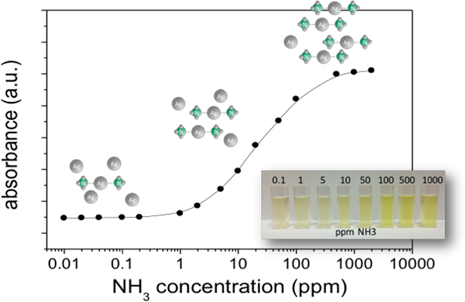
- particular silver nanoparticles (AgNPs), are often considered for analytical application because of their peculiar optical and electrical properties [13]. The surface plasmon resonance (SPR) properties of metal nanoparticles are considered very useful for the use of colloidal solutions in the field of
- silver in the solution (2Ag+ + R2CH–OH + 2OH− → R2C=O + 2H2O + 2Ag ), in agreement with Muench et al. [26]. Nesakumar et al. have recently synthesized silver nanoparticles (AgNPs) using Terminalia chebula extract [27] and have obtained an optical sensor to detect dissolved ammonia in water. The above
- compared to physiological systems of ammonia in organic fluids (blood or urine). However, this study is preliminary to address the problem of interfering species, e.g., proteins, enzymes and mineral salts. We highlighted that colloidal AgNPs solutions synthesized using both glucose and sucralose as



Synthesis and characterization of noble metal–titania core–shell nanostructures with tunable shell thickness
Beilstein J. Nanotechnol. 2017, 8, 2083–2093, doi:10.3762/bjnano.8.208
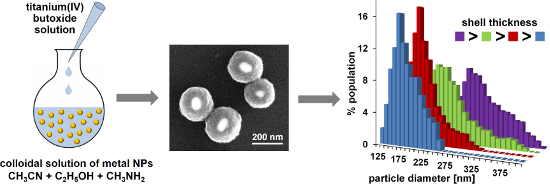
- additives (or none at all) and allows control of the structural features of the CSNs in addition to synthesis in larger amounts. The TiO2 coating strategy used in the synthesis of Ag@TiO2 and Au@TiO2 CSNs is outlined in Scheme 1. In the first step, we synthesized AuNPs using the Frens method and AgNPs by
- used the Frens method to synthesize AgNPs. As a result, however, we obtained significant amounts of rod-like and triangular particles in addition to spherical particles. The titania coating method described here allowed coating of all AgNPs regardless of shape, but such CSNs were not very useful for
- observed formation of the multi-core@shell particles, which are also very interesting due to the combined plasmonic effect of metallic cores. In the case of AgNPs, the synthesized metal NPs were stabilized with citrate ions either during the synthesis or after, in order to prevent aggregation in the


Hydrophilic silver nanoparticles with tunable optical properties: application for the detection of heavy metals in water
Beilstein J. Nanotechnol. 2016, 7, 1654–1661, doi:10.3762/bjnano.7.157
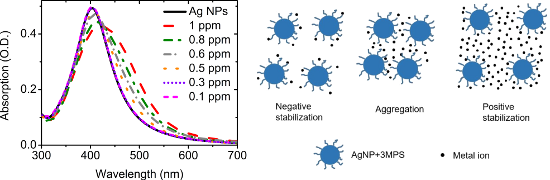
- , University of Rome Sapienza, Rome, P.le A. Moro 5, 00187, Italy 10.3762/bjnano.7.157 Abstract Due their excellent chemo-physical properties and ability to exhibit surface plasmon resonance, silver nanoparticles (AgNPs) have become a material of choice in various applications, such as nanosensors, electronic
- devices, nanobiotechnology and nanomedicine. In particular, from the environmental monitoring perspective, sensors based on silver nanoparticles are in great demand because of their antibacterial and inexpensive synthetic method. In the present study, we synthesized AgNPs in water phase using silver
- nitrate as precursor molecules, hydrophilic thiol (3-mercapto-1-propanesulfonic acid sodium salt, 3MPS) and sodium borohydride as capping and reducing agents, respectively. The AgNPs were characterized using techniques such as surface plasmon resonance (SPR) spectroscopy, dynamic light scattering (DLS


Tunable longitudinal modes in extended silver nanoparticle assemblies
Beilstein J. Nanotechnol. 2016, 7, 1219–1228, doi:10.3762/bjnano.7.113
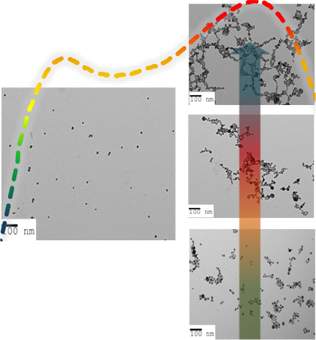
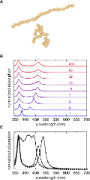
- interactions in assembly size and morphology. Spectral and morphological evolutions of the AgNPs assemblies are followed via UV–visible spectroscopy and transmission electron microscopy (TEM). Spectroscopic measurements are compared to calculations of the absorption spectra of randomly assembled silver chains
- triggered or directed by solution conditions such as temperature, illumination, pH and metal ion concentration [21]. Amongst the various self-assembled nanostructures, silver nanoparticles (AgNPs) are of great significance due to their sharp plasmon resonance, the antimicrobial function and a distinguished
- Raman spectroscopic enhancement [22]. Although AgNPs have been assembled into higher-order structures via multiple strategies [23][24][25][26], none of the resulting structures exhibit highly anisotropic spectral signatures, i.e., well-resolved isotropic/axial and anisotropic/longitudinal SPR bands that


Antibacterial activity of silver nanoparticles obtained by pulsed laser ablation in pure water and in chloride solution
Beilstein J. Nanotechnol. 2016, 7, 465–473, doi:10.3762/bjnano.7.40
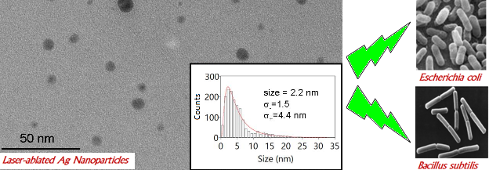
- Physics “Enrico Fermi”, University of Pisa, Largo Bruno Pontecorvo 3, Pisa, 56127, Italy, Department of Chemistry “Ugo Schiff”, University of Florence, Via della Lastruccia 3, Sesto Fiorentino (FI) 50019, Italy 10.3762/bjnano.7.40 Abstract Silver nanoparticles (AgNPs) have increasingly gained importance
- as antibacterial agents with applications in several fields due to their strong, broad-range antimicrobial properties. AgNP synthesis by pulsed laser ablation in liquid (PLAL) permits the preparation of stable Ag colloids in pure solvents without capping or stabilizing agents, producing AgNPs more
- suitable for biomedical applications than those prepared with common, wet chemical preparation techniques. To date, only a few investigations into the antimicrobial effect of AgNPs produced by PLAL have been performed. These have mainly been performed by ablation in water with nanosecond pulse widths. We


Surface coating affects behavior of metallic nanoparticles in a biological environment
Beilstein J. Nanotechnol. 2016, 7, 246–262, doi:10.3762/bjnano.7.23
- Republic, Heyrovský Sq. 2, 162 06 Prague 6, Czech Republic Institute for Medical Research and Occupational Health, Ksaverska cesta 2, 10 000 Zagreb, Croatia 10.3762/bjnano.7.23 Abstract Silver (AgNPs) and maghemite, i.e., superparamagnetic iron oxide nanoparticles (SPIONs) are promising candidates for new
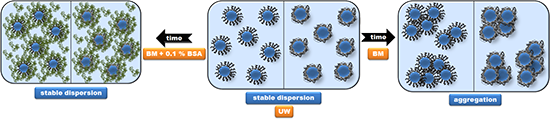
- medical applications, which implies the need for strict information regarding their physicochemical characteristics and behavior in a biological environment. The currently developed AgNPs and SPIONs encompass a myriad of sizes and surface coatings, which affect NPs properties and may improve their
- biocompatibility. This study is aimed to evaluate the effects of surface coating on colloidal stability and behavior of AgNPs and SPIONs in modelled biological environments using dynamic and electrophoretic light scattering techniques, as well as transmission electron microscopy to visualize the behavior of the NP