Search results
Search for "EDTA" in Full Text gives 104 result(s) in Beilstein Journal of Nanotechnology.
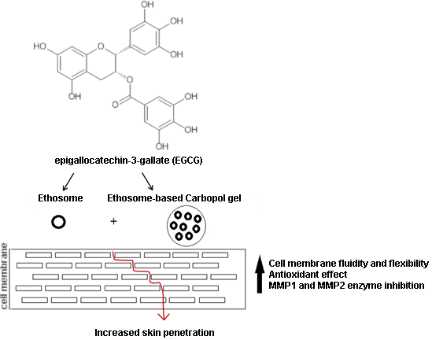
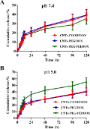
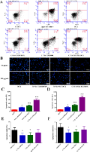
Ethosomal (−)-epigallocatechin-3-gallate as a novel approach to enhance antioxidant, anti-collagenase and anti-elastase effects
Beilstein J. Nanotechnol. 2022, 13, 491–502, doi:10.3762/bjnano.13.41
- (−)-Epigallocatechin-3-gallate, 3-(4,5-dimethyldiazol-2-yl)-2,5-diphenyltetrazolium bromide (MTT), SPC, trypsin-EDTA solution, dimethyl sulfoxide (DMSO) for cell culture, and penicillin/streptomycin solution were purchased from Sigma, USA. Carbopol 980 was purchased from the Abdi İbrahim Pharmaceutical, Industry and



Bacterial safety study of the production process of hemoglobin-based oxygen carriers
Beilstein J. Nanotechnol. 2022, 13, 114–126, doi:10.3762/bjnano.13.8
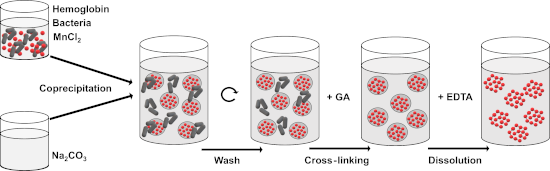
- final particle suspensions. Therefore, we conclude that the HbMP fabrication procedure is safe in respect of bacterial contamination. Keywords: bacterial safety; EDTA; glutaraldehyde; hemoglobin; microparticles; Introduction Artificial oxygen carriers used as red blood cell (RBC) substitutes have
- of the salt template by adding ethylenediaminetetraacetic acid (EDTA) results in submicrometer hemoglobin particles. The resulting particles have an advantageous oxygen affinity and show a narrow size distribution of approx. 700 nm. In the first pre-clinical investigations it was shown that HbMP meet
- known to have an antibacterial effect and it is used as a disinfectant or for cold sterilization of medical instruments in hospitals at higher concentrations [22][23][24]. Glutaraldehyde is also widely used in biochemical applications and as a fixative for electron microscopy [25][26]. EDTA is used in


Theranostic potential of self-luminescent branched polyethyleneimine-coated superparamagnetic iron oxide nanoparticles
Beilstein J. Nanotechnol. 2022, 13, 82–95, doi:10.3762/bjnano.13.6
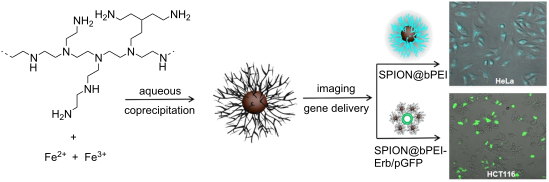
- -EDTA (TBE) (Alfa Aesar, USA) buffer and boiled at 100 °C. After cooled down to 70 °C, 4 µL of ethidium bromide (10 mg/mL) was added and the gel was poured into a gel electrophoresis unit. A volume of 50 µL of the solutions containing 4 µg of PIC were mixed with 5 µL of a 6× DNA gel-loading buffer
- with 10% of FBS and 1% of penicillin solution. The cells were kept at 37 °C under 5% CO2 and were subcultured three times per week with 0.25% trypsin/EDTA. The cells were seeded onto 96-well microtiter plates (Greiner) at a concentration of 5 × 10³ cells/well (HeLa and MCF7) and 10 × 103 cells/well




Biocompatibility and cytotoxicity in vitro of surface-functionalized drug-loaded spinel ferrite nanoparticles
Beilstein J. Nanotechnol. 2021, 12, 1339–1364, doi:10.3762/bjnano.12.99
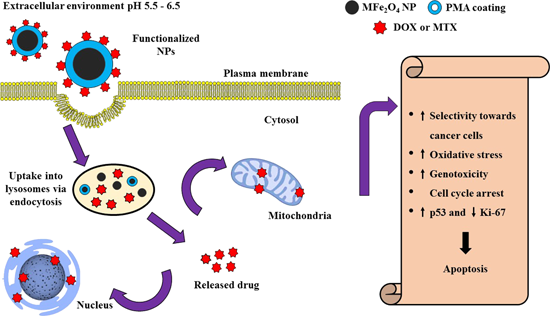
- . Poly(isobutylene-alt-maleic anhydride) (85%), dodecylamine (99%), tetrahydrofuran (THF) (99.9%), 1-ethyl-3-(3-dimethylaminopropyl)carbodiimide (98%), doxorubicin (99.9%), methotrexate (99.9%), Tris/borate/EDTA buffer (TBE, 98.8%), Dulbecco’s Modified Eagle’s Medium (DMEM, 99.9%), Roswell Park Memorial
- Institute (RPMI-1640, 99.9%) medium, GPPS (2 mM ʟ-glutamine, 1 mM Na pyruvate, 100 U/mL penicillin, 100 µg/mL streptomycin, 98%), Triton X-100 (lab grade), Trizma base, trypsin/EDTA (lab grade), sulforhodamine B (dye content 75%), ethidium bromide (lab grade), sodium dodecyl sulfate (SDS, lab grade), 2',7
- ) with 10% CO2. The cells were harvested using trypsin/EDTA (0.5 mM) for 1 min at room temperature. In vitro cytotoxicity screening of drug-loaded MFe2O4 (M = Fe, Co, Ni, Zn) NPs The cytotoxicity screening of colloidal drug-loaded MFe2O4 (M = Fe, Co, Ni, Zn) NPs was performed by using the SRB assay in





pH-driven enhancement of anti-tubercular drug loading on iron oxide nanoparticles for drug delivery in macrophages
Beilstein J. Nanotechnol. 2021, 12, 1127–1139, doi:10.3762/bjnano.12.84
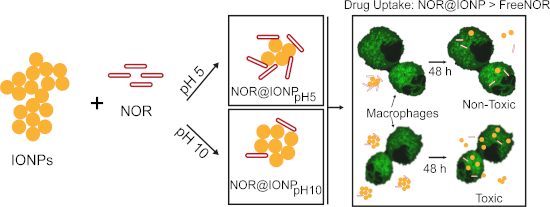
- /nanoparticle treatment the cells were trypsinized using 1X trypsin-EDTA (HiMedia, India). The cell counts of the trypsinized cells were then determined using the trypan blue assay. Briefly, a fixed volume of animal cell sample was taken and diluted using a 0.4% solution of trypan blue (HiMedia, India). The



Silver nanoparticles induce the cardiomyogenic differentiation of bone marrow derived mesenchymal stem cells via telomere length extension
Beilstein J. Nanotechnol. 2021, 12, 786–797, doi:10.3762/bjnano.12.62
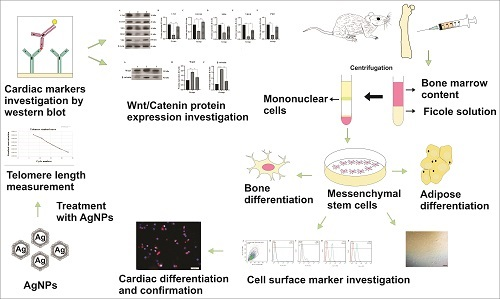
- by PBS and trypsinized with trypsin-EDTA. The 4 × 10³ cells were seeded in each well of a 96-well plate with a total volume of 200 μL of cardiomyogenic differentiation medium of different concentrations (0, 1.25, 2.5, and 5 µg/mL) of Ag-NPs and incubated for 14 days at 37 °C in a humidified


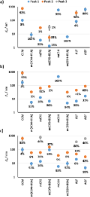
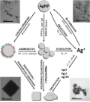
Fate and transformation of silver nanoparticles in different biological conditions
Beilstein J. Nanotechnol. 2021, 12, 665–679, doi:10.3762/bjnano.12.53
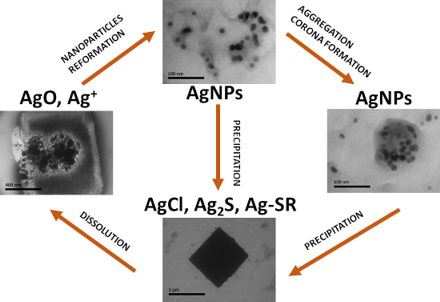
- puncture into a heparinised tube and the plasma was separated by centrifugation. The kidneys, liver, and brain were carefully removed and washed in ice-cold saline. Each tissue (1 g) was homogenised in 10 mL of PBS (0.05 M, pH 7.4) containing 0.1 mM of EDTA using a motor-driven homogenizer. Both WB and BP




On the stability of microwave-fabricated SERS substrates – chemical and morphological considerations
Beilstein J. Nanotechnol. 2021, 12, 541–551, doi:10.3762/bjnano.12.44
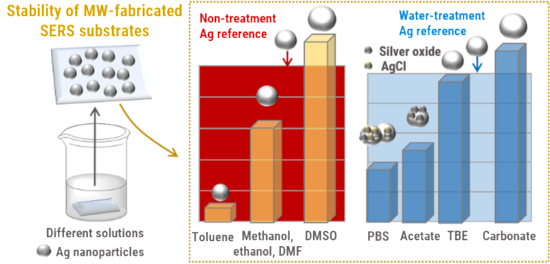
- choice of a suitable media is of utmost importance for many biological investigations as it can alter the structure of biomolecules (e.g., proteins) [33]. We tested five commonly used buffer systems which include phosphate-buffered saline (PBS), HEPES-buffered glucose solution (HBG), tris-borate-EDTA


Doxorubicin-loaded gold nanorods: a multifunctional chemo-photothermal nanoplatform for cancer management
Beilstein J. Nanotechnol. 2021, 12, 295–303, doi:10.3762/bjnano.12.24
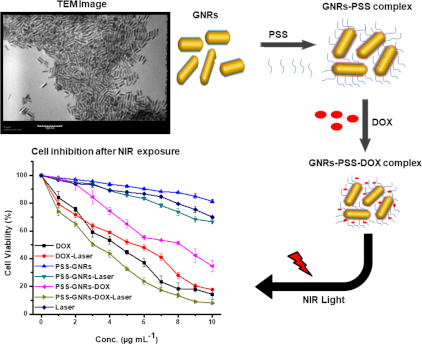
- volunteers and used with Institutional Review Board (IRB) bioethics approval. The hemolysis assay was carried out according to the protocol from National Cancer Institute (NCI). Whole blood (5 mL) from two healthy human donors was drawn directly into K2-EDTA-coated tubes to prevent coagulation. Blood


Differences in surface chemistry of iron oxide nanoparticles result in different routes of internalization
Beilstein J. Nanotechnol. 2021, 12, 270–281, doi:10.3762/bjnano.12.22
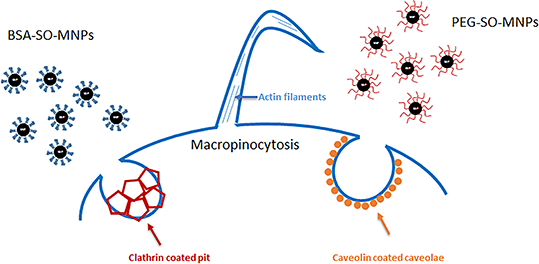
- normalization of data. Western blotting Cells were lysed in buffer containing 50 mM Tris/HCl, pH 7.4, 150 mM NaCl, 1% Triton X-100, and 1 mM EDTA, supplemented with protease inhibitor mix (Serva, BioTech, Ltd., Slovakia). After determining the protein concentration using the Bradford assay, equal amounts of


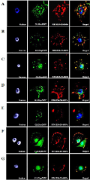

Nanocasting synthesis of BiFeO3 nanoparticles with enhanced visible-light photocatalytic activity
Beilstein J. Nanotechnol. 2020, 11, 1822–1833, doi:10.3762/bjnano.11.164
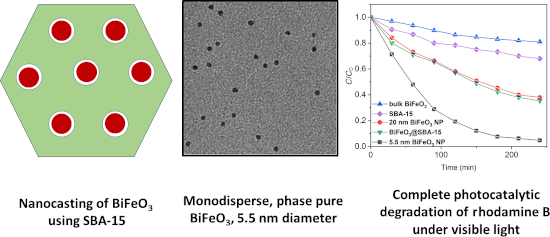
- experiments with different scavengers, such as AgNO3, ethylenediaminetetraacetic acid (EDTA), tert-butyl alcohol (TBA), and benzoquinone (BQ), was performed. It is generally well-accepted that in semiconductor photocatalysis the reaction of promoted electrons with molecular oxygen leads to superoxide anion
- consumption of excited electrons by the electron scavenger AgNO3 and the resulting enhanced separation of electron–hole pairs [60]. Photogenerated electron holes could play an important role in the present reaction, as the addition of the electron-hole scavenger EDTA (2 mM) decreases the degradation




PEG/PEI-functionalized single-walled carbon nanotubes as delivery carriers for doxorubicin: synthesis, characterization, and in vitro evaluation
Beilstein J. Nanotechnol. 2020, 11, 1728–1741, doi:10.3762/bjnano.11.155
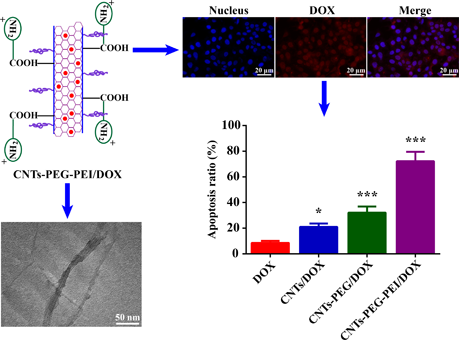
- were obtained from Beijing Solarbio Science & Technology Co., Ltd (Beijing, China). Trypsin–EDTA solution (0.25% trypsin with 0.02% EDTA) was supplied by Beyotime Biotechnology (Beijing, China). 3-(4,5-dimethylthiazol-2-yl)-2,5-diphenyl tetrazolium bromide (MTT) was purchased from Sigma-Aldrich (St
- wells, and the cells were trypsinized with trypsin–EDTA and washed with cold PBS for three times to remove the nanocarriers outside the cells. The cells were then collected and resuspended in 200 μL of PBS by centrifugation. The mean fluorescence intensity (MFI) was determined using FCM (BD Biosciences




Transient coating of γ-Fe2O3 nanoparticles with glutamate for its delivery to and removal from brain nerve terminals
Beilstein J. Nanotechnol. 2020, 11, 1381–1393, doi:10.3762/bjnano.11.122
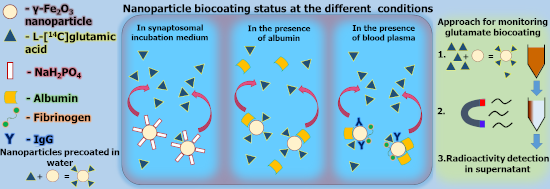
- and the membrane potential of nerve terminals. Six animals were used for blood plasma preparation. Isolation of nerve terminals (synaptosomes) from rat cortex The cortex zone of the rat brain was rapidly removed and homogenized in ice-cold 0.32 M sucrose, 5 mM HEPES-NaOH, pH 7.4 and 0.2 mM EDTA. The


Identification of physicochemical properties that modulate nanoparticle aggregation in blood
Beilstein J. Nanotechnol. 2020, 11, 550–567, doi:10.3762/bjnano.11.44
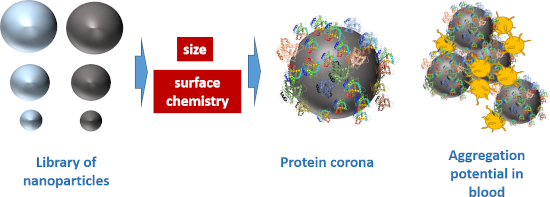
- aggregation. Materials and Methods Reagents Sodium polyacrylate, ᴅ-(+)-glucose, thionine acetate salt, phosphate buffered saline powder, EDTA, glutathione reduced and 5,5′-dithiobis(2-nitrobenzoic acid), tetraethyl orthosilicate (TEOS), phosphate buffered saline (PBS) tablets were obtained from Sigma-Aldrich




Multilayer capsules made of weak polyelectrolytes: a review on the preparation, functionalization and applications in drug delivery
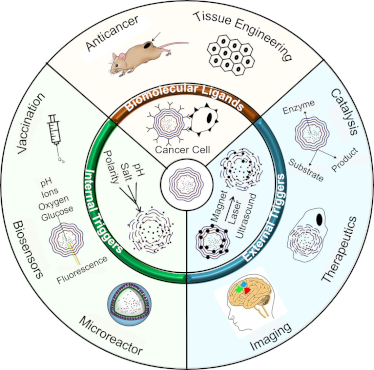
Beilstein J. Nanotechnol. 2020, 11, 508–532, doi:10.3762/bjnano.11.41
- size and dissolve under mild conditions at pH < 3 or by using ethylenediaminetetraacetic acid (EDTA) without affecting the PE multilayer shell. They do not form any complexes with PEs and provided intact hollow capsules after core dissolution [30]. Cores such as calcium, cadmium and manganese carbonate
- , concentration, intensity of mixing and agitation. These templates are biocompatible, easy to produce, and dissolvable by EDTA. Although crystallization processes cannot be controlled to provide uniform and homogenous cores, this matrix provides an efficient way for encapsulation. Additionally, hydrogel-based



Synthesis and enhanced photocatalytic performance of 0D/2D CuO/tourmaline composite photocatalysts
Beilstein J. Nanotechnol. 2020, 11, 407–416, doi:10.3762/bjnano.11.31
- , AR), sodium hydroxide (NaOH, AR), sodium sulfite (Na2SO3, AR), sodium sulfide (Na2S, AR), 5,5-dimethyl-1-pyrroline N-oxide (DMPO, AR), disodium ethylenediaminetetraacetate (EDTA, AR), tert-butyl alcohol (TBA, AR), 1,4-benzoquinone (BQ, AR), and Nafion were purchased from Aladdin Chemistry Co., Ltd
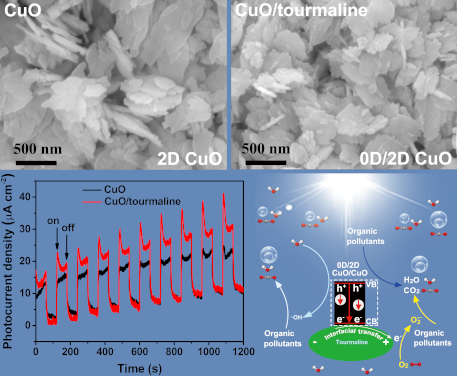
- ability. Trapping experiments were carried out to verify the predominant reactive species that participated in the photocatalytic organic oxidation reactions. •OH, O2•−, and h+ were trapped by TBA, BQ, and EDTA, respectively [40][41]. Judging from Figure 6d, the addition of TBA, BQ, and EDTA resulted in a


Fully amino acid-based hydrogel as potential scaffold for cell culturing and drug delivery
Beilstein J. Nanotechnol. 2019, 10, 2579–2593, doi:10.3762/bjnano.10.249
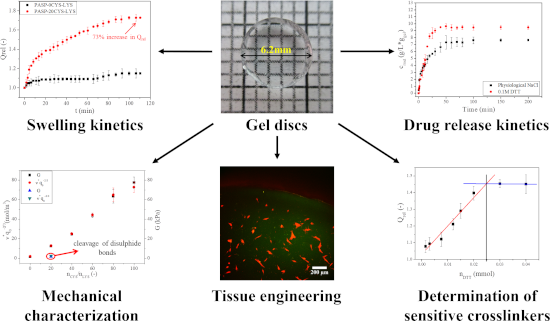
- serum (FBS, Gibco, USA), 2 mM ʟ-glutamine (Gibco, USA), 100 units/mL penicillin and 100 mg/mL streptomycin (Gibco, USA). When the cell culture became subconfluent, it was passaged at a ratio of 1:20 using a 0.05% trypsin/EDTA solution. Cell viability assay Before performing the cell viability assay, the


Long-term stability and scale-up of noncovalently bound gold nanoparticle-siRNA suspensions
Beilstein J. Nanotechnol. 2019, 10, 2568–2578, doi:10.3762/bjnano.10.248
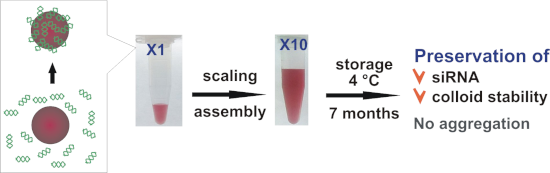
- phosphoramidite at the final stage of the synthesis. The oligonucleotides were isolated by electrophoresis in 15% polyacrylamide gel (acrylamide/N,N’-bisacrylamide (29:1) and 8 M urea) in TBE buffer (89 mM Tris, 89 mM H3BO3, and 2 mM EDTA, рН 8.3) for 1.5 h at 20 V/cm and 40 °С. The oligonucleotides were eluted


Design of a nanostructured mucoadhesive system containing curcumin for buccal application: from physicochemical to biological aspects
Beilstein J. Nanotechnol. 2019, 10, 2304–2328, doi:10.3762/bjnano.10.222


Gold-coated plant virus as computed tomography imaging contrast agent
Beilstein J. Nanotechnol. 2019, 10, 1983–1993, doi:10.3762/bjnano.10.195
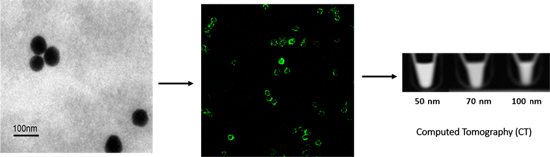
- carbonate, sucrose, dimethyl sulfoxide (DMSO; 25%), 2-(N-morpholino)ethanesulfonic acid (MES) buffer, isopropanol, tetrachloroauric acid, trypsin, ethylenediaminetetraacetic acid (EDTA), HEPES sodium salt, Triton™ X-100, phosphate-buffered saline (PBS) tablets, and bovine serum albumin (BSA) were purchased
- of growth surface and were used between passages 2 and 3. Subculture occurred after 60–70% confluence after trypsinization (0.025% trypsin, 0.5 mM EDTA, 10 mM HEPES buffer pH 6.5). RAW264.7 cell labeling and confocal microscopy: Cells of a murine endothelial line (100 μL of 1 × 10⁶ cells/mL, RAW264.7




Synthesis and potent cytotoxic activity of a novel diosgenin derivative and its phytosomes against lung cancer cells
Beilstein J. Nanotechnol. 2019, 10, 1933–1942, doi:10.3762/bjnano.10.189
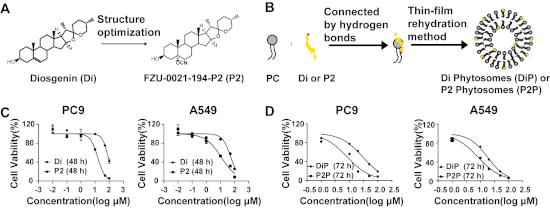
- -EDTA were purchased from Gibco-BRL (Burlington, ON, Canada). Fetal bovine serum (FBS) was obtained from Gemini (Calabasas, USA). Lecithin and cholesterol were obtained from Sinopharm Chemical Reagent Co., Ltd. (China). All commercially available starting materials and solvents were reagent grade and



Engineered superparamagnetic iron oxide nanoparticles (SPIONs) for dual-modality imaging of intracranial glioblastoma via EGFRvIII targeting
Beilstein J. Nanotechnol. 2019, 10, 1860–1872, doi:10.3762/bjnano.10.181
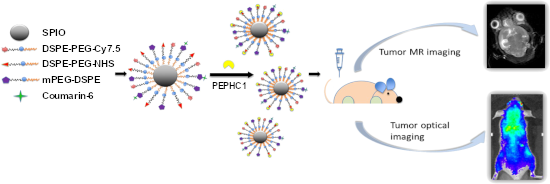
- Sigma (USA) and Cy7.5 NHS ester was purchased from Nanocs (USA). Fetal bovine serum (FBS), phosphate buffered saline (PBS), trypsin-EDTA (0.25%), high glucose Dulbecco’s modified Eagle’s medium (DMEM) and penicillin-streptomycin were purchased from Gibco (CA, USA). The MTT cell proliferation and




Toxicity and safety study of silver and gold nanoparticles functionalized with cysteine and glutathione
Beilstein J. Nanotechnol. 2019, 10, 1802–1817, doi:10.3762/bjnano.10.175
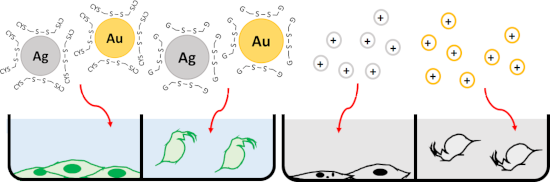
- were regularly tested for absence of mycoplasma by means of a direct DNA dye test [85]. When the cells reached 80% confluence, the culture medium was removed with a pipette; the cells were washed once with sterile phosphate buffer saline (PBS), detached from the flask by adding trypsin/EDTA (0.25
- untreated cells were negative controls. After treatment, the plates were centrifuged at 1500g for 15 min. Supernatants containing dead cells were collected from 12-well plates in 1.5 mL Eppendorf tubes. Live cells were detached from the wells by adding 0.05 % GibcoTM trypsin/EDTA (Thermo Fisher Scientific
- , Waltham, USA) solution, washed with PBS, resuspended in PBS-based buffer containing FBS (2%) and EDTA (2 mmol L−1) (pH 7.4, filtered through 0,2 μm sterile filter) and passed through a 40 μm FalconTM cell strainer (Thermo Fisher Scientific, Waltham, USA). The supernatants and the detached cells were


Construction of a 0D/1D composite based on Au nanoparticles/CuBi2O4 microrods for efficient visible-light-driven photocatalytic activity
Beilstein J. Nanotechnol. 2019, 10, 1360–1367, doi:10.3762/bjnano.10.134
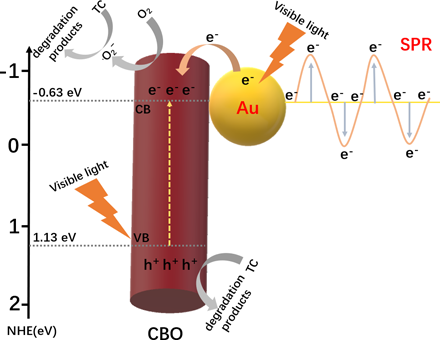
- ethylenediaminetetraacetic acid (EDTA) and nitrogen (N2) were separately introduced during the TC degradation as scavengers of·OH•, holes (h+), and·O2−, respectively. The degradation rate of TC was significantly suppressed when EDTA or N2 were added, while no obvious effect was observed when IPA was added (Figure 8). This


Alloyed Pt3M (M = Co, Ni) nanoparticles supported on S- and N-doped carbon nanotubes for the oxygen reduction reaction
Beilstein J. Nanotechnol. 2019, 10, 1251–1269, doi:10.3762/bjnano.10.125
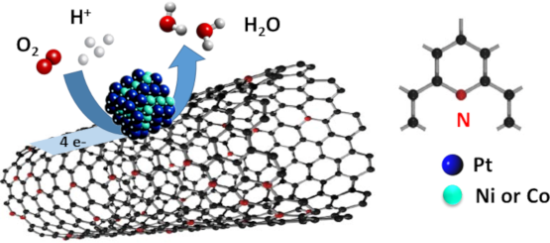
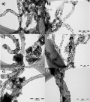
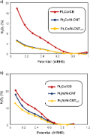
- obtained with unreacted M atoms (and clusters) at the surface of the carbon support. Catalyst treatment: EDTA washing The previous characterization revealed a large amount of unalloyed cobalt or nickel species on the support surface, which can be easily dissolved in acidic media, which then poisons the
- order to minimize the impact of the treatment on both the catalyst and its support, we avoid the classically used acid leaching method [99], but preferred using and internally developed method, based on washing the material with a solution of ethylenediaminetetraacetic acid (EDTA). This consists of
- dispersing the Pt3Co/N-CNT or Pt3Ni/N-CNTHT in a 0.1 M EDTA solution and using ultrasonication. For the Pt3Co/N-CNT catalyst, the solution become purple in a few seconds, indicating the fast and easy dissolution of the Co; while for Pt3Ni/N-CNTHT, the solution become blue after a few hours. One can suppose