


Search results
Search for "aluminum" in Full Text gives 253 result(s) in Beilstein Journal of Nanotechnology. Showing first 200.
Preferential enrichment and extraction of laser-synthesized nanoparticles in organic phases
Beilstein J. Nanotechnol. 2025, 16, 254–263, doi:10.3762/bjnano.16.20
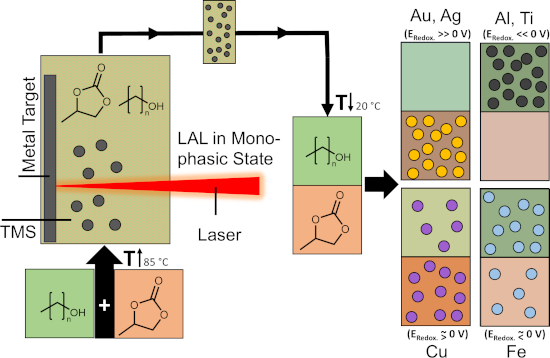
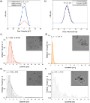
- ) to determine the preferred phase (1-nonanol or propylene carbonate) of the colloidal nanoparticles (Figure 1a,b). For gold and silver, the nanoparticles remained in the propylene carbonate phase, which is the more polar phase, while the nanoparticles made by LAL of aluminum and titanium were found to
- formation is to be expected during the ablation of copper compared to gold and silver, which leads to a decreased polarity of the formed nanoparticles and potentially a higher affinity to less polar solvents. However, the base metals (iron, aluminum, and titanium) show a different behavior during LAL in
- organic solvents. Various nanoparticle compositions were found for iron [7][24][25] and titanium [26][55], including carbides, oxides, and oxocarbides, resulting in a higher affinity towards non-polar solvents. While this was not shown for aluminum nanoparticles previously, it is known that aluminum can




Clays enhanced with niobium: potential in wastewater treatment and reuse as pigment with antibacterial activity
Beilstein J. Nanotechnol. 2025, 16, 141–154, doi:10.3762/bjnano.16.13
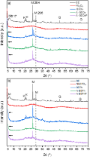
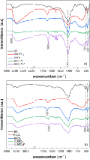
- ) Al2OH vibrational stretching, indicative of bentonite with a high aluminum content in octahedra [7][16]. The spectra for the NbOPO4 samples and for the bentonite modified with niobium phosphate (BEPh) before and after adsorption/photocatalysis (Figure 4a) show a band in the region of 1043 cm−1, due to
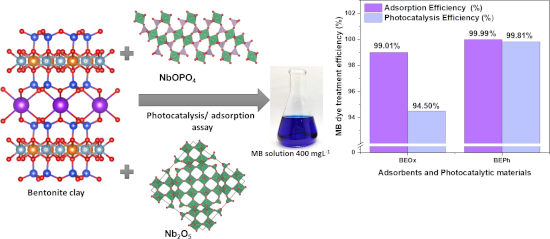
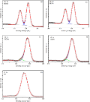
- modified with the niobium compounds, the element sodium had its percentage decreased compared with that in the bentonite sample. However, the little change in the percentage of aluminum and silica, corresponding to the octahedral and tetrahedral layer, respectively, confirms that the niobium compounds are



TiO2 immobilized on 2D mordenite: effect of hydrolysis conditions on structural, textural, and optical characteristics of the nanocomposites
Beilstein J. Nanotechnol. 2025, 16, 128–140, doi:10.3762/bjnano.16.12
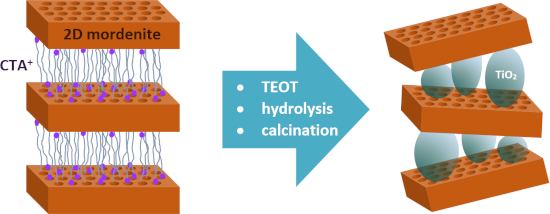
- distance and, hence, the mesopore size, but also the aluminum distribution and acidic properties of the obtained material, which are key parameters for catalysts [5][7][8][9][10]. One widely used component for the synthesis of 2D zeolites is CTAB [5][9][11][12][13]. To prepare mesoporous materials from
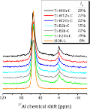
- the total Si/Al ratio, but hydrolysis reactions longer than 6 h result in a higher aluminum concentration on the surface. It should be also noted that all TiO2-loaded samples are characterized by low sodium content. We remind the readers that Na+ is a charge compensating cation; for an ideal sodium
- aluminum in regular tetrahedral sites of the zeolite framework. As it was reported earlier for 2D mordenite pillared by amorphous SiO2, obtained by hydrolysis of TEOT in water, the removal of CTAB leads to a partial removal of Al from the zeolite frameworks [5]. The same is observed for the TiO2-loaded



Theoretical study of the electronic and optical properties of a composite formed by the zeolite NaA and a magnetite cluster
Beilstein J. Nanotechnol. 2025, 16, 44–53, doi:10.3762/bjnano.16.5
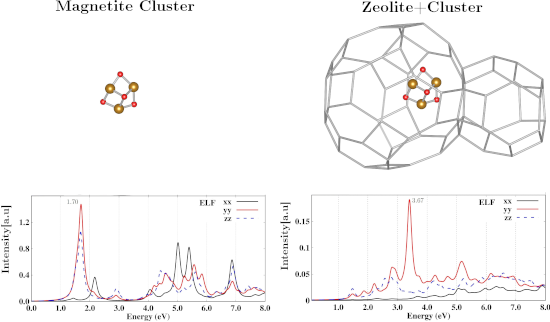
- a = b = c = 17.179 Å and α = β = γ = 60°, described by the chemical formula 12Na+[Al12Si12O48]12−. As an additional consideration, we will assume that the distribution of aluminum atoms in the framework satisfies Löwenstein’s rule [55]. Also, we considered the highly stable Fe3O4 magnetite minimal
- , 1.60, 1.90, and 1.70 for aluminum, oxygen, silicon, sodium, and sulfur, respectively; the convergence number, that is, the smallest muffin-tin radii times the plane wave cutoff parameter, is set at RmtKmax = 6.0; the maximum l value for partial waves used inside atomic spheres is lmax = 10; and the




Orientation-dependent photonic bandgaps in gold-dust weevil scales and their titania bioreplicates
Beilstein J. Nanotechnol. 2025, 16, 1–10, doi:10.3762/bjnano.16.1
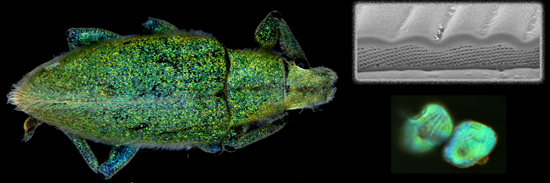
- microscope (Zeiss, Oberkochen, Germany) using an in-lens secondary electron detector at 5 kV acceleration voltage. The scales and replicas were attached to an aluminum holder via a conductive carbon tape. These samples were coated with gold using a Sputter Coater 108 (Cressington Scientific Instruments


Facile synthesis of size-tunable L-carnosine-capped silver nanoparticles and their role in metal ion sensing and catalytic degradation of p-nitrophenol
Beilstein J. Nanotechnol. 2024, 15, 1576–1592, doi:10.3762/bjnano.15.124
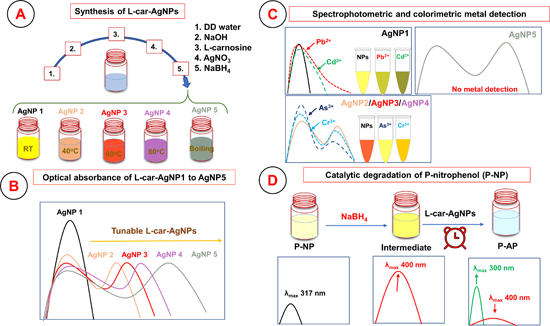
- with a NIST-grade metal standard including arsenic (As3+), aluminum (Al3+), cadmium (Cd2+), zinc (Zn2+), mercury (Hg2+), nickel (Ni2+), copper (Cu2+), chromium (Cr3+), iron (Fe3+), molybdenum (Mo2+), and lead (Pb2+) were acquired from CDH Fine Chemicals. The chemicals were used without further




Lithium niobate on insulator: an emerging nanophotonic crystal for optimized light control
Beilstein J. Nanotechnol. 2024, 15, 1415–1426, doi:10.3762/bjnano.15.114
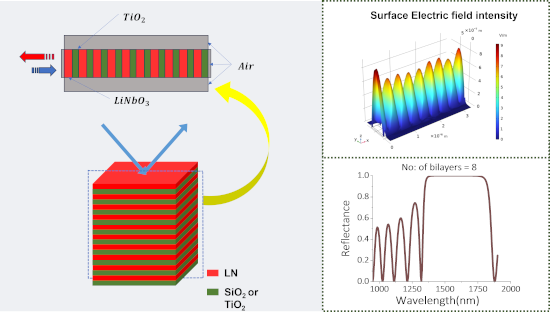
- wavelength can be tuned by changing the electric field without altering the reflectance values [32]. Shuai et al. introduce a bulk acoustic resonator (BAW) comprised of a sandwich-like structure with an LN film positioned between two aluminum electrodes. In this setup, acoustic waves are generated and


Green synthesis of carbon dot structures from Rheum Ribes and Schottky diode fabrication
Beilstein J. Nanotechnol. 2024, 15, 1369–1375, doi:10.3762/bjnano.15.110
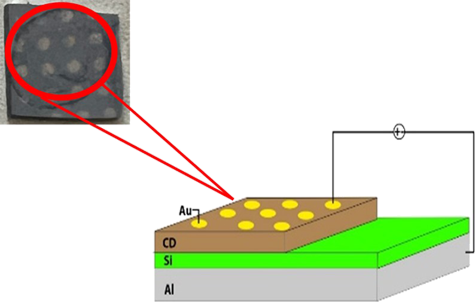
- dried to synthesize CDs. Acetone, methanol, silicon, gold powder, and aluminum were purchased from Sigma-Aldrich, Merck, and Alfa Aesar. All studies were carried out at room temperature. Instruments Various devices were used for the structural, morphological, and optical characterization of the CDs. FEI
- substrate was cut to approximately 1 cm2 in size and cleaned by washing it in acetone, methanol, and pure water for 10 min each. An ohmic contact was made with aluminum on the cleaned sample at 1 × 10⁻⁷ Torr vacuum in a PVD thermal evaporation device. Approximately 30 μL of the CDs stock solution was taken




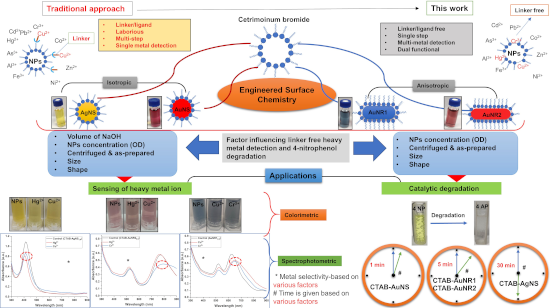
Nanoarchitectonics with cetrimonium bromide on metal nanoparticles for linker-free detection of toxic metal ions and catalytic degradation of 4-nitrophenol
Beilstein J. Nanotechnol. 2024, 15, 1312–1332, doi:10.3762/bjnano.15.106
- chemicals, Finar and SRL chemicals, respectively. National Institute of Standard and Technology grade metal standards (1000 ppm) of arsenic (As3+), aluminum (Al3+), cadmium (Cd2+), zinc (Zn2+), mercury (Hg2+), nickel (Ni2+), copper (Cu2+), chromium (Cr3+), lead (Pb2+), iron (Fe3+), and cobalt (Co2+) were




Functional morphology of cleaning devices in the damselfly Ischnura elegans (Odonata, Coenagrionidae)
Beilstein J. Nanotechnol. 2024, 15, 1260–1272, doi:10.3762/bjnano.15.102

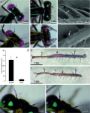
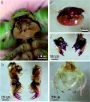
- on the grooming structures. The specimens were deposited on aluminum stubs using double-sided adhesive tape. Before the analysis, the samples were sputter-coated with a thin layer of gold (8 nm) using a Q150 T ES (Quorum, Laughton, UK) for 30 s. The samples were then analyzed in a field-emission


Signal generation in dynamic interferometric displacement detection
Beilstein J. Nanotechnol. 2024, 15, 1070–1076, doi:10.3762/bjnano.15.87
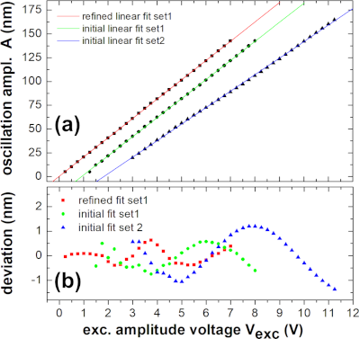
- = 0.81) aluminum-coated silicon microcantilever (type PPP-NCLR, NanoWorld AG, Neuchâtel, Switzerland) having dimensions of (225 ± 10) μm × (38 ± 8) μm × (7 ± 1) μm according to the specification of the manufacture. Using our standard procedure [15], we determined the eigenfrequency as f0 = 169.67622 kHz


Interface properties of nanostructured carbon-coated biological implants: an overview
Beilstein J. Nanotechnol. 2024, 15, 1041–1053, doi:10.3762/bjnano.15.85
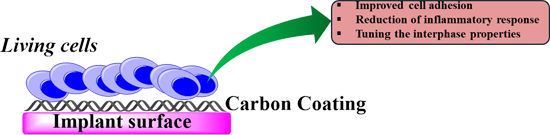
- of the superior friction reduction achievable using thin ND films as reported by Blum and co-workers [142]. The authors sintered a 75 µm thick layer of NDs onto an aluminum alloy using a focused laser beam and reached a friction coefficient smaller than 0.2. Similar results can be obtained by using



Bolometric IR photoresponse based on a 3D micro-nano integrated CNT architecture
Beilstein J. Nanotechnol. 2024, 15, 1030–1040, doi:10.3762/bjnano.15.84
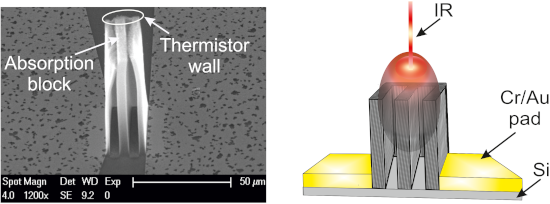
- 600 nm thick thermally oxidized SiO2 layer. The wafer was p-type and lightly boron-doped (Si-Mat, Silicon Materials). The substrate was thoroughly cleaned to remove impurities and contaminants to provide an ideal condition for CNT growth. Subsequently, an essential 30 nm aluminum oxide (AlOx) layer


Investigation on drag reduction on rotating blade surfaces with microtextures
Beilstein J. Nanotechnol. 2024, 15, 833–853, doi:10.3762/bjnano.15.70
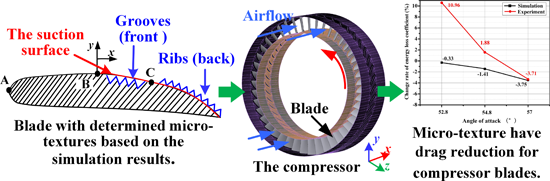
- microtextured blade surface Surface quality analysis of the microtextured blade The processed blade, composed of 7075 series aluminum alloy, is displayed in Figure 18. The blade surface quality was assessed using a JSZ6S trinocular stereo microscope; the results showed that the processed blade has high quality


Electrospun polysuccinimide scaffolds containing different salts as potential wound dressing material
Beilstein J. Nanotechnol. 2024, 15, 781–796, doi:10.3762/bjnano.15.65
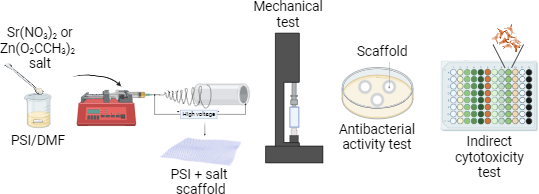
- Table 1. Electrospinning The PSI/DMF/salt solutions were placed in a syringe pump (NE-500 model, New Era Pump Systems, Inc., USA), and the flow rate was adjusted between 0.4 and 0.5 mL/h. In every case, the scaffolds were made from 1 mL of the solutions. The fibers were collected on an aluminum foil



Aero-ZnS prepared by physical vapor transport on three-dimensional networks of sacrificial ZnO microtetrapods
Beilstein J. Nanotechnol. 2024, 15, 490–499, doi:10.3762/bjnano.15.44
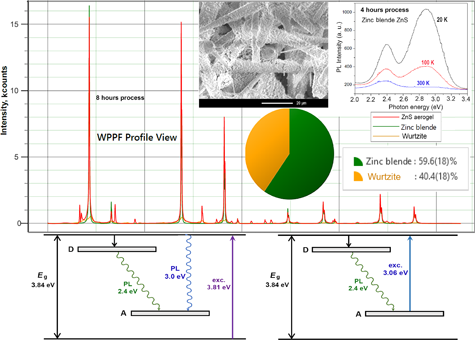
- ], and hybrid composite [26][27] materials. Aeromaterials have been prepared on the basis of sacrificial nano/microstructured templates. Nanofibrillated cellulose has been used as a sacrificial template for the preparation of inorganic nanotube networks, such as titanium dioxide, zinc oxide, and aluminum



Modulated critical currents of spin-transfer torque-induced resistance changes in NiCu/Cu multilayered nanowires
Beilstein J. Nanotechnol. 2024, 15, 360–366, doi:10.3762/bjnano.15.32
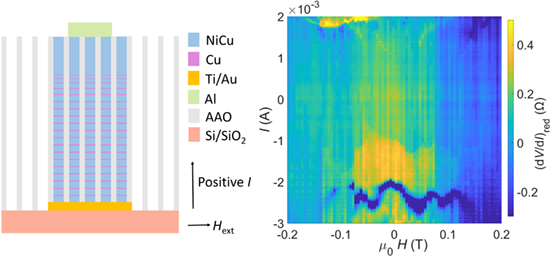
- Mengqi Fu Roman Hartmann Julian Braun Sergej Andreev Torsten Pietsch Elke Scheer Fachbereich Physik, Universität Konstanz, 78457 Konstanz, Germany 10.3762/bjnano.15.32 Abstract We present a novel method combining anodic aluminum oxide template synthesis and nanolithography to selectively deposit
- aluminum oxide (AAO) template-assisted electrodeposition has attracted wide interest because of its low cost as well as high flexibility on tailoring the magnetic properties of magnetic systems and thus STT effects [8][9][10][11][12]. Moreover, it enables a larger number of free layers, whose magnetization
- Discussion The AAO template was fabricated by directly anodizing a ca. 1 µm thick aluminum (Al) film on a silicon (Si) substrate covered with 200 nm SiO2 and patterned Ti/Au (5/50 nm) bottom electrodes. It has pores with a diameter of around 35 nm, an interpore distance of around 50 nm, and a height of


Design, fabrication, and characterization of kinetic-inductive force sensors for scanning probe applications
Beilstein J. Nanotechnol. 2024, 15, 242–255, doi:10.3762/bjnano.15.23
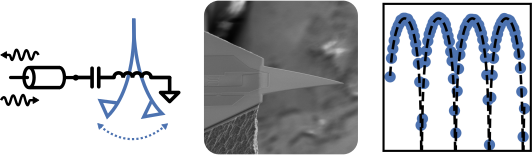
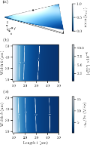
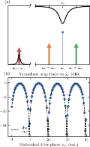
- nitride (Nb-Ti-N) [20][25], or granular aluminum (grAl) [26][27], wolfram (W) [28], and silicon doped with boron (Si:B) [29]. Results and Discussion Figure 1 gives an overview of our fabricated sensor, showing the main components. The cantilever is a 600 nm thick Si-N triangular plate released from a much



Multiscale modelling of biomolecular corona formation on metallic surfaces
Beilstein J. Nanotechnol. 2024, 15, 215–229, doi:10.3762/bjnano.15.21
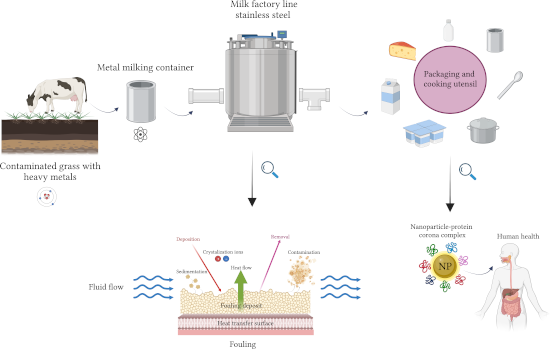
- and product quality. Aluminum is widely used in food packaging and food processing applications, including dairy products. However, the interaction between aluminum and milk content requires further investigation to understand its implications. In this work, we present the results of multiscale
- modelling of the interaction between various surfaces, that is (100), (110), and (111), of fcc aluminum with the most abundant milk proteins and lactose. Our approach combines atomistic molecular dynamics, a coarse-grained model of protein adsorption, and kinetic Monte Carlo simulations to predict the
- protein corona composition in the deposited milk layer on aluminum surfaces. We consider a simplified model of milk, which is composed of the six most abundant milk proteins found in natural cow milk and lactose, which is the most abundant sugar found in dairy. Through our study, we ranked selected




Ion beam processing of DNA origami nanostructures
Beilstein J. Nanotechnol. 2024, 15, 207–214, doi:10.3762/bjnano.15.20
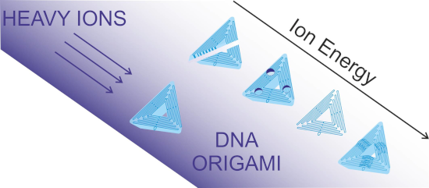
- × 5 cm; ion fluence accuracy: ∼5%; horizontal frequency: 400 Hz; vertical frequency: 40 Hz) and dedicated dosimetry [37]. At the lower-energy beamline, a 0.7 MeV/u 56Fe10+ beam was used. Dry samples were adhered onto an aluminum plate using a double-sided carbon tape (which also removes accumulated
- 1013 ions·cm−2. Control samples were adhered at the back of the aluminum plate, in a region not exposed to the ion beam. For the high-energy irradiation, a 60 MeV/u 56Fe25+ beam was used. Samples were irradiated in air on the outer surface of a cell culture flask oriented to face the beam. Maximum flux
- °C nor 150 °C was reached under the irradiation conditions in the present experiments on the macroscopic level. The samples are placed on an aluminum block, and even at the highest fluences the substrate temperature is below 50 °C. The observed material evaporation resulting in the loss of


CdSe/ZnS quantum dots as a booster in the active layer of distributed ternary organic photovoltaics
Beilstein J. Nanotechnol. 2024, 15, 144–156, doi:10.3762/bjnano.15.14
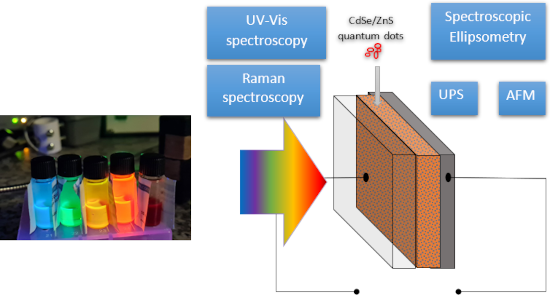
- diagram of a potential solar cell with aluminum and indium tin oxide (ITO) electrodes is presented in Figure 10. The HOMO was determined using the UPS spectrum of the valence bands for all samples. The lowest unoccupied molecular orbital (LUMO) was determined by subtracting the energy gap from the HOMO
- level. The energy gap was obtained from the Tauc diagram [57]. The levels correspond to a mixture of the levels obtained for pure CdSe and ZnS [58]. To evaluate the potential applicability of ternary mixtures, the volume heterojunctions of ITO/PEDOT:PSS/active layer/aluminum and ITO/active layer
- /aluminum systems were simulated using the computational tool “General-Purpose Photovoltaic Device Model (GPVDM)” [59]. This software was proofed functional for similar organic systems [60]. The active layer was a mixture of a polymeric donor and P3HT, with a PCBM fullerene acceptor doped with appropriate




In situ optical sub-wavelength thickness control of porous anodic aluminum oxide
Beilstein J. Nanotechnol. 2024, 15, 126–133, doi:10.3762/bjnano.15.12
- , Latvia Faculty of Physics, Mathematics and Optometry, University of Latvia, 3 Jelgavas Str., Riga LV-1004, Latvia 10.3762/bjnano.15.12 Abstract Porous anodic aluminum oxide (PAAO), sometimes referred to as nanoporous anodic alumina, serves as a cost-effective template for nanofabrication in many fields
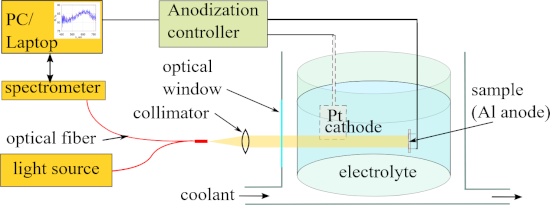
- effective thickness below 300 nm could be produced with a few nanometers accuracy using single-crystal aluminum substrates. The results were confirmed using spectroscopic ellipsometry. The method for controlling the thickness during anodization eliminates the necessity of sample sectioning for electron
- microscopy and is particularly valuable for the small-scale production of PAAO-based functional optical coatings. Keywords: electrochemistry; ellipsometry; porous anodic alumina; spectroscopy; thin films; Introduction Porous anodic aluminum oxide (PAAO) is a versatile self-organized material with


Assessing phytotoxicity and tolerance levels of ZnO nanoparticles on Raphanus sativus: implications for widespread adoptions
Beilstein J. Nanotechnol. 2024, 15, 115–125, doi:10.3762/bjnano.15.11
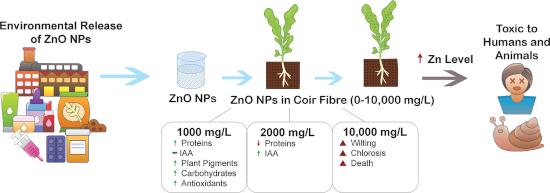
- to more stable and less available solid forms by forming complexes with oxides such as aluminum or iron, or by precipitating as Zn carbonate [7]. The recommended Zn level needed for the majority of crops to be healthy ranges from 30 to 200 μg Zn g−1 dry weight (DW) of plants [8]. Therefore, the


Study of the reusability and stability of nylon nanofibres as an antibody immobilisation surface
Beilstein J. Nanotechnol. 2024, 15, 83–94, doi:10.3762/bjnano.15.8
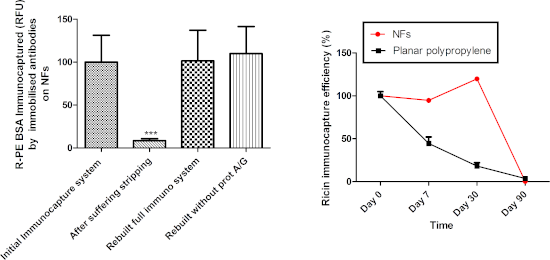
- (immediately after antibody anchoring; it is considered the reference value) and 7 days, 30 days, and 90 days after antibody anchoring, bringing the immunocapture systems to room temperature only covered by aluminum foil. Washing steps were carried out between each step above in order to remove non-linked


Measurements of dichroic bow-tie antenna arrays with integrated cold-electron bolometers using YBCO oscillators
Beilstein J. Nanotechnol. 2024, 15, 26–36, doi:10.3762/bjnano.15.3
- /20 nm was deposited with an electron-beam evaporation machine. After lift-off, a double layer of MMA and ARP electron resist was deposited, which is necessary to form an aluminum oxide dielectric layer without breaking the vacuum. Then the electron lithography was made, but the resist was not
- of 1.2 nm of Fe and 30 nm of Al on top; then, 60 nm of aluminum are deposited at an angle of 45°. Thus, we form a superconductor–normal metal (SN) Andreev contact. Subsequently, oxidation is carried out at a relatively high pressure (1–2 Torr) in the working chamber of the sputtering unit. The last
- process. In the future, it is planned to carry out a set of works to improve the barrier properties of aluminum oxide. The quality of the barrier largely depends on the roughness of aluminum. It can be critically large during electron beam deposition, which in turn affects the thickness of the barrier and





