


Search results
Search for "breast cancer" in Full Text gives 84 result(s) in Beilstein Journal of Nanotechnology.
Curcumin-loaded albumin submicron particles with potential as a cancer therapy: an in vitro study
Beilstein J. Nanotechnol. 2023, 14, 1127–1140, doi:10.3762/bjnano.14.93
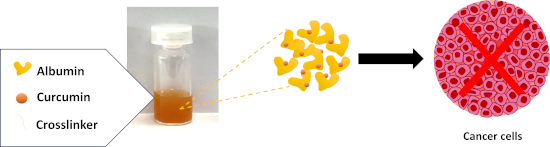
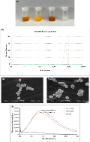
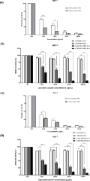
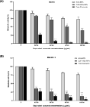
- especially anticancer potential [1][2]. Several in vivo and in vitro studies in recent years have demonstrated that CUR can influence cancer cell proliferation, invasion, angiogenesis, and metastasis [3]. It has been reported that CUR exerts anticancer effects in human breast cancer cells (MCF-7) by
- silk core–shell nanoparticles show high cytotoxicity and cellular uptake regarding breast cancer cells [14]. However, the effectiveness of zein nanoparticles as a delivery vehicle is limited by their poor stability, as they tend to aggregate when suspended in water [15]. Lyophilizing the particles
- ]. These findings indicate that the sensitivity to CUR and the CUR-loaded HSA-MPs depends on the cell type [41]. Previous studies have shown that CUR inhibits the growth by inducing apoptosis through p53-dependent Bax induction in MCF-7 breast cancer cells [45][46] or through p38-dependent up-regulation of




Nanoarchitectonics of photothermal materials to enhance the sensitivity of lateral flow assays
Beilstein J. Nanotechnol. 2023, 14, 988–1003, doi:10.3762/bjnano.14.82
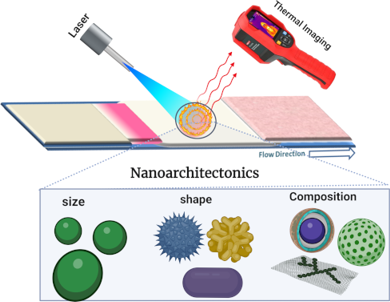
- reduced graphene oxide (rGO), SERS imaging can be done along with photothermal therapy [84]. Recently, our group developed a multifunctional rGO–Au nanoscale architecture loaded with Raman dye and anticancer drugs for fluorescence/SERS imaging-guided breast cancer therapy. Under activation of a laser at


Antibody-conjugated nanoparticles for target-specific drug delivery of chemotherapeutics
Beilstein J. Nanotechnol. 2023, 14, 912–926, doi:10.3762/bjnano.14.75
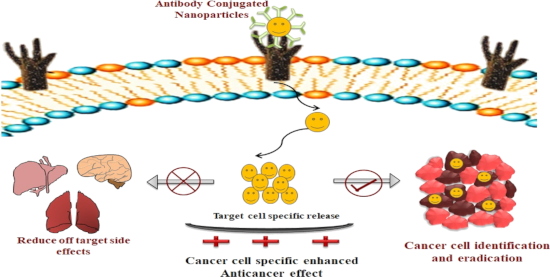
- Herceptin® to improve cellular uptake and cytotoxicity in breast cancer cells [41]. Similarly, Rayavarapu et al. conjugated HER2 antibodies on the surface of gold nanoparticles using a noncovalent conjugation method in order to increase intracellular uptake into cancer cells [42]. The adsorption results



Quercetin- and caffeic acid-functionalized chitosan-capped colloidal silver nanoparticles: one-pot synthesis, characterization, and anticancer and antibacterial activities
Beilstein J. Nanotechnol. 2023, 14, 362–376, doi:10.3762/bjnano.14.31
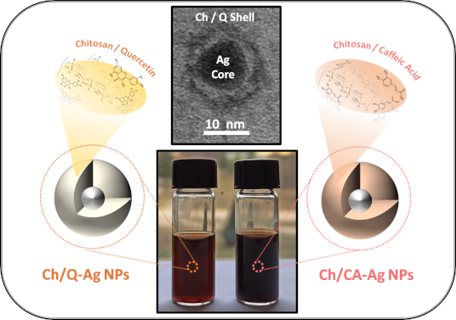
- prepared and exhibited good and dose-dependent cytotoxicity against MCF-7 breast cancer cell lines [58]. When adding Ch/Q- and Ch/CA-Ag NPs to ARPE-19 cells, the viability values were also lower than those of the control group, especially for caffeic acid Ag NPs (Figure 6b and Figure 6d). When Ch/Q-Ag NPs


Overview of mechanism and consequences of endothelial leakiness caused by metal and polymeric nanoparticles
Beilstein J. Nanotechnol. 2023, 14, 329–338, doi:10.3762/bjnano.14.28
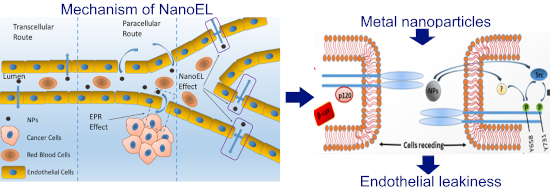
- of tumors may also contribute to faster intravasation and extravasation of cancer cells, which has been confirmed in both in vitro and in vivo studies. Peng et al. demonstrated that the exposure of breast cancer cells to TiO2, SiO2, and Au NPs significantly accelerates the intravasation and


Recent progress in cancer cell membrane-based nanoparticles for biomedical applications
Beilstein J. Nanotechnol. 2023, 14, 262–279, doi:10.3762/bjnano.14.24
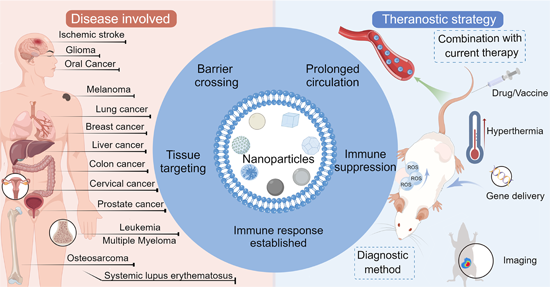
- , cancer cell membrane-encapsulated NPs can achieve better targeting toward tumors. Fang et al. coated poly (lactic-co-glycolic acid) (PLGA) NPs with the MDA-MB-435 human breast cancer cell membrane. The encapsulated biomimetic NPs exhibited a stronger affinity for cultured MDA-MB-435 cells in vitro than
- cancer cells, which may be attributed to the expression of cross antigens on different cells. Pan et al. found that breast cancer MDA-MB-231 membrane-coated NPs also showed a certain affinity for the cervical cancer cell line HeLa [39]. 2.2 Modulation of the immune system Cancer cells exhibit excellent
- tumor cells and sends a “do not eat me” signal to phagocytic cells [41]. CD47 has been shown to avoid uptake by macrophages, which enables the NPs to escape immunogenic clearance [42]. Additionally, CD24 has been found to be overexpressed in several malignant diseases (e.g., ovarian and breast cancer


Nanotechnology – a robust tool for fighting the challenges of drug resistance in non-small cell lung cancer
Beilstein J. Nanotechnol. 2023, 14, 240–261, doi:10.3762/bjnano.14.23
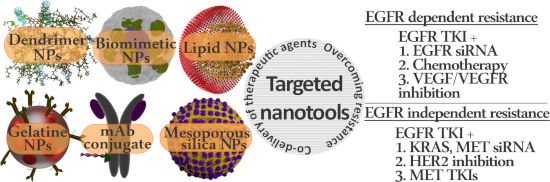
- in mortality. Also, it is the second most frequently diagnosed cancer (11.4% of the total cases), surpassed only by female breast cancer (11.7%) [1][2][3]. According to the WHO International Agency for Research on Cancer in 2020 (GLOBOCAN database), around 1.8 million new lung mortalities were
- cancers [61][64][65]. Despite the encouraging results of antibody–drug conjugates, acquired resistance to these agents might eventually develop following the initial positive response. Various mechanisms of acquired resistance in patients with HER2-positive locally advanced breast cancer or metastatic
- breast cancer involving factors crucial for their mechanism of action are reported across the literature [66][67]. This suggests that such acquired resistance might also become a common problem in advanced NSCLC treatment [68]. Some of the potential factors of resistance, such as poor internalization


Cyclodextrins as eminent constituents in nanoarchitectonics for drug delivery systems
Beilstein J. Nanotechnol. 2023, 14, 218–232, doi:10.3762/bjnano.14.21
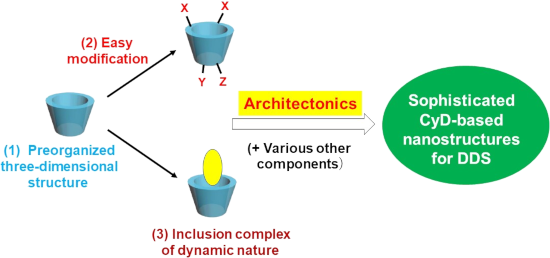
- administered at present through subcutaneous injection. Moreover, a glutamine–β-CyD conjugate was used to deliver DOX for the treatment of triple-negative breast cancer, which is difficult to cure [99]. By combining β-CyD and poly(2-ethyl-2-oxazoline), DOX was released in response to both the reduction by


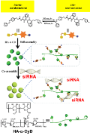


Single-step extraction of small-diameter single-walled carbon nanotubes in the presence of riboflavin
Beilstein J. Nanotechnol. 2022, 13, 1564–1571, doi:10.3762/bjnano.13.130
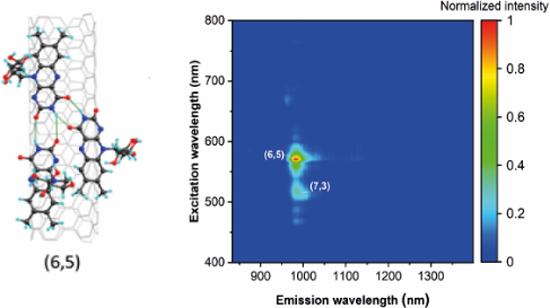
- such as melanoma, luminal 45 A breast cancer, and squamous cell carcinoma. Riboflavin-covered SWCNTs have immense potential in detecting tumors since riboflavin is selectively attached to the riboflavin carrier protein in the tumor cells while the photoluminescence increased by SWCNTs allows for high


In search of cytotoxic selectivity on cancer cells with biogenically synthesized Ag/AgCl nanoparticles
Beilstein J. Nanotechnol. 2022, 13, 1505–1519, doi:10.3762/bjnano.13.124
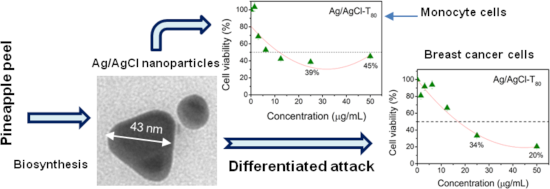
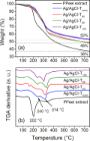
- pineapple peel extracts and their behavior on the breast cancer cell line MCF-7 is shown. Bioreactions were monitored at different temperatures. Fourier-transform infrared spectroscopy (FTIR), ultraviolet–visible spectroscopy (UV–vis), thermogravimetric analysis (TGA), X-ray diffraction (XRD), energy
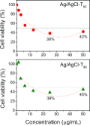
- -dispersive X-ray spectroscopy (EDX), and transmission electron microscopy (TEM) techniques were used to characterize nanoparticle development. The breast cancer cell line MCF-7 was used as a test model to study the cytotoxic behavior of Ag/AgCl nanoparticles and, as a counterpart, the nanoparticles were also
- lot of attention, given that cancer is a pathology with high incidence rates worldwide. In particular, breast cancer is highly aggressive and can metastasize, spreading to other organs through lymphatic and blood systems [7][8]. Several plant extract metabolites are known to have the ability to reduce





Facile preparation of Au- and BODIPY-grafted lipid nanoparticles for synergized photothermal therapy
Beilstein J. Nanotechnol. 2022, 13, 1432–1444, doi:10.3762/bjnano.13.118
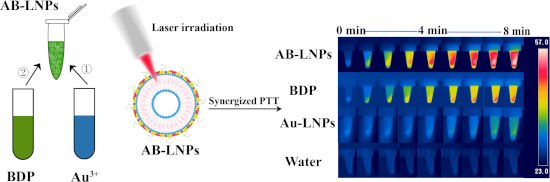
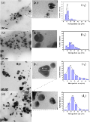
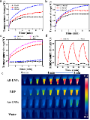
- could be associated stably to Au-LNPs, and the release of BODIPY from AB-LNPs could be accelerated by laser irradiation. AB-LNPs are scalable and showed excellent photothermal effects. AB-LNPs showed enhanced cellular uptake efficiency compared to free BODIPY in 4T1 breast cancer cells. Under laser
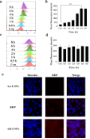
- (FOTRIC 225 s, USA). Cell culture Murine breast cancer 4T1 cell line was purchased from Cell Resource Center of Shanghai Institute for Biological Sciences (Chinese Academy of Sciences, Shanghai, China). 4T1 cells were cultured in RPMI-1640 medium containing 100 μg/mL streptomycin, 100 U/mL penicillin, and




Orally administered docetaxel-loaded chitosan-decorated cationic PLGA nanoparticles for intestinal tumors: formulation, comprehensive in vitro characterization, and release kinetics
Beilstein J. Nanotechnol. 2022, 13, 1393–1407, doi:10.3762/bjnano.13.115
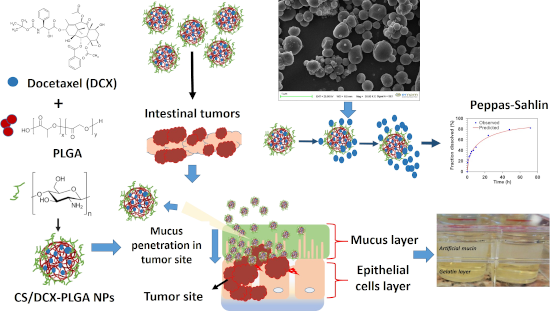
- the proliferation of cancer cells [32][33][34]. Its potent activity against a wide spectrum of cancers such as colon cancer, gastric cancer, breast cancer, recurrent ovarian cancer, and non-small cell lung cancer has been elucidated by in vitro and in vivo studies [35]. Its poor water solubility


Recent advances in green carbon dots (2015–2022): synthesis, metal ion sensing, and biological applications
Beilstein J. Nanotechnol. 2022, 13, 1068–1107, doi:10.3762/bjnano.13.93




Effects of substrate stiffness on the viscoelasticity and migration of prostate cancer cells examined by atomic force microscopy
Beilstein J. Nanotechnol. 2022, 13, 560–569, doi:10.3762/bjnano.13.47
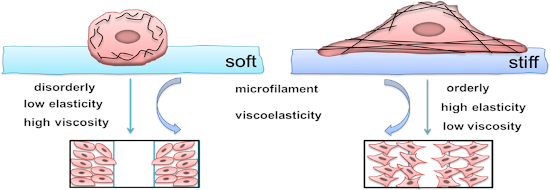
- the maturation of focal adhesions, and induces a downstream cascade of intracellular signals in the RhoA/ROCK pathway, thereby promoting breast cancer cell motility [11]. Dai et al. found that high-stiffness matrices regulate the morphology of MG63 osteosarcoma cells, promote actin polymerization and
- nuclear accumulation of the cardiomyosin-related transcription factor A, induce epithelial-mesenchymal transition (EMT) in osteosarcoma cells, and thus promote osteosarcoma metastasis [12]. Differences in ECM stiffness do not only affect the development of breast cancer and osteosarcoma. Recent studies on
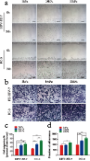
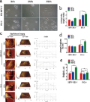
- mobility of the cells is positively correlated with their ability to invade. Wullkopf et al. [40] found that, in a 3D breast cancer model, an increased viscosity might actually aid cells at an invasive front. Our study firstly shows that substrate stiffness could affect the migration and invasion of



Systematic studies into uniform synthetic protein nanoparticles
Beilstein J. Nanotechnol. 2022, 13, 274–283, doi:10.3762/bjnano.13.22
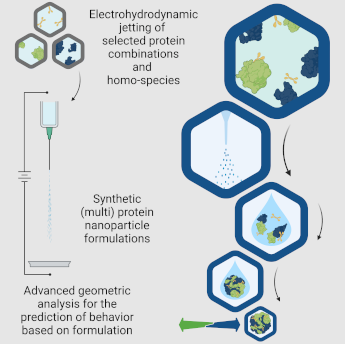
- . Paclitaxel was traditionally formulated through solubilization with harsh solvents, which led to adverse side effects and special administration instrumentation [9]. While AbraxaneTM was first FDA-approved for the treatment of metastatic breast cancer, it has since been investigated for other cancers
- -loaded HSA particles with diameters of approximately 130 nm [10][11]. Since then, AbraxaneTM has been used for non-small cell lung cancer, late-stage pancreatic cancer, and as a treatment for metastatic breast cancer [12][13]. Nevertheless, nab-based nanoparticles suffer from significant drawbacks, such


Theranostic potential of self-luminescent branched polyethyleneimine-coated superparamagnetic iron oxide nanoparticles
Beilstein J. Nanotechnol. 2022, 13, 82–95, doi:10.3762/bjnano.13.6
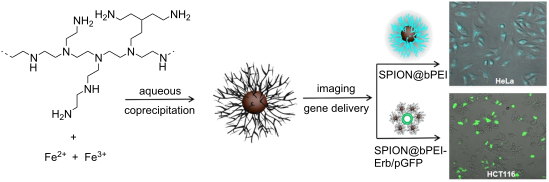
- @bPEI-Erb/pGFP was tested on HeLa, MCF7 (breast cancer cell line) and HCT116 (human colon cancer cell line) cells. The cells were grown onto 75T culture flasks in Dulbecco’s Modified Eagle’s culture Medium (DMEM) with 4.5 g/L ᴅ-glucose, ʟ-glutamine, and pyruvate (Life Technologies USA) and supplemented




Use of nanosystems to improve the anticancer effects of curcumin
Beilstein J. Nanotechnol. 2021, 12, 1047–1062, doi:10.3762/bjnano.12.78
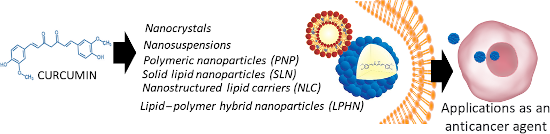
- characteristic of the tumor microenvironment (pH 6.5) and subcellular endosomes (pH 5.0). Regarding its apoptotic effects, a high anticancer activity was found when assayed against a breast cancer cell line (MDA-MB-231), an effect that was accompanied by an enhanced cellular uptake in cells that overexpressed
- CD44. Besides, they reported complementary evidence in which in vivo studies in female BALB/c mice showed that CUR nanococrystals had better anticancer effects in a 4T1 orthotopic breast cancer model as compared to F-CUR. Ribas et al. [57] reported that supercritical solvents (and no cosolvents) were
- . Results showed that cells readily internalized MNP by endocytosis, which simultaneously allowed for imaging the affected cells [132]. Other report showed that, using the same breast cancer cells, alginate/chitosan MNP had a 3–6-fold increase in cellular uptake, as compared to F-CUR [133]. This has been


Comprehensive review on ultrasound-responsive theranostic nanomaterials: mechanisms, structures and medical applications
Beilstein J. Nanotechnol. 2021, 12, 808–862, doi:10.3762/bjnano.12.64


Recent progress in magnetic applications for micro- and nanorobots
Beilstein J. Nanotechnol. 2021, 12, 744–755, doi:10.3762/bjnano.12.58
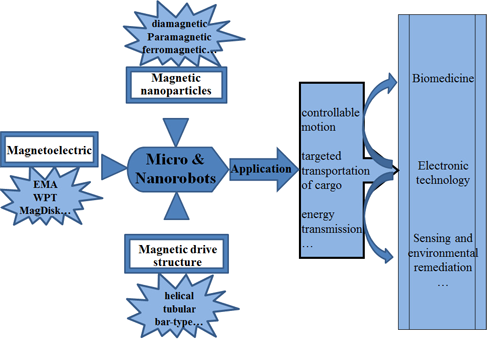
- , with which cancer cells and non-cancerous cells can be distinguished. Furthermore, a cell sensor that uses MaBiDz for rapid detection and imaging of target mRNA biomarkers of metastatic breast cancer has been realized. Its function shows that it is likely to be used as a biomimetic organelle MNR in the


The impact of molecular tumor profiling on the design strategies for targeting myeloid leukemia and EGFR/CD44-positive solid tumors
Beilstein J. Nanotechnol. 2021, 12, 375–401, doi:10.3762/bjnano.12.31
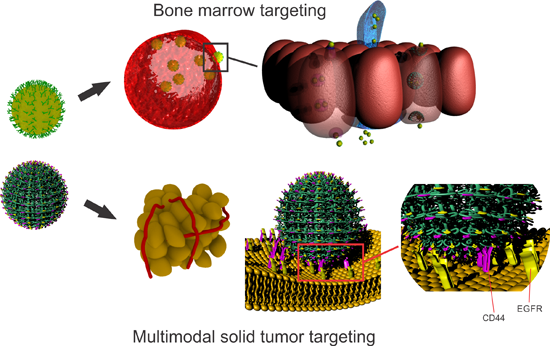
- common traits in many solid tumors and validated delivery targets for several cancers including lung, colorectal, and certain subtypes of breast cancer [69]. For instance, overexpression of EGFR and DNA mutations in the extracellular and intracellular portions of the protein have been observed in 43–89


The nanomorphology of cell surfaces of adhered osteoblasts
Beilstein J. Nanotechnol. 2021, 12, 242–256, doi:10.3762/bjnano.12.20
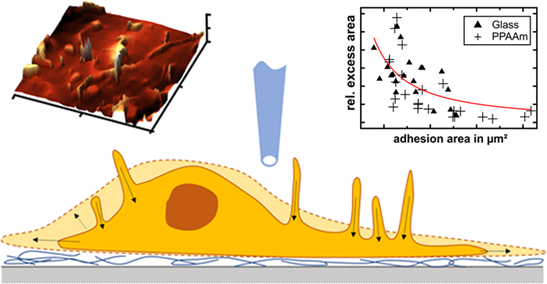
- breast cancer cells [30], and on keratinocytes [35]. In general, these features are associated with migration, receptor internalization, and micropinocytosis [30][36][37]. Membrane ruffling is regulated by a distinct signaling pathway [38] and the supporting actin is denser and more cross-linked [35
- ] compared to flat membrane regions. Three types of ruffles can be discriminated, namely (linear) dorsal, peripheral, and circular dorsal ruffles [36]. Colocalization with hyaluronan synthase has been found in a breast cancer cell line (MCF-7) [30]. Usually the error current, that is, the deviation between


PEG/PEI-functionalized single-walled carbon nanotubes as delivery carriers for doxorubicin: synthesis, characterization, and in vitro evaluation
Beilstein J. Nanotechnol. 2020, 11, 1728–1741, doi:10.3762/bjnano.11.155
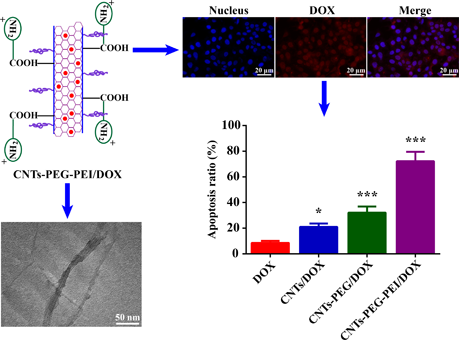
- grade. Cell culture The human breast cancer cell line MCF-7 used in this study was obtained from American Type Culture Collection (ATCC, Manassas, VA), and cultured in RPMI 1640 medium containing 10% (v/v) fetal bovine serum (FBS) and 1% penicillin–streptomycin at 37 °C in a humidified atmosphere with 5




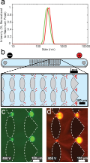
Electrokinetic characterization of synthetic protein nanoparticles
Beilstein J. Nanotechnol. 2020, 11, 1556–1567, doi:10.3762/bjnano.11.138
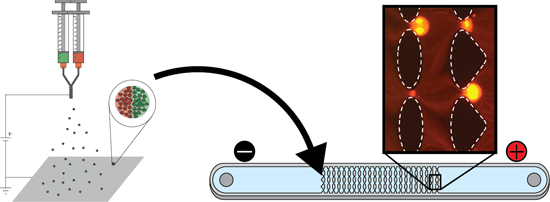
- vaccines [5][6]. Significant advances in self-assembled PNPs via protein engineering techniques have also been observed [7][8]. PNPs have successfully reached the clinic with nab-paclitaxel (Abraxane®), a PNP made of human serum albumin, which is being used for the treatment of metastatic breast cancer



Applications of superparamagnetic iron oxide nanoparticles in drug and therapeutic delivery, and biotechnological advancements
Beilstein J. Nanotechnol. 2020, 11, 1092–1109, doi:10.3762/bjnano.11.94
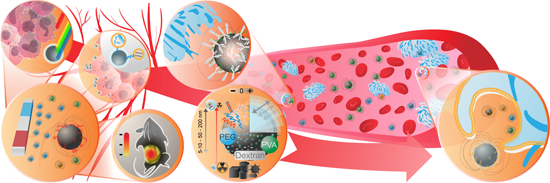
- occurred [84]. Polyvinylpyrrolidone (PVP)-coated SPIONs showed an unexpected effect on human breast cancer cells (BT-474) in vitro. At concentrations between 10 and 100 µg/mL, for up to three days, nanoparticles doubled the metabolic activity and the population number of cancer cells. Only at
- of 48 °C (after 1 h treatment at 15 mT and 150 kHz) and effectively killing breast cancer cells [145]. A high surface absorption rate can be obtained by increasing the frequency of the magnetic field, but that can only be done in a biologically safe limit, determined by Brezovich and Atkinson [146
- PEG and adsorbed on reduced graphene oxide sheets, which enhanced the thermal effect of hyperthermia and reduced the viability of breast cancer cells to less than 25% by reaching 43 °C [152]. Also, Zuvin et al. used 4–5 nm SPIONs conjugated with poly(acrylic acid) and anti-HER2 antibody against breast


Key for crossing the BBB with nanoparticles: the rational design
Beilstein J. Nanotechnol. 2020, 11, 866–883, doi:10.3762/bjnano.11.72
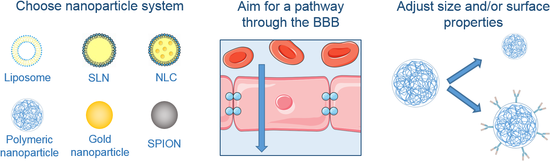
- are P-glycoproteins (P-gp or ABCB1, MDR1 gene product), breast cancer resistance proteins (BCRP/ABCG2) and the multidrug resistance-associated proteins (MRP1, 2, 4 and 5, ABCC) [31][35][36][37][38]. With their ability to transport a large variety of compounds, these efflux proteins cause a significant





